HomeServicesConcrete Removal & DemolitionWaterloo
Concrete Removal & Demolition in Waterloo
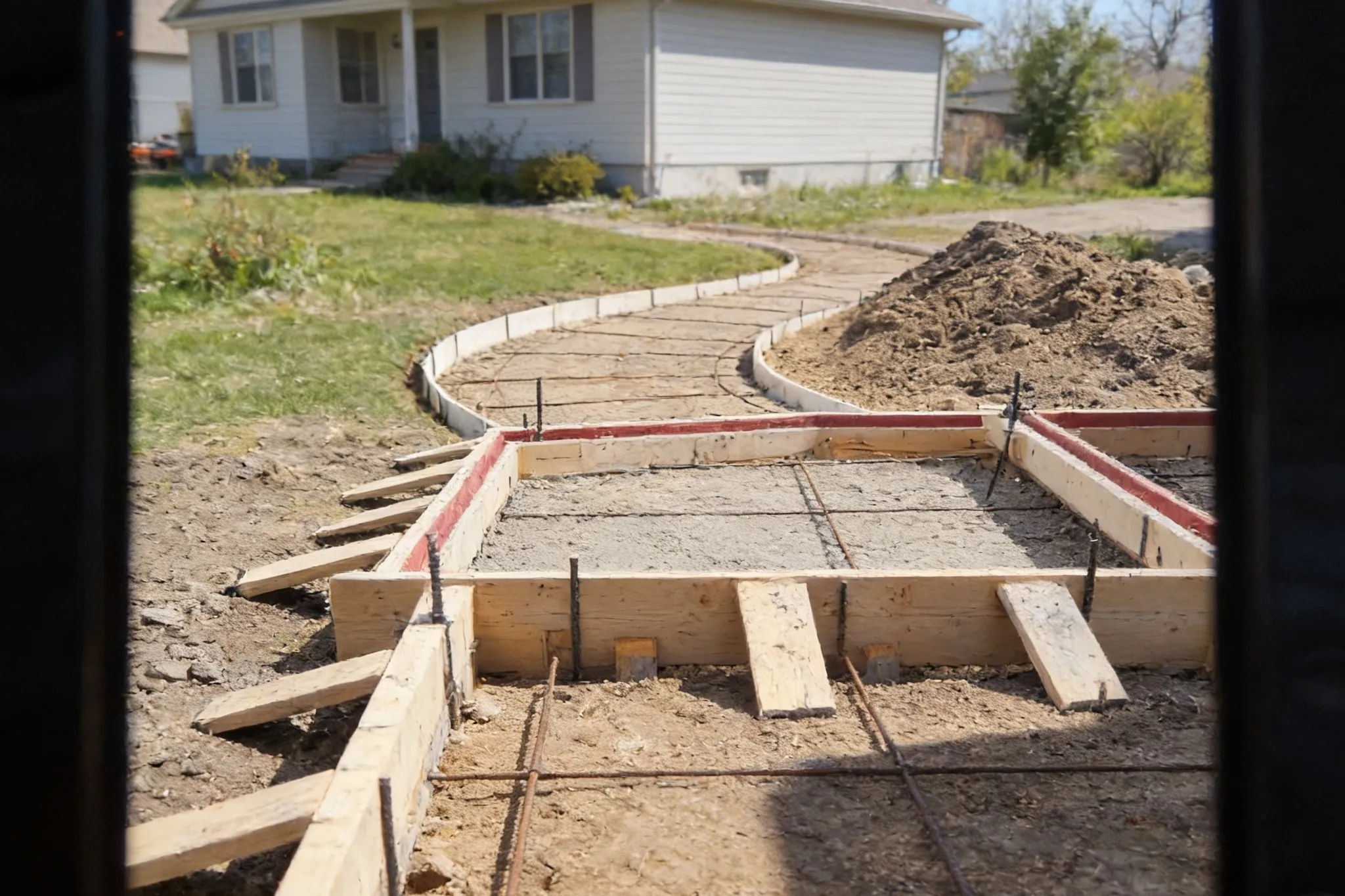
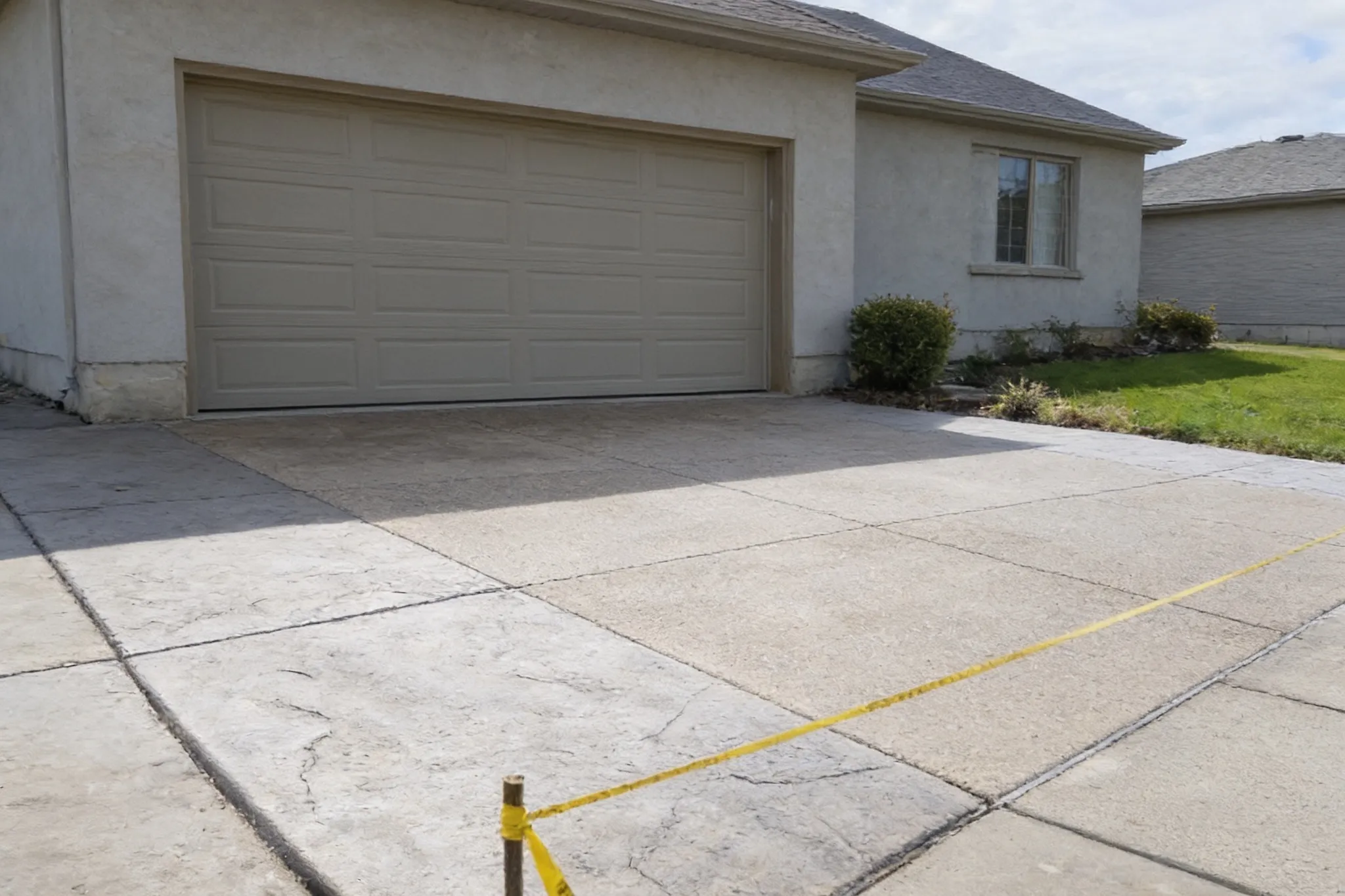
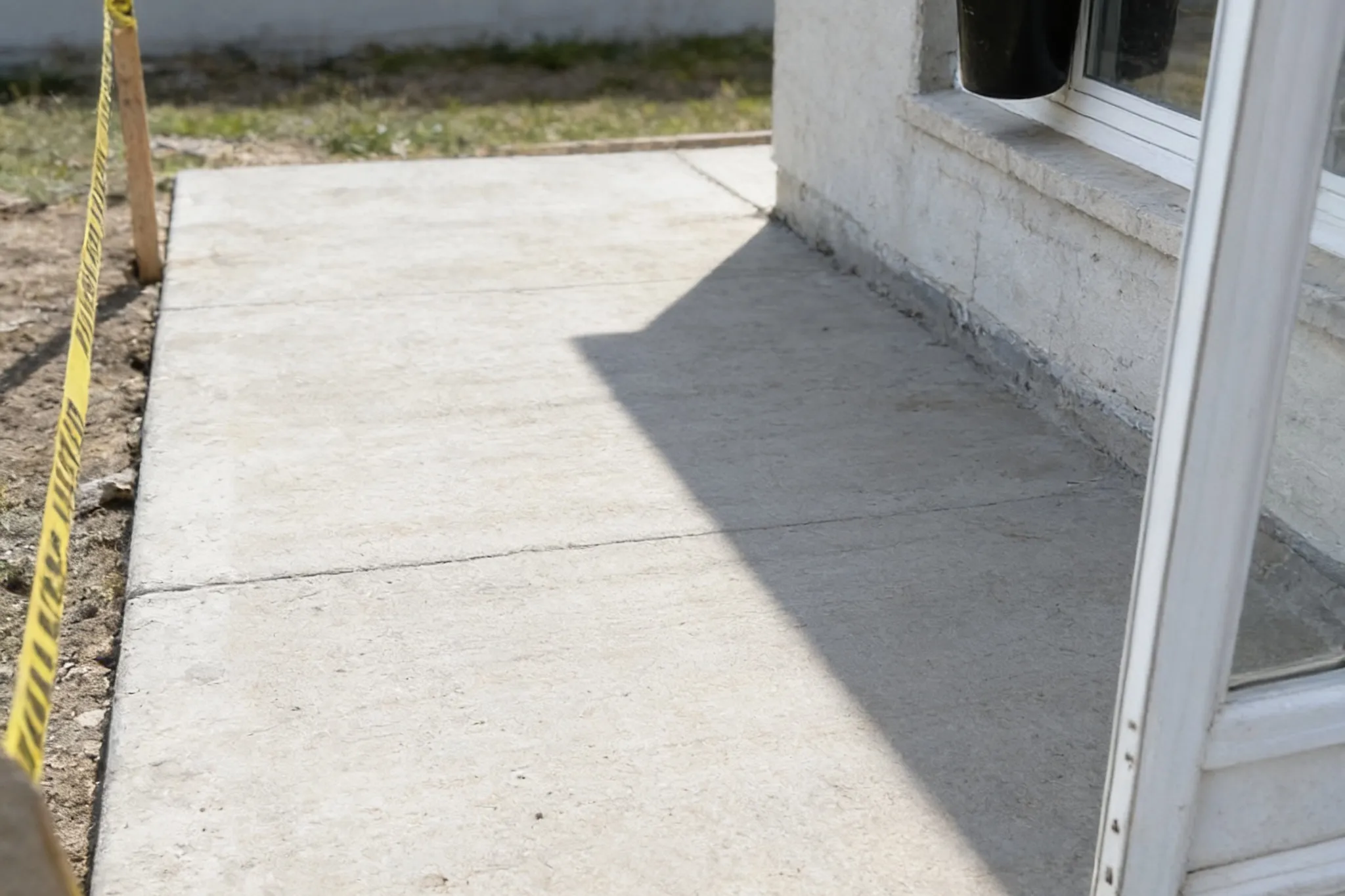
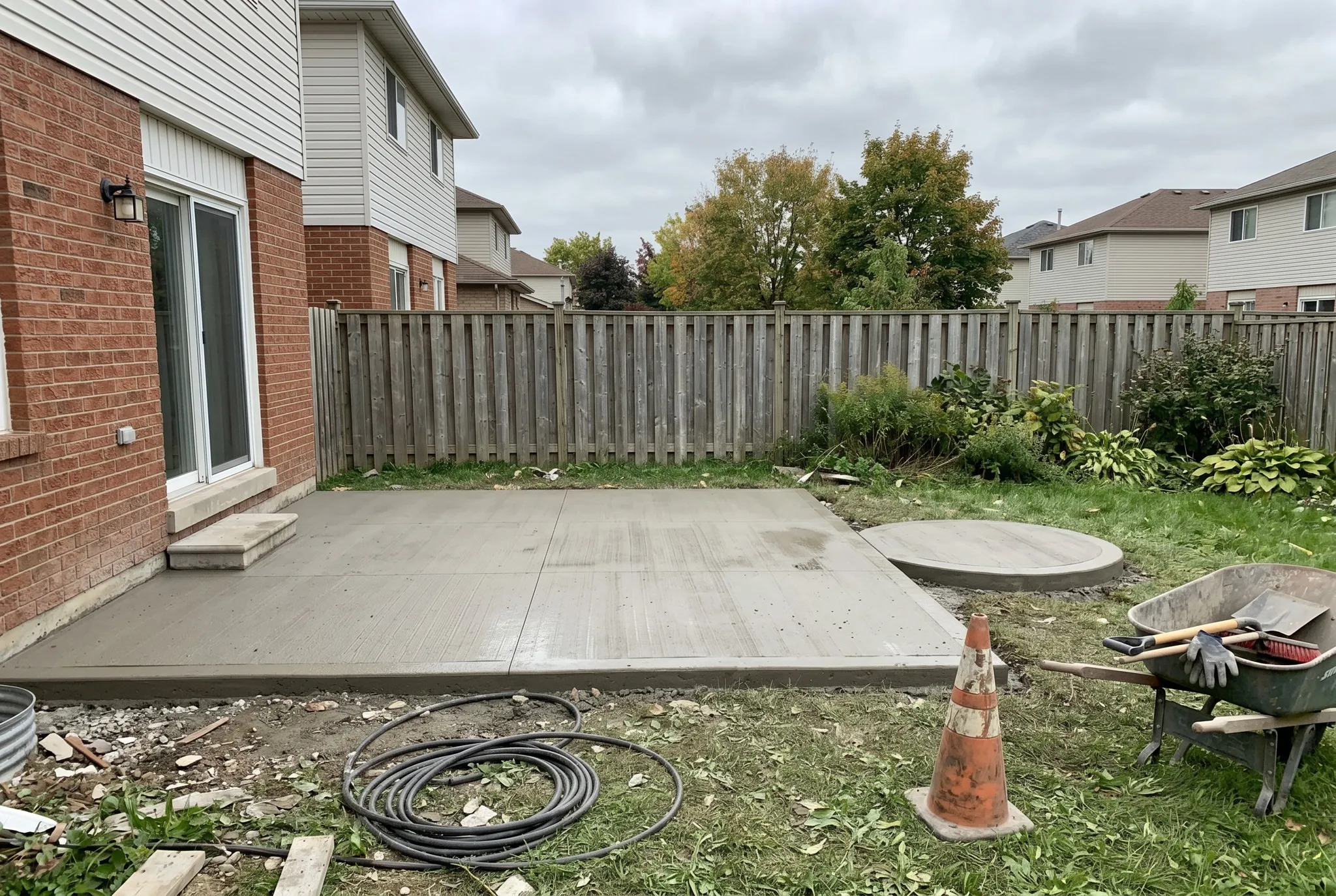
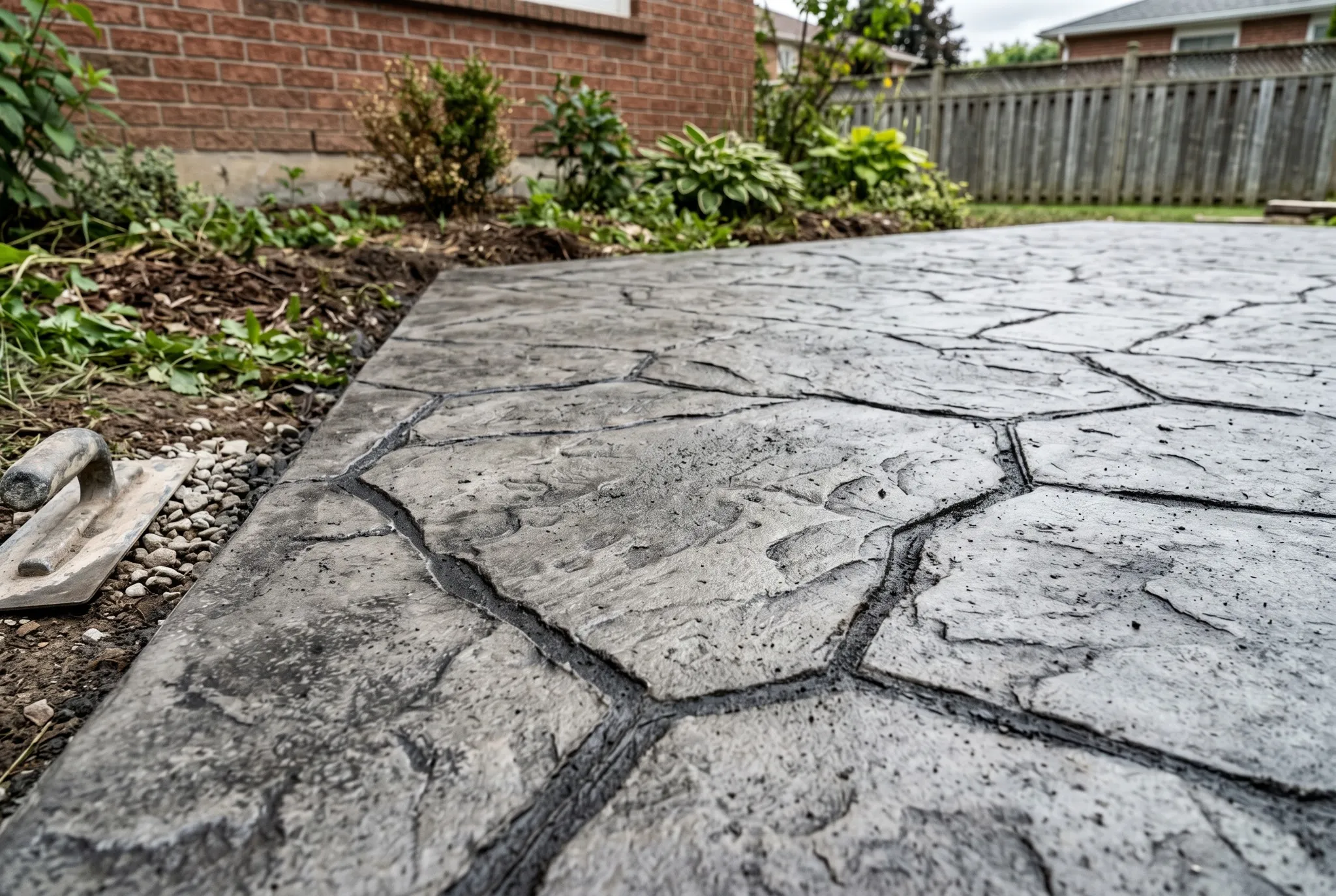
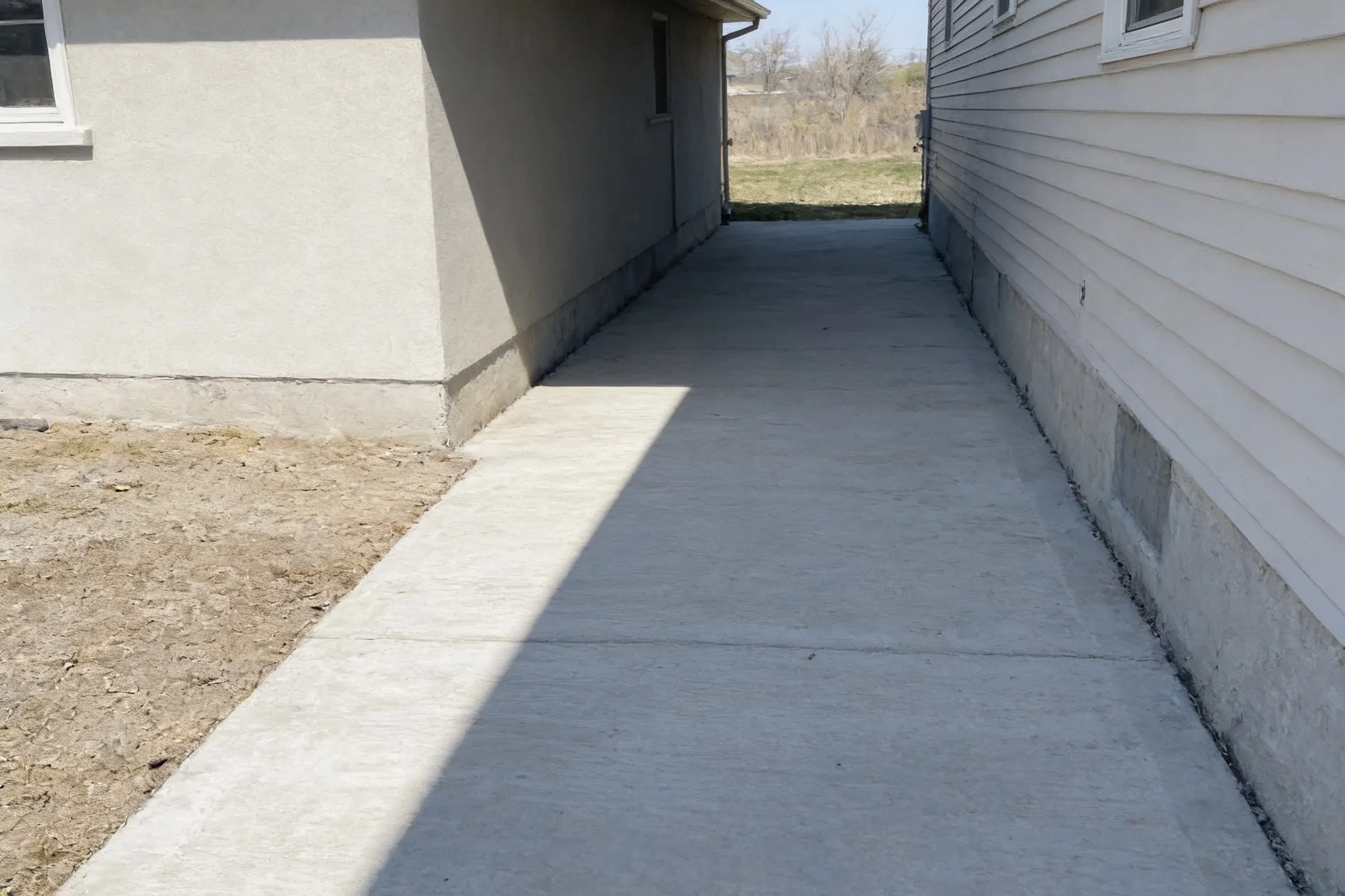
We break out and haul away old driveways, patios, walkways, steps and slabs across Waterloo, from the older uptown streets and the rental belt by the universities to the west-end surveys. The city sits on the sand of the Waterloo Moraine, so once the old concrete is out we check the base and where water runs before anything new goes in. Quotes are free and written, with the breakout, hauling, disposal and grading itemized.
Get a straight quote
Free · no pressure · 1 business day
Reviewed June 2026
Every job is priced individually, not off a price list. Tell us about yours and you get an accurate, no-pressure quote in writing.
Waterloo is built on sand. The city sits on the Waterloo Moraine, a thick deposit of glacial sand and gravel that drains far quicker than clay. That helps a slab, but sand also washes out where runoff is allowed to channel across it. See our Waterloo page for everything else we do in the city.
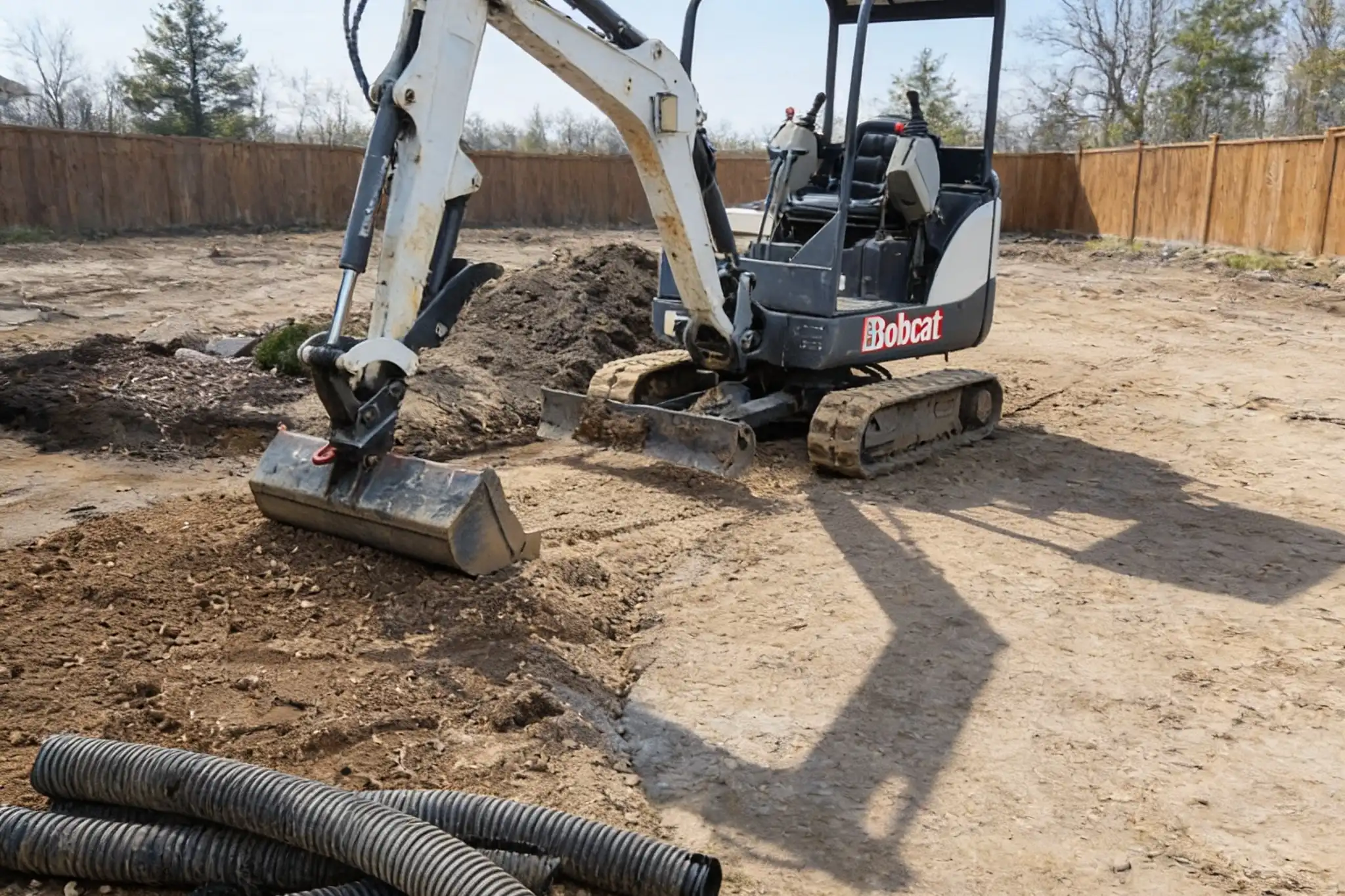
The removal itself follows our usual method: slab saw-cut where edges have to stay clean, broken out, cut free of its mesh and rebar, and hauled to a recycler. The full method is on our concrete removal and demolition page. This page covers what Waterloo ground and Waterloo homes change about that job.
Uptown and the campus rentals: old, worked-hard concrete
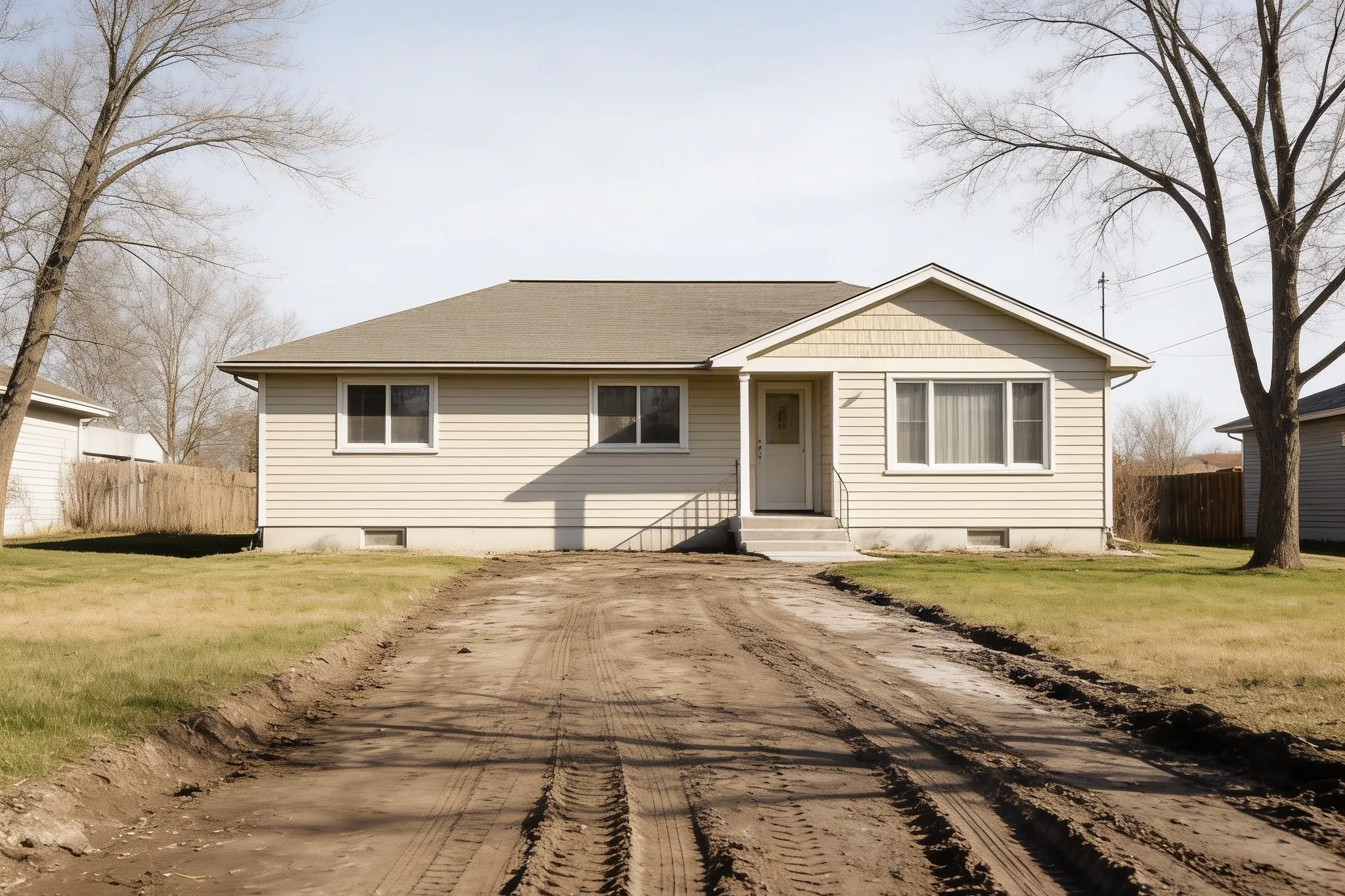
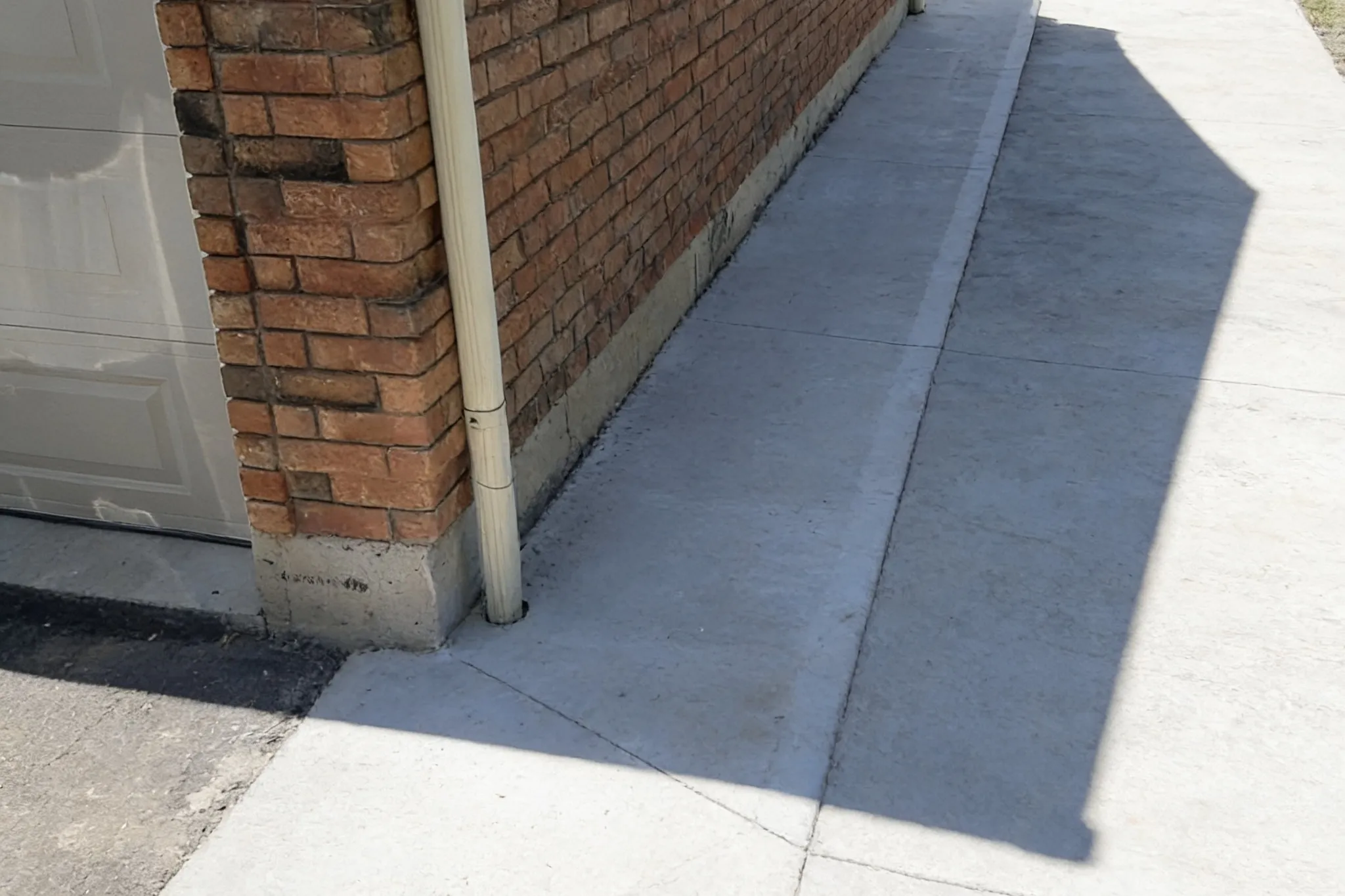
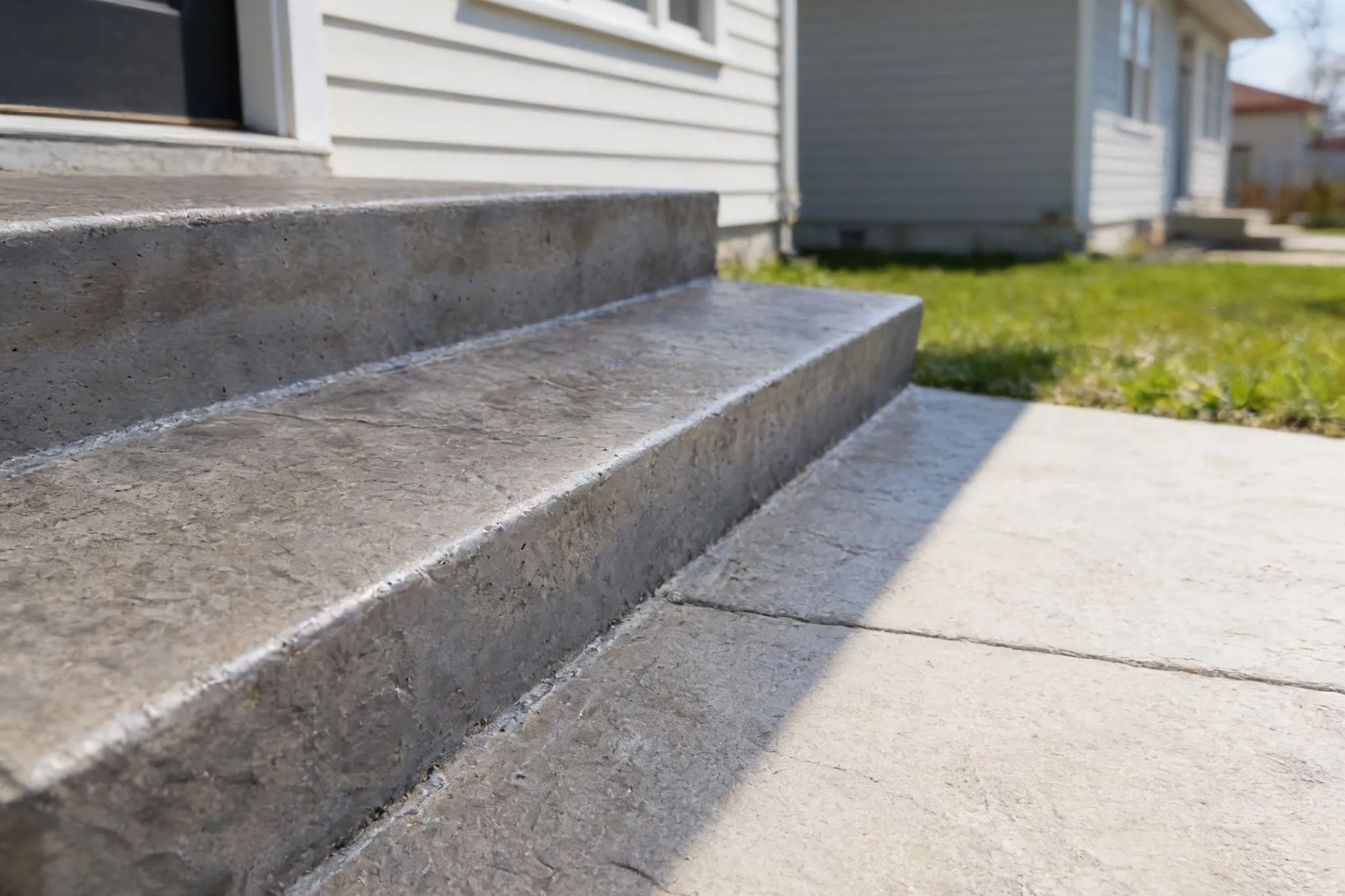
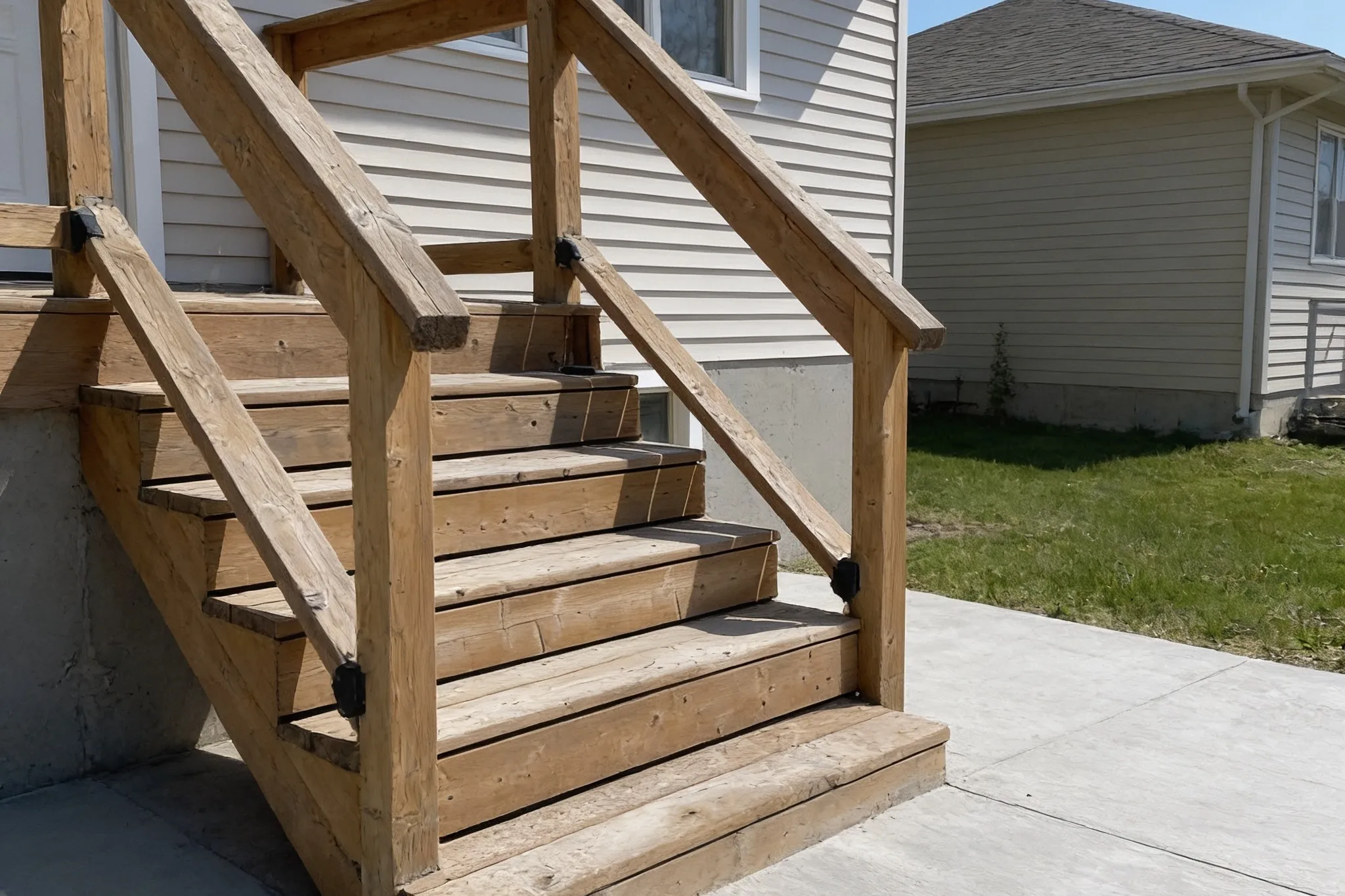
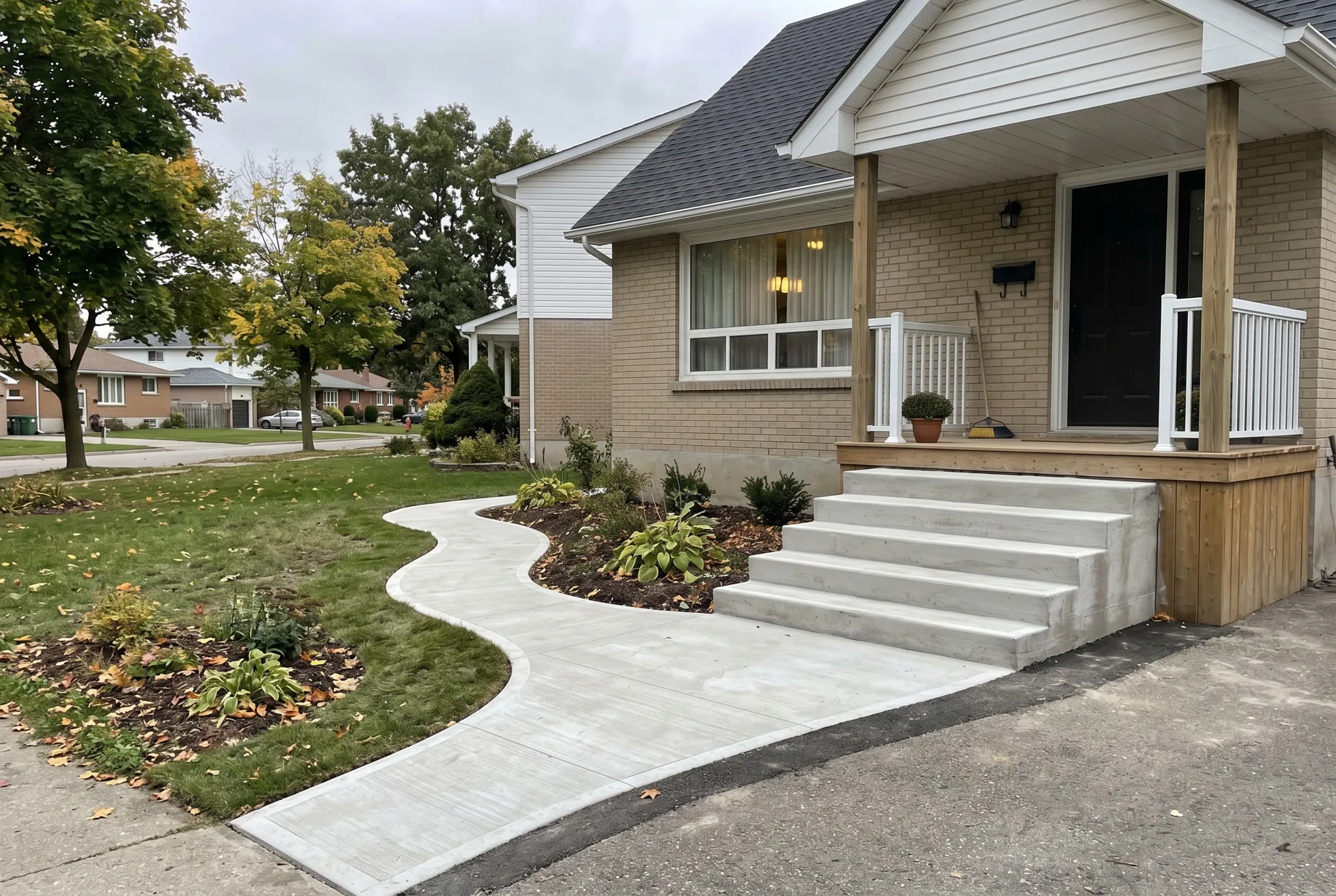
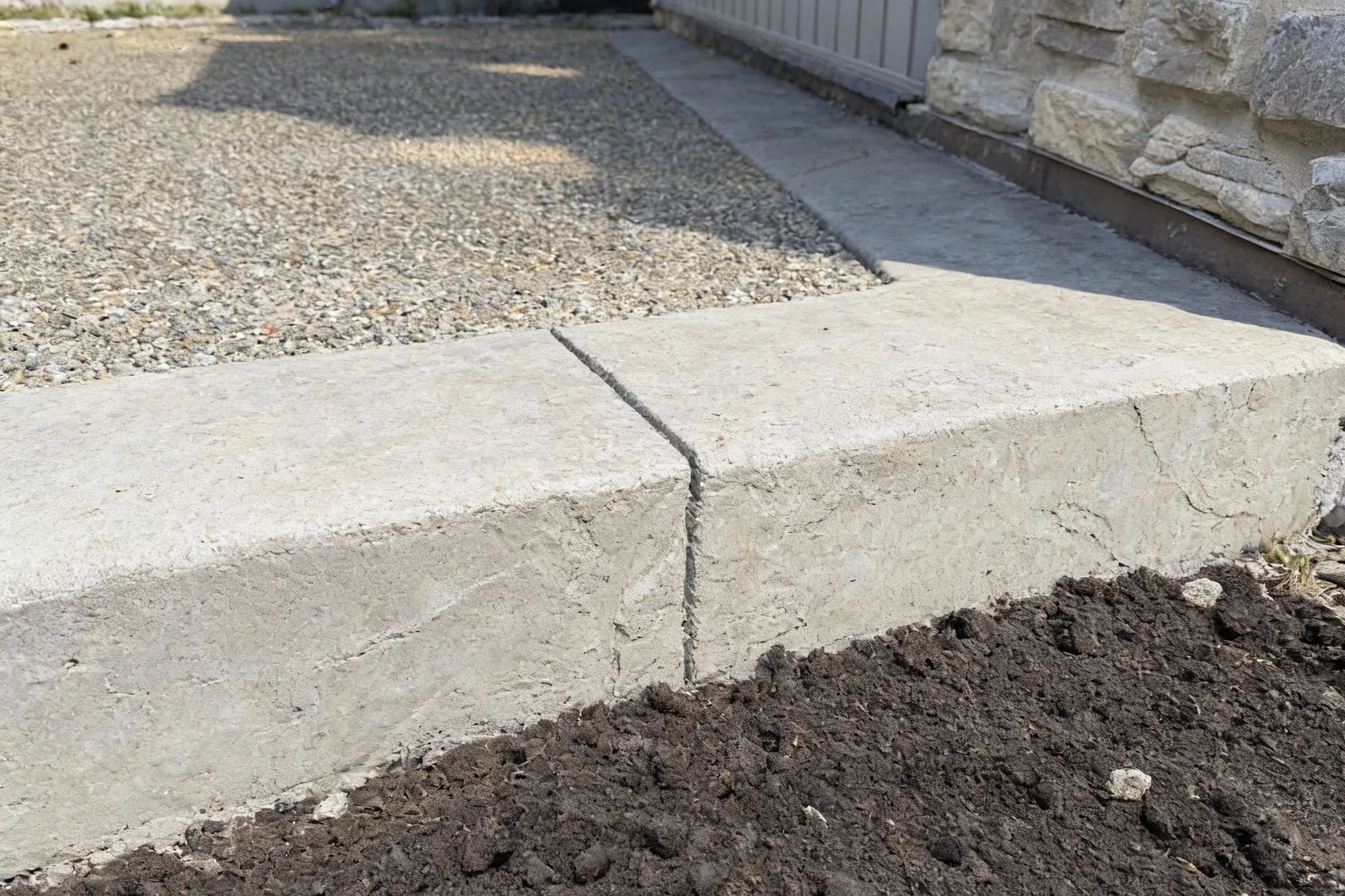
Uptown around King and Erb and the streets by the University of Waterloo and Wilfrid Laurier are full of older houses, many carved into rentals. Front walks have cracked and lifted, steps have sunk, and the foundations have settled. Often the right answer is to take the old walk or step out and start again.
We schedule the work around a house that stays lived in or tenanted, and a rental owner and an owner-occupant get the same written quote. If a damp wall is part of the story, see basement waterproofing in Waterloo while the ground beside it is open.
Sand under the slab: check the base before you pour back
Sand drains well, so frost lifts a slab less here than on clay. The usual Waterloo failure is different: a slab edge or a set of steps sitting on ground that has quietly rinsed out from underneath. The low strips near Laurel Creek and Silver Lake also carry a higher water table than the dry sandhills above them.
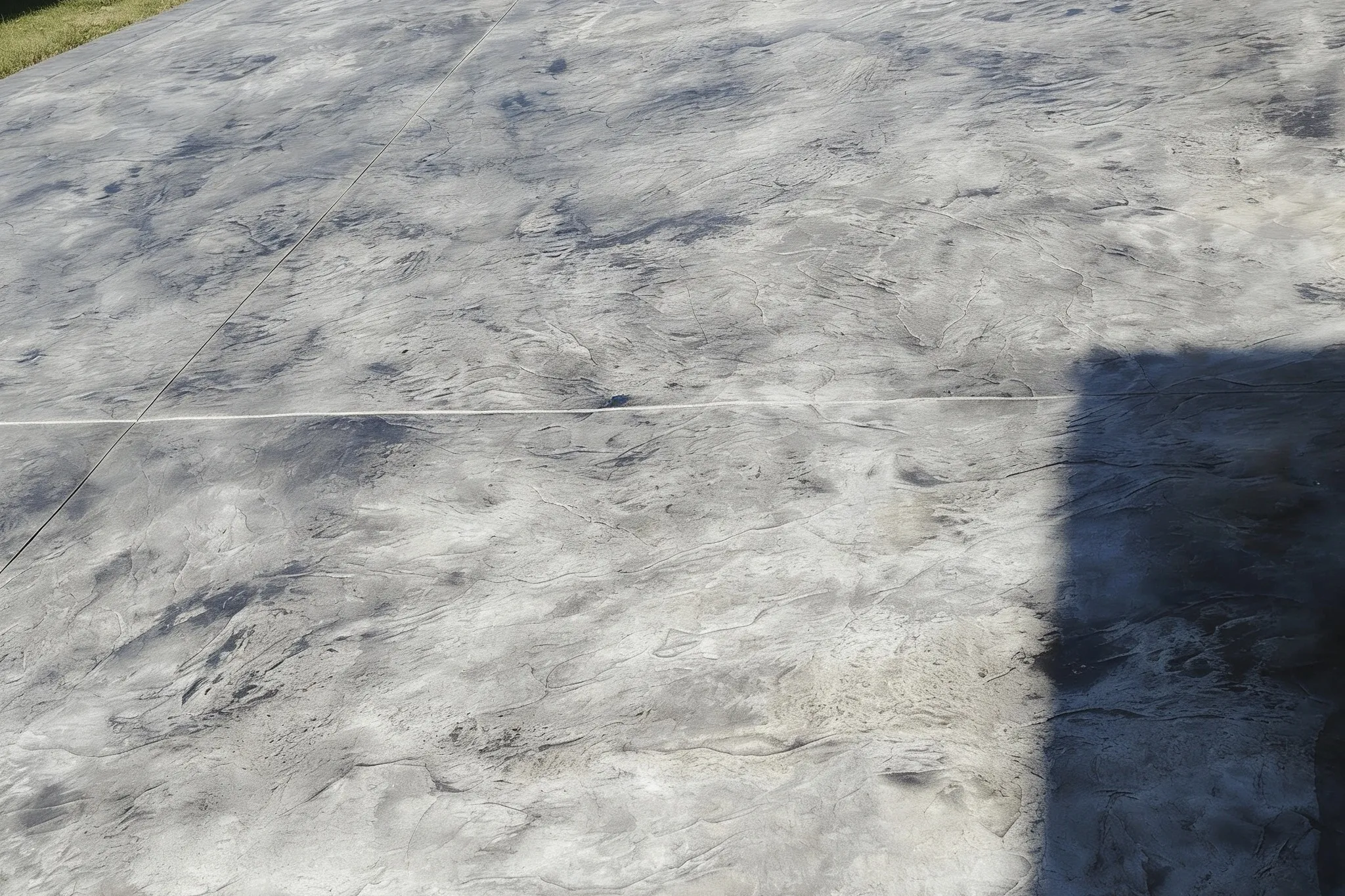
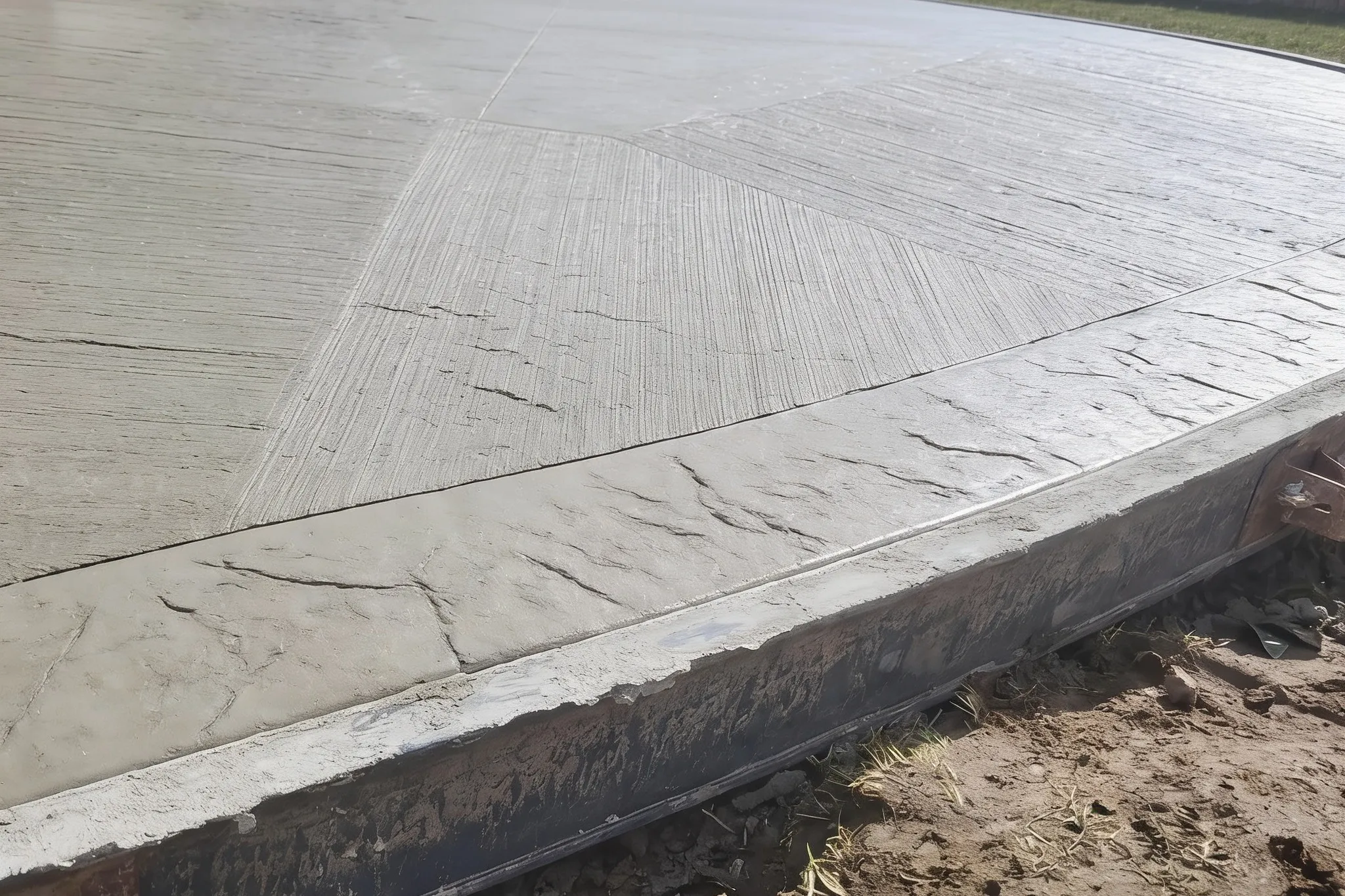
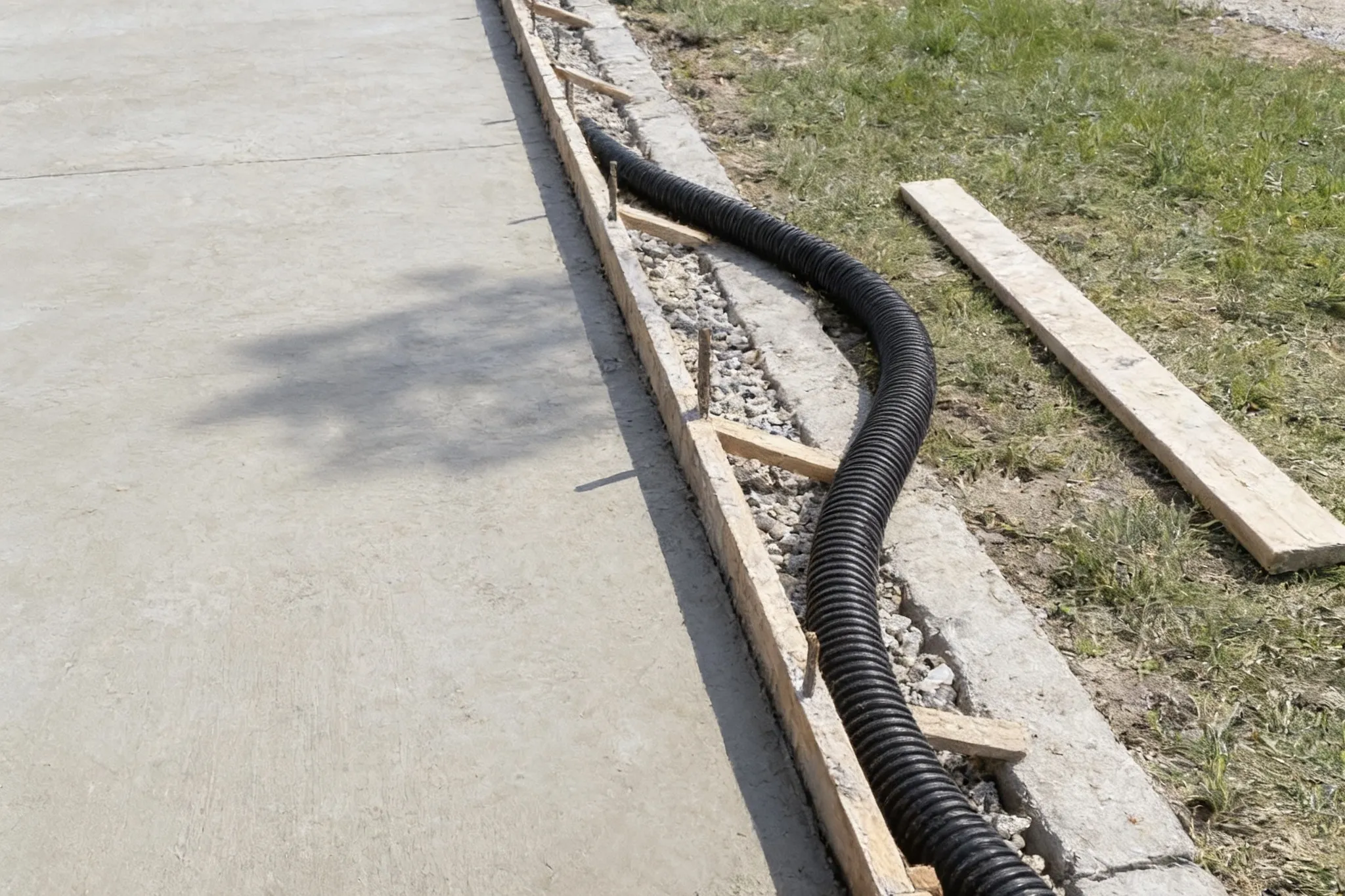
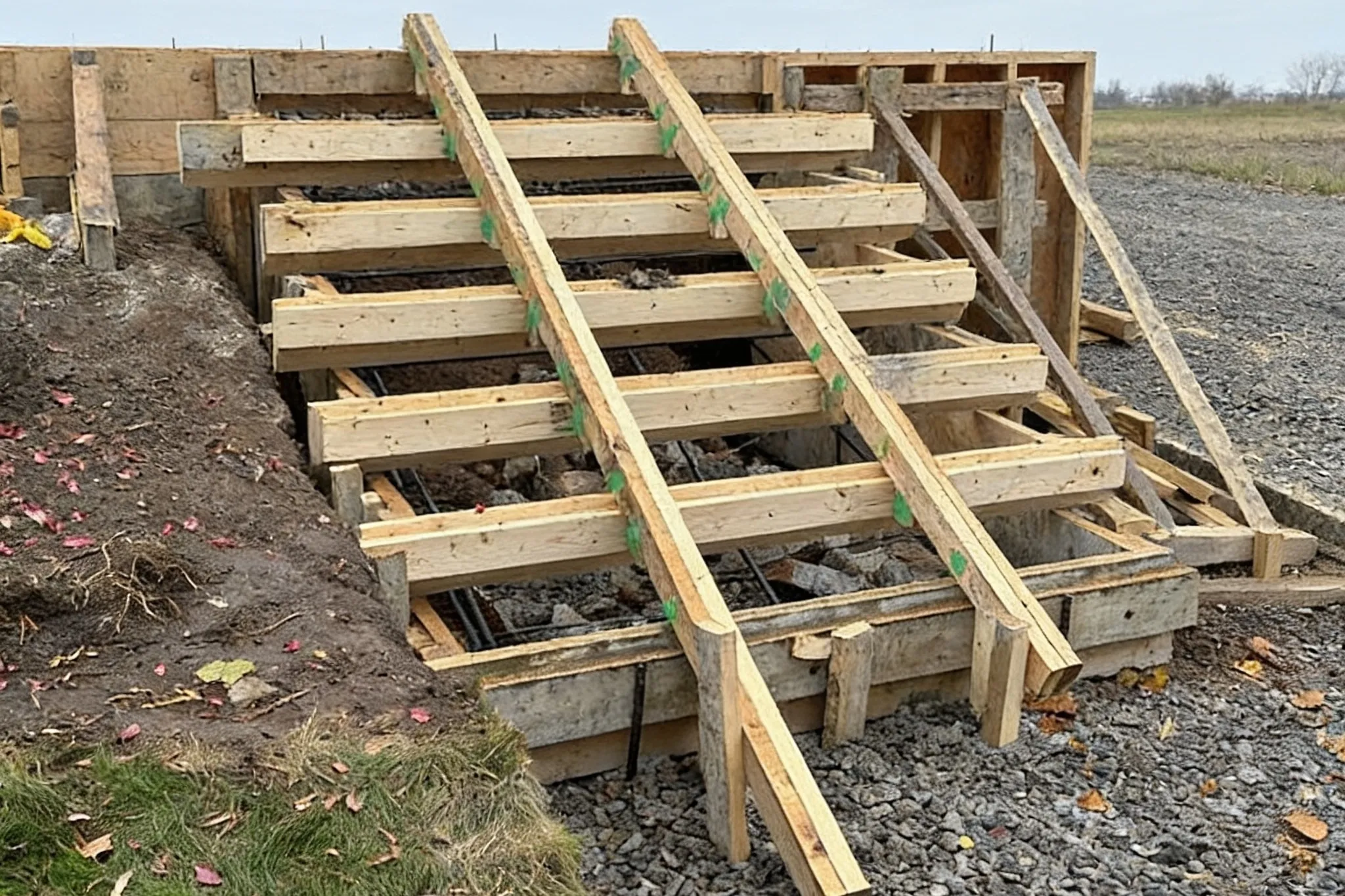
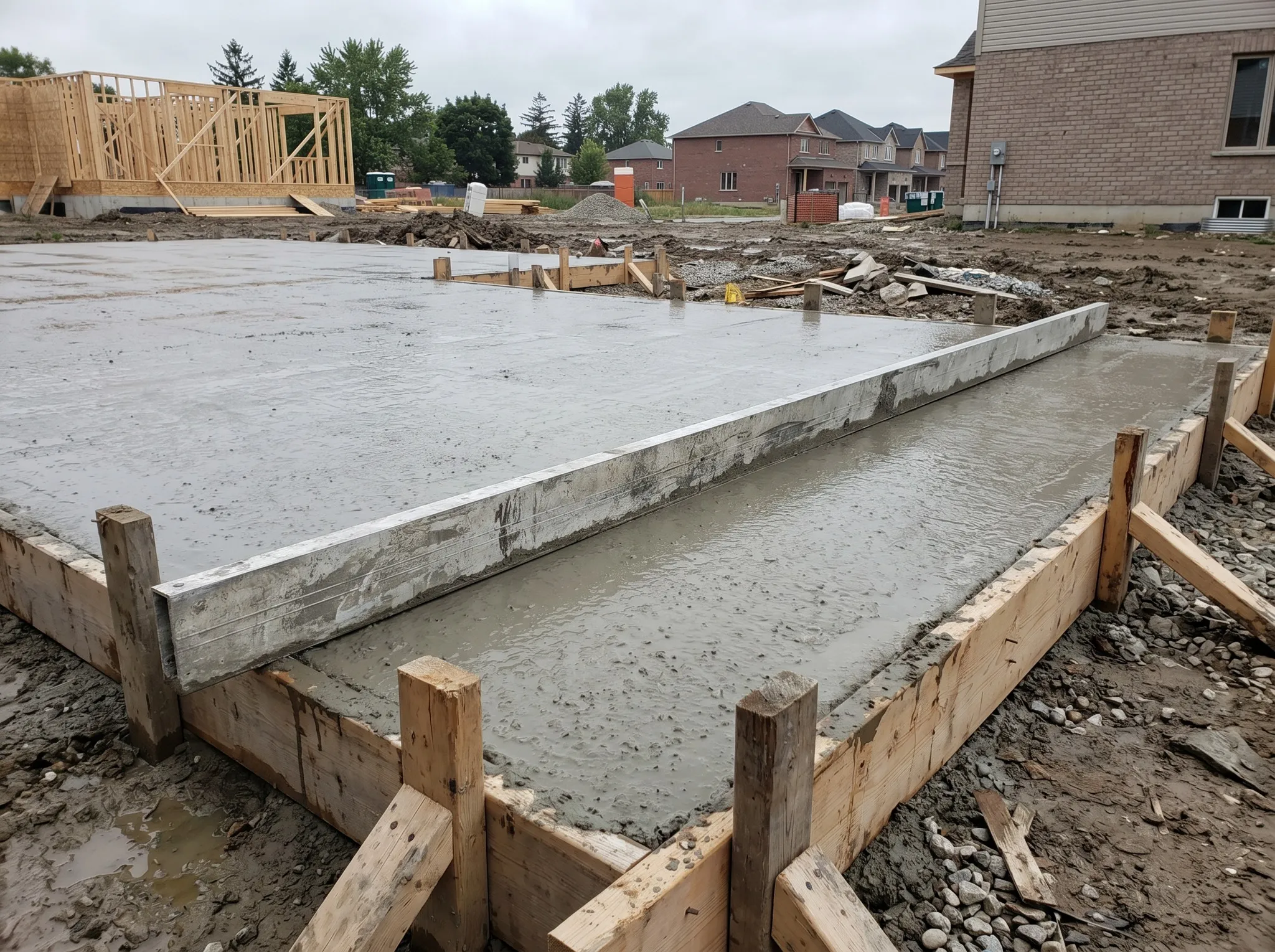
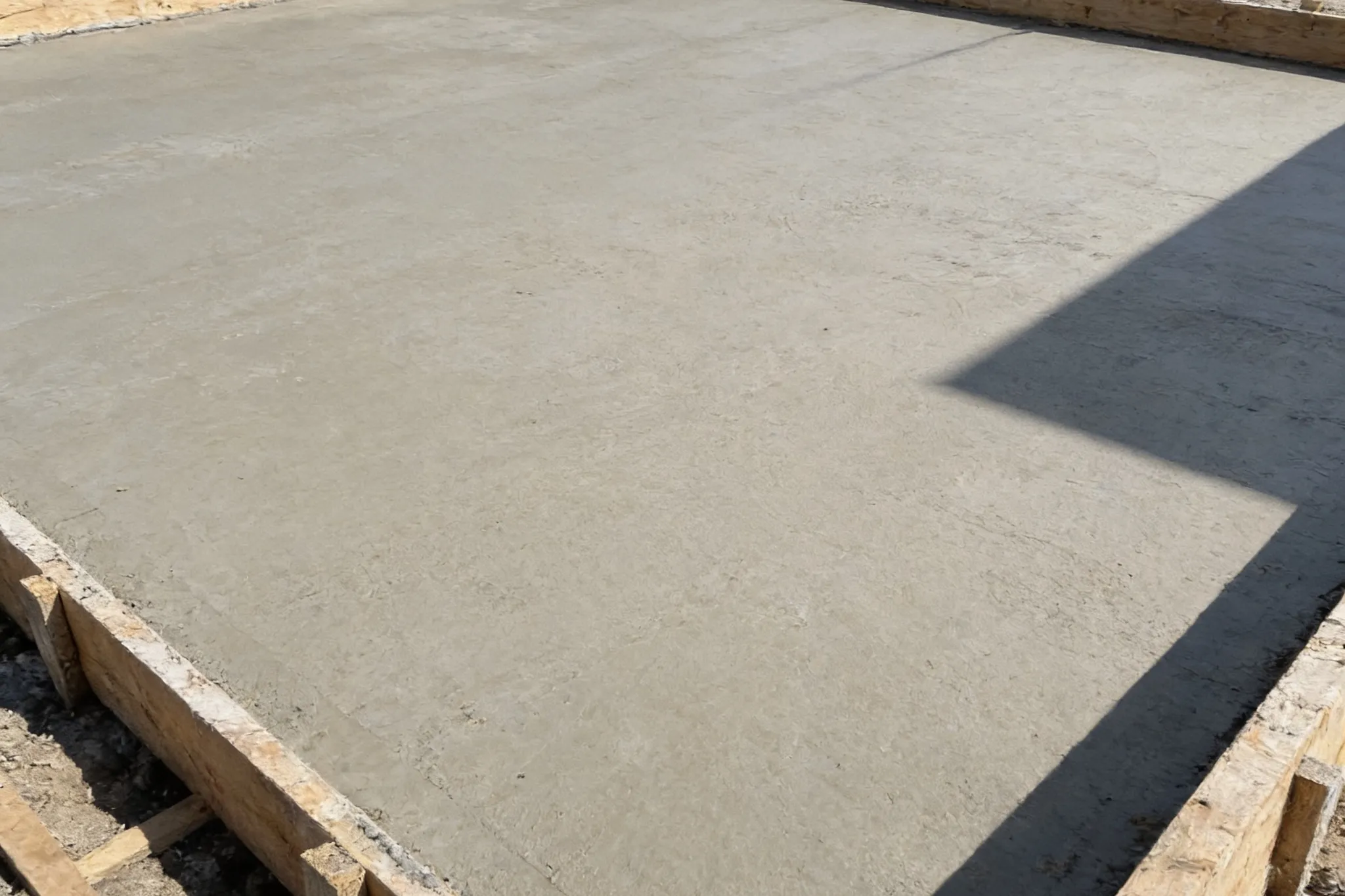
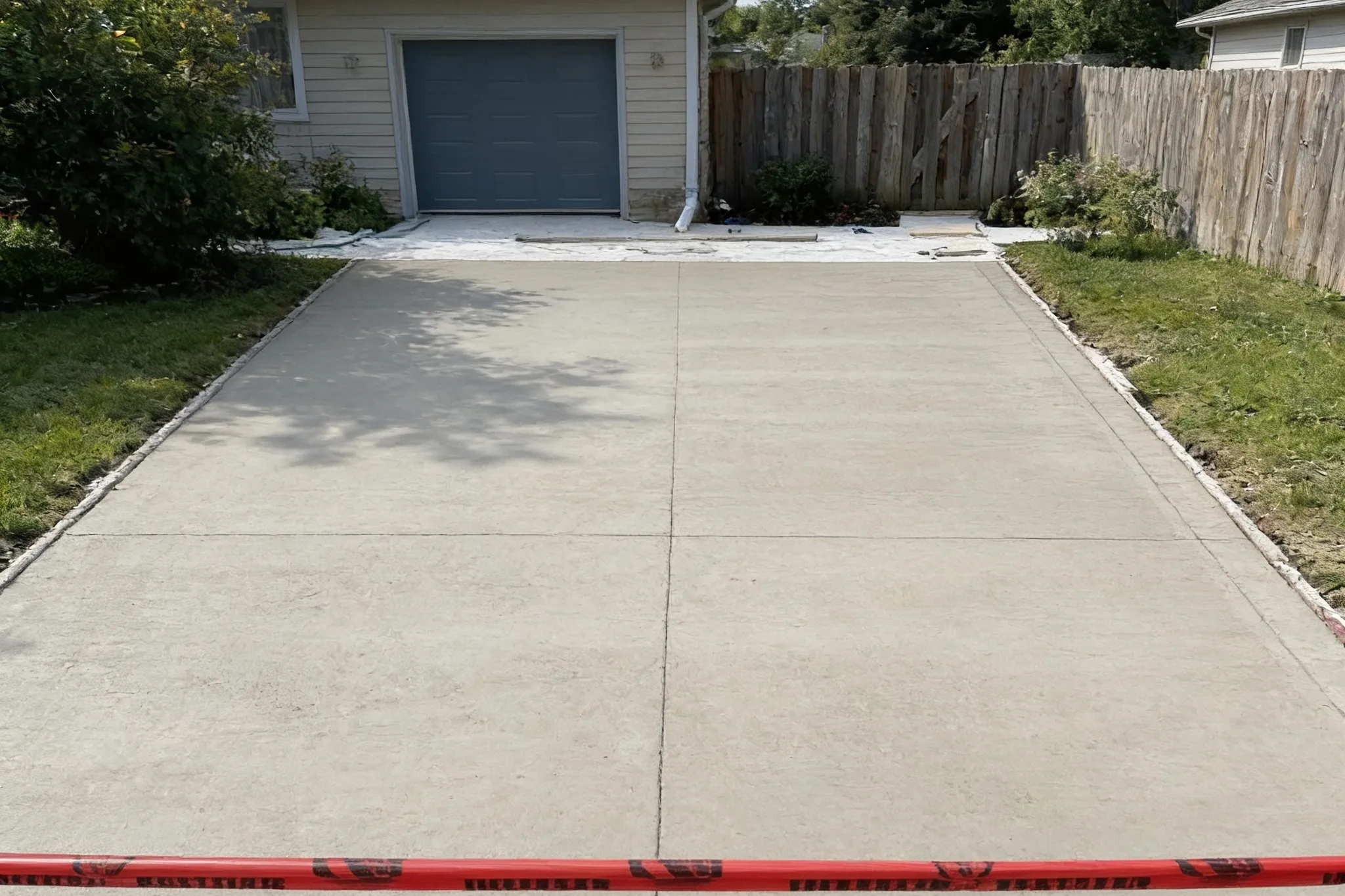
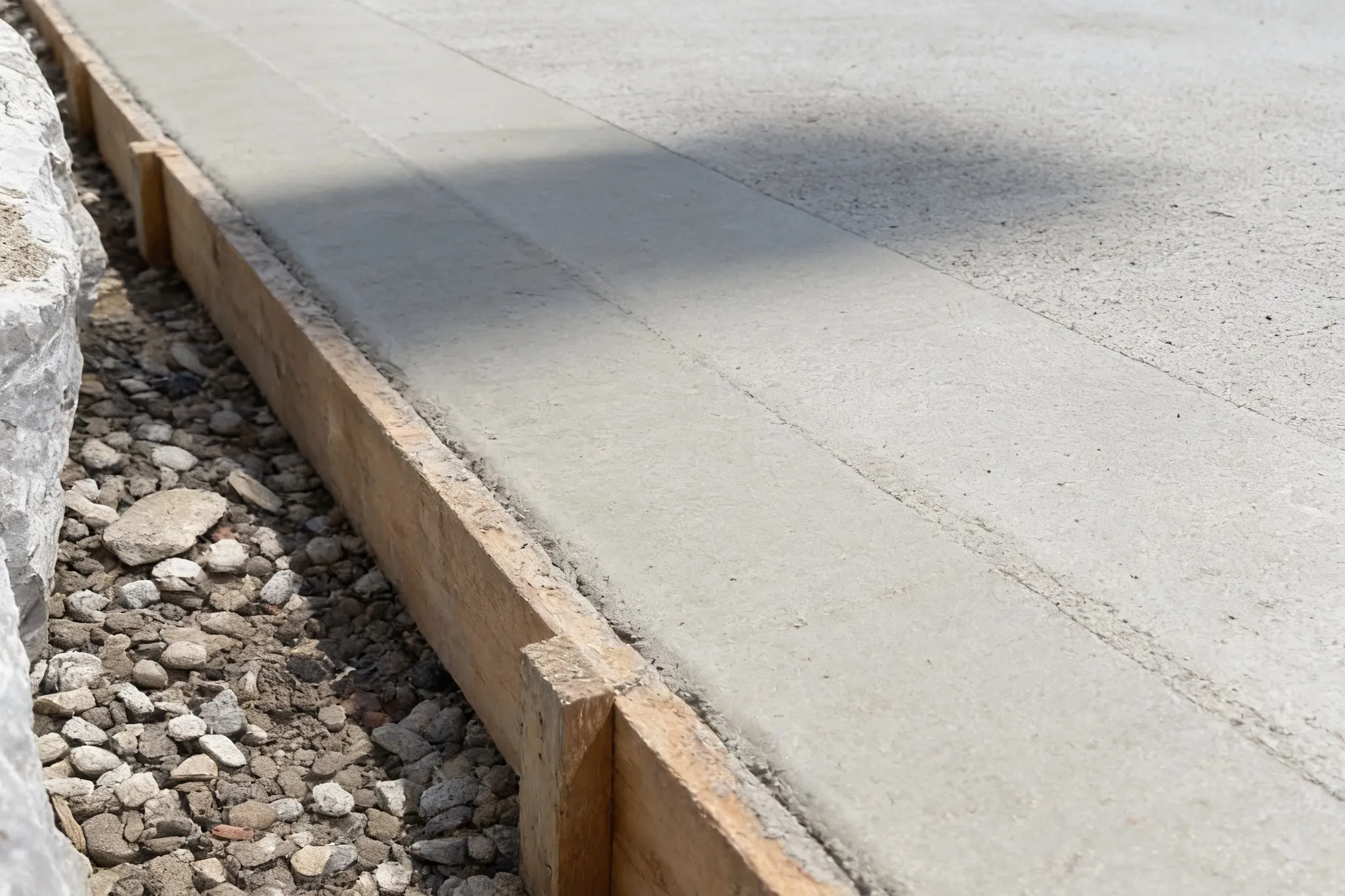
With the old concrete gone, the base is open to look at. Rebuilding it compacted and graded for drainage is part of a combined tear-out and pour. See concrete driveways in Waterloo for what usually goes back in.
West-end surveys: plan the tear-out around the new pour
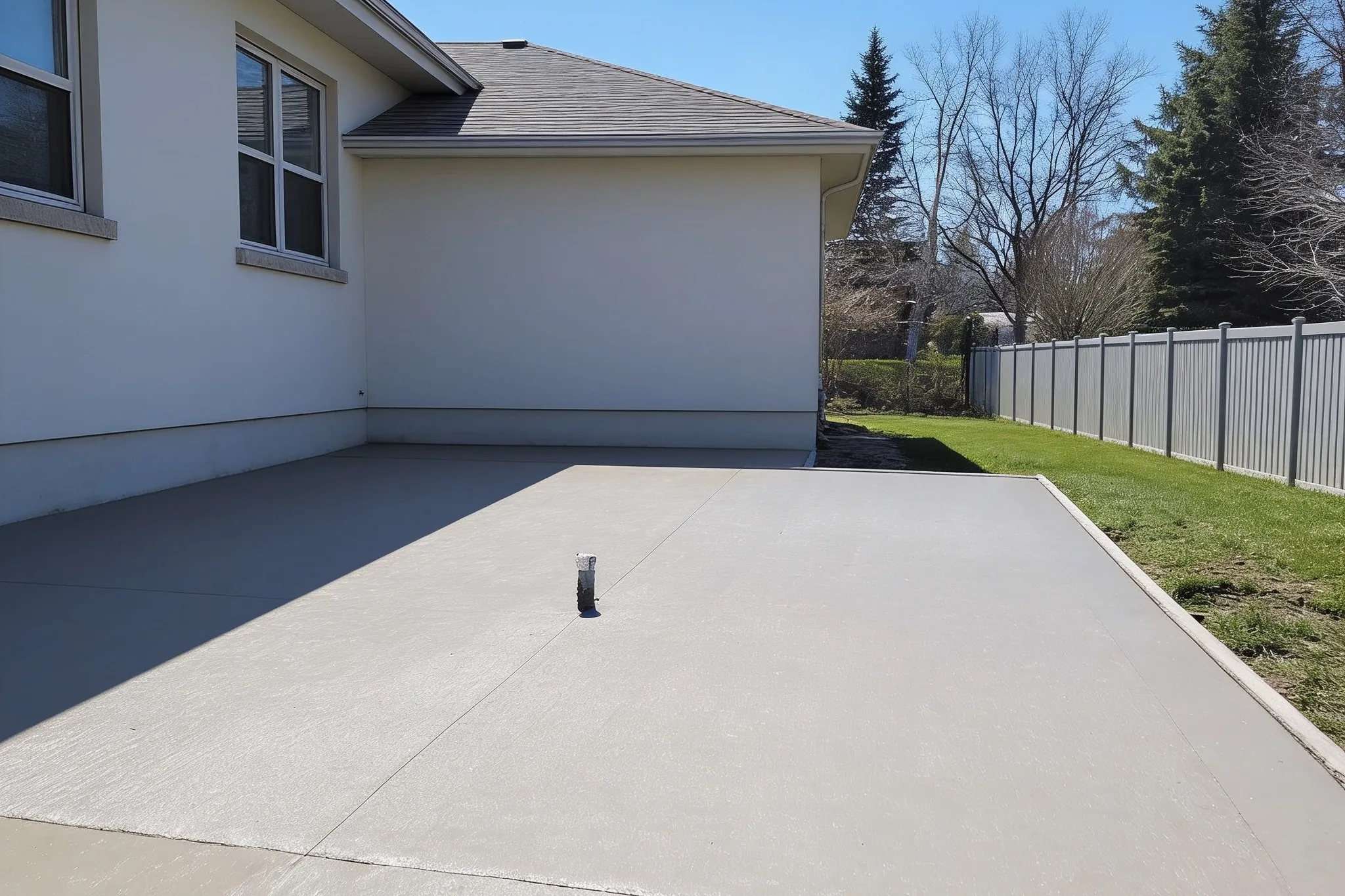
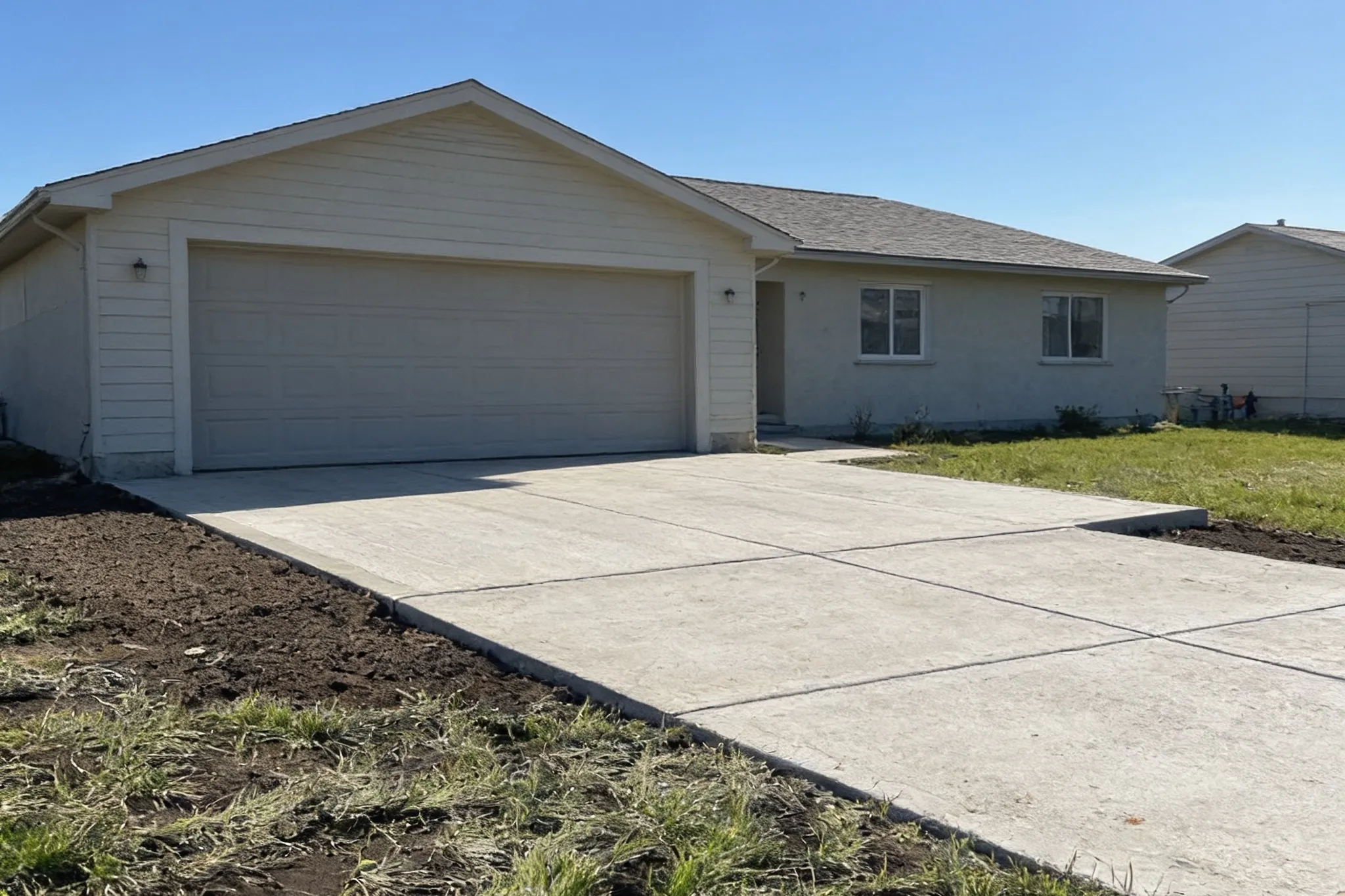
Vista Hills, Clair Hills and Laurelwood are subdivisions a builder finished recently, and the work there often runs the other way: a small builder pad or narrow driveway comes out to make room for a bigger one, or a patio. Doing the tear-out and the new pour as one job means the base is rebuilt while the ground is open. See concrete patios in Waterloo for the patio side.
A small machine needs about a 36 inch gate. Where it cannot get through, the concrete is broken by hand and carried out, which takes longer. We decide the machine path at the site visit. Small jobs, like one walkway or an old shed pad, are welcome. We reply to every request within one business day.
Do you need a permit to take out a slab?
The City of Waterloo has a Demolition Control By-law, and it applies to a residential building, meaning a building with one or more dwelling units. If your plan involves taking down part of the house itself, or you are unsure whether your job falls under it, ask the city before work starts.
Before any slab comes out, we order utility locates before any machine touches the ground, and we saw-cut the edges next to concrete that stays.
Sand soaks water in, so where the water goes matters after tear-out
The Grand River Conservation Authority notes that water moves quickly through loose soil, sand and gravel, so those areas have high recharge rates, and it counts the Waterloo Moraine among them. It also notes that paving over such ground reduces the water that soaks in.
For a homeowner, that means a tear-out is a chance to think about drainage. If you replace a wide old slab with a smaller pad, or leave a strip of ground open beside it, more rain can soak in there. The site is graded before the crew leaves.
What a Waterloo tear-out visit looks like
Take a typical case: an old front walk and two steps at an older uptown house, cracked and sunk on one side. We look at the thick concrete, any footings or thickened edges below grade at the free site visit, and plan how a machine would reach it.
The written quote lists the breakout, hauling, disposal and grading, itemized. Doing the tear-out and the new pour together means the base is rebuilt while the ground is open. See concrete walkways and steps for that side of the work.
Straight answers
Can you take out concrete at a Waterloo rental that stays tenanted?
Yes. Much of our Waterloo work is on older houses near the campuses. We schedule the work around the people living there, and you get a free written quote after a site visit.
Does the ground in Waterloo change what happens after the old slab is out?
It can, depending on your lot. The Waterloo Moraine is a sandy recharge area where water moves quickly through the soil, but conditions vary from property to property. With the old concrete gone, we check the base and rebuild a compacted granular base before anything new goes in.
Can you take out concrete in a backyard with a narrow gate?
Yes. Our smallest machines clear about a 36 inch gate. If there is no machine access, we break the concrete by hand and carry it out. It takes longer, so we put it in the written quote after the site visit.
How much does concrete removal cost in Waterloo?
The thickness of the slab, how much mesh and rebar is in it, and how a machine reaches it set most of the cost. A flat rate posted online would only mislead you. You get a free written quote after a site visit, with breakout, hauling, disposal and grading itemized, and the number on the quote is the number you pay unless you change the job.
What happens to the old concrete?
Clean concrete goes to a recycler and comes back as road base. The mesh and rebar are cut free and recycled on their own.
Do I need a demolition permit to remove a concrete driveway or patio in Waterloo?
The City of Waterloo's Demolition Control By-law applies to residential buildings, which are buildings that contain one or more dwelling units. If you are unsure whether your own job falls under it, ask the city before work starts. We order utility locates before we break any ground.
Will removing a big old slab change how water behaves around my house?
It can. In the Waterloo Moraine, water moves quickly through loose soil, and paving over such ground reduces how much soaks in. When the old concrete is out, we grade the area before the crew leaves.
Can the tear-out and the new pour happen in one job?
Yes. Doing both as one job lets us rebuild the base while the ground is open. You get one free written quote with the removal and the new work itemized.
Keep reading
- Concrete Removal & Demolition across Southern OntarioThe full removal method: locates, saw cuts, rebar, recycling and grading.
- Concrete Contractors in WaterlooEverything else we pour and repair in Waterloo, from the uptown rentals to the west-end surveys.
- Concrete Patios in WaterlooA heaved or too-small patio out, a new one sloped off the wall in.
- Basement Waterproofing in WaterlooIf the old slab sent water to an older wall, fix the wall while the ground is open.
Tell us about the job.
Send the details and we'll get back to you within one business day with next steps. If water is coming in right now, check the box and we flag it urgent.
Get a straight quote
Free · no pressure · 1 business day