Foundation Repair in Southern Ontario
Foundation repair covers everything from injecting a single leaking crack to reinforcing a basement wall that has started to bow. My Concrete Pros repairs poured and block foundations across 75+ Southern Ontario communities, with union-certified crews, free quotes and a lifetime warranty on labour. Most cracks are not emergencies, and our quote tells you plainly which kind yours is.
Get a straight quote
Free · no pressure · 1 business day
Reviewed June 2026
Every job is priced individually, not off a price list. Tell us about yours and you get an accurate, no-pressure quote in writing.
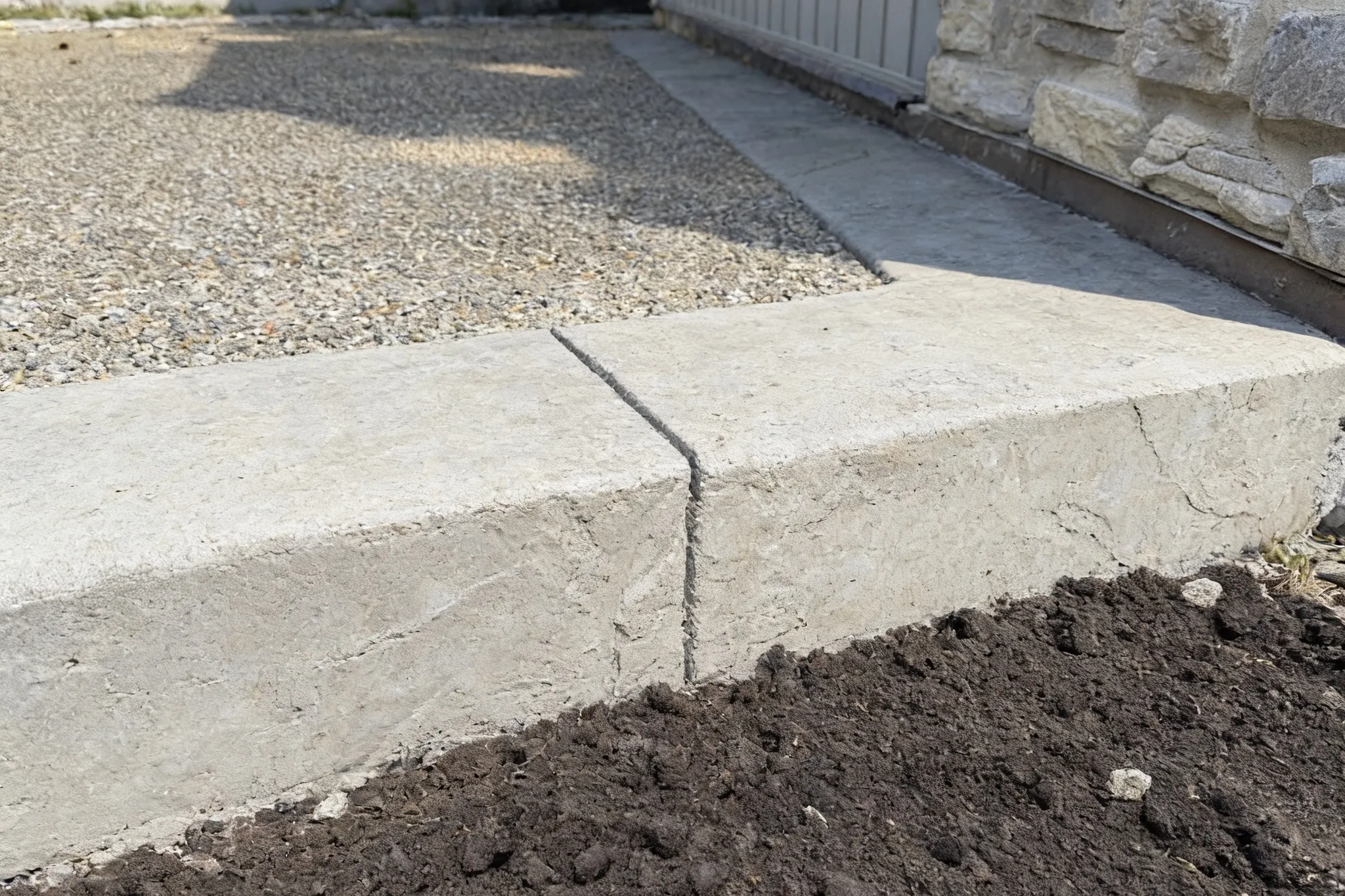
Almost every foundation has cracks. Concrete shrinks as it cures, and the thin vertical cracks that show up in the first year or two are normal behaviour, not damage. The real job is telling those apart from the ones that matter: cracks that widen every season, cracks that leak, horizontal cracks, and the stair-step pattern through block walls that says the soil outside is pushing.
Bad repairs come in two flavours. The first is the smear: hydraulic cement or caulk pressed into the inside face of a leaking crack. It plugs the surface, the crack behind it stays full of water, and freeze-thaw opens it again by spring. The second is the scare: a harmless hairline quoted as a five-figure structural job. Both cost homeowners real money, just in opposite directions.
Our crews inject cracks to full depth with epoxy or polyurethane, reinforce walls that are actually moving, and put the labour under a lifetime warranty in writing. The quote names what the crack is doing and why, in plain words. One small crack is a welcome job, not a nuisance; it gets booked into regular routes like everything else.
- Free quote that says what the crack is doing, not just what filling it costs
- A straight hairline-or-structural call, even when the honest answer is 'watch it for a year'
- Injection filled front to back, never a surface smear
- The cause checked alongside the crack: grading, downspouts, drainage
- Lifetime warranty on labour, in writing
- Single-crack jobs welcome, booked into regular routes
The numbers we build to
| Epoxy injection | Structural resin that bonds the crack back to full strength | For dry, dormant cracks; epoxy glues concrete together but won't fight active water |
|---|---|---|
| Polyurethane injection | Expanding flexible foam that seals even while the crack is leaking | Chases water through the full depth and flexes with seasonal movement |
| Carbon fibre straps | Epoxied vertically over bowing block walls, typically one every 4–6 ft | Stops further movement; it does not pull the wall straight |
| Crack triage | Width, direction, offset and movement over time, measured at the quote | Wider than 1/4 in., growing, horizontal, or offset means structural attention |
| Time on site | Most single-crack injections are done in 2–4 hours | Polyurethane stops active water the same visit; epoxy reaches strength over a couple of days |
Hairline or structural? How to read the crack
Look at four things. Width: hairlines under 1/8 in. are usually shrinkage; past 1/4 in. deserves attention. Direction: vertical and slightly diagonal cracks are the common, mostly harmless kind; a horizontal crack in a block wall is soil pressure and goes straight on the serious list. Movement: a crack that grows every year, or opens and closes with the seasons, has a live cause that filler alone won't fix. Offset: if one side of the crack sits proud of the other, the wall has shifted, not just shrunk.
Most of what we see across Southern Ontario is the ordinary kind: a poured wall with a vertical shrinkage crack that started leaking once the weeping tile got tired or a downspout moved. That's an injection, not a crisis. But the clay soils here hold water and swell, and block foundations take that pressure sideways, which is where bowing and stair-step cracking come from. If anyone quotes you structural work, make them point at the evidence: measurements, photos, the pattern. Ours goes in the quote.
Crack injection: epoxy or polyurethane
Injection fills the crack from the inside face all the way through to the soil side, which is the thing a surface patch can never do. Epoxy is structural glue: injected into a dry, dormant crack it bonds the two faces back into one wall. It's the right call when strength matters and the water has already been dealt with.
Polyurethane is the plumber of the two. It expands on contact with water, chases the leak through every branch of the crack, and cures into a flexible seal that rides the wall's seasonal movement. Leaking crack today: polyurethane. Dry crack you want made strong again: epoxy. Injecting several cracks in one visit usually costs less each than doing them separately, and the labour carries the lifetime warranty either way.
Bowing walls and carbon fibre: what drives the price
When a block wall bows inward, the cause is almost always outside: water-heavy clay swelling against the wall, usually helped along by tired weeping tile or a downspout dumping at the corner. Carbon fibre straps are the standard fix for a moderate bow (the working rule is under about 2 in. of deflection): strips of carbon fabric epoxied vertically to the wall and anchored top and bottom. They lock the wall where it stands. They do not straighten it, and anyone promising otherwise is selling.
We quote carbon fibre on inspection rather than publishing a number, because no honest province-wide price exists. What moves it: how many straps the wall needs (spacing runs every 4 to 6 ft, so a 24 ft wall commonly takes 4 to 6), the wall's height, how far it has moved, whether the top course needs anchoring, and whether the scope includes the drainage work outside that stops the pushing. The quote shows the strap count and spacing so you can check the math against anyone else's.
What affects the cost of foundation repair
Foundation work covers a huge range, from the smallest job we do to among the largest, so the only honest number is one written for your wall. A single crack injection is at the small end. The cost climbs with the number of cracks, whether the fix is a simple seal or structural reinforcement, and whether the scope has grown into sealing plus water management. Once water is entering in several places, the job has become basement waterproofing, and that page covers it.
The bigger jobs exist too, and pretending otherwise helps nobody: structural reinforcement for a bowing wall is a larger job, and underpinning (deepening and strengthening the footing itself) is the largest of all. Underpinning is rare in ordinary houses, and no quote should start there without measurements you can see. The honest move is to get a second opinion before signing for major structural work. Ours costs nothing, and if your crack is the harmless kind, the quote will say that too.
Recent work
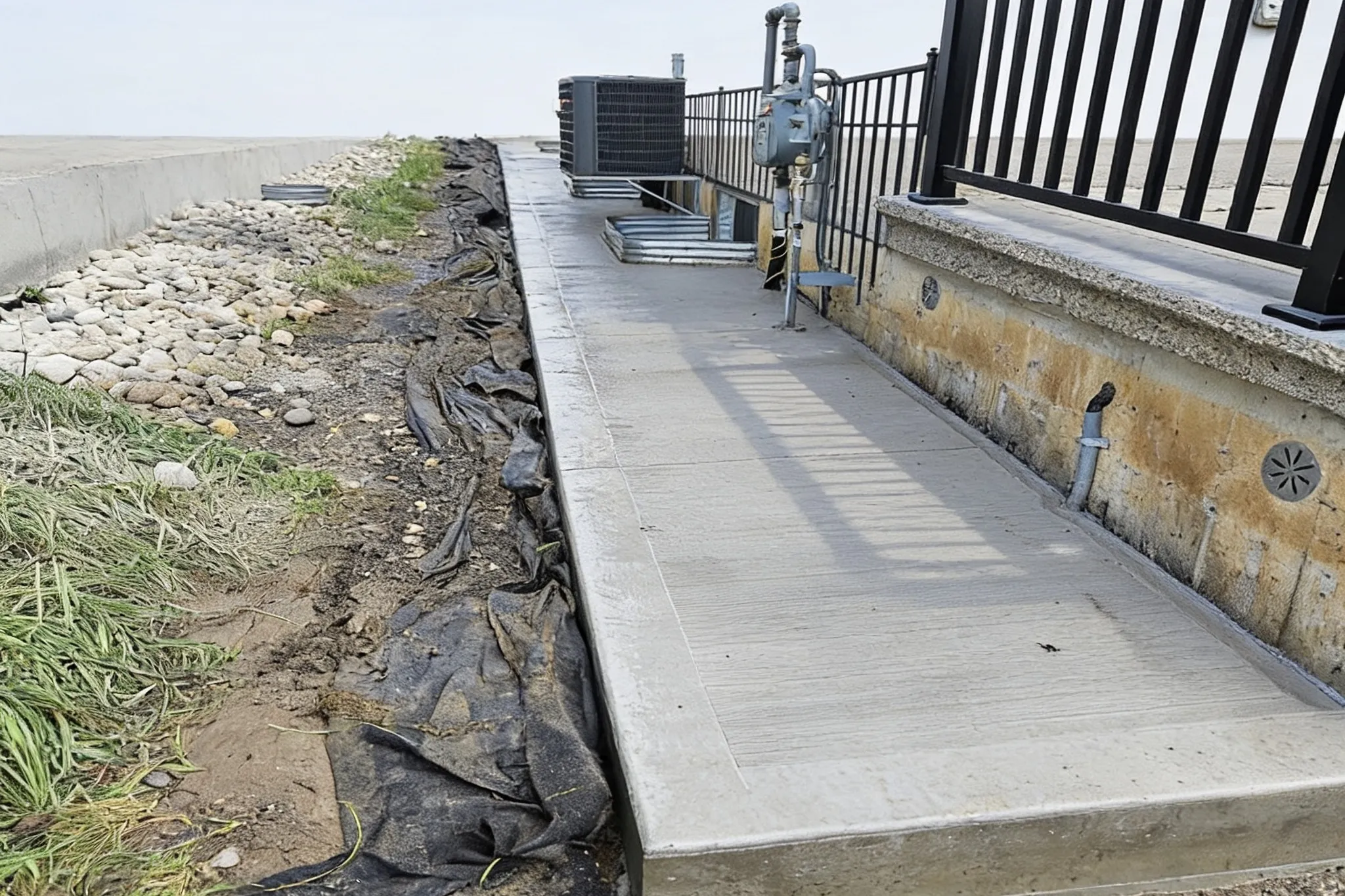
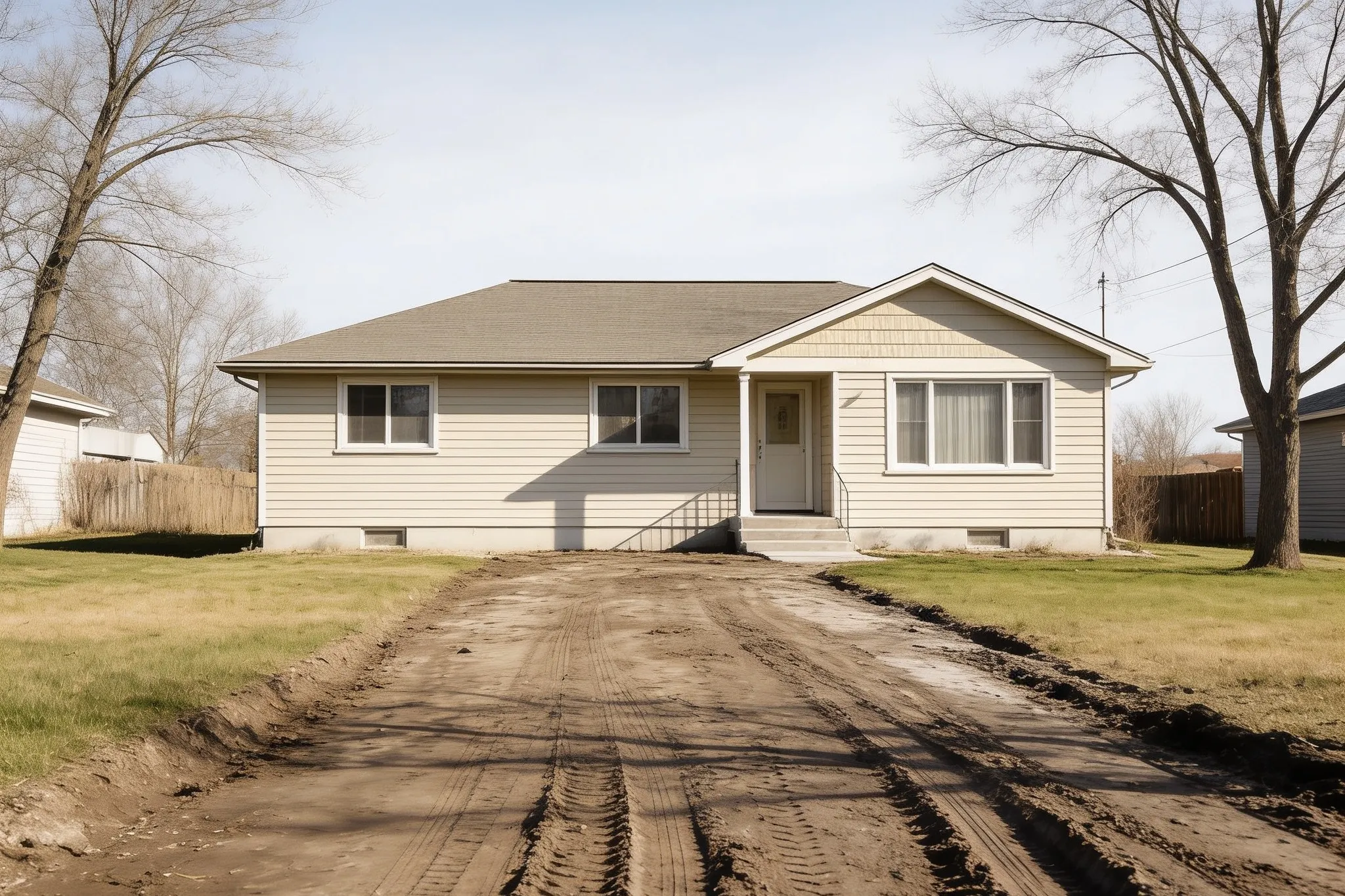
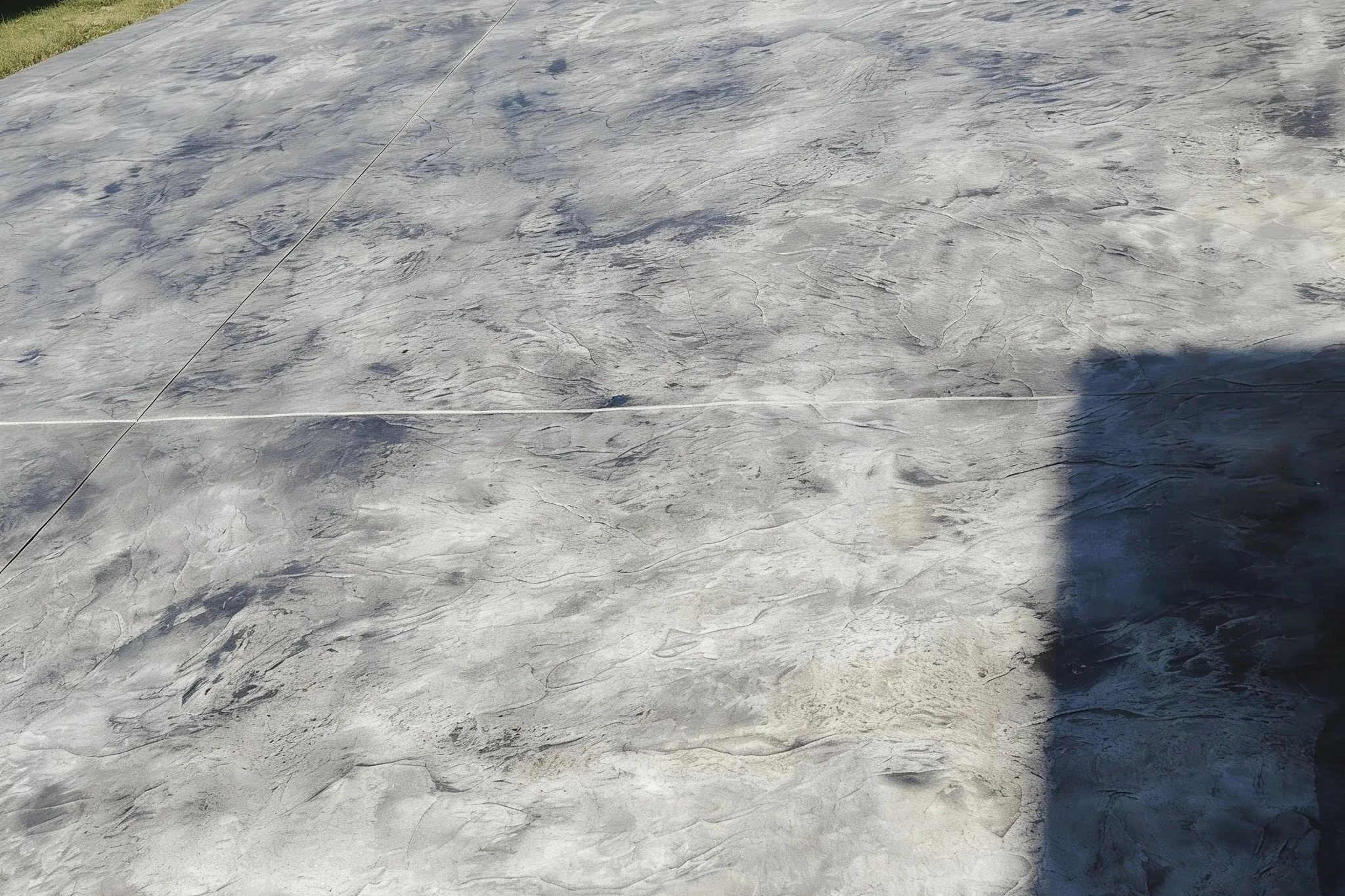
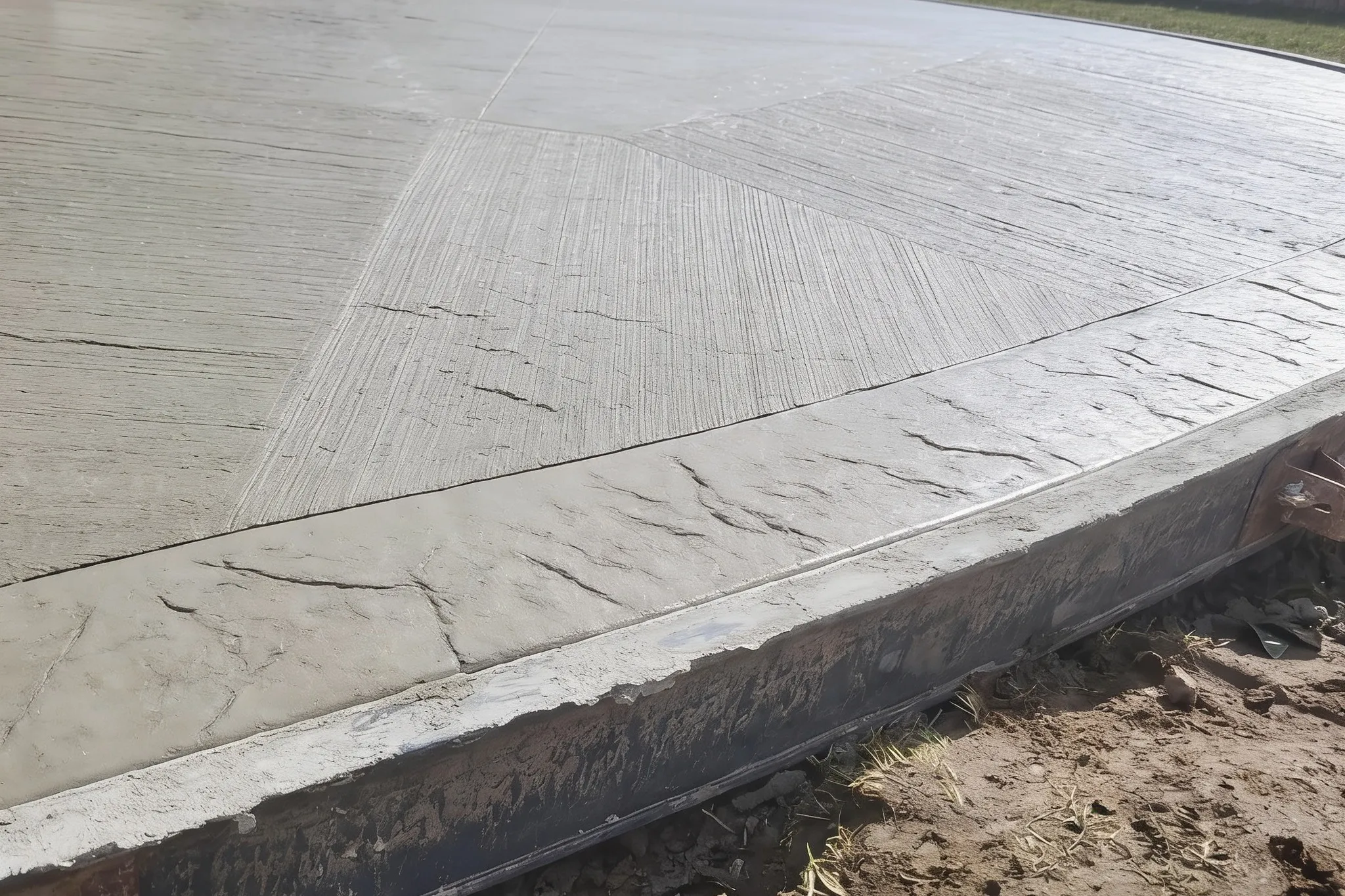
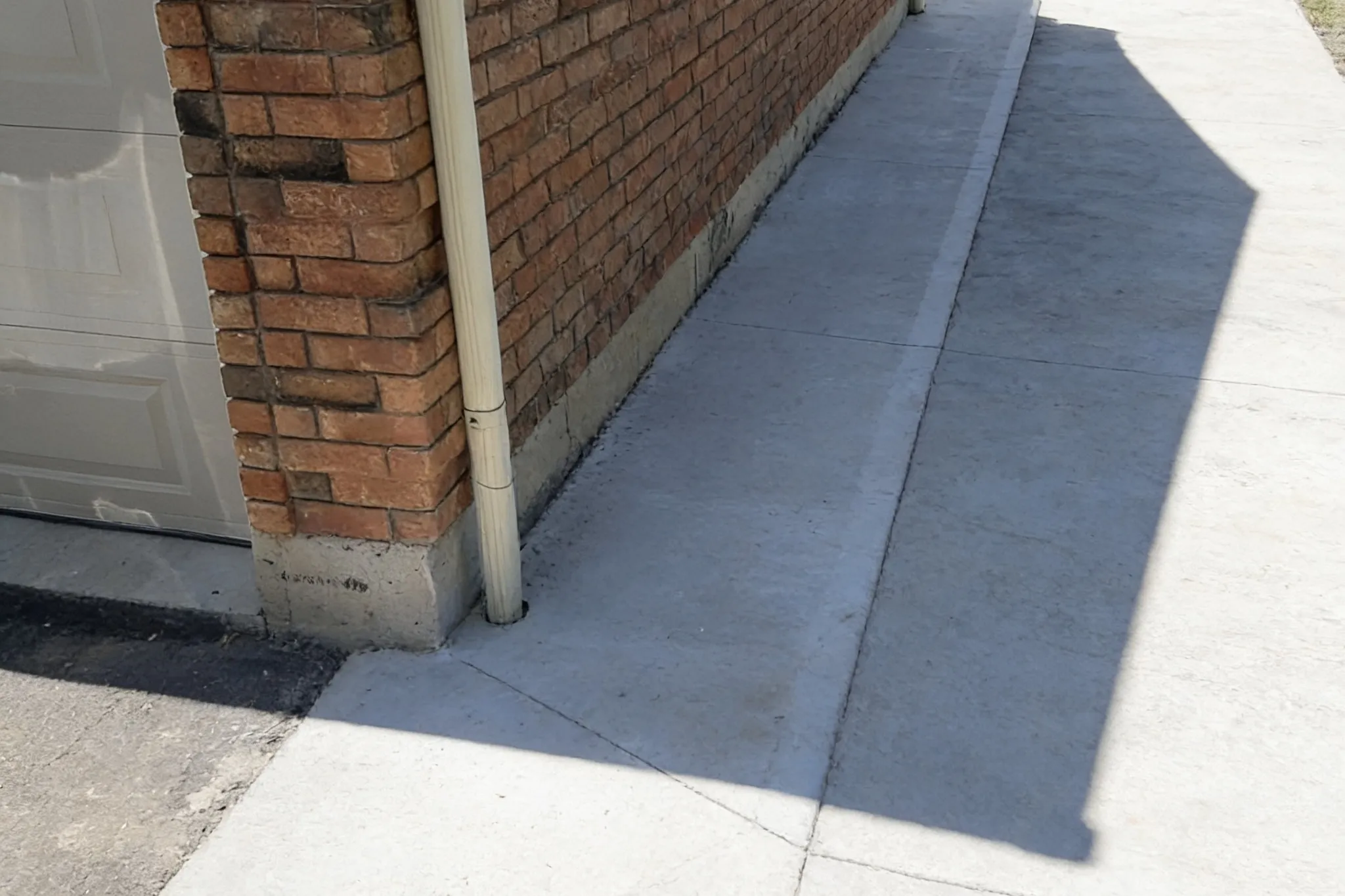
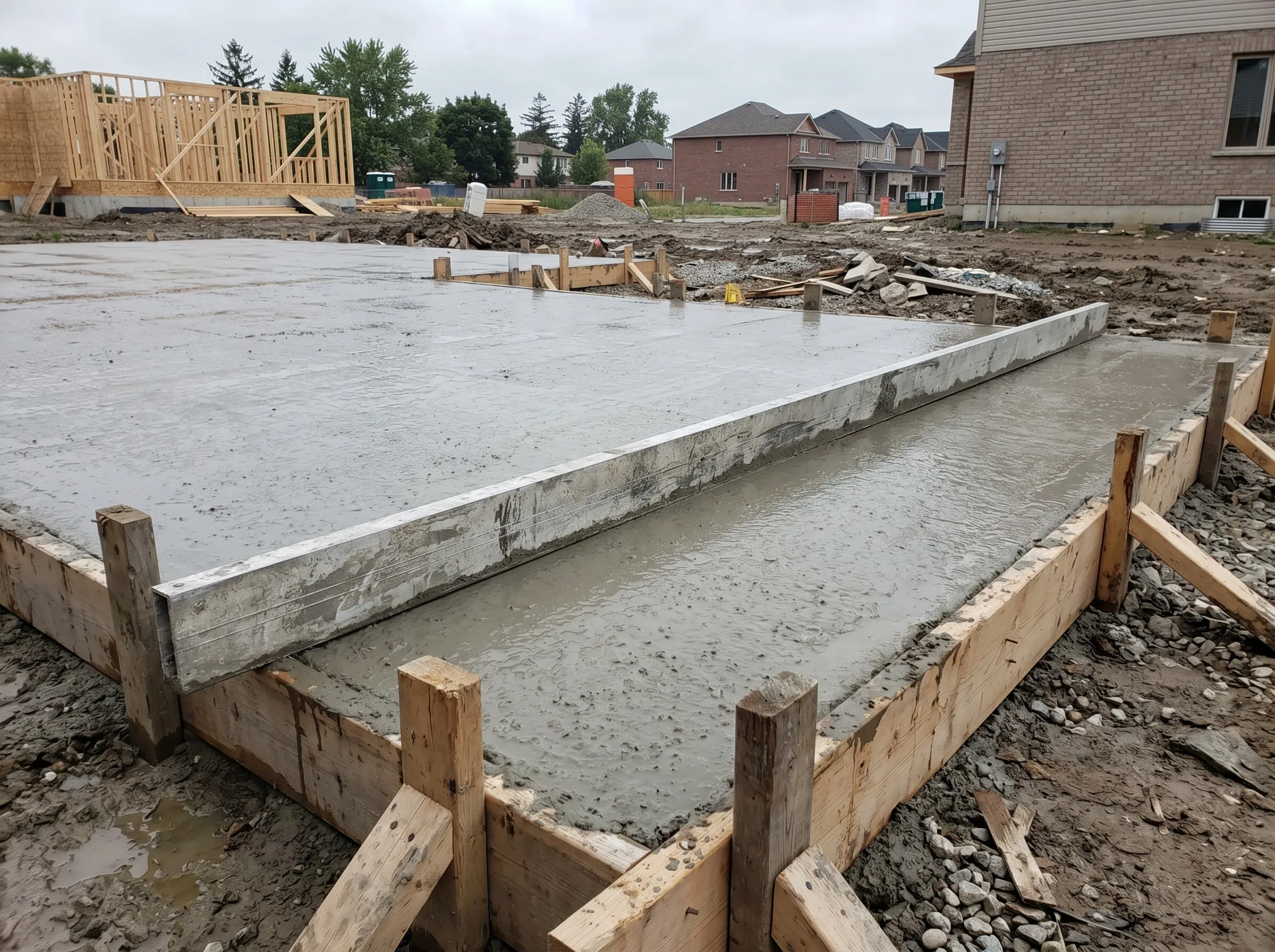
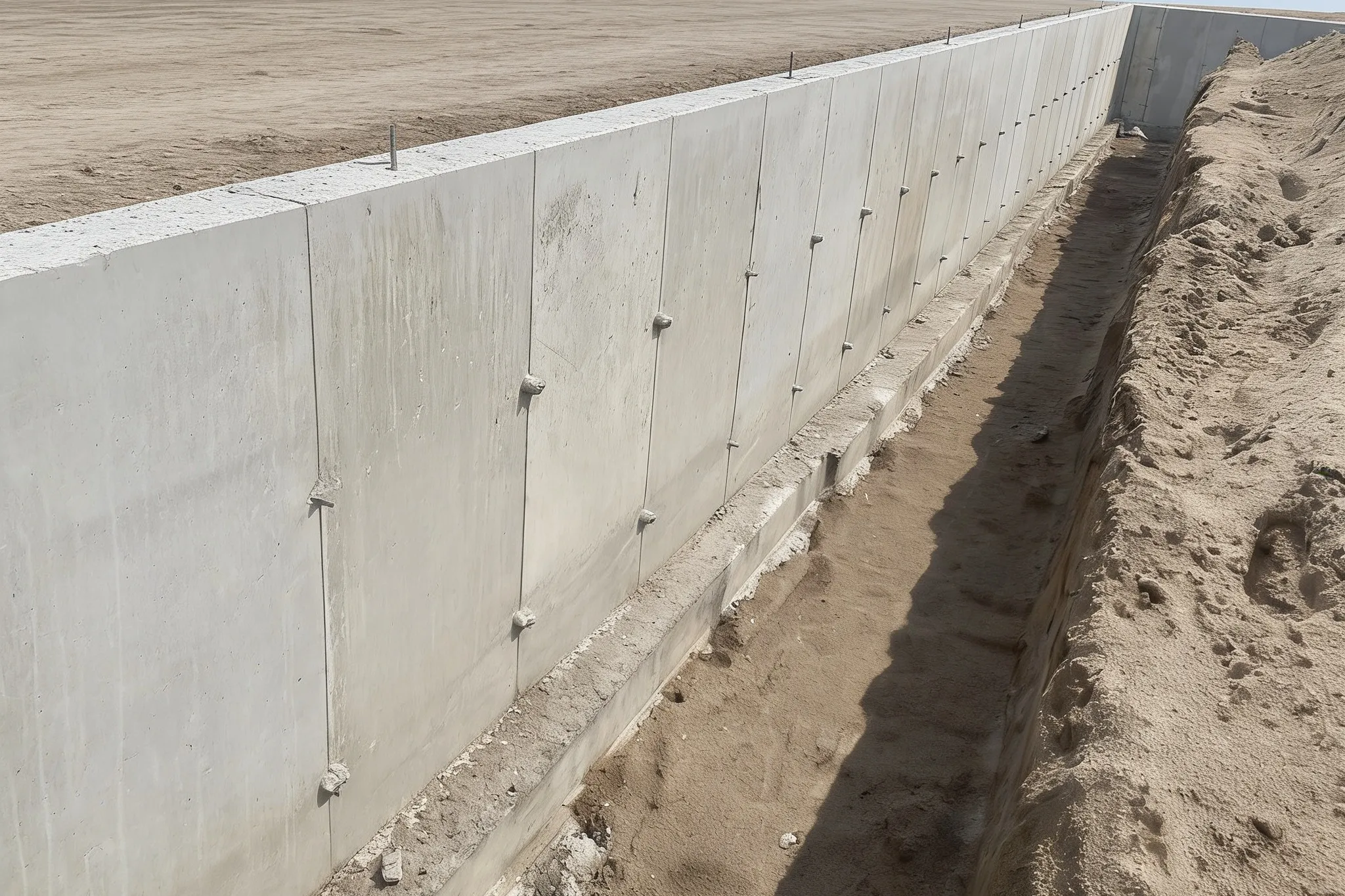
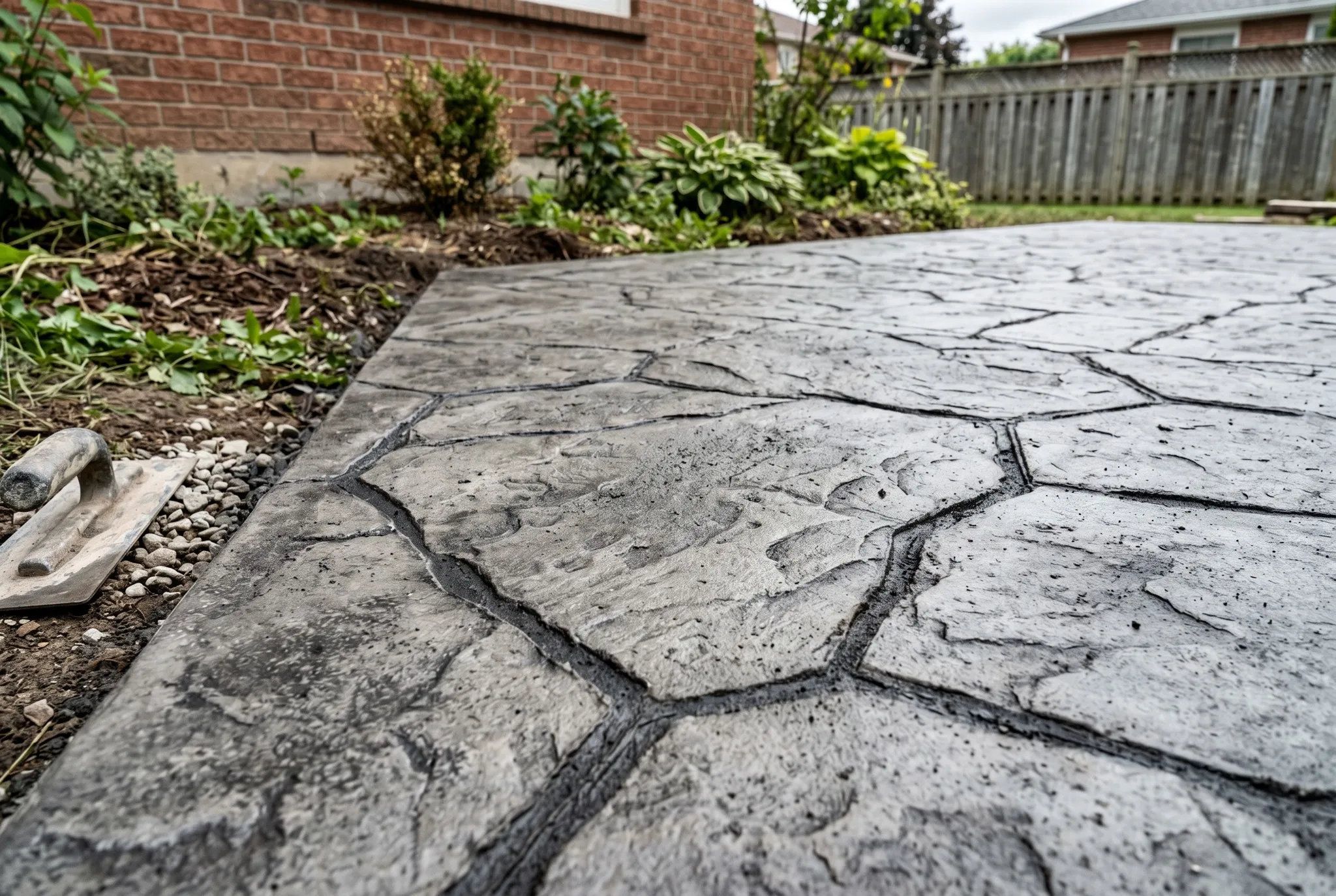
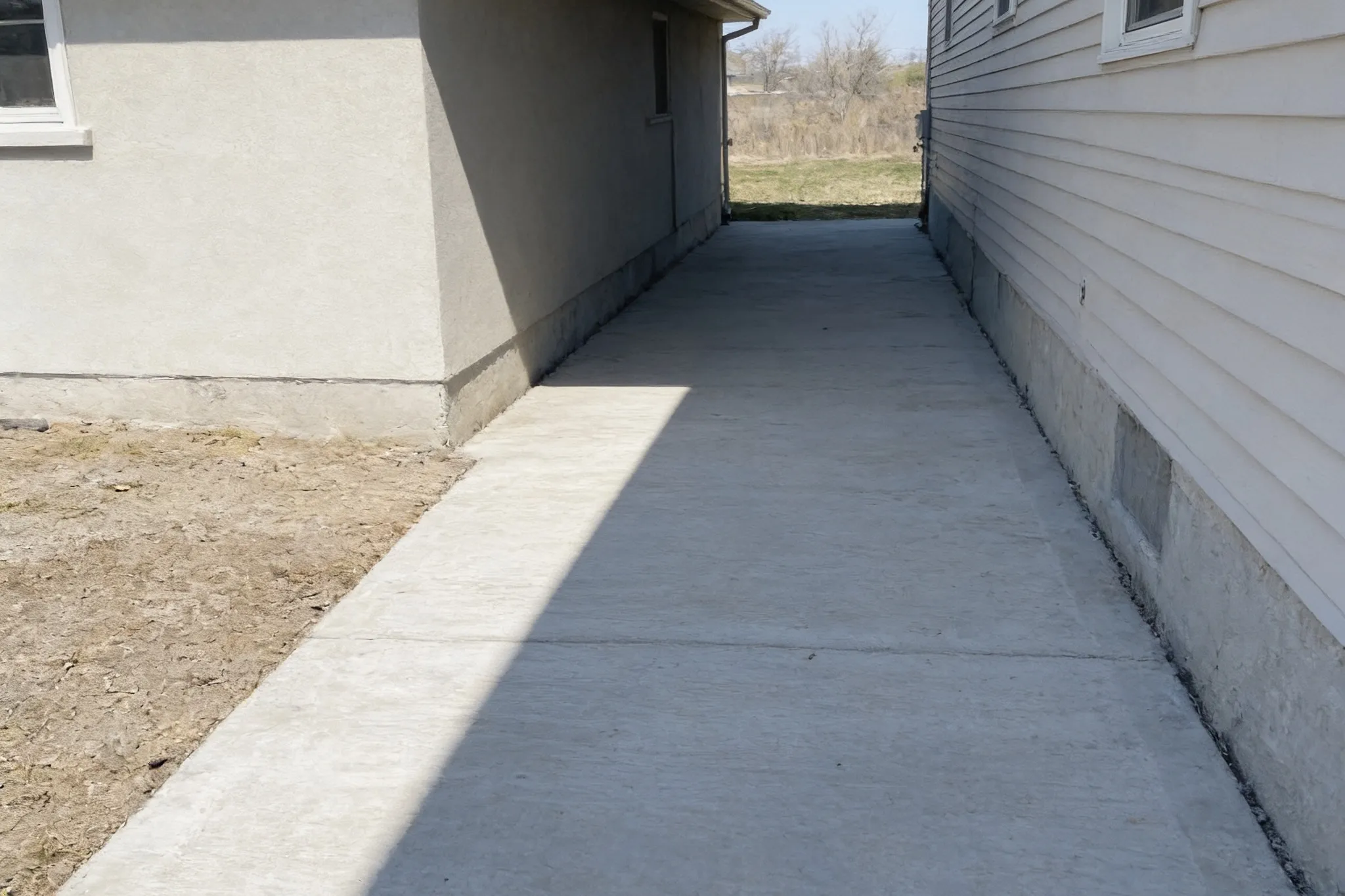
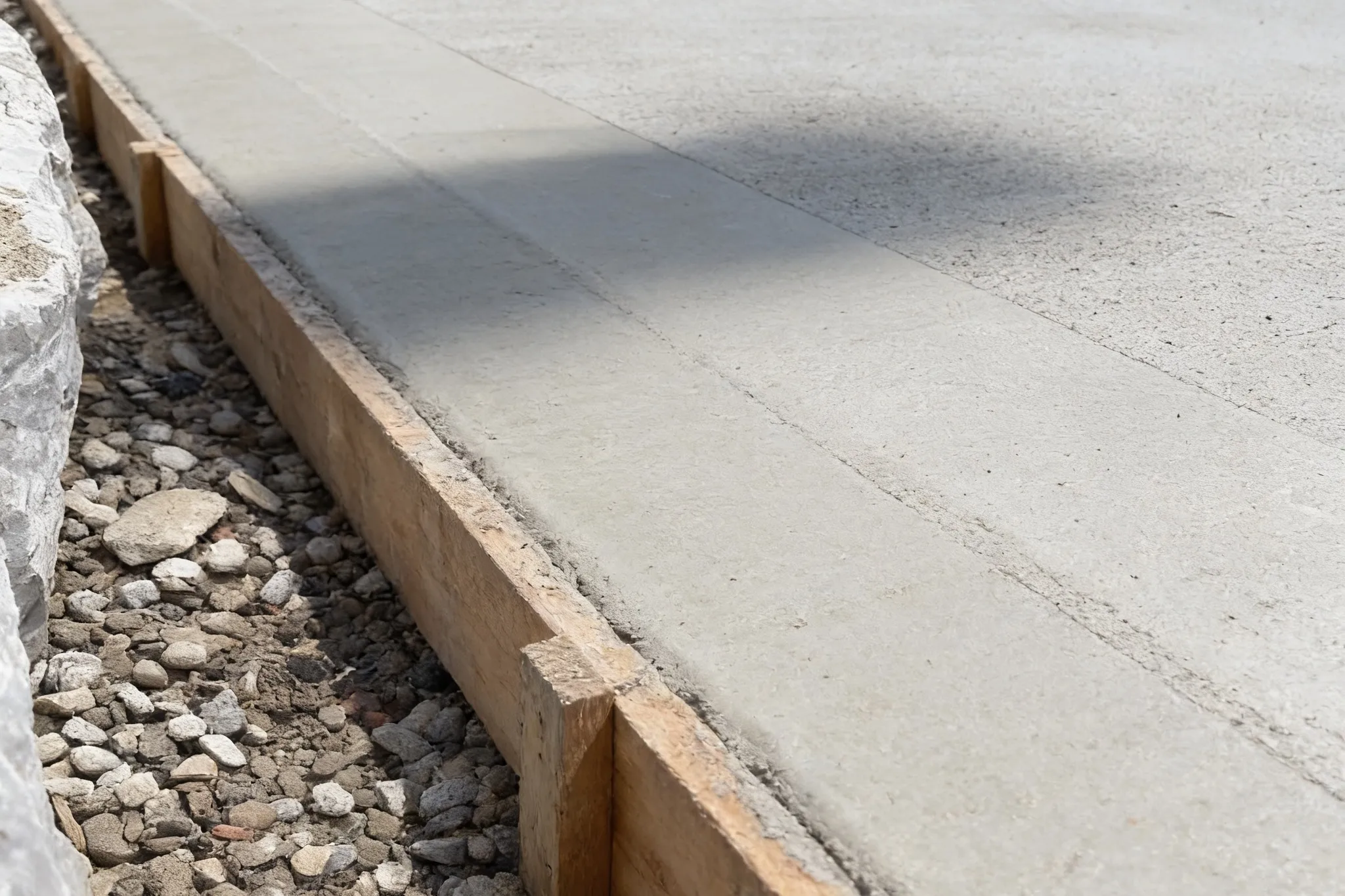
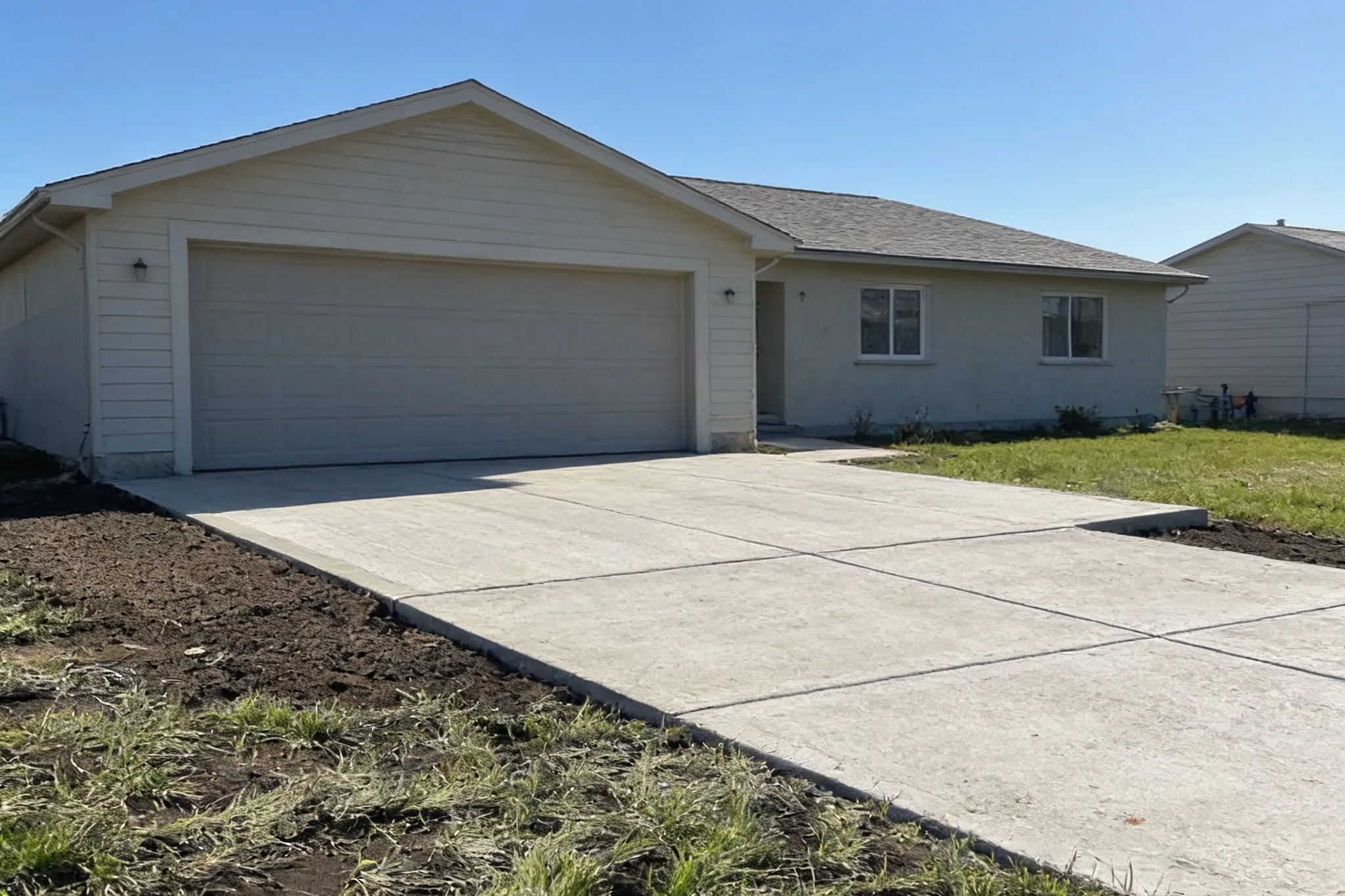
Foundation wall · Southern Ontario 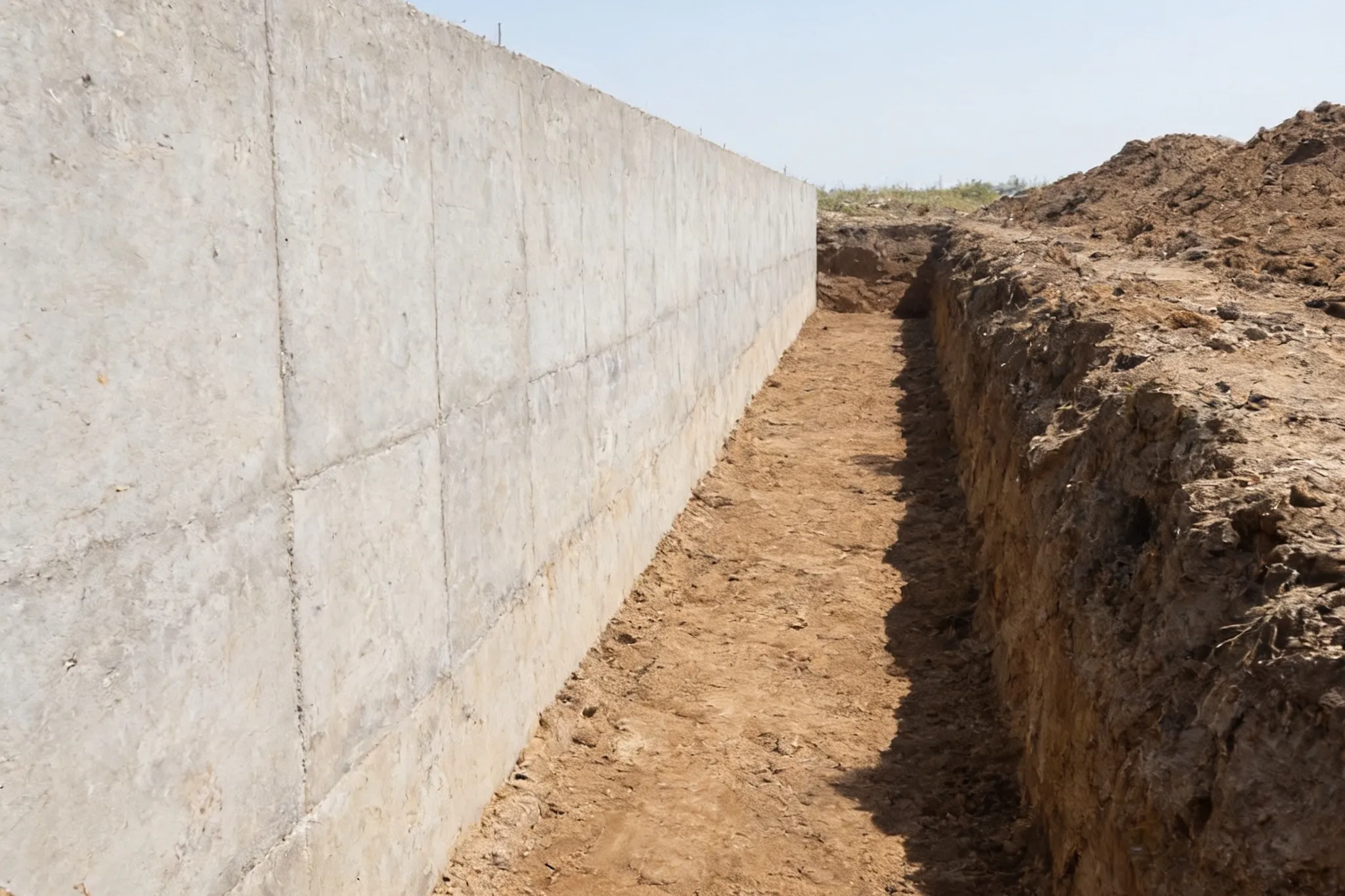
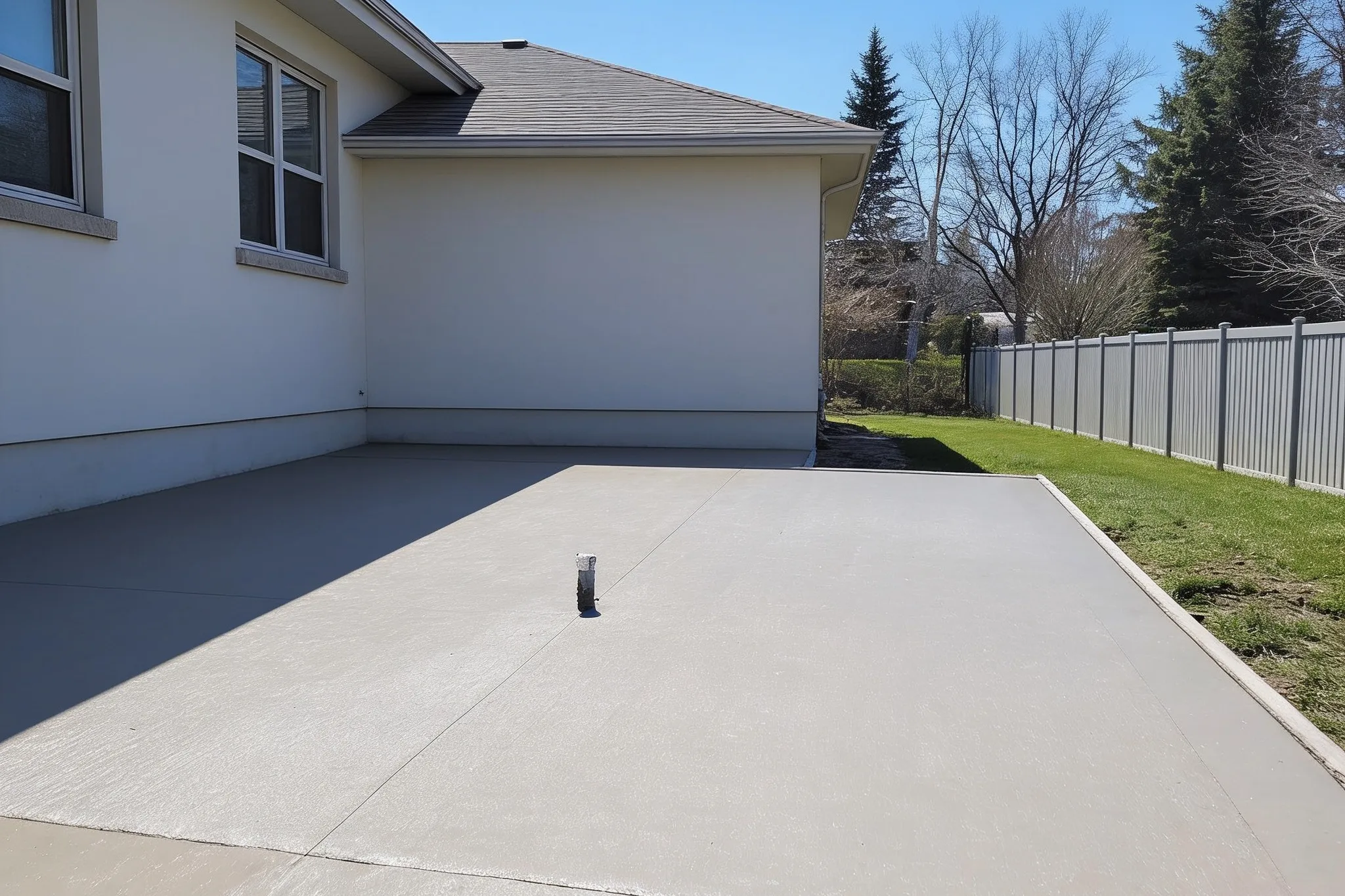
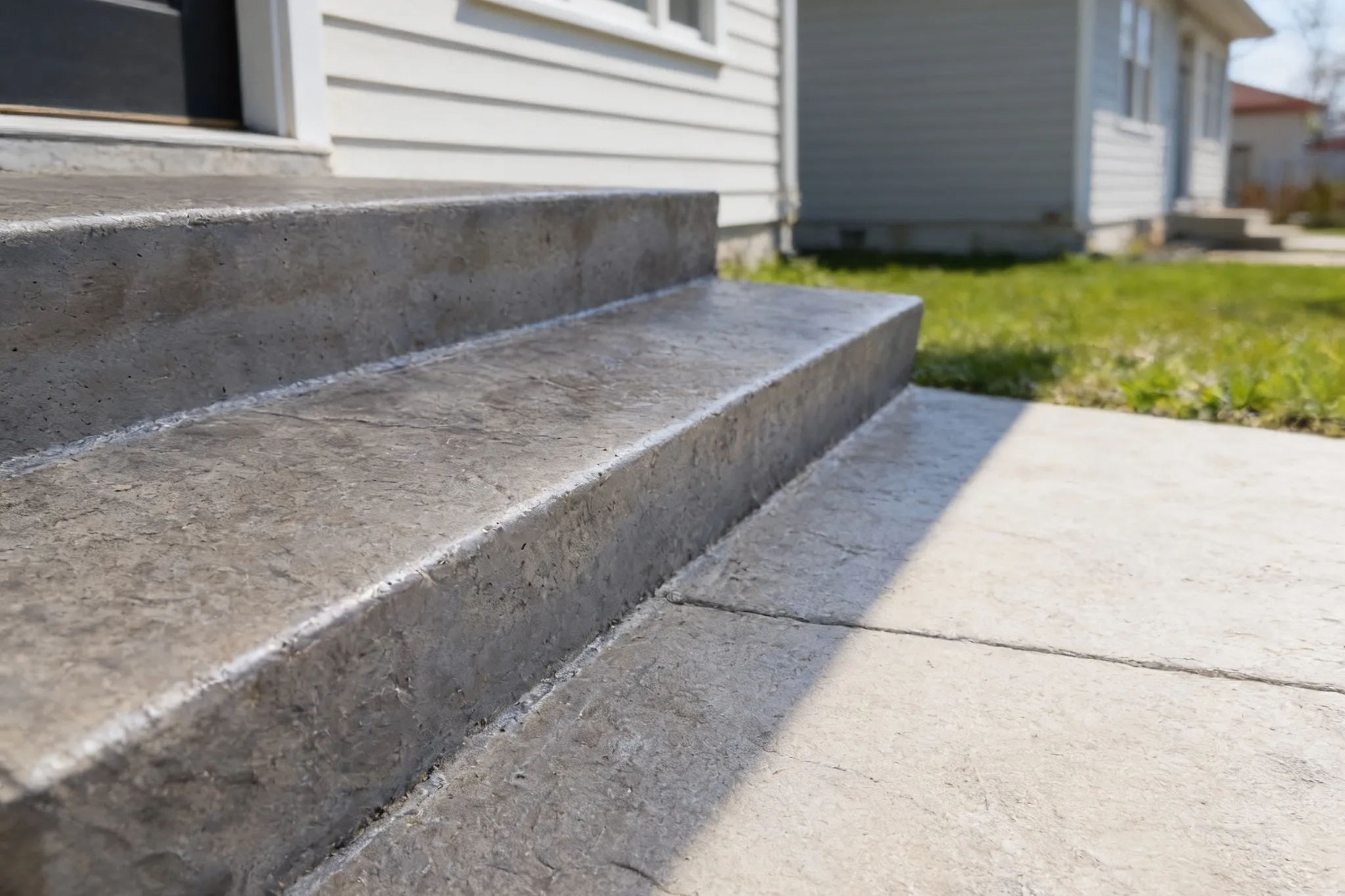
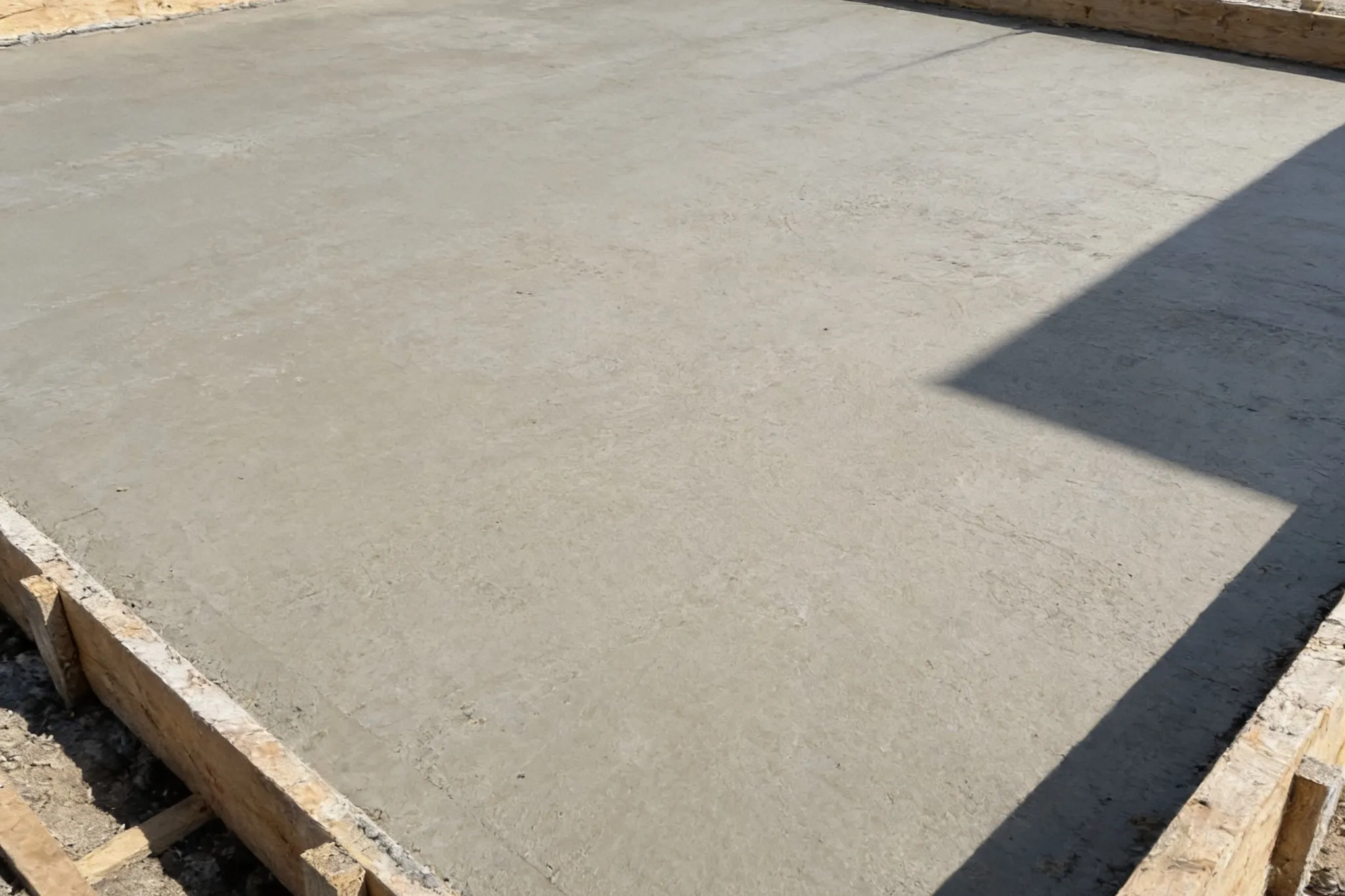
Foundation wall · Southern Ontario 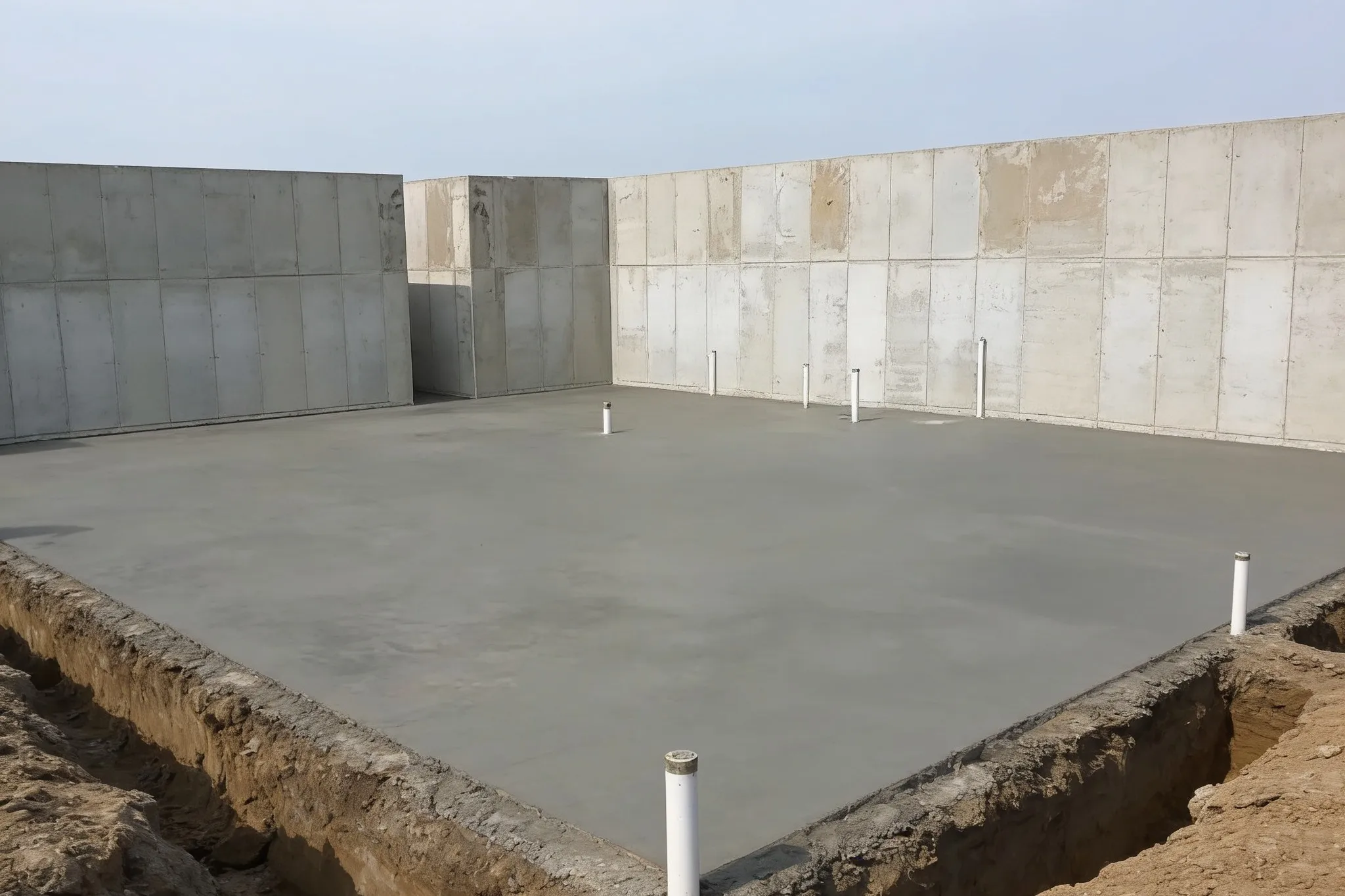
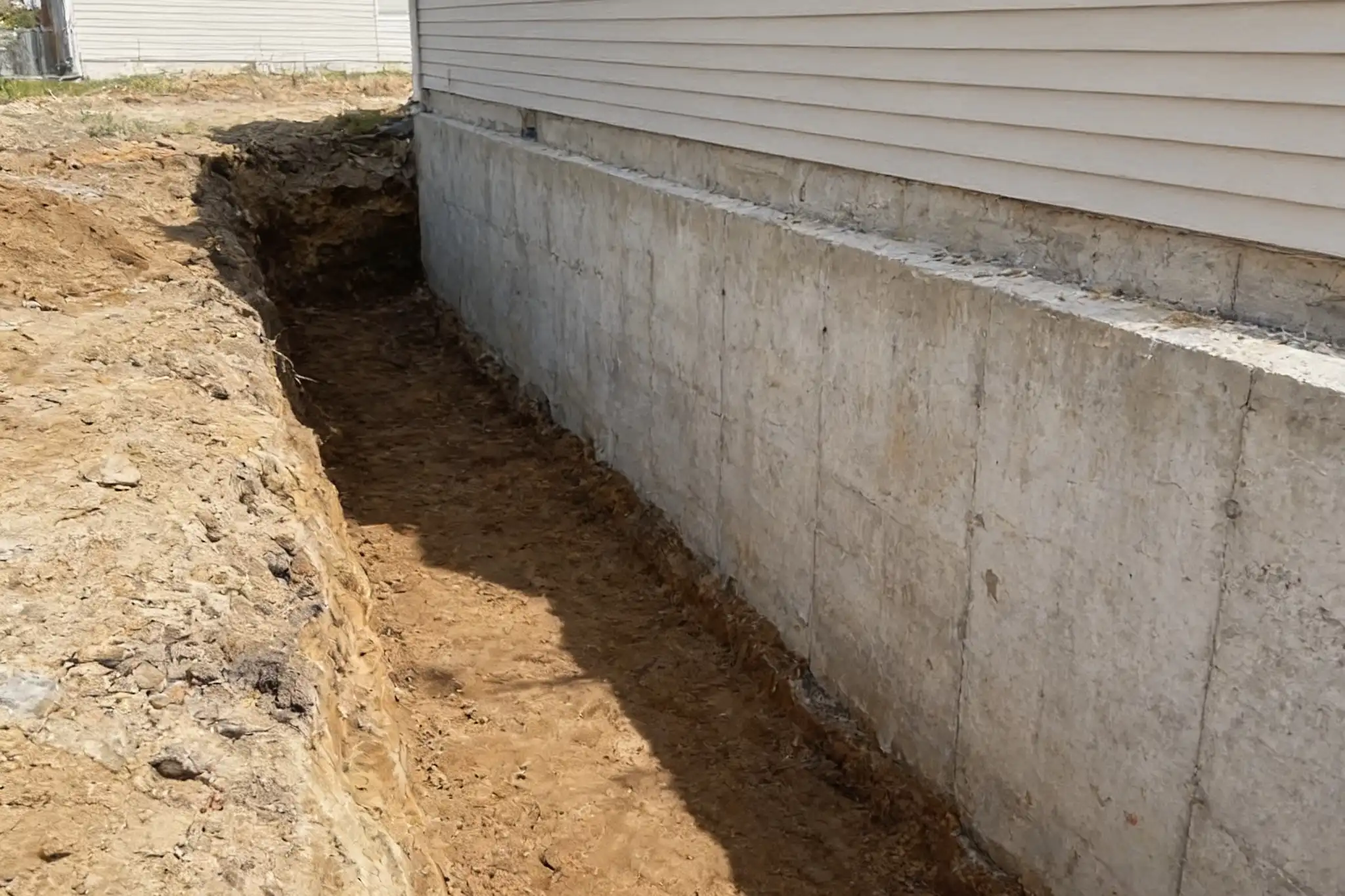
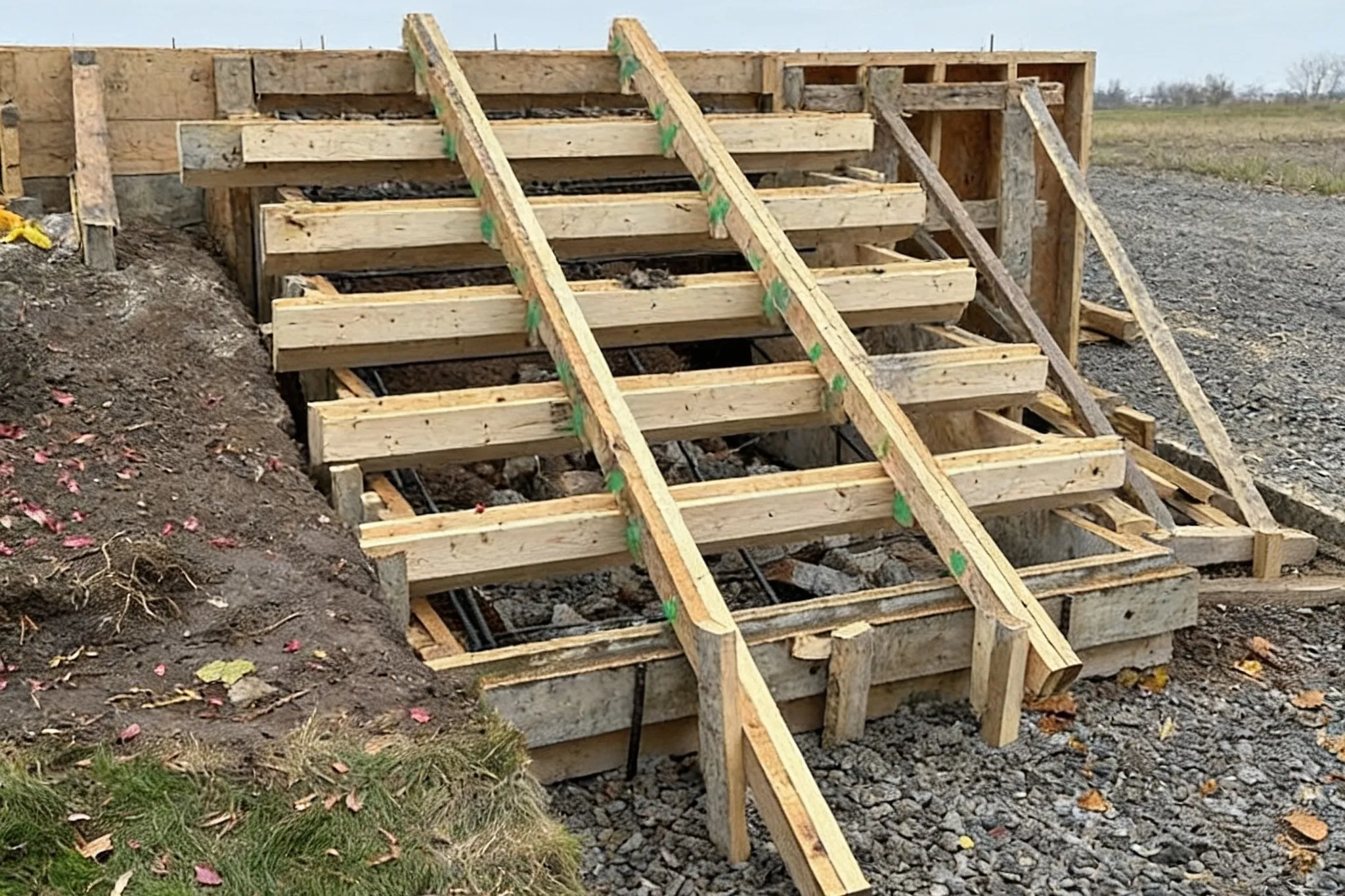
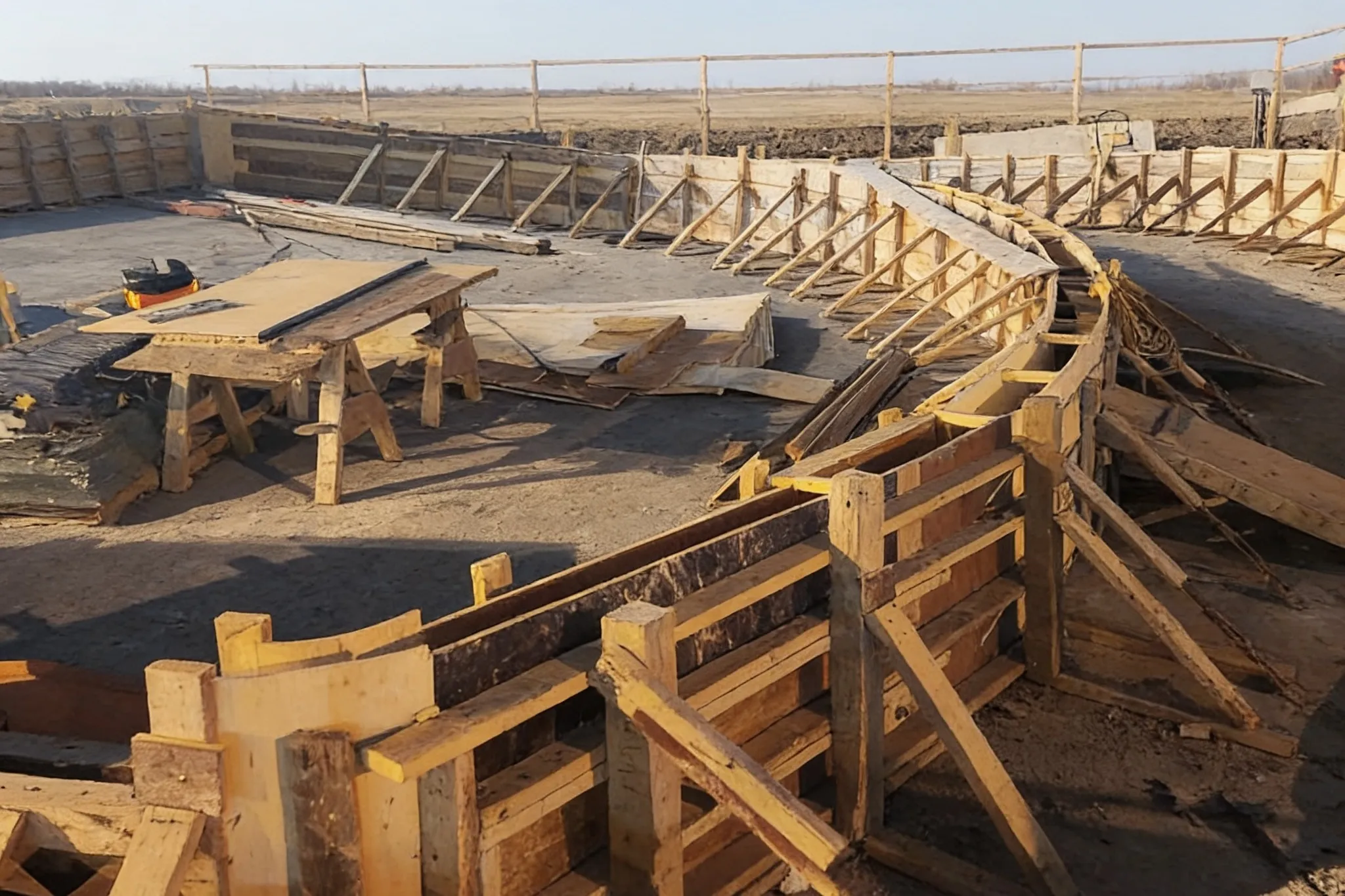
Foundation, excavated · Southern Ontario
Straight answers
There's a crack in my basement wall that keeps getting wider. How worried should I be?
A crack that grows is the one symptom we never tell people to ignore. Mark both ends with a pencil and date it; if it lengthens or widens over a season, something is still moving, usually water-swollen clay or a settling footing, and the cause needs fixing along with the crack. Cracks wider than 1/4 in., horizontal cracks, and cracks where one face sits higher than the other belong on the same list. The look costs nothing: quotes are free and the assessment goes in writing.
Water is leaking through a crack in my foundation. Can it be fixed from the inside, or does someone have to dig?
Usually from the inside, and usually in one visit. Polyurethane injection reaches the full depth of the crack, seals it while it's still wet, and skips the excavation entirely, which makes it far cheaper than digging. Digging earns its cost when the wall is failing across a whole section or several cracks are weeping at once; at that point it's a waterproofing scope, not a crack repair, and we'll say so at the quote.
My basement wall is bowing inward. Does the foundation have to be replaced?
Rarely. A bow under roughly 2 in. is typically stabilized with carbon fibre straps; past that, steel bracing or rebuilding sections enters the conversation. Either way the wall is only half the fix: the saturated clay outside pushed it in, so grading, downspouts and drainage have to stop feeding the pressure or the wall keeps losing. We quote straps by count and spacing after measuring the wall, and we show the logic.
How much does it cost to fix a foundation crack in Ontario?
A single crack injection is one of the smaller jobs in foundation work, and injecting several cracks in one visit usually costs less each than doing them separately. The number climbs from there with the severity of the problem and whether the wall needs structural reinforcement or full water management. One thing worth knowing: a cheap surface-patch smear comes in lower but fails by spring, which makes it the most expensive option on the list. We give you a real number after a free site visit, and tell you straight when the crack is the harmless kind that just needs watching.
Are hairline cracks in a newer home's foundation normal?
Yes. Poured concrete shrinks as it cures, and thin vertical cracks in the first year or two are expected behaviour. Photograph them, date them, and watch for change. Check your coverage too: Ontario's new-home warranty program (Tarion) covers water coming through the foundation for two years and major structural defects for seven, so on a newer house the builder may owe you the repair before anyone else does.
Do cracks in a parged wall mean the foundation is cracked too?
Not necessarily. Parging is a thin protective coat, and it cracks from weather and age all on its own, so a crack in the parge often stops at the parge. The tell is recurrence: a line that reopens in the same spot every year, wider each time, usually has a wall crack underneath driving it. We check by sounding the coat and stripping a small patch. If it's just the coat, that's a parging job; if it's the wall, fix the wall first and re-parge after.
Related work
- Spring Concrete and Foundation Crack InspectionA practical thaw-season check for movement, water, and the cracks that should be assessed promptly.
- Basement WaterproofingWhen the crack leaks every thaw, or several leak at once, the job has become water management rather than filler.
- PargingOnce a crack through the exposed band is injected, a fresh parge coat covers the repair and protects the wall face.
Tell us about the job.
Send the details and we'll get back to you within one business day with next steps. If water is coming in right now, check the box and we flag it urgent.
Get a straight quote
Free · no pressure · 1 business day