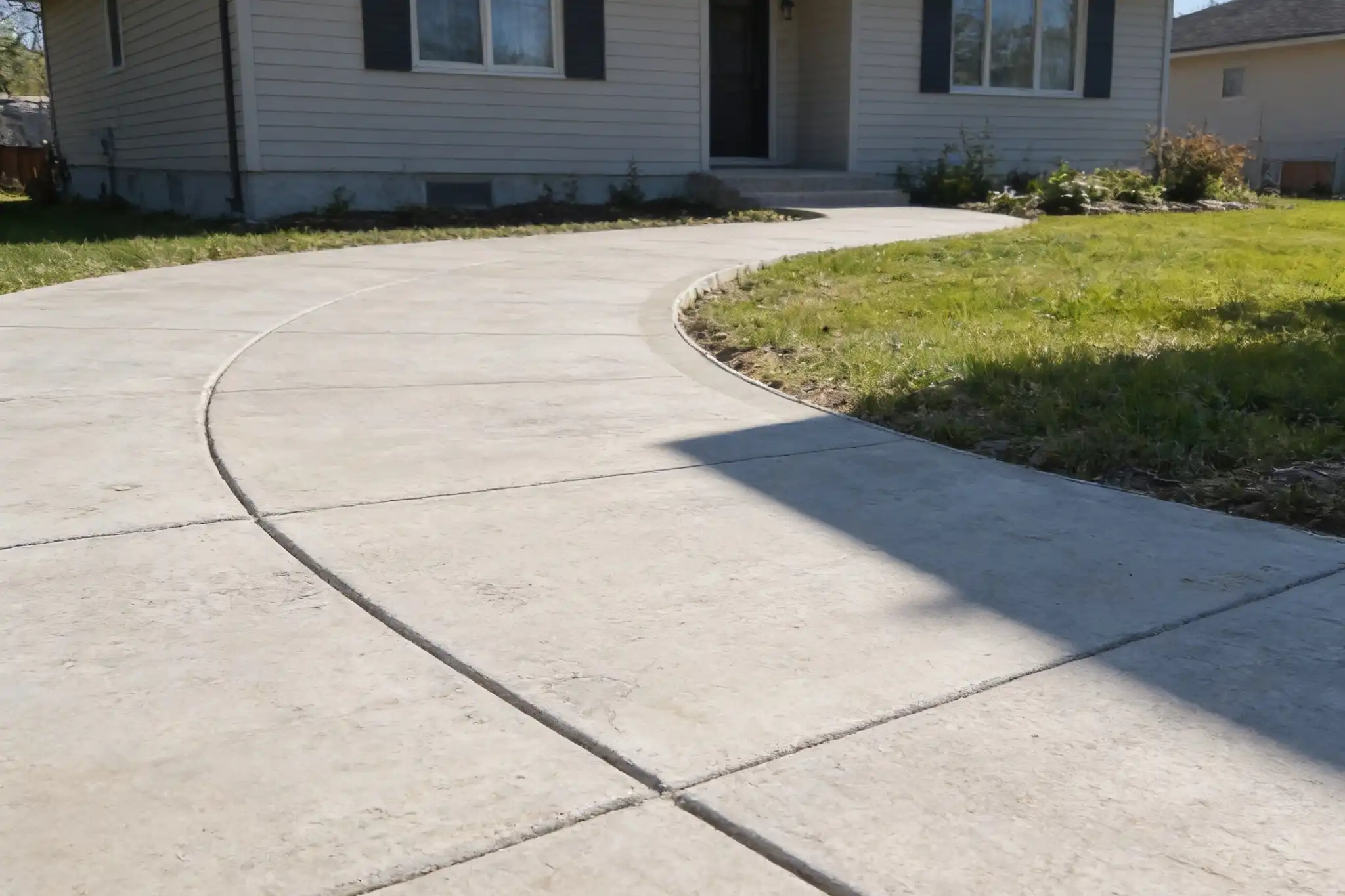
HomeServicesConcrete Driveways
Concrete Driveways in Southern Ontario
My Concrete Pros pours new, replacement and exposed aggregate concrete driveways across Southern Ontario. Union-certified crews handle tear-out, drainage, compacted base prep and finishing, and every driveway carries a lifetime warranty on labour. The site visit is free and the quote arrives in writing.
Get a straight quote
Free · no pressure · 1 business day
Reviewed June 2026
Every job is priced individually, not off a price list. Tell us about yours and you get an accurate, no-pressure quote in writing.
A driveway is the hardest-working slab on your property. It carries two tonnes of vehicle through dozens of freeze-thaw cycles a winter and gets salted from November to March. And it sits in full view of the street. Done right, it lasts 25 to 50 years. Done cheap, it pits and cracks before the second winter.
The difference is almost never the concrete. It's what sits under the slab and who finishes it. Cheap driveways fail because the base wasn't excavated deep enough, the fill wasn't compacted, or the mix wasn't air-entrained for exterior work. None of that is visible on pour day, which is exactly why corners get cut there.
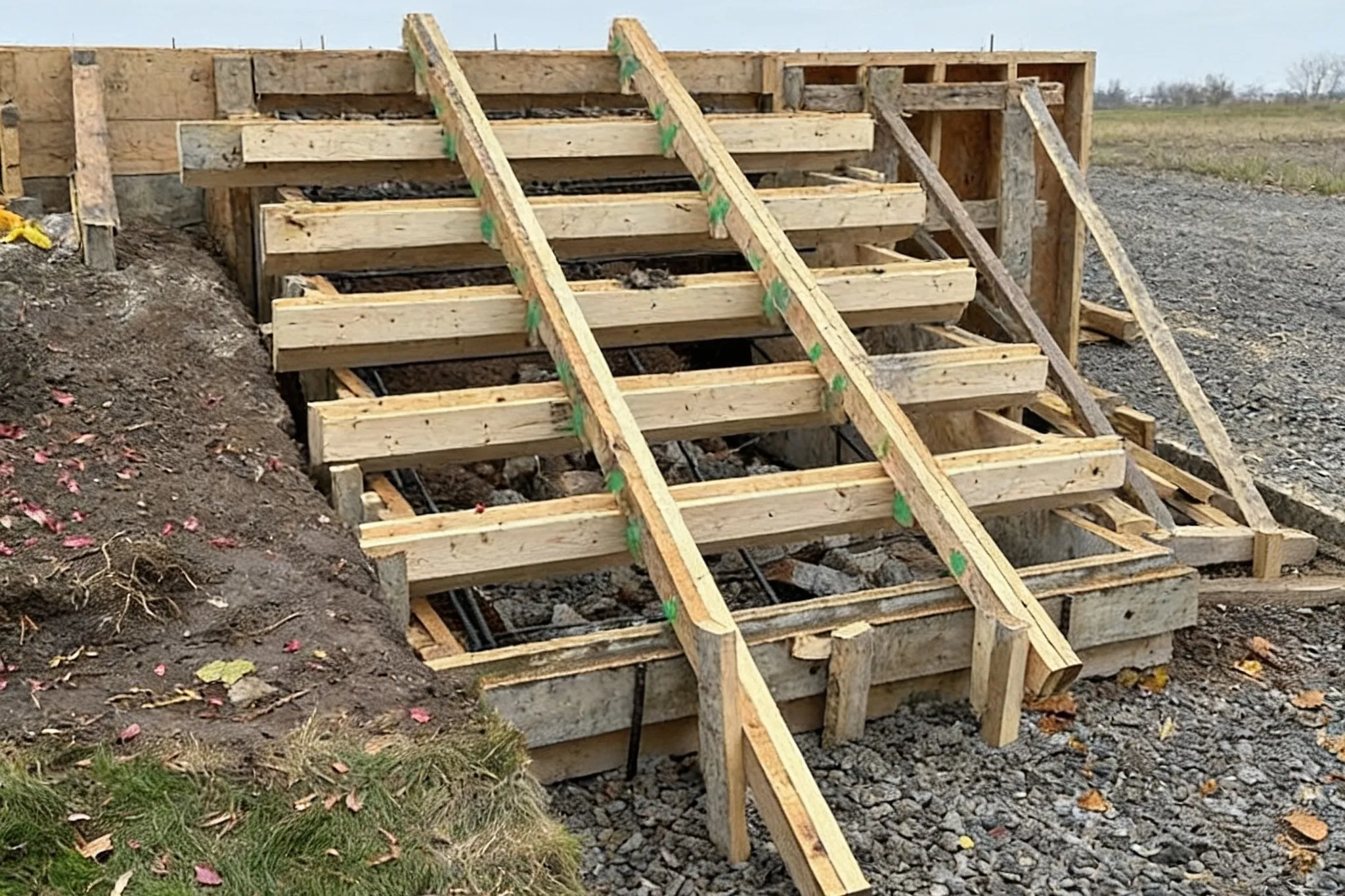
We do it the slow way: excavate to stable ground, compact a proper Granular A base, pour 32 MPa air-entrained concrete, and cut joints where the slab wants to crack instead of where it's convenient. Some homeowners find us searching for concrete driveway contractors, others for a cement contractor. Same trade, same crews, and the quote is free either way.
- A free site visit and a written quote that holds. The price we quote is the price you pay.
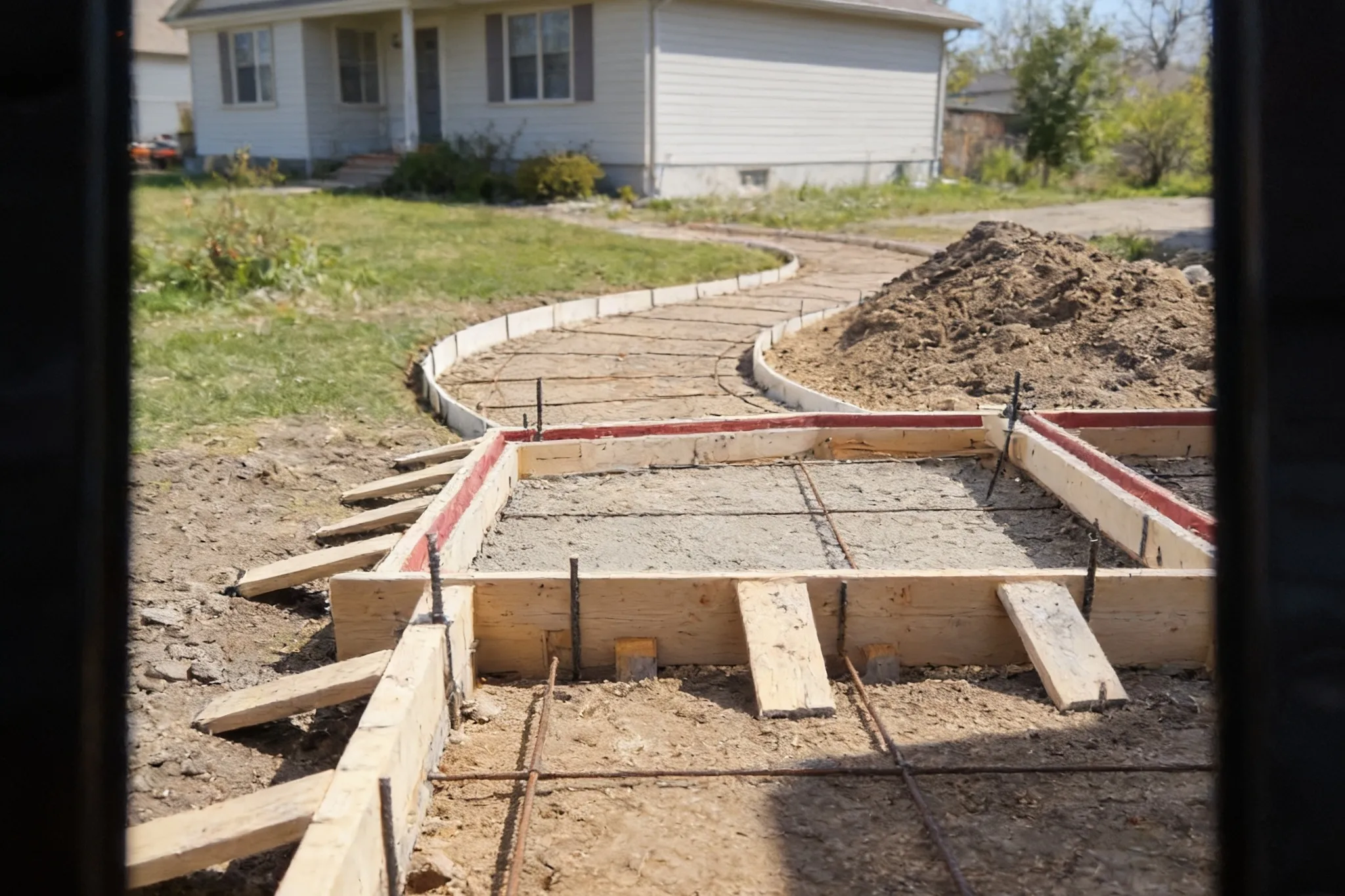
- Excavation to stable ground and a compacted Granular A base, not a skim of gravel over topsoil.
- 32 MPa air-entrained concrete, the CSA standard for slabs that live with freeze-thaw and salt.
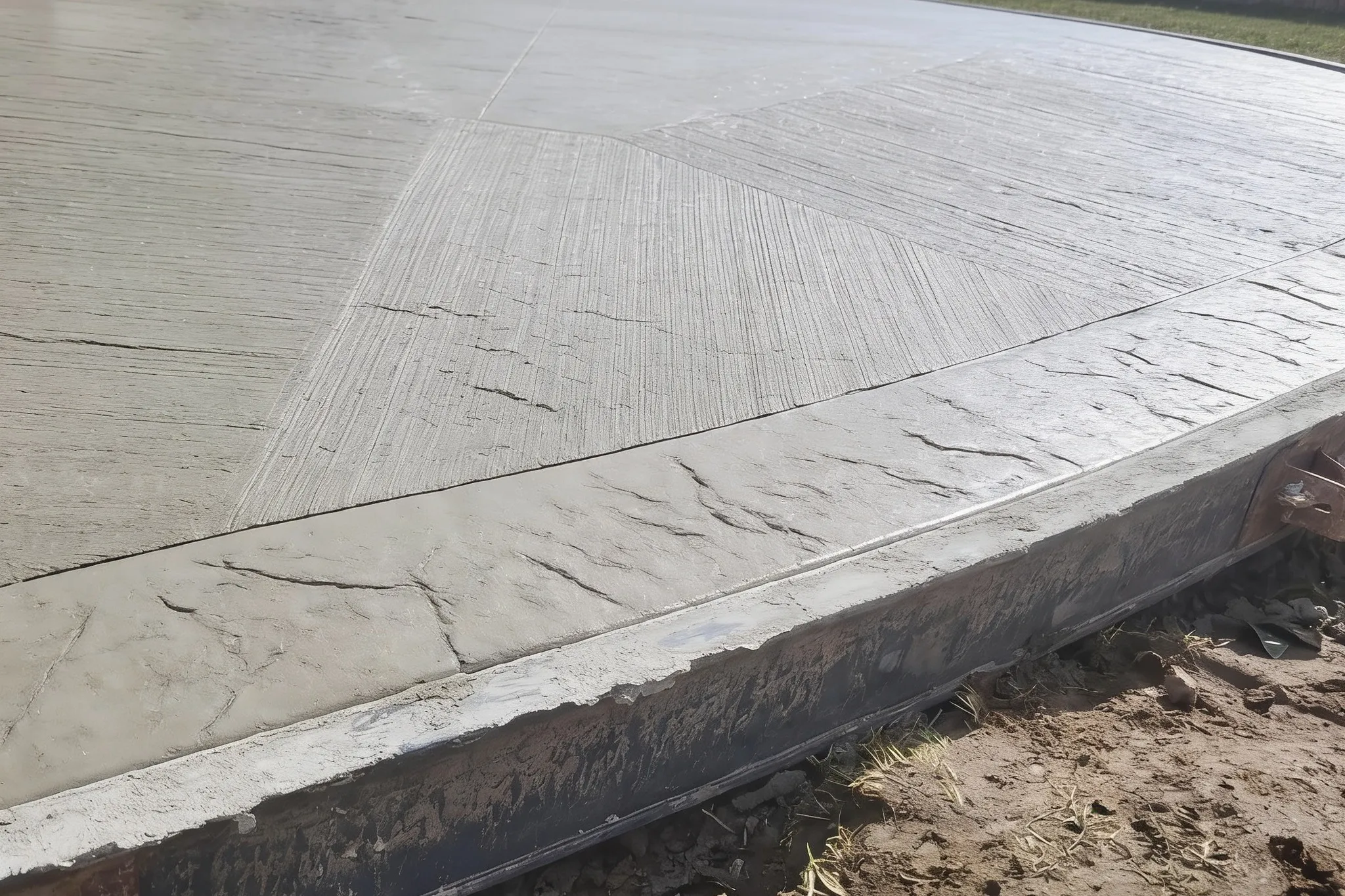
- Saw-cut control joints, placed by plan and cut before the slab decides for itself.
- Site protection and a real cleanup: plywood under machine routes, splatter kept off your fence, lawn raked, forms hauled away.
- Plain-words cure guidance and a lifetime warranty on labour, in writing.
The numbers we build to
| Mix | 32 MPa air-entrained | CSA C-2 exposure class for freeze-thaw and de-icing salt |
|---|---|---|
| Thickness | 100-125 mm (4-5 in.) | 125 mm where trucks or trailers park |
| Base | 150-200 mm compacted Granular A | deeper on soft clay |
| Reinforcement | Wire mesh or 10M rebar grid | rebar where loads or soils demand it |
| Cure before vehicles | 48 hrs minimum | keep heavy trucks off for 7 days |
What does a concrete driveway cost in Southern Ontario?
The honest answer is that it depends on your driveway, and a real quote beats any flat rate you read online. What we can tell you is what drives the number. Size is the obvious one. After that it's finish: a broom finish is the most affordable, exposed aggregate is a mid-tier upgrade, and stamped work is the premium. Then base conditions. A driveway over soft clay needs deeper excavation and more granular fill, and that work is invisible the day the truck leaves.
Whether it's a new pour or a replacement matters too. Tearing out and hauling away an old slab is real work, and a replacement costs more than pouring onto bare ground. Access and season move it as well. So a 500 square foot two-car driveway and a long farm approach are different jobs, and a per-foot guess pretends they aren't.
Be careful with a quote that comes in far under the others. The classic move is to skip base prep, pour thin, and be gone before the first winter exposes it. The other classic is leaving the tear-out off the quote so it can be discovered later. Ours is written, itemized, and it holds. Book a free site visit and you get an accurate, no-pressure quote in writing.
Broom, exposed aggregate, or stamped: which finish?
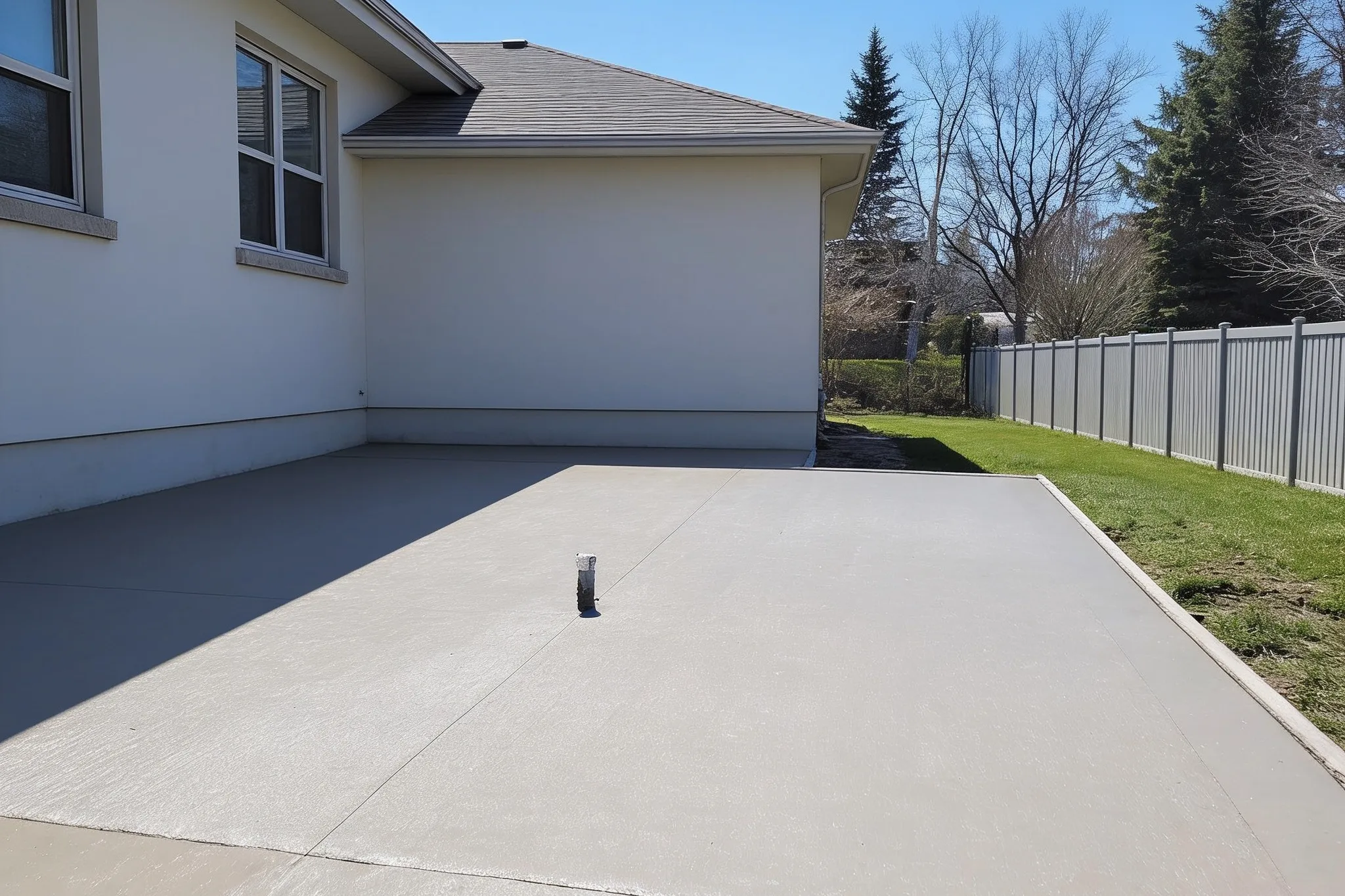
A broom finish is the standard. The surface gets dragged with a stiff broom for grip, it's the most affordable option, and small repairs blend in well. Most driveways in Southern Ontario are broom-finished for good reason.
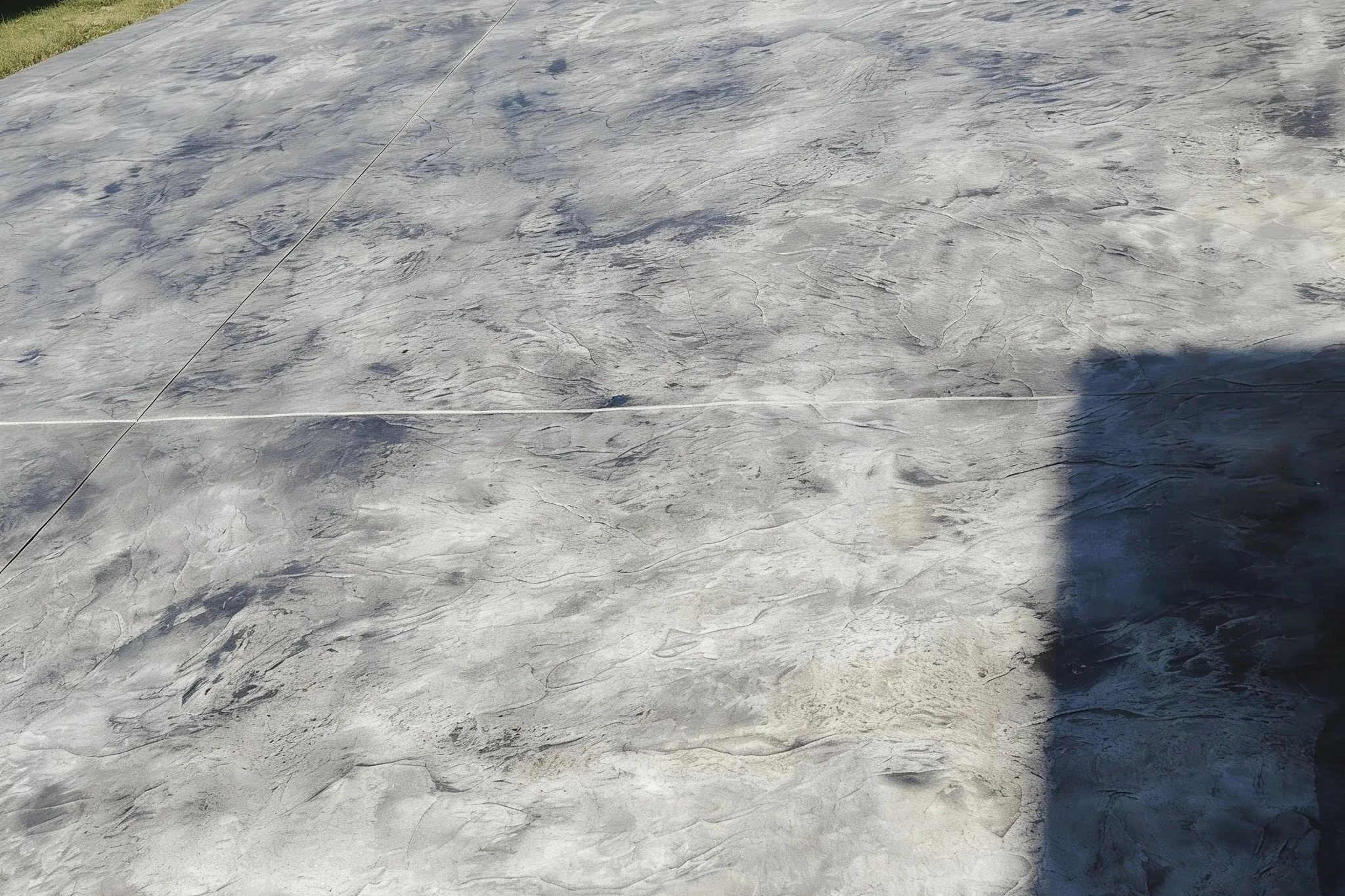
Exposed aggregate is the upgrade we suggest most often. The top layer of cement paste is washed off to reveal the stone in the mix, which gives real texture, hides tire marks and surface wear, and grips boots in ice season. It is a step up from broom finish and sits between plain and stamped, in both look and cost.
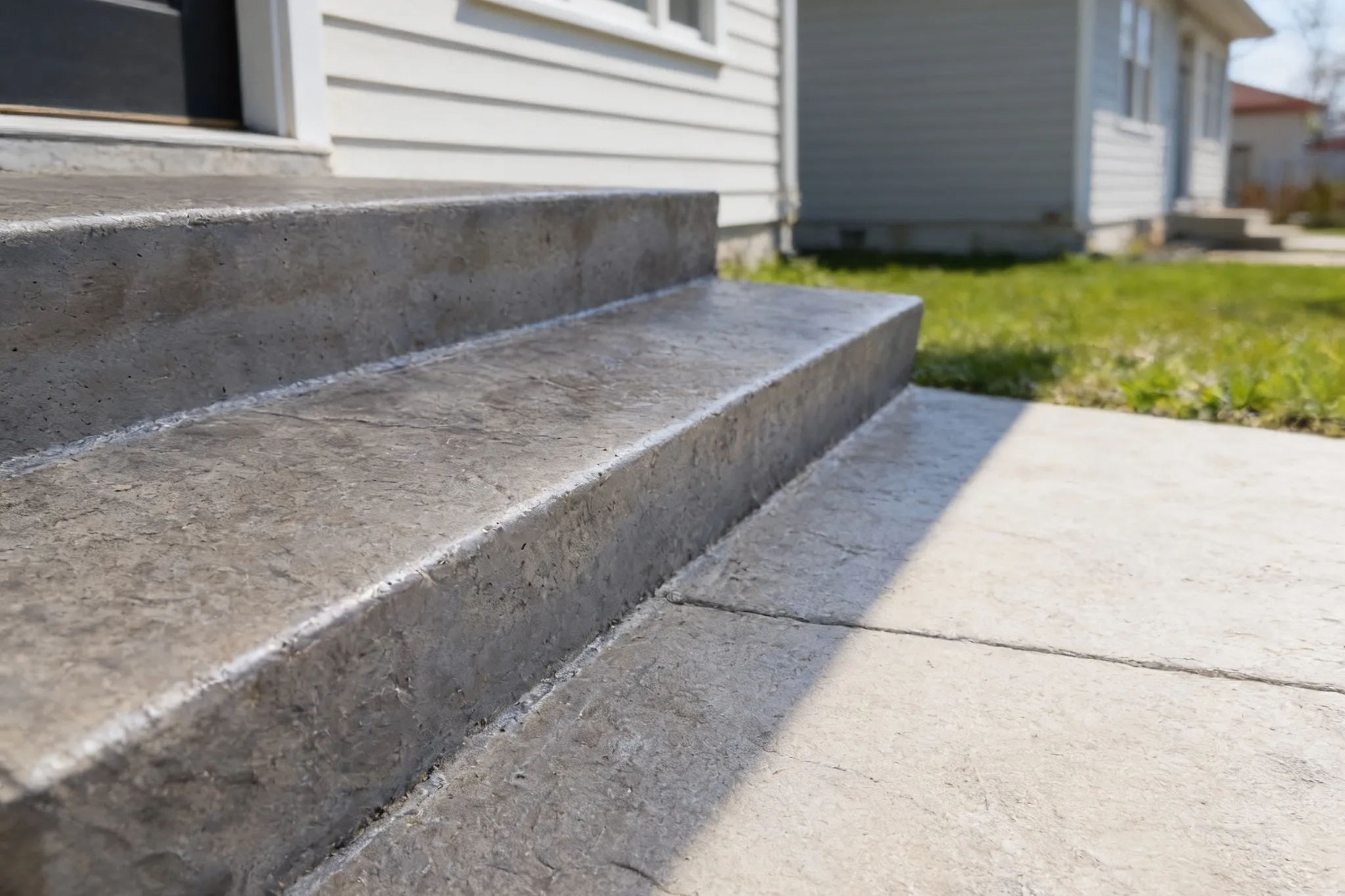
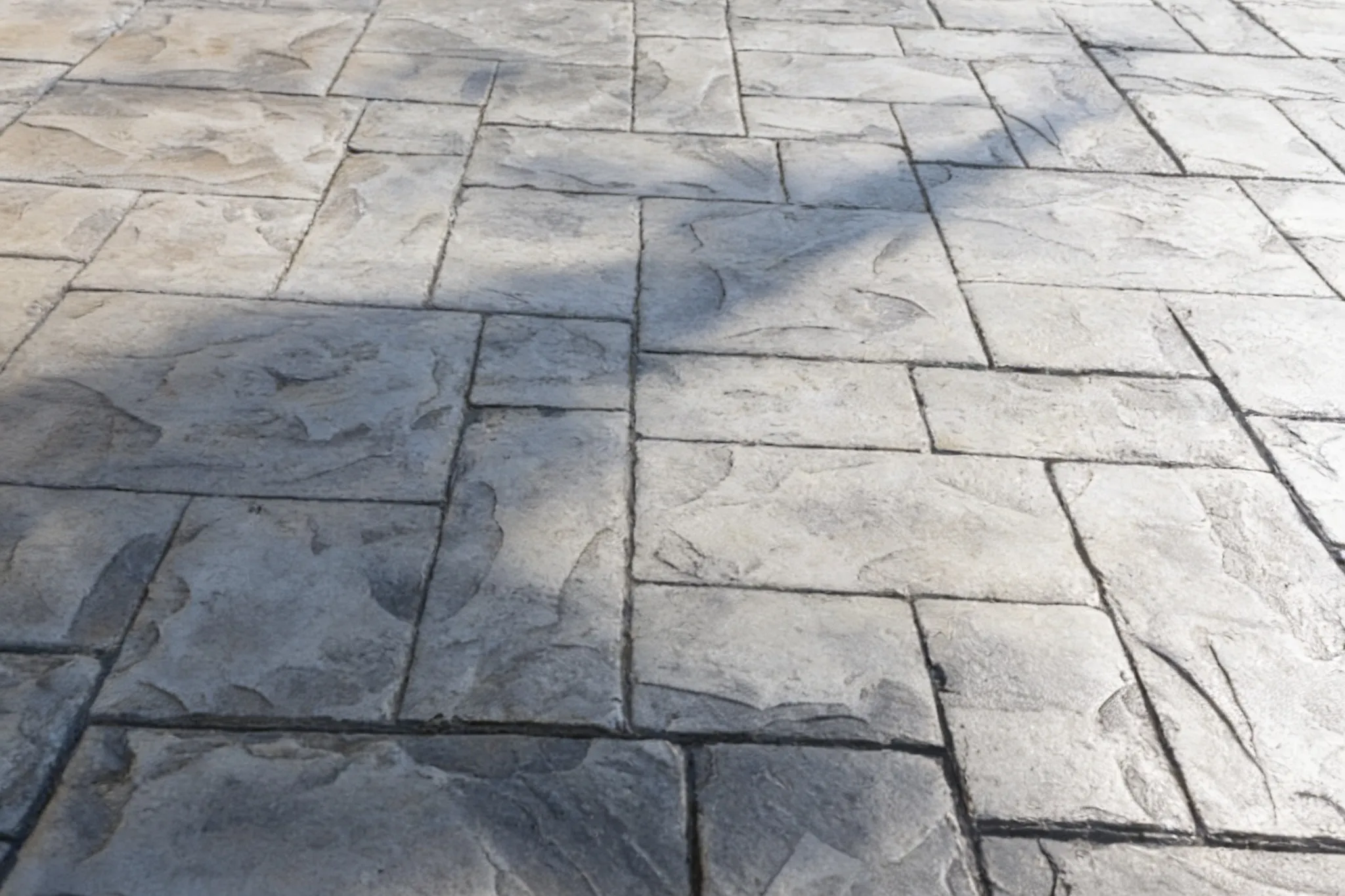
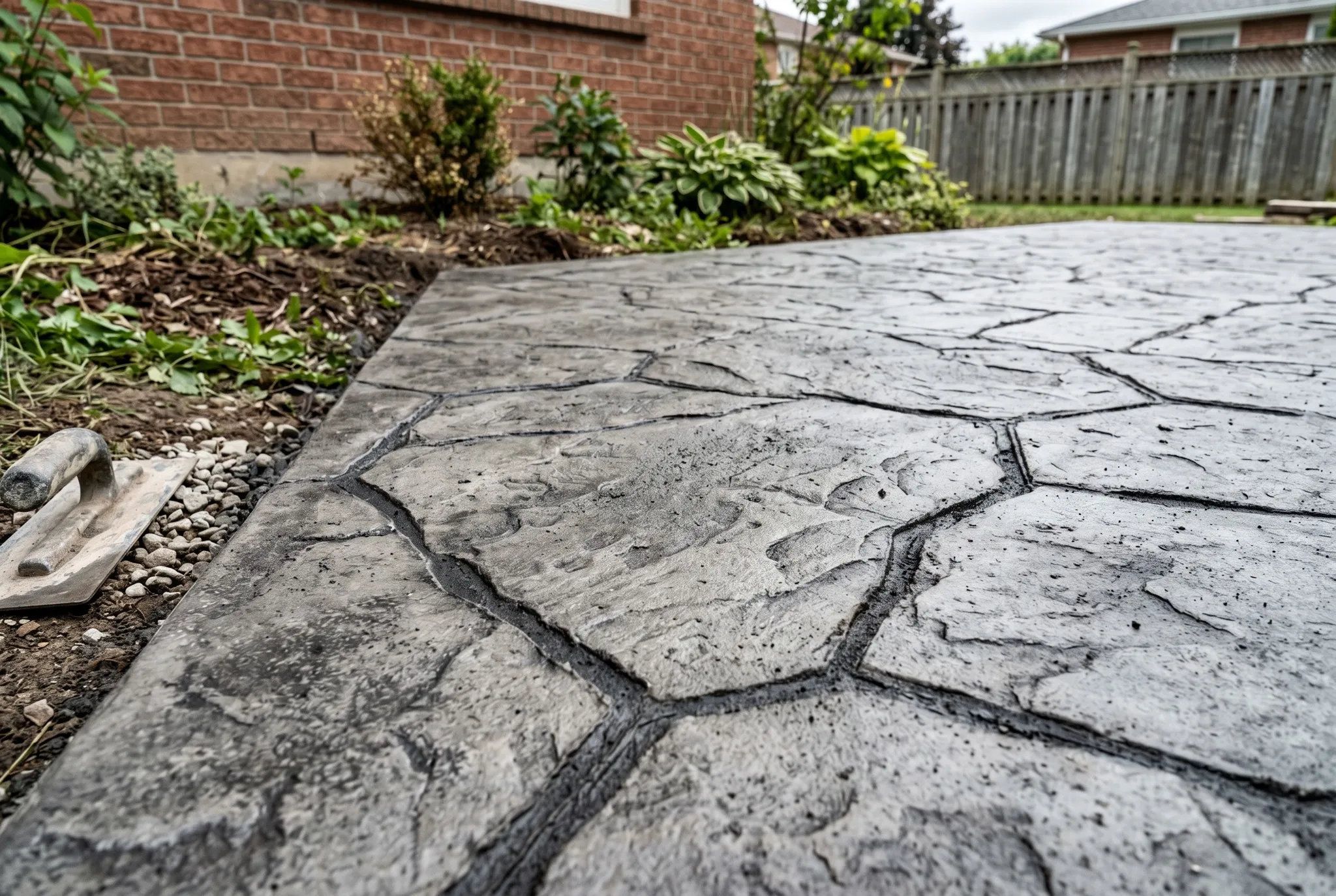
Stamped concrete turns the driveway into pattern and colour: slate, flagstone, cobble. It's the most expensive finish, it needs resealing on a schedule, and on driveways it often earns its keep as borders and aprons rather than full coverage. If that's the direction you're leaning, our stamped and decorative concrete page covers patterns, colours, and the honest maintenance talk.
Built for freeze-thaw and road salt
Southern Ontario driveways fail from the bottom up. Water gets under the slab, freezes, lifts it, thaws, drops it. Repeat that dozens of times a winter and a slab on a bad base cracks no matter how good the concrete was. So the base gets the attention: excavation to stable ground, 150 to 200 mm of Granular A compacted in lifts, graded so water drains away from the slab and the house.
The mix matters too. We pour 32 MPa air-entrained concrete on every driveway. The entrained air gives freezing water room to expand inside the slab, which is what prevents the surface scaling and pitting you see on cut-rate work. It's the CSA exposure standard for exactly this climate, and it's a line worth looking for on any quote you compare.
One thing we'll tell you straight: go easy on salt the first winter. New concrete is still gaining strength, and de-icers are hardest on it in year one. Use sand for grip the first season, seal the slab in the spring, and you'll get decades out of the surface.
How long does it take, and when can I park on it?
A typical driveway runs two to three working days on site: tear-out and excavation, base and forms, then the pour and finish. Weather moves pours in Ontario, especially in spring and fall. If it moves yours, we call you before pour day.
Cure is where patience pays. Stay off the new slab on foot for 24 to 48 hours. Keep vehicles off for 48 hours minimum, and give it a full week before heavy trucks or trailers. We cut control joints within a day of the pour, and sealing waits about 28 days until the concrete has finished its early cure.
Pouring season runs roughly April to November. Late-season pours are fine, crews protect fresh concrete through cold snaps, but if you want to park on the new slab before snow flies, start the booking conversation by early fall.
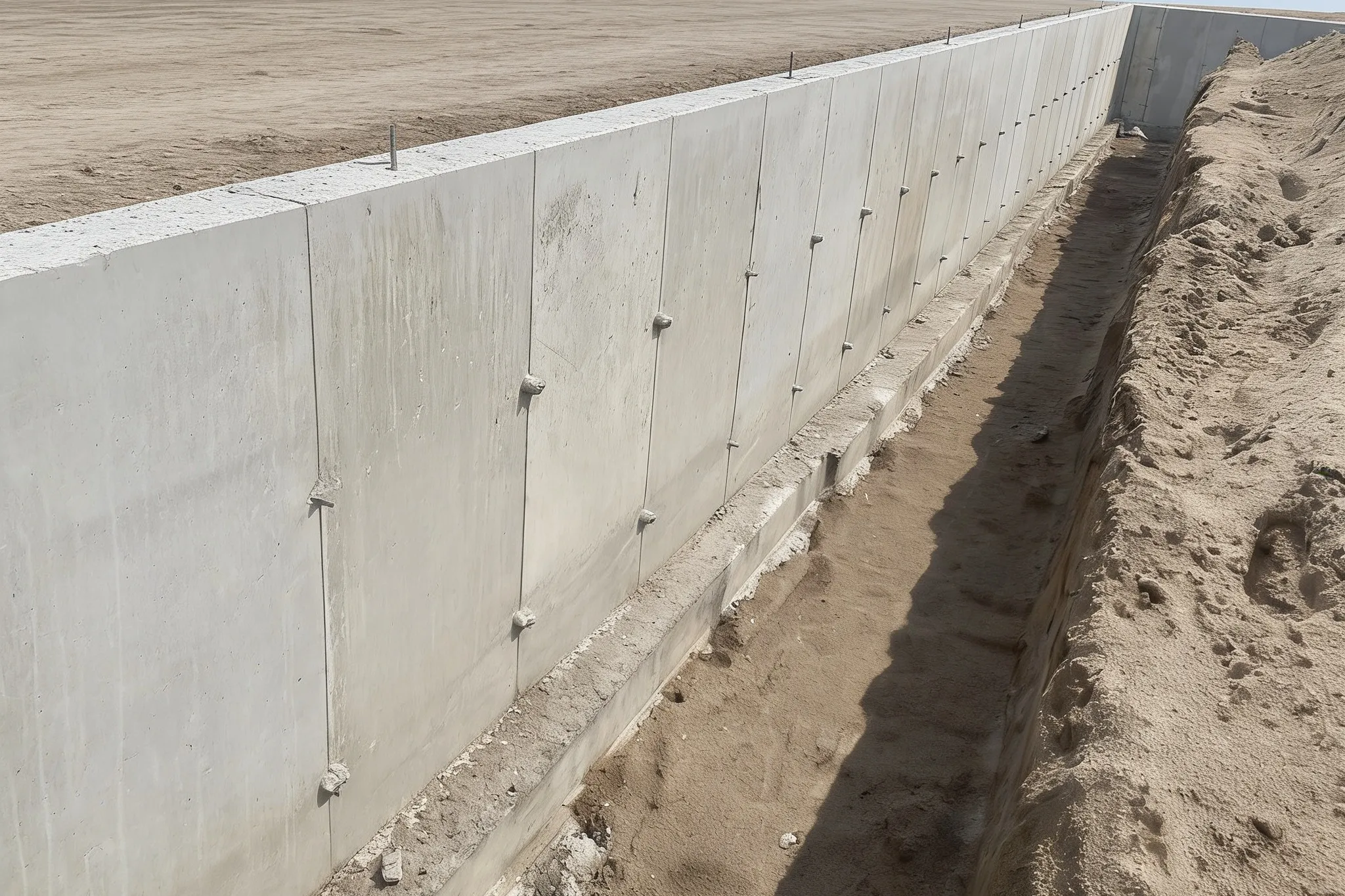
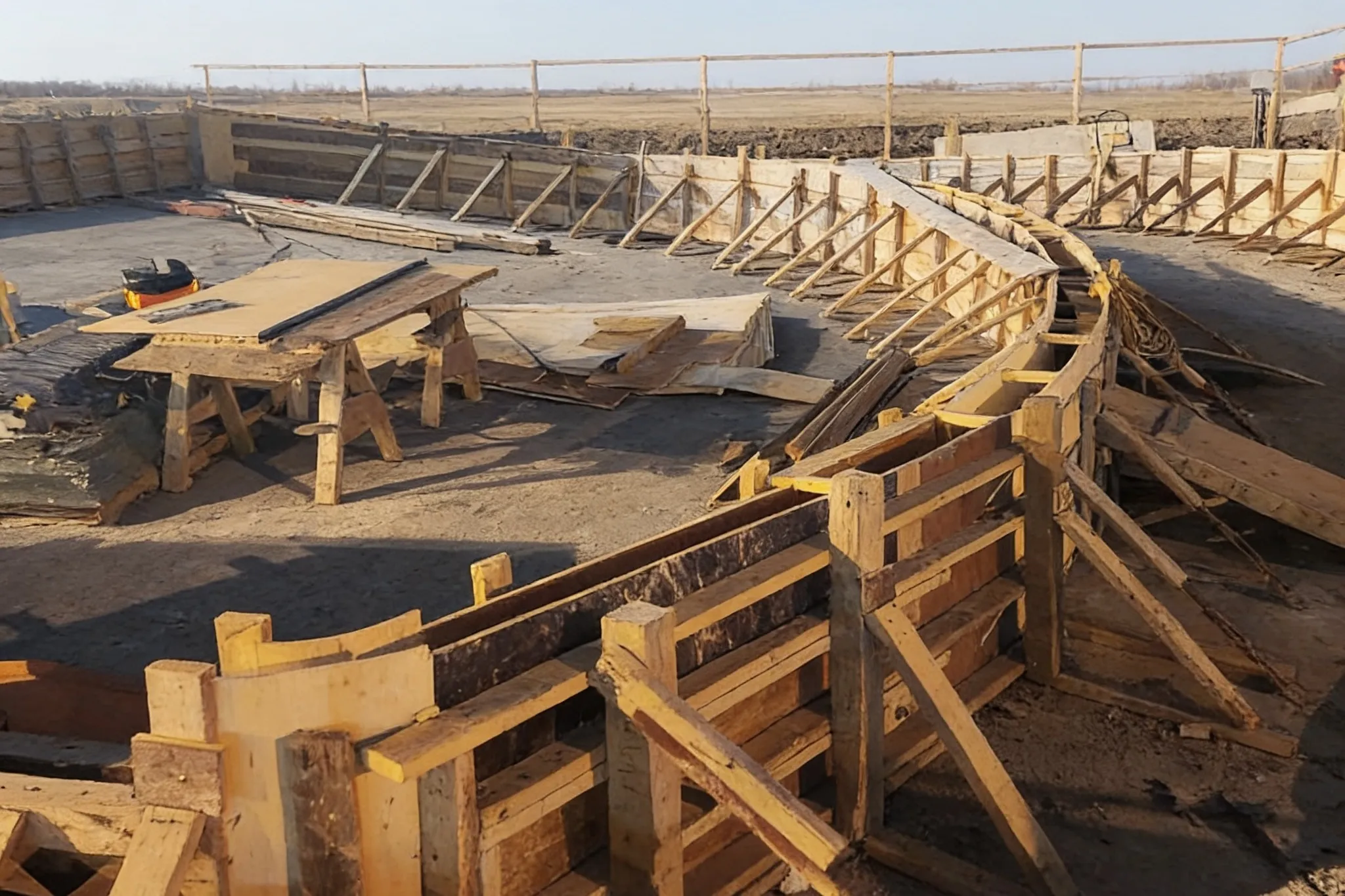
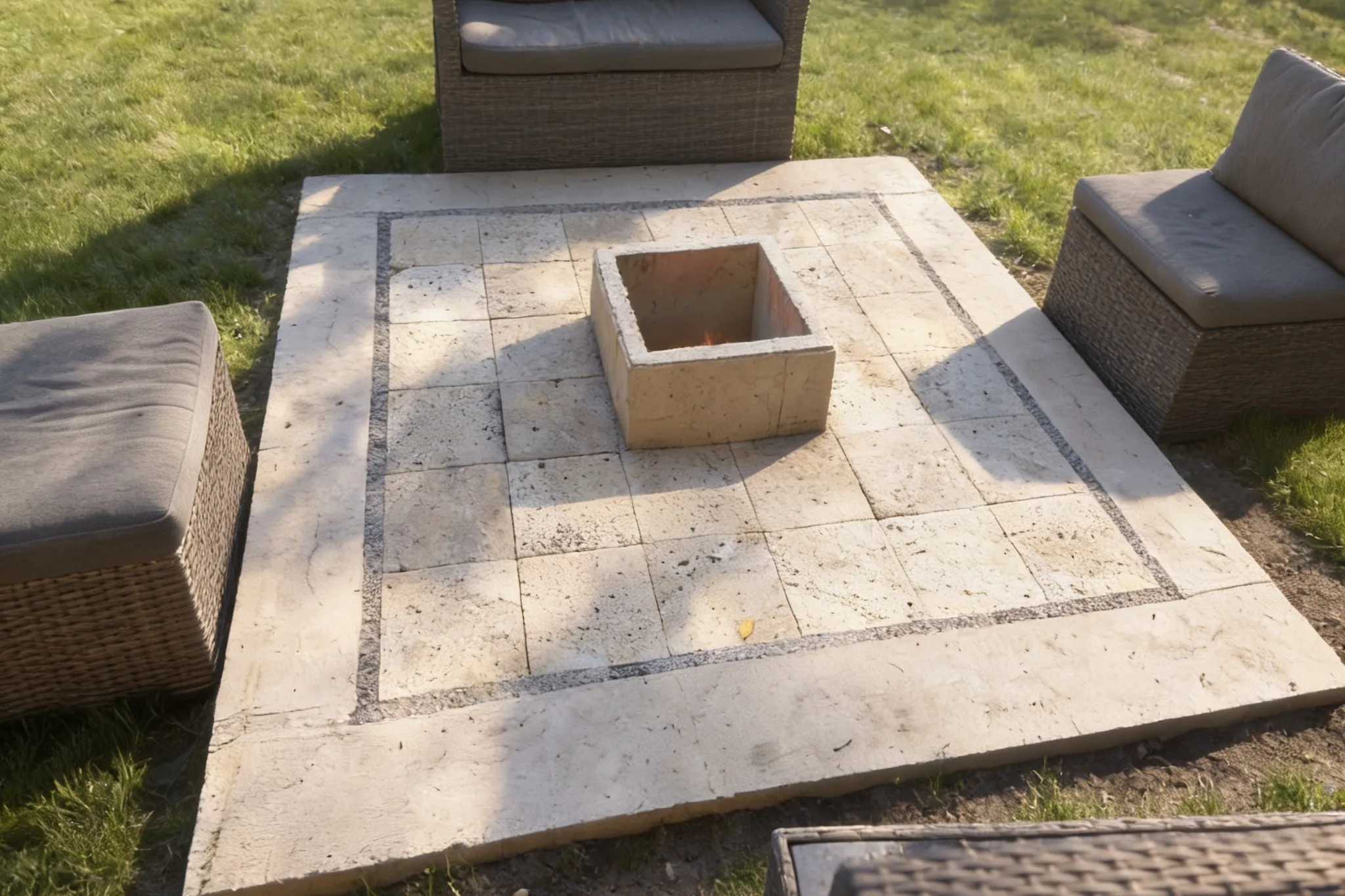
Recent work
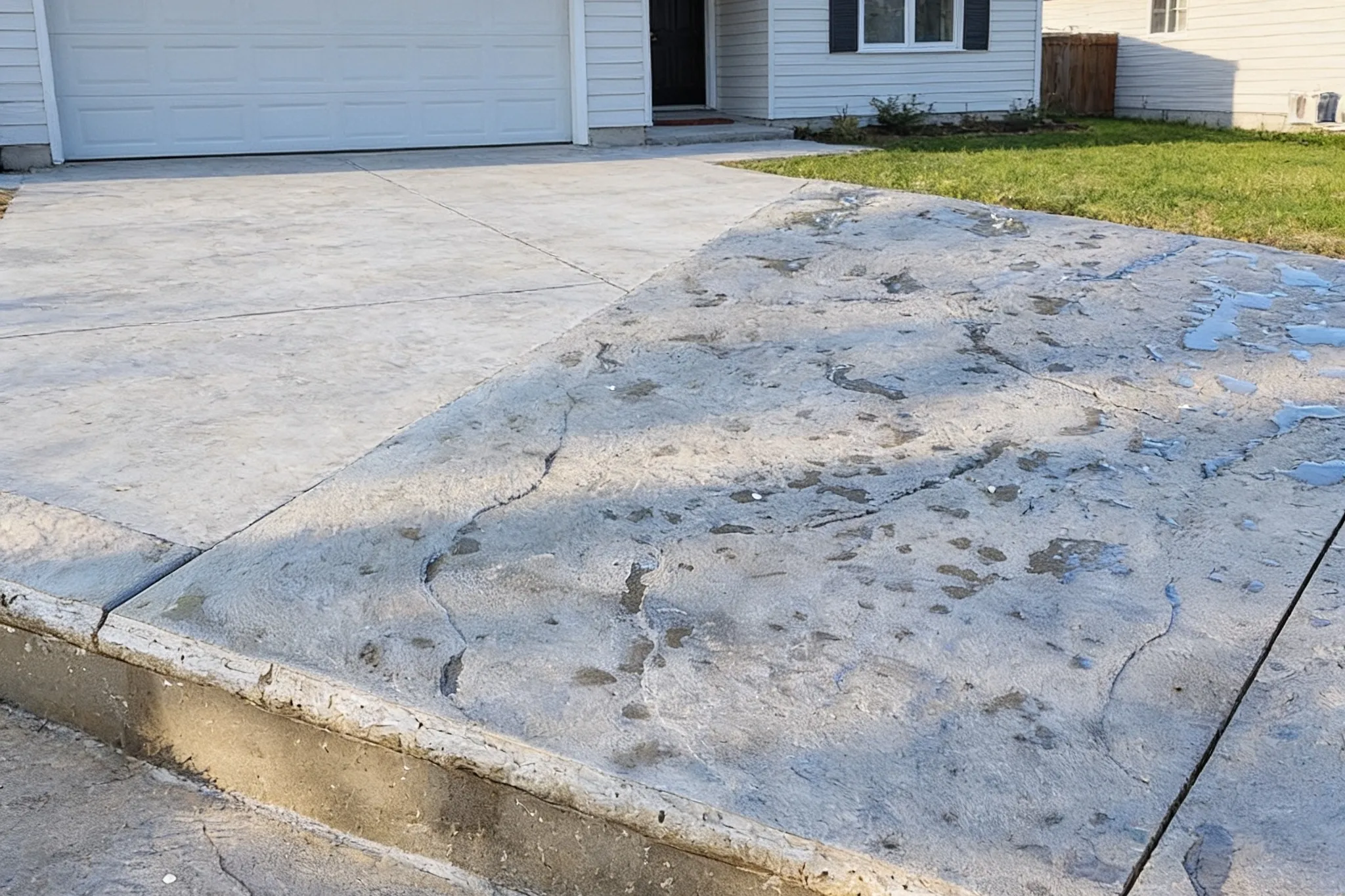
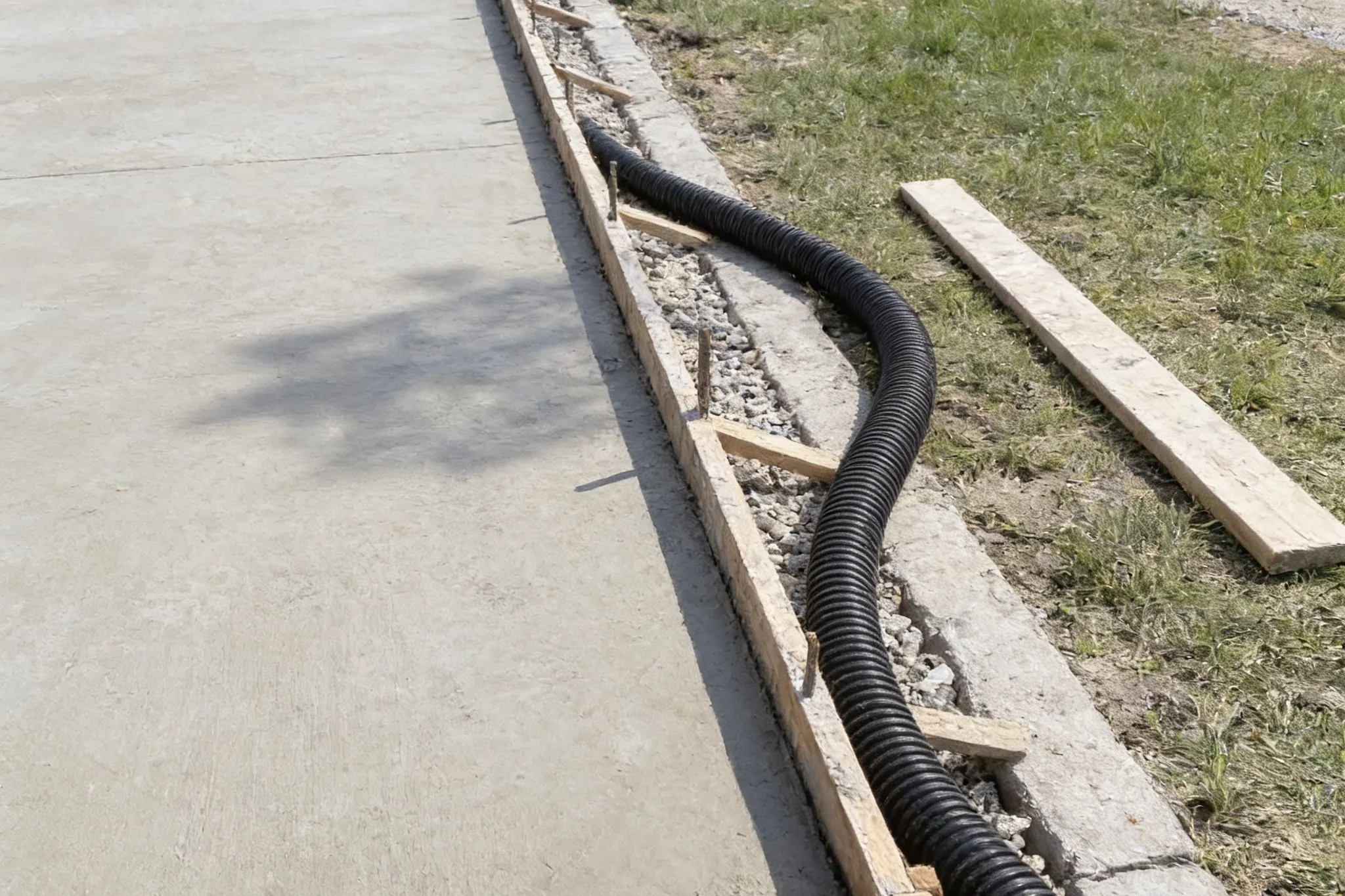
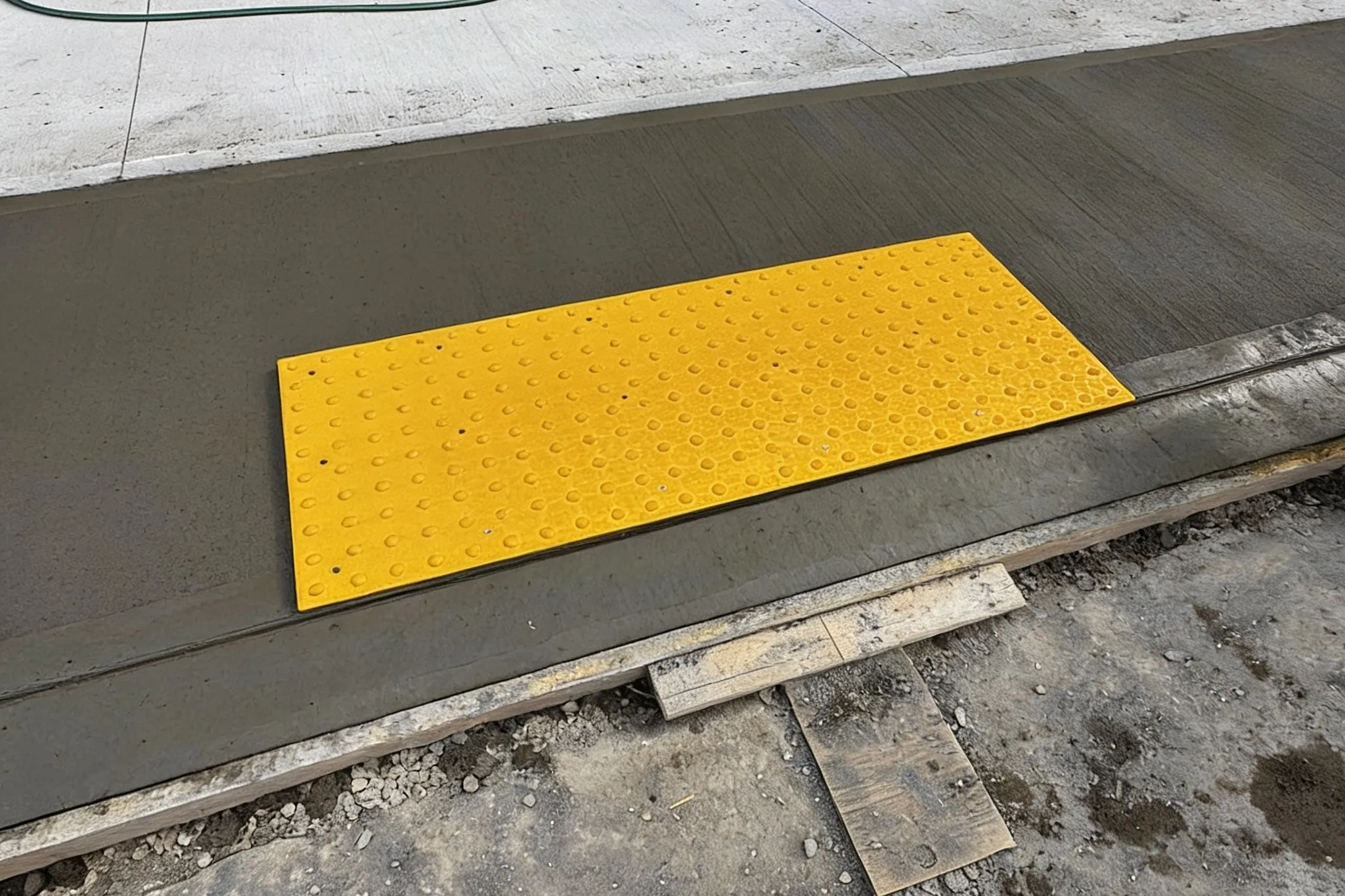
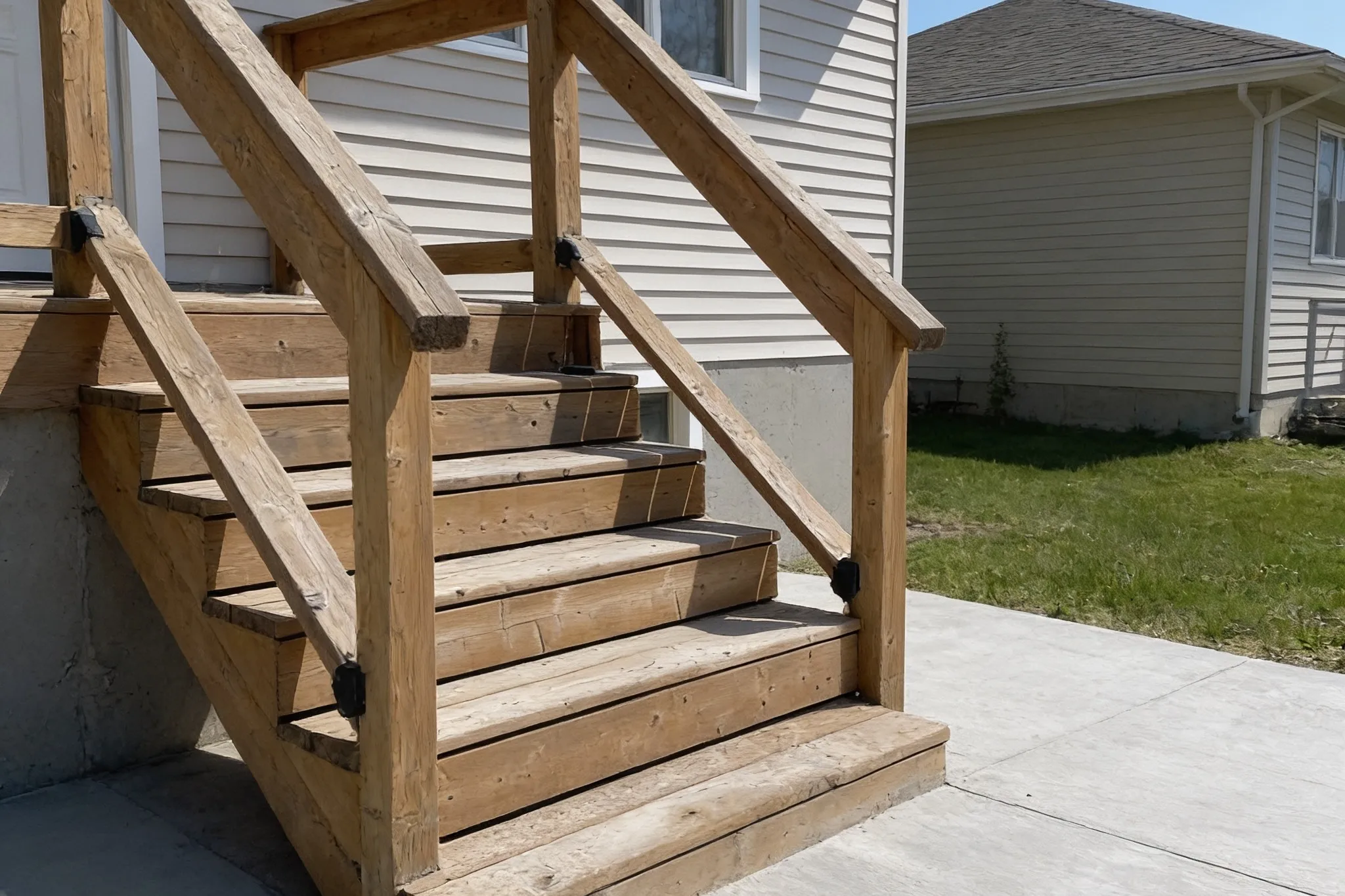
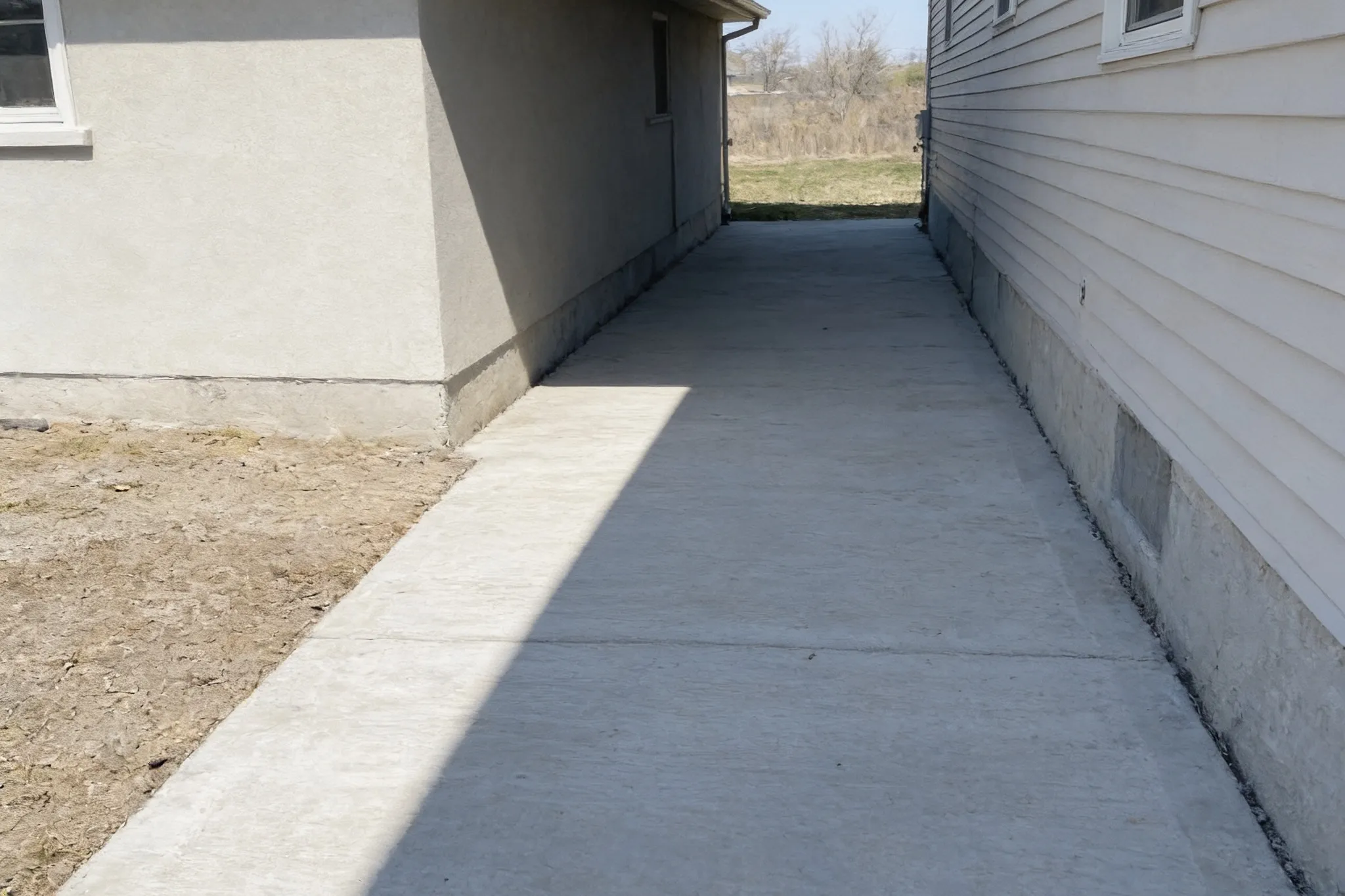
Concrete driveway · Southern Ontario 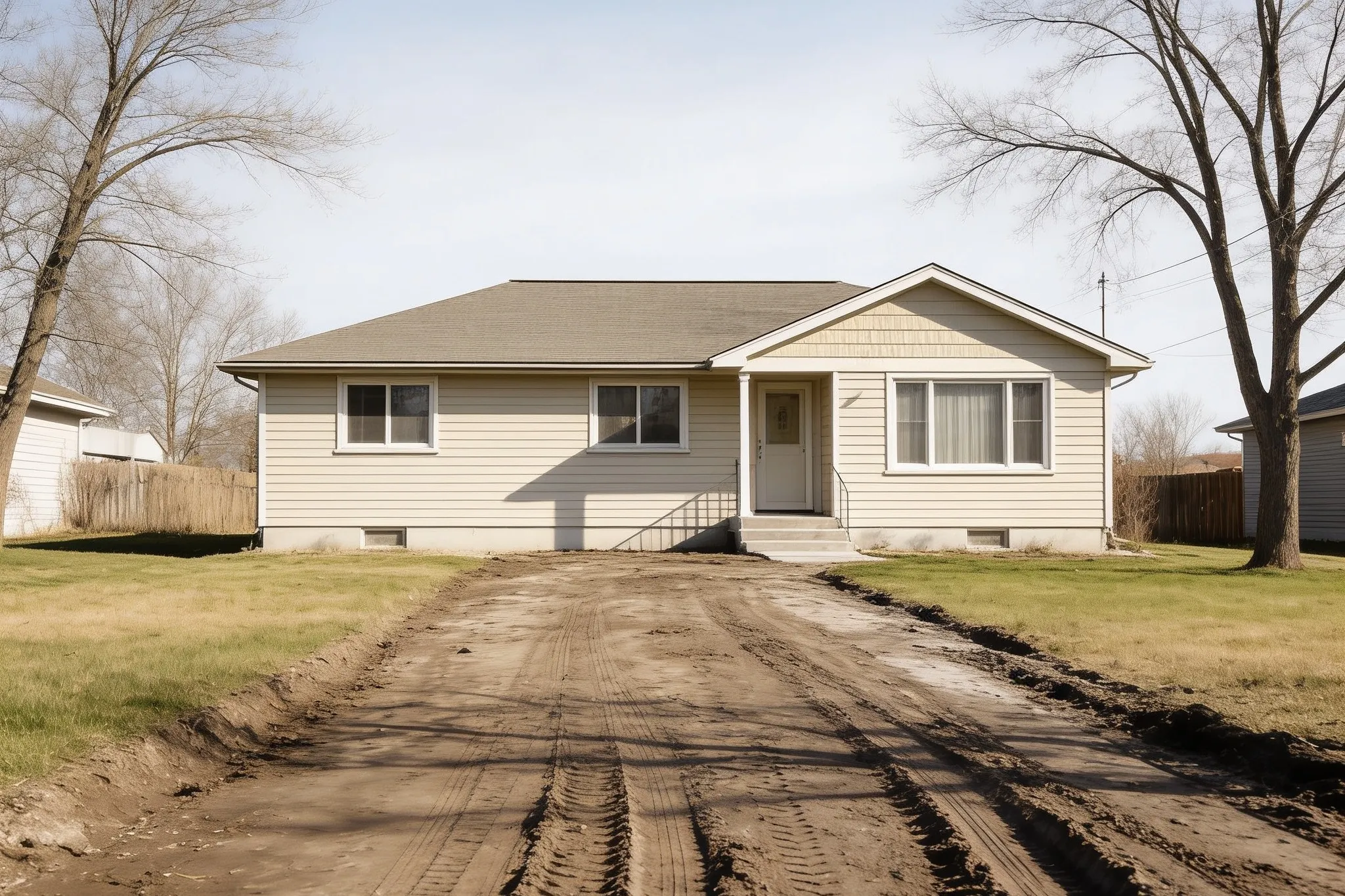
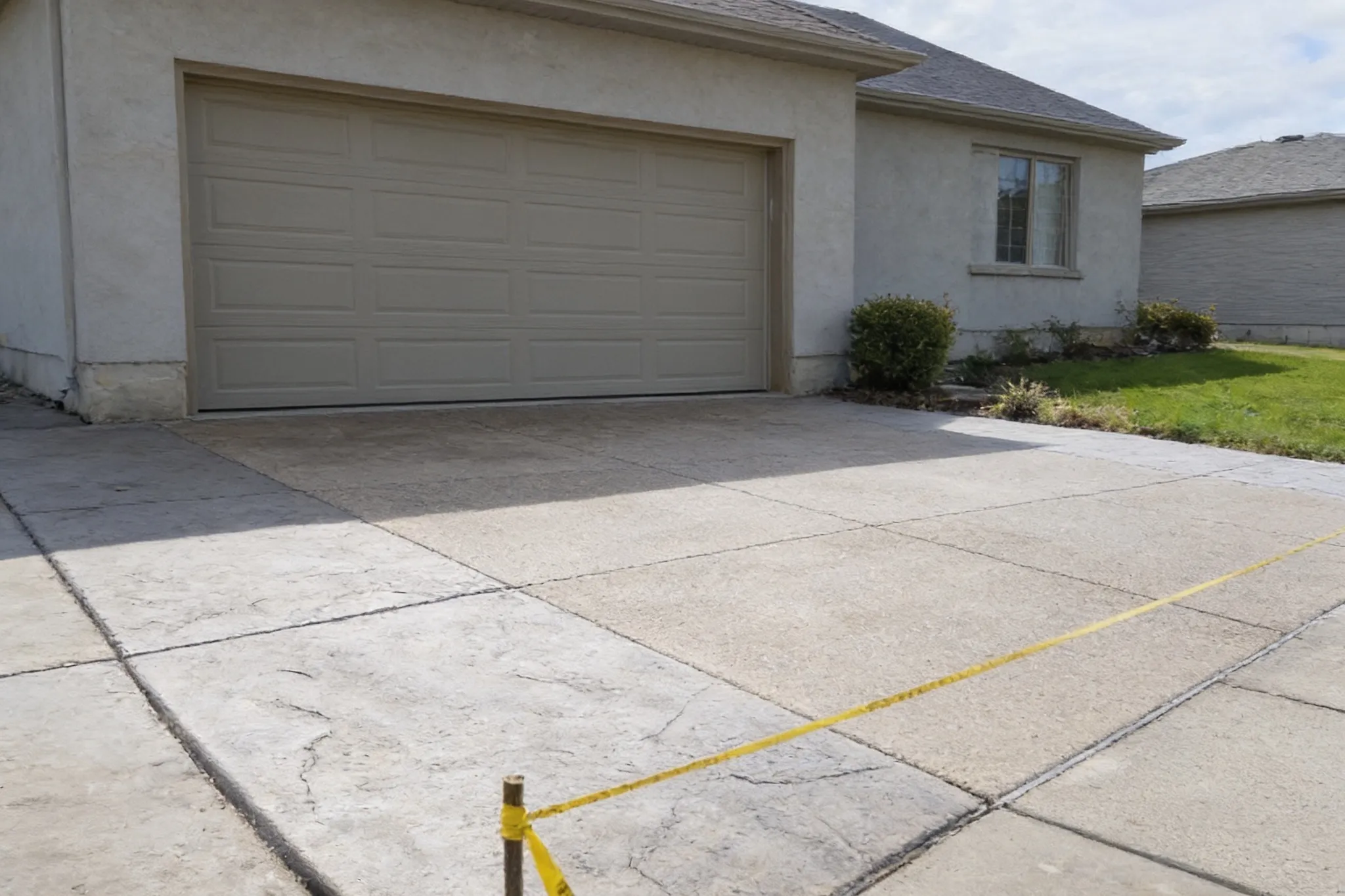
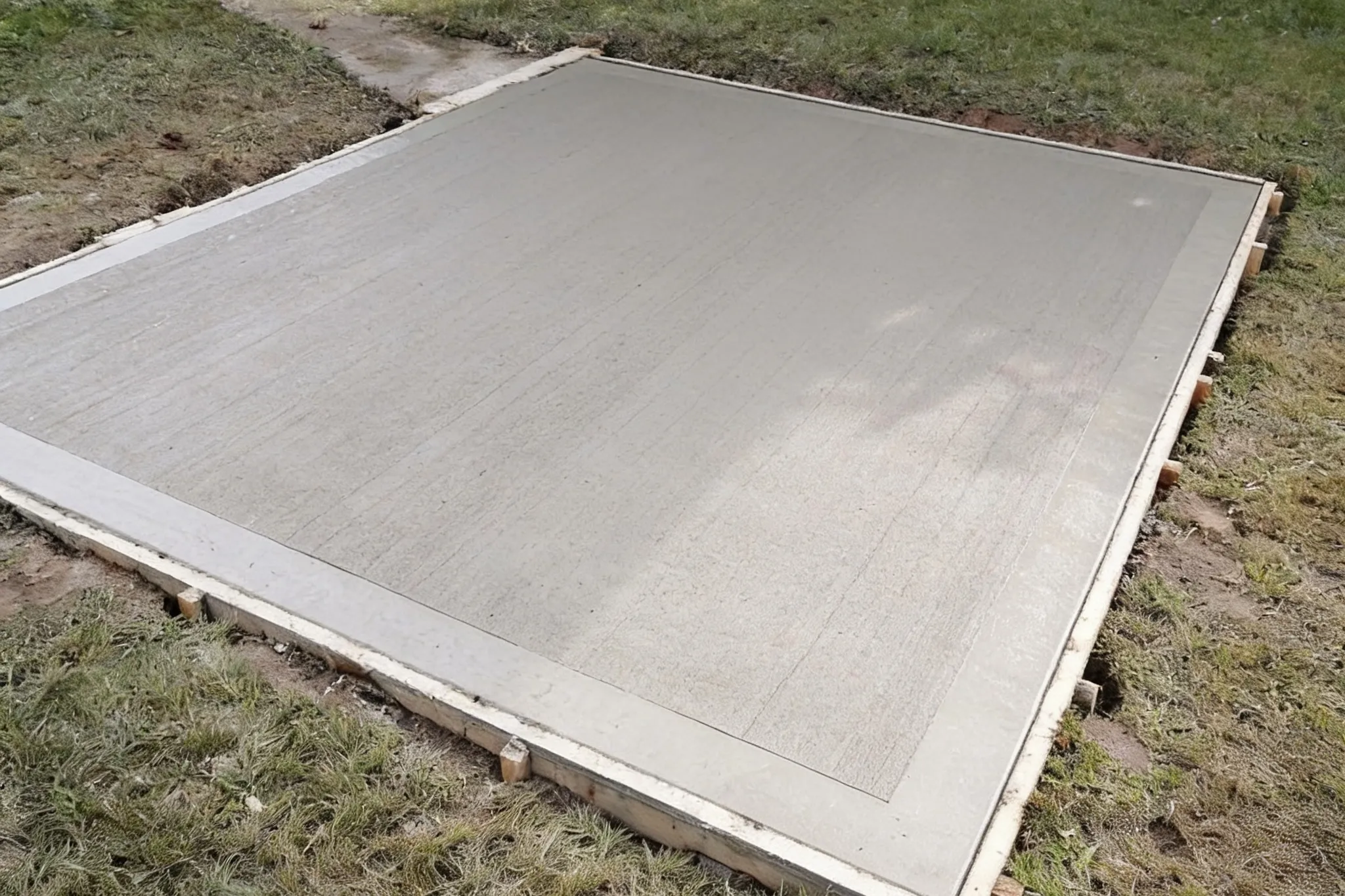
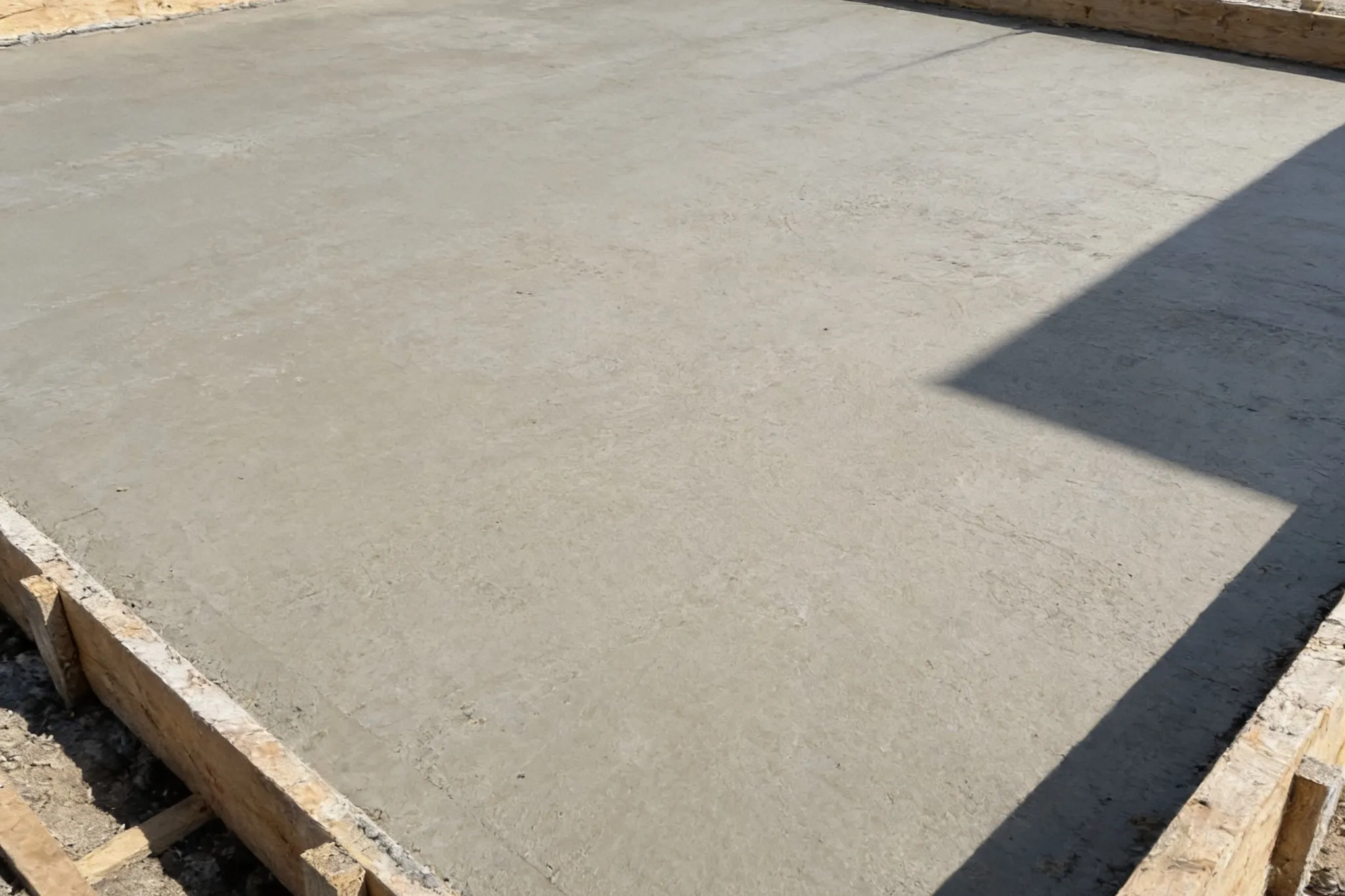
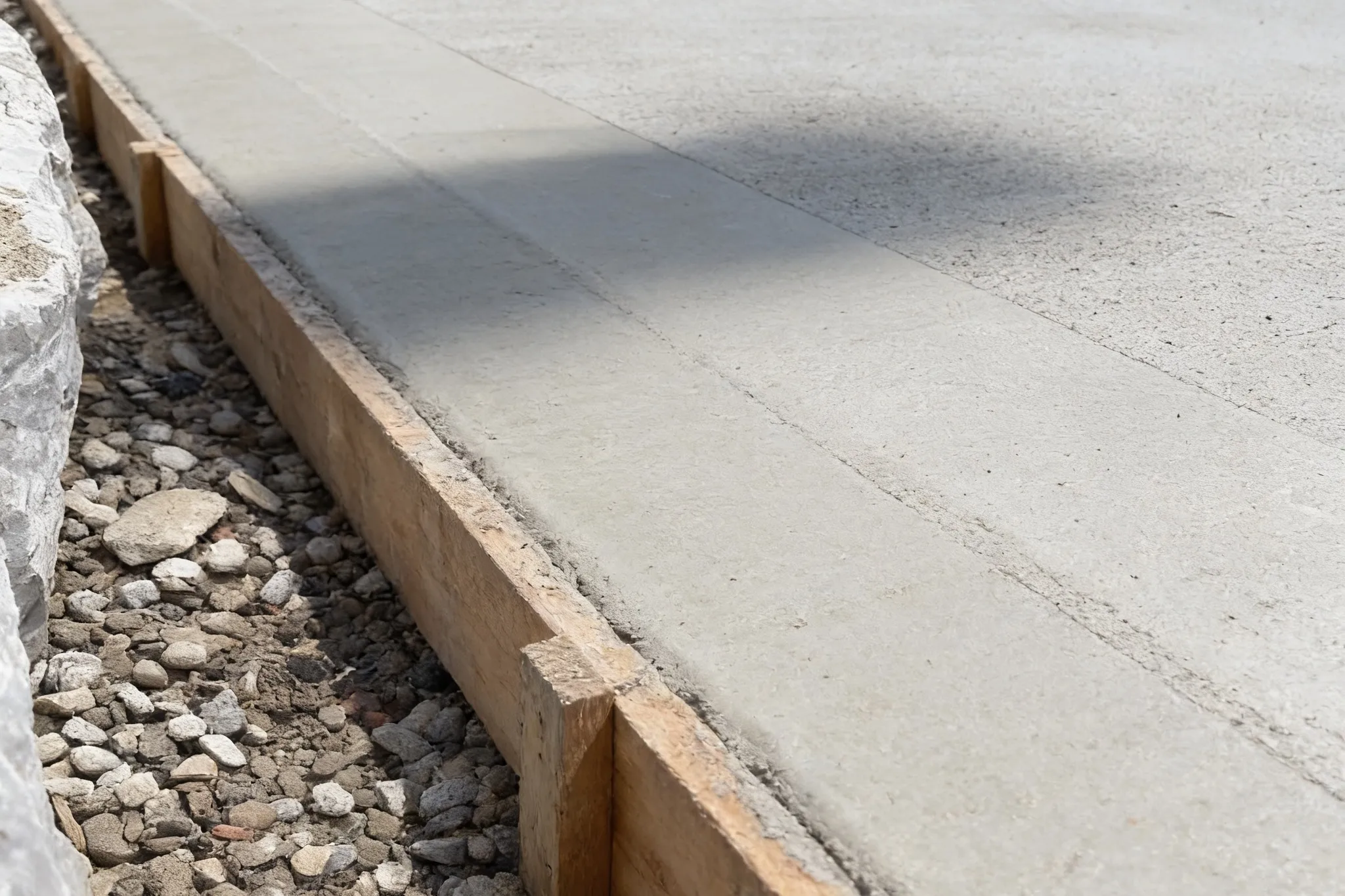
Residential driveway · Southern Ontario 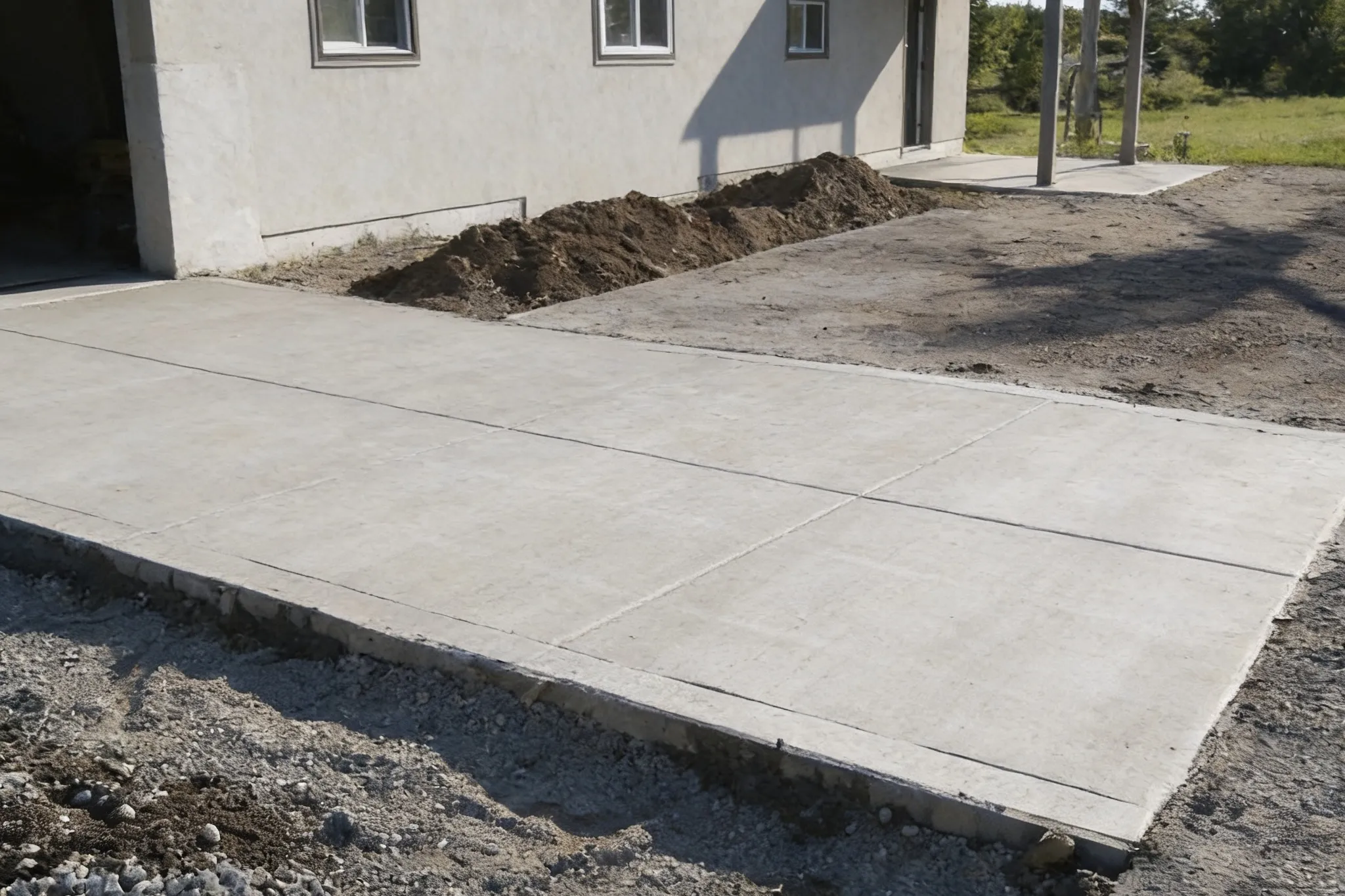
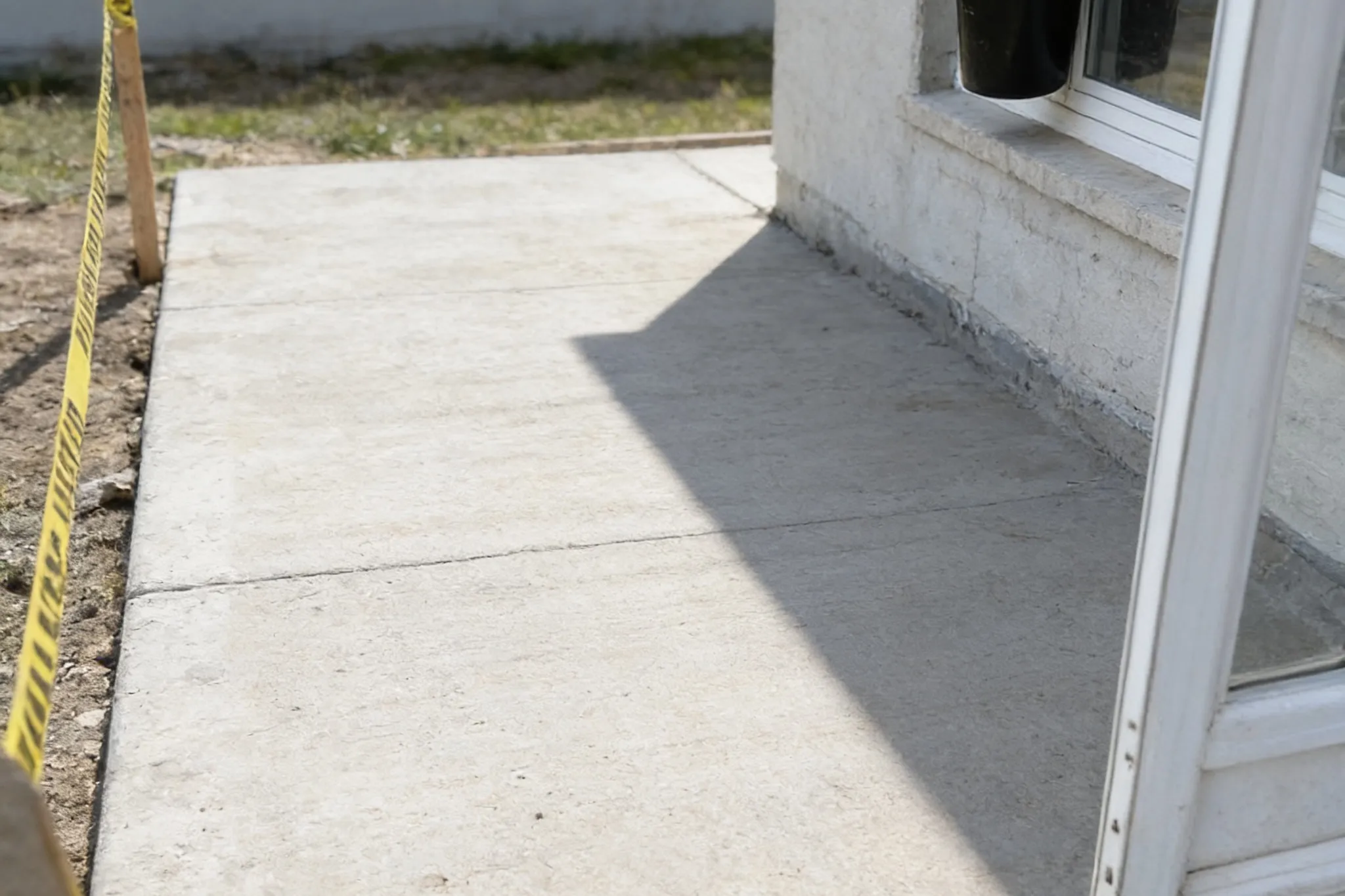
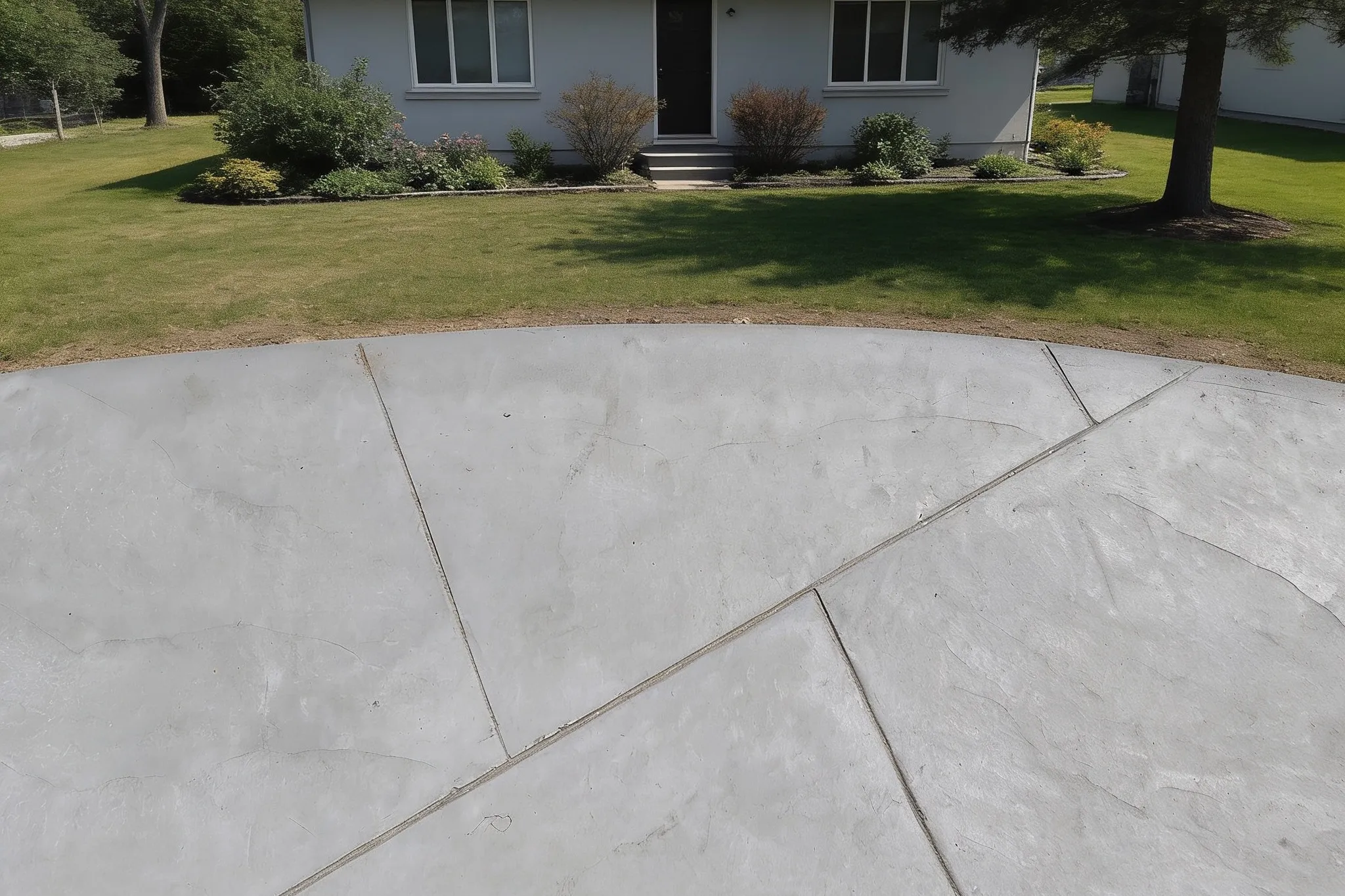
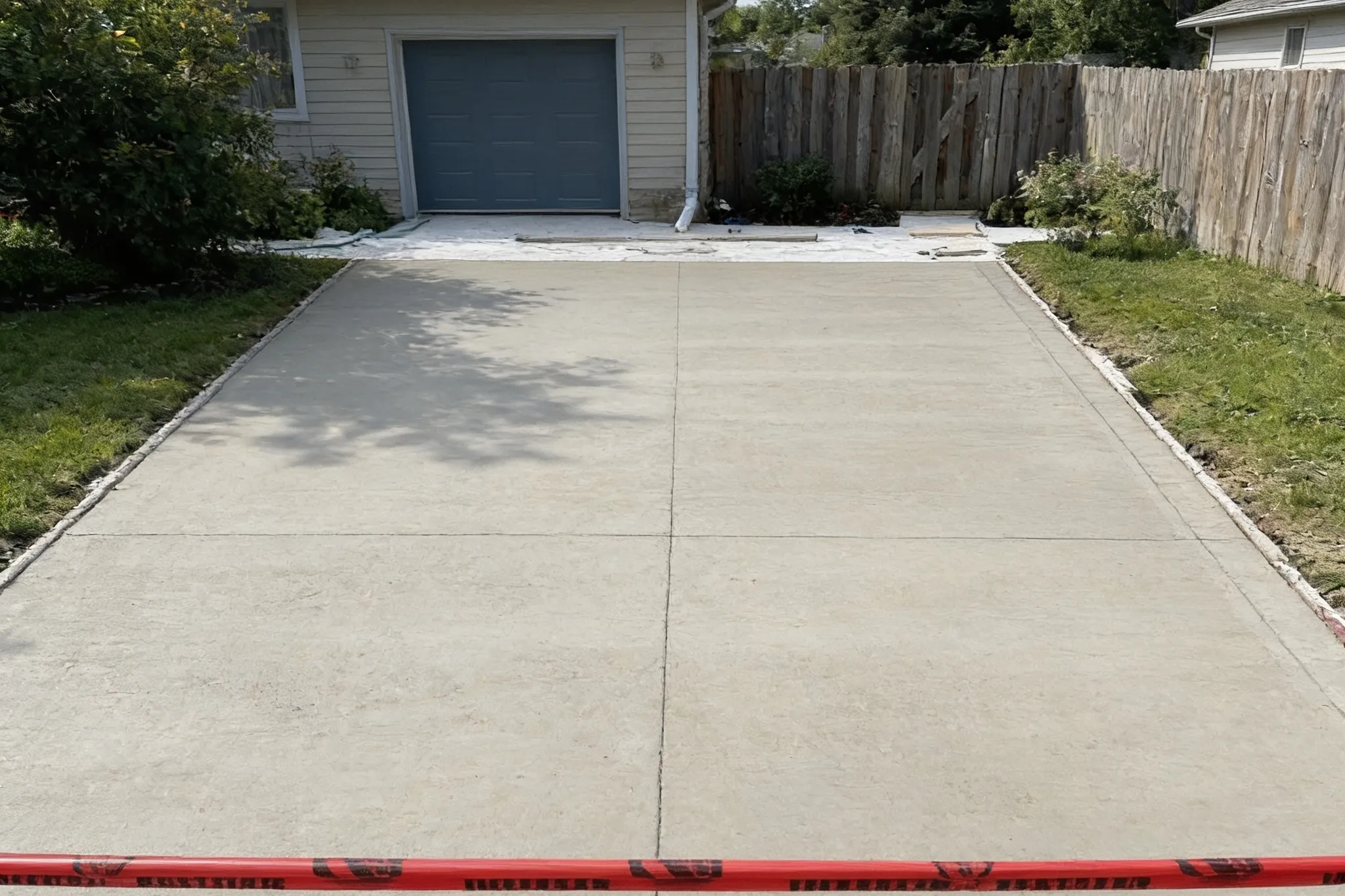
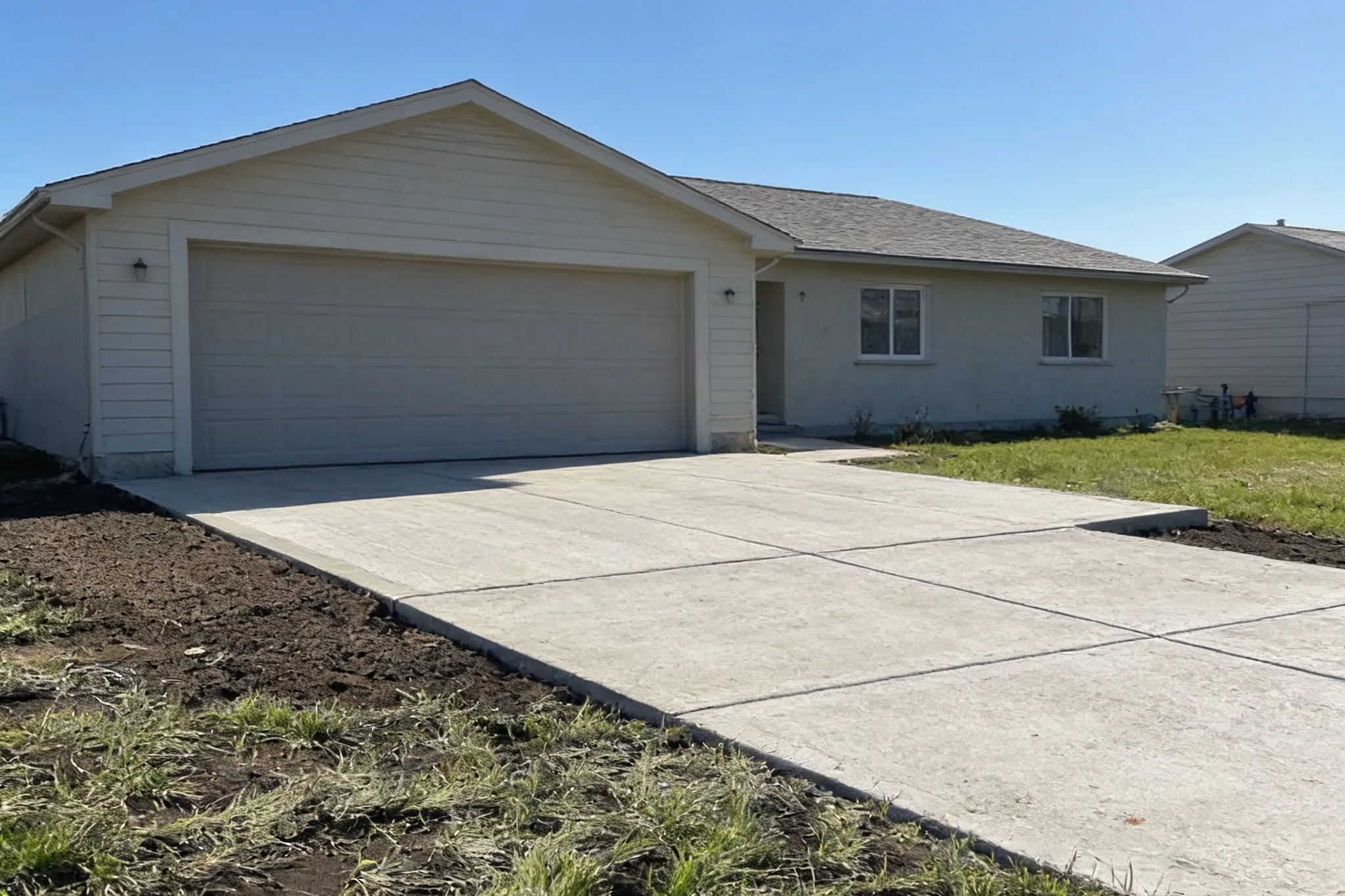
Driveway, poured and finished · Southern Ontario 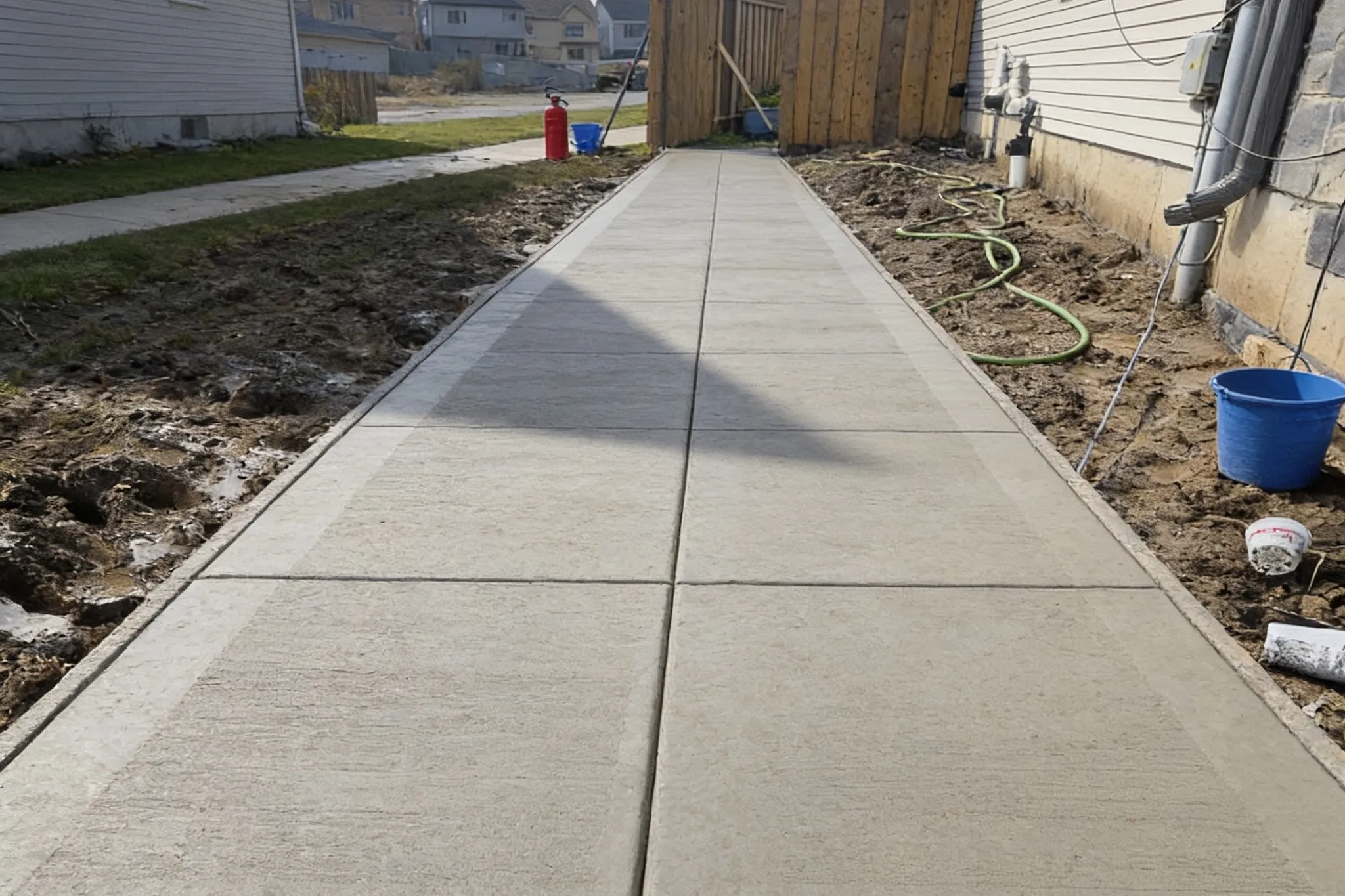
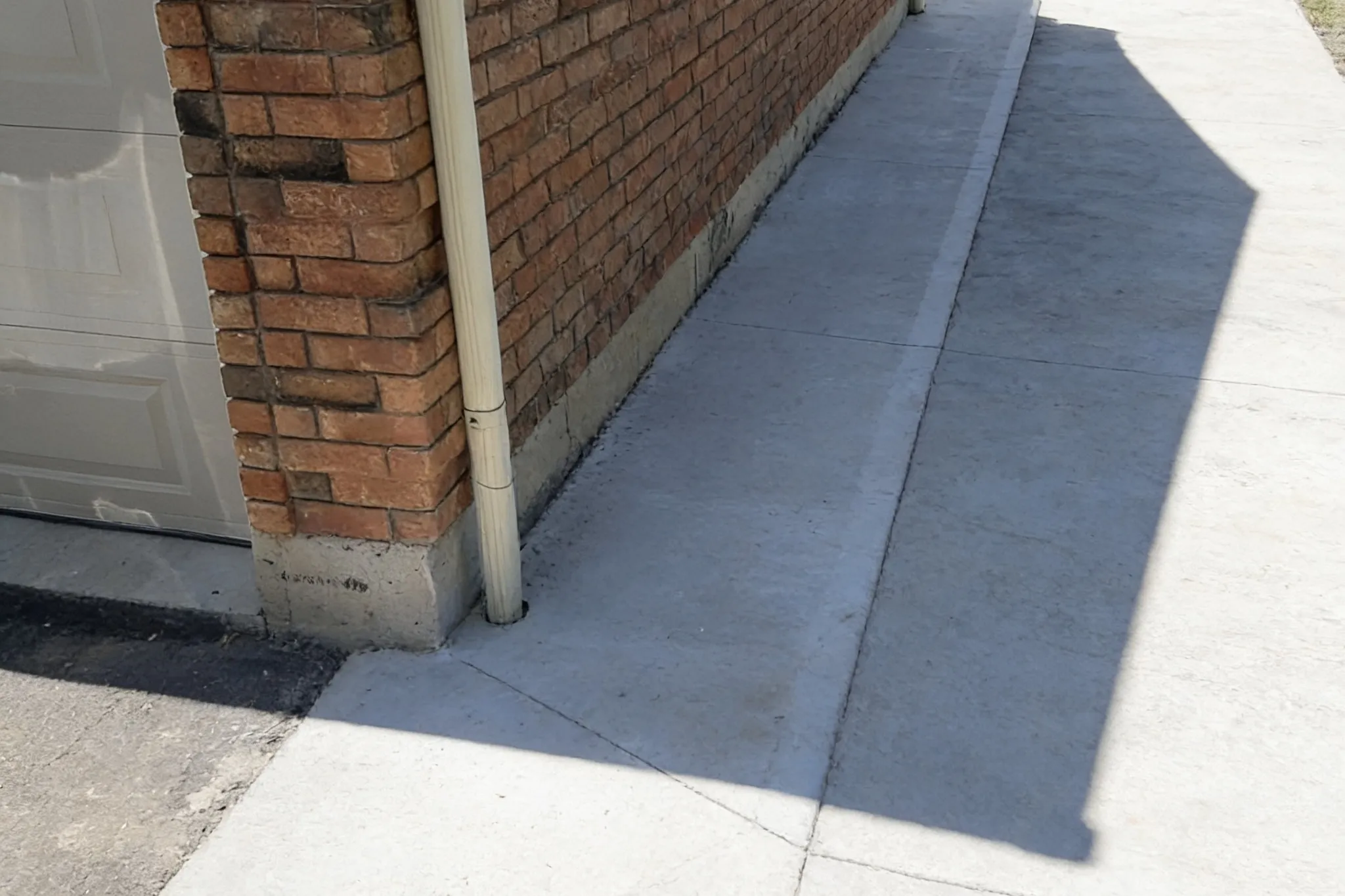
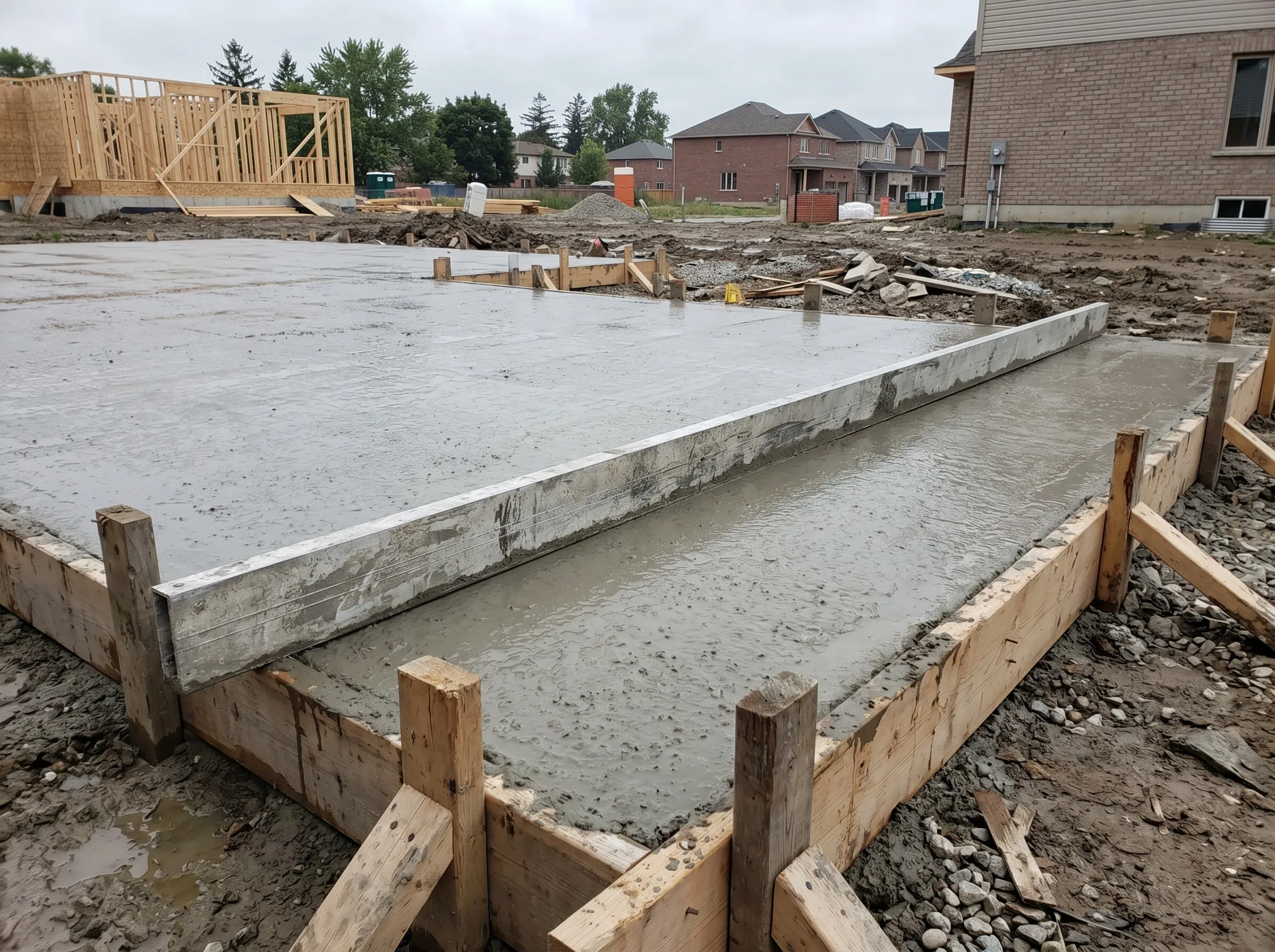
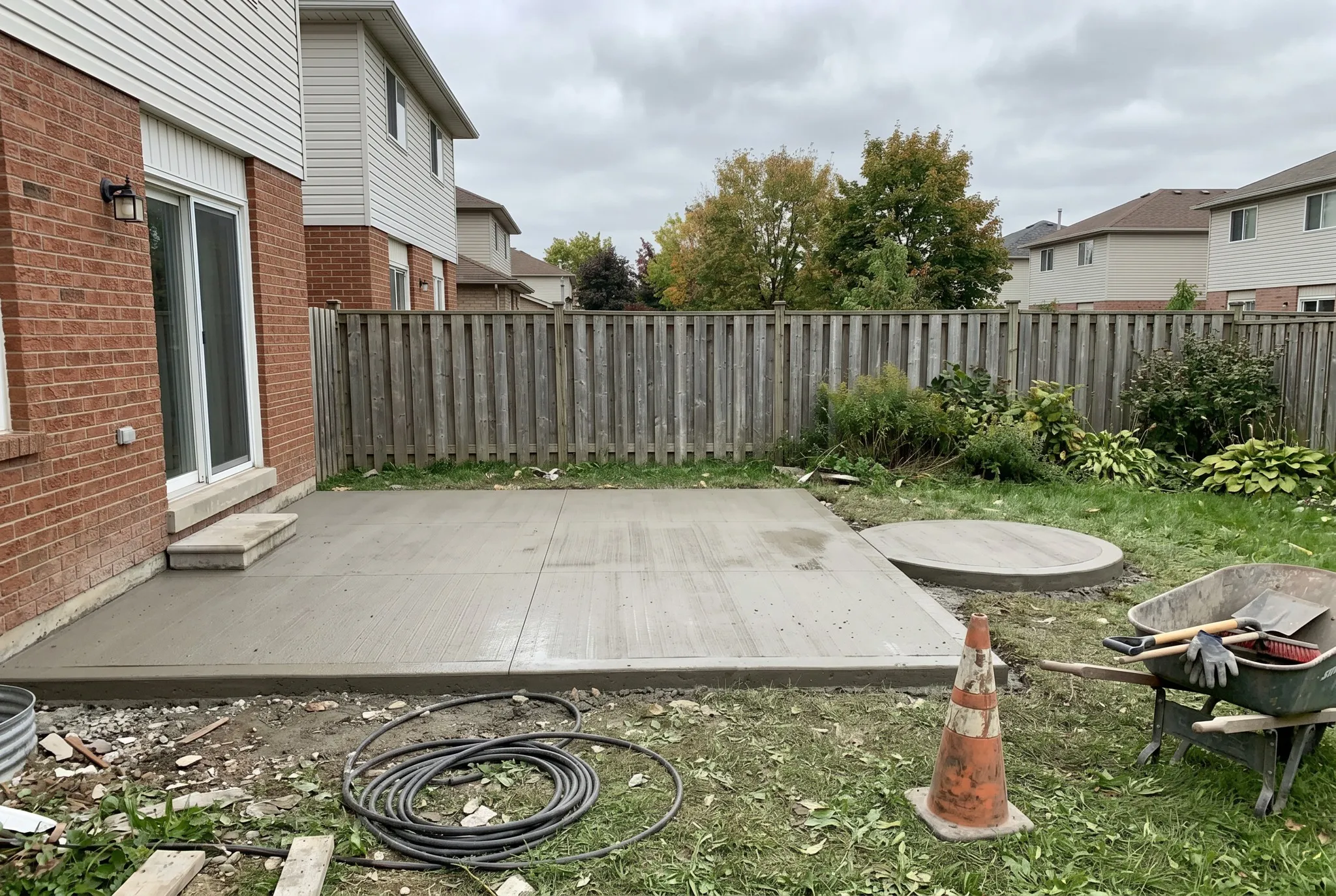
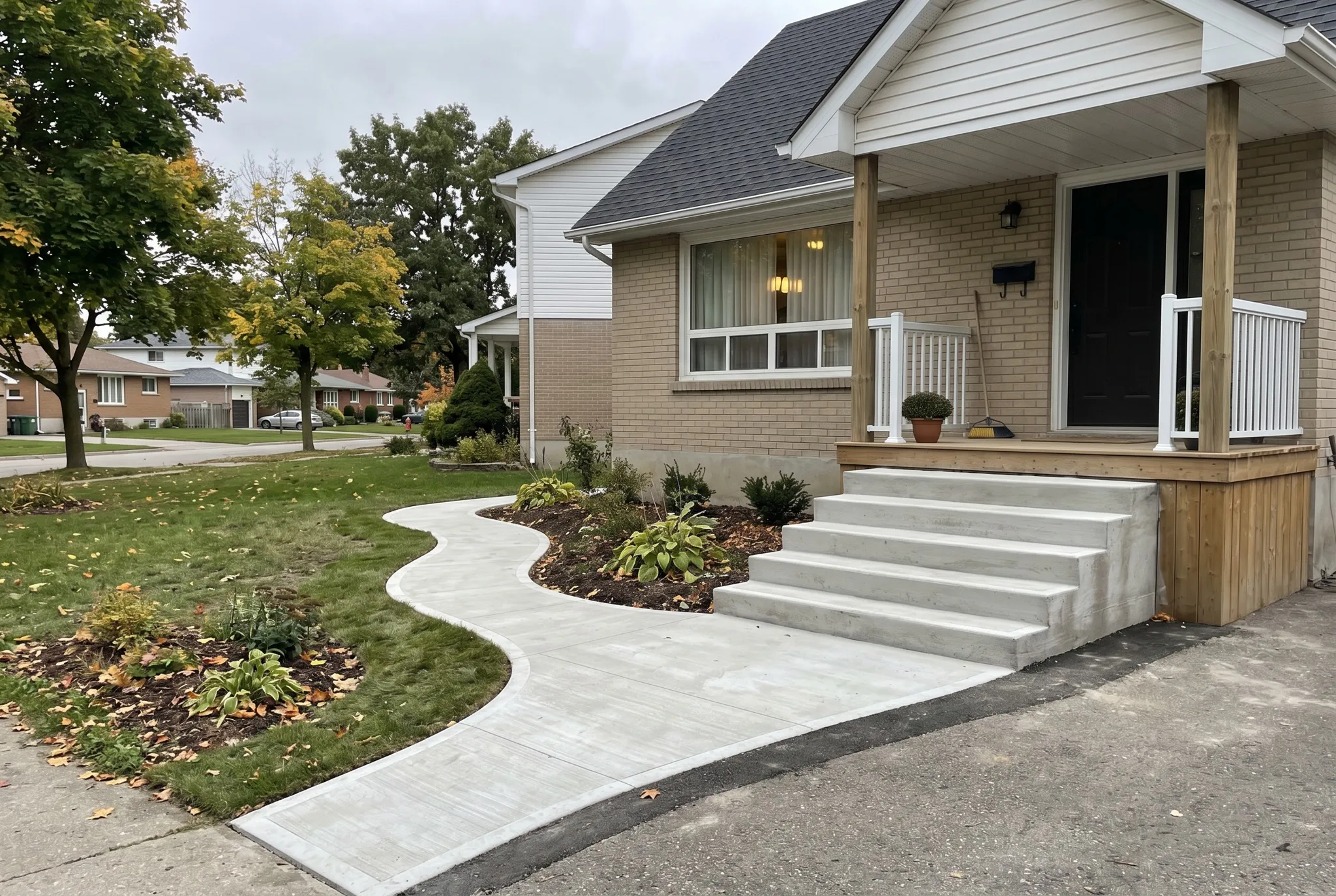
New concrete driveway · Southern Ontario 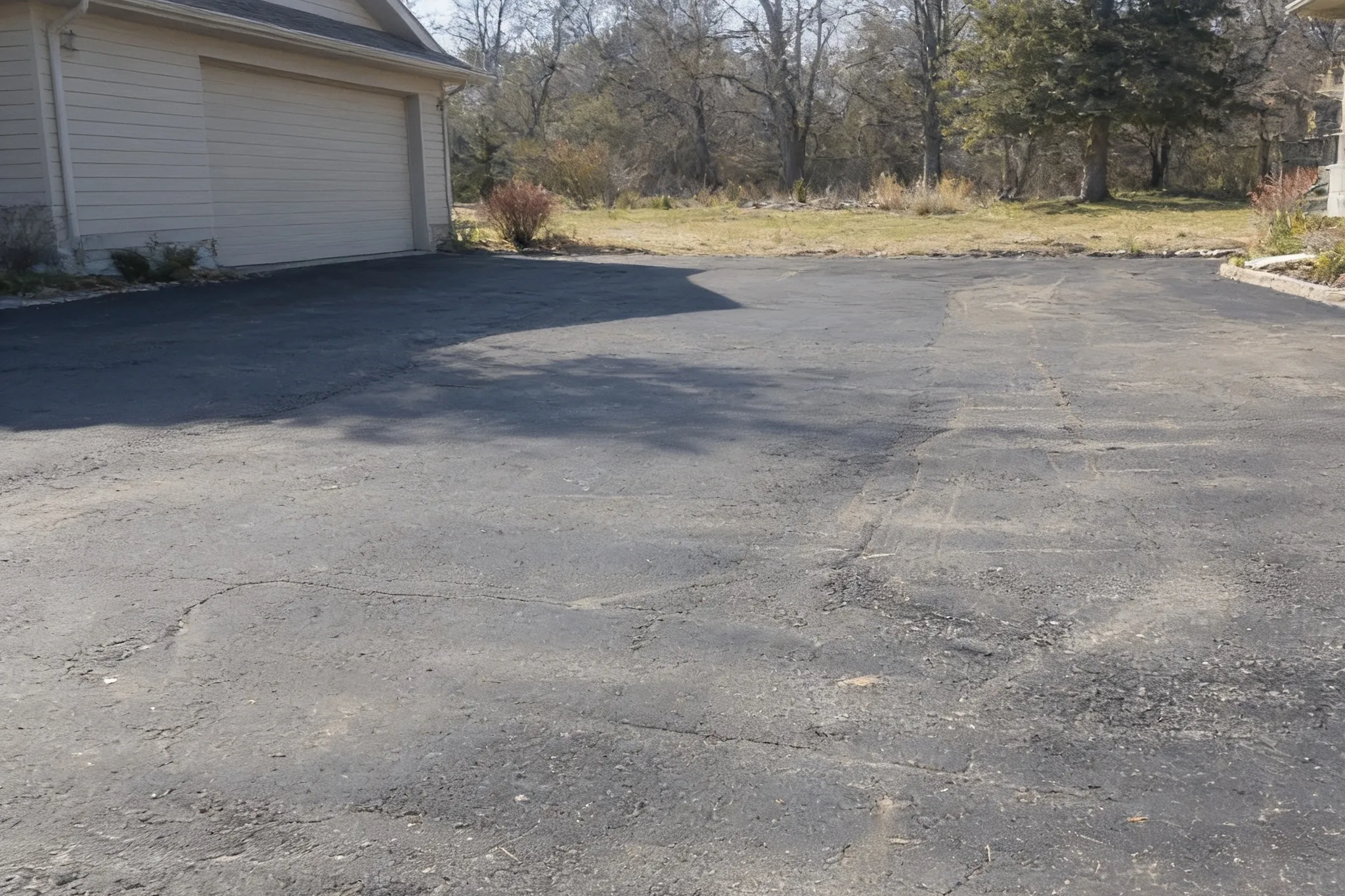
Concrete driveway · Southern Ontario 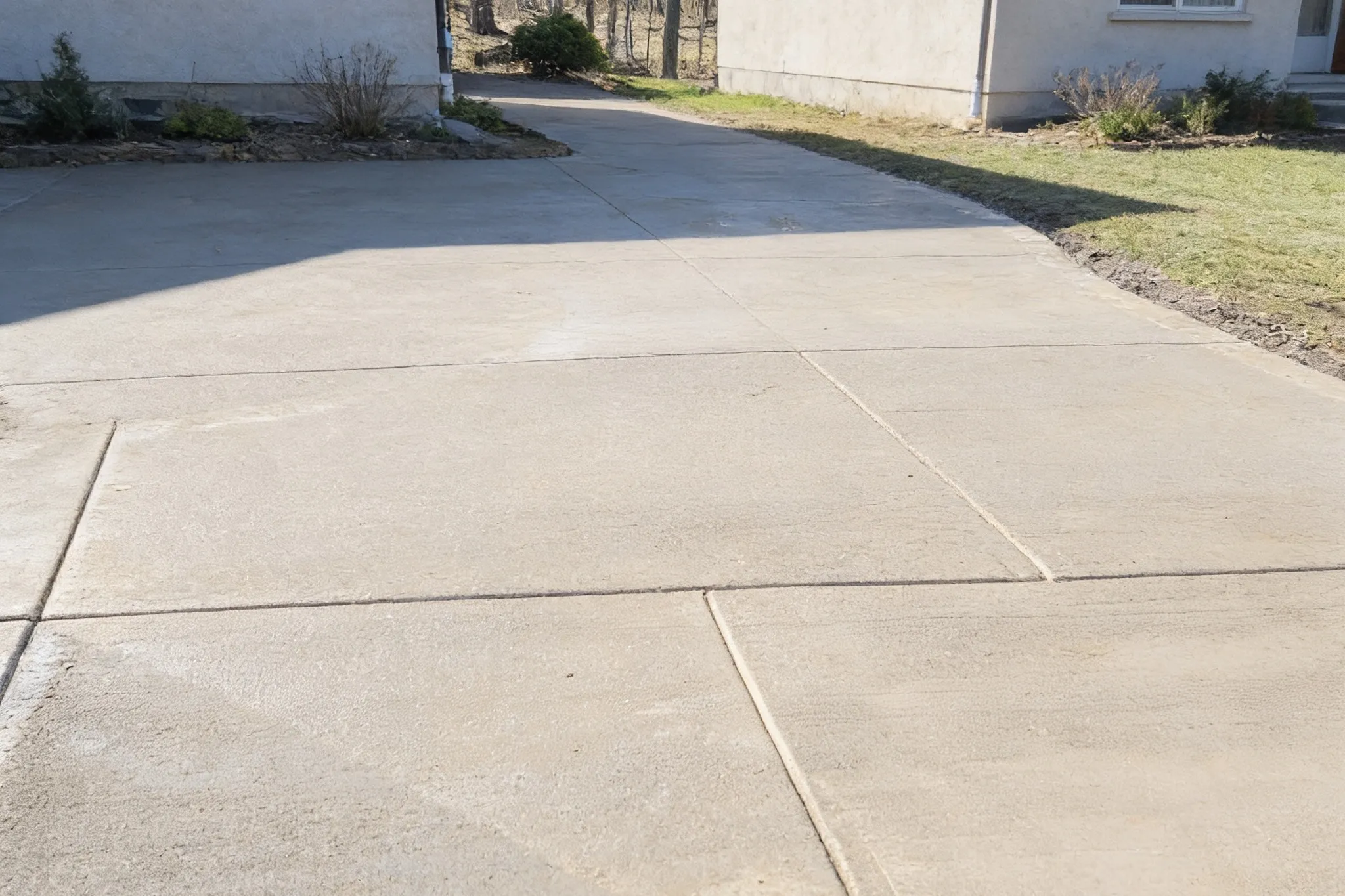
Residential driveway · Southern Ontario
Straight answers
Do you install exposed aggregate concrete driveways?
Yes. Exposed aggregate gives a driveway a textured stone surface while keeping the same base, drainage and joint requirements as any exterior slab. We show the available aggregate and border options at the site visit, explain the sealing schedule, and put the selected finish in the written quote so there is no ambiguity on pour day.
How much does a concrete driveway cost in Ontario?
It depends on the driveway, and any flat per-foot number you read online ignores the things that actually move the price. Size is the obvious one. After that it is finish (broom is the most affordable, exposed aggregate a mid-tier step up, stamped the premium), base and soil condition, access, and whether there's an old slab to tear out. The honest way to get a real number is a free site visit and a written quote that holds, so you are comparing apples to apples instead of guessing.
Concrete or asphalt: which driveway makes sense in Ontario's climate?
Concrete costs more up front and pays it back in lifespan: 25 to 50 years in Canadian conditions, against 15 to 25 for asphalt. Asphalt is cheaper to lay, but it softens in summer heat, needs sealing every few years, and ruts where cars park. Concrete handles freeze-thaw well when the base is right and the mix is air-entrained. If you plan to stay in the house, concrete usually wins the math.
We're going from gravel to a concrete driveway. What's involved?
More than pouring over what's there. Driveway gravel is usually too shallow and too loose to carry a slab, so we excavate, regrade, and build a compacted base first. The good news: your site already drains and has a defined shape, which can make prep simpler than a full tear-out. We quote it after a free site visit.
Can you widen my driveway or pour a garage apron?
Yes. Widenings, extensions, garage aprons, and turnarounds are regular work for our crews. We match the new slab's height to the old one, dowel into the existing edge where it makes sense, and place the joint line so the addition looks deliberate. Small jobs get a written quote like everything else.
My last driveway started pitting and chipping before it was two years old. How do I know that won't happen again?
Year-one pitting comes from three places: a mix that wasn't air-entrained, water trapped under the slab, or salt on concrete too young for it. We control the first two with a 32 MPa air-entrained mix on a compacted, drained base, and we tell you exactly how to handle the first winter. If a workmanship problem shows up anyway, the lifetime warranty on labour means we come back. The warranty is a written document, and you keep a copy.
When can I drive on a new concrete driveway?
Keep vehicles off for 48 hours minimum, longer in cold weather when concrete gains strength slowly. Foot traffic is fine after 24 to 48 hours. Give it a full week before anything heavy: moving trucks, trailers, RVs. Concrete reaches most of its design strength at 28 days, which is when sealing happens.
Where we handle driveways
See local ground conditions, housing details, and service coverage for these communities.
- Driveways in Port ColborneNiagara Region
- Driveways in WaterlooWaterloo Region
- Driveways in Oxford CountyOxford County
- Driveways in BinbrookHamilton
- Driveways in Haldimand CountyHaldimand County
Related work
- Concrete Driveway Cost FactorsHow size, base condition, removal, access, drainage, reinforcement, and finish shape the quote.
- Concrete vs Asphalt DrivewaysAn Ontario comparison of upfront work, winter maintenance, lifespan, and repair trade-offs.
- Booking a Summer Concrete PourWhen to plan, what has to happen before pour day, and how weather affects the schedule.
- Concrete Removal & DemolitionReplacing an old driveway? Tear-out and disposal is the line item lowball quotes leave out. Here's what it actually involves.
- Stamped & Decorative ConcretePatterns, colours, and the real maintenance schedule, if you're considering more than a broom finish.
- Concrete Repair & ResurfacingIf the slab is structurally sound and only the surface is tired, resurfacing can beat replacement.
Tell us about the job.
Send the details and we'll get back to you within one business day with next steps. If water is coming in right now, check the box and we flag it urgent.
Get a straight quote
Free · no pressure · 1 business day