HomeServicesConcrete Repair & Resurfacing
Concrete Repair & Resurfacing in Southern Ontario
My Concrete Pros repairs cracked and sunken concrete across 75+ Southern Ontario communities: crack injection, slab levelling, resurfacing, step rebuilds and sealing. Union-certified crews do the work, quotes are free, and every repair carries our lifetime warranty on labour. When a repair won't hold, we say so and quote the replacement straight.
Get a straight quote
Free · no pressure · 1 business day
Reviewed June 2026
Every job is priced individually, not off a price list. Tell us about yours and you get an accurate, no-pressure quote in writing.
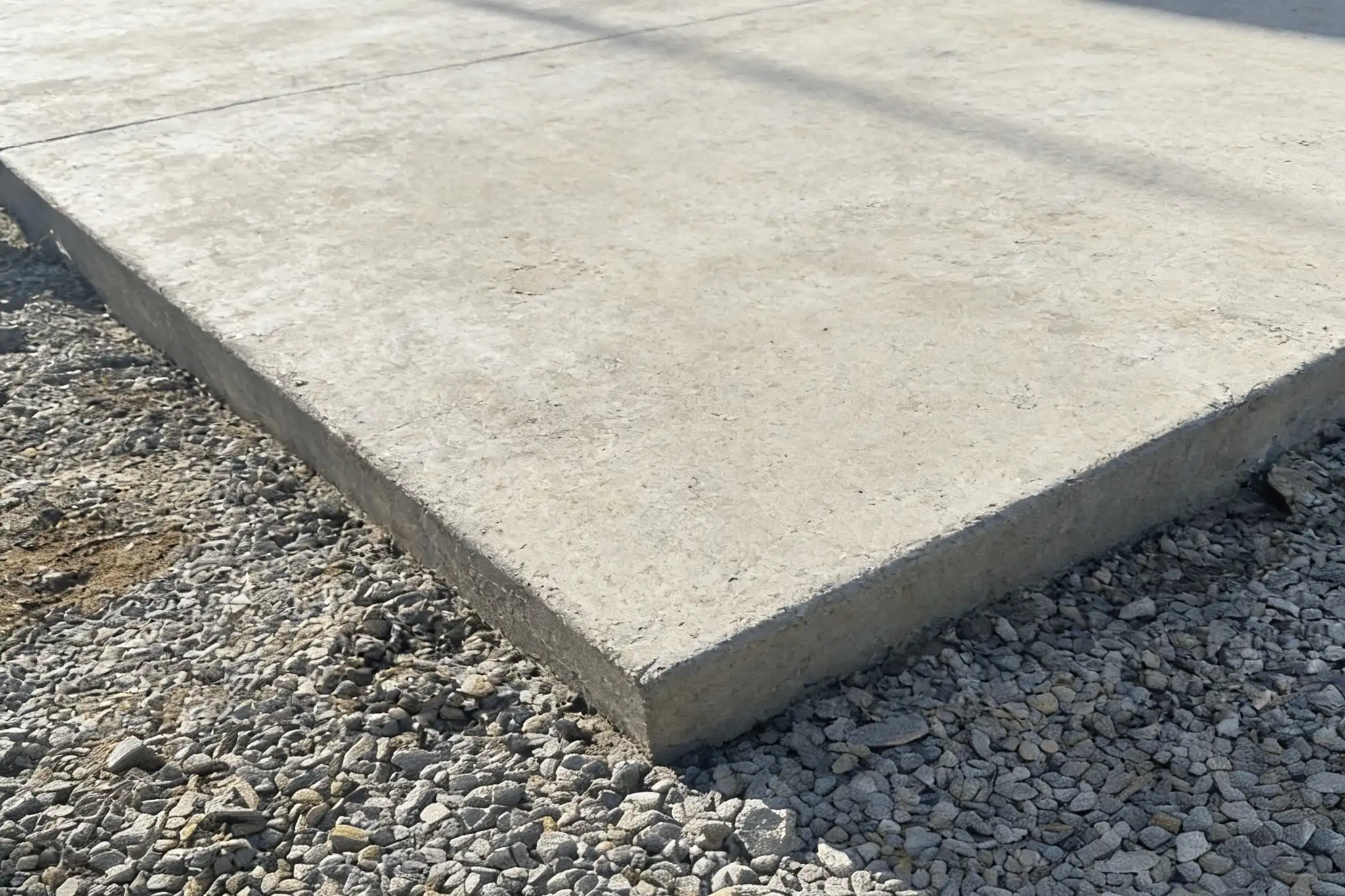
Most damaged concrete never needed to come out. A settled slab gets pumped back to level. A crack gets injected full depth so water stops moving through it. A pitted surface gets ground down and resurfaced. Done right, a repair buys years for a fraction of a tear-out and re-pour.
Done cheap, it fails the same winter. Caulk smeared into a moving crack opens by spring. An overlay troweled over a slab that's still settling cracks along the same lines. Patches that ignore the cause (a washed-out base, a downspout dumping beside the slab, clay heaving under a corner) are rented, not bought.
So we start with the cause. Our crews check the base, the grade and the drainage before quoting a fix, and the quote tells you plainly whether repair or replacement is the better spend. The work is done by union-certified concrete finishers and the labour carries a lifetime warranty, in writing. Small repairs are welcome; they get booked into regular routes alongside the big pours.
- Free site visit with a written quote that holds, no surprise extras mid-job
- Cause check before the fix: base, grade and drainage, so the repair lasts
- An honest repair-or-replace call, even when the answer is a smaller invoice for us
- Site protection and full cleanup, lawn and gardens included
- Lifetime warranty on labour, in writing
- Small jobs welcome, booked into regular routes
The numbers we build to
| Crack injection | Epoxy or polyurethane, filled to full depth | Polyurethane foams up and stops active water within minutes; epoxy cures to a structural bond in 1–3 days |
|---|---|---|
| Levelling (slabjacking) | Mud slurry or polyurethane foam pumped under the slab | Foam-lifted slabs take traffic the same day; mudjacking wants 24–48 hrs |
| Resurfacing overlay | Polymer-modified topping, 1/8–1/2 in. | Needs a sound, stable slab underneath. An overlay won't fix a moving base |
| Step repair | Edges and treads formed and re-poured, 32 MPa air-entrained mix | Colour-matched as close as cured concrete allows |
| Sealing | Every 2–3 years on exposed surfaces | New concrete cures about a month before its first sealer |
Repair or replace? The honest answer
Repair wins when the damage is local and the base underneath is still doing its job. One or two cracks, a slab that settled on one side, surface pitting, a broken step edge: all good repair candidates. A full tear-out and re-pour of a whole driveway is a much bigger spend than injecting a crack or lifting a sunken slab, so the repair deserves a hard look first.
Replacement wins when the slab has cracked into a road map, the base has failed across the whole area, or the surface has scaled so deep there's nothing sound left to bond to. Resurfacing over that is throwing good money after bad, and we'll tell you so at the site visit. The quote names which side of the line your concrete is on and why.
Lifting sunken concrete: mudjacking and polyjacking
When a slab sinks, the base failed, not the concrete. Washouts, poor compaction and Ontario clay working through its freeze-thaw cycle leave a void, and the slab follows it down. Lifting pumps material through small drilled holes to fill the void and float the slab back to grade. You'll hear it called mudjacking, slabjacking, concrete lifting or concrete levelling; same idea, two materials.
Mudjacking pumps a sand-and-cement slurry through 2 in. holes. It's the budget option, heavier on the base, and wants a day or two before traffic. Polyjacking pumps expanding polyurethane foam through dime-sized holes; it's lighter, lifts with more precision, takes traffic the same day, and costs more. Either way, lifting a slab back to grade is a fraction of what tearing it out and re-pouring would run, which is exactly why it's worth a look before you replace.
Resurfacing and step repair: when the surface gave up first
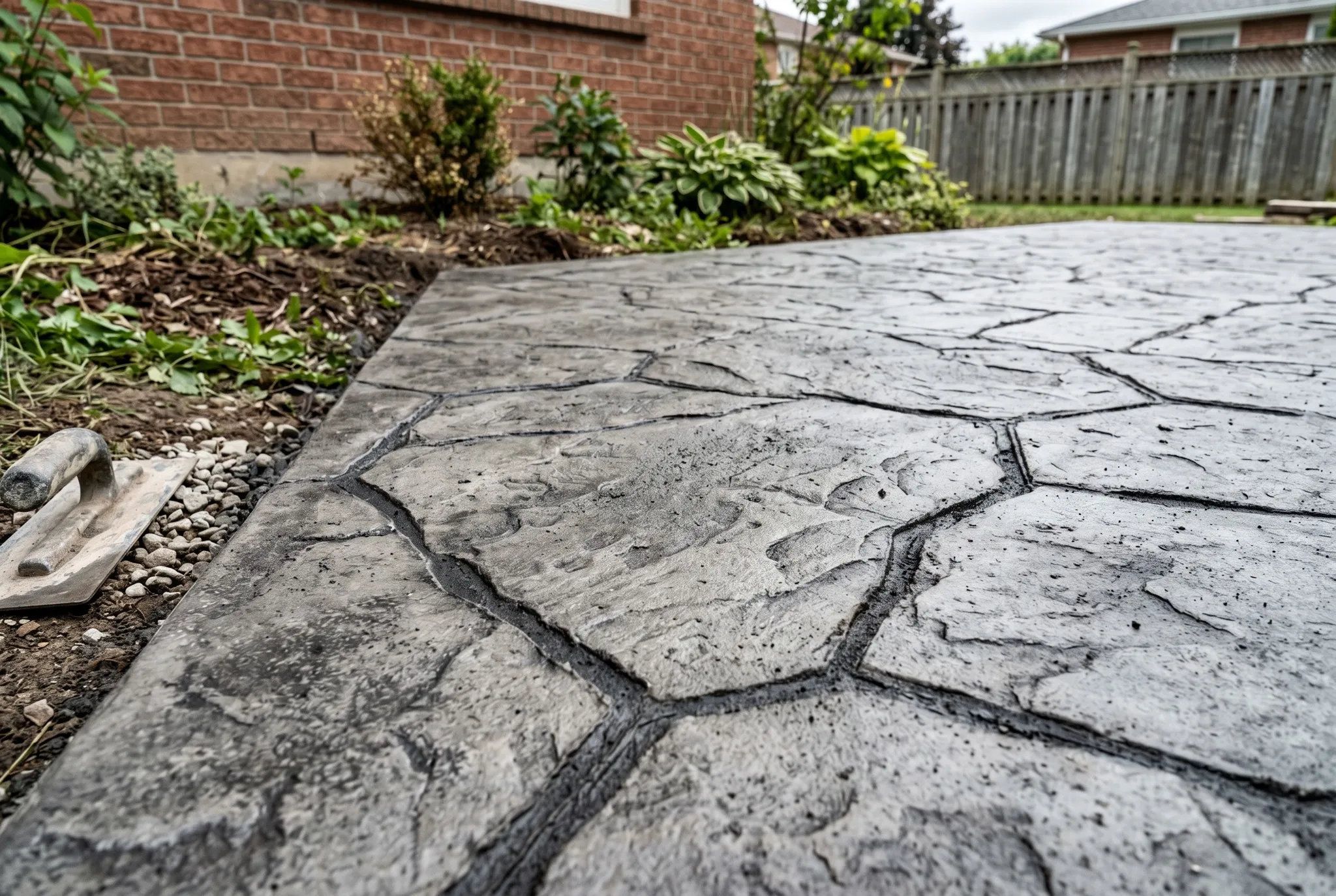
Salt and freeze-thaw chew concrete from the top down. Homeowners tell us the surface 'started to crumble' or showed 'major pitting and chipping' before it was two years old, and that early failure usually traces to finishing or curing problems in the original pour, not anything you did. If the slab under the damage is sound, we grind off the weak layer and apply a bonded polymer overlay, which buys back a clean, even surface without a tear-out.
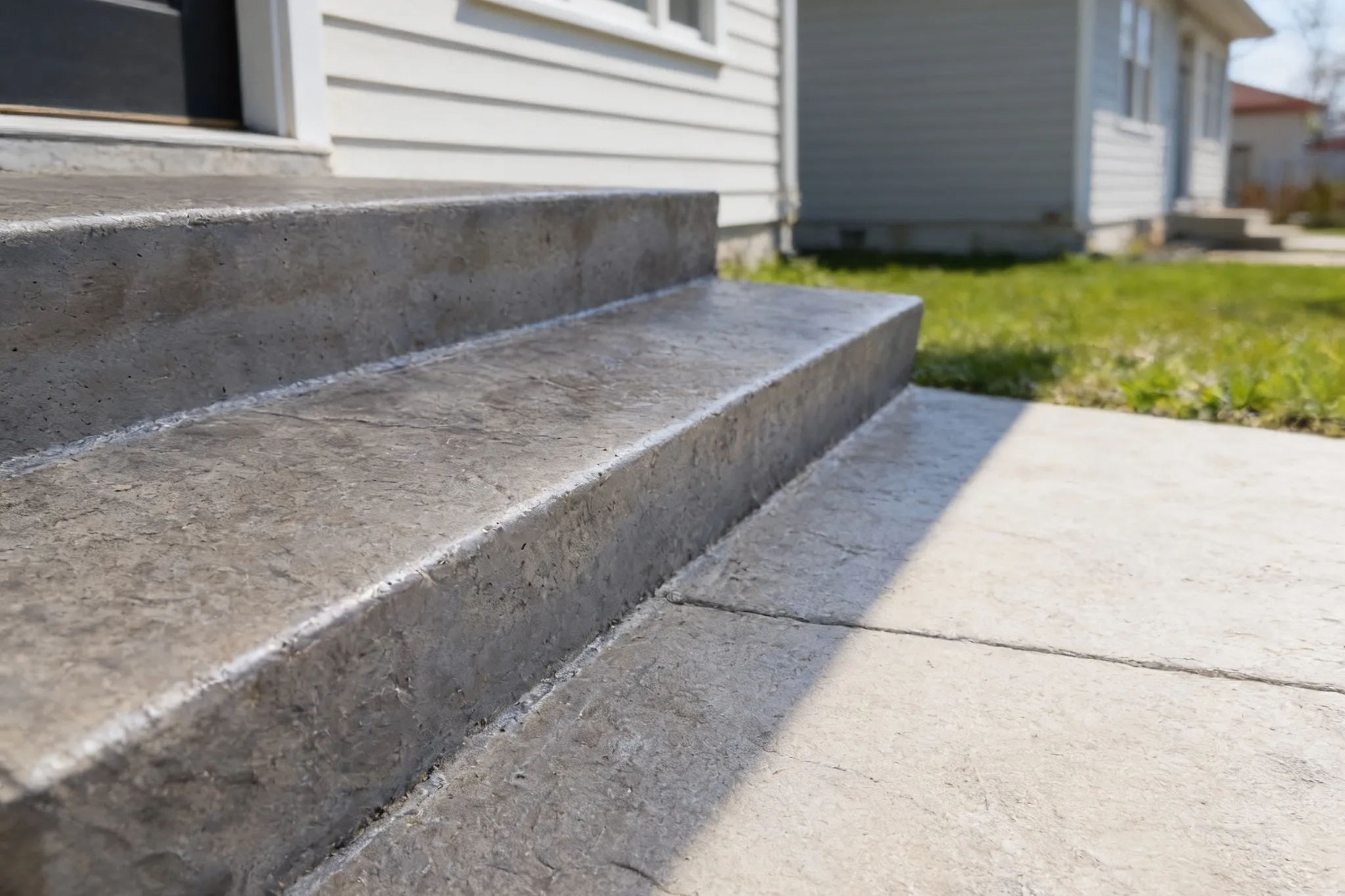
Steps get the same logic. Broken edges and spalled treads get formed and re-poured. Porches homeowners describe as 'rotting' (it's spalling, but it does look like rot) usually need the top rebuilt and sealed. If the foundation under the steps has moved, that's a different conversation, and we'll have it with you straight.
Sealing: the cheapest year of protection you can buy
Sealing is maintenance, not repair, and it's a big part of why two driveways poured the same summer can look a decade apart by year fifteen. A sealer slows water and road salt from soaking into the surface, which is what drives the pitting and scaling in this climate. It's the smallest job we do, and we do it gladly: every two to three years for exposed driveways and walks, starting about a month after a new pour cures. If your concrete is already pitting, sealing alone won't reverse it, but it will slow the clock while you decide on resurfacing.
Recent work
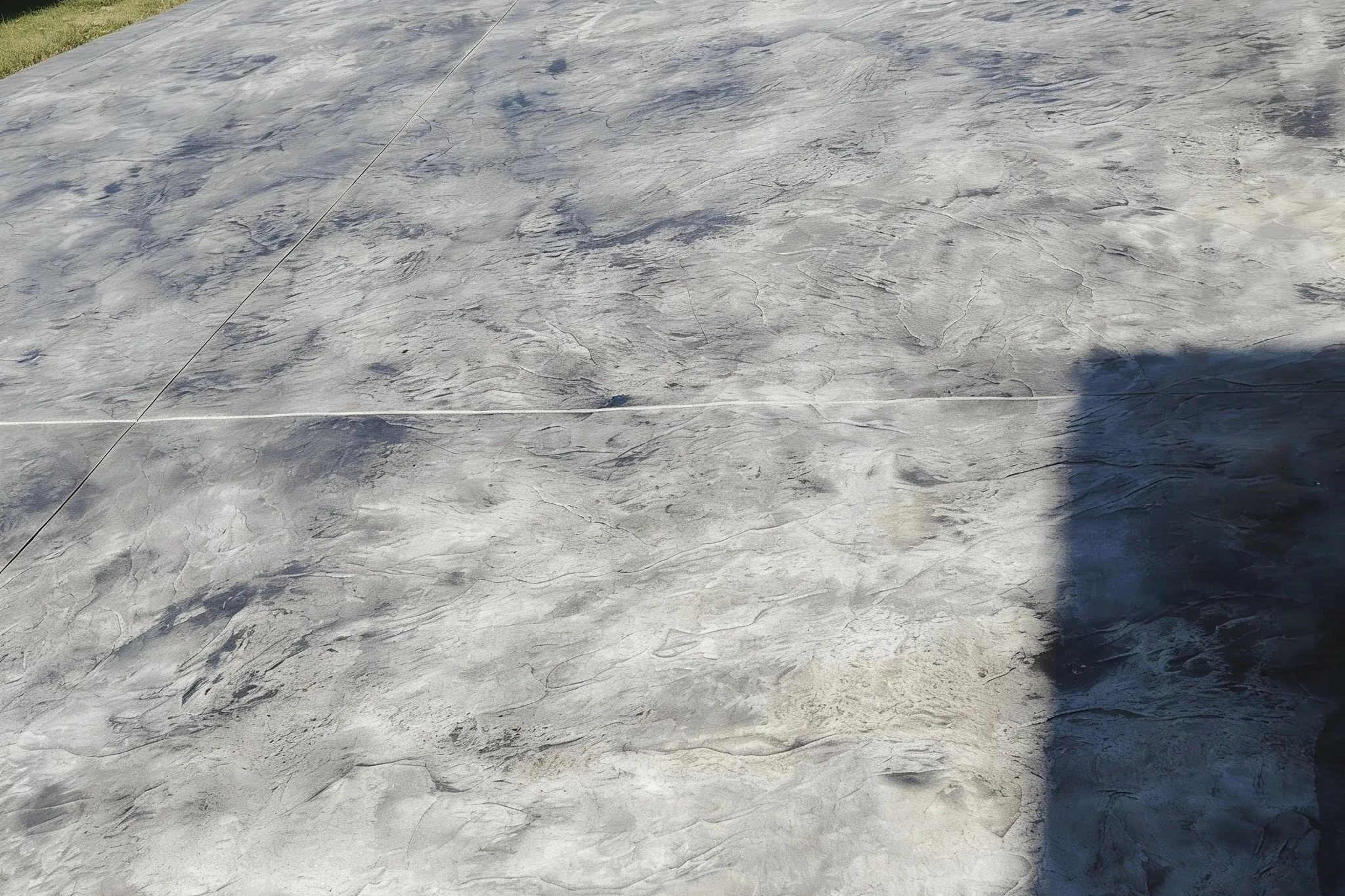
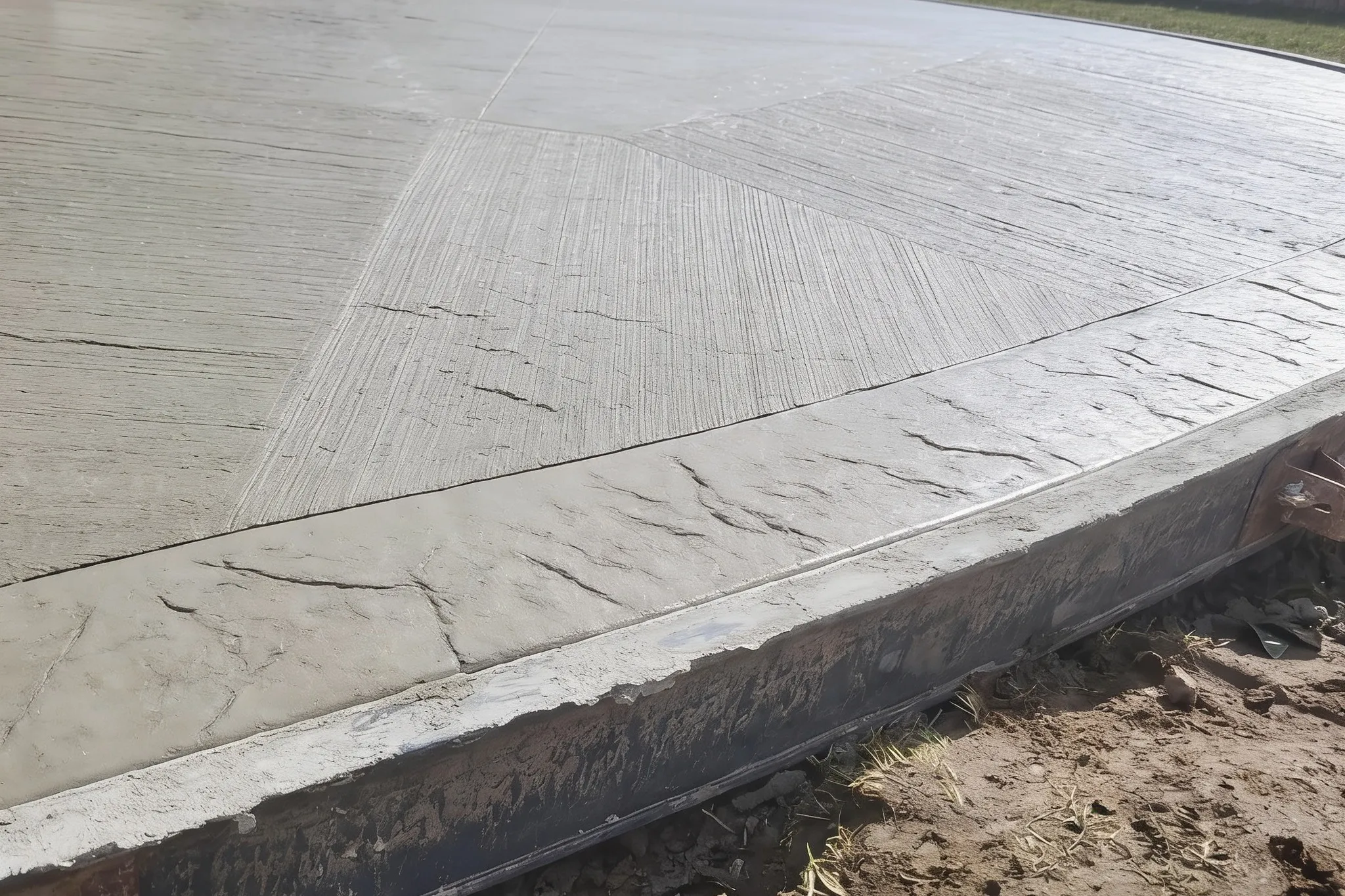
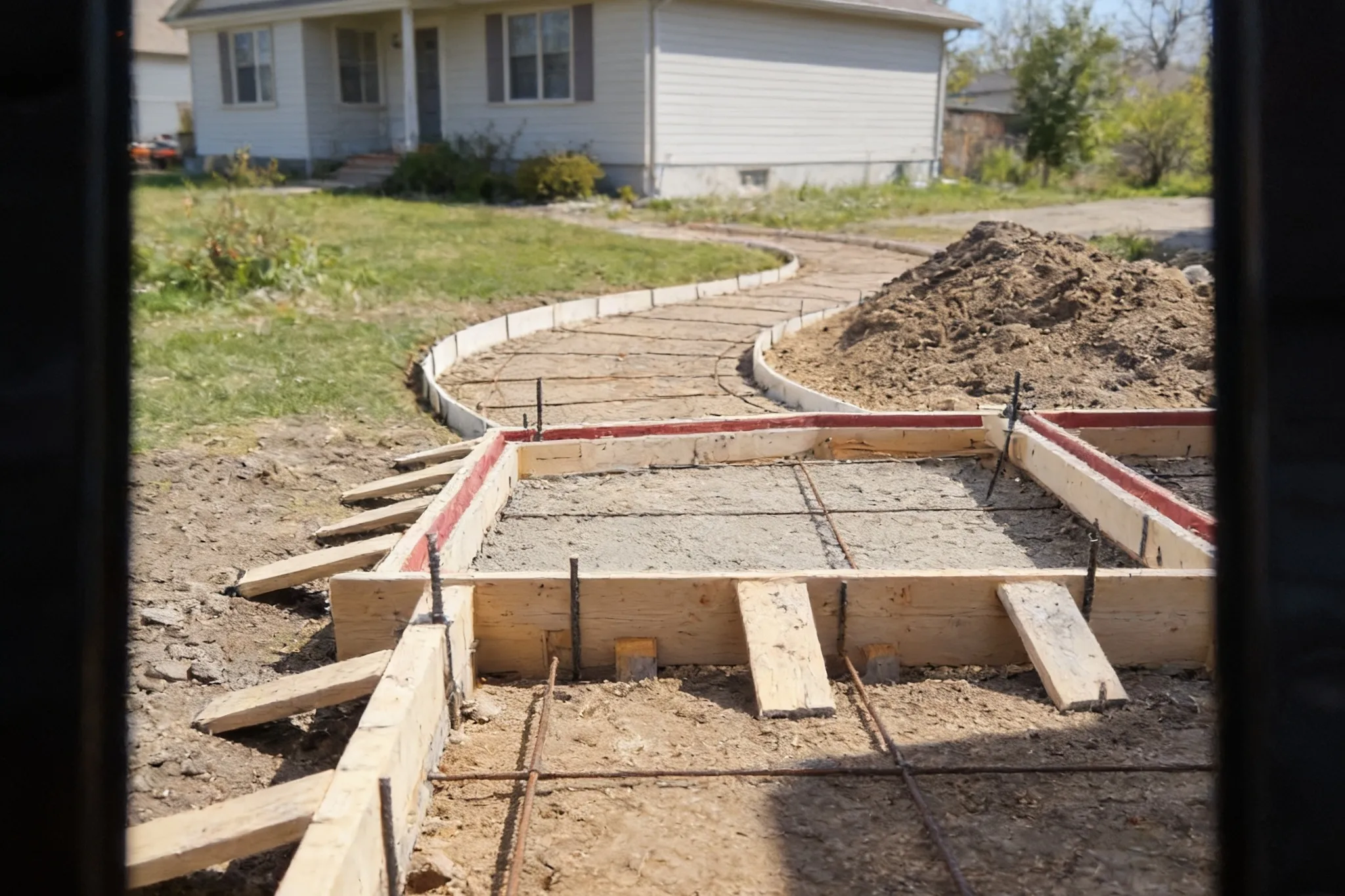
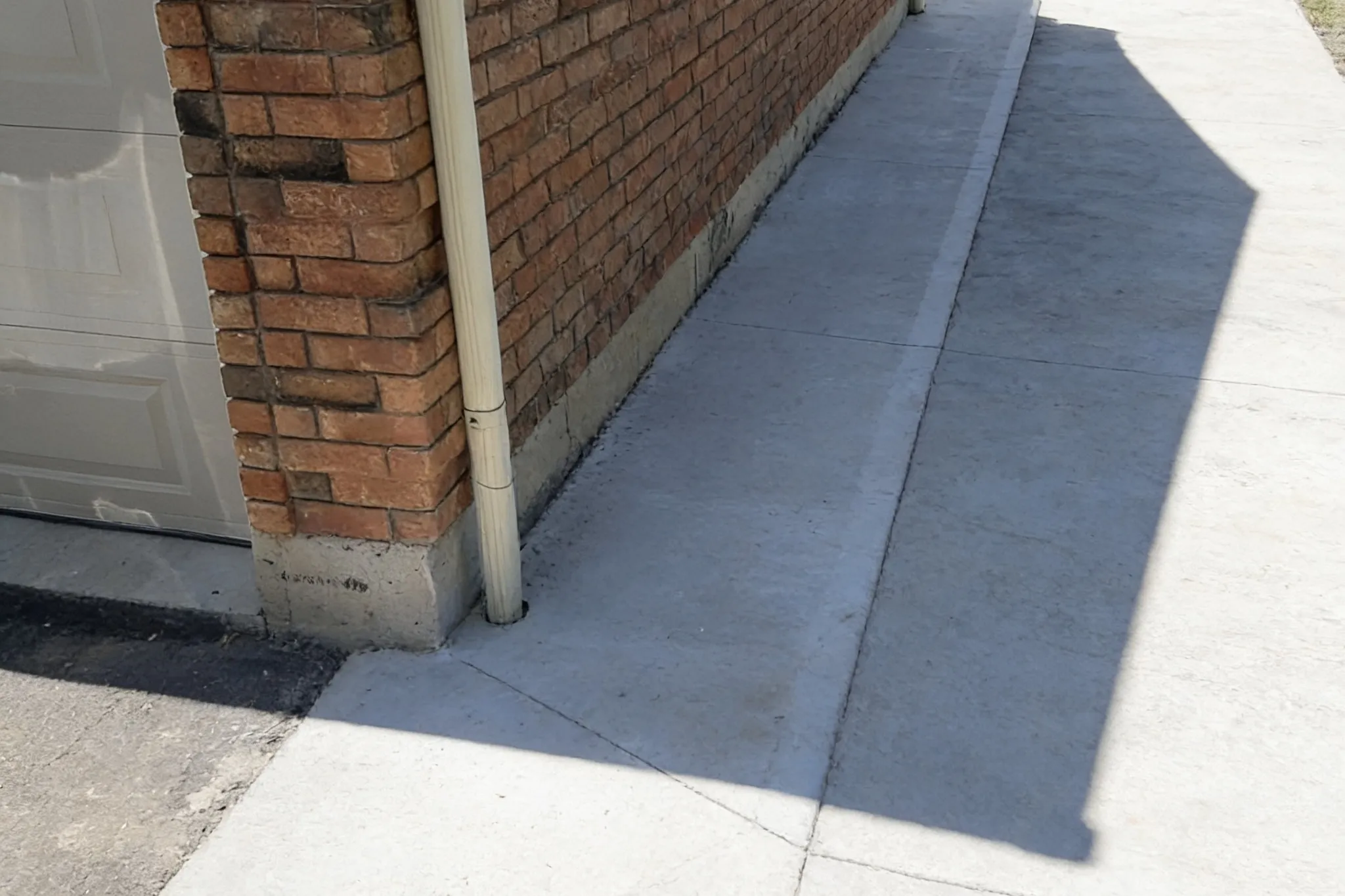
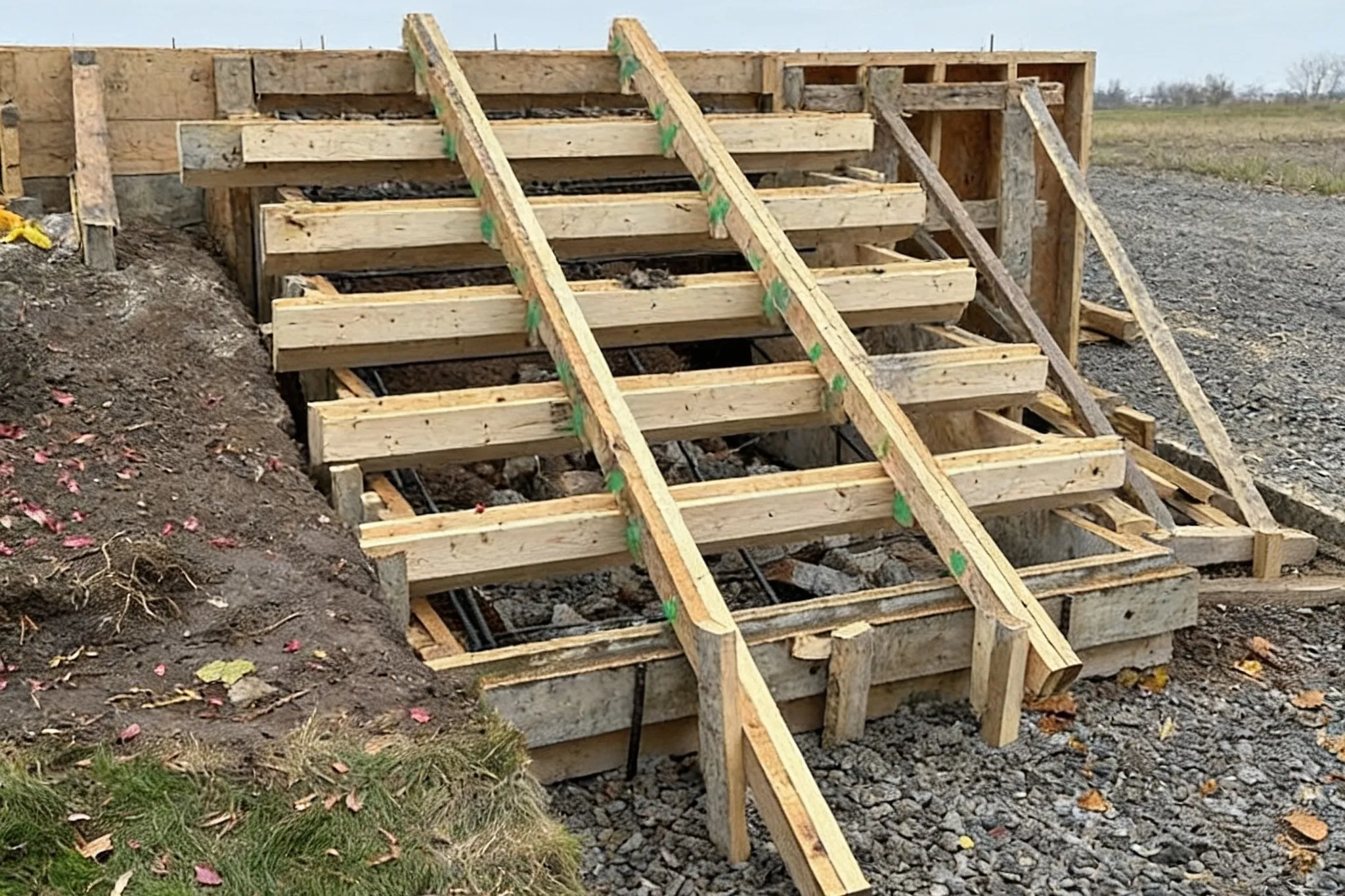
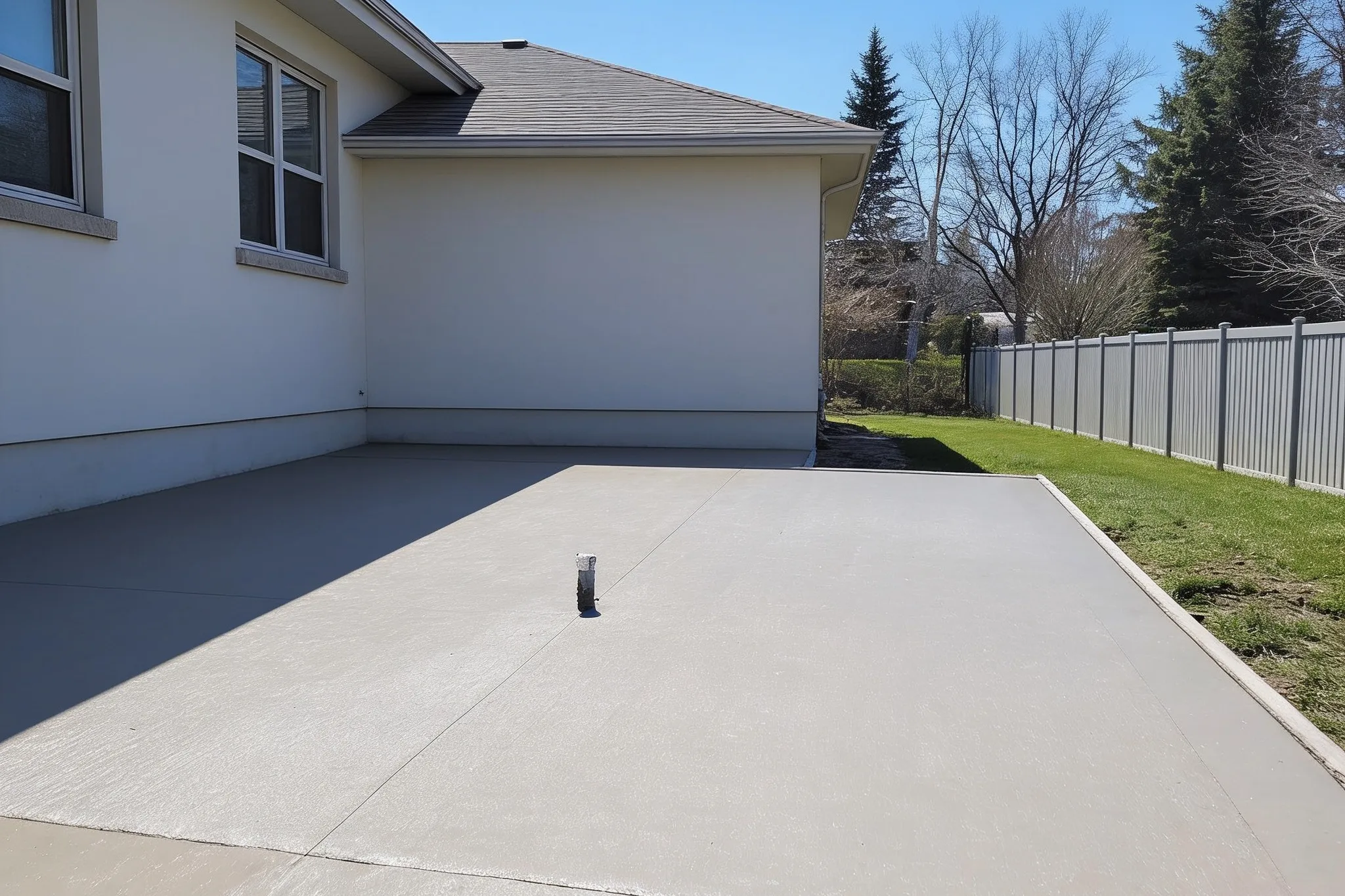
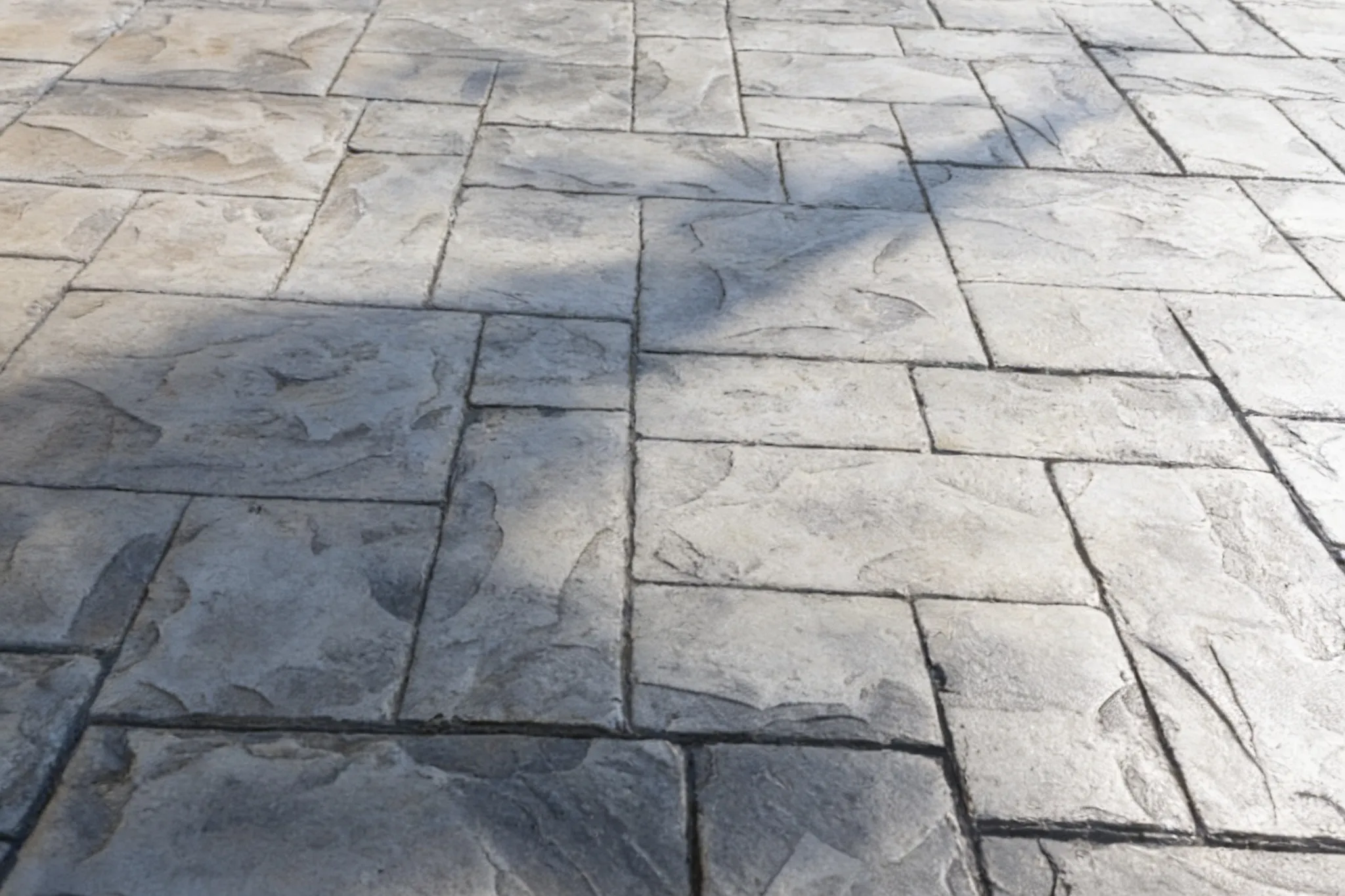
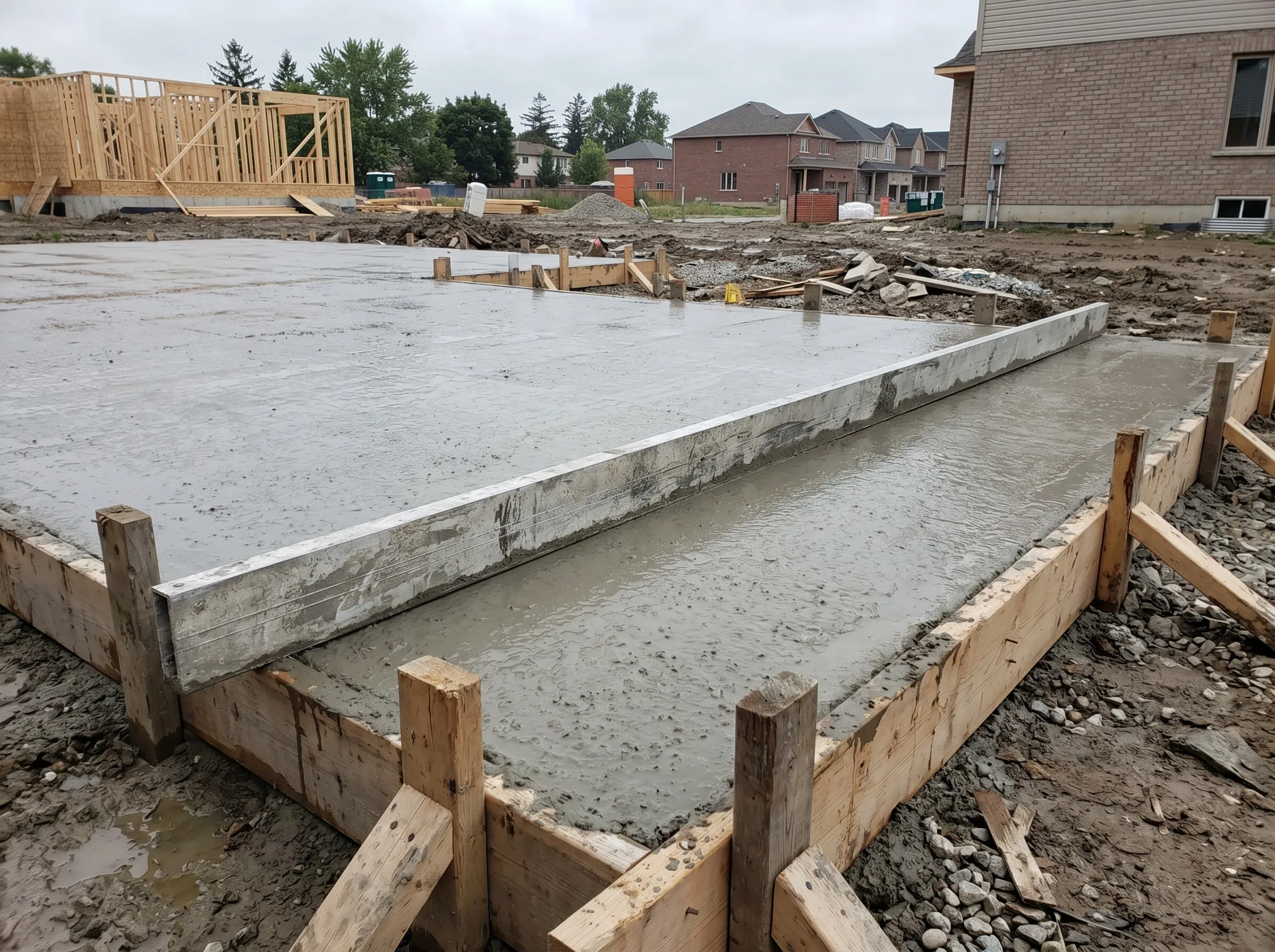
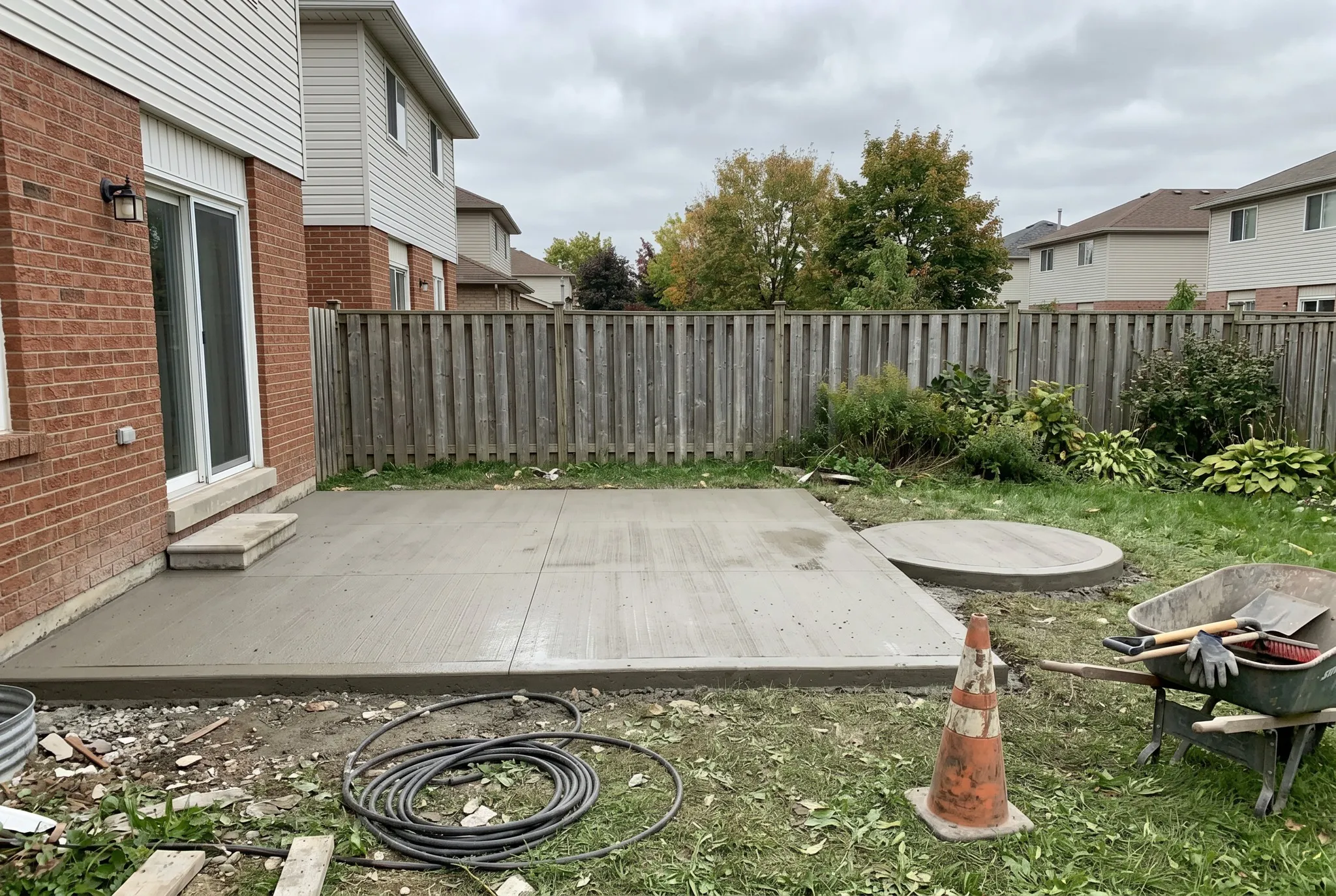
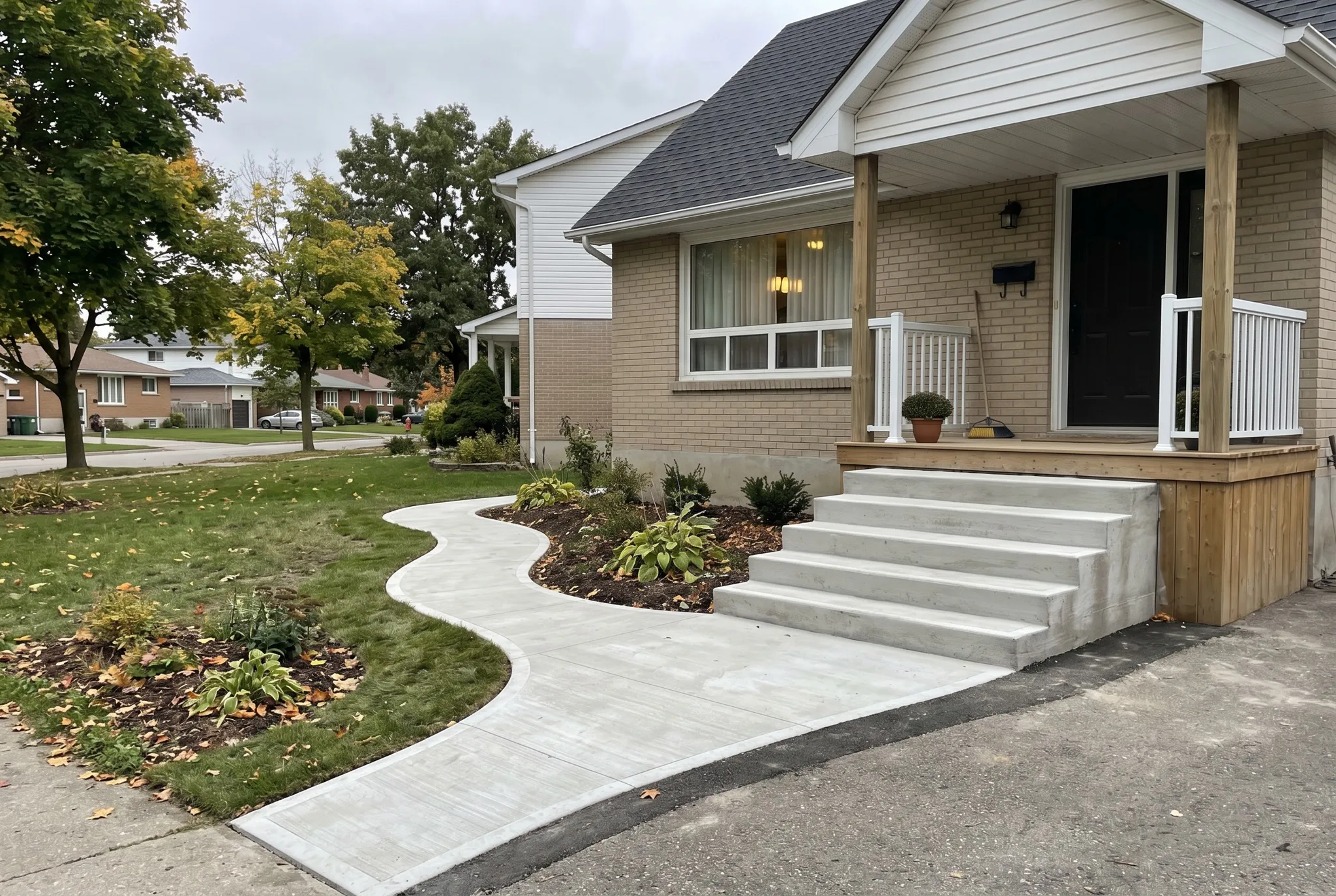
Resurfaced concrete · Southern Ontario 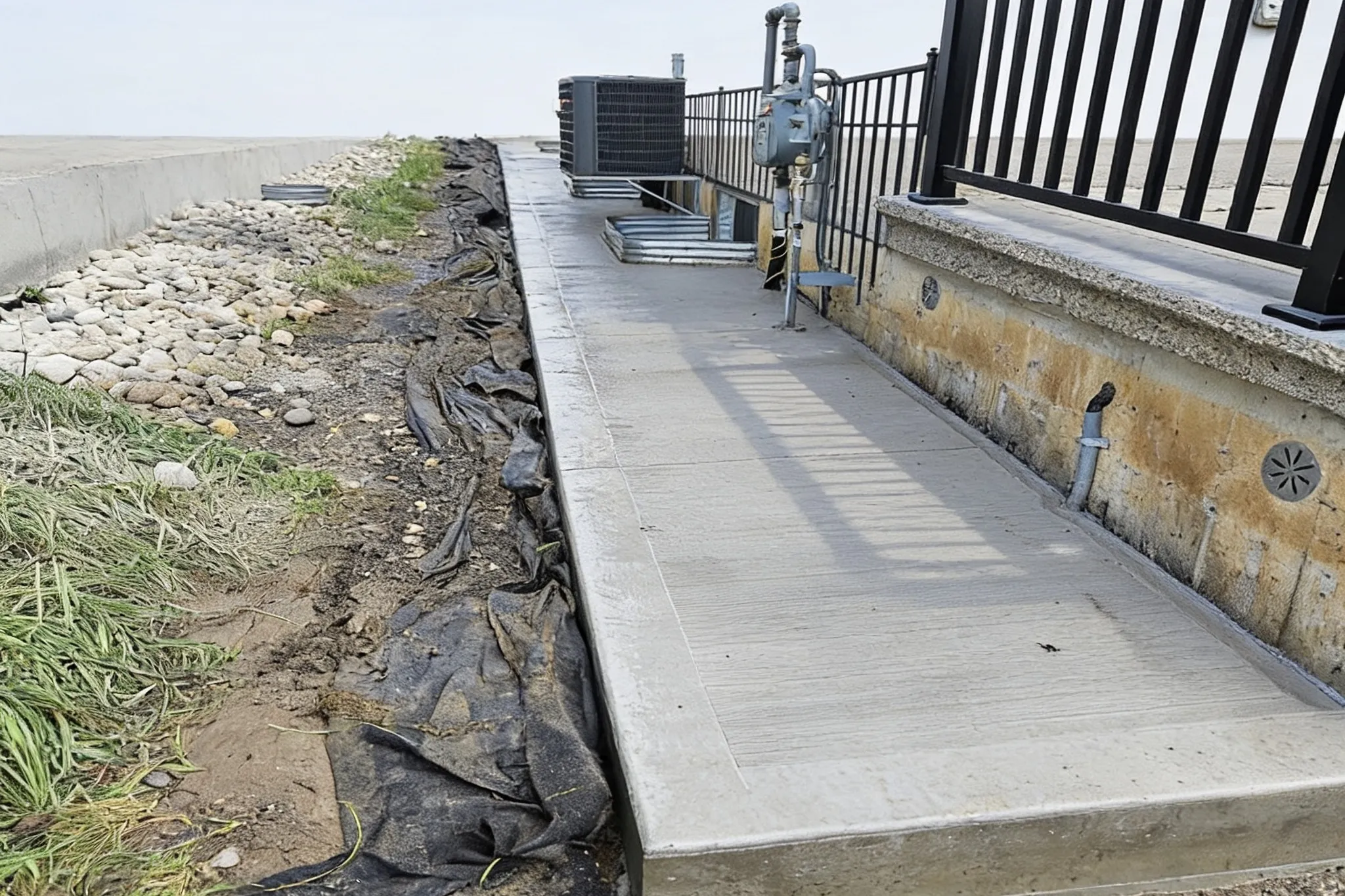
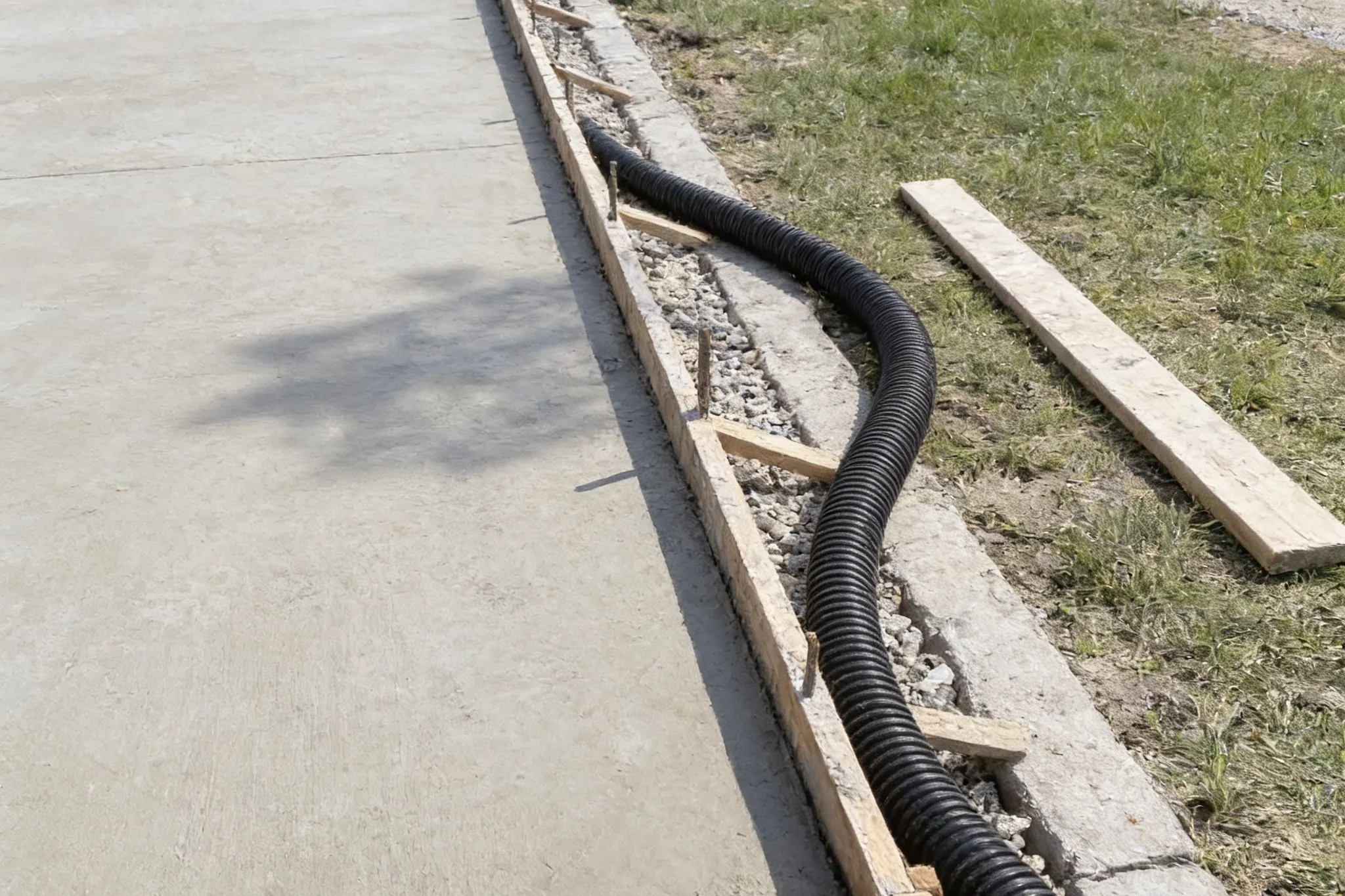
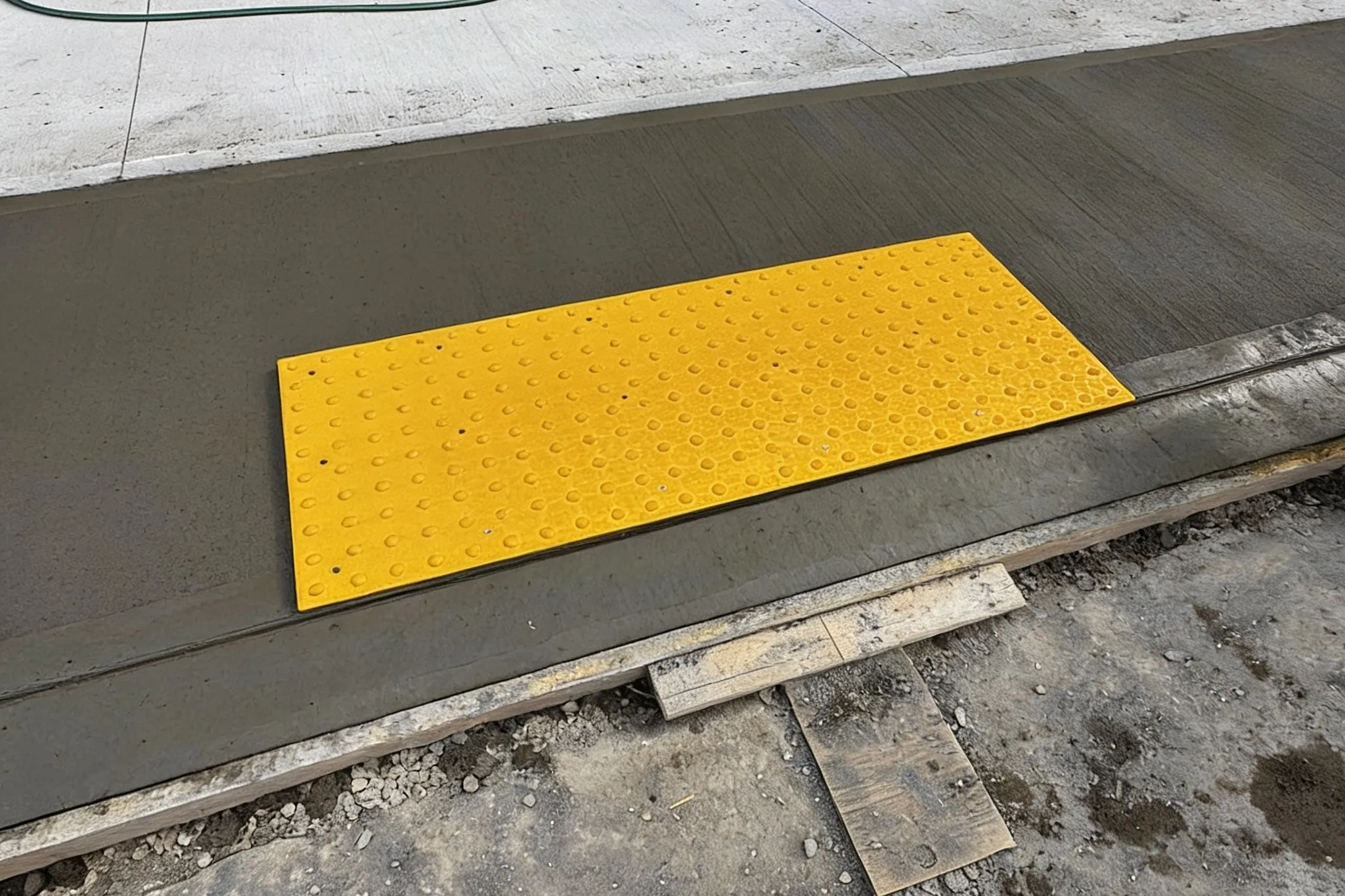
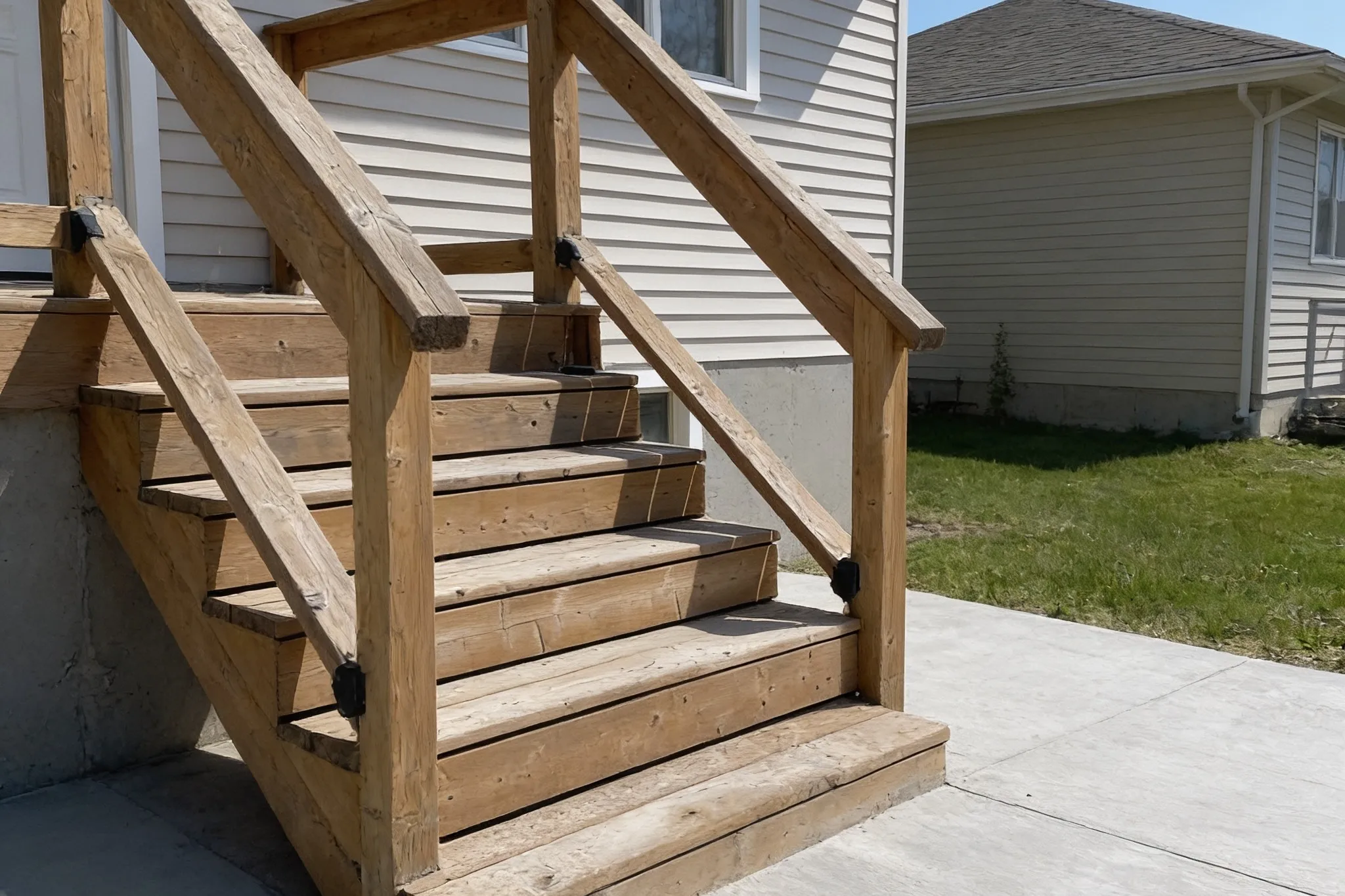
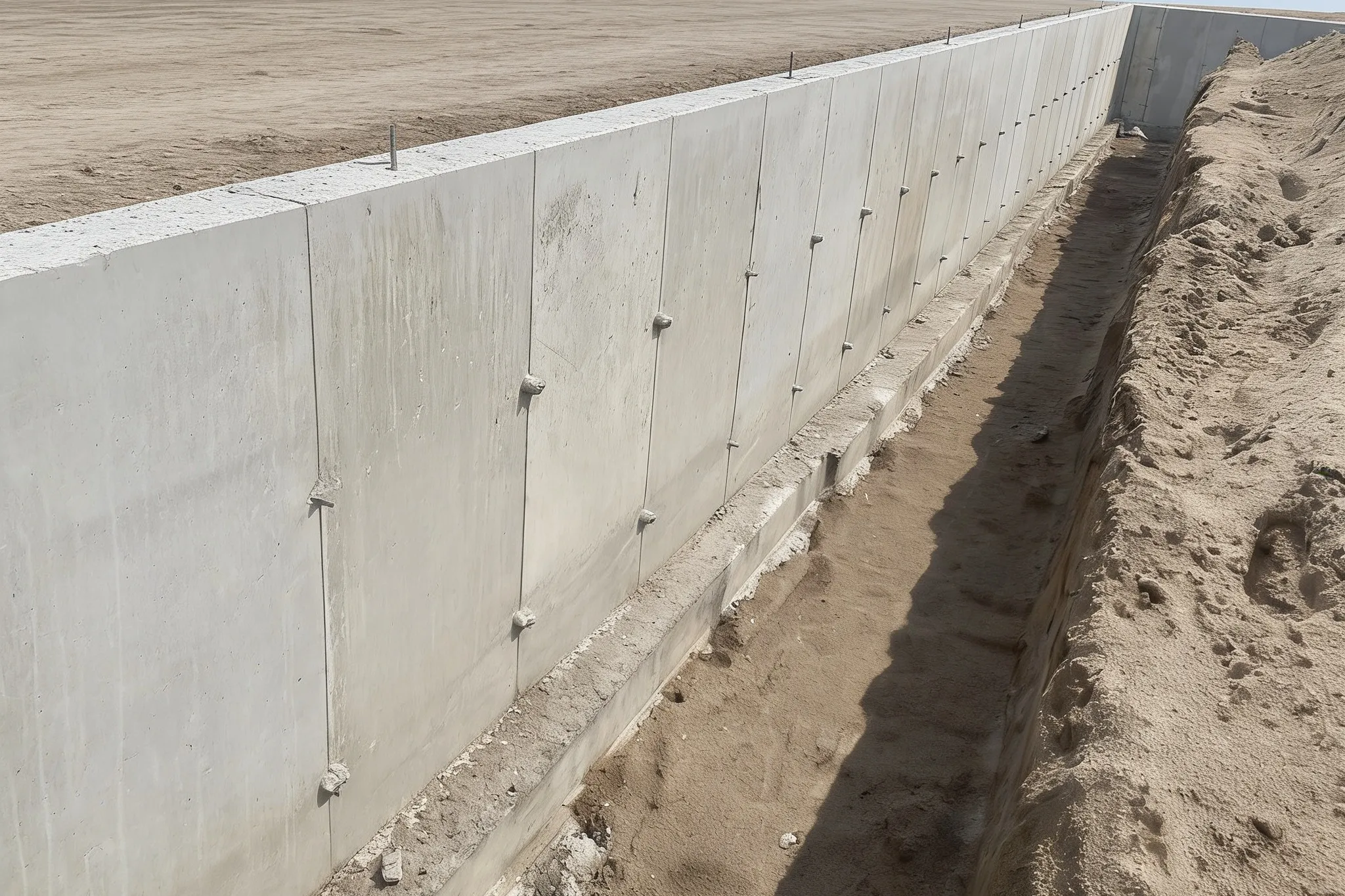
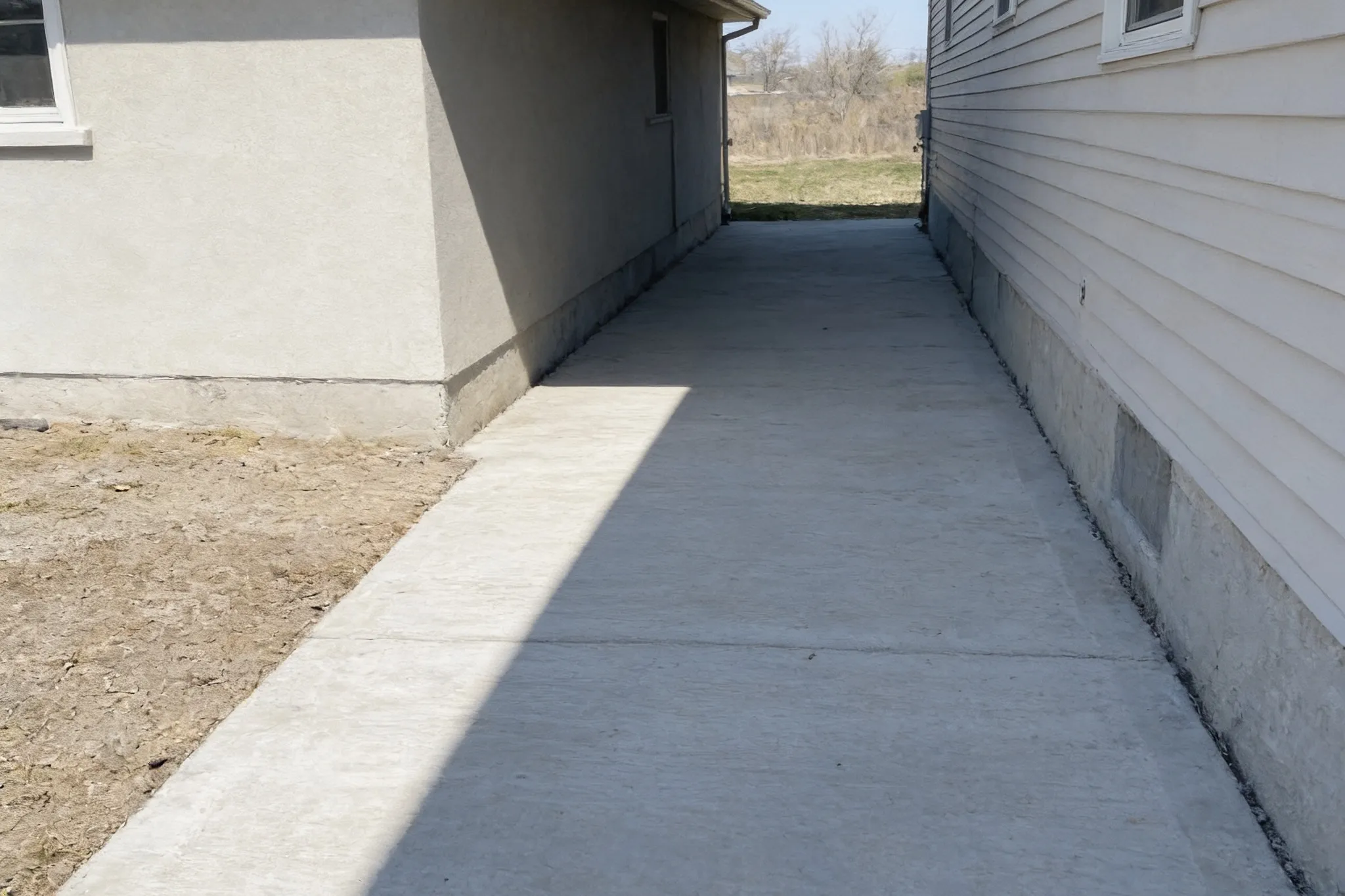
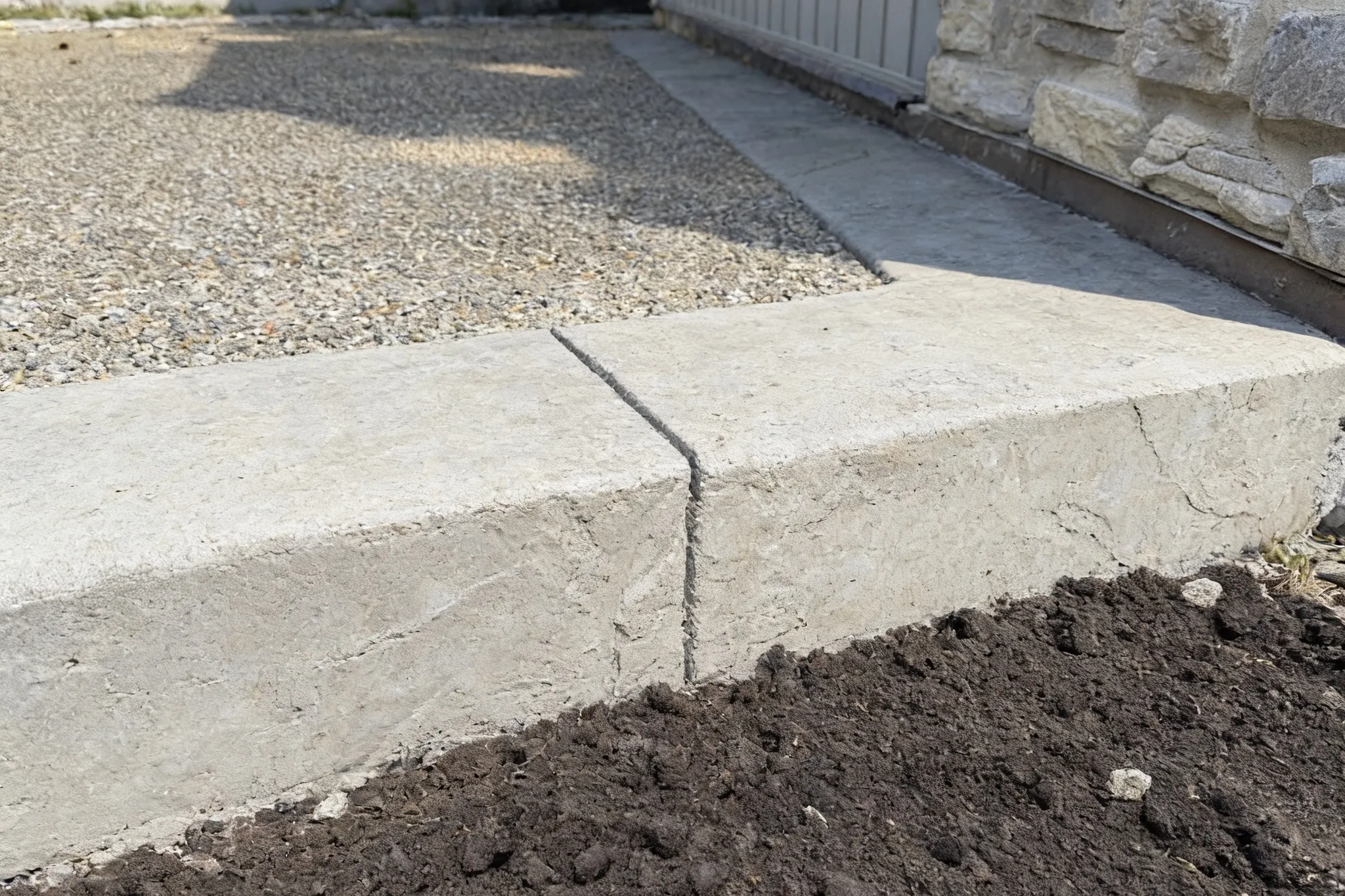
Repaired concrete · Southern Ontario 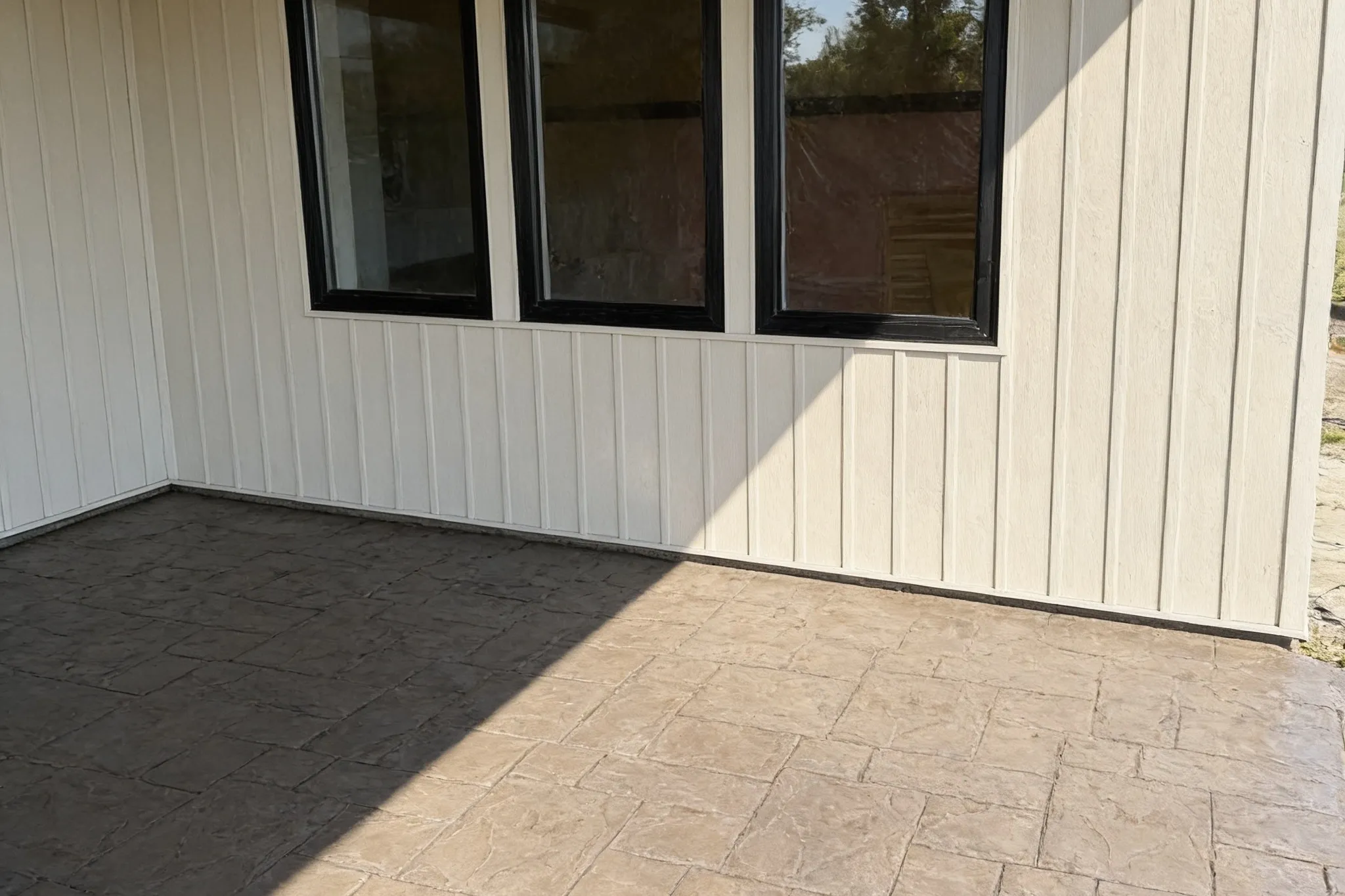
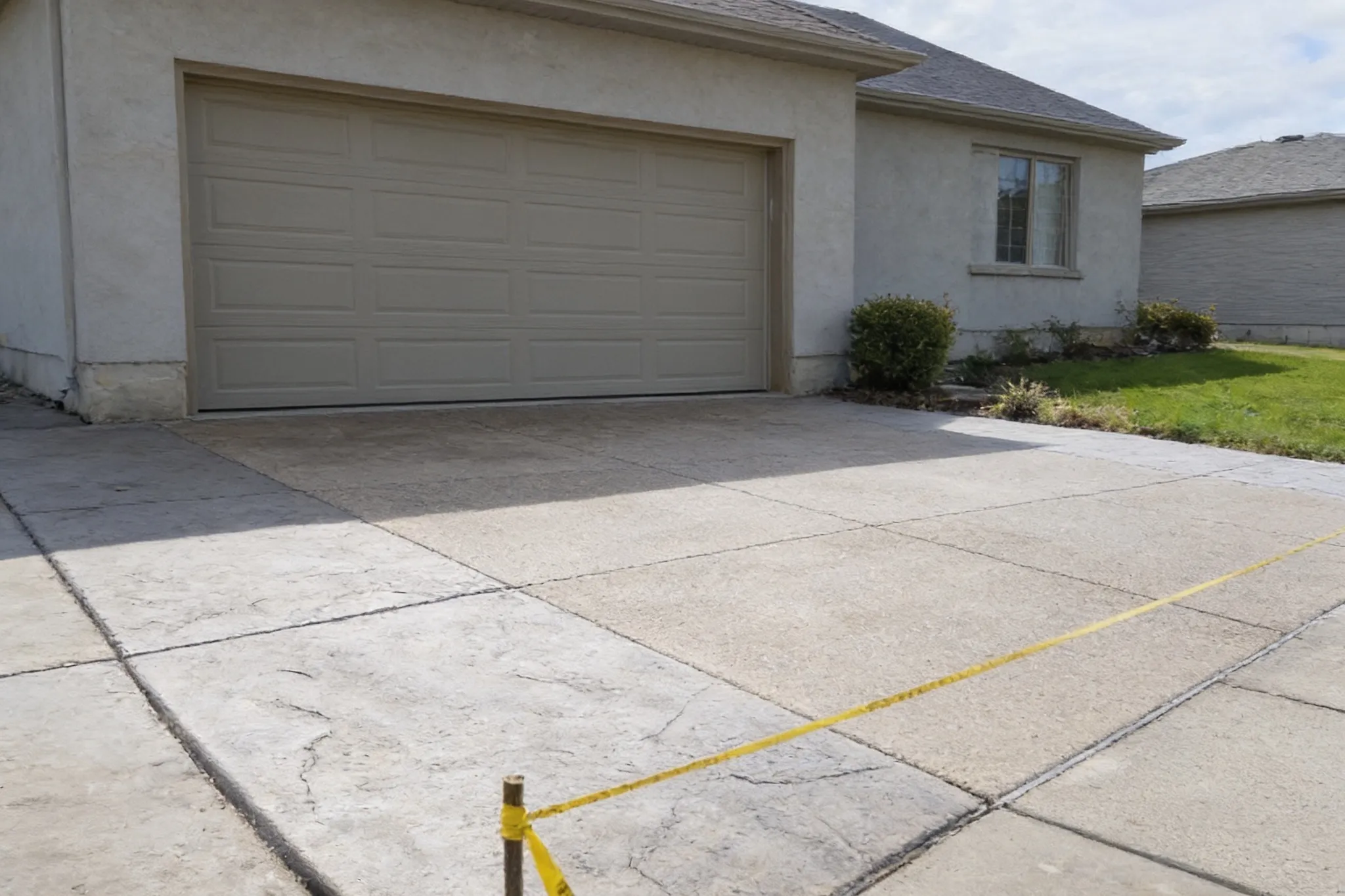
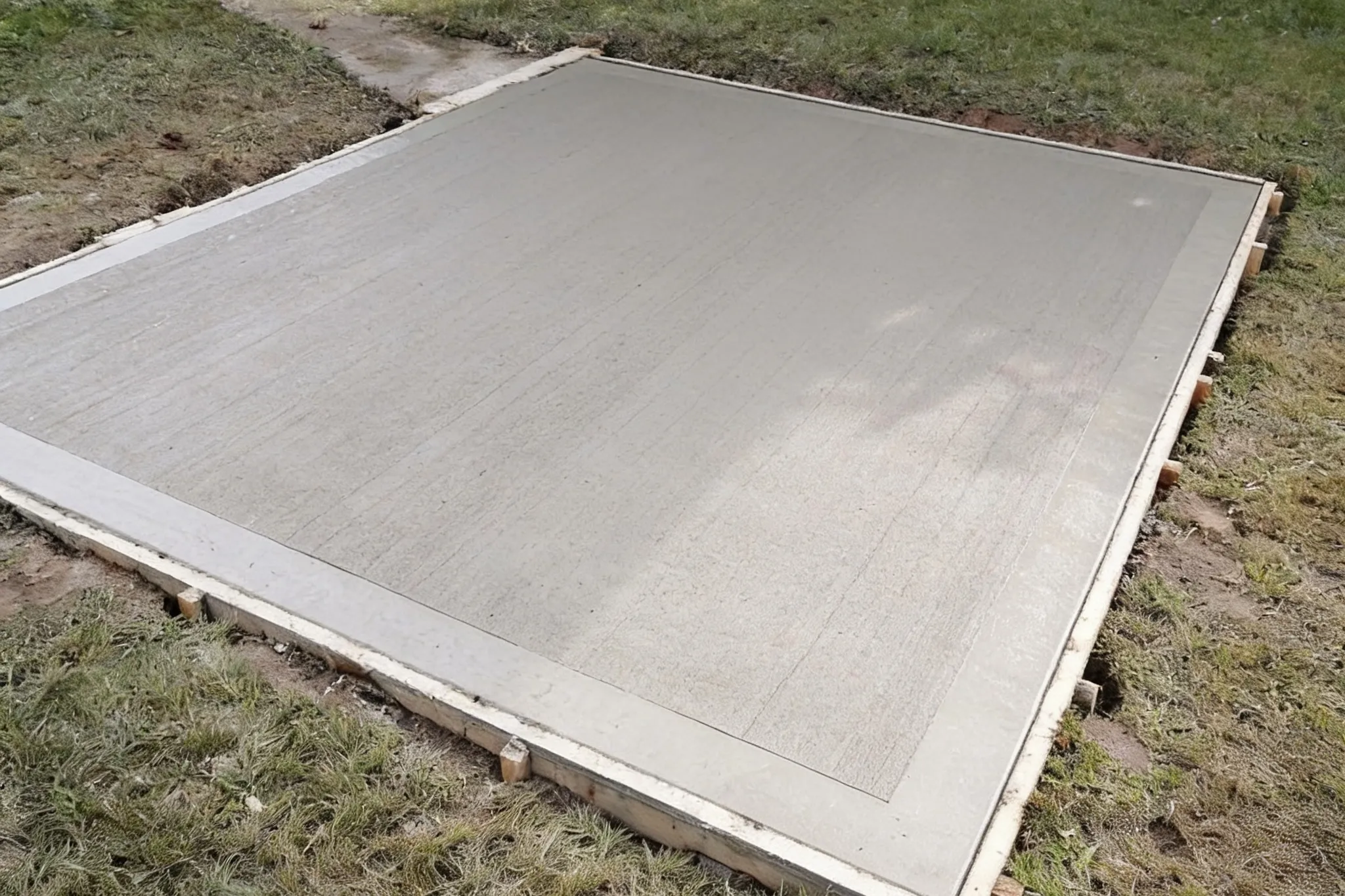
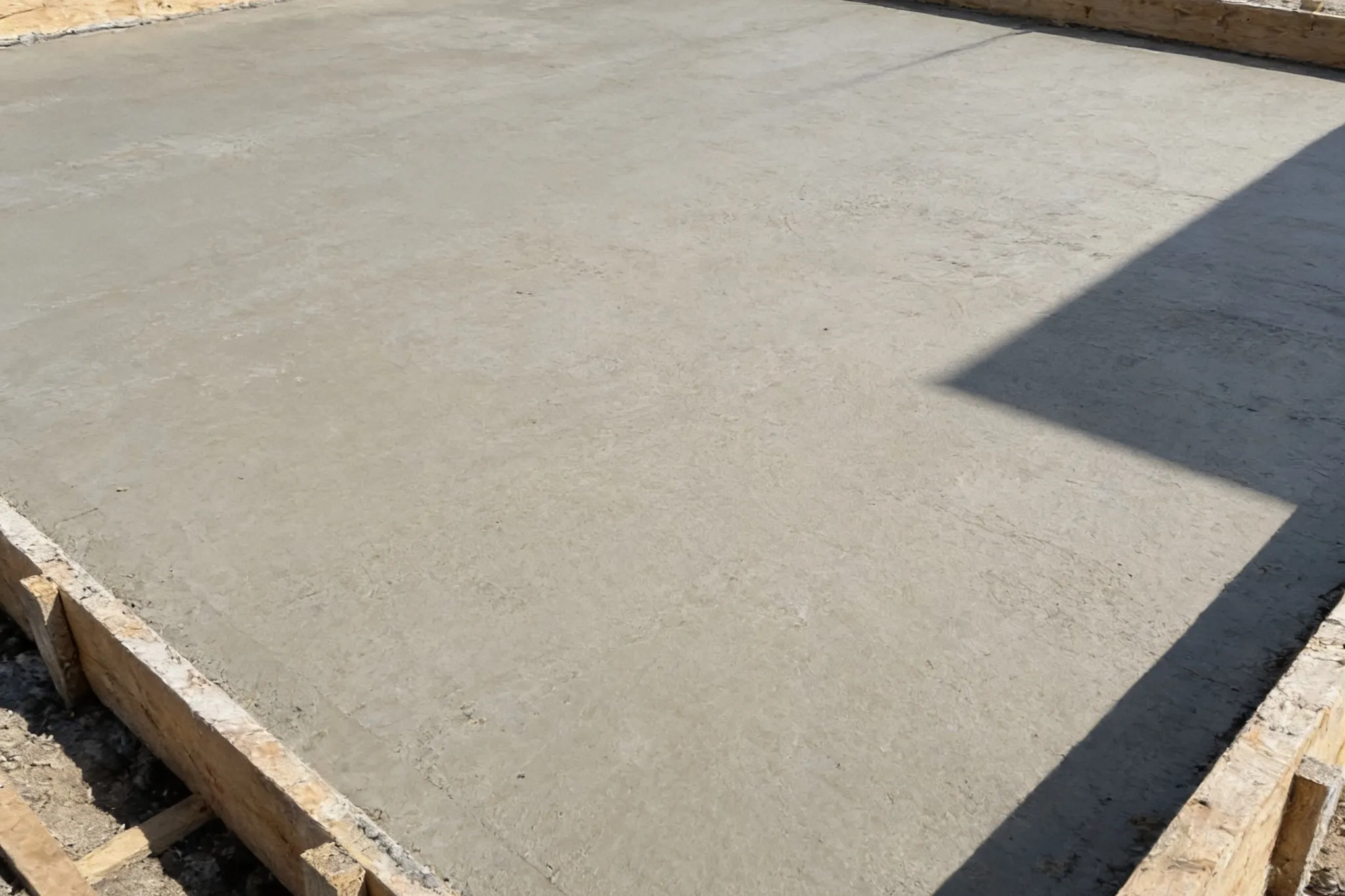
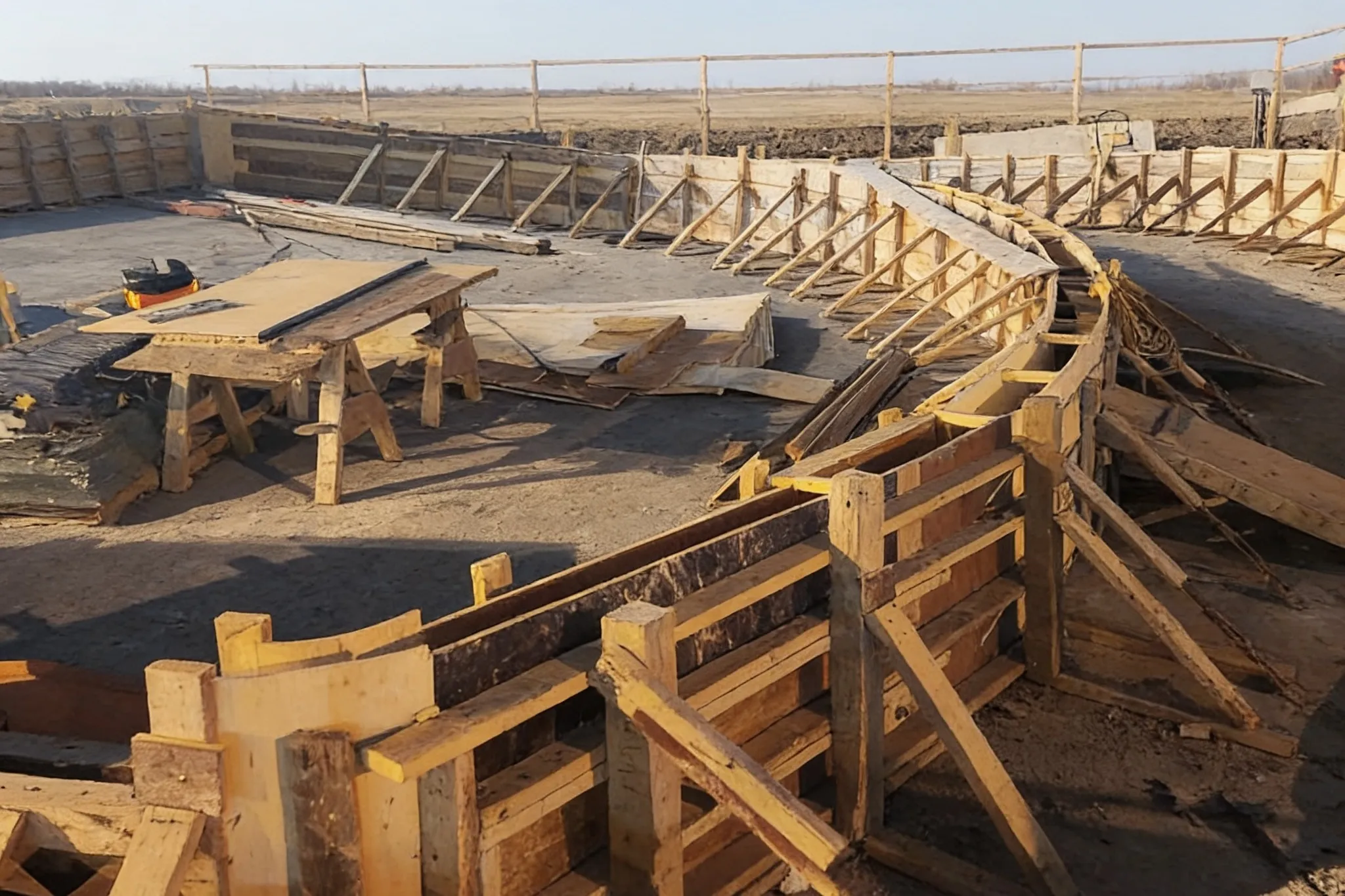
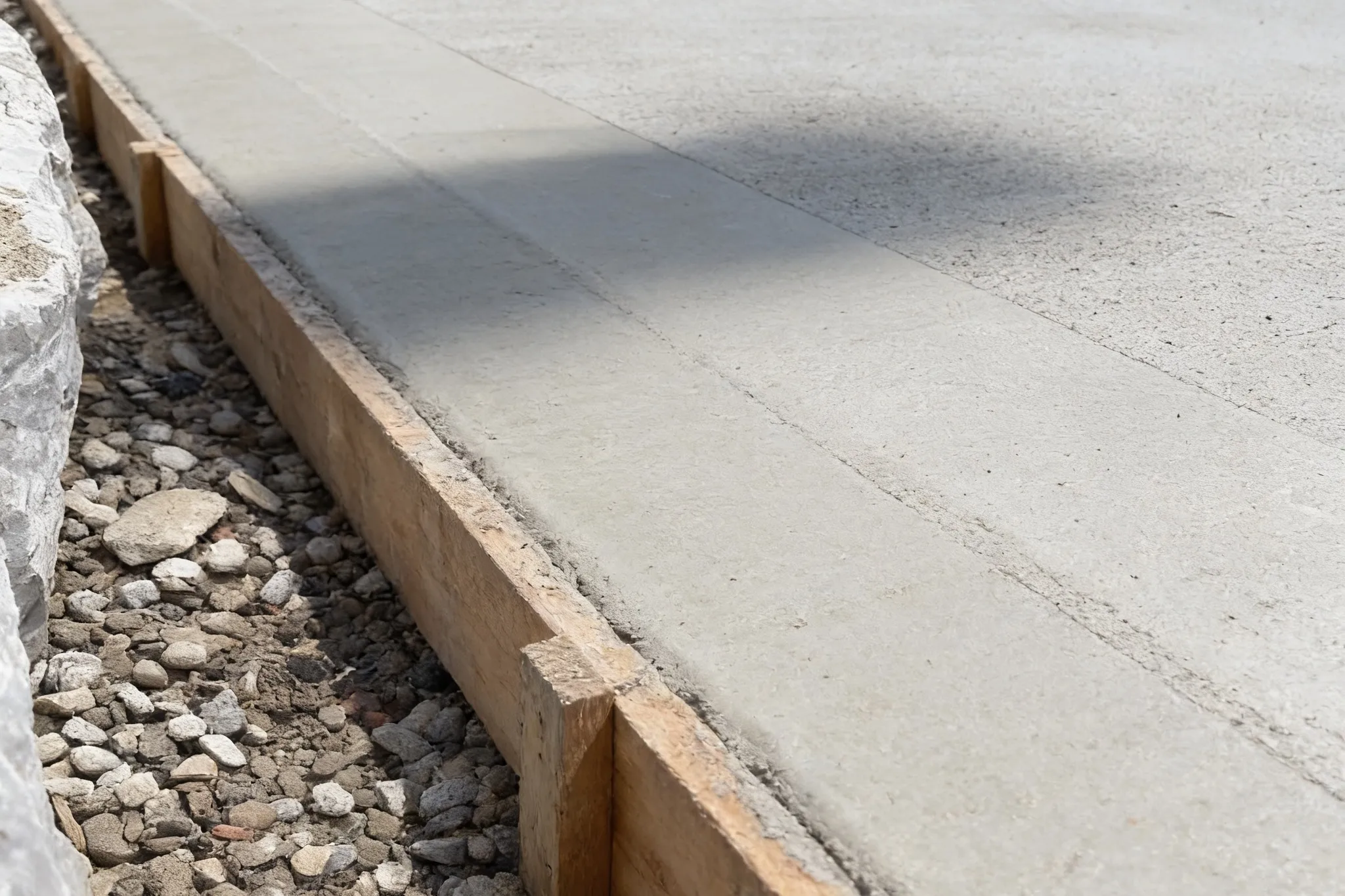
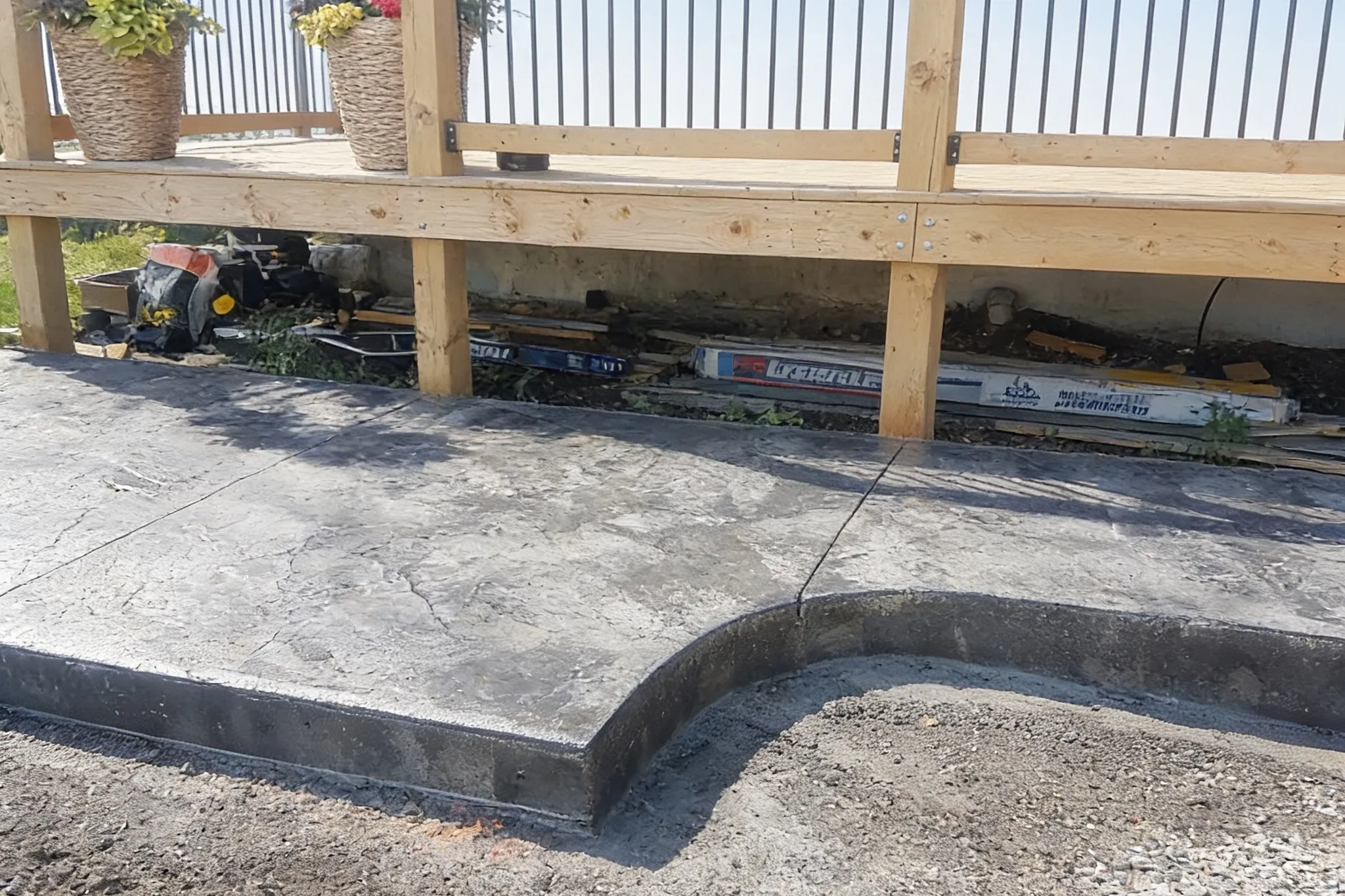
Resurfaced slab · Southern Ontario 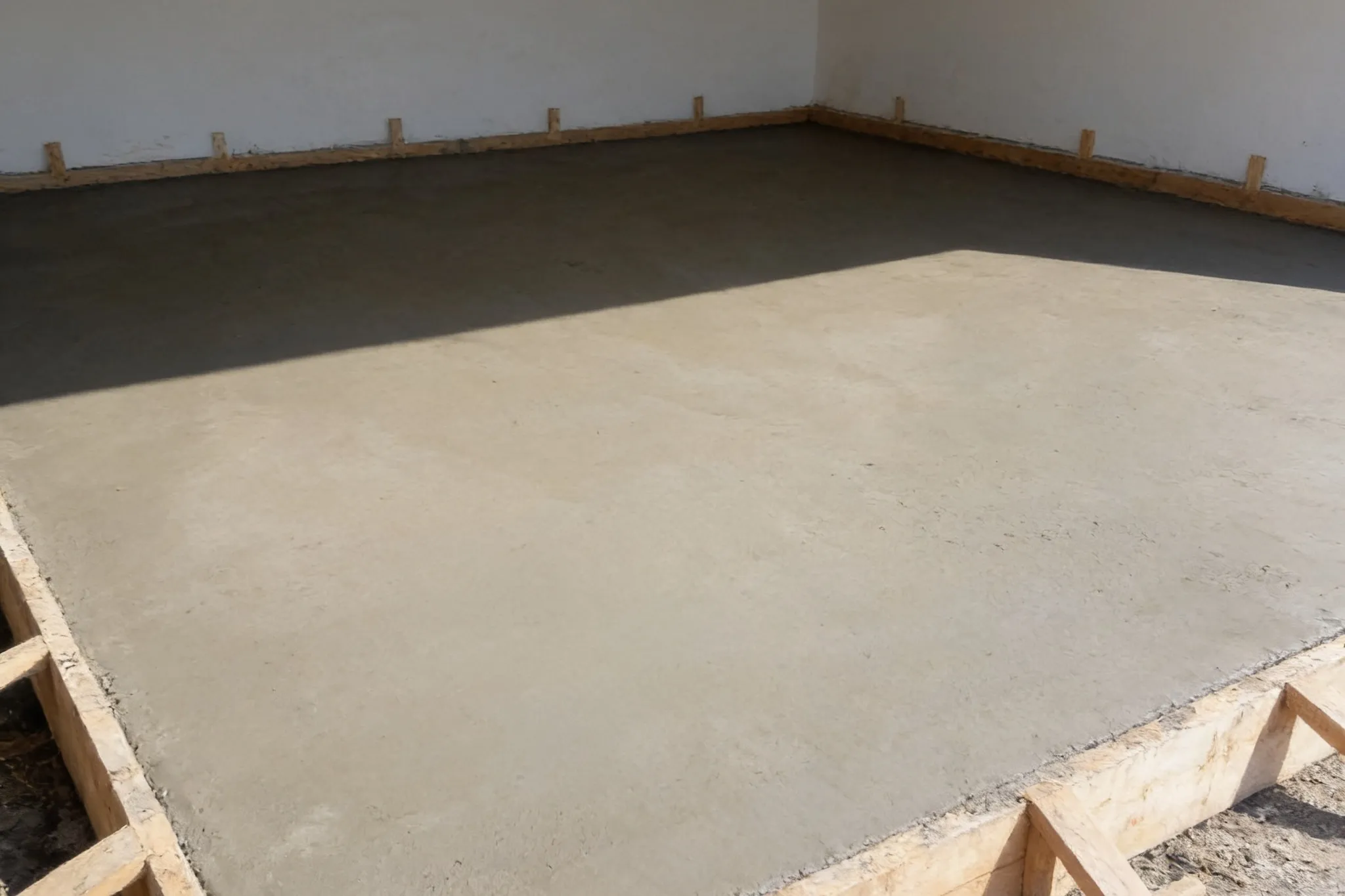
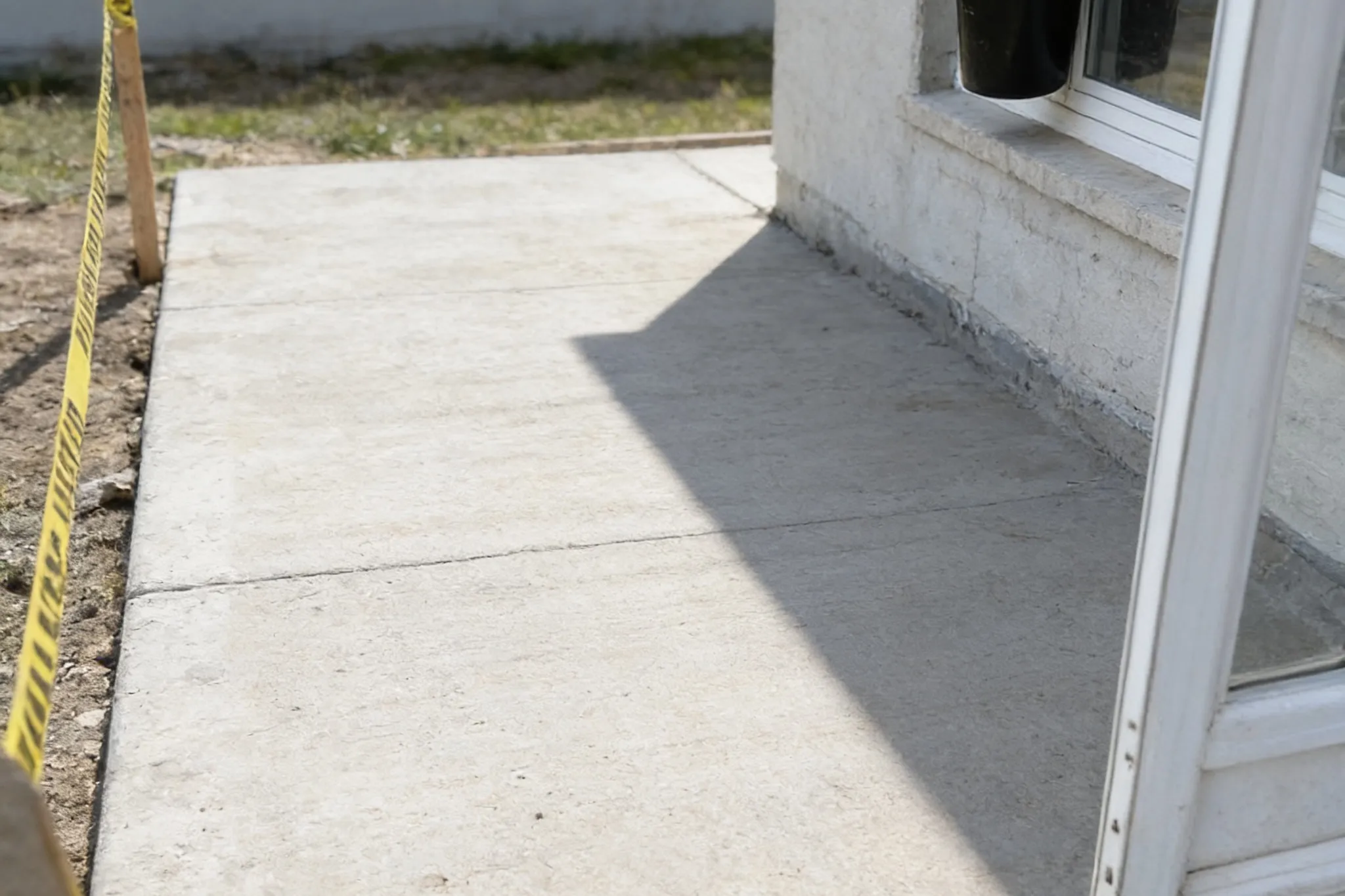
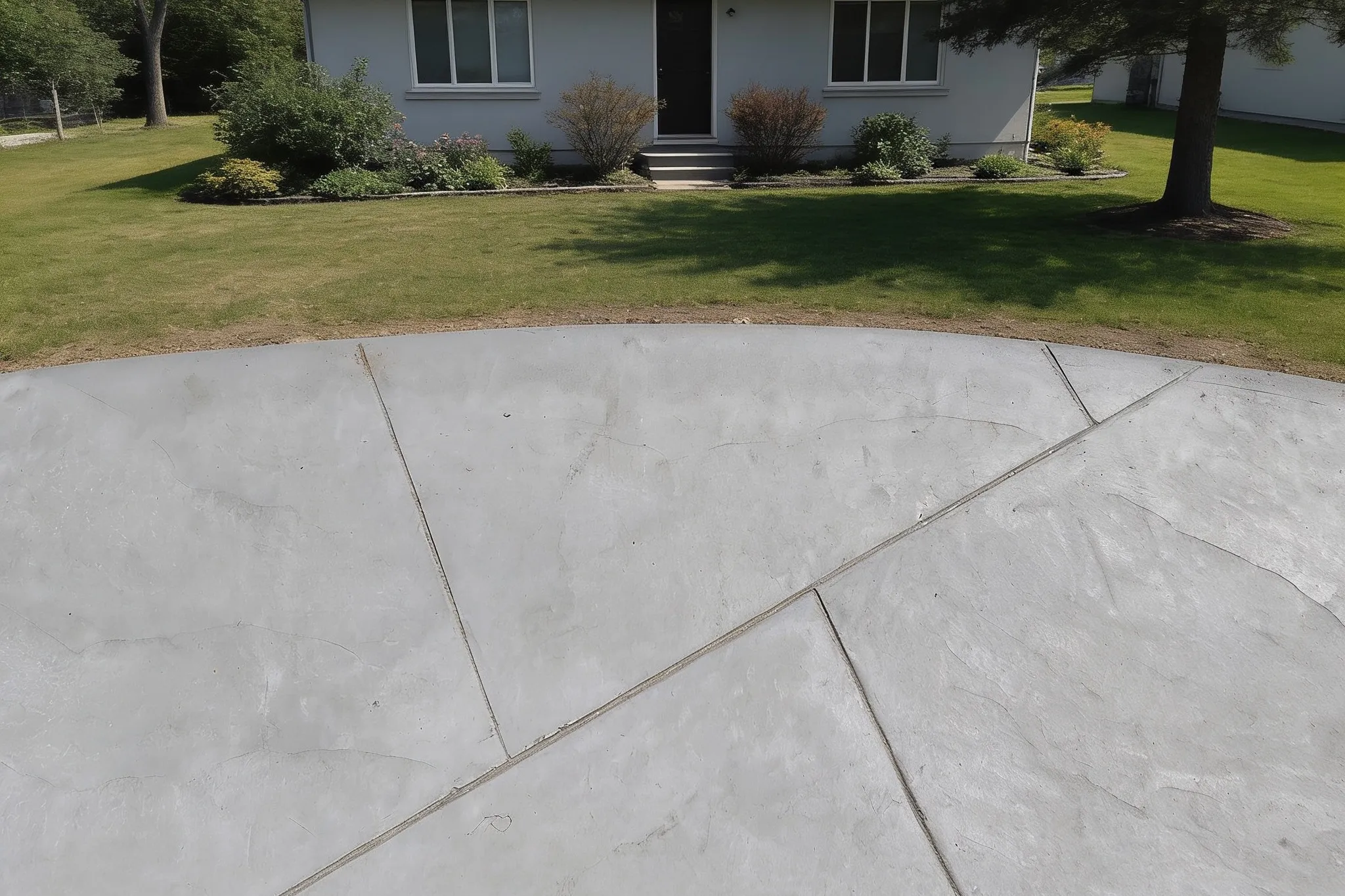
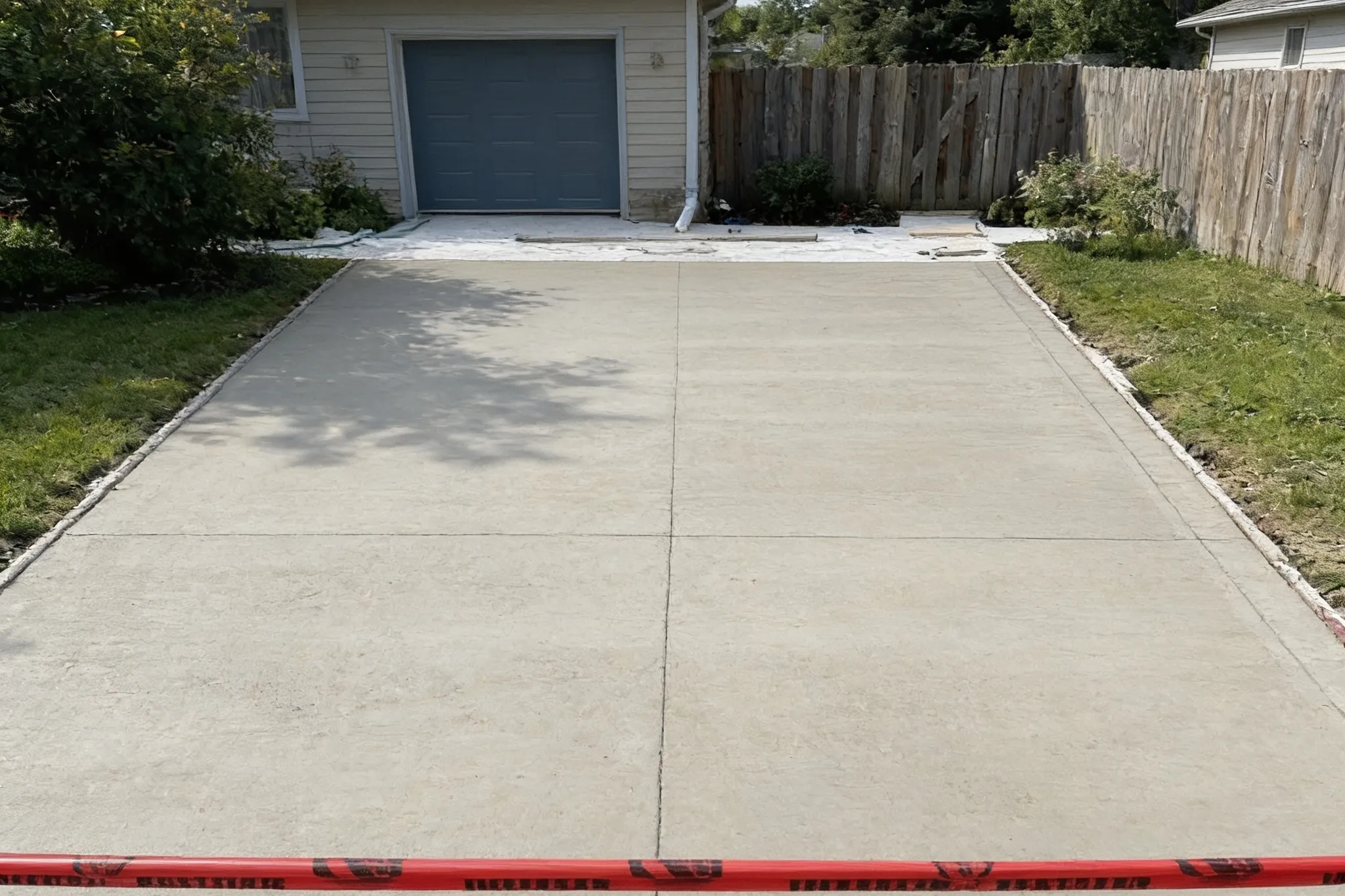
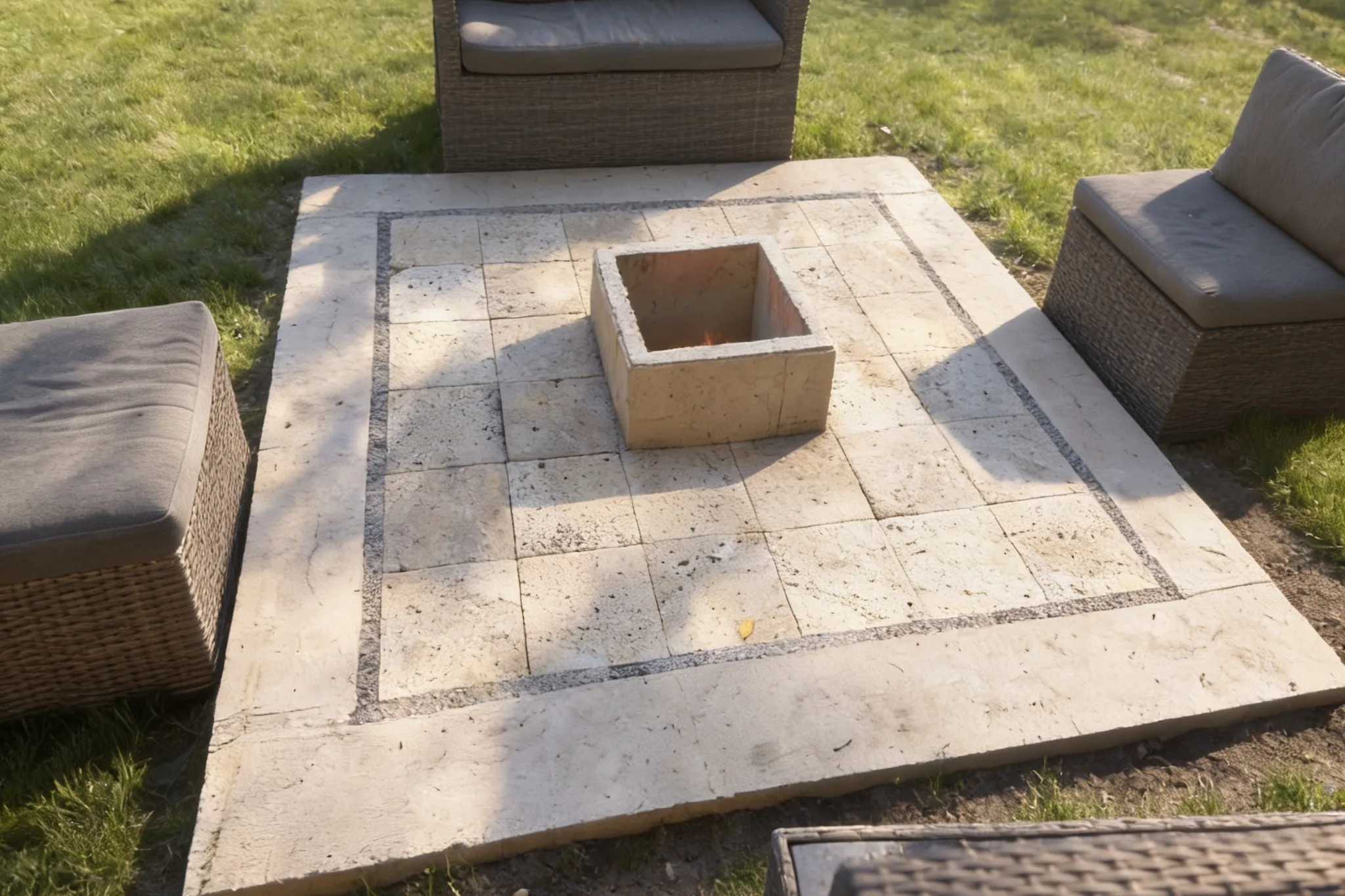
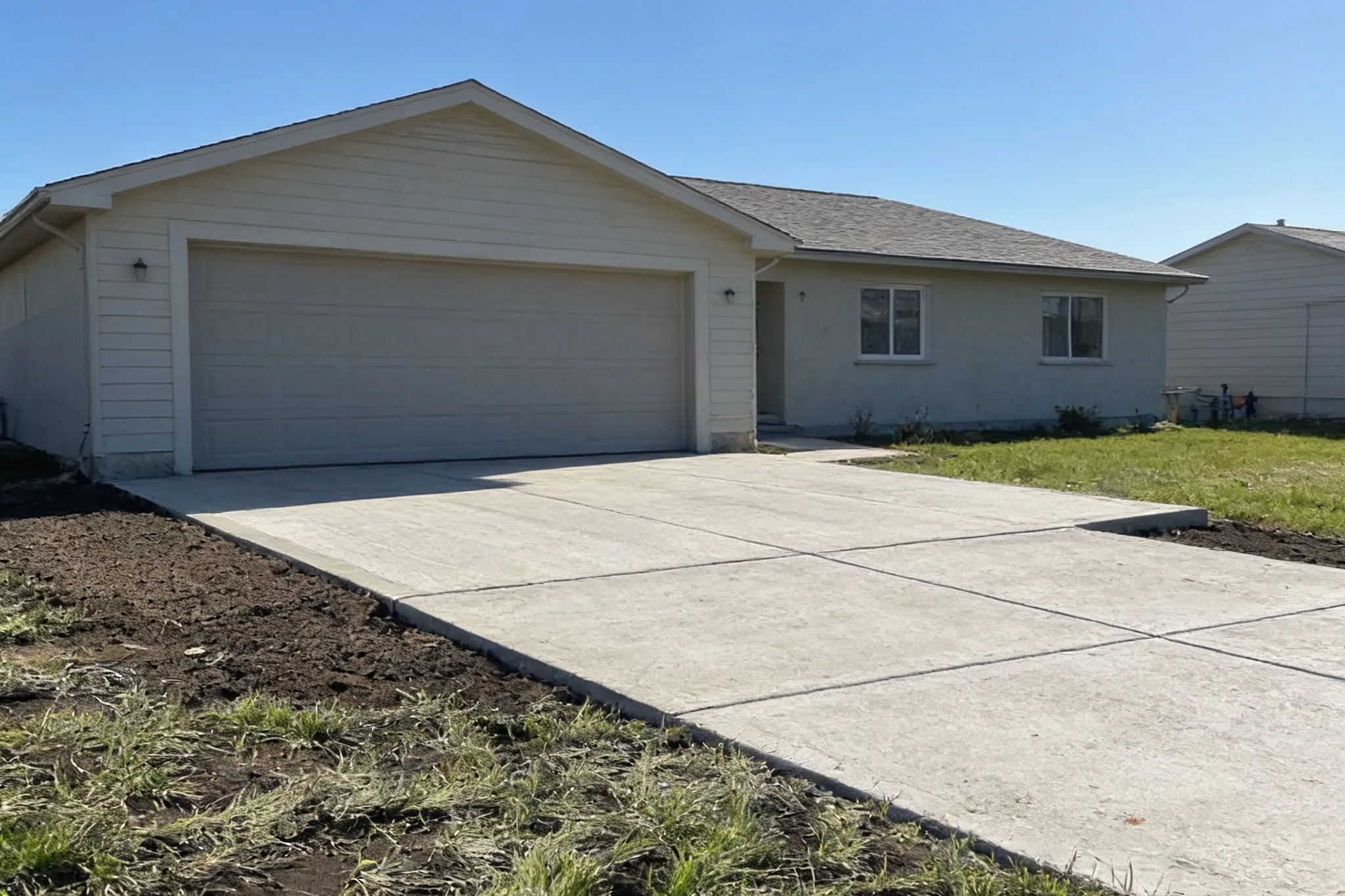
Resurfaced concrete · Southern Ontario
Straight answers
My concrete started to crumble and pit over the winter and it's not even two years old. Can it be fixed?
Usually, yes. Surface pitting and scaling that early points to a finishing or curing problem in the original pour, or a first winter heavy on de-icing salt. If the slab underneath is sound, grinding and a bonded overlay restore the surface for a fraction of replacement. If your original contractor is dodging the warranty call, get a second opinion before anyone talks you into a full tear-out. Ours is free.
A corner of my garage slab cracked and heaved about an inch and a half. Can you level it?
Heaved concrete (up, not down) is usually frost or a root pushing from below, and which one matters. A frost-lifted corner sometimes settles back after thaw; if it doesn't, the options are grinding the high spot, lifting the neighbouring slabs to meet it, or cutting out and re-pouring that section. A site visit sorts out which, and the quote is free.
The crack in my driveway keeps getting wider every year. Should I worry?
Watch any crack that's growing. Hairlines under 1/8 in. that stay put are normal concrete behaviour. Cracks wider than 1/4 in., cracks that widen each season, or cracks where one side sits higher than the other mean the base or the soil is moving, and patching the surface won't stop it. That's when injection plus a look at what's moving underneath earns its cost. If the crack is in a basement wall and leaks, see foundation repair and basement waterproofing.
Is it cheaper to repair concrete or replace it?
Repair, almost always, when the base is sound. Injecting a crack or lifting a sunken slab is a small fraction of what tearing out and re-pouring a whole driveway costs, so a repair always deserves the first look. Replacement is the honest call when cracking is everywhere, the base has failed, or the surface is too far gone to bond to. When it's close, we price both paths after a free site visit and let you choose.
What's the difference between mudjacking and polyjacking?
Both lift a sunken slab by pumping material underneath; the difference is what gets pumped. Mudjacking uses a sand-and-cement slurry: the more affordable option, heavier, bigger drill holes, and a day or two before traffic. Polyjacking uses expanding polyurethane foam: smaller holes, a more precise lift, same-day traffic, and a higher cost. We quote the one that fits the slab, the access and the budget.
Do you seal driveways, and is it worth it?
Yes, and in most cases it's worth it. Sealing is inexpensive next to the pitting and scaling it slows, the salt-and-freeze damage that wears Ontario concrete. Exposed aggregate and stamped finishes need it most. New concrete should cure about a month first. It's a small job, and small jobs get booked into our regular routes like everything else.
Related work
- Concrete Leveling and Mudjacking Cost FactorsWhat slab size, void depth, access, material, and the cause of settlement change in a lifting quote.
- Basement WaterproofingIf the crack you keep patching leaks every thaw, the fix is water management, not more filler.
- Foundation RepairCracks that keep growing or step sideways through a basement wall point to structural movement.
Tell us about the job.
Send the details and we'll get back to you within one business day with next steps. If water is coming in right now, check the box and we flag it urgent.
Get a straight quote
Free · no pressure · 1 business day