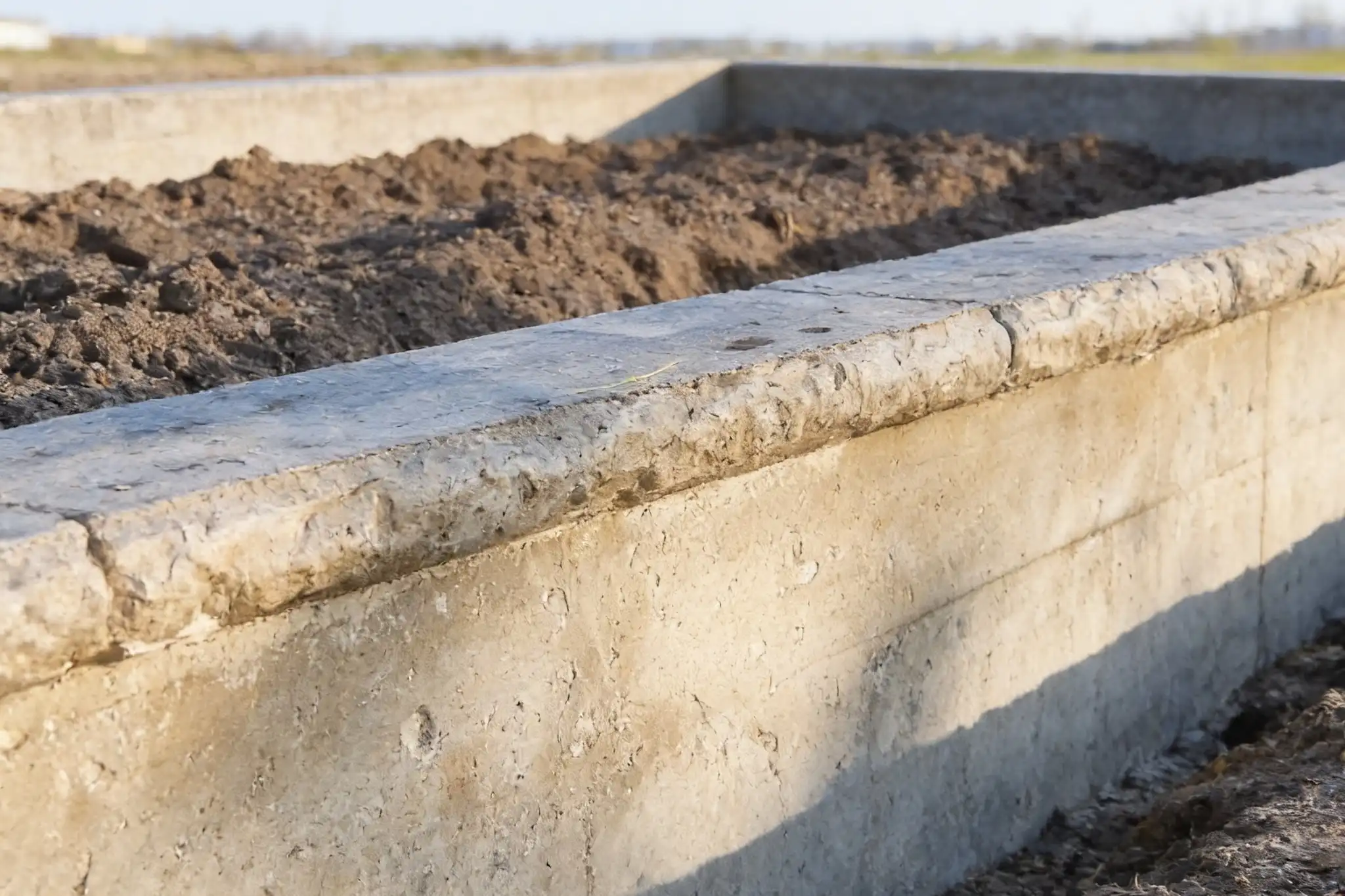
Parging in Southern Ontario
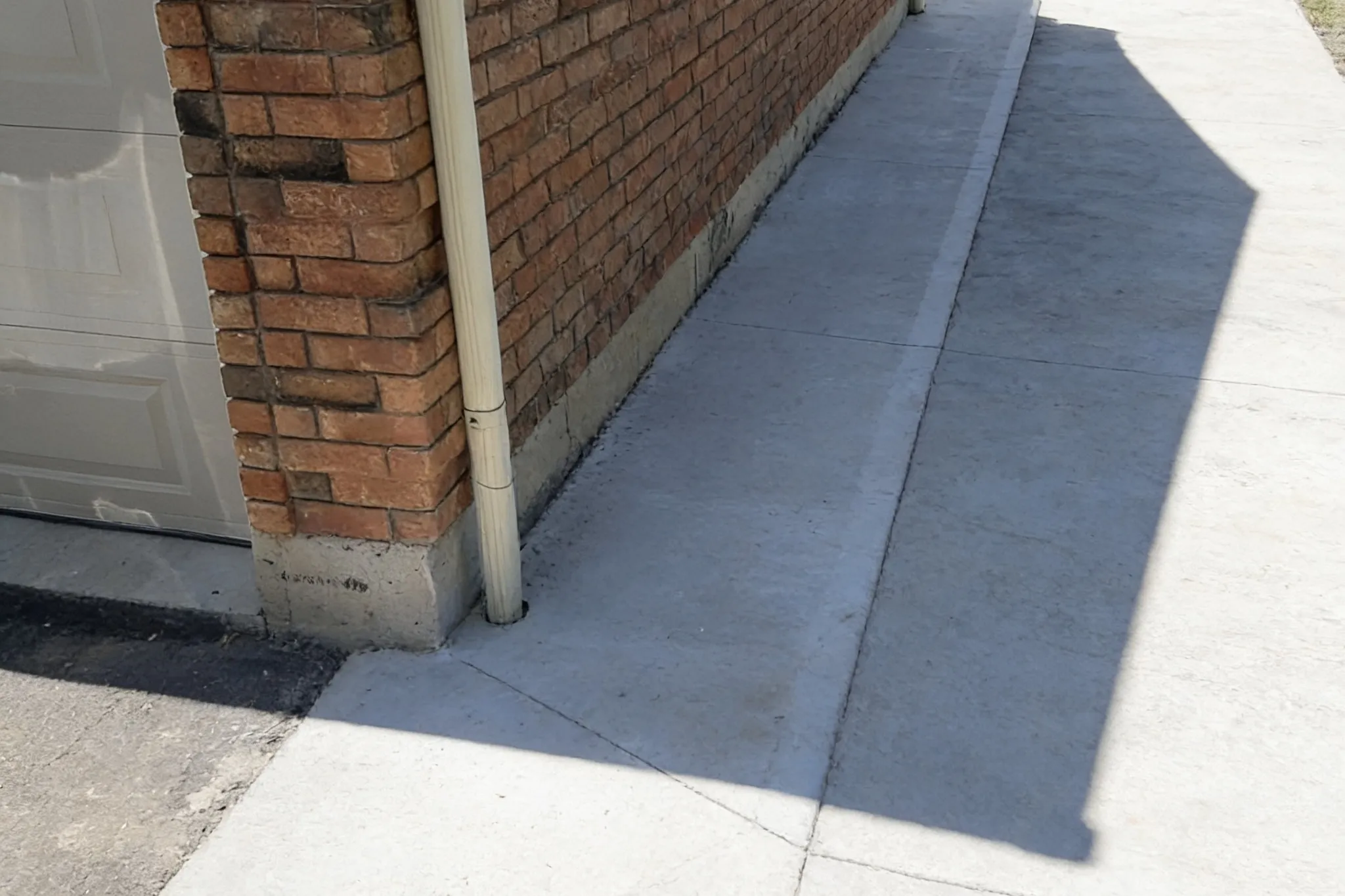
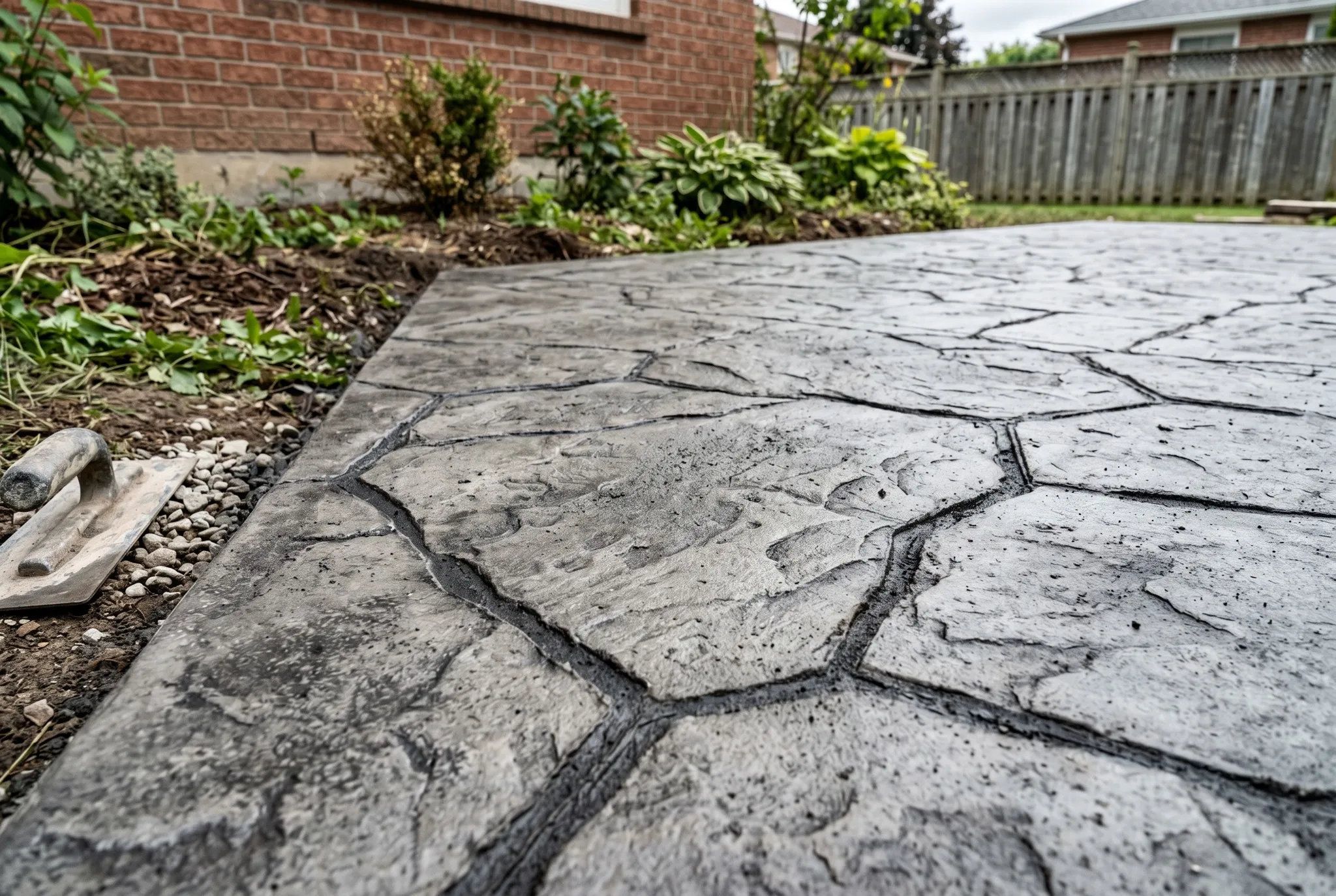
Parging is the cement coat that protects the exposed top of a poured, block, fieldstone or rubble foundation. My Concrete Pros removes loose material, repairs unsound joints where needed, prepares the surface and uses bonding agent and mesh where the wall calls for it. Quotes are free and written, and the labour carries a lifetime warranty.
Get a straight quote
Free · no pressure · 1 business day
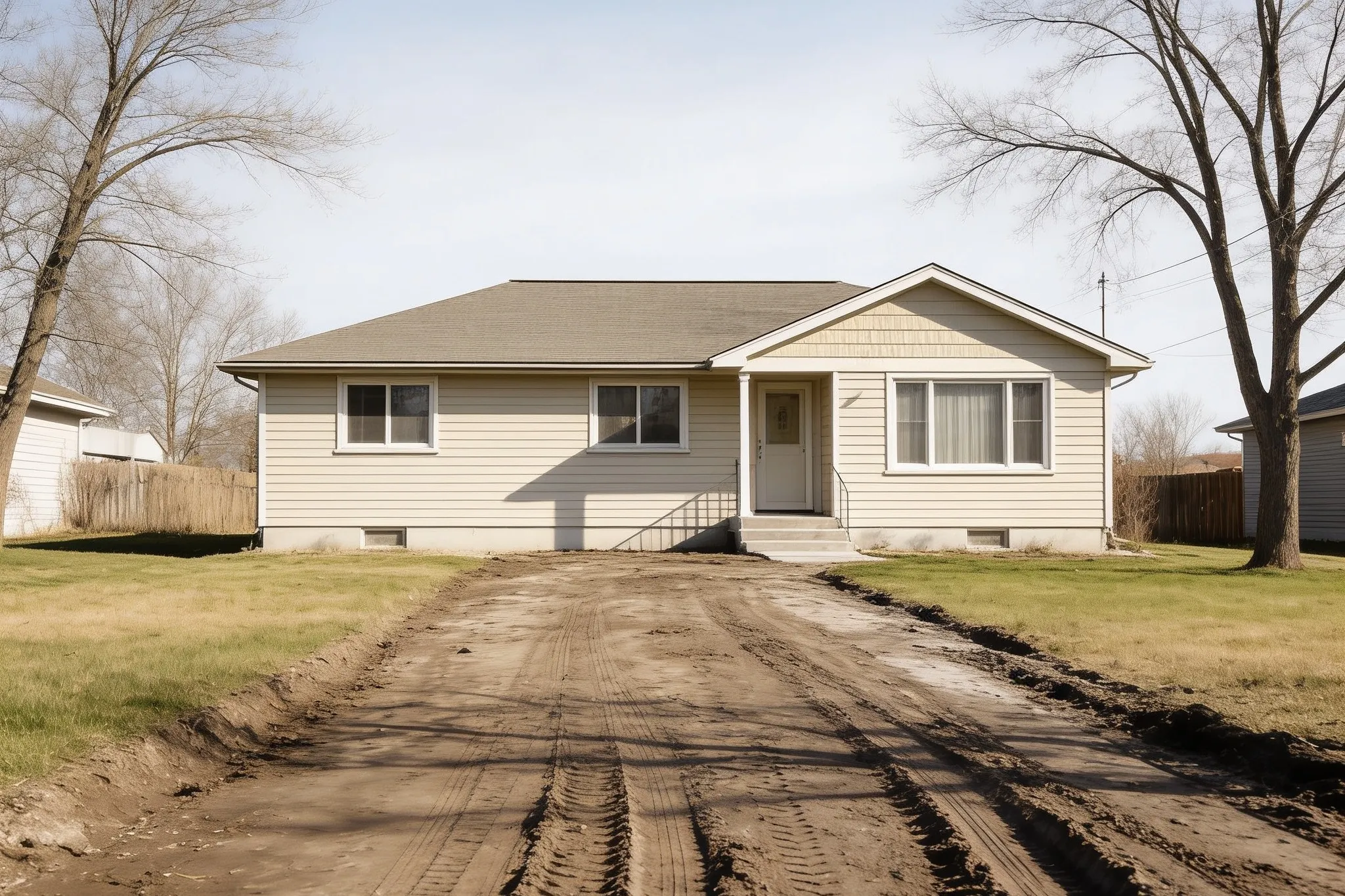
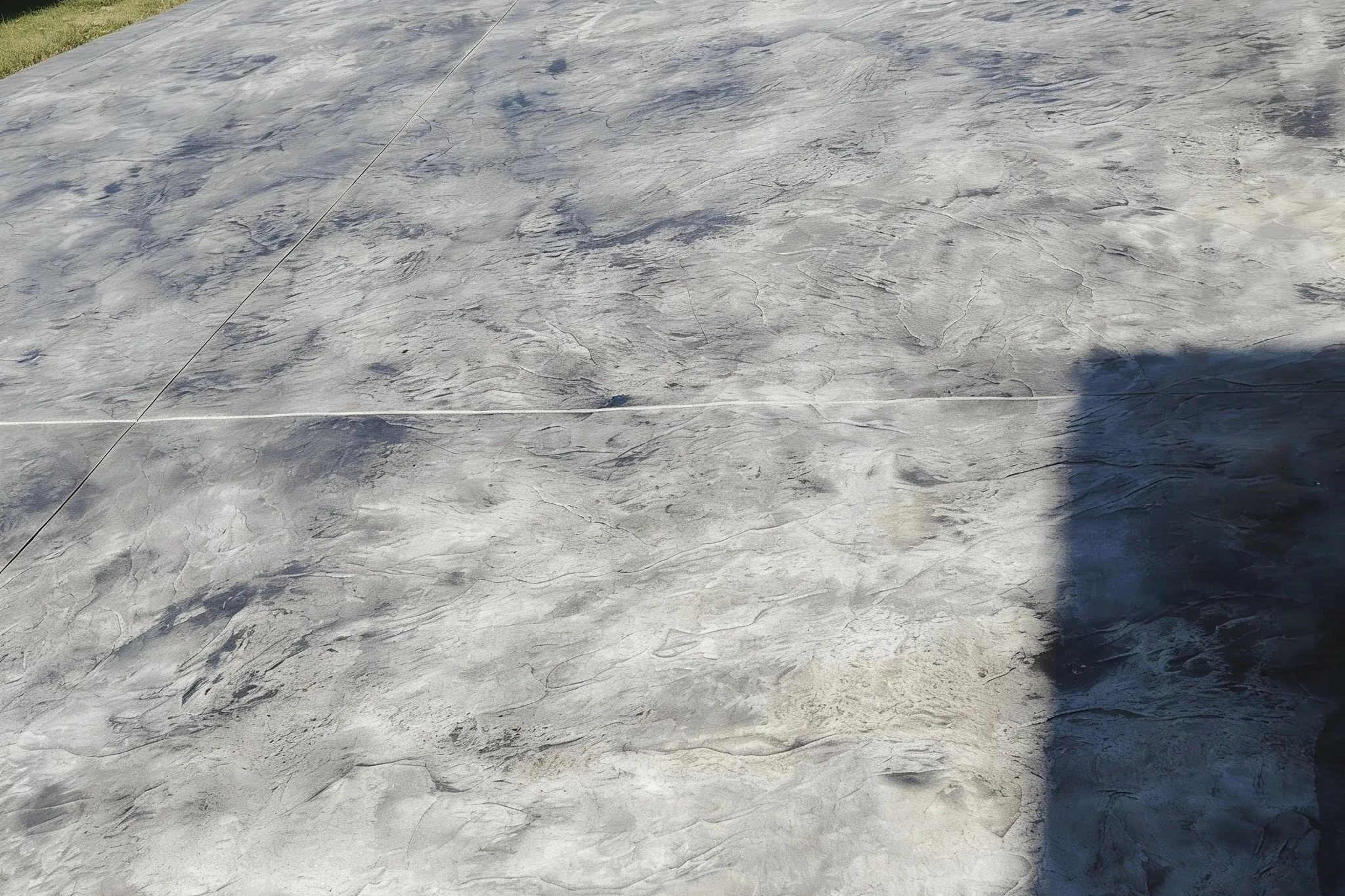
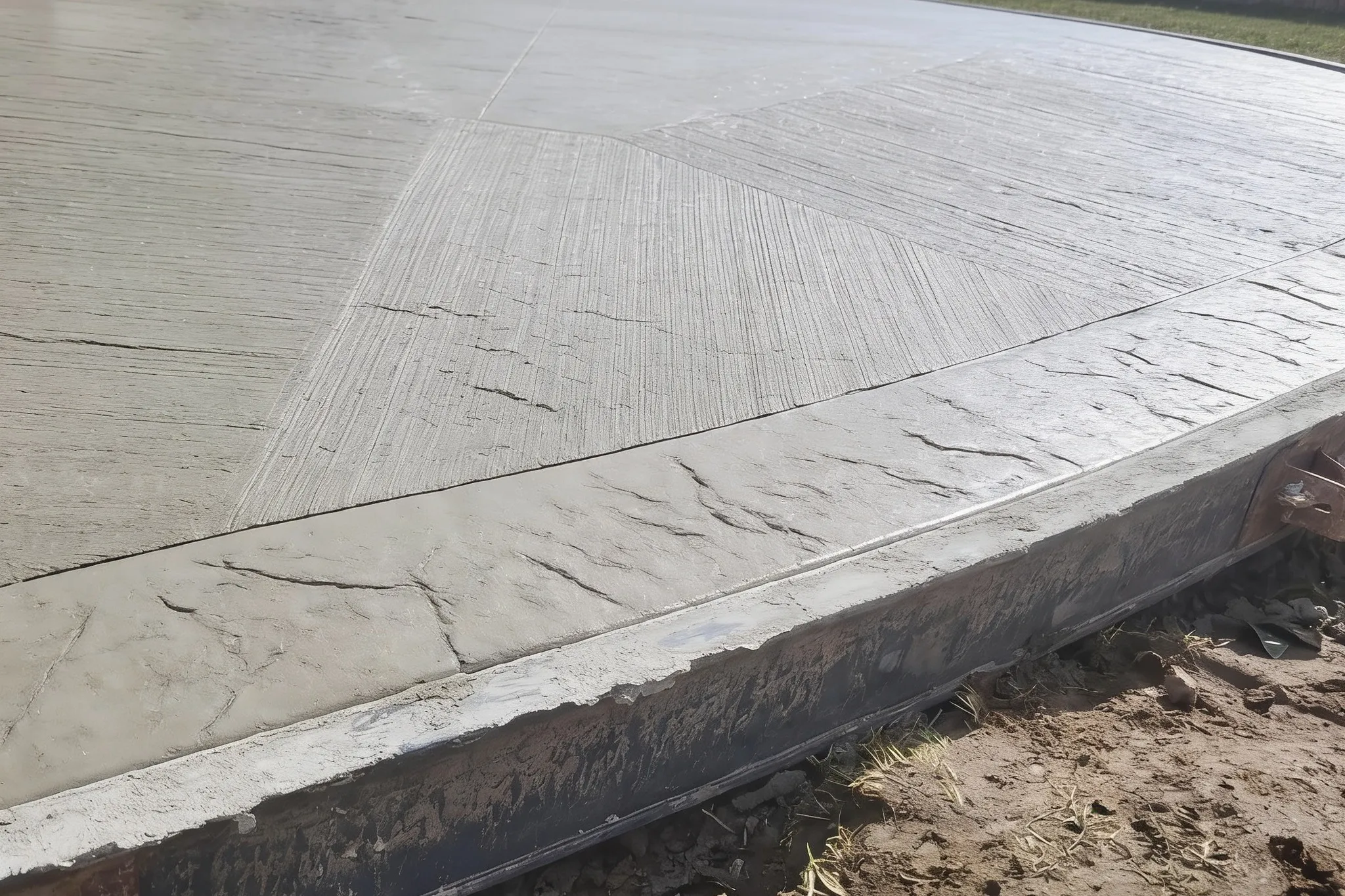
Reviewed June 2026
Every job is priced individually, not off a price list. Tell us about yours and you get an accurate, no-pressure quote in writing.
Most people learn the word parging the day theirs starts falling off. That grey band of mortar around the bottom of the house is a sacrificial skin: it takes the weather, the driveway salt spray and the string-trimmer hits so the structural wall behind it doesn't have to. Block foundations need it most, because bare block weathers fast; poured walls get parged for protection and a clean face.
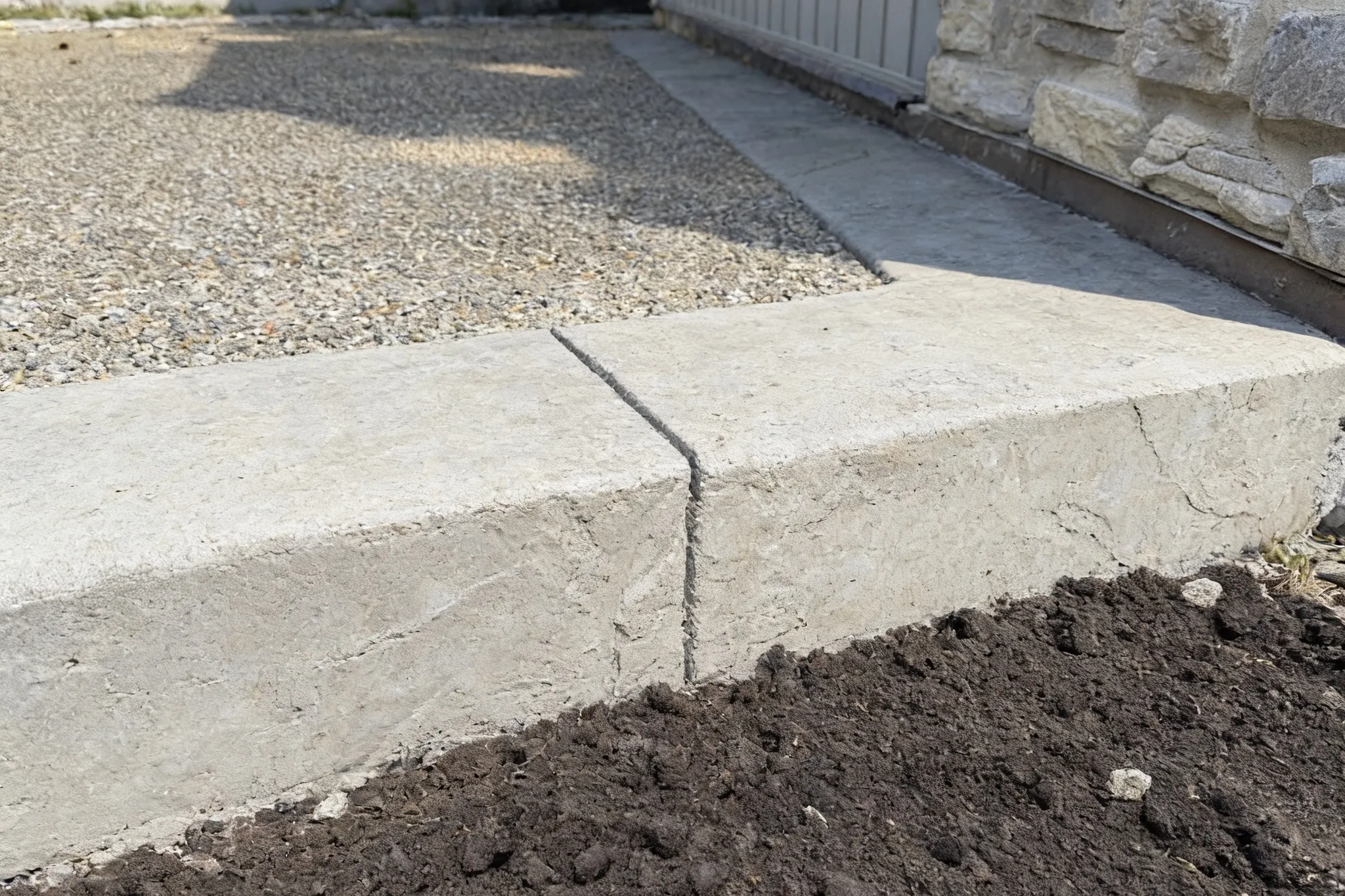
It fails for predictable reasons. Mortar slapped on a dusty, dry wall with no bonding agent peels like paint off greasy wood. A coat troweled too thin feathers and flakes. A late-November job that freezes overnight never cures, it just hangs on until spring. And the big one in Ontario: water gets behind the coat, freezes, and pops whole sheets off the wall. That's freeze-thaw delamination, and it's why so much parging fails in its first or second winter.
Re-parging is a small job, and we treat it like a real one anyway. The crew strips everything loose, preps the wall properly, bonds the new coat so it stays, and books the work into regular routes across our service area. Same written quote, same lifetime warranty on labour as a full driveway pour.
- Free quote with the prep work spelled out, not a one-line 'parge wall'
- All loose and hollow-sounding material stripped before anything new goes on
- Bonding agent on every re-parge; mesh where the wall calls for it
- Clean edges at the siding line, at brick and at grade, and a tidy site after
- Lifetime warranty on labour, in writing
The numbers we build to
| Coat thickness | 1/4–3/8 in., built in two passes on rough walls | Too thin is why budget jobs flake |
|---|---|---|
| Mix | Type S mortar or purpose-made parging mix | |
| Bonding | Acrylic bonding agent or slurry coat on every re-parge | Skipping this step is the most common reason parging lets go |
| Reinforcement | Fibreglass mesh over patches, filled voids and material transitions | |
| Season | Above 5°C with a frost-free cure, roughly mid-April to October here | Late-season jobs that freeze before curing fail by spring |
Why parging fails in Ontario
Parging lives in the splash zone. Snow piles against it, salt spray off the driveway soaks it, and every thaw sends meltwater down the wall behind it. When water gets between the coat and the wall and then freezes, it pushes the parge off in sheets. Southern Ontario runs dozens of freeze-thaw cycles a winter, so any weakness in the bond shows up fast.
The other failures are workmanship. No bonding agent on a dusty wall. A single thin coat where the wall needed two. Mortar mixed wrong, or applied in weather it can't survive. None of it shows on day one; all of it shows by the second spring.
And then there's paint. A crumbling parge coat gets painted to freshen it up, the paint seals moisture in instead of out, and the next freeze works underneath where you can't see it. If your parging has already been painted over once or twice, plan on stripping back to sound material before anything new goes on.
How a parge job is done right
Prep decides everything. The crew sounds the wall and strips every hollow or loose patch back to solid material, then cleans off dust, old paint and anything else mortar can't grip. The wall gets dampened and a bonding agent goes on, because fresh mortar will not hold a dry, dirty surface on its own. Where the coat crosses patches, filled voids or a change in material, fibreglass mesh ties it together.
Then the coat itself: 1/4 to 3/8 of an inch, applied in two passes where the wall is rough, finished to the texture you want, and edged clean at the siding line and at grade. The new parge gets kept damp while it cures so it hardens instead of drying out. Mortar that dries too fast is weak mortar, and that's half of why rushed drive-by jobs fail.
Parging, stucco or skim coat? A note on the word
Parging is the Canadian trade term. Search the same job in the United States and you'll find it called stucco, a skim coat or a masonry coating, which is why so little useful information comes up when you look up parging: most of the internet doesn't use our word for it. If an American how-to video says stucco repair on a foundation wall, it's describing parging.
Worth being clear about what parging is not: it's a weather skin, not waterproofing. A parge coat sheds rain and protects the wall above grade. It will not stop water that's coming through the foundation below grade, and it shouldn't be sold as a fix for a wet basement. If you've got water inside, start at basement waterproofing and parge after.
What affects the cost of a parging job
There's no flat rate worth quoting, because parging cost is mostly about prep, not coverage. A sound wall that just needs a fresh coat is the low end. A wall shedding old parge in sheets, or wearing three coats of paint that all has to come off first, is more work to get back to solid material. The height of the exposed band, whether the wall needs mesh, and how tight the access is all move it too, and a full-perimeter restoration on a larger home is a bigger job than a patch on one wall.
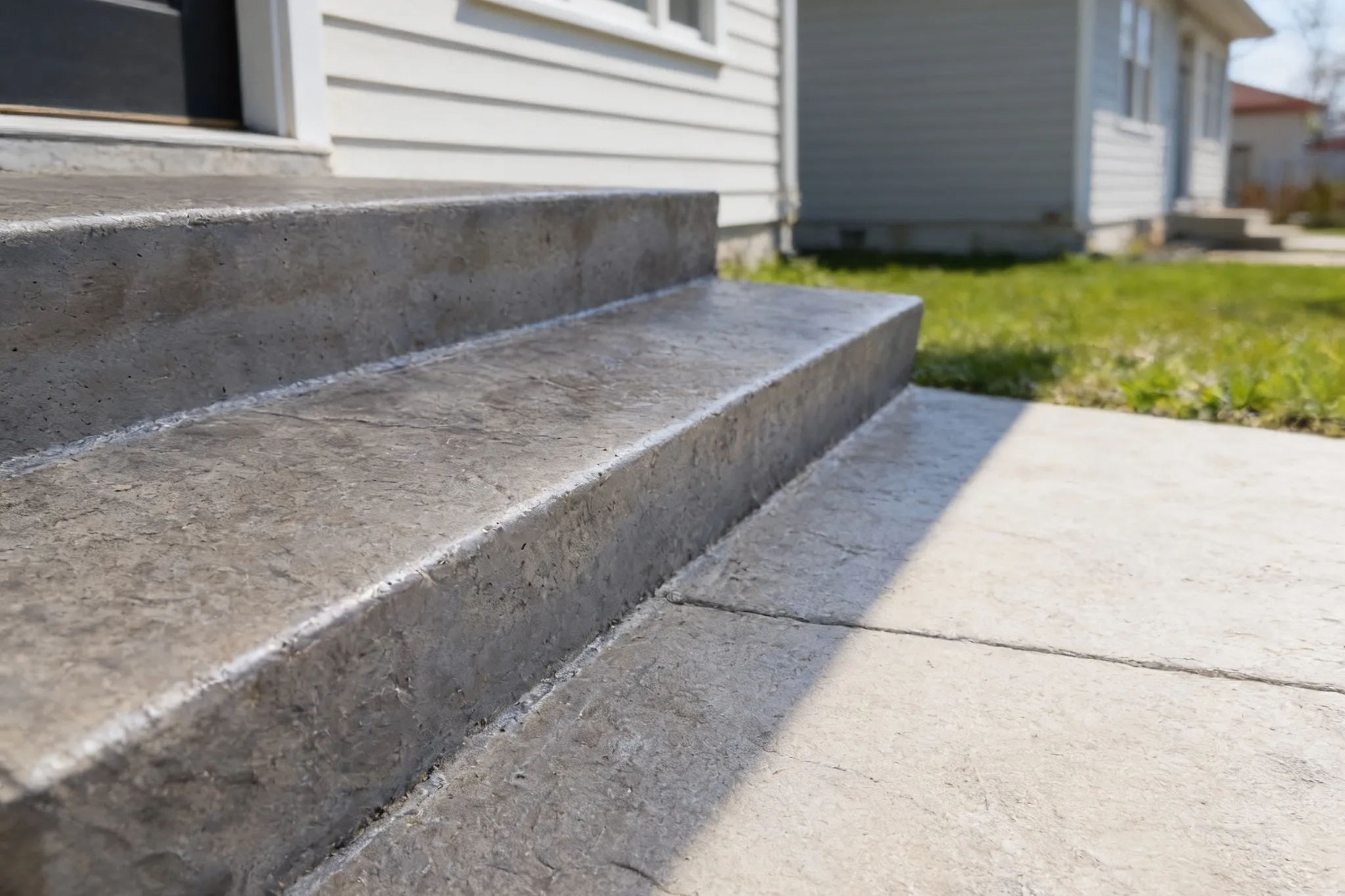
Most parging jobs are small, and we take them anyway. A patch-and-blend on one wall or the strip behind the front steps gets the same written quote and the same lifetime warranty on labour as a whole foundation. Don't burn a day off waiting on a contractor who shows up, looks at it and says it's too small to bother with. Tell us the size in the form and you get an accurate, upfront quote in writing.
Straight answers
Can you parge a fieldstone or rubble foundation?
Often, yes. An irregular stone wall needs sound mortar joints first, then usually mesh or a heavier scratch coat to bridge the uneven face before the finish coat. If the joints are deeply failed or the wall is moving, parging would only hide the problem, so we identify the masonry or structural repair before quoting the coat.
What is parging on a house?
It's the layer of cement mortar coating the visible part of your foundation, between the ground and where the siding or brick starts. It protects the concrete or block underneath from freeze-thaw and road salt, and it gives the wall a clean, uniform face. A proper parge coat is about 1/4 to 3/8 of an inch thick.
My parging started to crumble and fall off the first winter after it was done. Why?
Almost always one of three things: no bonding agent (the coat never gripped the wall), application too late in the season (it froze before it cured), or water getting behind the coat and popping it off through freeze-thaw. Failure that early is workmanship. Done with proper prep in the right weather, parging should last decades, not one winter.
Can I just paint over crumbling parging?
No. Paint seals moisture inside the wall, the next freeze works under the coat, and the crumbling speeds up where you can't see it. Painted-over parging also costs more to fix later, because all of it has to come off before new mortar will bond. Strip the loose material and re-parge. Paint is for sound walls only.
There's decaying mortar between the cinder blocks of my foundation. Is that a parging job?
It starts one step earlier. Soft, crumbling joints between blocks need repointing (grinding out and re-mortaring the joints) so the wall itself is sound, and then a parge coat goes over top to protect the new work. Parging straight over rotten joints hides the problem for a season or two and fails. We'll tell you at the quote which one your wall needs, or whether it's both.
Is parging the same as stucco?
Same family, different job. Stucco usually means a finished wall system covering the whole house; parging is a protective mortar coat on the exposed foundation band. In the US the foundation version gets called stucco or a skim coat too, which is why cross-border search results get confusing. If it's the grey strip at the bottom of your wall, in Canada you want a parging contractor.
How much does parging cost in Ontario?
There's no honest flat rate, because the cost is mostly prep rather than coverage. A refresh coat over sound parging is the low end; stripping failed or painted parge back to solid material first pushes it up, and a full-perimeter restoration on a bigger home is a larger job than a single wall. Height of the band, mesh, and access matter too. Every job gets a free written quote, small ones included, so you get a real number for your wall instead of a guess.
Where we handle parging
See local ground conditions, housing details, and service coverage for these communities.
- Parging in DunnvilleHaldimand County
- Parging in Haldimand CountyHaldimand County
- Parging in SimcoeNorfolk County
- Parging in St. GeorgeBrant County
Related work
- Parging Cost FactorsHow removal, wall condition, crack repair, access, and finish preparation shape a parging quote.
- Parging Repair in OntarioWhy parging fails, what proper preparation includes, and when the wall needs repair first.
- Foundation RepairCracks that keep reopening through the parge coat are a wall problem, not a parging problem. Fix the crack first, then parge.
- Basement WaterproofingParging sheds weather above grade. If water is getting in below grade, start here and parge after.
Tell us about the job.
Send the details and we'll get back to you within one business day with next steps. If water is coming in right now, check the box and we flag it urgent.
Get a straight quote
Free · no pressure · 1 business day