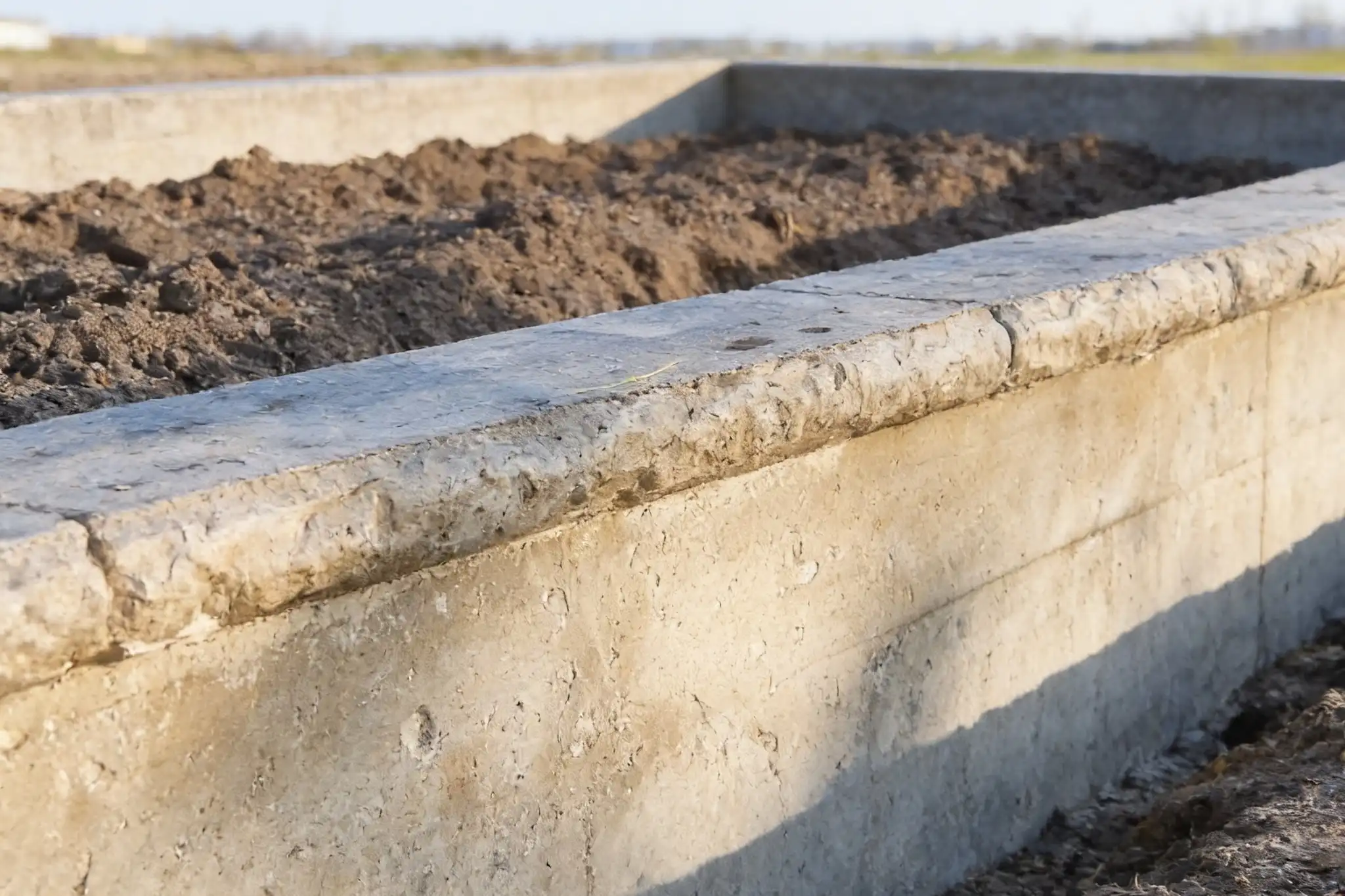
Parging in Toronto
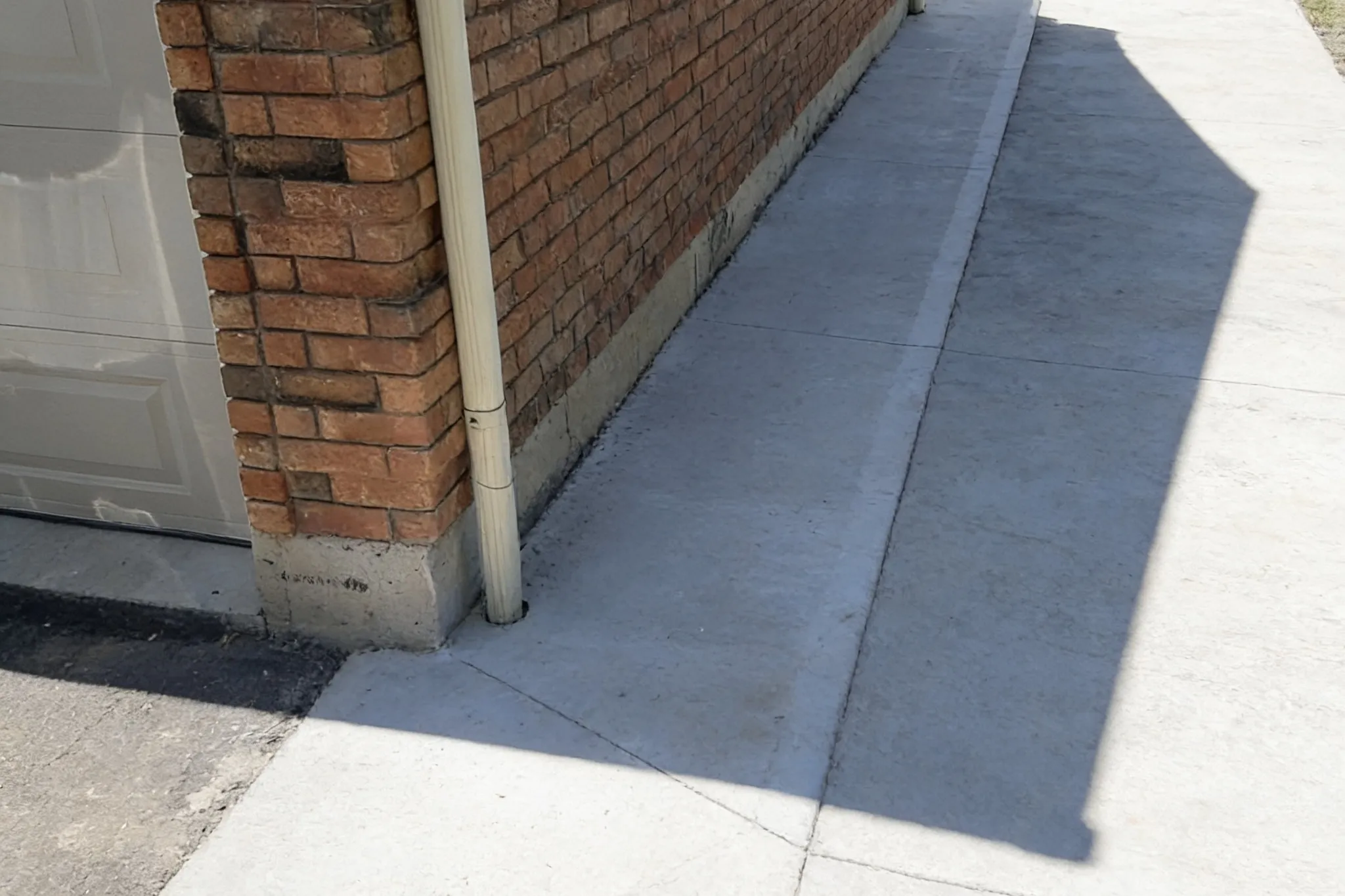
We re-parge the exposed foundation band on Toronto's old housing: the grey strip of mortar above grade that has cracked, hollowed and flaked off the rubble-stone, early-block and old-poured walls of century brick homes after decades of freeze-thaw and road salt. We strip back to solid material, bond a fresh coat that sheds water and suits a heritage brick streetscape, and book the work onto planned Toronto trips. Union-certified crews, a free written quote, and a lifetime warranty on labour. Tell us the wall and the number comes back in writing.
Get a straight quote
Free · no pressure · 1 business day
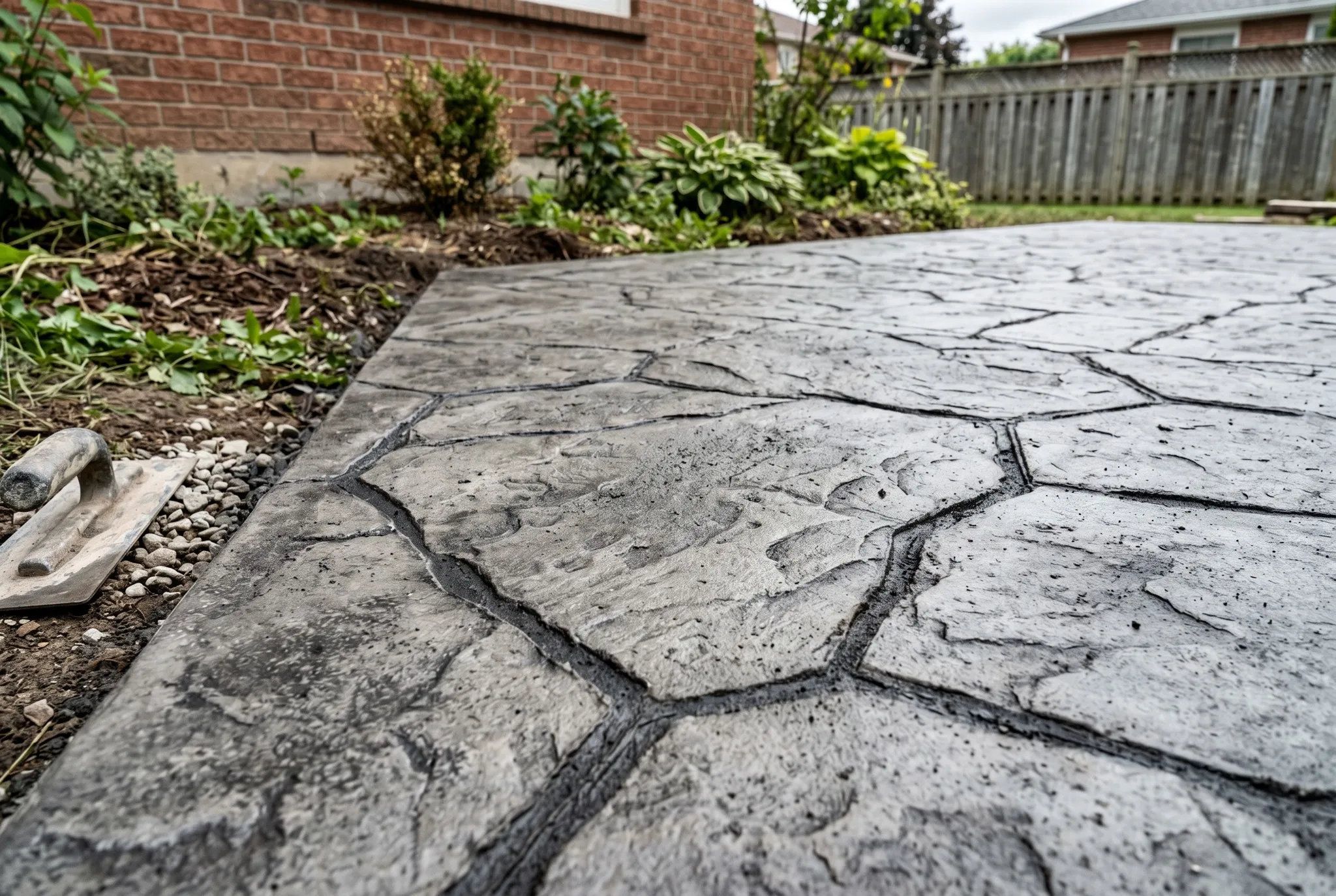
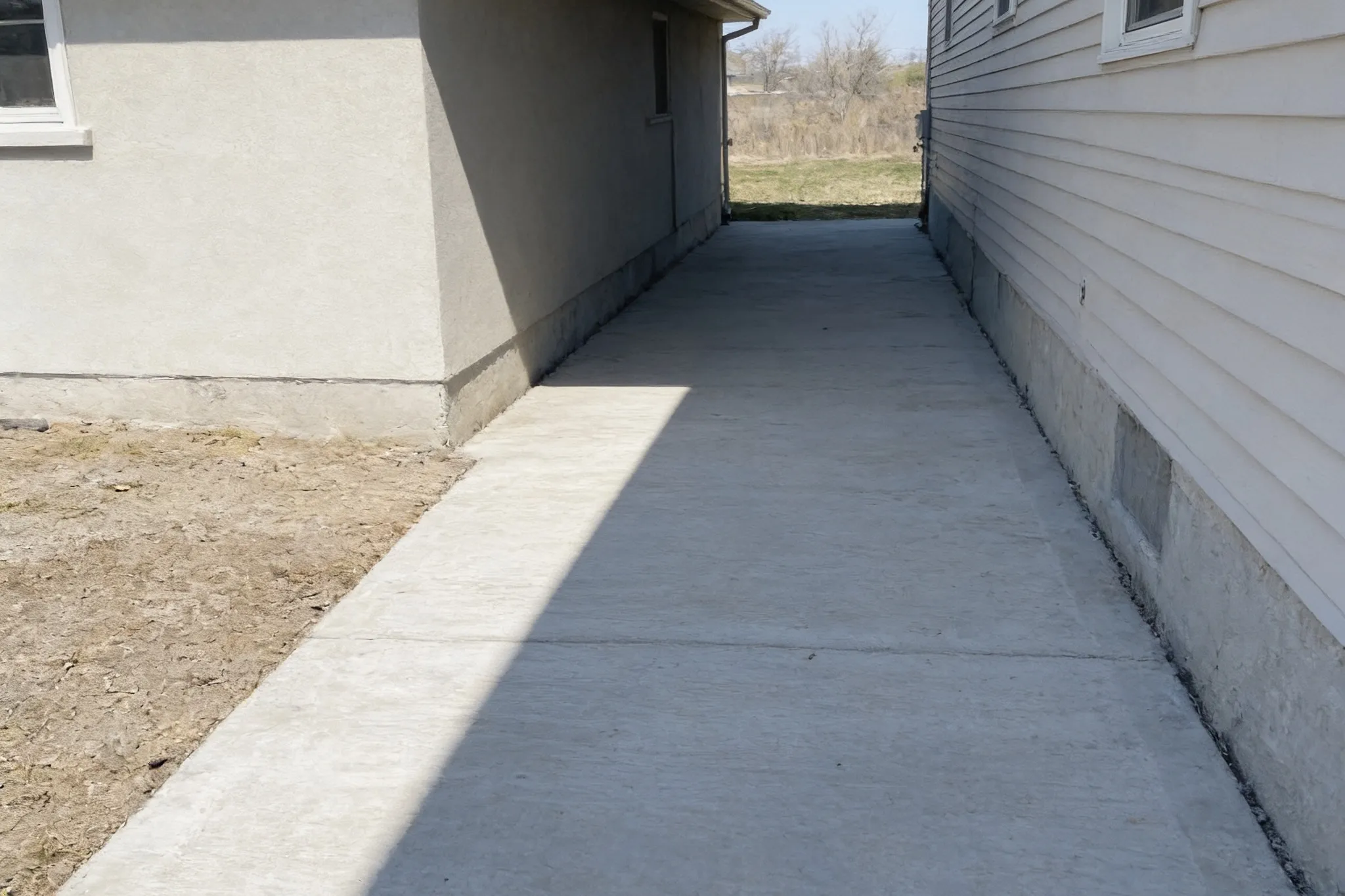
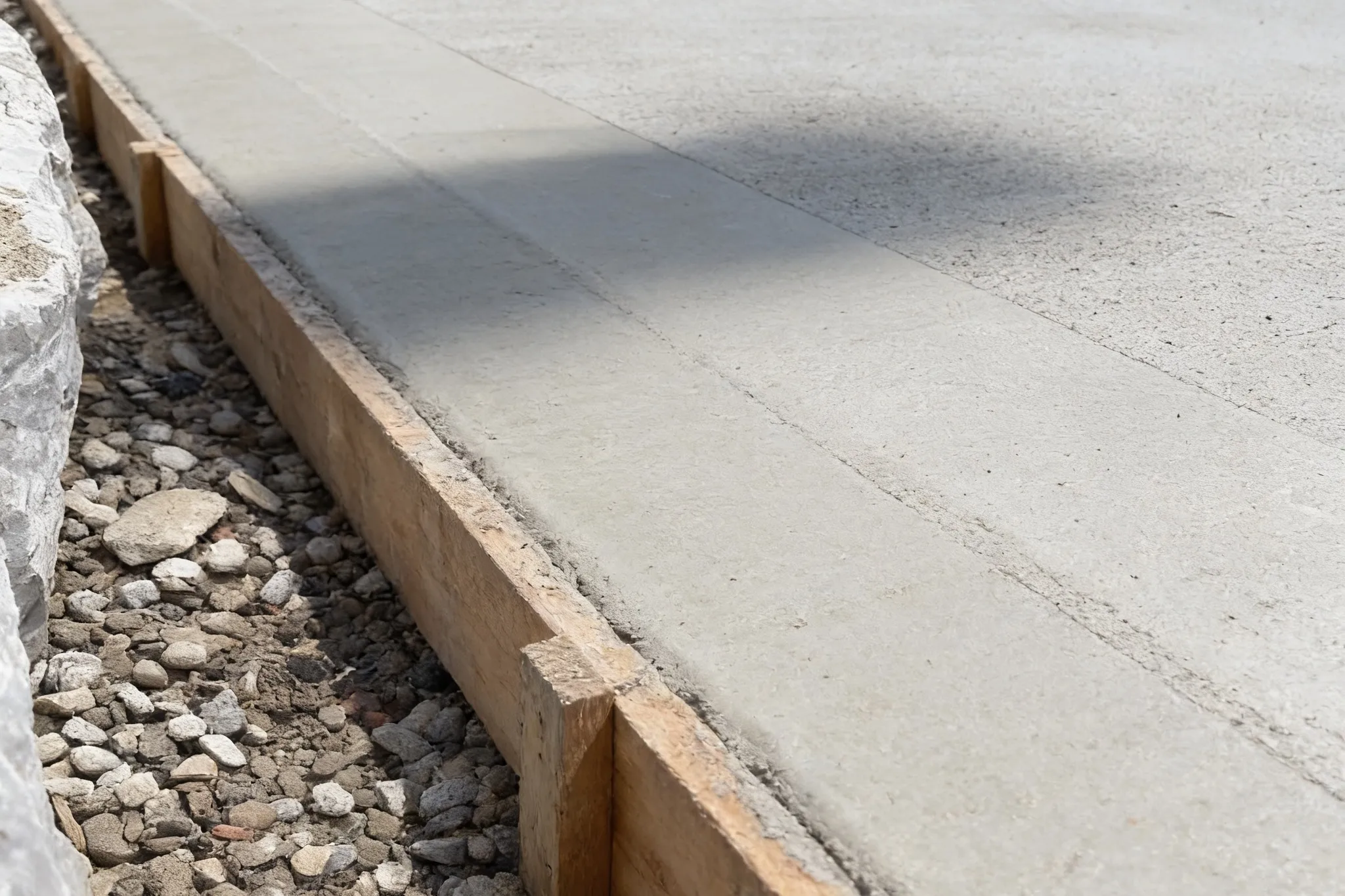
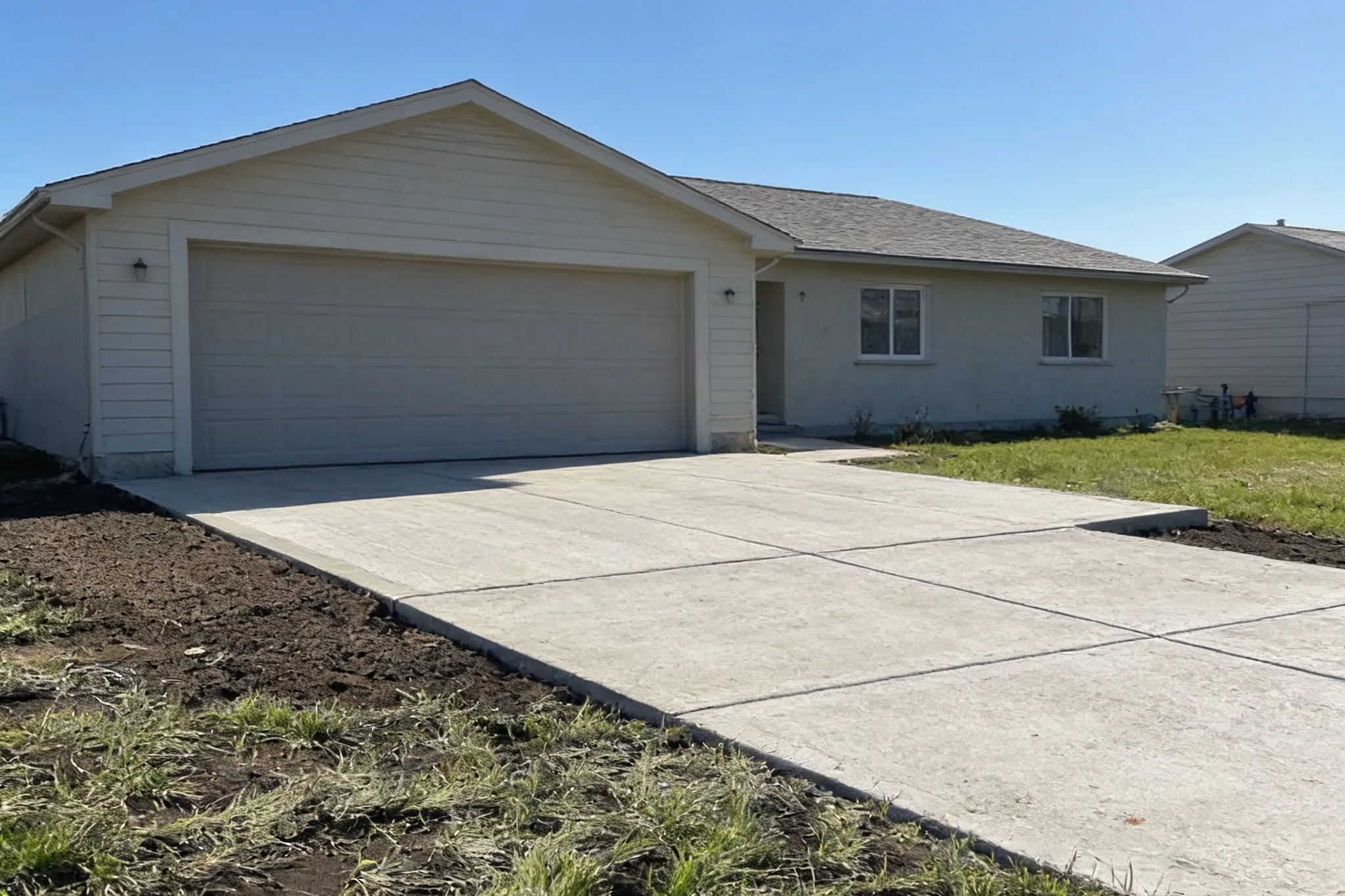
Reviewed June 2026
Every job is priced individually, not off a price list. Tell us about yours and you get an accurate, no-pressure quote in writing.
Toronto has more old foundations than anywhere else we work, and that is what makes parging a steady call here rather than a rare one. The brick homes of the Annex, Riverdale, Leslieville and the Beaches went up before the First World War on rubble-stone, early concrete block and hand-poured walls, and the cement skin that was troweled over the exposed top of those walls has had a hundred winters to let go. The red-brick bungalow belts of East York, Scarborough and North York are younger, but their parging is still decades old and weathering off the same way.
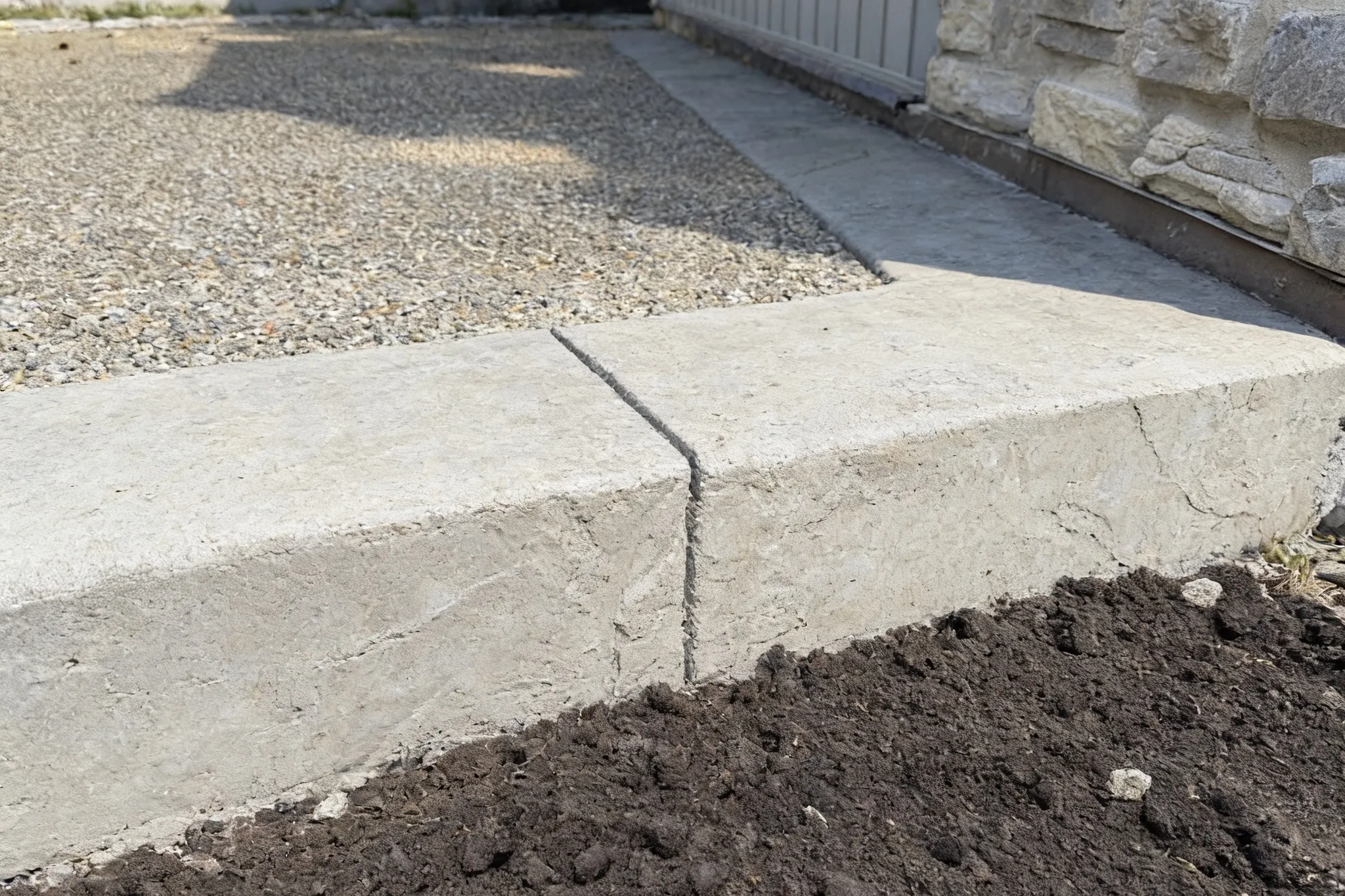
Parging is a sacrificial skin. That band of mortar between the grade and the brick takes the snow piled against it, the salt spray off the road and the meltwater running down the wall, so the structural masonry behind it does not have to. On Toronto's older walls it has done its job and worn out: it cracks, sounds hollow when you tap it, and comes away in sheets, leaving bare stone or block facing the weather. Left open, the wall itself starts to take the freeze-thaw damage the coat used to absorb.
Re-parging is a small job, and we treat it like a real one anyway. The full method, the bonding agent on every recoat, the two-pass coat on a rough wall, the mesh where the wall calls for it, lives on our parging page; this one is about why parging fails on old Toronto homes in particular and how we put it back so it sheds water and suits the street. The quote is free and written, and the number we give you is the number you pay.
Why parging fails on old Toronto homes
Start with what the coat is sitting on. A rubble-stone or early-block foundation from the early 1900s has an irregular, often soft face, and the original parge was frequently slapped on without a bonding agent because nobody expected it to last a century. Add the Toronto winter, dozens of freeze-thaw swings and heavy curb salt, and water works into every hairline gap, freezes, and pops the coat off in plates. By the time a homeowner notices, there is usually bare wall showing along the bottom of the brick and loose grey mortar in the garden bed.
Paint makes it worse, and a lot of these walls have been painted. A crumbling parge coat on a heritage home gets a coat of masonry paint to tidy the streetscape, which seals moisture into the wall instead of letting it breathe out. The next freeze works behind the paint where you cannot see it, and the coat keeps failing under a skin that looks fine from the sidewalk. If the parging on your house has been painted once or twice, plan on stripping it back to sound material before any new coat goes on.
The fix is not more mortar over the old mess. It is reading the wall first. We sound the whole band, strip every hollow and loose patch back to solid stone or block, and figure out whether the failure is just a worn-out coat or a sign the wall behind it is moving. On a century foundation those are two different jobs, and we tell you which one yours is at the quote rather than burying a wall problem under fresh grey.
How we prep and recoat a heritage wall
Prep decides everything, and it matters more on an old irregular wall than a flat new one. The crew sounds the exposed band and strips back every hollow, cracked or loose section to material that holds, then cleans off dust, old paint and anything the new mortar cannot grip. The wall gets dampened and a bonding agent goes on, because fresh mortar will not hold a dry, dirty hundred-year-old face on its own. Where the coat crosses patches, filled voids or a change from stone to block, fibreglass mesh ties it together so it does not crack along the seam.
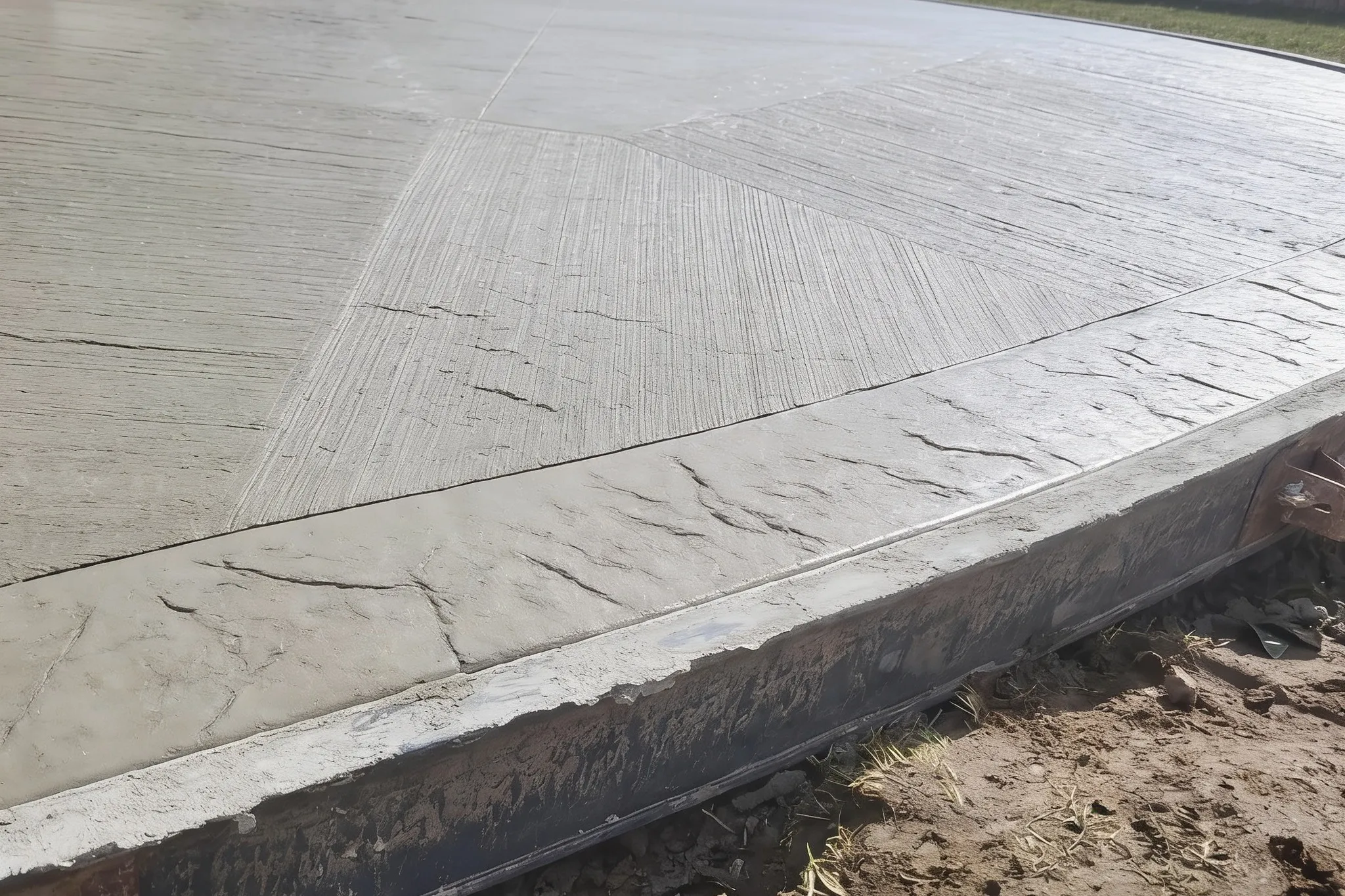
Then the coat: a quarter to three-eighths of an inch, built in two passes on a rough wall, worked to a texture that sits right against the brick above it rather than standing out as a fresh grey patch. We keep the edges clean at the brick line and at grade, and on a heritage streetscape that finish matters, the parge is the part of the foundation the street actually sees. The new coat is kept damp while it cures so it hardens instead of drying out and going weak, which is half of why a rushed drive-by job fails by spring.
Parging or a bigger foundation problem?
Parging is a weather skin, not waterproofing. It sheds rain and protects the wall above grade, and on a sound foundation that is the whole job. But on Toronto's old walls the failing parge is sometimes a symptom, not the disease. If moisture is pushing out from behind the coat, if the same crack keeps reopening through every recoat, or if the basement inside is damp, the water is coming through the foundation below grade and a fresh parge coat over top will not stop it.
On the clay this city sits on, that is common enough that we look for it. Lake Iroquois clay holds water against an old wall, the high water table near the lake and the ravines keeps the ground damp, and a foundation that was never sealed to a modern standard lets it through. When that is what is happening, parging goes on as the finishing step of a larger repair that handles the crack and the drainage first. We sort out which one your wall needs at the visit, so you are not paying to coat over a problem that comes straight back.
Straight answers
The parging on my century Toronto home is cracking and falling off. Is that normal for an old house?
Yes, on a foundation that age it is expected. The original coat on a rubble-stone or early-block wall is often decades or a hundred years old, frequently went on without a bonding agent, and has taken every freeze-thaw cycle and salt-laden winter since. It cracks, sounds hollow and sheds in plates. That is the coat wearing out, not the house failing, and re-parging puts a fresh weather skin back on. We do strip and check the wall behind it first, because on an old foundation a failing coat can also be a clue the wall itself needs attention.
How do I know if my Toronto wall just needs re-parging or a foundation repair underneath?
We sound and read the wall at the quote, but the tells are these. A coat that is simply worn, cracked and hollow over solid material is a parging job. Moisture pushing out from behind the coat, a crack that keeps reopening through every recoat, or a damp basement inside means water is getting through the foundation below grade, and parging will not stop that. On Toronto clay near the lake and the ravines that happens more than people expect. When it does, the parge goes on as the last step after the crack and drainage are handled, not as a cover-up.
Can you just paint over the crumbling parging to tidy it up before we sell?
No, and on a heritage wall it backfires. Paint seals moisture into an old foundation instead of letting it breathe out, the next freeze works behind it, and the coat keeps failing under a skin that looks fine from the street. Painted-over parging also costs more to fix later, because all of it has to come off before new mortar will bond. For a sound wall the honest tidy-up is stripping the loose material and re-parging, which is what a buyer's inspector wants to see anyway.
Is parging the same as the stucco repair I see in online how-to videos?
Same job, different word. Parging is the Canadian trade term for the mortar coat on the exposed foundation band; in the United States the same foundation work gets called stucco, a skim coat or a masonry coating, which is why so much online how-to information seems to miss the mark. If a video shows stucco repair on the bottom strip of a house wall, it is describing parging. On a Toronto century home, the grey band under your brick is parging, and a parging contractor is who you want.
How much does parging cost on an old Toronto house?
There is no honest flat rate, because the cost is mostly prep rather than coverage. A sound wall that needs a fresh coat is the low end. A century wall shedding old parge in sheets, or wearing layers of masonry paint that all have to come off first, is more work to get back to solid material. The height of the exposed band, whether the wall needs mesh over stone-to-block transitions, and how tight the access is on a downtown lot all move it too. Toronto jobs go onto planned trips with real dates, the quote is free and in writing, and the number we give you is the number you pay.
Keep reading
- Parging across Southern OntarioThe full method: prep, bonding agent, coat thickness, mesh and the cure window.
- Concrete Contractors in TorontoEverything else we repair and pour across the city, from the old cores to the bungalow belts.
- Foundation RepairWhen the parge keeps failing because the wall behind it is moving, fix the wall first, then parge.
Tell us about the job.
Send the details and we'll get back to you within one business day with next steps. If water is coming in right now, check the box and we flag it urgent.
Get a straight quote
Free · no pressure · 1 business day