HomeServicesBasement Waterproofing
Basement Waterproofing in Southern Ontario
Basement waterproofing keeps ground water out of your house, either by collecting it at the footing and pumping it out (interior weeping tile and a sump) or by sealing the wall from outside (excavation and membrane). My Concrete Pros installs both systems across 75+ Southern Ontario communities, with union-certified crews, free quotes and a lifetime warranty on labour. If water is coming in right now, check the box on the quote form and we flag it urgent.
Get a straight quote
Free · no pressure · 1 business day
Reviewed June 2026
Every job is priced individually, not off a price list. Tell us about yours and you get an accurate, no-pressure quote in writing.
A wet basement in Southern Ontario is usually a pressure problem. Clay soil holds melt water and rain against the foundation, the water finds a crack, a tie hole or the joint where the floor meets the wall, and pressure pushes it through. It usually starts small: a damp wall, a musty smell, a white chalky bloom on the block, then one spring there's a puddle at the corner.
Cheap fixes fail because they fight the symptom. Waterproof paint rolled on the inside of a wall holds back pressure for a season, then blisters off. Patching the one crack you can see sends the water to the next one. And in older homes the original clay weeping tiles have often silted up or collapsed, so the water that should drain away at the footing just sits there, looking for a way in. Until the water has somewhere better to go, it keeps coming.
We start at the source. The quote names where the water is getting in, gives you the straight choice between an interior system and exterior excavation (priced both ways when it's close), and the work is done by union-certified crews with a lifetime warranty on labour. We get back to every request within one business day, and active leaks get flagged urgent.
- Free quote that names the water path, not a one-line 'waterproof basement'
- The interior-vs-exterior call made honestly, priced both ways when it's close
- Weeping tile, sump, membrane and backfill itemized in writing
- Active leaks flagged urgent the day you send the form
- Excavations backfilled in compacted lifts and the site left tidy
- Lifetime warranty on labour, in writing
The numbers we build to
| Interior system | Perforated weeping tile below the slab, bedded in clear stone, draining to a sump basin | Manages water that reaches the house; installs in any season, finished basements included |
|---|---|---|
| Exterior system | Excavate to the footing, repair the wall, rubber membrane plus drainage board, new weeping tile | The only method that keeps the wall itself dry, and the reason it costs more |
| Sump setup | Sealed basin, check valve, discharge run well away from the foundation | A battery backup earns its cost here; big storms and power outages tend to arrive together |
| Excavation depth | Down to the footing, typically 6–8 ft on a full basement | |
| Season | Exterior digs run spring to freeze-up; interior systems go in year-round | Demand peaks with the October rains, so summer booking beats the fall rush |
Interior or exterior? The honest comparison
The two methods solve the same complaint in opposite ways. An interior system accepts that water reaches your foundation and manages it: weeping tile goes in around the perimeter under the slab, water drains to a sump and gets pumped out before it ever shows on the floor. Exterior waterproofing stops water before it touches the wall: the crew excavates to the footing, repairs any cracks, seals the wall with a rubber membrane and drainage board, and lays new weeping tile at the base. Interior work is the more affordable of the two, often roughly half the cost of exterior, and it doesn't tear up gardens, decks or driveways to install.
Interior wins when the budget is real, when landscaping or an addition makes digging impractical, and when the wall is structurally sound but leaking. Exterior wins when a block wall is deteriorating from constant saturation, when the yard is being dug up anyway, or when you want the wall dry instead of drained. A company that only sells one method will recommend the one it sells. We install both, so the quote can call it straight, and when it's close we price the two side by side and let you choose.
Weeping tile, sump pumps and where the water actually goes
Weeping tile is the unglamorous half of every waterproofing job. It's the perforated pipe at the footing that gives ground water somewhere to go, and in a lot of Southern Ontario housing it's the original clay tile from the 1960s or earlier: silted up, crushed, or simply done. A membrane on the wall with dead weeping tile below it is half a job. Whichever system you choose, the drainage at the bottom has to work, which is why exterior scopes replace the tile as a matter of course and interior scopes lay new tile beside the footing.
The sump is where it all ends up: a sealed basin in the floor, a pump sized to the flow, a check valve so water can't run back, and a discharge line that releases well away from the house instead of recycling the same water past your foundation. Before any of that, the cheap fixes still matter. Downspouts that dump beside the wall and grading that slopes toward the house feed the exact problem you're paying to fix. Homeowners figure this out fast; one wrote it in capitals: the grade MUST move all water away from the house. Correct, and if yours doesn't, the quote will say so.
October is too late: the seasonal truth
Waterproofing demand in Ontario peaks in October and November. The fall rains arrive, the ground saturates, the first freeze-thaw swings work open every weak point, and every contractor's phone rings at once. The catch: exterior excavation needs unfrozen ground, so the season that creates the panic is also the season that closes the window to dig.
The damp patch you noticed during the spring melt is the same water you'll be mopping in November. Booking in summer means the work happens in dry ground on a regular route instead of triage in the rain. Jobs across our service area get booked into regular routes either way, and if water is coming in right now, check the box and we flag it urgent.
What affects the cost of basement waterproofing
The biggest single factor is method. An interior system is the more affordable route; exterior excavation and membrane is the bigger job, because machines, disposal and backfill have to mobilize whether you dig one wall or all four. On exterior work, depth to the footing drives it next, then access: an open wall with room for a machine is a very different job from a wall tucked under a deck beside the neighbour's fence. The length of wall being treated and the state of the existing weeping tile factor in too.
Because an interior quote and an exterior quote aren't prices for the same job, the only honest number is one written for your basement after we see where the water is getting in. One thing worth checking before you scope anything: some municipalities subsidize basement flood protection, so a quick call to your town can offset part of the work. Send the form and you get an accurate, upfront quote in writing, and if water is coming in right now, check the urgent box.
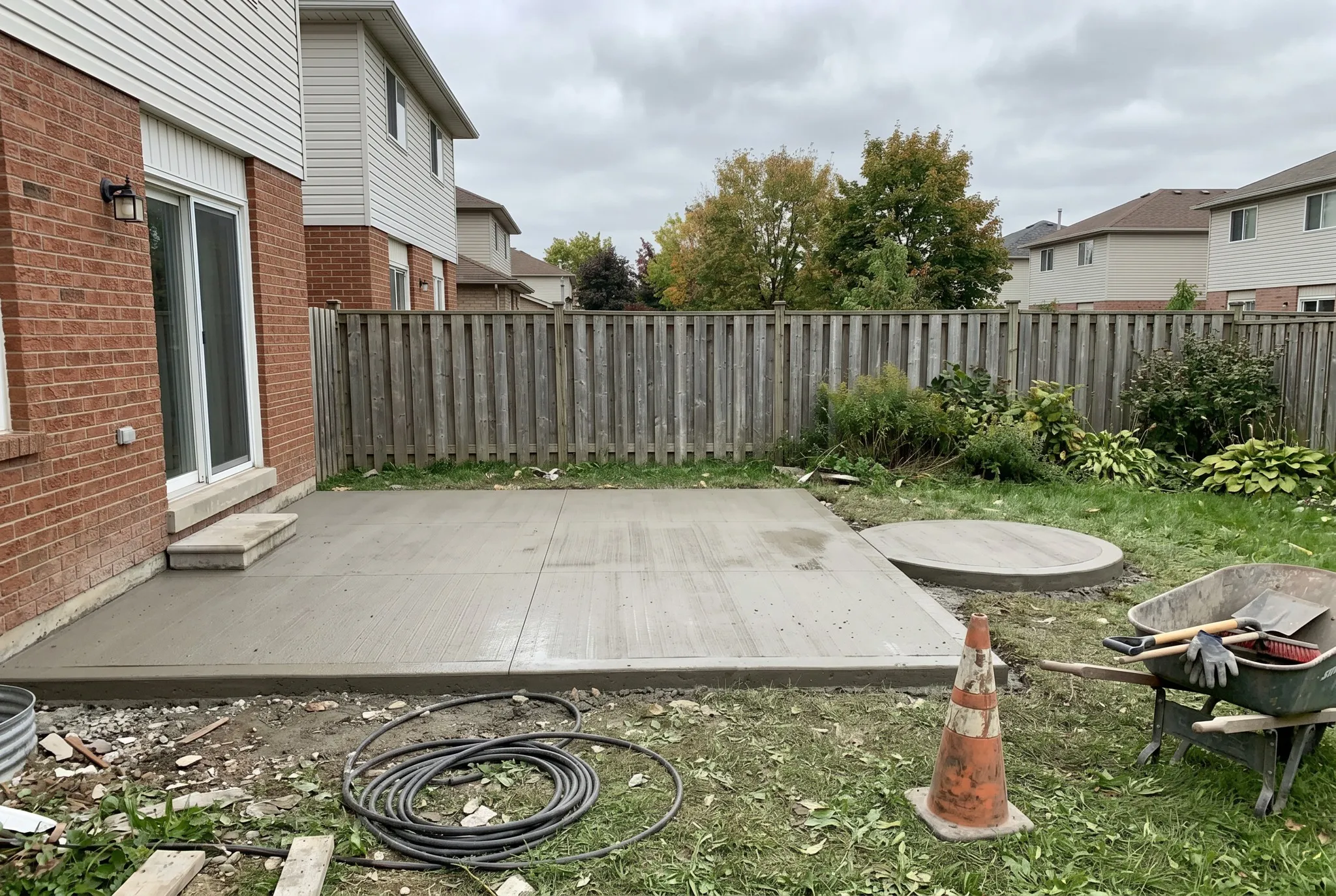
Recent work
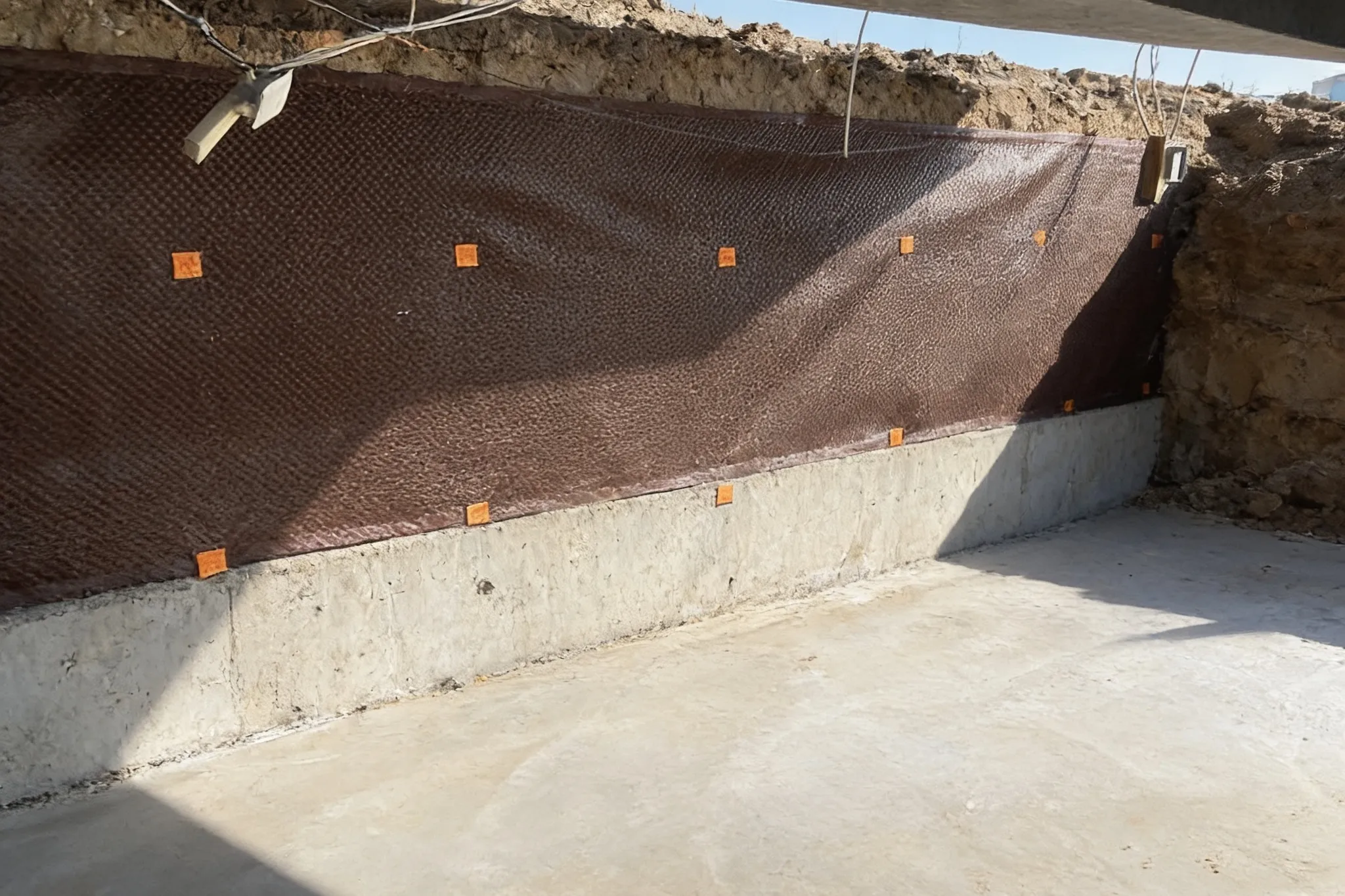
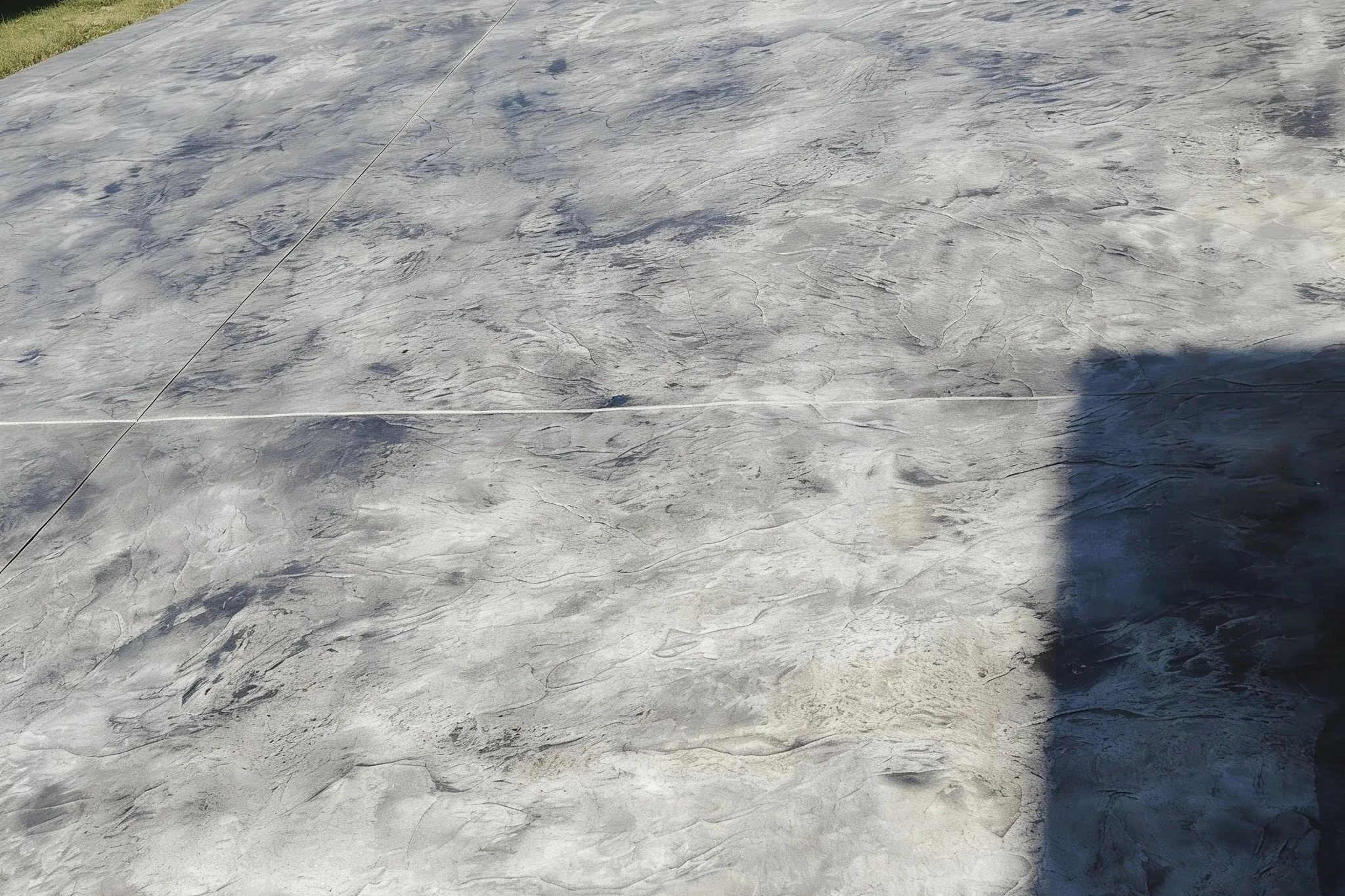
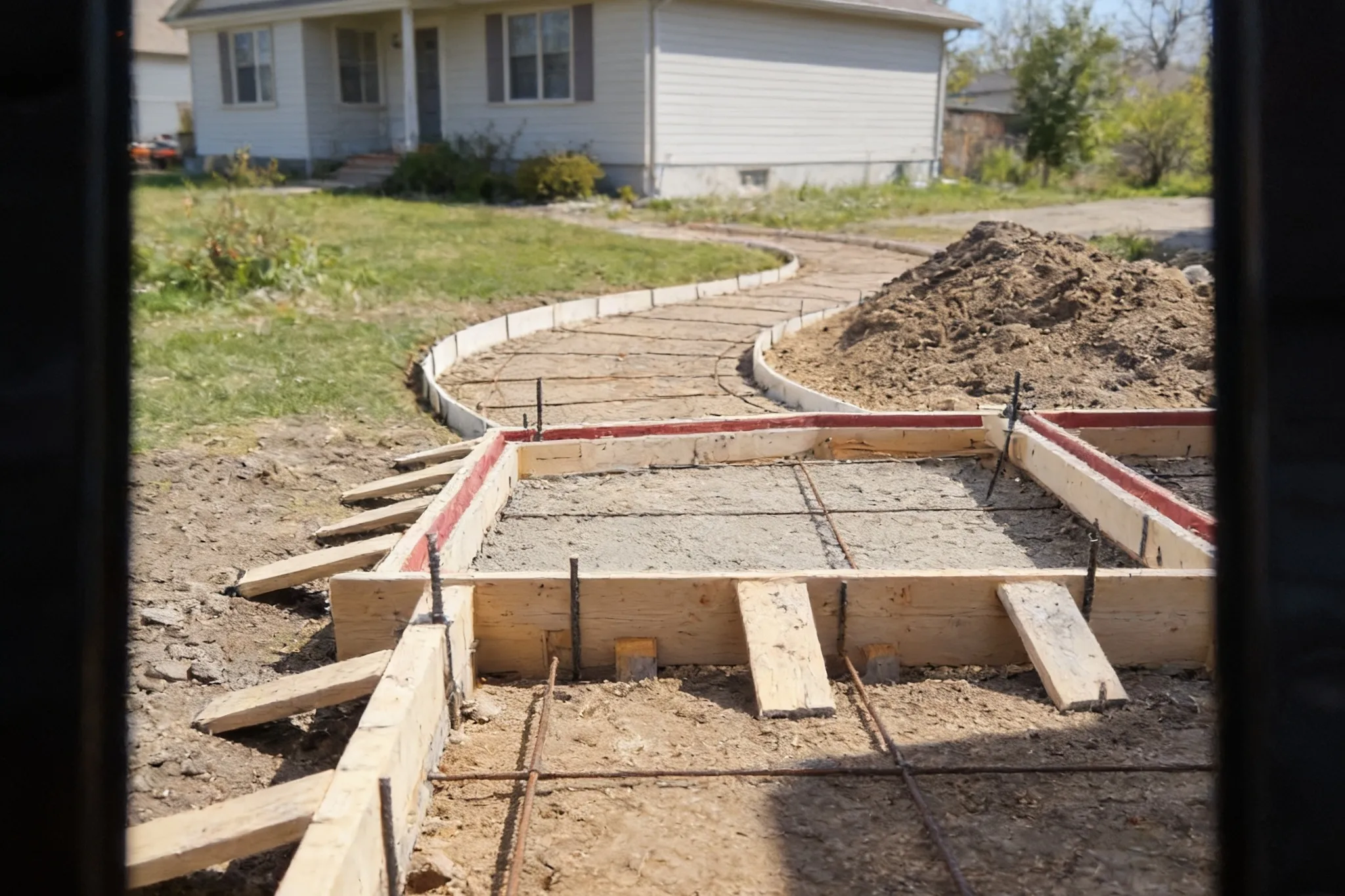
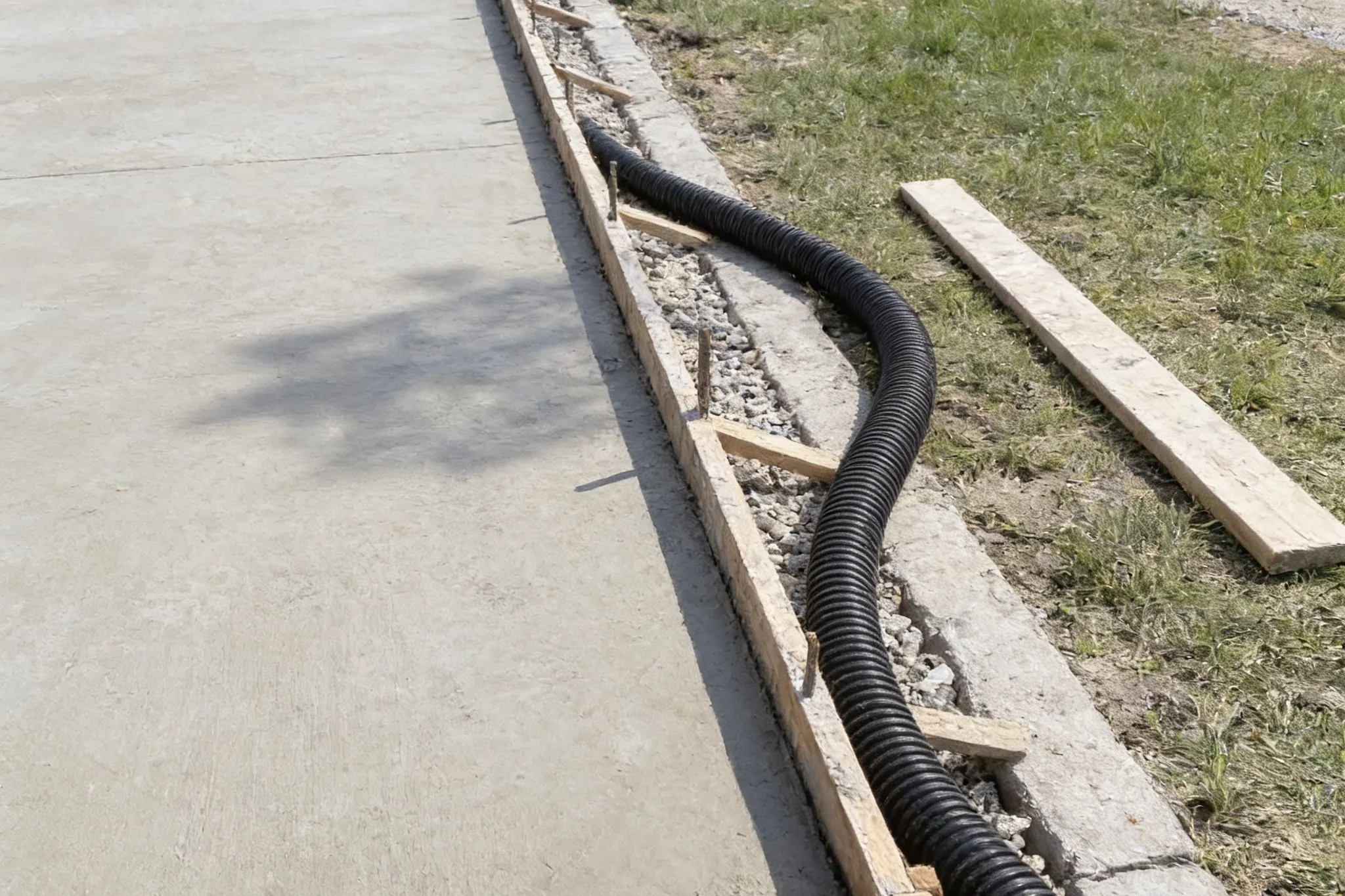
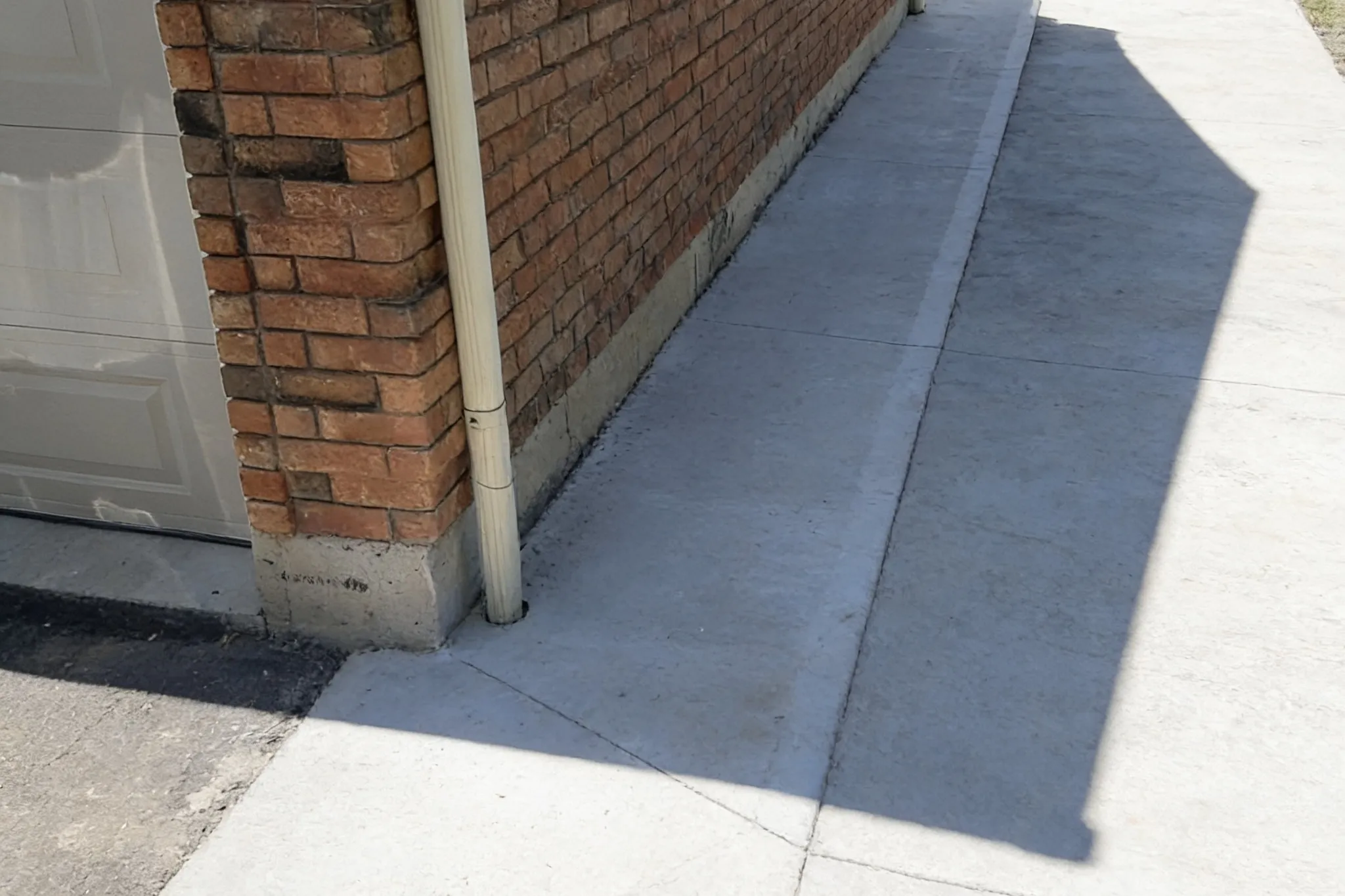
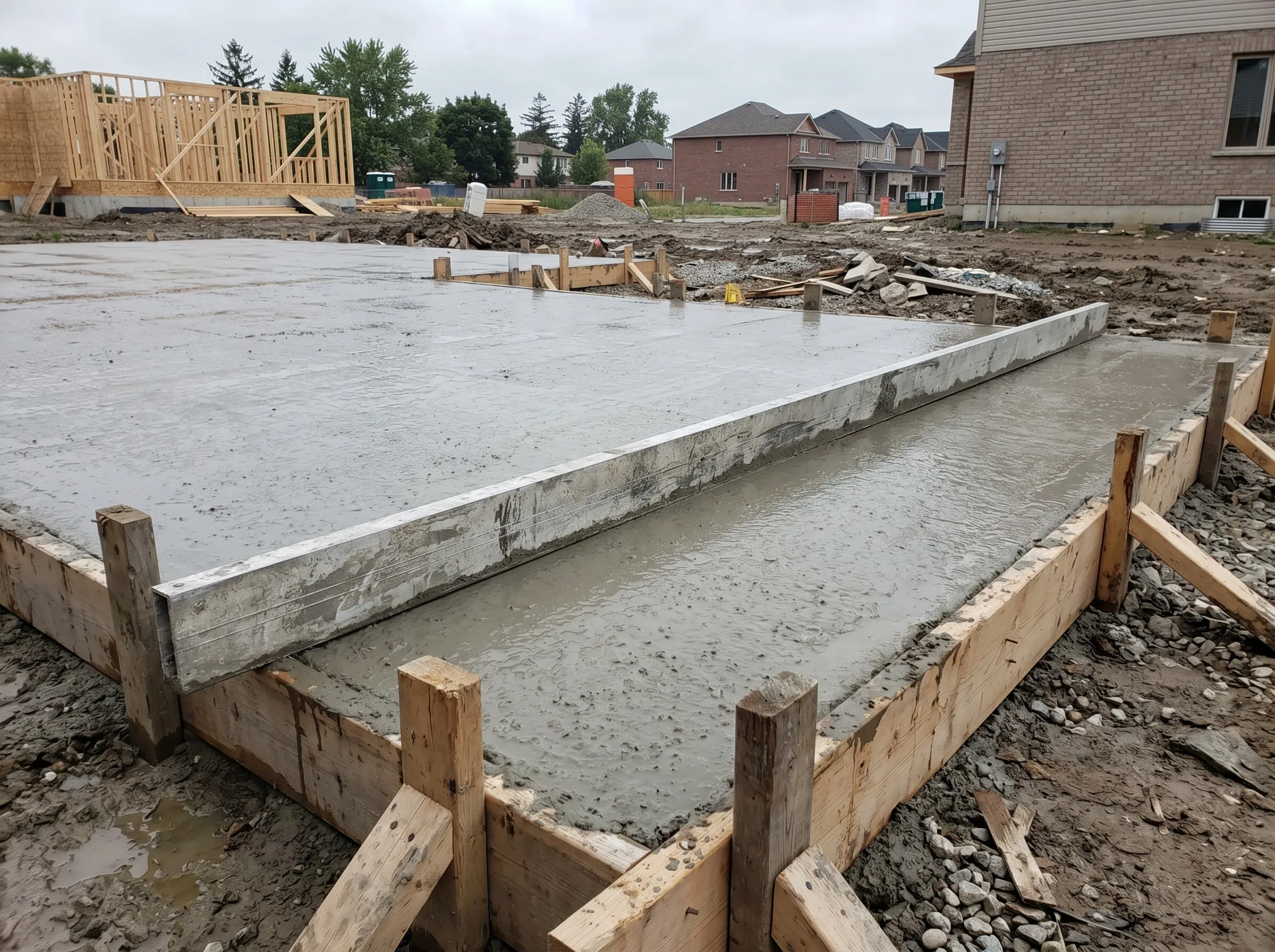
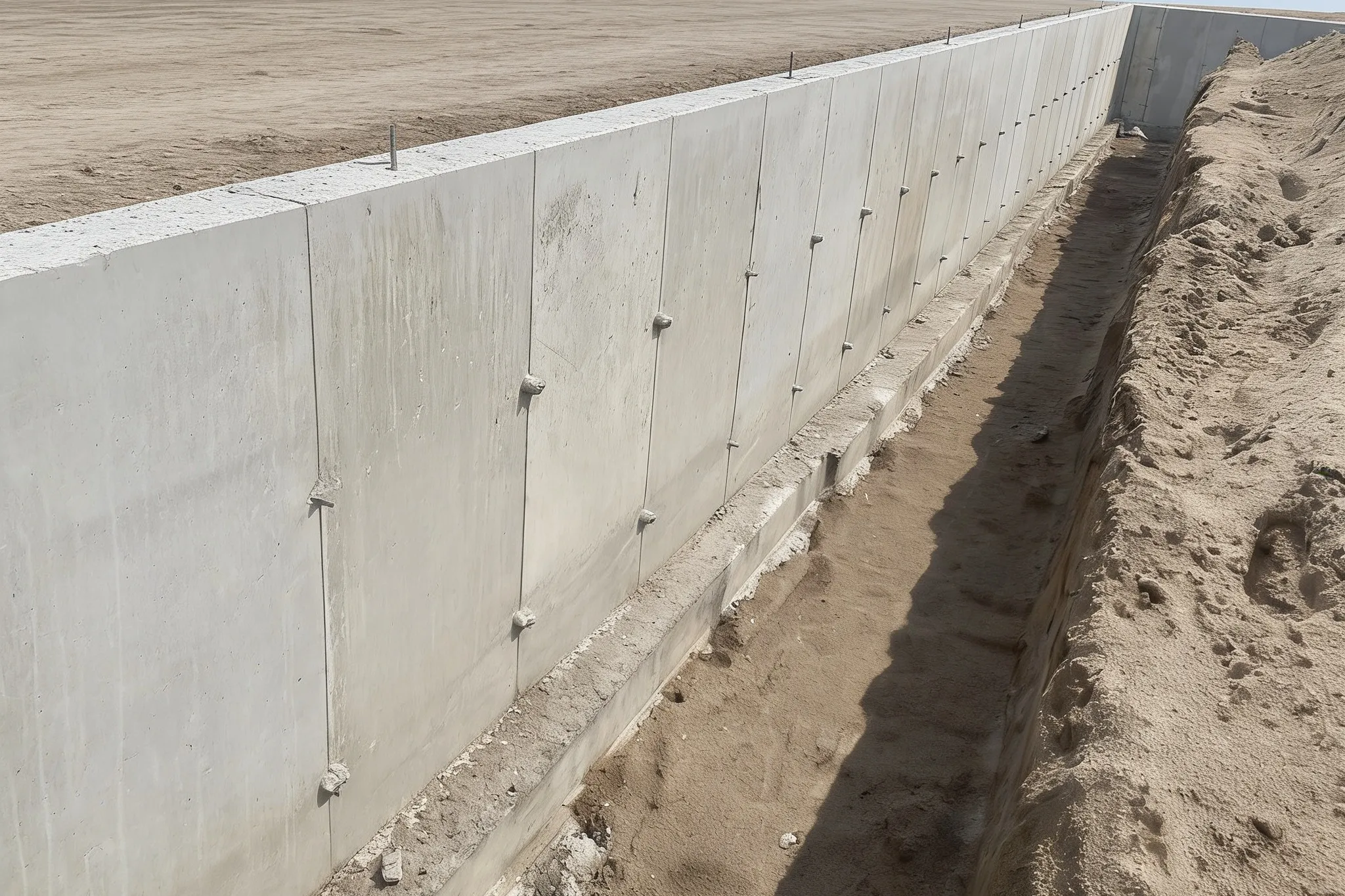
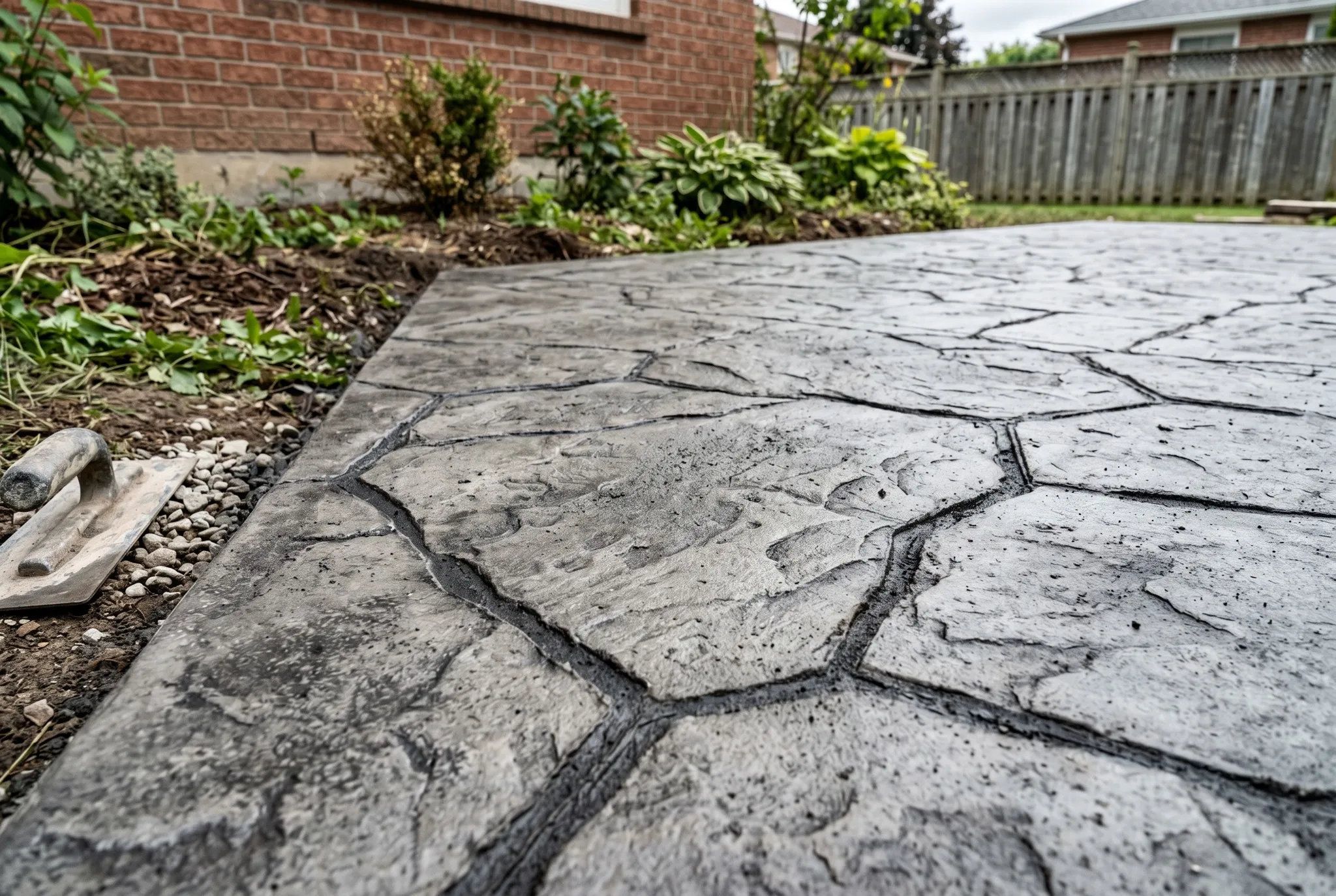
Exterior waterproofing membrane · Southern Ontario 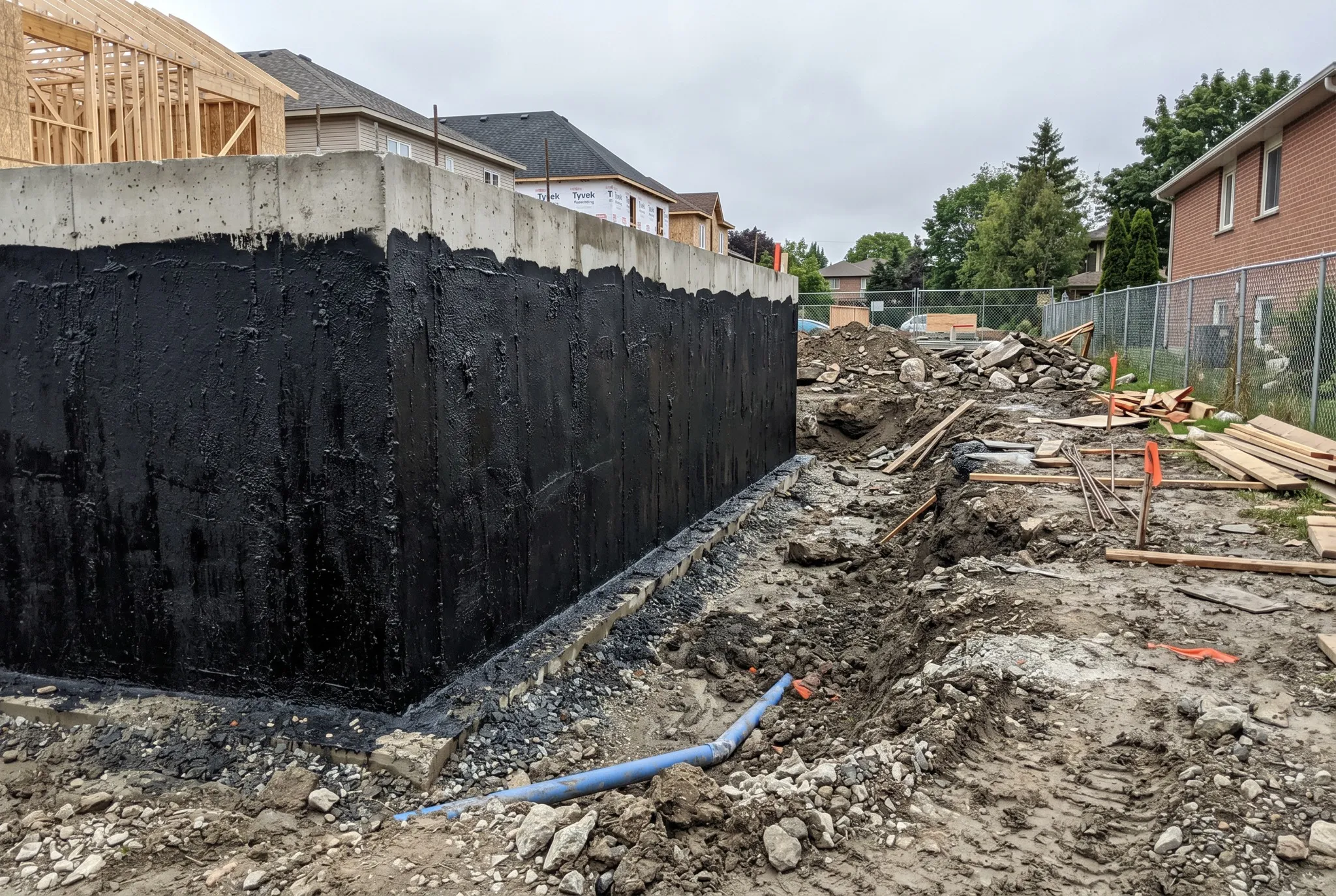
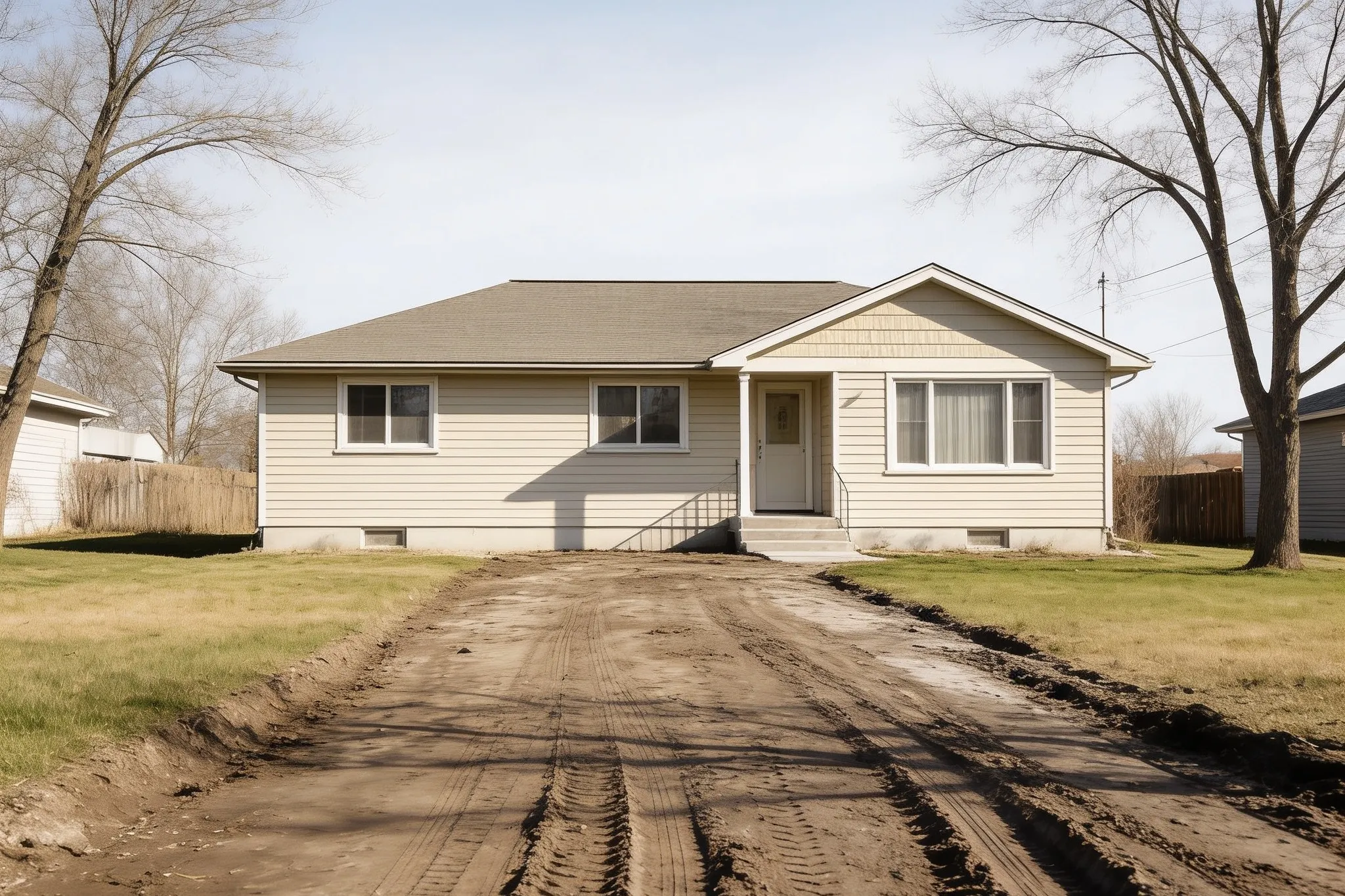
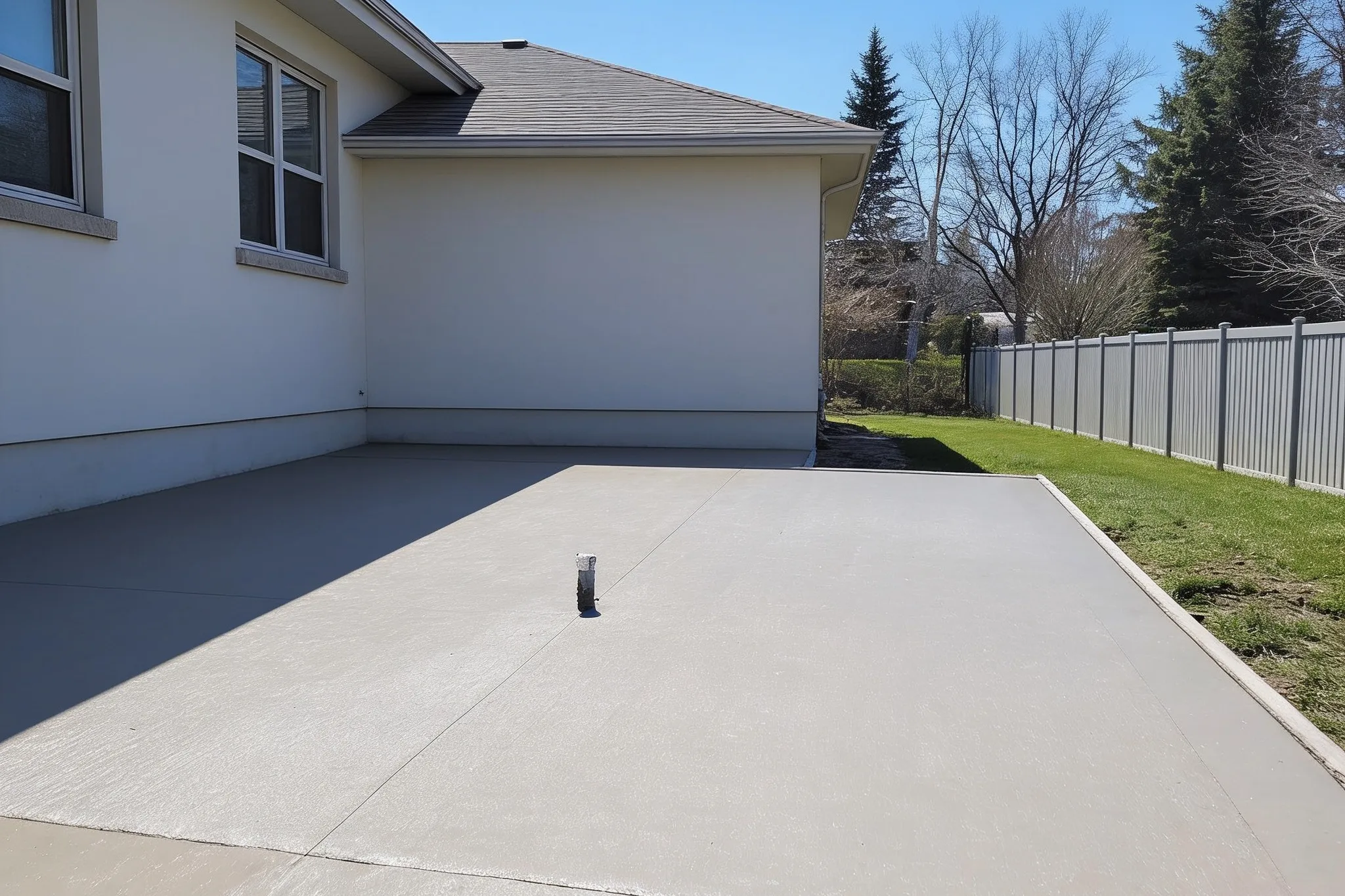
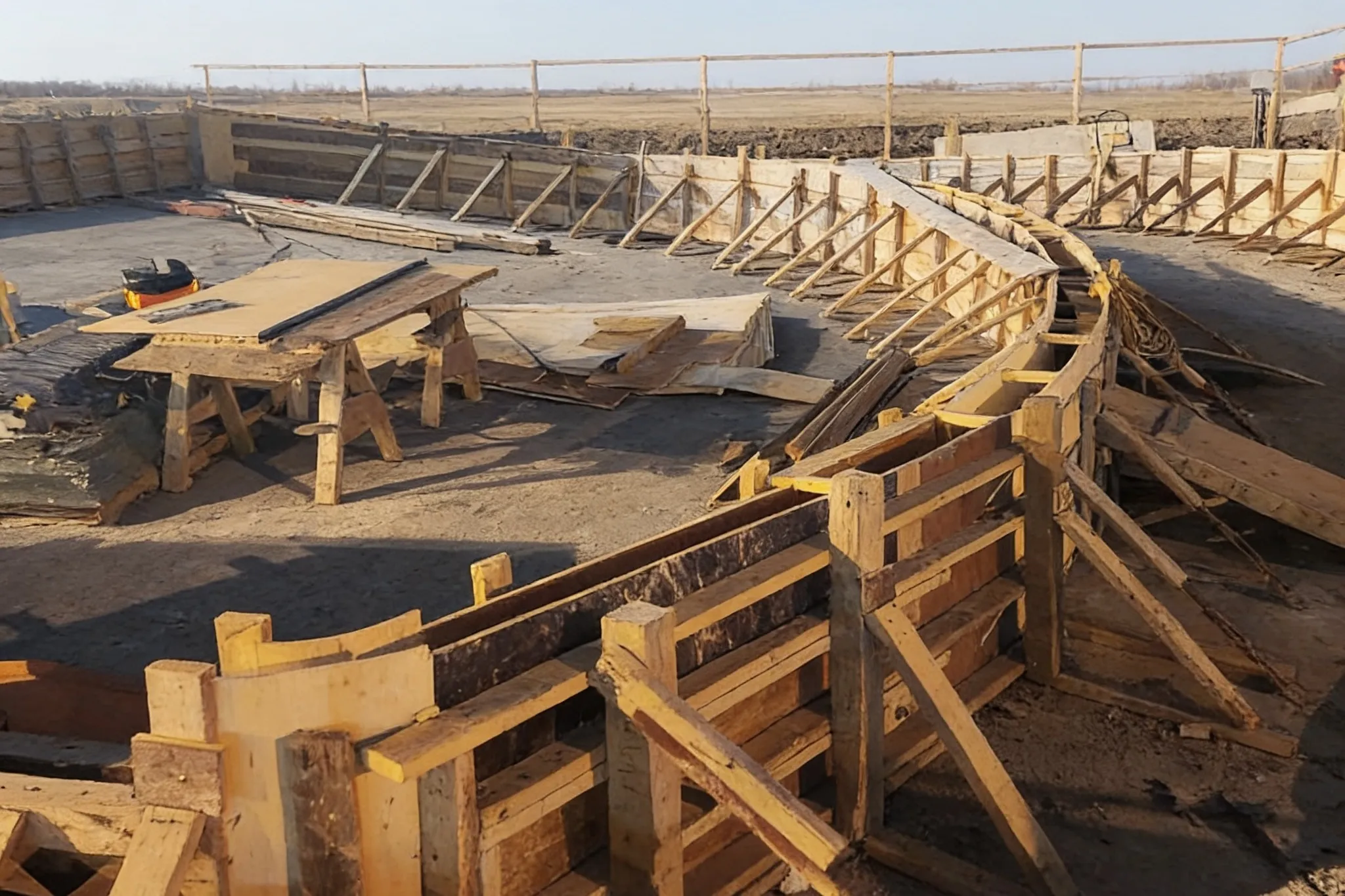
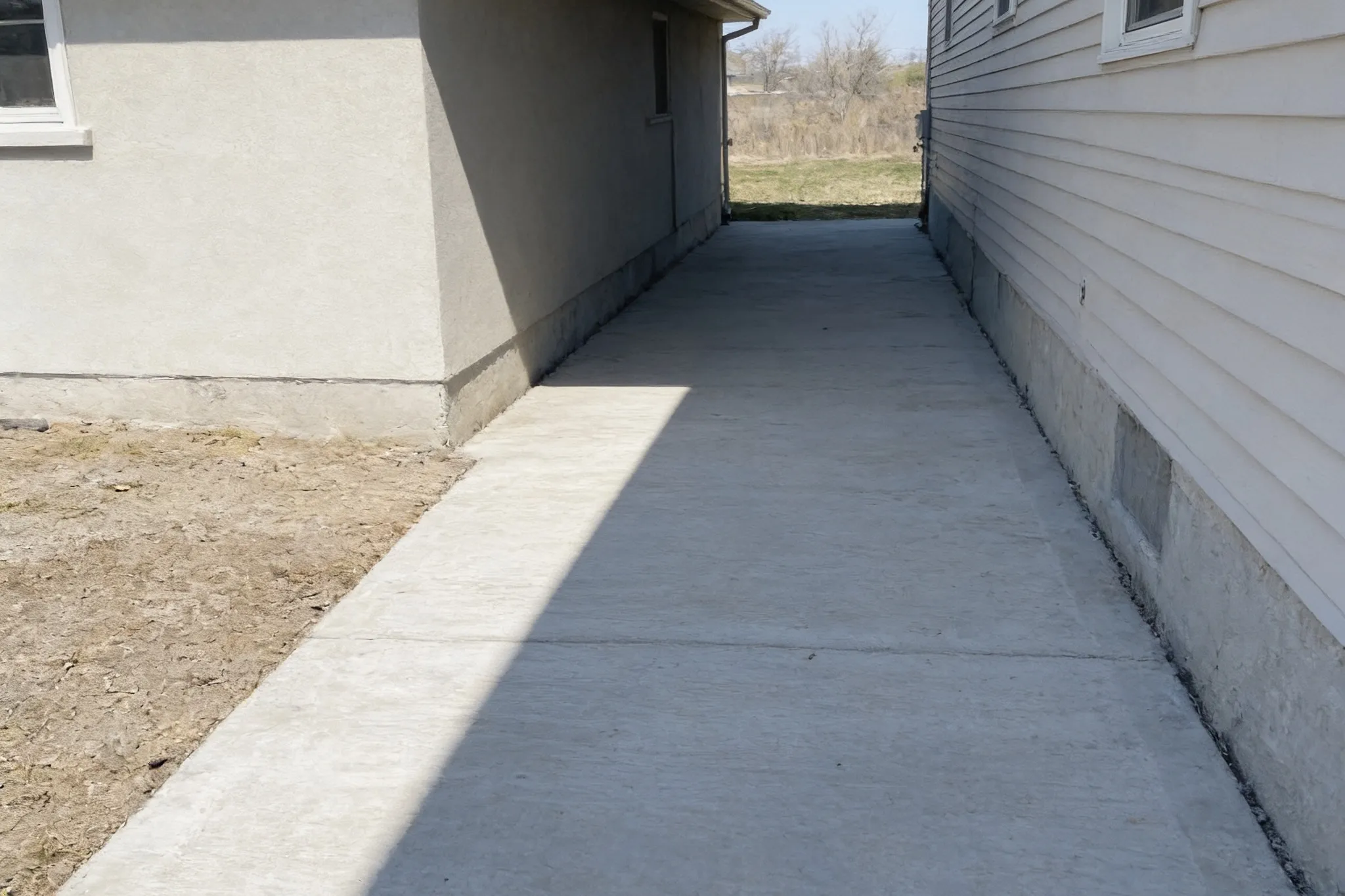
Basement waterproofing · Southern Ontario 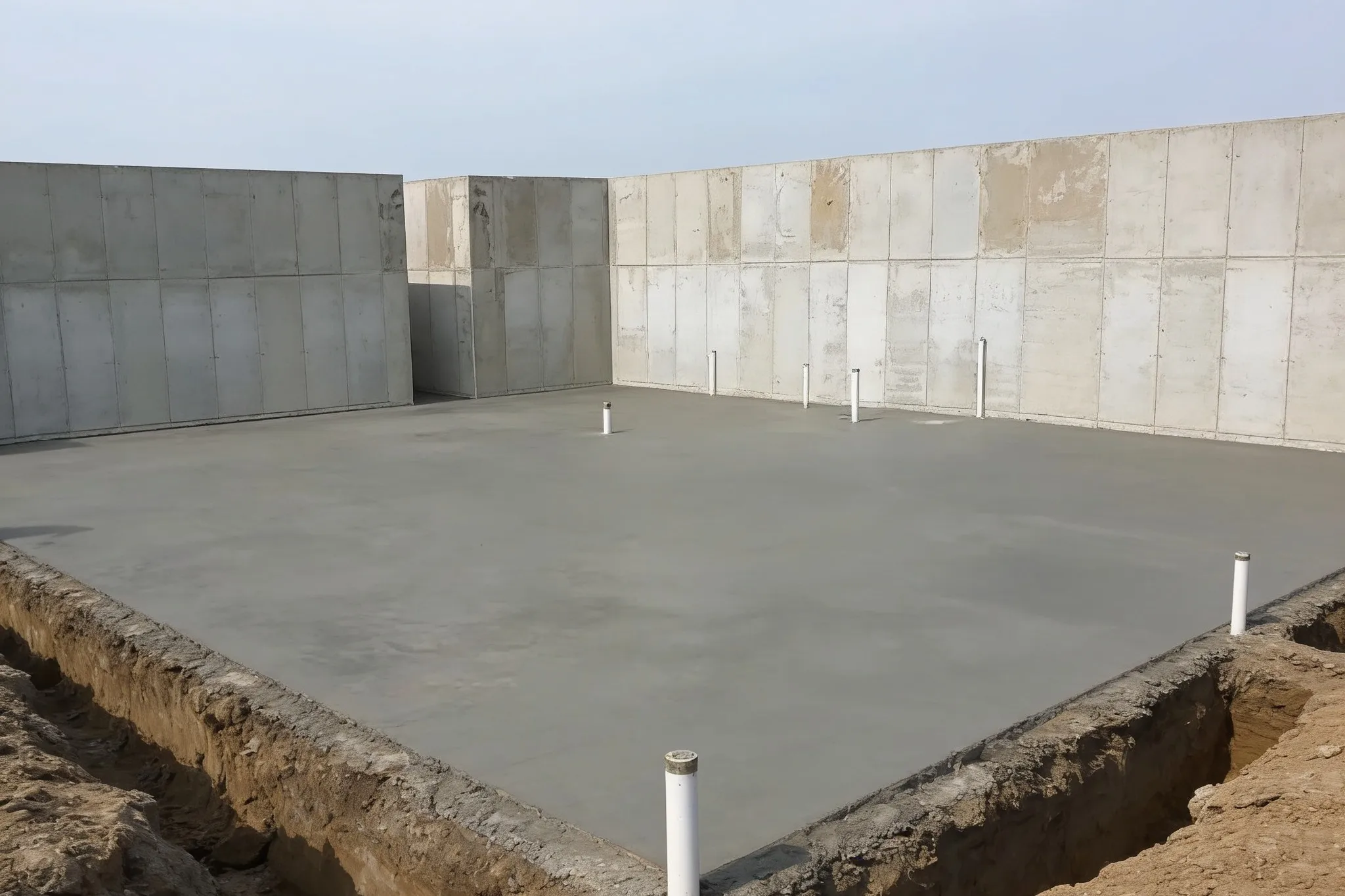
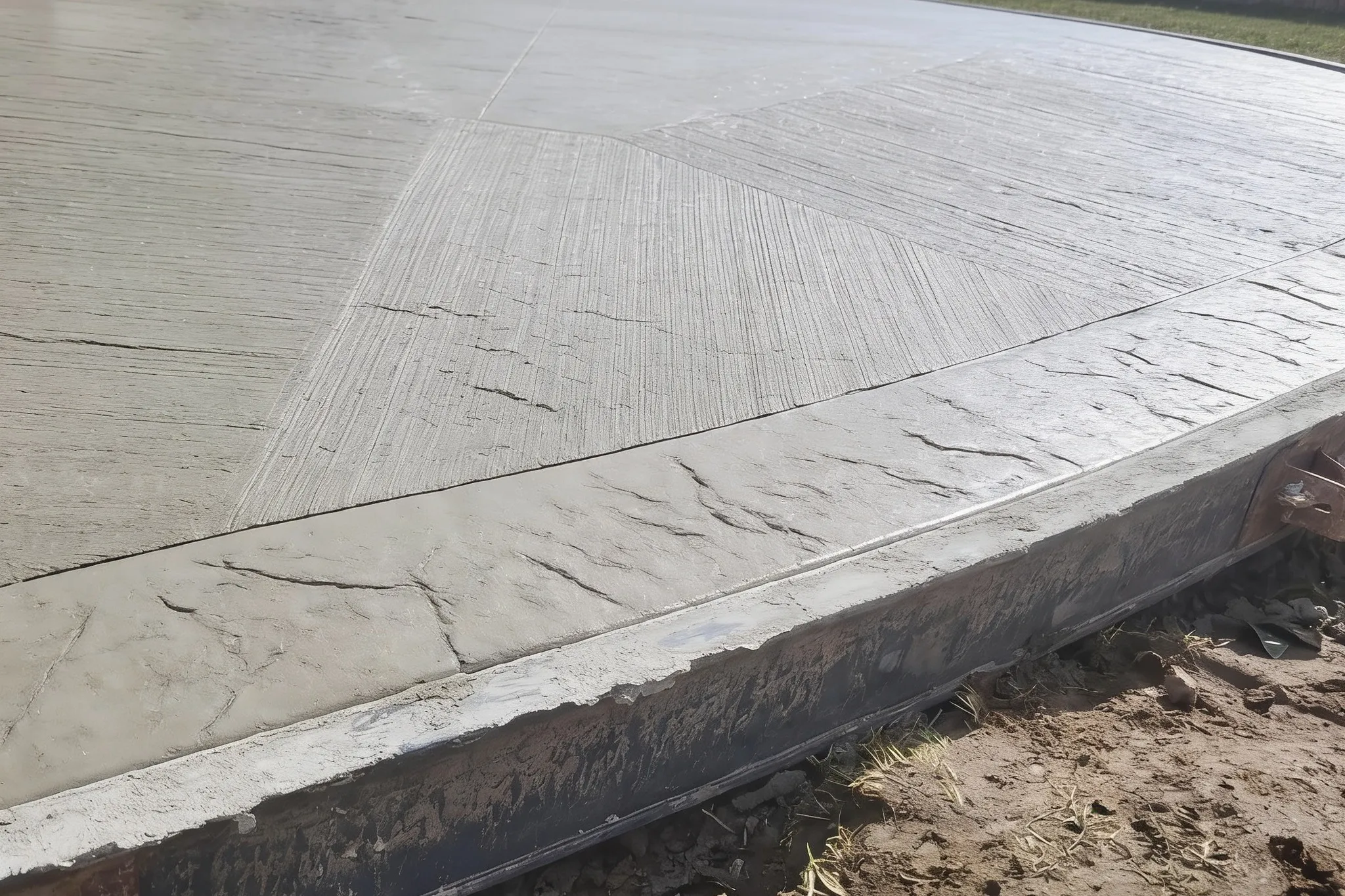
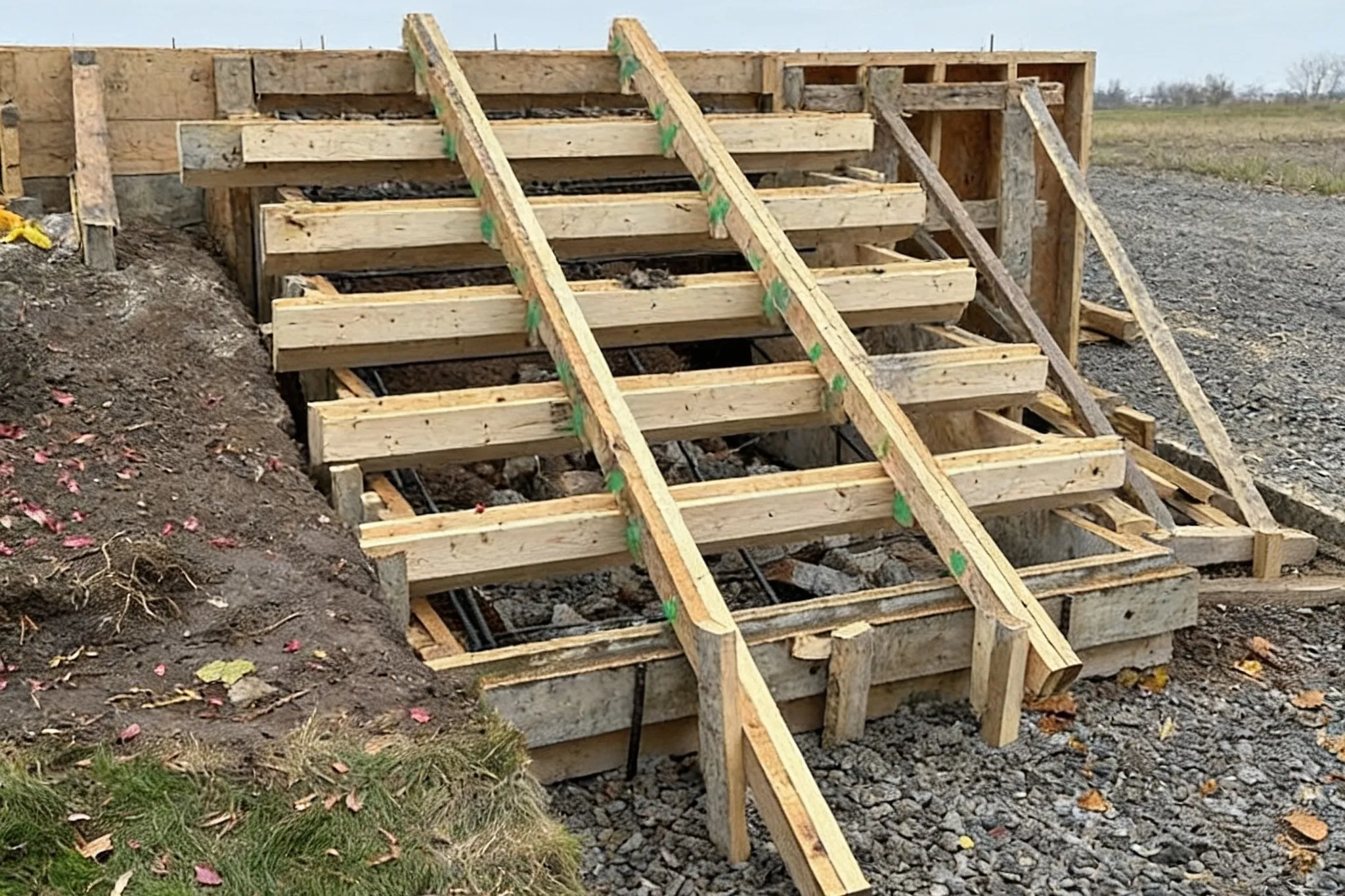
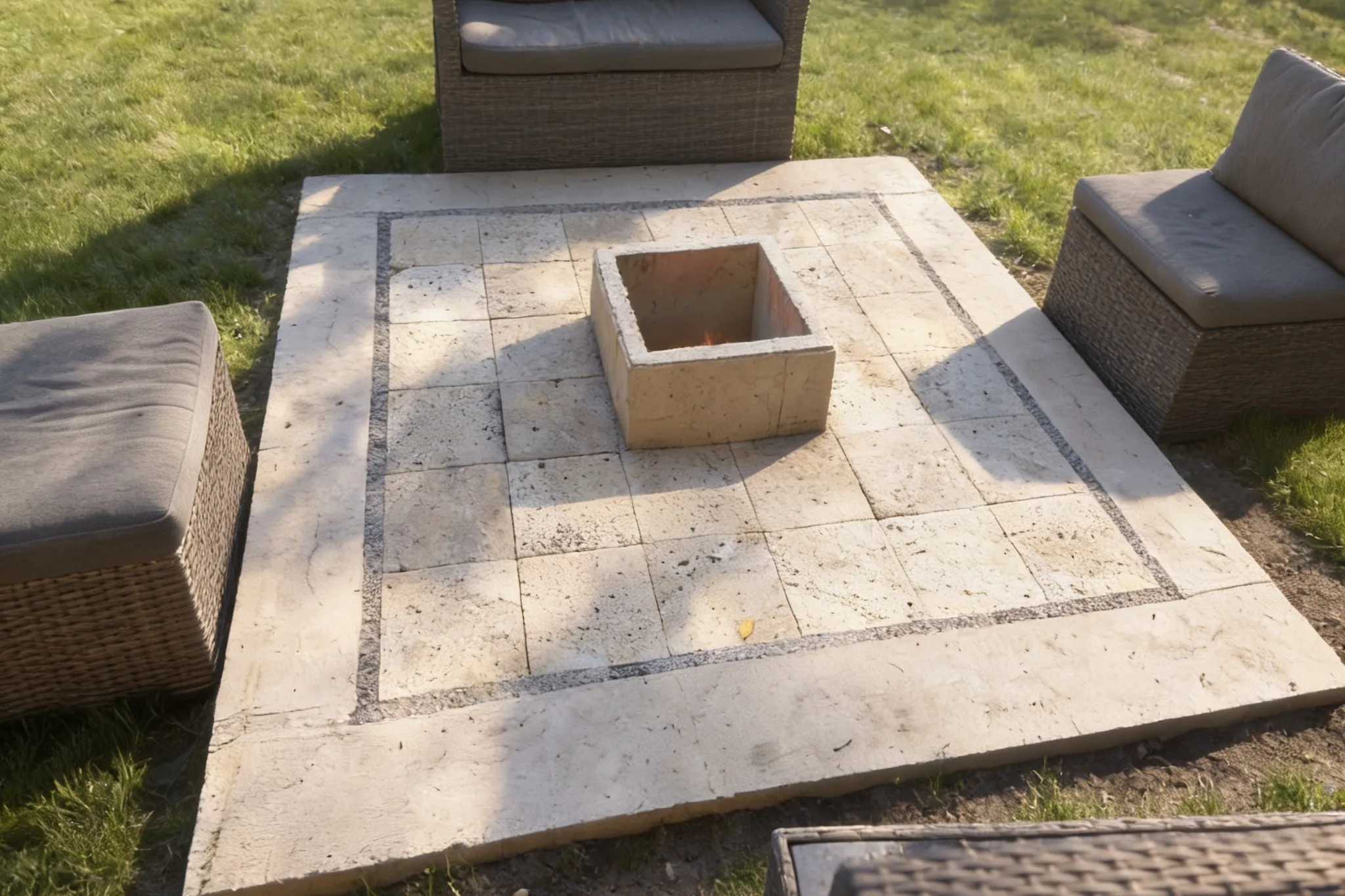
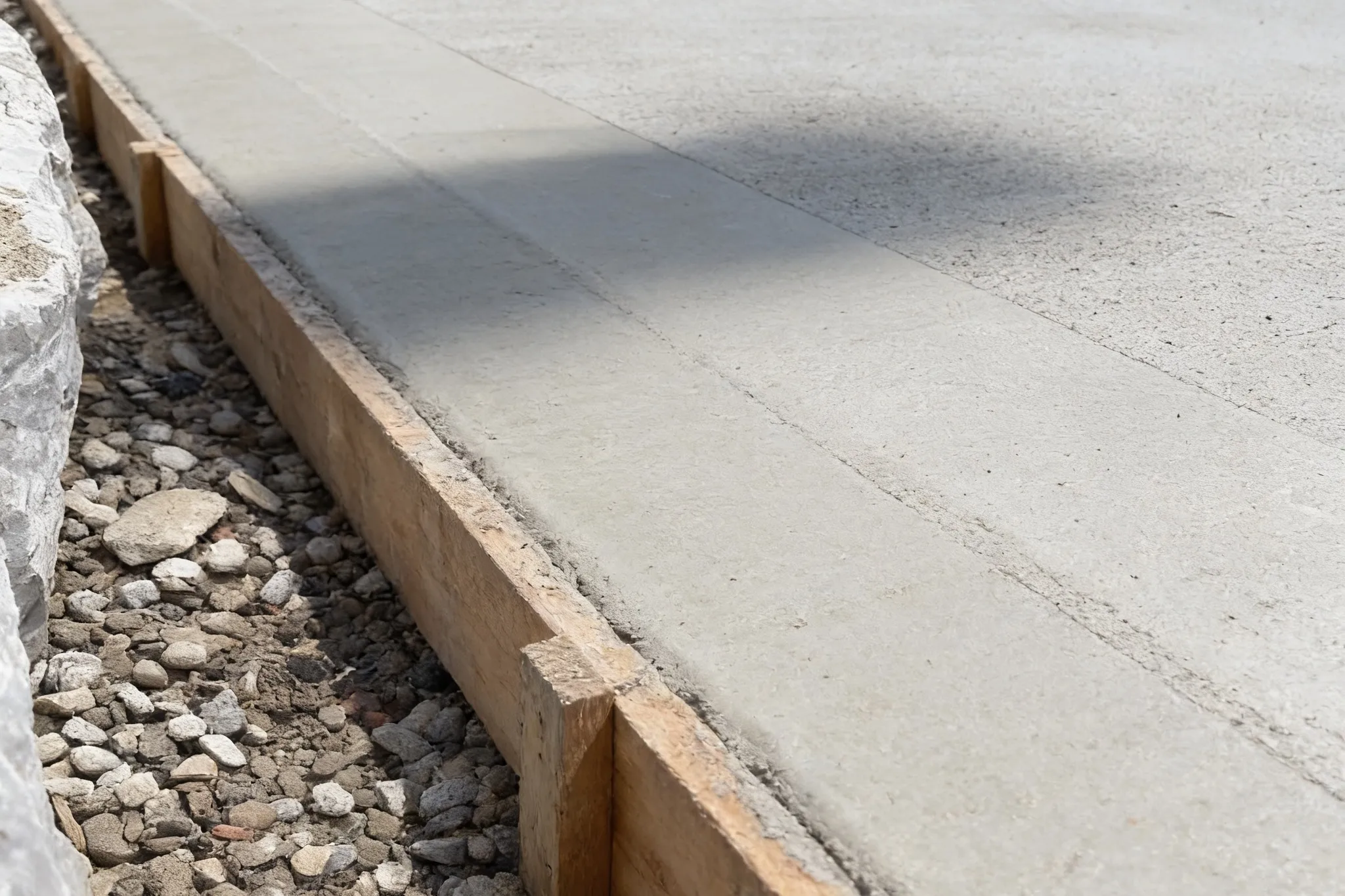
Foundation, excavated for waterproofing · Southern Ontario
Straight answers
My basement has a musty smell and the walls feel damp, but I've never seen standing water. Do I need waterproofing?
Damp walls and a musty smell mean moisture is moving through the concrete, and the white chalky residue (efflorescence) is the mineral trail it leaves behind. Start with the free stuff: extend downspouts, fix grading that slopes toward the house, run a dehumidifier. If the dampness survives a dry month, water is sitting against the wall and an interior system or exterior seal is the durable fix. The quote is free, and if you don't need us yet, it will say that.
Water is coming through multiple cracks in my basement wall. Is that crack repair or waterproofing?
One or two leaking cracks in a poured wall are usually injection jobs (see foundation repair), the smaller fix. Water coming through multiple cracks means the soil outside is saturated and the whole wall is under pressure, so injecting them one at a time becomes whack-a-mole. That's a waterproofing scope, sealing plus water management, and it's quoted firm after we see the wall rather than guessed at over the phone.
What's better, interior or exterior waterproofing?
Neither, until we've seen the house. Exterior is the more complete fix because it keeps the wall dry instead of managing water that gets through, but it costs more and means excavation. Interior is the more affordable route, installs year-round and handles most leak patterns fine. Be wary of any company that recommends its method before asking where the water shows up. We do both and price both.
How much does basement waterproofing cost in Ontario?
It depends on the method and the wall. An interior weeping-tile system is the more affordable route; exterior excavation and membrane is the bigger job, often roughly double, because of the digging, disposal and backfill. Depth to the footing, access, the length of wall, and the state of the existing drainage all move it. Because the two methods aren't prices for the same job, we don't post a rate, we write you a real number after seeing where the water comes in. The quote is free, and active leaks get flagged urgent.
Do I still need a sump pump with exterior waterproofing?
Usually, yes. The membrane keeps water off the wall, but the weeping tile at the footing still collects ground water, and that water needs an exit. On a lot with enough fall for gravity drainage, you may not need one; on the flat clay lots common across Southern Ontario, the sump is the exit. The quote will tell you which kind of lot you have.
When is the best time of year to waterproof a basement?
For exterior work, late spring through early fall: dry ground digs cleaner, backfill compacts properly and there's no race against freeze-up. Interior systems install in any month. The worst time is when everyone calls at once, which in Ontario is October and November when the fall rains hit. If you saw dampness during the spring melt, summer is your window. If water is coming in right now, say so in the form and it gets flagged urgent.
Related work
- Why Southern Ontario Basements LeakRegional soil, water-table, and freeze-thaw causes, with the repair path that fits each symptom.
- Basement Waterproofing Cost FactorsWhat access, wall length, depth, drainage method, and finish restoration change in a written quote.
- Water in the Basement During a ThawImmediate steps for spring-melt water, followed by the permanent fixes for the source.
- A Basement Leak While Selling a HomeHow to document, stabilize, and repair a newly discovered leak without guessing at the cause.
- Foundation RepairA single leaking crack in a poured wall is usually a quick injection, not a full waterproofing system. Start there when the water has one source.
- PargingWaterproofing protects the wall below grade; parging is its weather coat above. Exterior jobs usually finish with a fresh parge at the grade line.
Tell us about the job.
Send the details and we'll get back to you within one business day with next steps. If water is coming in right now, check the box and we flag it urgent.
Get a straight quote
Free · no pressure · 1 business day