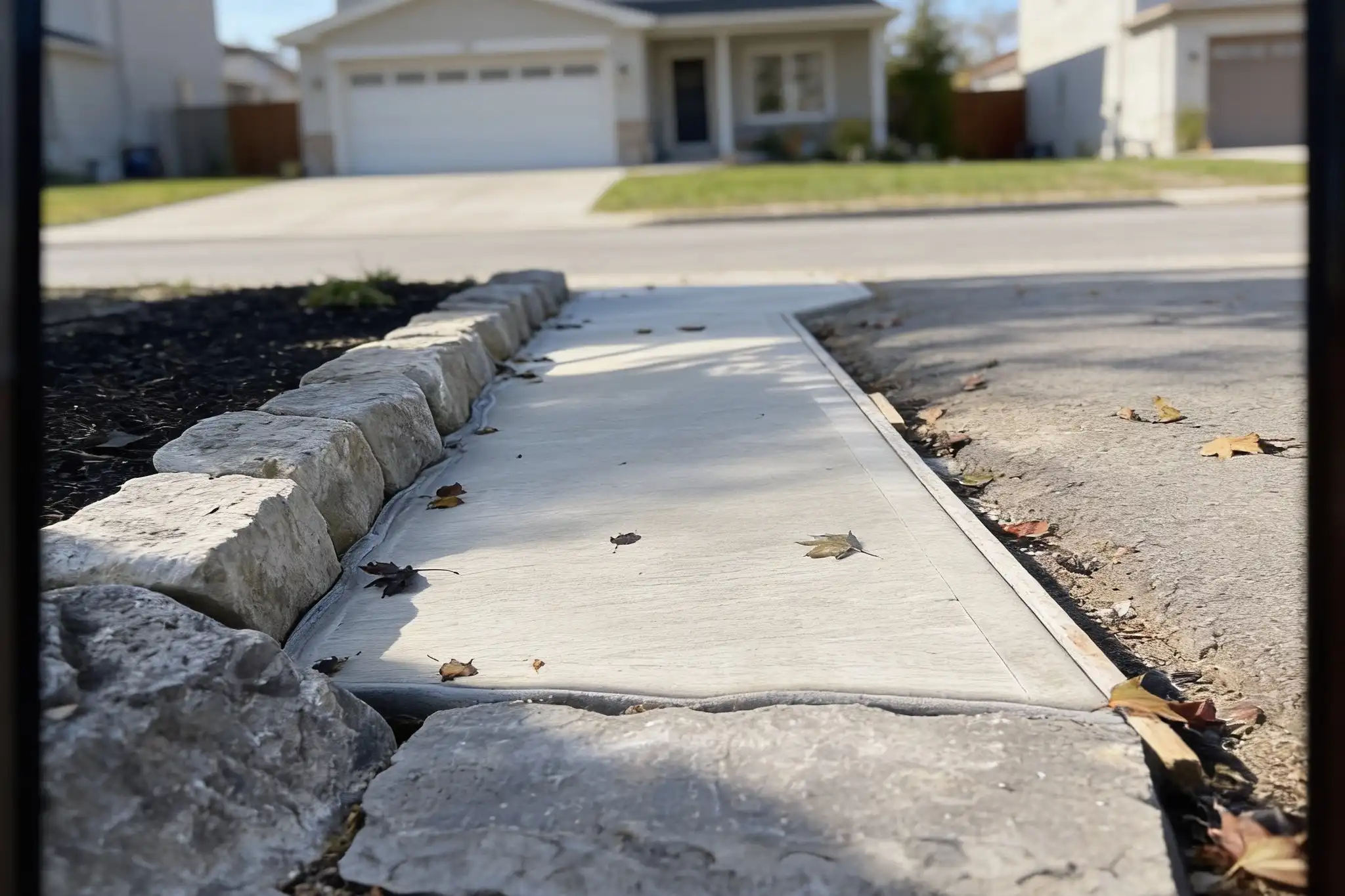
HomeServicesBasement WaterproofingGuelph
Basement Waterproofing in Guelph
Guelph sits on shallow, fractured limestone bedrock that moves groundwater in ways you cannot predict, and much of the old Royal City core stands on cut-stone foundations that pre-date any modern sealing. We waterproof a wet Guelph basement either from the inside with a weeping-tile system or from outside with excavation and membrane, and we choose the one your wall actually needs. Quotes are free, the labour is warranted for life, and an active leak gets flagged urgent.
Get a straight quote
Free · no pressure · 1 business day
Reviewed June 2026
Every job is priced individually, not off a price list. Tell us about yours and you get an accurate, no-pressure quote in writing.
If you went looking for basement waterproofing in Guelph, the ground under the Royal City is a big part of why. Guelph is built on drumlin clay-loam sitting on shallow limestone bedrock, and that limestone is fractured and cavernous enough that the city draws nearly all its drinking water straight out of it. Rock that holds and moves that much water does not send it where you would expect, and a basement can stay dry for years and then take water once the spring melt finds a new path through the stone.
Then there are the foundations. John Galt laid the city out in 1827 and built it of the limestone under his feet, so the downtown and the old streets near the rivers are full of cut-stone and century-brick homes standing on stone foundations that were never sealed to a modern standard. Put one of those walls over fractured rock that channels groundwater, and water finds the open joints and the cold seams and pushes through under pressure. A coat of waterproof paint does nothing about that.
We waterproof both ways and call it straight after seeing where the water gets in. The full method, the weeping tile, the sump, the exterior membrane, lives on our basement waterproofing page; this page is about why Guelph ground and Guelph foundations stay wet and how we handle them here. Send the form for a free written quote, and if water is coming in right now, check the urgent box.
Why fractured limestone makes Guelph water hard to predict
Most towns we work in sit on plain clay or sand, and the water behaves the way the soil does. Guelph is different because the limestone under the clay-loam is fractured and solution-worn, riddled with the same cracks and channels that feed the city's wells and the sinking streams out at the Eramosa karst. Groundwater follows those fractures rather than soaking evenly through the ground, so two houses on the same street can have very different water problems depending on what the rock is doing underneath them.
That is why a Guelph basement can flip from dry to wet without warning. A wet spring or a new path opening through the stone changes where the water surfaces, and the clay-loam on top holds whatever does not drain away, keeping the ground around a foundation saturated for weeks. We read the site rather than assume a one-size fix, because on this ground the honest answer is to find where the water is actually getting in before we quote a system to stop it.
Old Royal City stone foundations and what they need
The cut-stone and century-brick homes through the downtown and the older streets by the Speed and Eramosa stand on stone foundations laid long before anyone sealed a wall. Stone lets water through joints and faces all along its length, not at one neat crack, so injecting a single spot rarely solves a leaking stone wall the way it can on a modern poured one. The original weeping tile, where there is any, is usually old clay pipe that has silted up or collapsed, so water that should drain at the footing just sits there instead.
That changes the method. On an old stone wall under steady pressure, an interior weeping-tile system that captures the water along the whole footing and routes it to a sump is often the durable answer, and it goes in without tearing up a heritage lot. Where the stone itself is breaking down from years of wet, exterior excavation and a membrane keep the wall dry instead of managing the leak. We tell you which your wall needs rather than which one we would rather sell, and on a heritage home we keep the work in scale with the original stonework.
Riverside blocks and the spring melt
The Speed and the Eramosa meet in the middle of Guelph, with Guelph Lake feeding the Speed above town, and the streets down near the water carry a higher water table than the higher ground does. Foundations on those low riverside blocks take on more damp every year, and the spring melt is when it shows: the ground saturates, the rock channels what the clay-loam will not drain, and the basement that was fine in February is wet in April.
Exterior digs need unfrozen ground, so the season that creates the panic is the same one that closes the window to excavate cleanly. Booking the work in summer puts it in dry ground on a scheduled route instead of an emergency call in the wet. Guelph jobs ride our Waterloo Region routes on the Cambridge and Kitchener side either way, and an active leak gets flagged urgent the day you send the form.
Straight answers
Why does fractured limestone under Guelph cause wet basements?
The bedrock under Guelph's clay-loam is limestone that is cracked and solution-worn, the same fractured rock the city draws nearly all its water from. Groundwater travels along those fractures instead of soaking evenly through the ground, so it surfaces in places you would not predict and can find a new path after a wet spring. When it reaches an old foundation it pushes through the weakest joint under pressure. The durable fix is a system that gives that water a path out, and our quote names where it is getting into your wall.
Can you waterproof an old Guelph stone foundation downtown?
Yes, and those stone walls are common in the old Royal City core. Cut stone leaks across its joints and faces rather than at one tidy crack, so a single injection rarely holds. Usually the answer is an interior weeping-tile system that captures the water along the whole footing, or an exterior membrane where the stone needs sealing because it is breaking down from years of wet. We look at how the wall is actually built before we quote, and on a heritage home we keep the work in scale with the original stonework.
Will waterproofing stop the water if I live near the Speed or Eramosa?
A proper system manages the water that reaches your foundation, but we are straight about what it cannot do: no coating or membrane changes how high the rivers run or how high the water table sits on a low riverside block in a wet spring. What we can do is collect the water at the footing and pump it out, or seal the wall from outside, so the basement stays dry even when the ground around it is saturated. We find how the water is getting in first, then quote the fix that holds for your wall and your lot.
How much does basement waterproofing cost in Guelph?
It turns on the method and the wall, and an interior weeping-tile system and an exterior dig are not prices for the same job, so a flat rate would mislead you. Depth to the footing, access on a tight downtown lot, the length and condition of an old stone wall, and the state of the original drainage all move it. We write a real number after seeing where the water comes in, the quote is free and in writing, and the number we give you is the number you pay.
Water is coming in right now. What do I do?
Send the quote form and check the box that says water is actively coming in, and we flag it urgent that day. In the meantime move anything valuable up off the floor, and if it is safe, get roof water away from the wall by extending a downspout, since one dumping beside an old stone foundation feeds the exact problem. We get back to every request within one business day.
Keep reading
- Basement Waterproofing across Southern OntarioWhen fractured limestone channels water under an old stone foundation, this is how we choose between an interior weeping tile and an outside membrane.
- Concrete Contractors in GuelphEverything else we pour and repair across the Royal City, from the south-end surveys to the old stone core.
- Foundation RepairIf a newer poured wall outside the old core is leaking at one crack, not a stone wall along its joints, injection is the smaller fix. Start there.
Tell us about the job.
Send the details and we'll get back to you within one business day with next steps. If water is coming in right now, check the box and we flag it urgent.
Get a straight quote
Free · no pressure · 1 business day