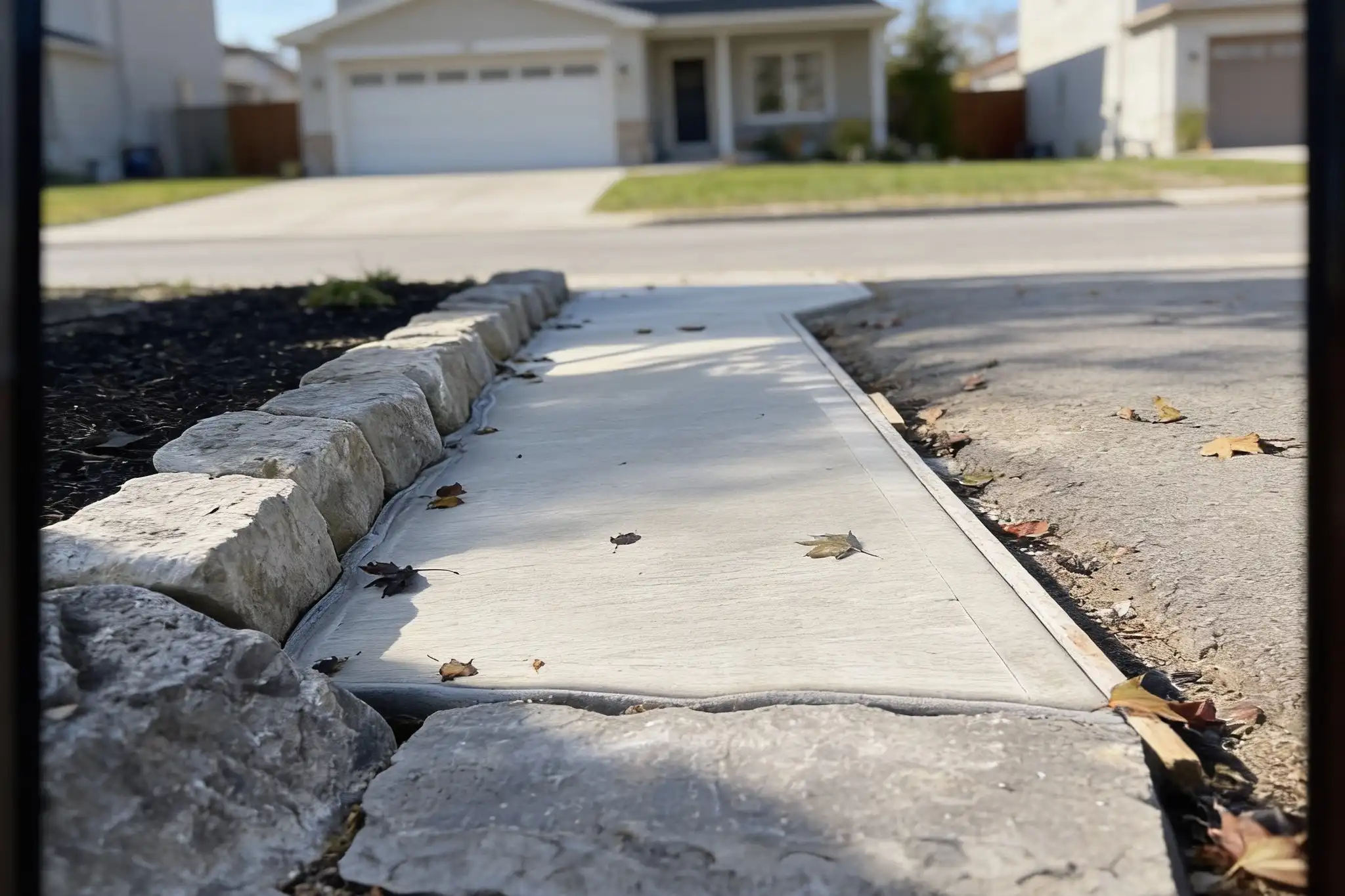
HomeServicesBasement WaterproofingCambridge
Basement Waterproofing in Cambridge
Cambridge took shape where the Grand and Speed rivers meet, and the wet-basement work follows the water. The old Galt core sits low in the river valley, where the table runs high and the Grand has flooded before, and a lot of those homes stand on stone foundations a century or more old. We waterproof two ways, an interior weeping-tile system or an exterior dig and membrane, and pick the one your wall actually needs. Quotes are free, the labour is warranted for life, and an active leak gets flagged urgent.
Get a straight quote
Free · no pressure · 1 business day
Reviewed June 2026
Every job is priced individually, not off a price list. Tell us about yours and you get an accurate, no-pressure quote in writing.
If you went looking for basement waterproofing in Cambridge, the odds are good you are somewhere near a river. The city grew out of three old towns, and Galt, the largest, holds the low ground at the meeting of the Grand and the Speed. Streets down in that valley sit close to the water table, the Grand carries a flood history that locals still date by the 1974 flood that put downtown under metres of water, and the housing there is among the oldest in the region.
Old age is the other half of it. Scottish settlers built Galt in the 1800s out of limestone pulled from the riverbanks, and that grey stone core is what the heritage registers protect today. A stone or century-brick foundation never had a membrane or a modern footing drain, so when it sits in damp valley ground the water works in through the joints and faces rather than at one tidy crack. Pressure does the rest.
We install both systems and tell you straight which one the wall calls for after we see where the water gets in. The full method, the weeping tile, the sump, the exterior membrane, lives on our basement waterproofing page; this page is about why the river side of Cambridge stays wet and how we handle it here. Send the form for a free written quote, and if water is coming in right now, check the urgent box.
The river valley is where the water work clusters
The Grand and the Speed cut the low ground that Galt and old Preston were built around, and that low ground is where the wet basements are. Down in the valley cores the water table runs high and the river has spilled its banks before, so after a wet spring the soil around an old foundation stays soaked for weeks. Up on the higher land away from the rivers the calls thin right out, because the ground drains and the housing is newer.
Saturated ground is what turns a damp corner into a puddle. Water standing against a wall finds the lowest-resistance path in, and on these older streets that path is rarely a single point. Fixing it is not a coating job. It means giving the water a route out at the footing, or sealing the wall from outside, and no paint changes how high the Grand runs in a wet year.
Stone and century-brick foundations behave differently
A poured concrete wall leaks at a crack you can usually find. A rubble-stone or early-brick foundation, the kind under so much of the Galt core, leaks across mortar joints and stone faces along its whole length, so injecting one spot almost never settles it. Whatever original drainage these homes had was clay tile laid decades ago, and that has usually silted up or broken, so the water that should drain at the footing just sits and pushes.
That decides the method. On an old wall under steady pressure, an interior weeping-tile system that collects the water and routes it to a sump is often the durable, affordable answer, and it goes in without tearing up a tight heritage lot. Where the stone itself is breaking down from years of wet, an exterior excavation and membrane keep the wall dry rather than managing the leak. On the protected streets of West Galt, the kind around the Dickson Hill heritage district, that outside choice gets weighed against the disruption to the grounds. We name the right one for your wall, not the one we would rather sell.
Book the dig before the ground freezes
Exterior waterproofing needs open, unfrozen ground to excavate down to the footing, and in Cambridge that window closes once the cold sets in. The trouble is that the wet you notice at the spring melt is the same wet that comes back hard with the fall rains, so the season that makes a basement a problem is often the season that has already closed the door on an outside dig.
Booking in the dry part of the year puts the work on a scheduled route instead of an emergency call in the rain. Cambridge is the closest Waterloo Region city to our Brant County routes, reached through Paris and Ayr, so jobs here ride the regular weekly schedule in season, and an active leak gets flagged urgent the day you send the form.
Straight answers
Why does my Galt basement near the Grand take on water every spring?
It is usually three things at once. The old Galt core sits low in the river valley where the water table is high, the Grand has a real flood history in that ground, and the foundation is often stone or century brick that was never sealed for either. The soil stays saturated for weeks after the melt, the pressure pushes water through the weakest part of the wall, and the original clay drainage has normally silted up so nothing clears at the footing. The fix is a system that gives the water a path out, and the quote names where it is coming in.
Can you waterproof an old stone foundation in a heritage Galt home?
Yes, and those stone foundations are common in the Galt core. Stone leaks across its mortar joints and faces rather than at one neat crack, so a single injection rarely holds. Usually the answer is an interior system that captures the water along the whole footing, or an exterior membrane where the stone is breaking down from years of wet. On a protected street like the ones near Dickson Hill we weigh the outside dig against the disruption to the grounds, and we look at how the wall is actually built before we quote, because a century stone wall and a poured one are different jobs.
Interior or exterior waterproofing for an old Cambridge home?
We pick by what the wall needs, not by what pays us more. Interior weeping tile and a sump is the more affordable route, goes in without digging up a tight heritage lot, and handles most leaking walls well. An exterior excavation and membrane is the bigger job and the one that keeps the wall itself dry, which matters when stone is breaking down from constant damp. We install both and lay out both when it is close, so you choose with real options in front of you.
How much does basement waterproofing cost in Cambridge?
It turns on the method and the wall, and an interior system and an exterior dig are not prices for the same job, so a flat rate would only mislead. Depth to the footing, access on a tight valley lot, the length of wall and the state of the old drainage all move it. We write a real figure after seeing where the water comes in, the site visit is free, and the number we give you is the number you pay.
Water is coming in right now. What do I do?
Send the quote form and check the box that says water is actively coming in, and we flag it urgent that day. In the meantime move anything off the floor that the water can reach, and if it is safe, get roof water away from the wall by extending a downspout, since one dumping beside an old foundation feeds the exact problem. We get back to every request within one business day.
Keep reading
- Basement Waterproofing across Southern OntarioFor a Galt stone wall down in the river valley, this lays out how we pick between an interior weeping tile and an outside membrane dig.
- Concrete Contractors in CambridgeEverything else we pour and repair across Galt, Preston and Hespeler, river valley and new survey alike.
- Foundation RepairIf it is one leaking crack in a poured wall rather than a stone foundation weeping all over, injection is the smaller fix. Start there.
Tell us about the job.
Send the details and we'll get back to you within one business day with next steps. If water is coming in right now, check the box and we flag it urgent.
Get a straight quote
Free · no pressure · 1 business day