HomeServicesBasement WaterproofingWhitby
Basement Waterproofing in Whitby
Most of our wet-basement calls in Whitby come from one part of town: the old downtown core and the heritage streets running down to Port Whitby, where pre-war homes sit on the Lake Iroquois shoreline plain and the water table stays close under the surface. We waterproof two ways, an interior weeping-tile system or an exterior dig and membrane, and pick the one your wall needs. The site visit and the written quote are free, the labour carries a lifetime warranty, and a leak that is active right now gets flagged urgent.
Get a straight quote
Free · no pressure · 1 business day
Reviewed June 2026
Every job is priced individually, not off a price list. Tell us about yours and you get an accurate, no-pressure quote in writing.
Whitby is not one basement market, it is two, and the wet ones cluster in the south. Down in old Whitby, around the heritage main streets and the homes running toward Port Whitby and the harbour, the ground is the old shoreline of glacial Lake Iroquois. Beach sand and gravel were laid down there long ago, the lake sits right there, and the water table never drops far below the floor. Put a century-old foundation on ground like that and damp is the default, not the exception.
Up in Brooklin the story flips. The newer surveys north of town sit on the clay-loam till of the South Slope, well back from the lake and a fair bit drier. Clay does not let water through the way that shoreline sand does, so the standing-water problem eases off. It does not vanish, though. Wet clay swells and presses on a wall, and that pressure can drive seepage through a cold joint or a tie hole on a newer Brooklin home too. Different ground, same enemy at the end of it.
We install both kinds of system and call it straight after we see where the water is getting in. How a weeping-tile loop, a sump and an exterior membrane actually go together is laid out on our basement waterproofing page. This page is about why the south end of Whitby in particular takes on water and how we handle a heritage harbour-core foundation versus a clay lot up in Brooklin. Fill in the quote form for a written number, and if there is water on the floor today, tick the urgent box.
Why the old harbour core takes on water and Brooklin mostly stays drier
The split runs north to south. The downtown core and Port Whitby sit on the Iroquois shoreline plain, where old beach deposits let groundwater move freely and the lake holds the water table high under the oldest streets. Rain and melt have an easy path to a foundation down there, and they take it. Brooklin and the surveys up the South Slope sit on clay-loam till, set back from the lake on higher ground, so the calls thin out the farther north you go.
Ground type is what decides it. Shoreline sand drains fast, which sounds good until you remember the water has to drain toward something, and near Port Whitby that something is an old basement wall. Clay up in Brooklin does the opposite. It holds water rather than passing it, so after a wet spring the soil around a north-end foundation stays heavy and packed against the wall for weeks. One ground floods by letting water run, the other by refusing to let it leave.
Heritage foundations near Port Whitby, what we actually find
The homes in old Whitby and down toward the harbour are brick and pre-war, standing on original foundations that were never sealed to anything like a modern standard. A lot of them are stone or early block rather than poured concrete, and those walls leak across joints and faces, not at one tidy crack. The original drainage, if a house has any, is usually old clay weeping tile that has silted up or crushed over the decades, so water that should run off at the footing just sits there and works its way in.
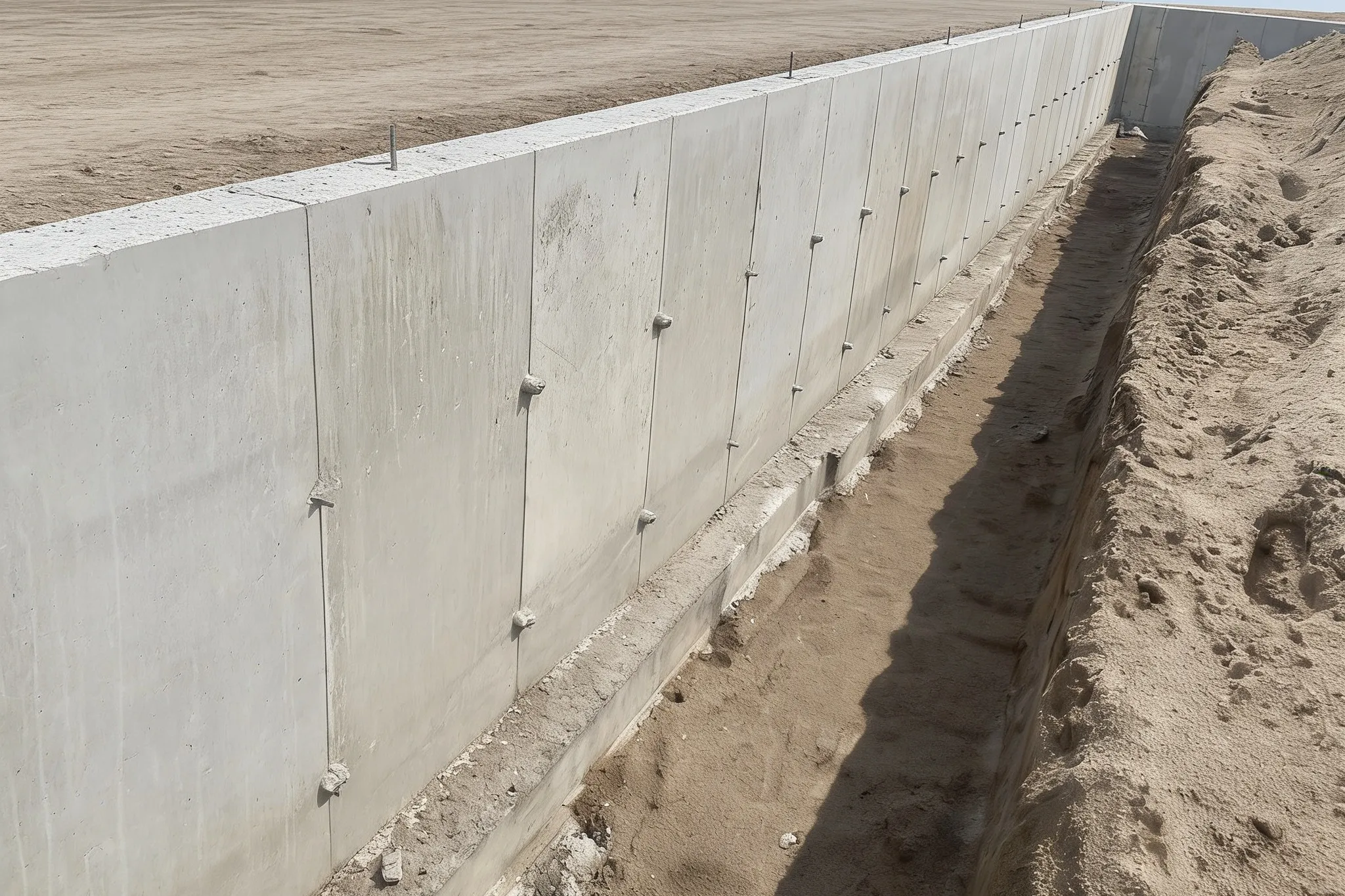
That shapes the fix. On a heritage wall under steady shoreline pressure, the more affordable answer is usually an interior loop that catches the water along the footing and carries it to a sump, and it goes in without tearing up a tight downtown lot. Where the wall itself is crumbling from years of damp, digging the outside and applying a membrane keeps it dry rather than just chasing the leak around inside. The wall tells us which job it is, and that is the one we quote.
Book the dig before the ground freezes
An exterior waterproofing job needs open, unfrozen ground to excavate down to the footing, and a Whitby winter closes that window for months. The damp corner you spot at the spring melt is the same water you will be mopping next fall, so the smart move is to scope it while the ground is still workable rather than wait for a frozen-in emergency.
There is a routing piece too. Whitby is on the Durham lakeshore at the far east end of the GTA, a long haul from our southwest-Ontario routes, so we group Whitby work into planned trips out that way and book you a real date instead of promising same-week. An active leak still gets flagged urgent the day you send the form, and we work it into the next trip east.
Straight answers
Why does my basement in old Whitby near the harbour get wet every spring?
It is usually the ground itself. The downtown core and Port Whitby sit on the old Lake Iroquois shoreline, where beach sand and gravel let groundwater move freely and the lake keeps the water table high under the oldest streets. A pre-war foundation down there was never sealed for that, so when the spring melt raises the water, it finds the weakest point in the wall and pushes through. Once we route that water out with a proper system the basement stays dry, and the written quote tells you exactly where it was getting in.
Is a wet basement even a problem up in Brooklin, away from the lake?
It can be, just for a different reason. Brooklin sits on clay-loam till on higher ground, well back from the lake, so the standing-water problem is milder than it is in the old harbour core. But clay holds water and swells when it is wet, and that pressure can drive seepage through a cold joint or a tie hole even on a newer home. We see fewer Brooklin calls than south-end ones, and they more often turn out to be a single point we can seal rather than a whole-wall system.
Interior or exterior waterproofing for a heritage Whitby home?
That comes down to the wall, not to whatever we would rather book. An interior loop and a sump is the cheaper route, installs without digging up a tight downtown lot, and handles most leaking walls well. An exterior dig and membrane is the bigger job and the one that keeps the wall itself dry, which matters when a stone or old block wall near Port Whitby is breaking down from years of shoreline damp. We do both, and when it is a close call we lay out the two side by side so you decide with real options in hand.
How much does basement waterproofing cost in Whitby?
It turns on the method and the wall, and an interior system and an exterior dig are not prices for the same job, so a flat rate would only mislead you. Depth to the footing, access on a tight downtown lot, the length of wall and the state of the old drainage all move the figure. We write a real number after seeing where the water comes in, the quote is free, and the number we give you is the number you pay.
Water is coming in right now. What do I do?
Use the quote form and tick the box that says water is actively coming in, so it lands as urgent the same day. While you wait, lift anything you care about off the floor, and if you can do it safely, run the nearest downspout farther out from the wall, because one emptying right against an old foundation feeds the leak you are fighting. We reply to every request within one business day and slot urgent Whitby calls into the next trip east.
Keep reading
- Basement Waterproofing across Southern OntarioFor a heritage wall on the Port Whitby shoreline sand, this is how we choose between an interior weeping tile and an outside membrane.
- Concrete Contractors in WhitbyEverything else we pour and repair across Whitby, from the old core to the Brooklin surveys.
- Foundation RepairIf a newer Brooklin poured wall is seeping at one crack rather than a whole harbour-core wall, injection is the smaller fix. Start there.
Tell us about the job.
Send the details and we'll get back to you within one business day with next steps. If water is coming in right now, check the box and we flag it urgent.
Get a straight quote
Free · no pressure · 1 business day