HomeServicesBasement WaterproofingNiagara Falls
Basement Waterproofing in Niagara Falls
The wet-basement calls in Niagara Falls come from the residential side of town, not the strip above the gorge: older homes in Drummondville, Stamford and low Chippawa, sitting on the heavy Haldimand clay that runs from the escarpment down to Lake Erie. We waterproof two ways, an interior weeping-tile system or an exterior dig and membrane, and the wall decides which one you get. The written quote is free, the labour carries a lifetime warranty, and a leak that is active right now gets flagged urgent.
Get a straight quote
Free · no pressure · 1 business day
Reviewed June 2026
Every job is priced individually, not off a price list. Tell us about yours and you get an accurate, no-pressure quote in writing.
The basements that take on water in Niagara Falls are not the ones tourists ever see. They are in the neighbourhoods where people live, off Lundy's Lane and the QEW: old Drummondville around Main Street, the postwar streets of Stamford, and the low, flat ground in Chippawa where the Welland River meets the upper river. What ties them together is the dirt under the floor. The whole plain below the escarpment is Haldimand clay, laid down by an old glacial lake on its way to Lake Erie, and clay is the hardest ground a foundation has to live in.
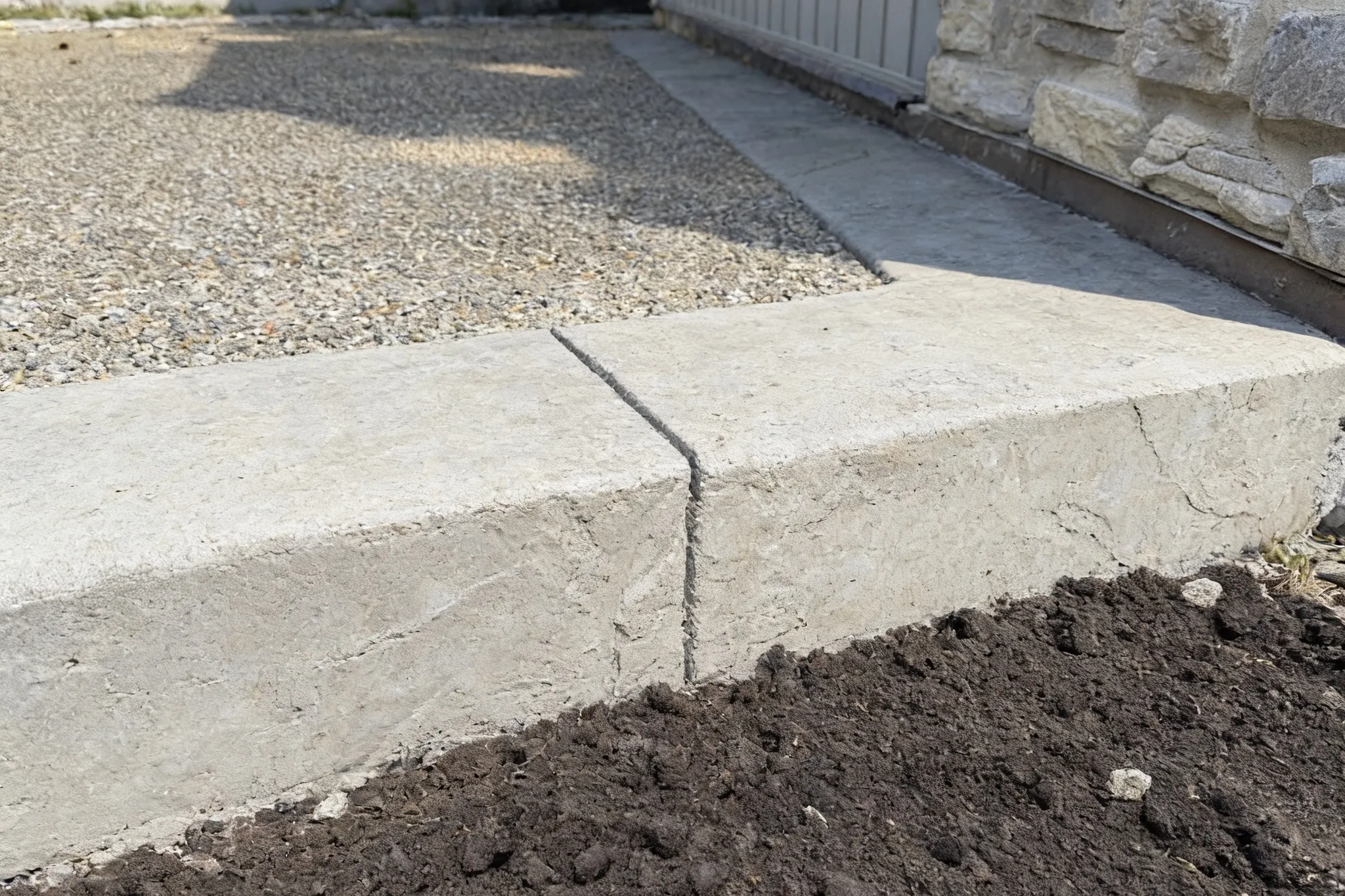
Clay does not let water drain away. It packs tight against the wall and holds it there, so after the spring melt or a stretch of rain the ground around an older foundation stays soaked for weeks, and soaked ground means steady pressure on the concrete. That pressure hunts for the weak spot, an old tie hole, a cold joint, a settling crack, and squeezes water through. Niagara Falls makes it worse than most because the lake air keeps thawing and refreezing the ground all winter, and every cycle works a crack a little wider.
We put in both kinds of system and tell you which one your wall actually needs after we see where the water gets in. How each system works, and when we reach for which, is set out on our basement waterproofing page. This page is about why these particular streets stay damp and how we handle it on Haldimand clay. Fill out the form for a free written quote, and if water is coming in right now, check the urgent box.
Why the clay below the escarpment holds water against your wall
Niagara Falls sits on the low side of the Niagara Escarpment, on the clay belt that stretches south to Lake Erie. That clay was dropped by a glacial lake thousands of years ago, and it is dense, slow-draining stuff. Rain and snowmelt that would soak straight through sand instead sits in the clay, and because clay swells when it is wet, it presses in on a foundation from every side. Chippawa feels this the hardest. The ground out there is flat and low where two rivers meet, the water table stays high well into spring, and a basement on that ground is fighting saturated clay for months.
The freeze-thaw does the rest. The city pulls lake-effect snow off both Lake Erie and Lake Ontario, and the same lake air keeps nudging winter temperatures back above zero, so the ground around a foundation freezes and thaws over and over instead of staying frozen. Water in a hairline crack freezes, expands, and opens the crack a hair wider each time. A wall that only wept a little a few winters ago becomes a wall with a puddle at the corner. Waterproofing it means giving that trapped water a path out, which is the whole job a real system does.
Older Drummondville and Stamford foundations were never sealed for this
Drummondville holds the oldest housing in the city, the blocks around Lundy's Lane and Main Street, and a lot of those foundations were poured long before anyone sealed a basement to a modern standard. Stamford was its own township until the sixties, and its postwar streets are sixty and seventy years on now, old enough that the original drainage is at the end of its life. Where there is weeping tile at all on a house this age, it is usually decades-old clay pipe that has silted up or caved in, so the water that should drain off at the footing just stands there and pushes.
That history shapes the fix. On an older wall under steady pressure from the clay, an interior weeping-tile system that catches the water along the footing and routes it to a sump is often the durable, affordable answer, and it goes in without tearing up a tight Drummondville lot. Where the wall itself is breaking down from years of wet, an exterior dig and a membrane keep it dry from the outside instead of just managing the leak inside. We look at how your wall is built and where the water comes through, then tell you which one it needs rather than which one we would rather sell.
Book the dig before the ground freezes
An exterior waterproofing job needs open, unfrozen ground to excavate down to the footing, and on the Haldimand clay that window closes once a hard frost sets in. The trouble is that the damp you notice at spring melt is the same water you will be mopping up in the fall rains, so the season that makes the problem obvious is also the season the digging window is shutting. Booking the work in summer puts an exterior job in dry, workable ground on a scheduled visit instead of an emergency call in November.
Niagara Falls jobs ride our regular Niagara run, reached along the lakeshore through Grimsby and St. Catharines, so the city books onto a routed day through the pouring season either way. An interior system is less weather-bound and can go in through more of the year. And whatever the calendar says, a leak that is active right now gets flagged urgent the day you send the form.
Straight answers
Why does my Chippawa basement near the Welland River flood every spring?
Chippawa sits low and flat where the Welland River meets the upper river, on heavy Haldimand clay that drains badly and keeps a high water table well into spring. The clay packs against the foundation and holds water there long after the melt, and that standing pressure pushes through any weak point in the wall. The repair that holds depends on how the water gets in: injection on a single crack, regrading and longer downspouts where surface water pools, or an interior drainage system and sump where the high water table sits against the wall for months. We start by finding where it actually enters, then tell you plainly what a repair will and will not change.
Interior or exterior waterproofing for an old Drummondville home?
It comes down to the wall, not to a sales pitch. An interior weeping-tile system and a sump is the more affordable route, it captures water along the whole footing, and it installs without digging up a narrow older lot off Lundy's Lane. An exterior dig and membrane is the bigger job and the one that keeps an aging wall itself dry, which matters when a foundation in old Drummondville is breaking down from decades of wet clay against it. We install both and lay out both when it is a close call, so you decide with real options in front of you instead of one pitch.
Does waterproofing on Haldimand clay work differently than on sandier ground?
It does, and the clay is exactly why the calls cluster here. Sandy ground lets water drain away from a wall, so pressure builds slowly. Haldimand clay holds the water and presses it against the foundation for weeks, which is why a wall that looked fine for years suddenly leaks. That steady pressure is what an interior weeping-tile system is built to relieve, by collecting the water at the footing and pumping it out before it can push through. On clay, getting the drainage right matters more than any coating, and a bucket of waterproof paint on the inside does nothing about the pressure on the outside.
How much does basement waterproofing cost in Niagara Falls?
It turns on the method and the wall, and an interior system and an exterior dig are not the same job, so a flat rate would only mislead you. Depth down to the footing, access on an older Drummondville or Stamford lot, the length of wall and the state of the original drainage all move the figure. We write a real number after we see where the water gets in, the quote is free and in writing, and the number we give you is the number you pay.
Water is coming in right now. What should I do?
Submit the form and tick the box for an active leak, and your job moves to the front of the line that same day. While you wait, lift anything that matters up off the floor, and if you can reach it safely, push roof runoff away from the wall by extending a downspout, because one spilling right beside an old foundation on clay is feeding the very problem you are trying to stop. We reply to every request within one business day.
Keep reading
- Basement Waterproofing across Southern OntarioFor a Drummondville or Chippawa wall on heavy Haldimand clay, this is how we choose between an interior weeping tile and an outside membrane.
- Concrete Contractors in Niagara FallsEverything else we pour and repair across the city, from Stamford to Chippawa and old Drummondville.
- Foundation RepairIf freeze-thaw has opened one crack in a poured wall rather than the clay loading the whole wall, injection is the smaller fix. Start there.
Tell us about the job.
Send the details and we'll get back to you within one business day with next steps. If water is coming in right now, check the box and we flag it urgent.
Get a straight quote
Free · no pressure · 1 business day