HomeServicesBasement WaterproofingSt. Catharines
Basement Waterproofing in St. Catharines
The wet-basement calls in St. Catharines cluster in the old canal and creek neighbourhoods: heritage homes in Merritton, Port Dalhousie and downtown along St. Paul Street, built on the thick clay glacial Lake Iroquois left behind, with the water table sitting close under the lowlands by Twelve Mile Creek and the canal. We run both an interior weeping-tile system and an exterior dig with membrane, and fit the wall to the one it needs. Written quotes cost nothing, the labour carries a lifetime warranty, and a leak that is active right now gets flagged urgent.
Get a straight quote
Free · no pressure · 1 business day

Reviewed June 2026
Every job is priced individually, not off a price list. Tell us about yours and you get an accurate, no-pressure quote in writing.
If your St. Catharines basement takes on water, where your house sits tells most of the story. The first Welland Canal ran from the harbour at Port Dalhousie south along Twelve Mile Creek into the old town, then climbed the escarpment through Merritton, and the oldest housing in the city grew up along that line. Those canal and creek neighbourhoods carry foundations poured generations ago, sitting on the heavy clay glacial Lake Iroquois dropped across the Garden City.
Clay does not drain. After the spring melt or a wet stretch in the fall, the ground around an old St. Paul Street or Merritton foundation stays saturated for weeks, and saturated clay leans on the wall. In the low ground near the creek and the canal the water table rides high on top of that, so the pressure has nowhere to go but through the weakest spot in an aging wall, a cold joint, a tie hole, a hairline crack. A coat of waterproof paint does nothing against that.
We run both kinds of system and call it straight on which one fits once we see where the water gets in. The full method, the weeping tile, the sump, the exterior membrane, lives on our basement waterproofing page; this page is about why these particular St. Catharines streets stay wet and how we handle them here. Use the form for a free written quote, and if water is coming in right now, check the urgent box on it.
Why the old canal and creek streets are the wet ones
St. Catharines did not grow as one piece, and the wet-basement map follows the oldest parts. Merritton was a mill town packed tight against the canal locks, Port Dalhousie was the lake harbour where the canal met the water on what was once marshy ground at the mouth of Twelve Mile Creek, and the downtown blocks along St. Paul Street sit above the creek on the old Iroquois shoreline. Those are the streets with century foundations standing in clay that holds water against them.
The newer belts hold up better. Grantham, Western Hill and the surveys out toward Vansickle and Louth went in on graded modern lots, so the steady-leak calls thin out there. It is the canal-side and creek-side heritage stock where melt and rain stack against an old wall through a long, mild Niagara winter of thaw after thaw, and that is where the waterproofing work concentrates.
Old foundations on Iroquois clay, the St. Catharines reality
Many of the homes along the canal and the downtown creek line stand on early footings, and the parging and mortar on them are usually decades past their service life. Walls that old often leak across joints and faces rather than at one neat crack, so injecting a single spot rarely settles it. Where there is original weeping tile, it tends to be old clay pipe that has silted up or collapsed, so water that should drain at the footing just stands there in the Iroquois clay.
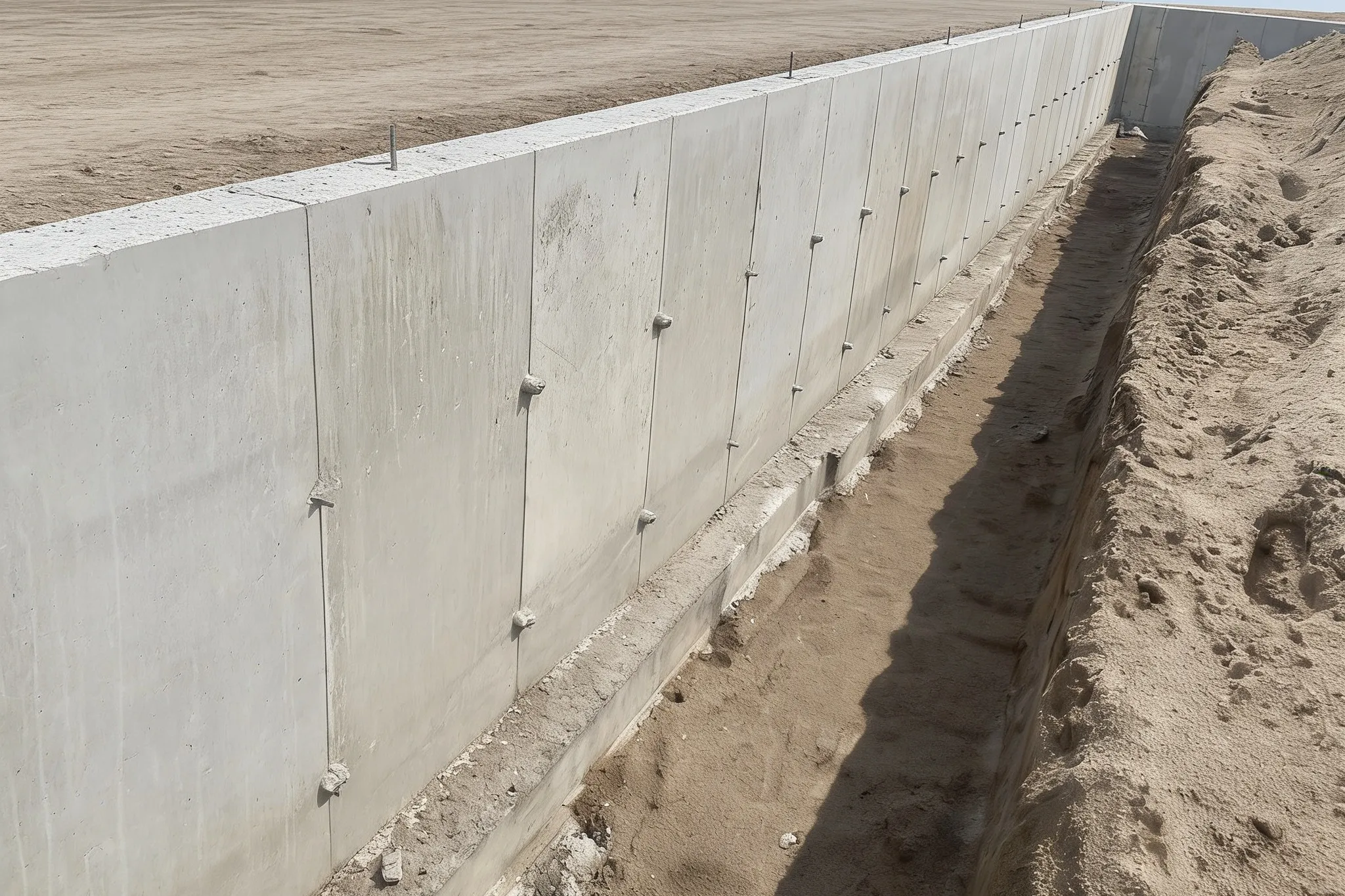
That decides the method. On an old wall held under steady pressure from saturated clay, an interior weeping-tile system that gathers the water along the whole footing and routes it to a sump is often the durable, affordable answer, and it goes in without tearing up a tight lot on a heritage street. Where the wall itself is breaking down from years of wet, an exterior dig and a membrane keep it dry instead of managing the leak. We tell you which your wall needs, not which one is easier for us to sell.
Book the exterior work before the ground freezes
Niagara winters here run mild and unsettled, crossing zero again and again from December through March instead of freezing once and staying that way. Every thaw pushes more melt into already saturated clay, so a basement that was damp in spring tends to come back wet in the late-fall rains. The trouble is that an exterior dig needs unfrozen ground, so the wet season that creates the worry is the same one that starts closing the window to excavate beside the wall.
Booking in summer puts the work in dry ground on a scheduled run rather than as an emergency call in the rain. St. Catharines is the first major stop as our crews reach Niagara along the lakeshore, so a job here books into the regular route either way, and an active leak gets flagged urgent the day you send the form.
Straight answers
We're in an old Merritton or Port Dalhousie home near the canal. Why is the basement wet every spring?
Three things stack up on these streets. The foundation is early and the parging and mortar are usually past their service life, the ground is the thick clay glacial Lake Iroquois left across the city, and down near the creek and the canal the water table sits high. The clay holds the melt against the wall for weeks and the pressure pushes it through the weakest point, while the original clay weeping tile has usually silted up so nothing drains at the footing. What lasts is a system that routes that water away from the footing, and the written quote names where it is getting in.
Interior or exterior waterproofing for a heritage St. Catharines home?
The wall settles it, not a sales pitch. An interior weeping tile and sump is the more affordable route, installs without digging up a tight canal-side or downtown lot, and handles most leaking walls well. An exterior dig and membrane is the bigger job and the one that keeps an old wall itself dry, which matters when a century foundation is breaking down from years in wet clay. We run both systems and lay out both when the call is close, so you decide with real options in front of you.
Our downtown St. Catharines house sits above Twelve Mile Creek. Does that change the waterproofing?
It can, so we look before we quote. The old core along St. Paul Street follows the creek line on the Iroquois shoreline, and ground near a watercourse tends to stay damp longer and ride a higher water table than a flat lot up in Grantham. On a wall that sees that much standing water, an interior system along the whole footing usually outlasts patching one crack, because the pressure is coming at the whole wall rather than one spot. We start with how and where the water is getting in and match the system to that.
How much does basement waterproofing cost in St. Catharines?
It comes down to the method and the wall, and an interior system and an exterior dig are not two prices for one job, so a flat rate would only mislead you. How deep the footing sits, how tight the access is on a heritage lot, how much wall is involved and how far gone the old drainage is all move the figure. We put a real number on paper after seeing where the water comes in, the quote is free, and the City of St. Catharines runs a basement-flooding subsidy worth a quick call before you scope anything. The number we give you is the number you pay.
There is water in my basement today. What should I do first?
Fill out the quote form and check the box that says water is actively coming in, and we flag it urgent that same day. While you wait, lift anything that matters off the floor, and if you can do it safely, run a downspout extension to carry roof water away from the wall, because a downspout emptying right beside an old foundation feeds the leak you are fighting. We get back to every request within one business day.
Keep reading
- Basement Waterproofing across Southern OntarioFor a Merritton or Port Dalhousie wall on Iroquois clay by the canal, this is how we decide between an interior weeping tile and an outside membrane.
- Concrete Contractors in St. CatharinesEverything else we pour and repair across the city, from the canal-side cores to the Vansickle surveys.
- PargingIf the foundation face is just spalling and damp, fresh parging is the smaller fix on an old wall. Start there.
Tell us about the job.
Send the details and we'll get back to you within one business day with next steps. If water is coming in right now, check the box and we flag it urgent.
Get a straight quote
Free · no pressure · 1 business day