HomeServicesConcrete DrivewaysKitchener
Concrete Driveways in Kitchener
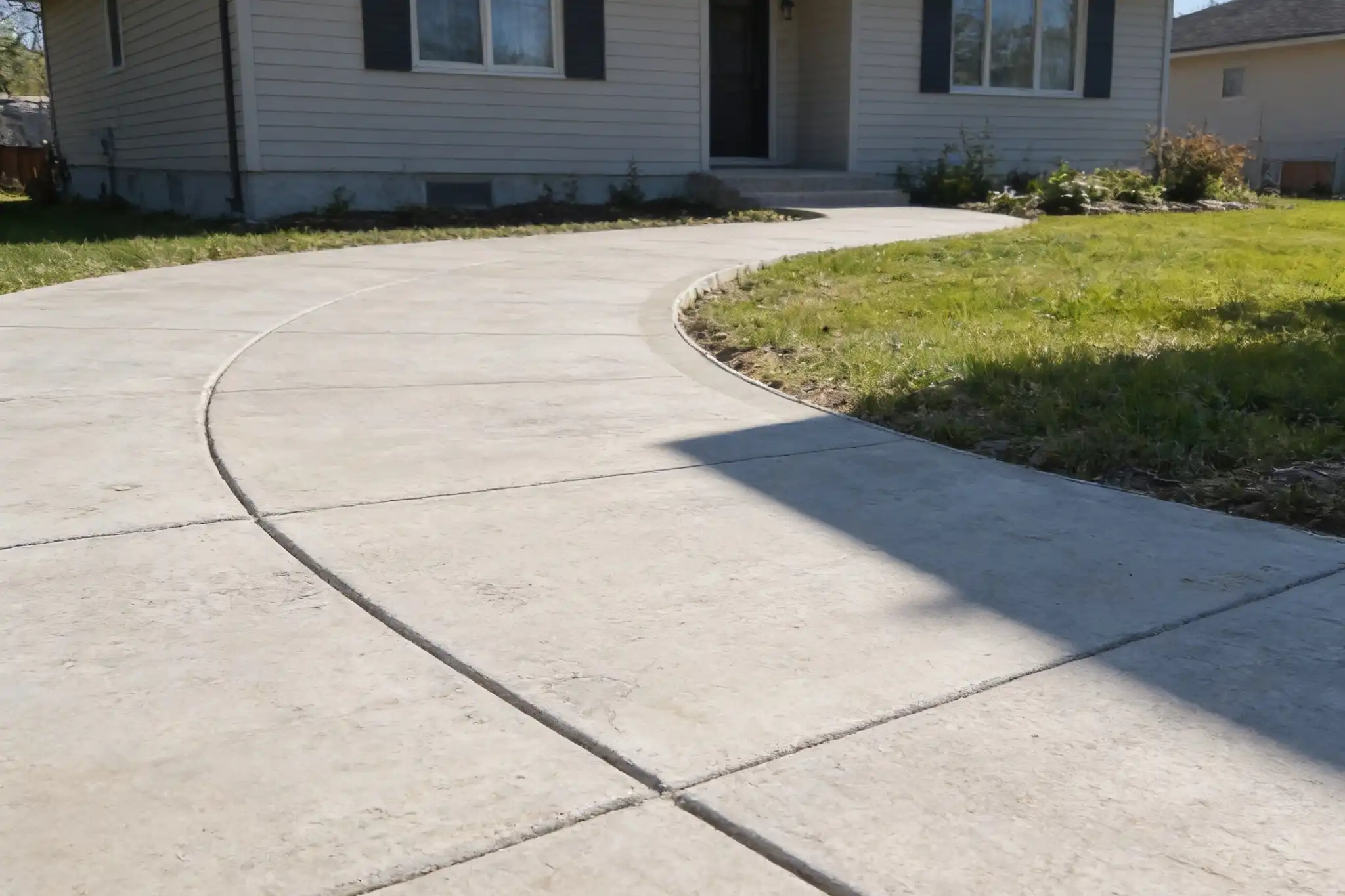
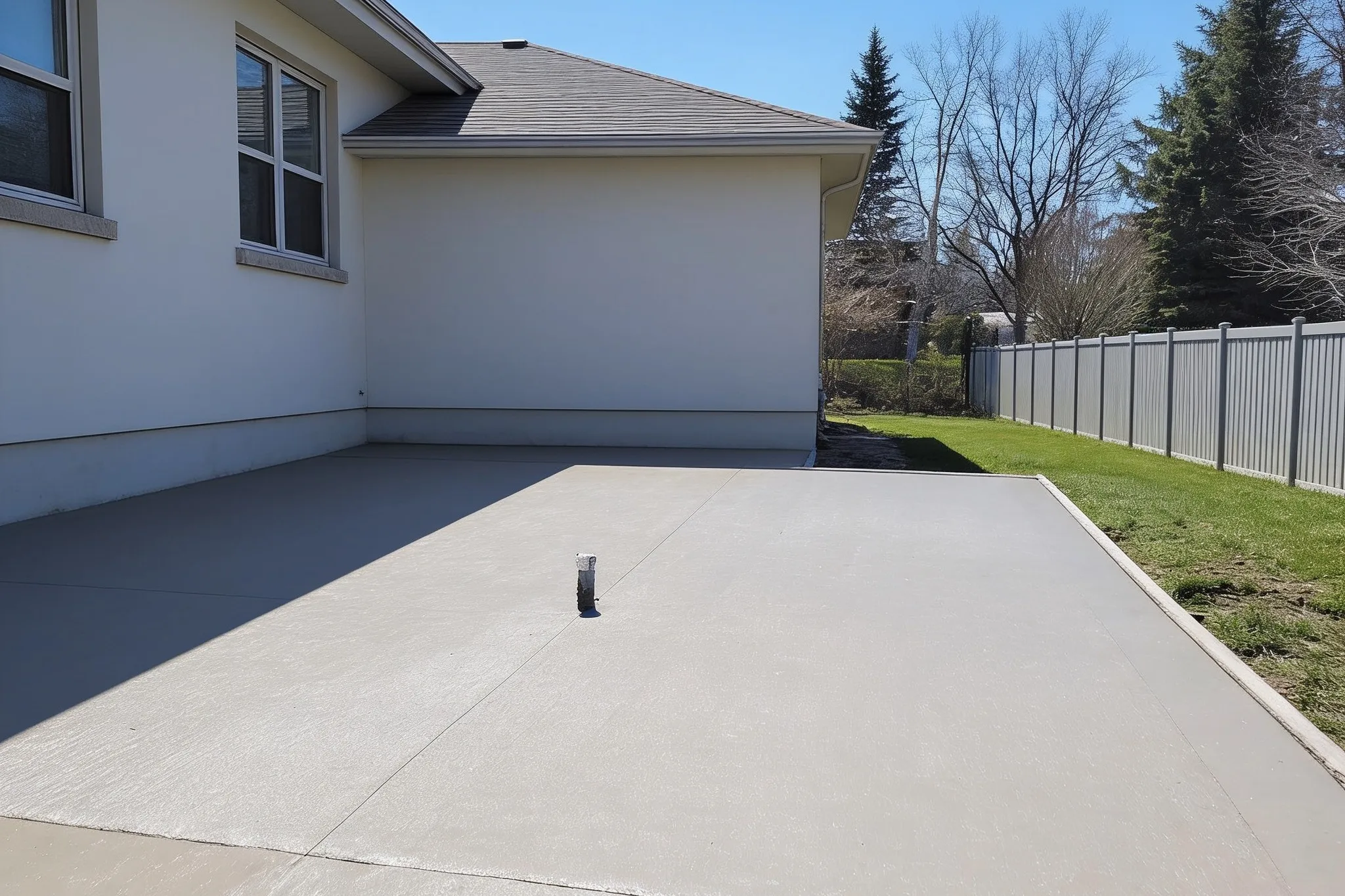
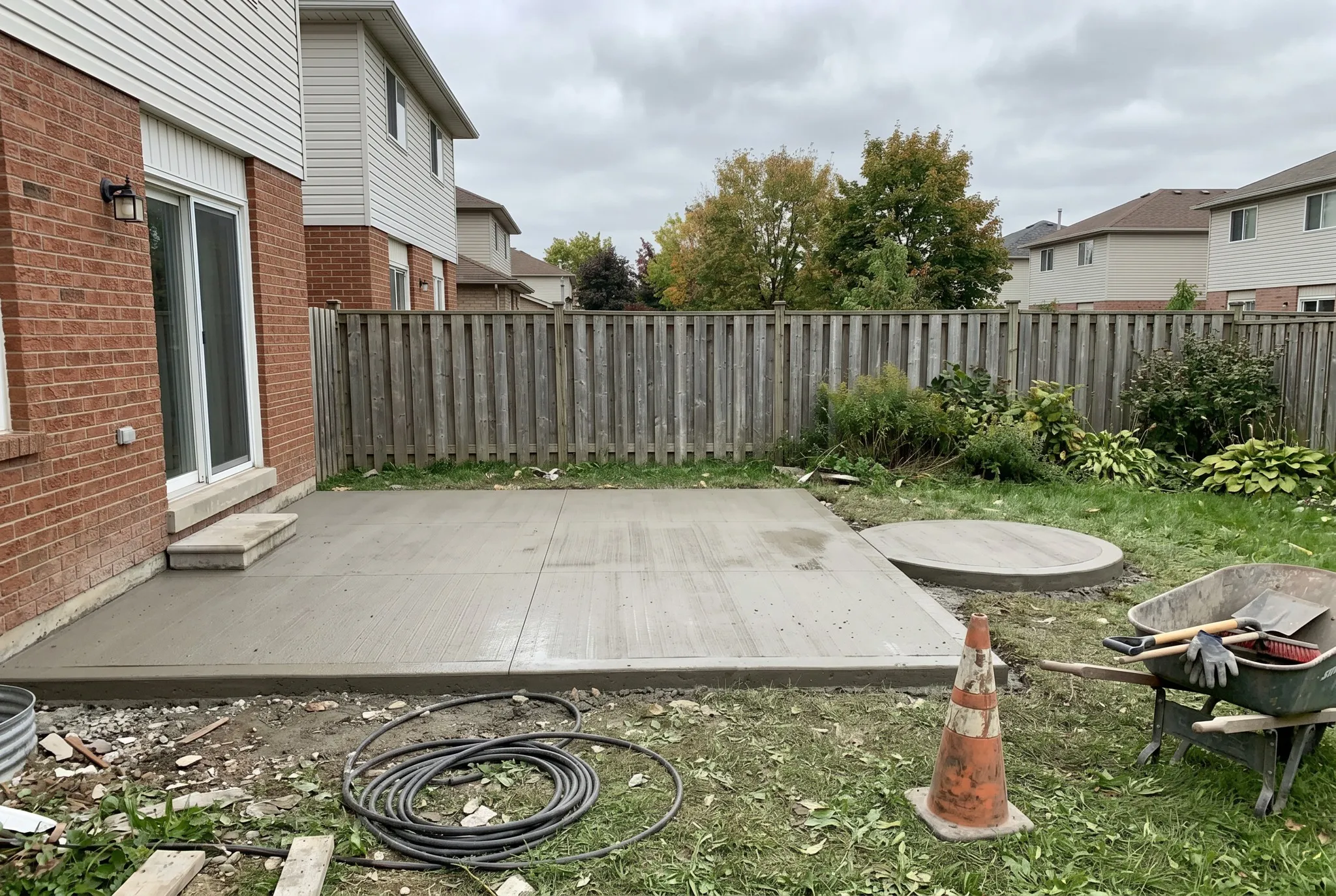
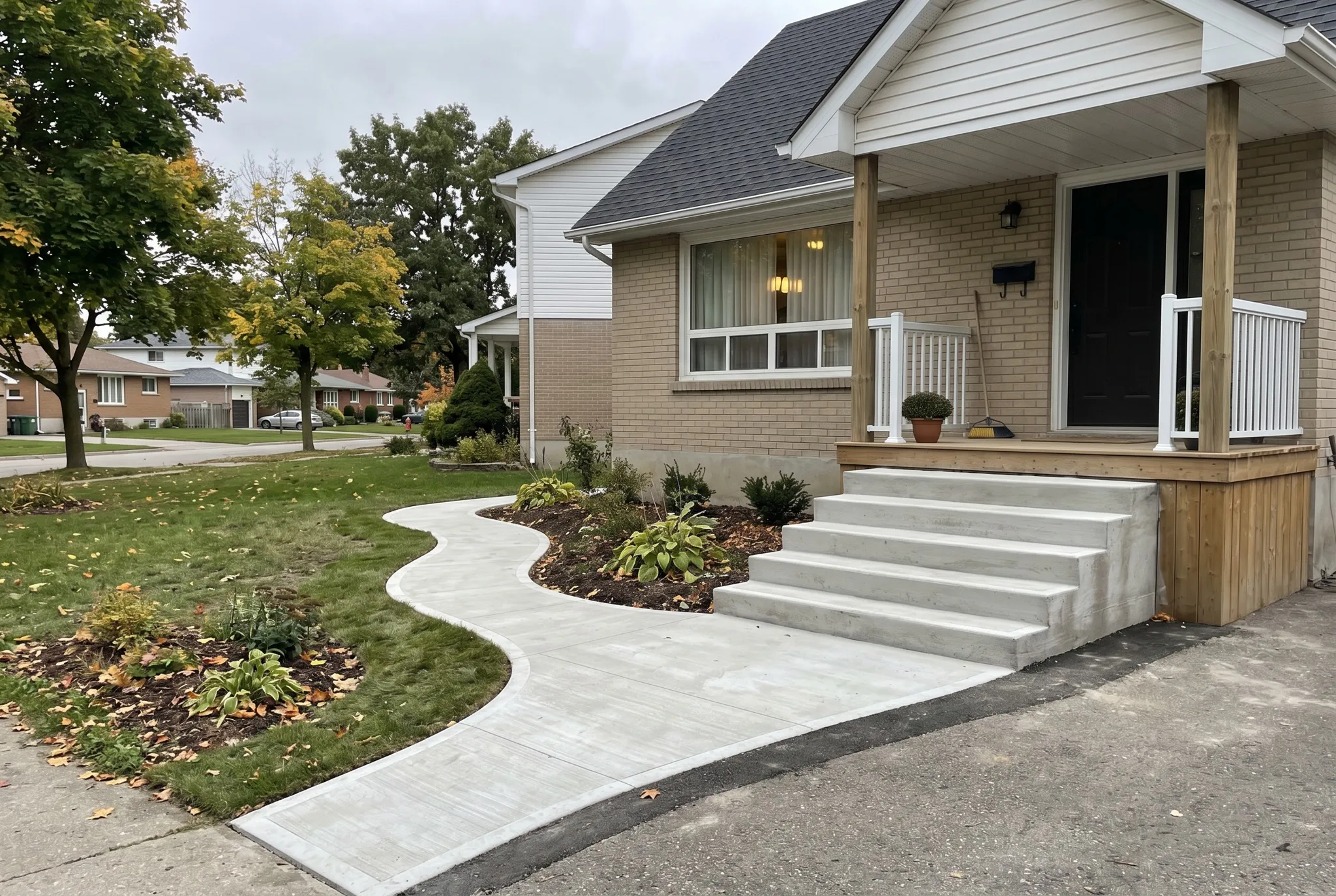
We pour new and replacement concrete driveways across Kitchener, built for the ground each lot sits on: the well-drained moraine sand the city grew up on, where the base has to be contained so it cannot wash out, and the wetter clay in the Grand River valley pockets, where frost is the bigger worry. Union-certified crews, a free written quote, and a lifetime warranty on labour. Send the details and we put a real number in writing.
Get a straight quote
Free · no pressure · 1 business day
Reviewed June 2026
Every job is priced individually, not off a price list. Tell us about yours and you get an accurate, no-pressure quote in writing.
Most of Kitchener sits on the Waterloo Moraine, the glacial sand the early settlers called the Sandhills. For a driveway that is mostly good news. Meltwater drains down through sand instead of pooling in layers under the slab, so a Kitchener driveway tends to heave less than one out on the clay east of the city. The catch is what sand does when it gets the chance to move.
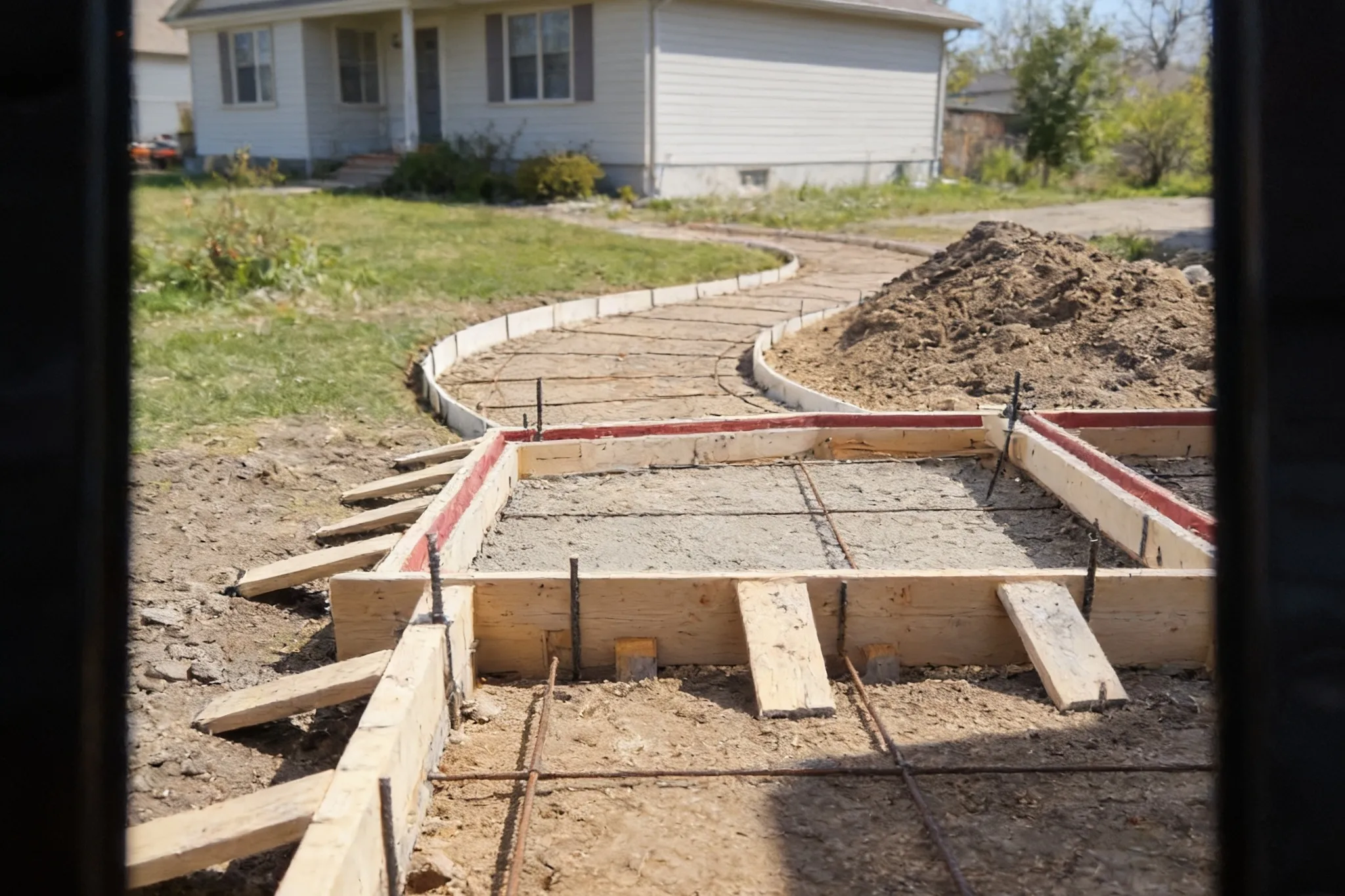
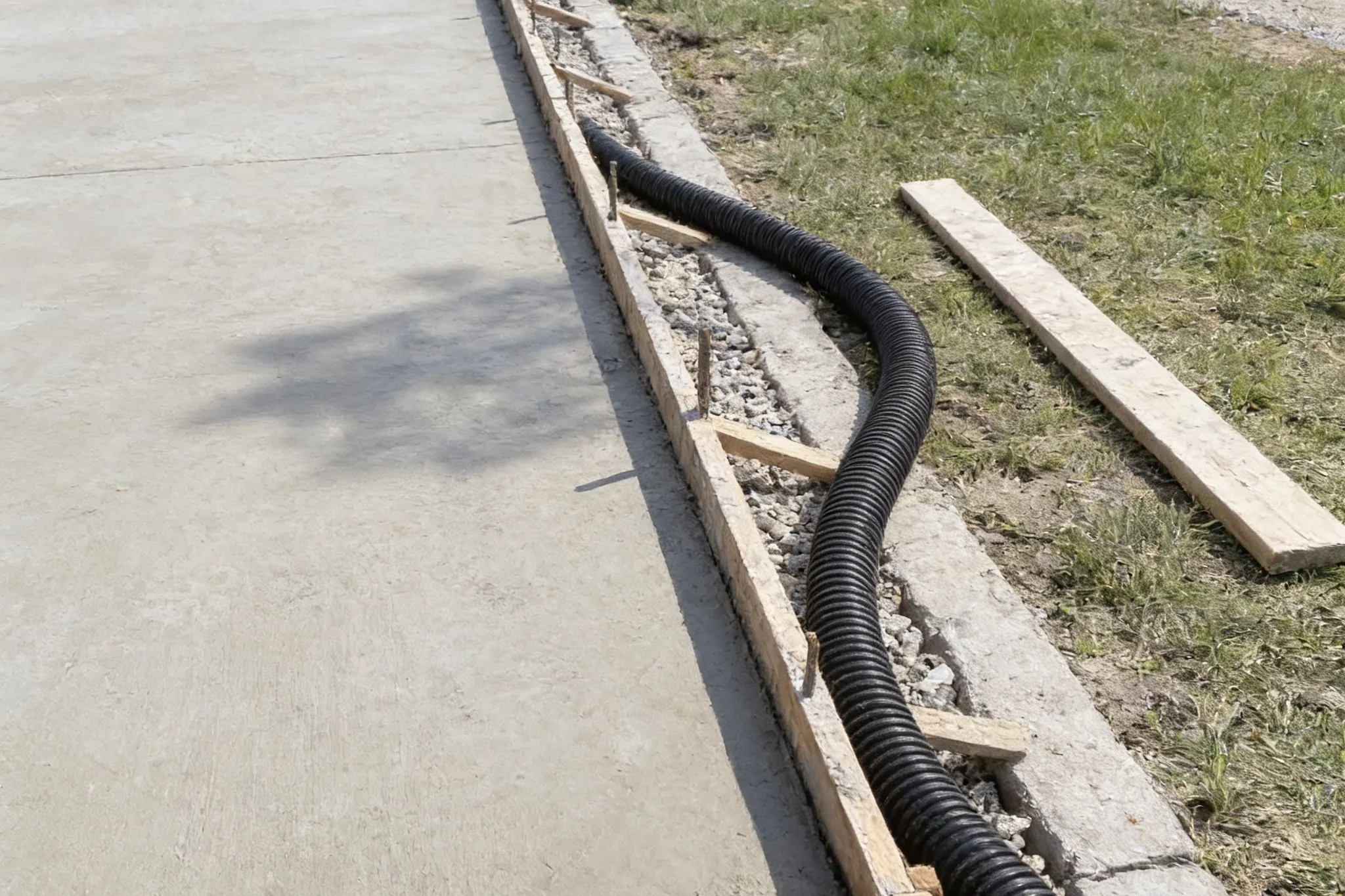
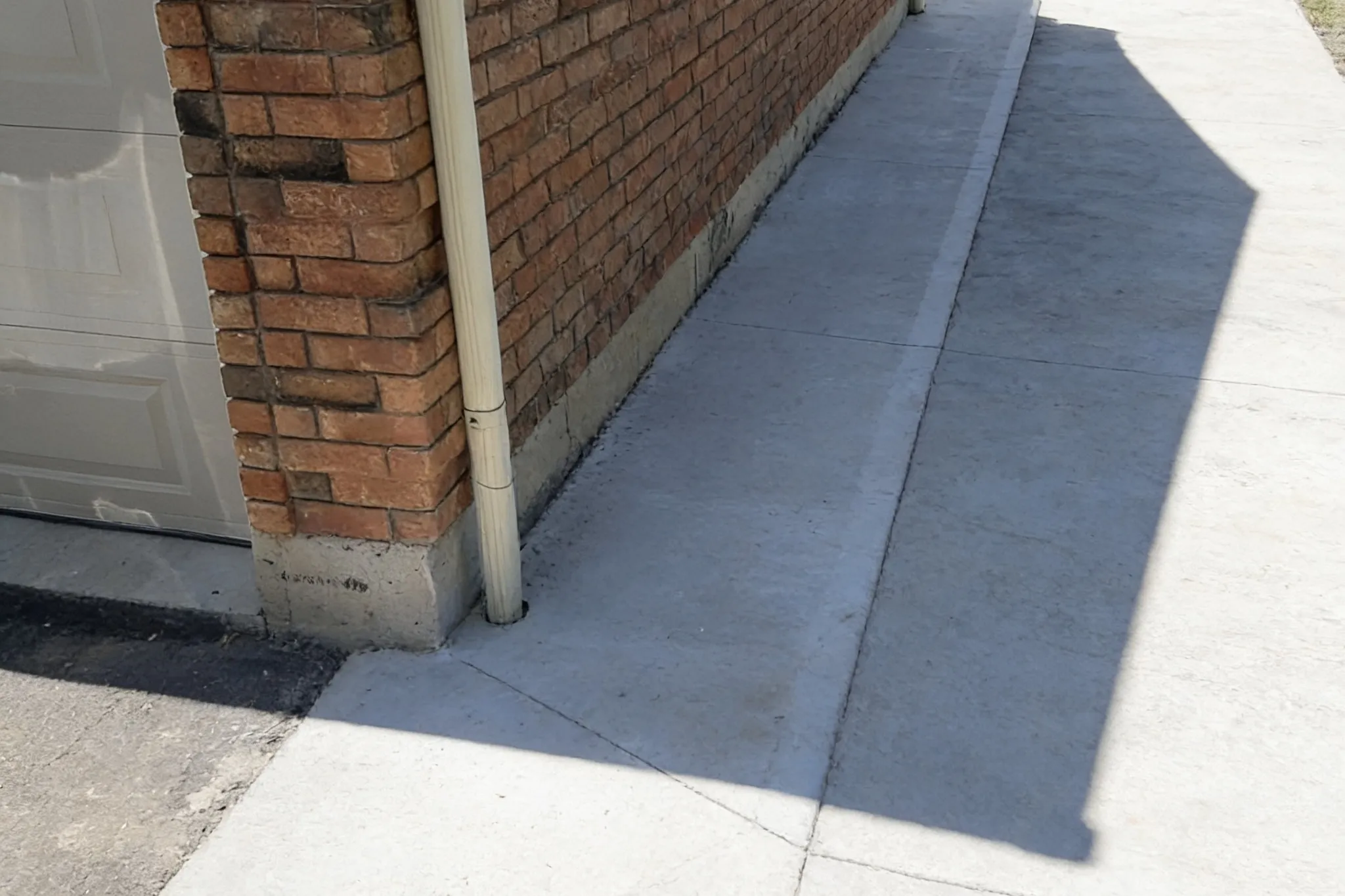
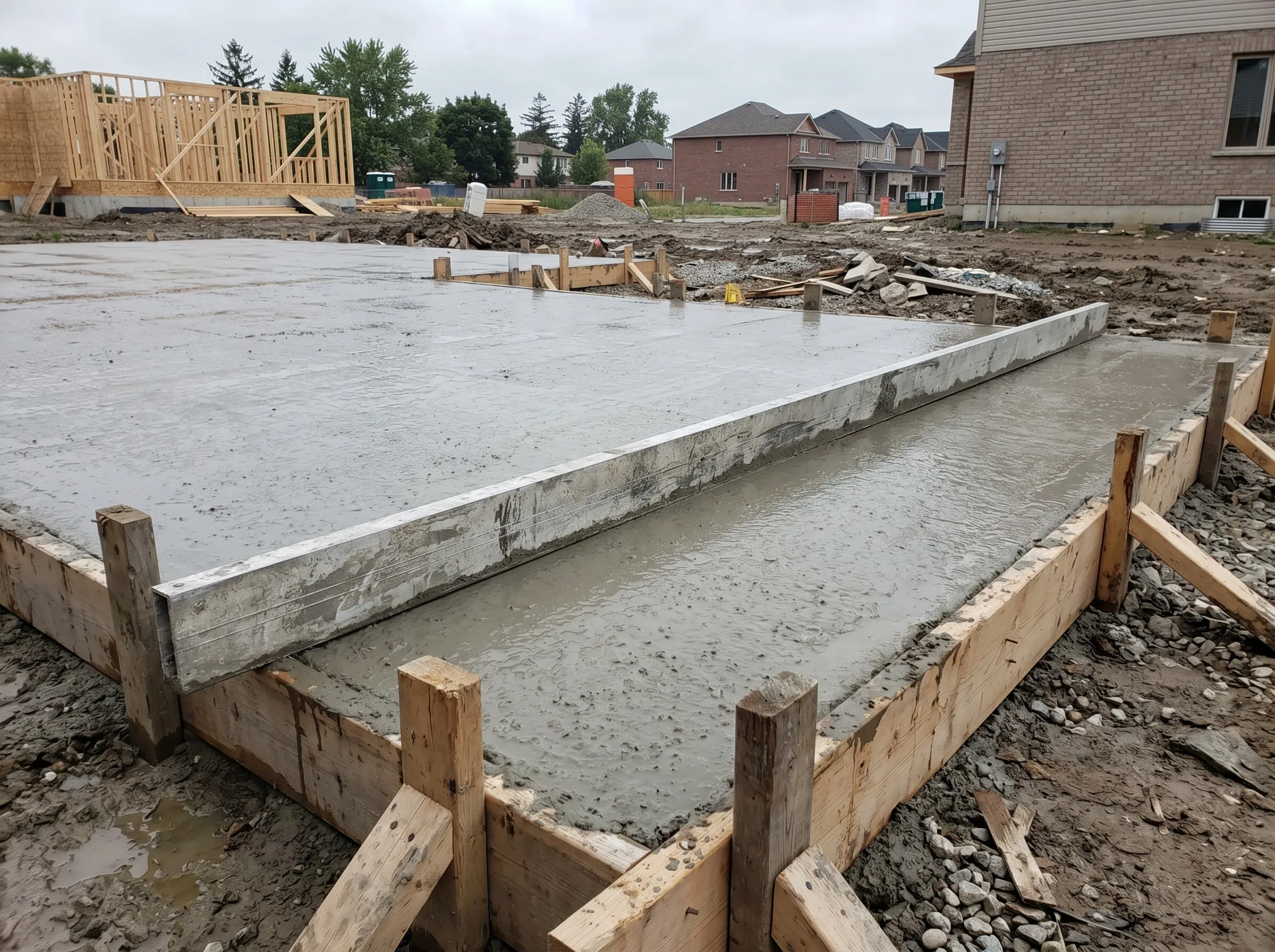
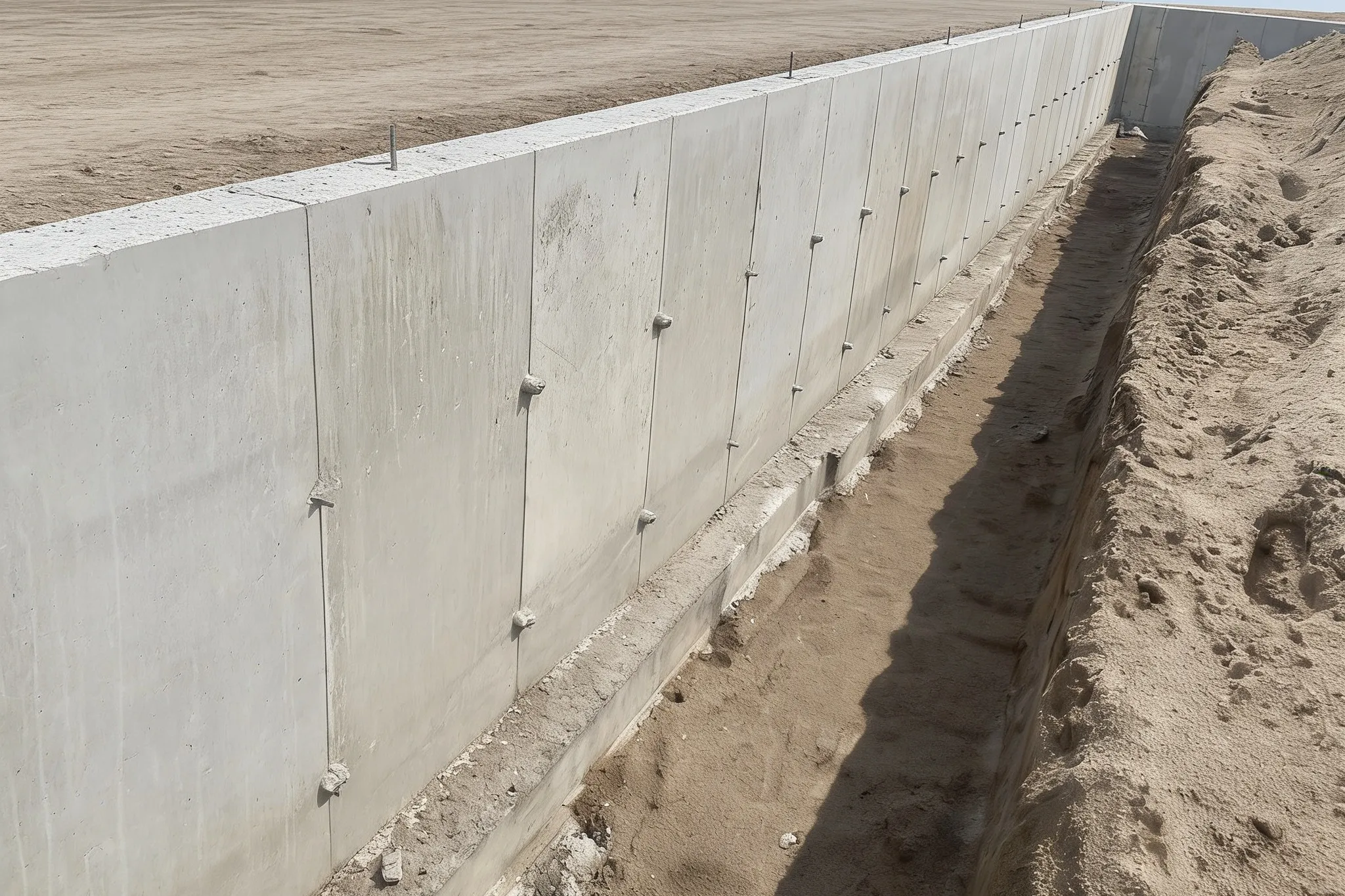
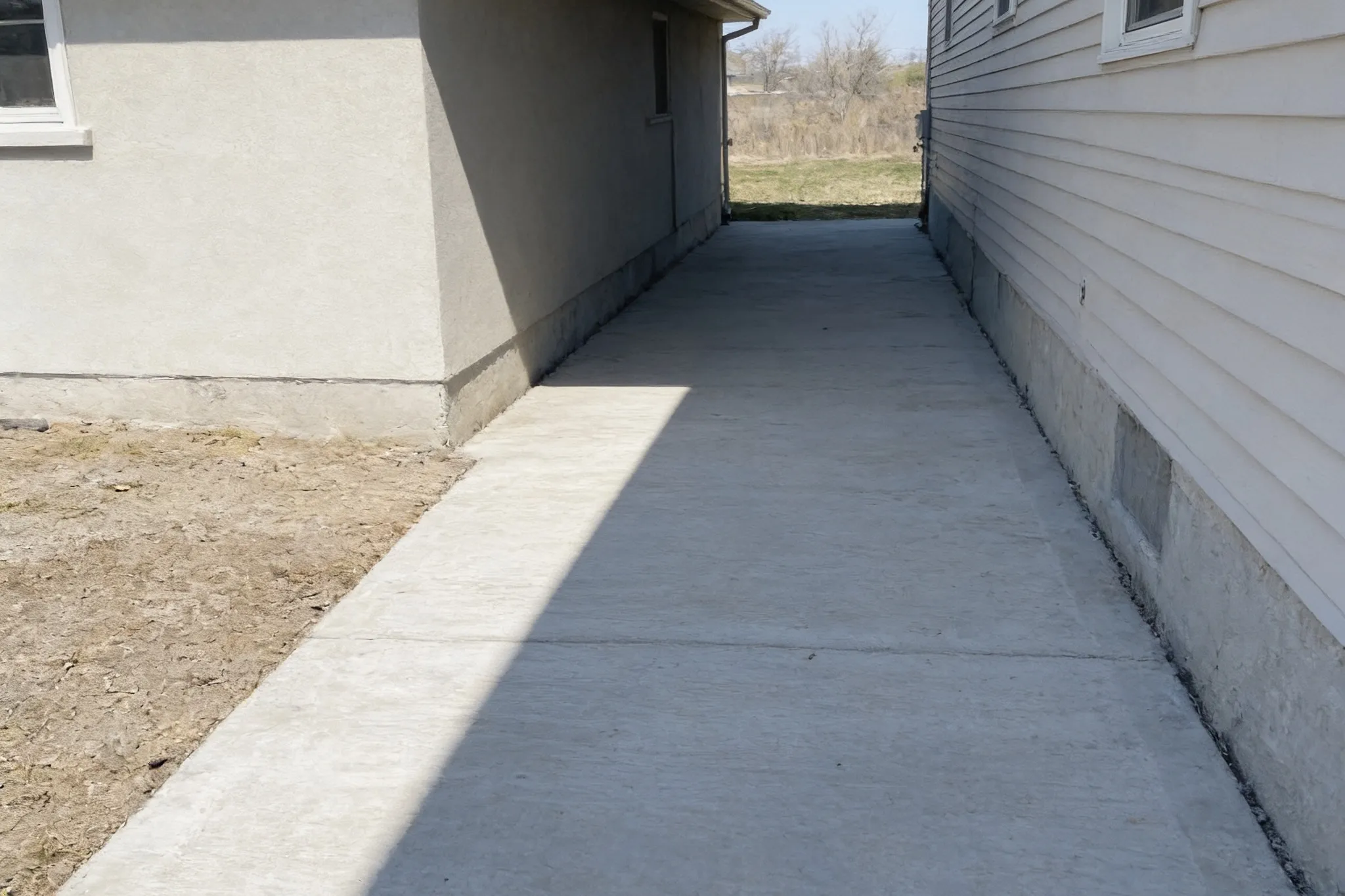
Run water at the same patch of sand long enough and it leaves, grain by grain. A downspout that has dumped on one spot for years, or runoff that funnels along a slab edge, hollows the ground out underneath until the concrete is spanning a gap it was never meant to span. That is why a driveway here is won at the base: contain the granular, compact it in lifts, and grade the lot so water sheds off the slab instead of digging under it.
Not all of Kitchener is sand, though. Drop into the low ground near the Grand River and the creeks that feed it and the water table sits higher and the soil turns to clay, which heaves when frost gets under a thin base. The full method, the 32 MPa air-entrained mix, the granular base, the saw-cut joints, lives on our concrete driveways page. This page is about reading which Kitchener you are pouring on. The quote is free and written, and the number we give you is the number you pay.
Sand and valley clay are two different base jobs
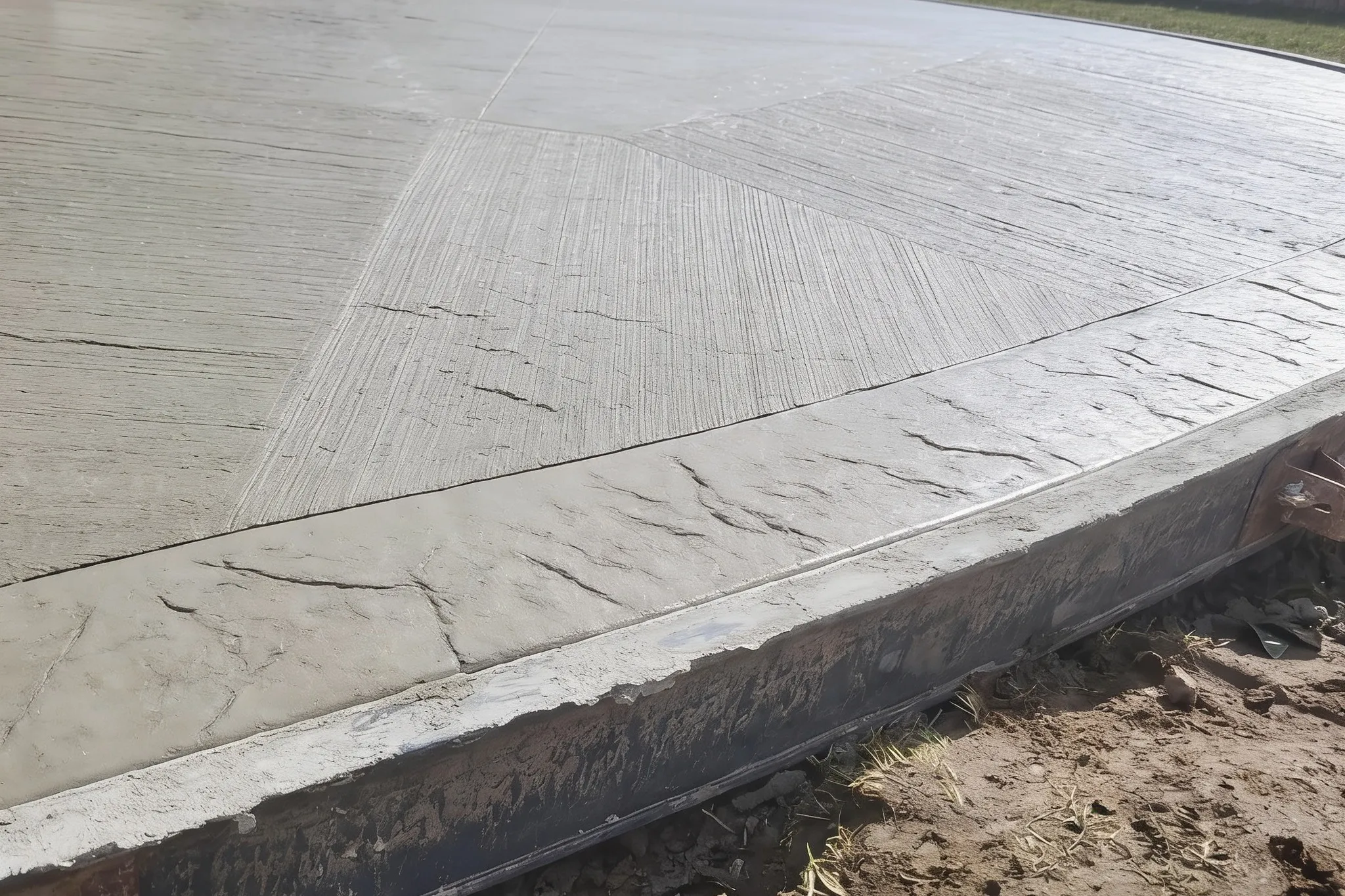
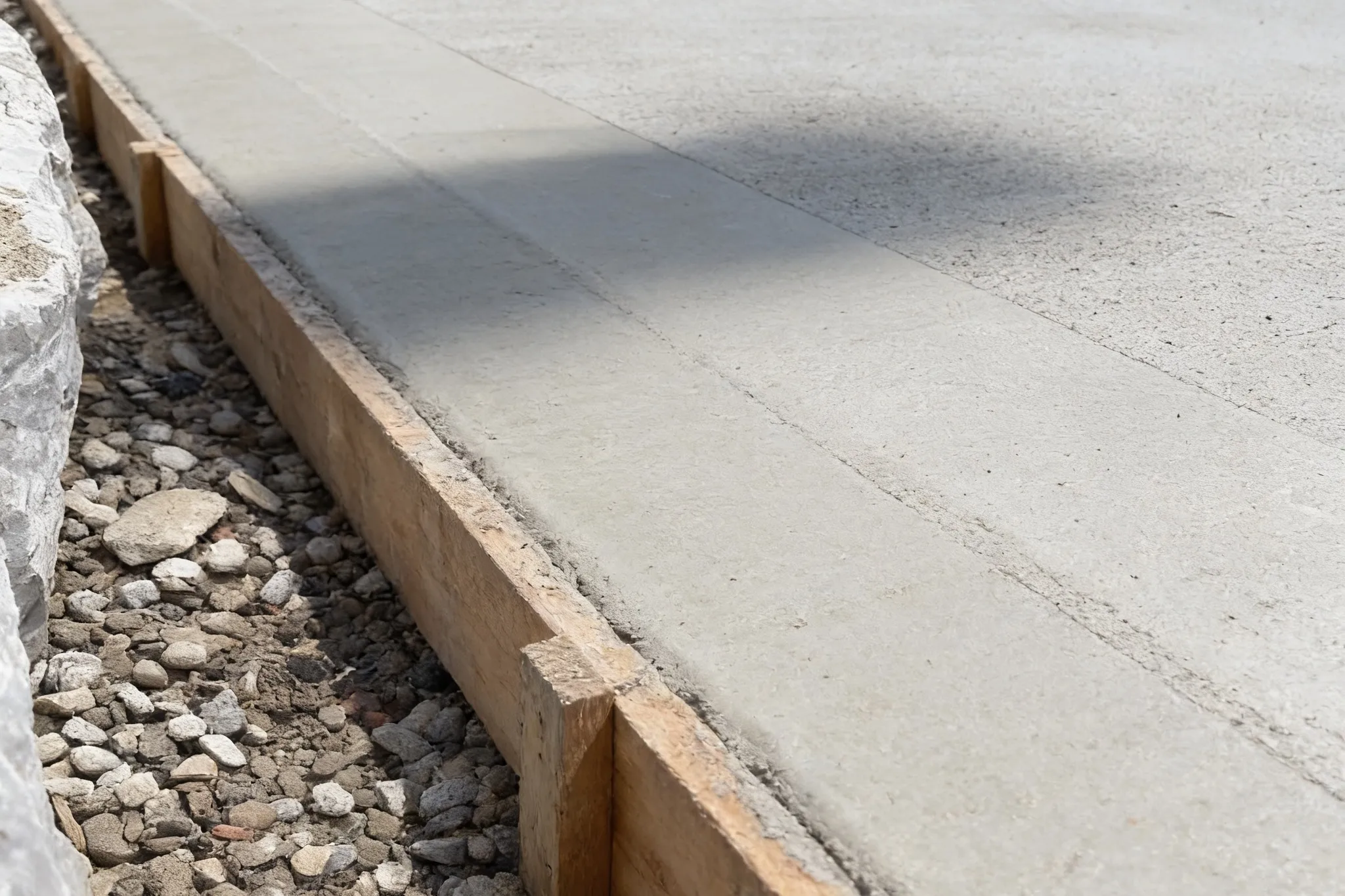
On the moraine sand that covers most of the city, drainage is your friend and erosion is your enemy. We do not have to chase deep frost the way the clay towns do, because the sand lets melt drain away before it can freeze under the slab. What we do instead is box the base in: a compacted granular base that will not migrate, edges that hold, and grading that carries roof and surface water clear of the slab perimeter so it never gets a path to wash the ground out from under a corner.
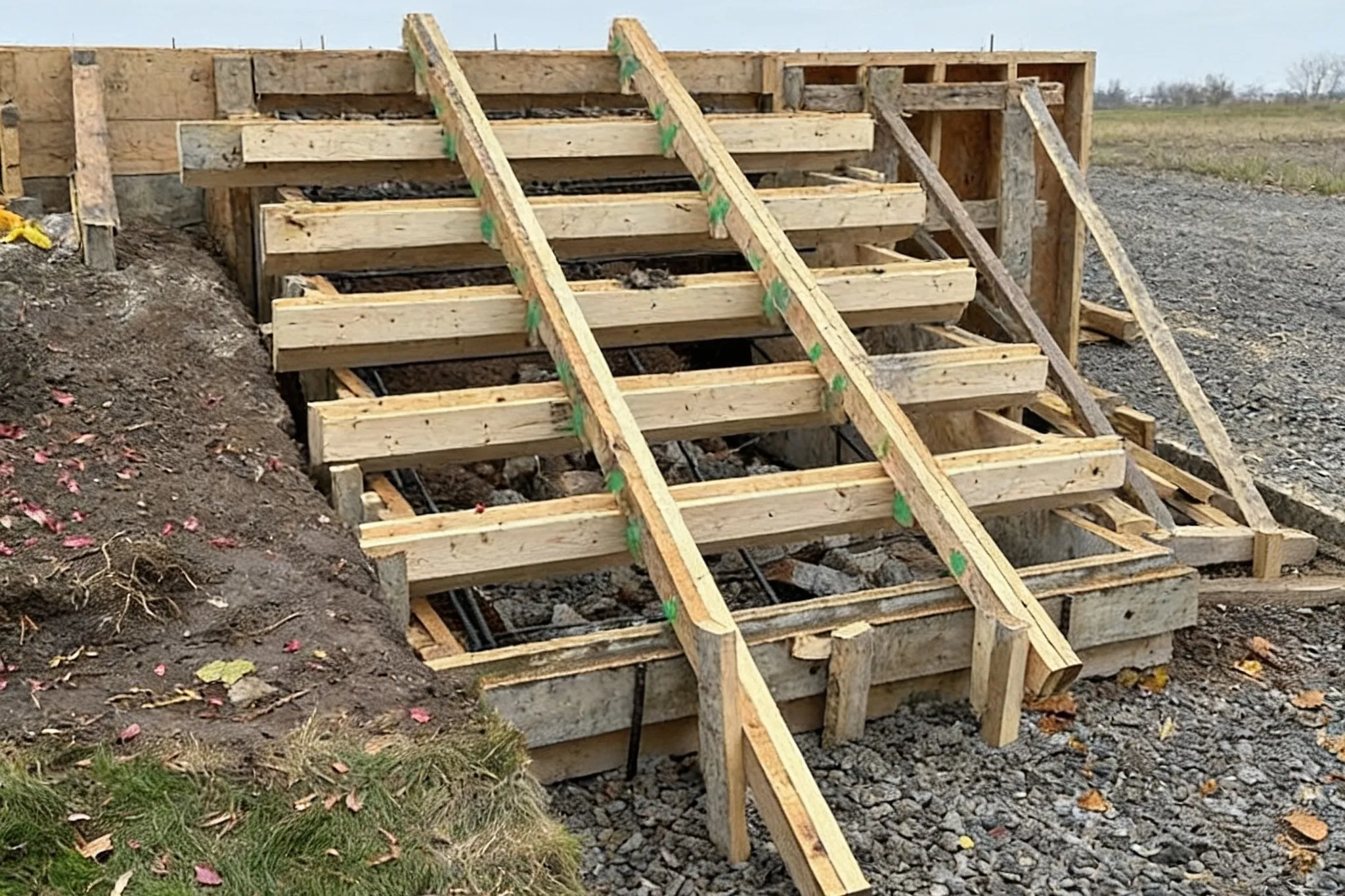
Down in the Grand River valley pockets the story flips. The clay there holds water right where frost can reach it, and the water table sits closer to the surface, so the same thin base that survives up on the sandhills will let a valley driveway lift over a winter. On those lots we excavate to stable ground and build a deeper compacted base graded to move water off, the same way we would on the clay east of town. We build to the ground in front of us, not to one recipe for the whole city.
Built for freeze-thaw and a hard road-salt winter
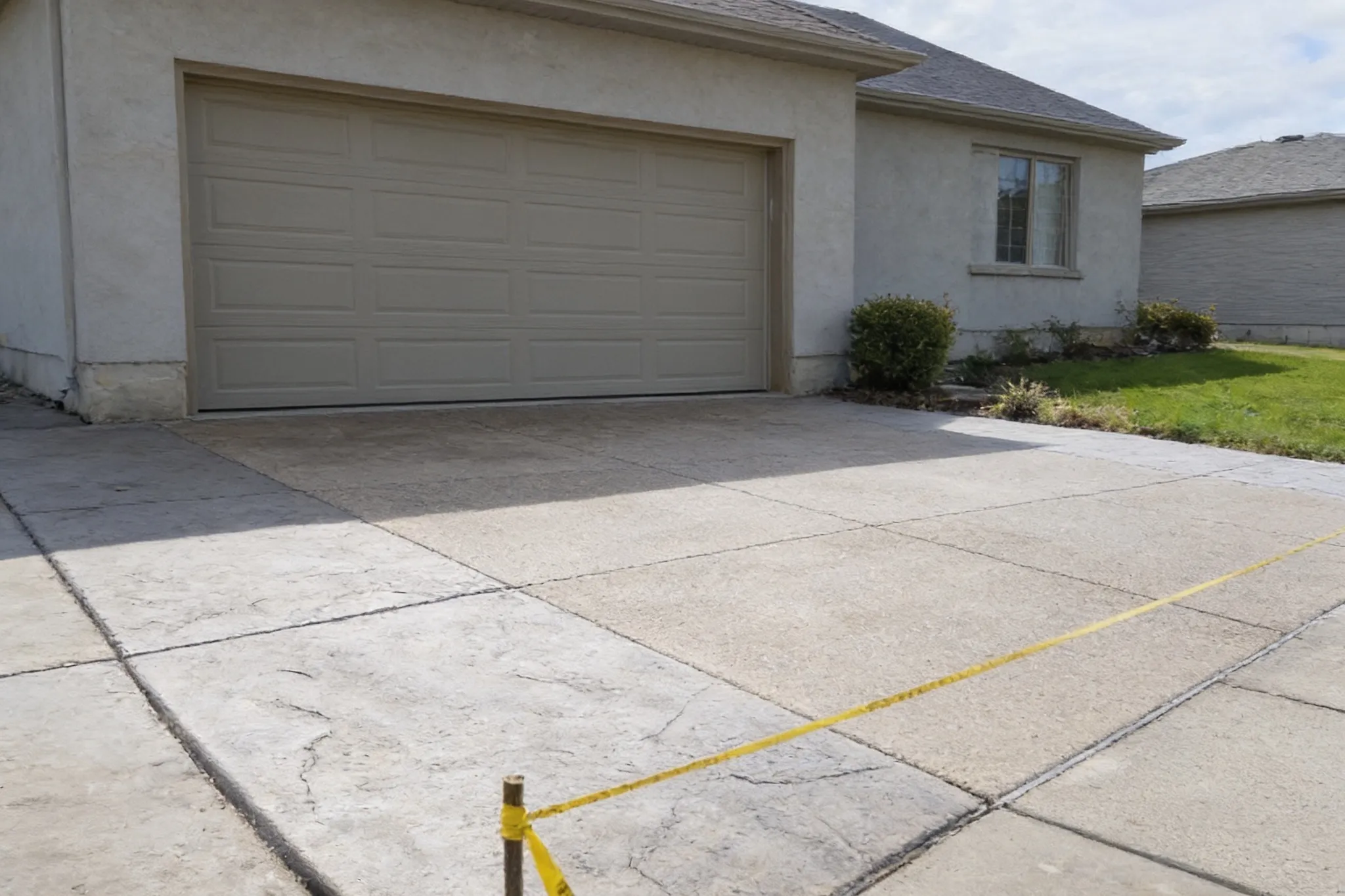
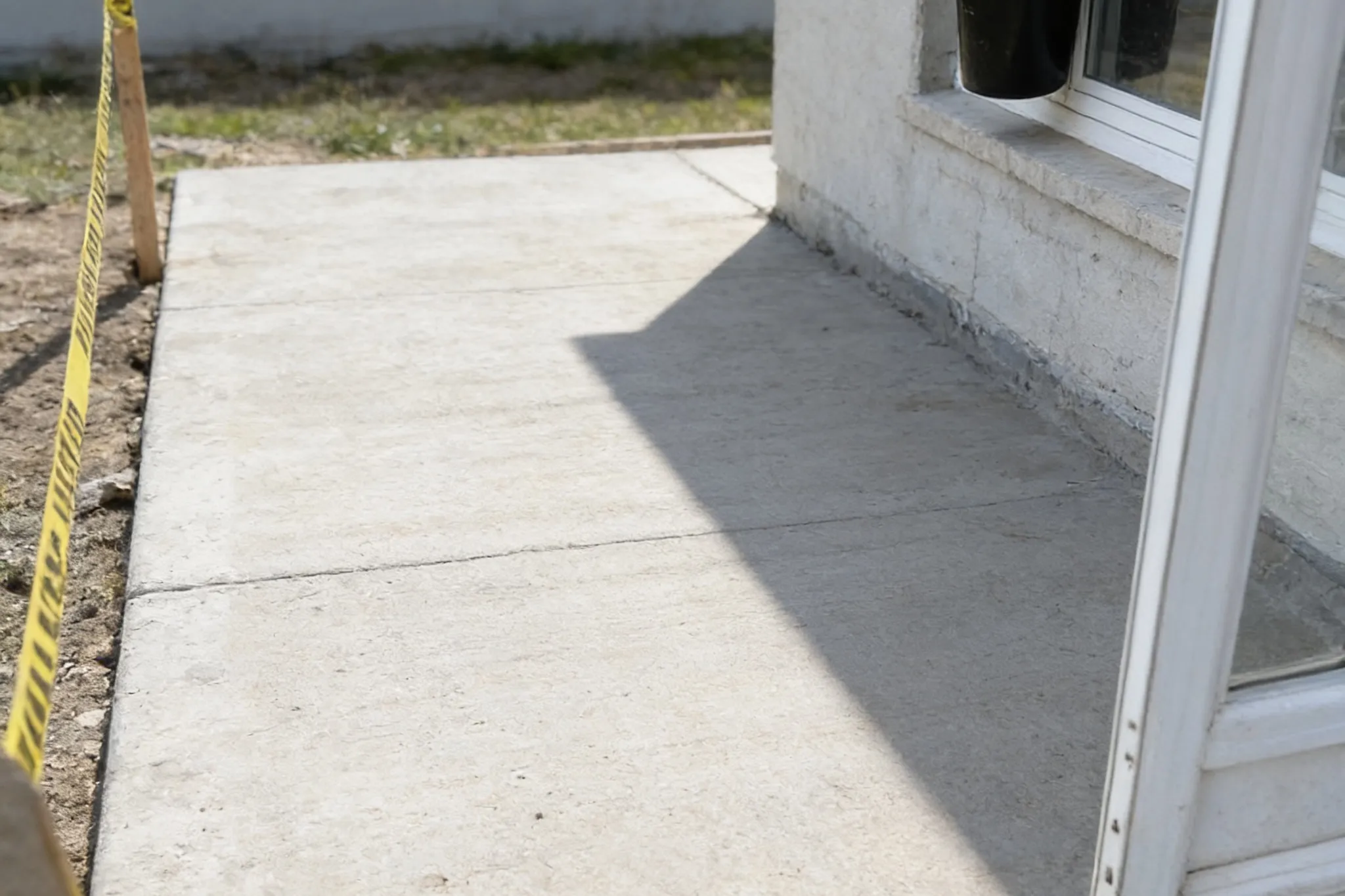
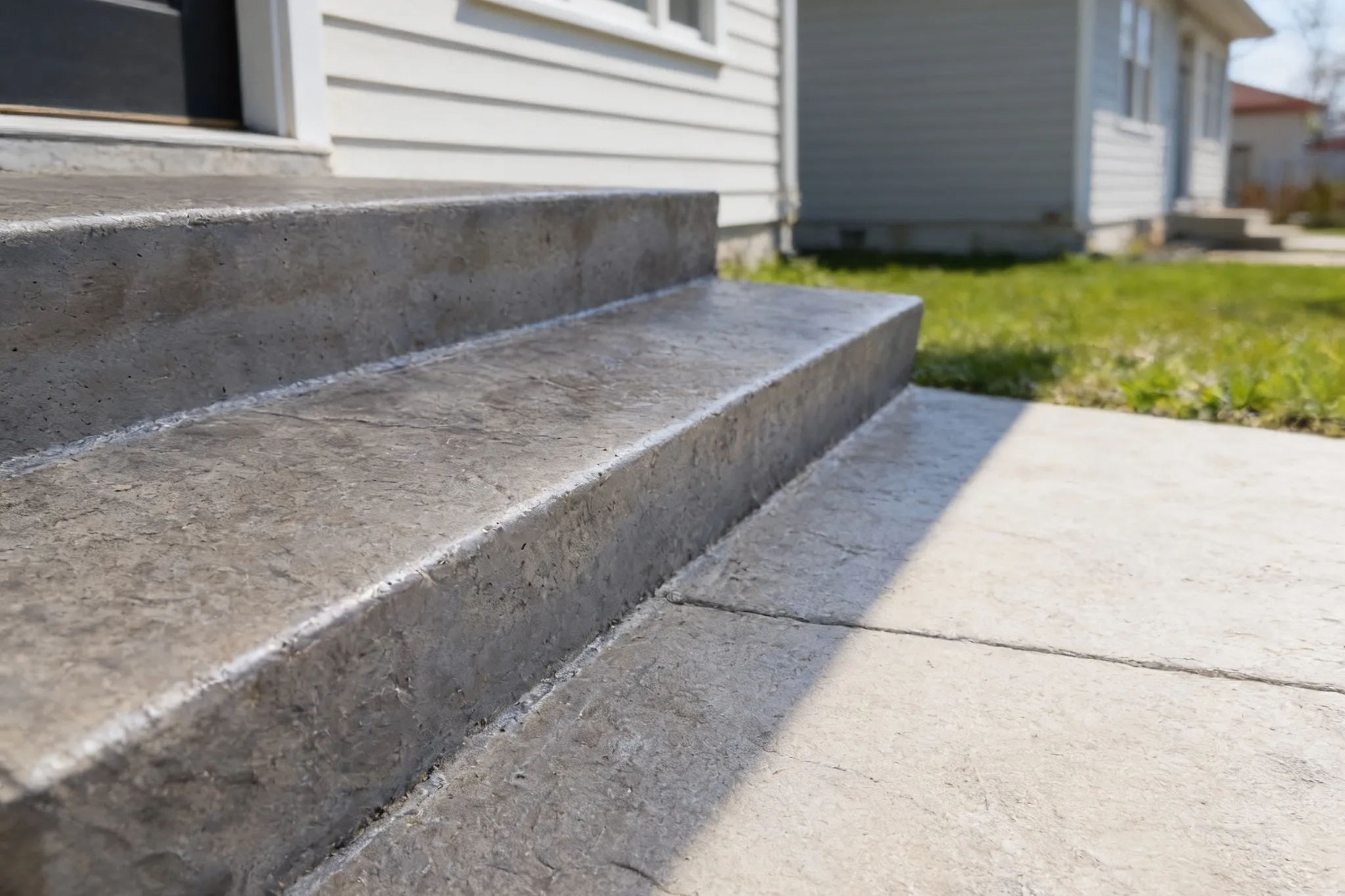
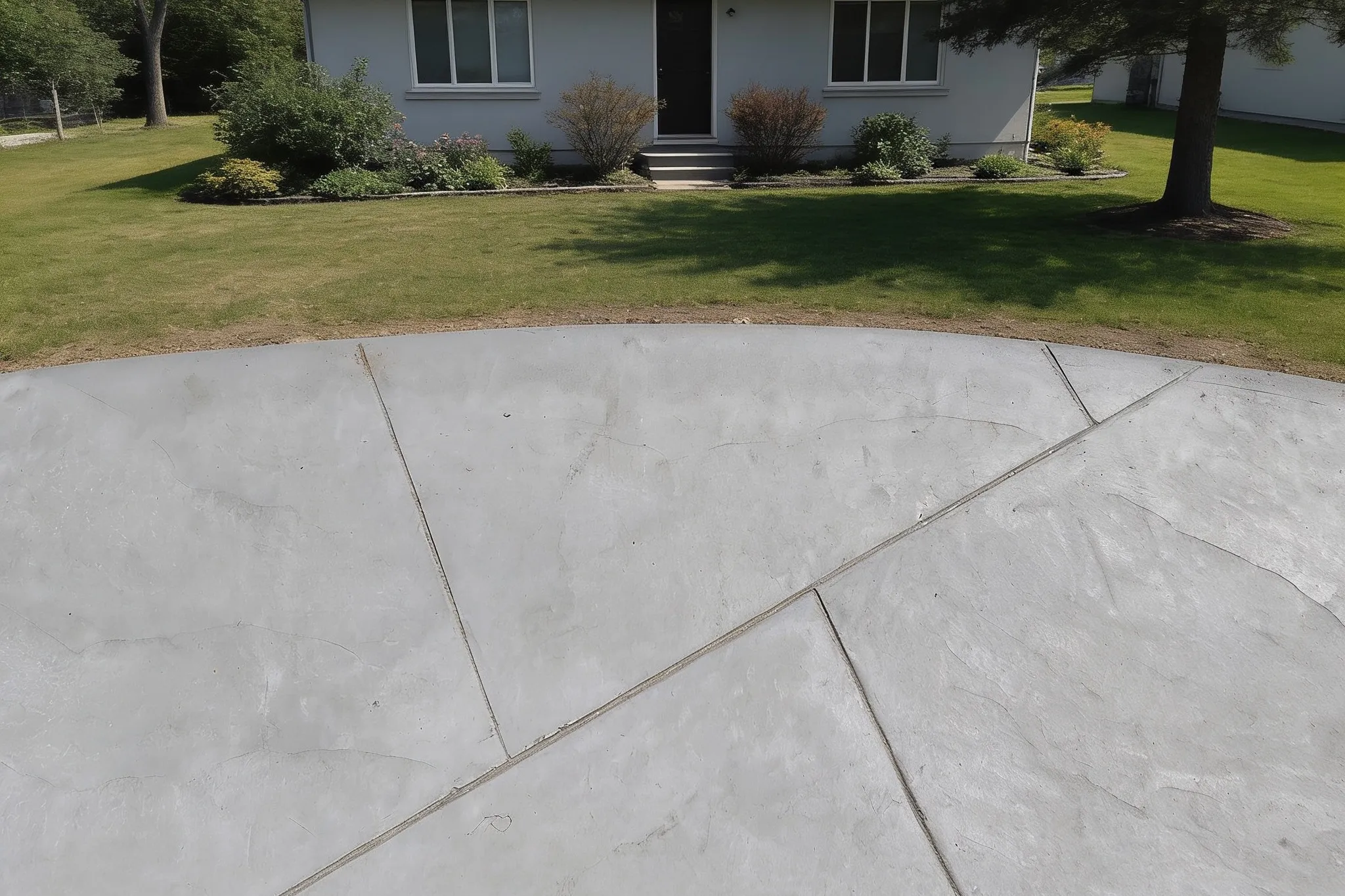
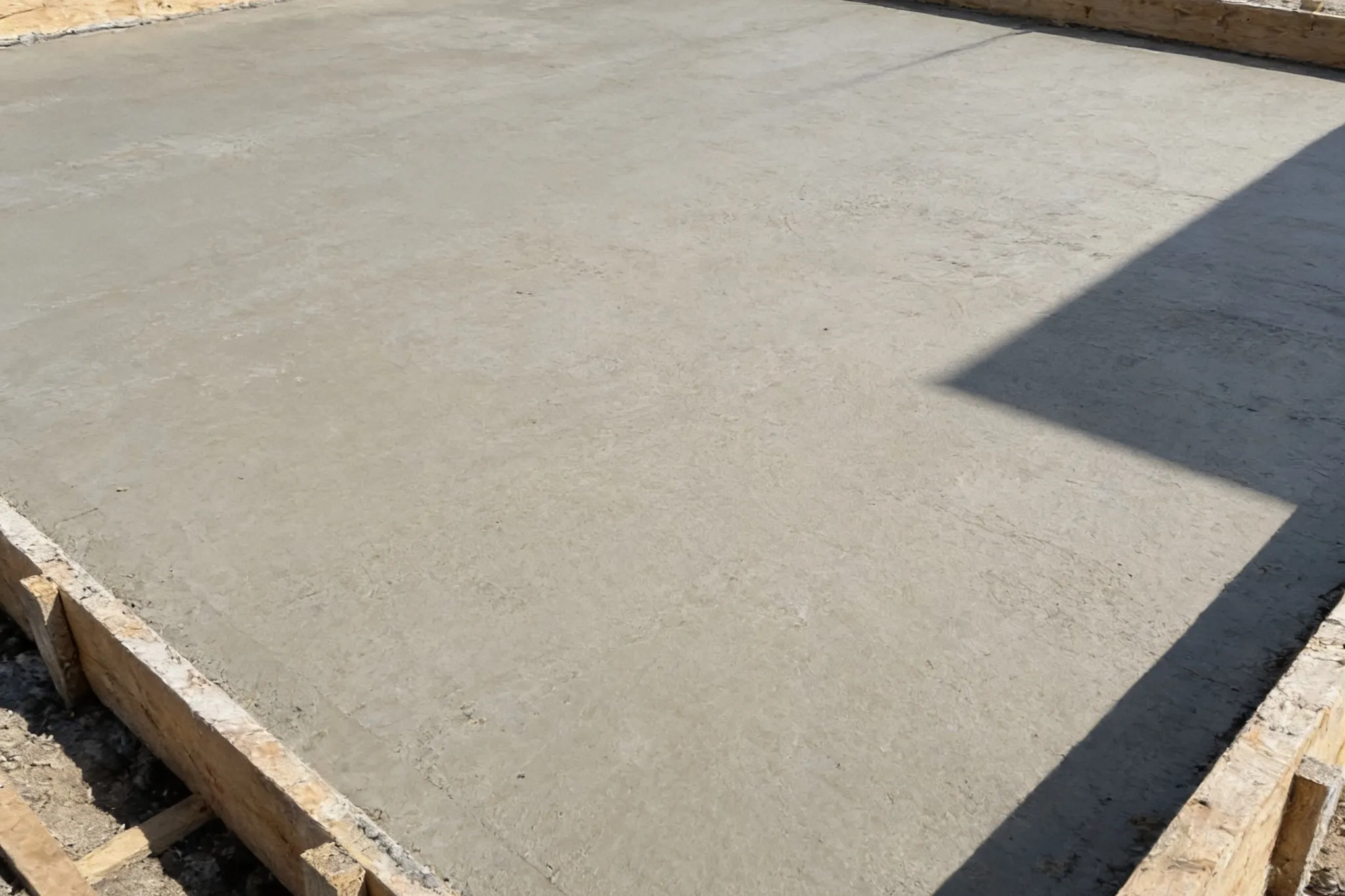
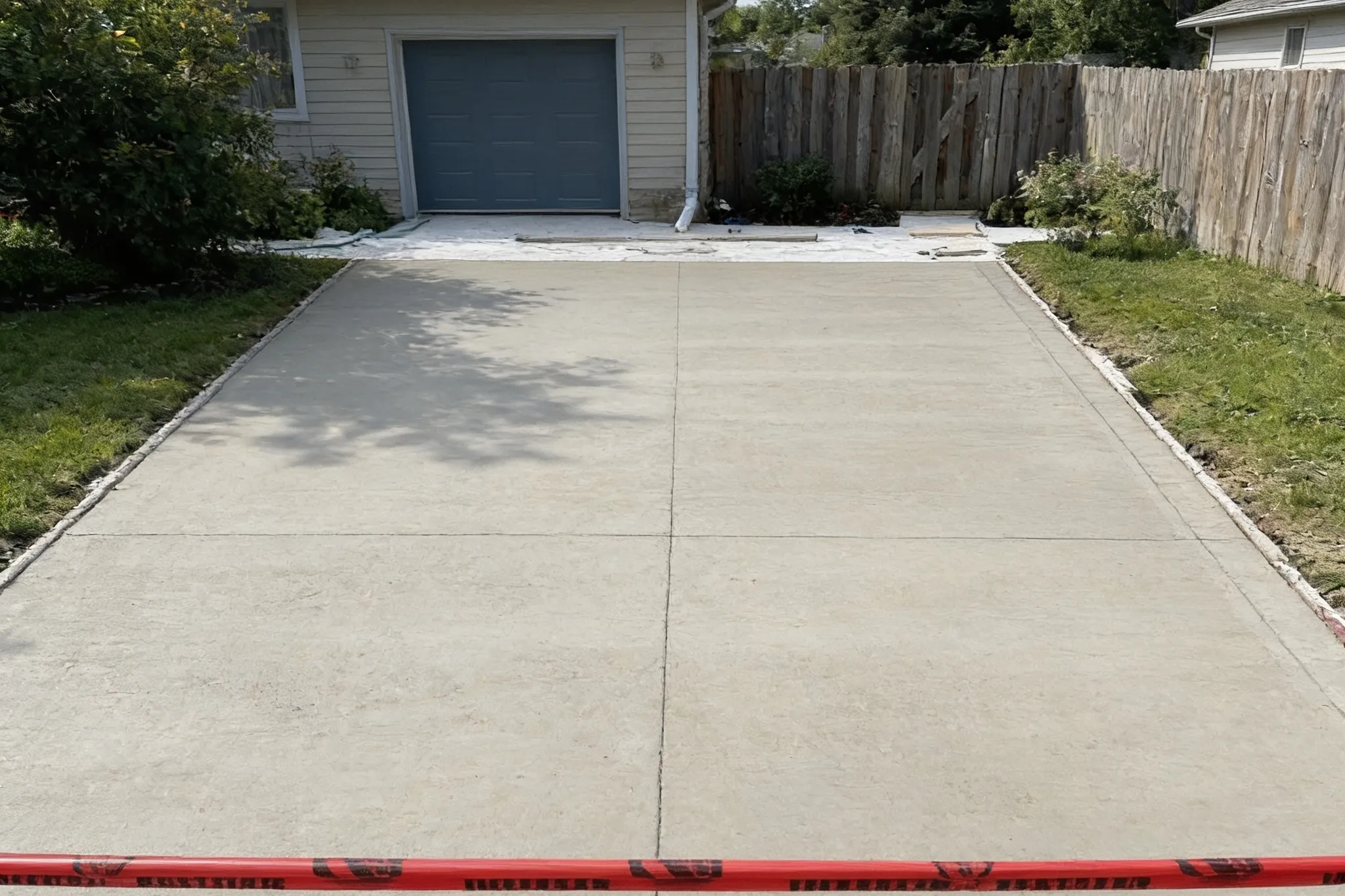
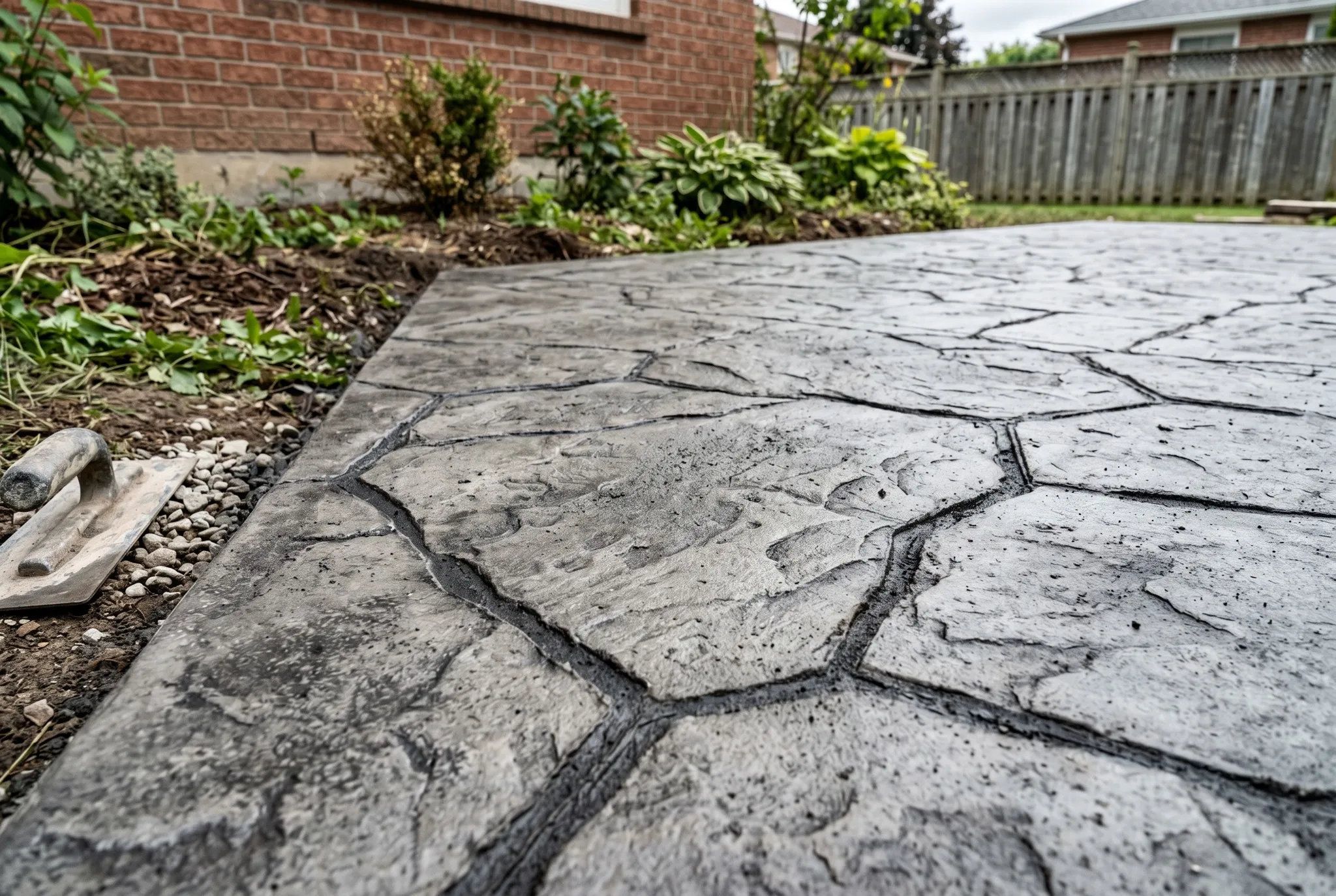
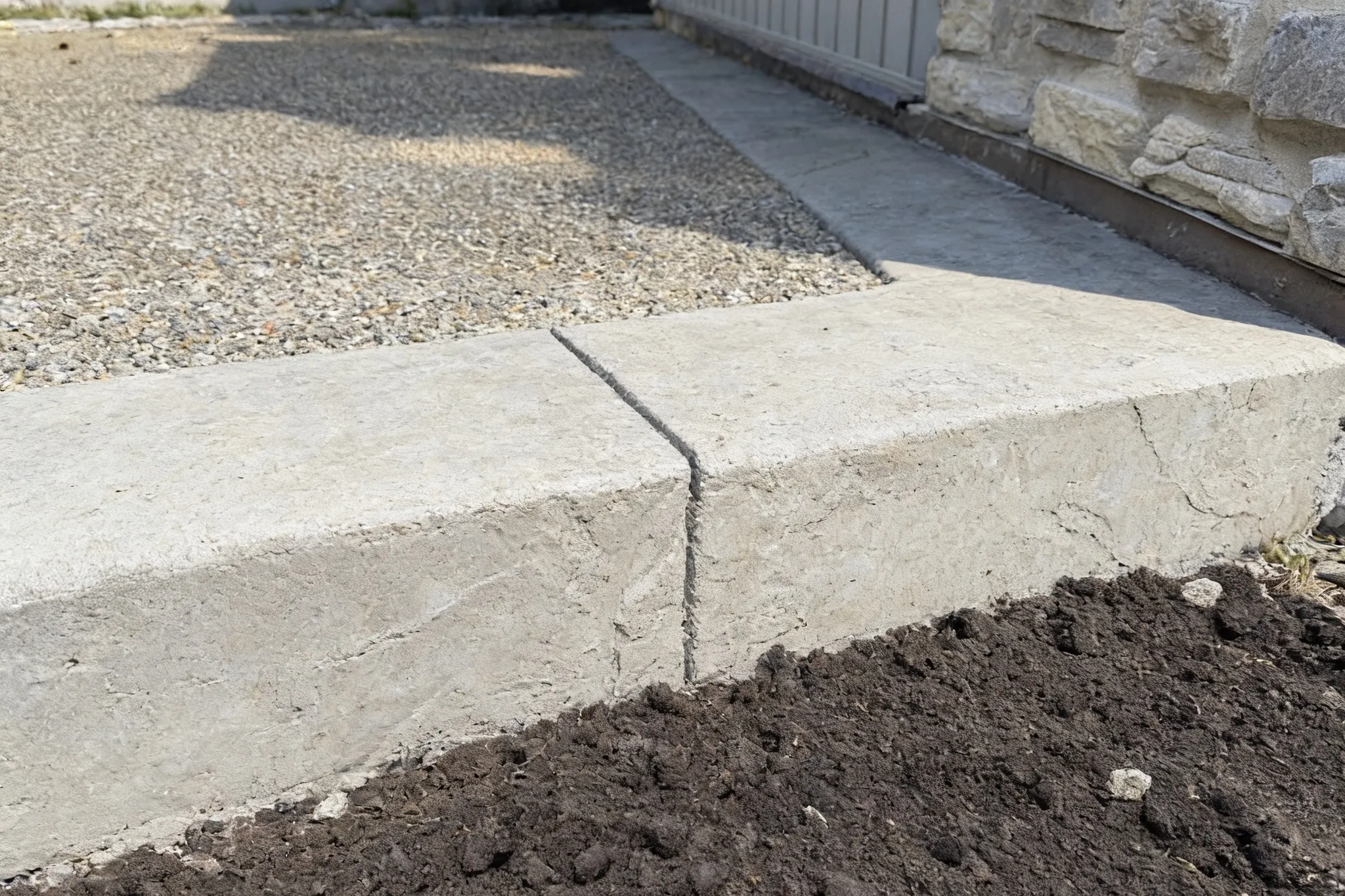
Whatever it sits on, a Kitchener slab takes a beating from late November into March: water works into the surface, freezes, expands, thaws, over and over. So every driveway we pour is 32 MPa air-entrained concrete, the mix built for this climate, where the tiny entrained air bubbles give freezing water somewhere to go and stop the surface scaling you see flaking off cut-rate work by the second spring. We saw-cut control joints so the slab cracks where we tell it to, in a straight line, not in a web across the middle.
One piece of plain advice for a fresh Kitchener driveway: keep the de-icing salt off it the first winter. The concrete is still curing to full strength through that first year, which is exactly when salt does the most damage. Use sand for grip instead, seal the slab once spring comes, and the surface holds up for decades.
How long it takes and when to book
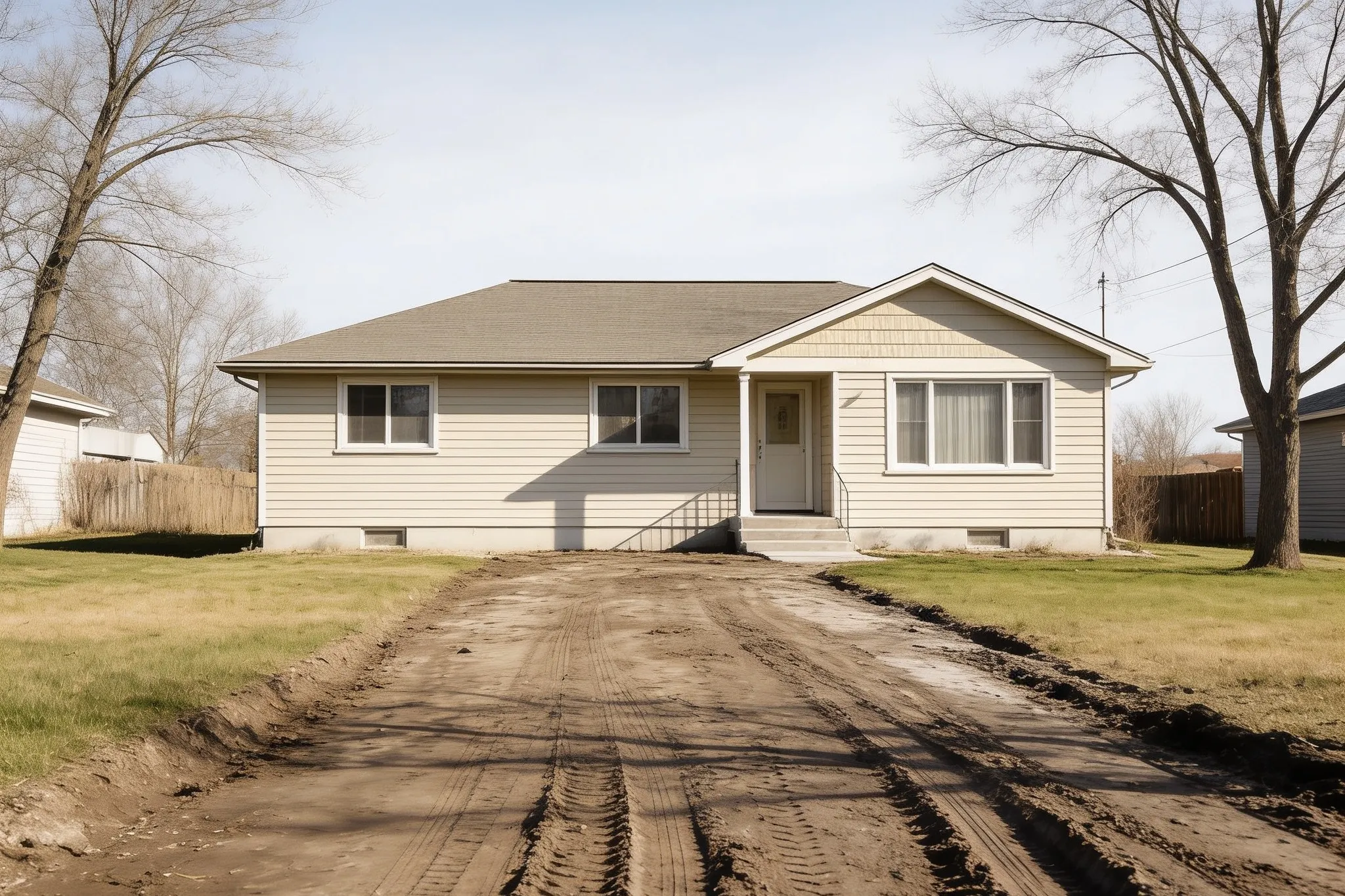
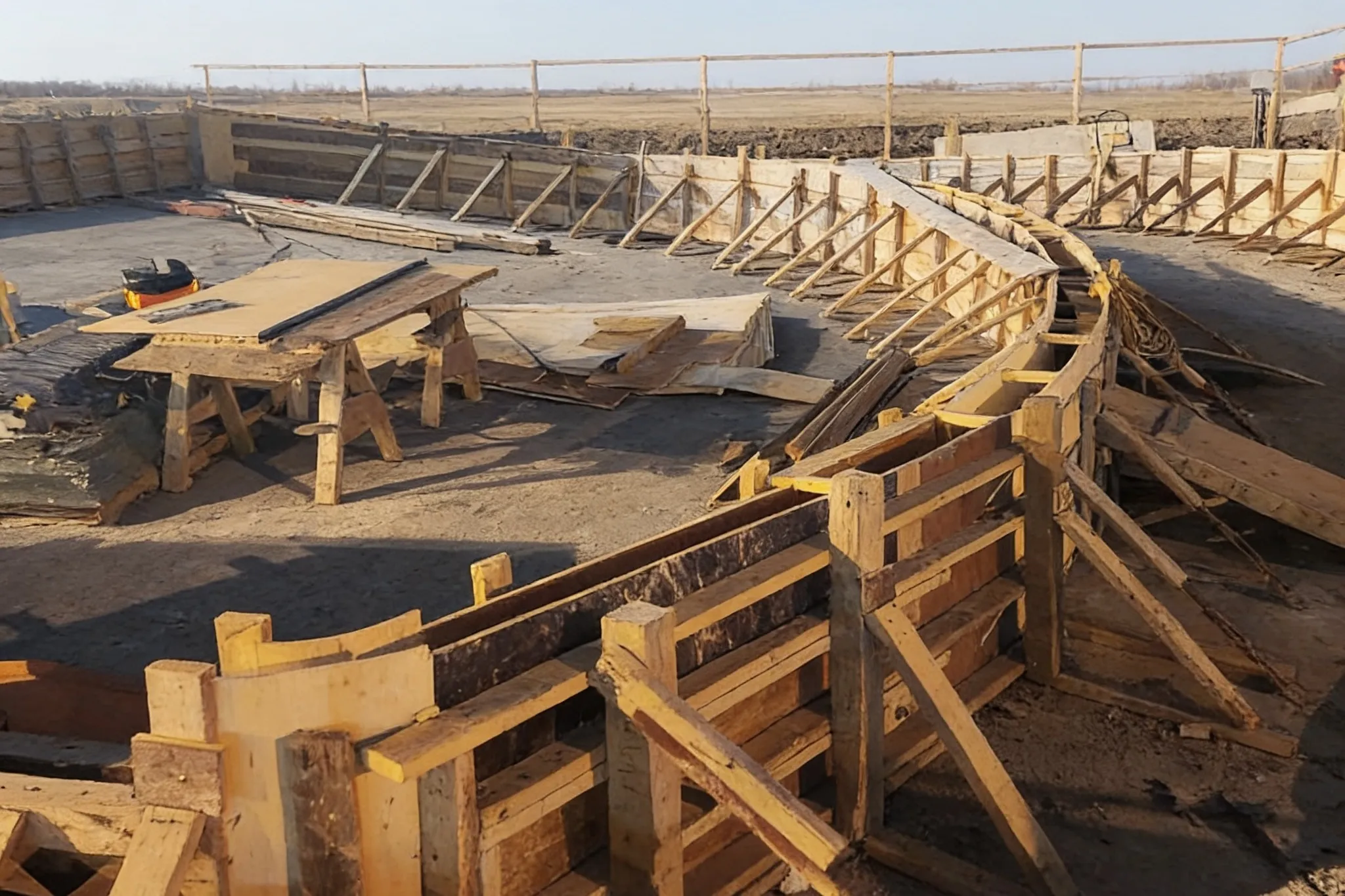
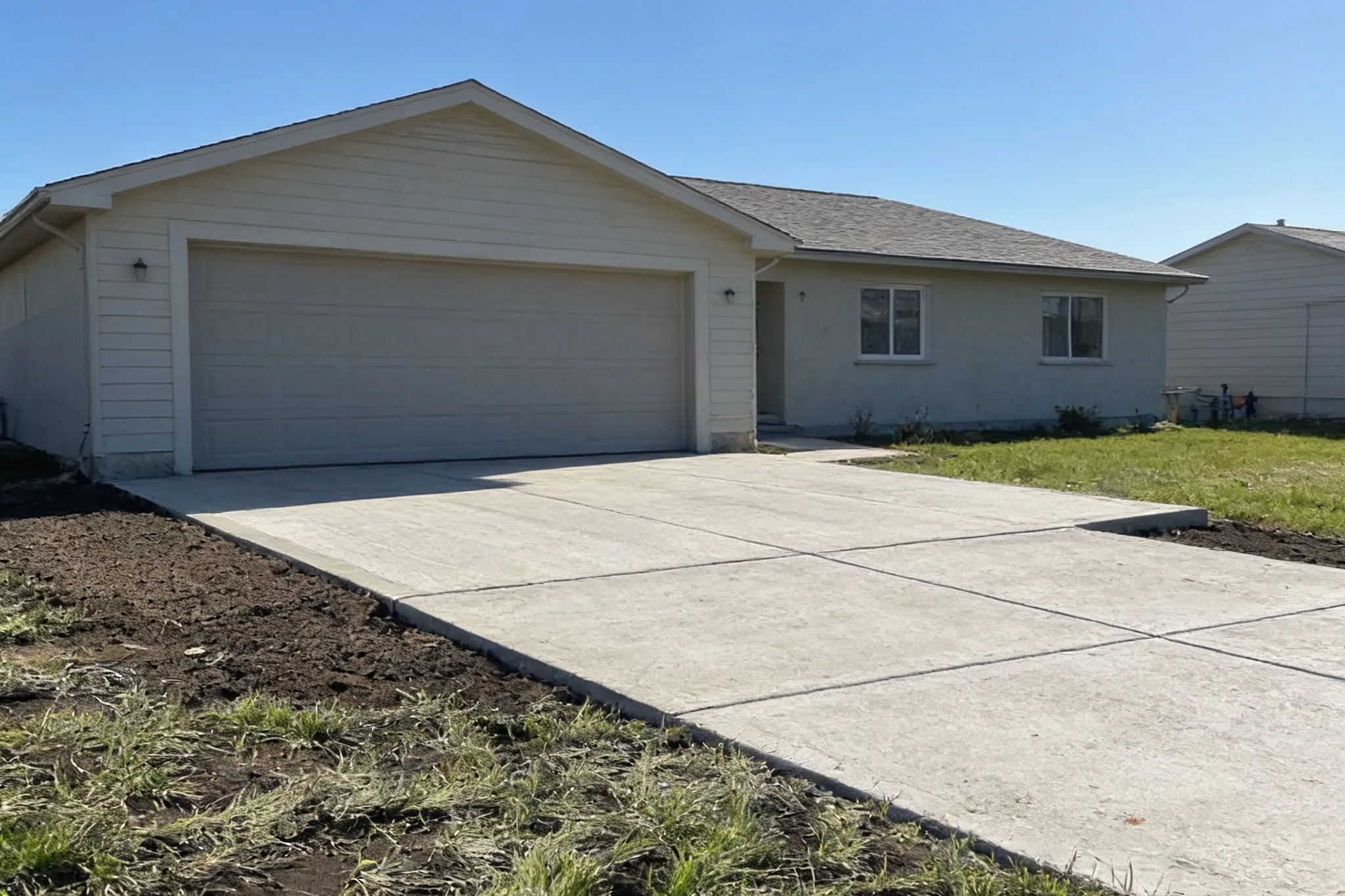
A typical Kitchener driveway runs two to three days on site: tear-out and excavation, then base and forms, then the pour and finish. Weather moves pours here, spring and fall especially, and if it moves yours we call you before pour day rather than leave you guessing. Keep vehicles off the new slab for 48 hours at a minimum, and give it a week before anything heavy parks on it.
Our pouring season in Waterloo Region runs from about April into November, and Kitchener jobs ride the regular weekly routes through it. If you want to park on a new slab before the snow comes, start the conversation by early fall, because the good late-season slots fill through the summer.
Straight answers
Why does the base matter so much for a driveway on Kitchener's sand?
Because sand drains well but does not stay put. The Waterloo Moraine sand lets meltwater soak away instead of trapping it under the slab, so frost heave is less of a worry here than on clay. The trade-off is erosion: wherever water concentrates, a downspout line or runoff along an edge, the sand washes out and leaves the concrete bridging a void until it cracks. We answer that with a compacted granular base that will not migrate, contained edges, and grading that keeps water off the slab perimeter. Get the base right on sand and the driveway lasts decades.
Our lot is down near the Grand River. Does that change how you build the driveway?
It can. The low ground along the river and the creeks carries clay and a higher water table than the sandhills up top, and clay heaves when frost gets under a thin base. On a valley lot we treat it more like a clay job: excavate to stable ground, build a deeper compacted base, and grade it so water moves away from the slab and the house. Up on the moraine sand the priority shifts to edge containment and drainage instead. We figure out which one you have at the site visit before we quote it.
We just closed on a new build in Doon South. How soon can we pour?
Wait until the builder has set the final grade and the lot has been through a winter. The new south-end surveys sit on disturbed fill, and the ground around a fresh foundation keeps shifting for a year or two, so we compact our own base rather than trust loose fill that is still moving. Spring is the time to book if you want a slot in the summer pour season, because the new-build streets all want their driveways at once.
Can you tear out and replace an old, cracked driveway on an established Kitchener street?
Yes, and it is steady work in the older neighbourhoods where driveways are on their second or third life. We break out and haul away the old slab, find and fix whatever was wrong underneath, an eroded base on the sand or a frost problem in a wetter pocket, then pour fresh on a proper compacted base so the new driveway does not just repeat the old one's life. The tear-out and haul-away are spelled out in the written quote, not sprung on you at the end.
How much does a concrete driveway cost in Kitchener?
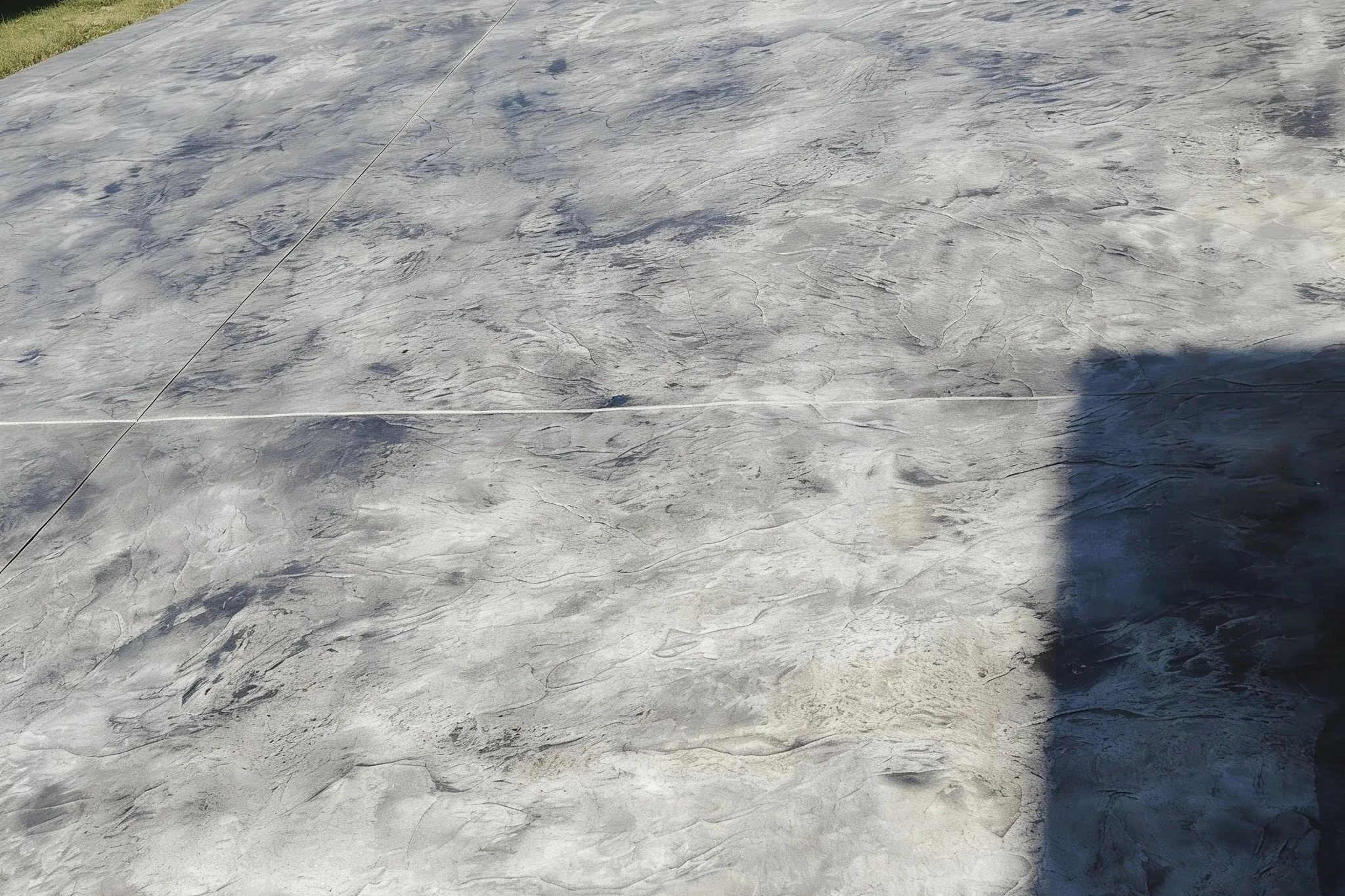
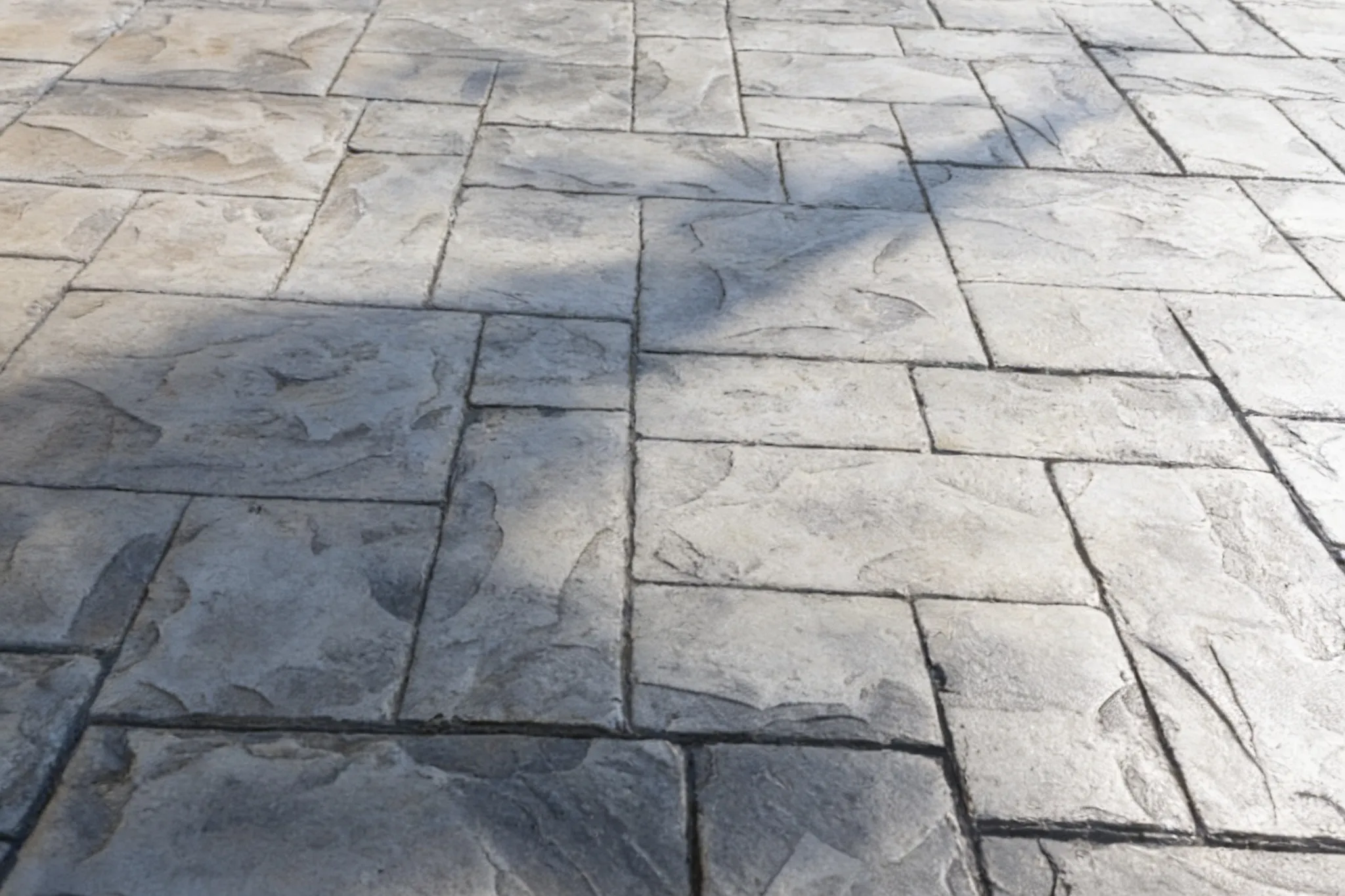
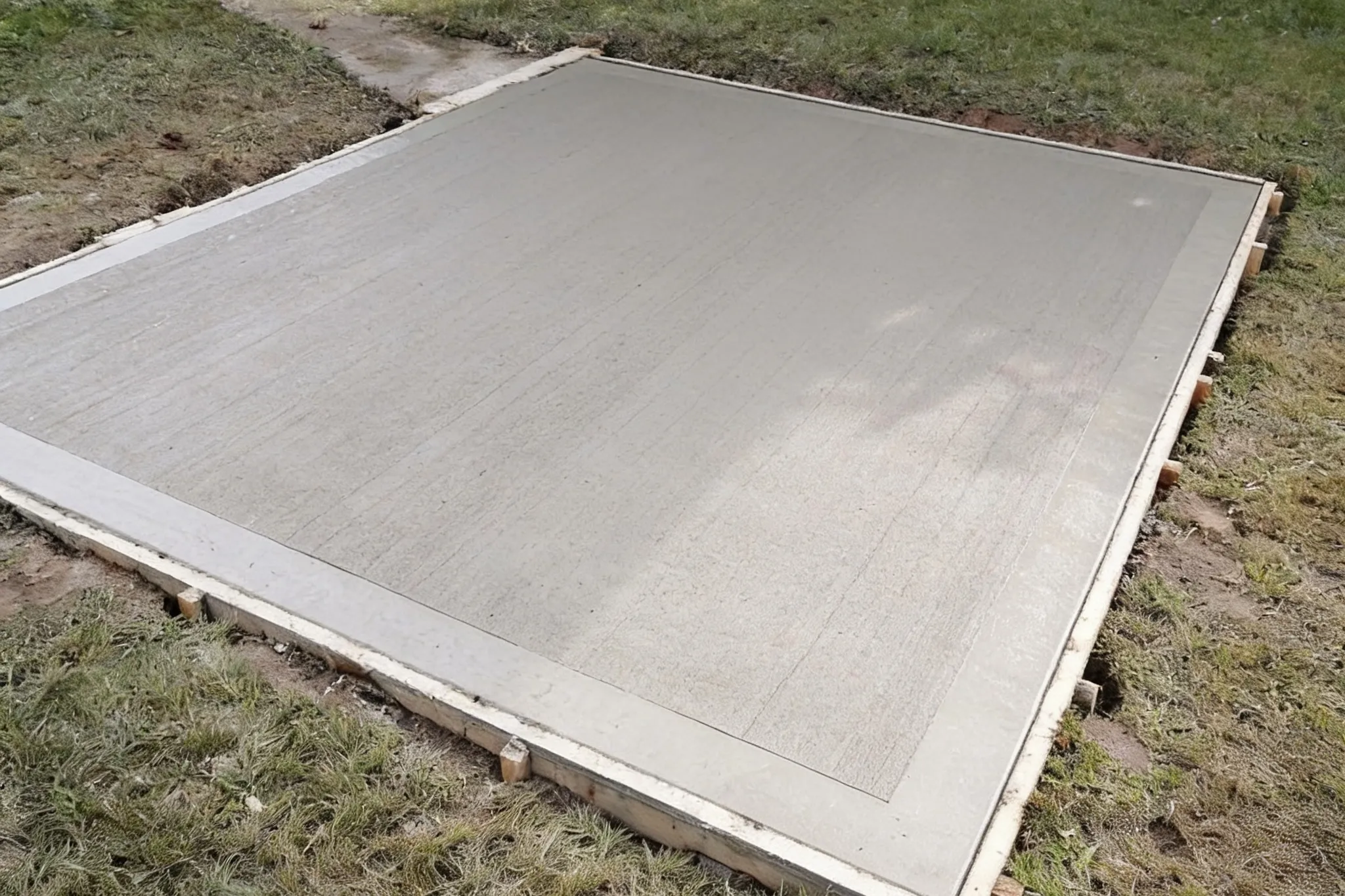
Size sets the floor, then the finish you pick, the base the ground needs, how easy the lot is to get a machine onto, and whether an old slab has to come out first. Broom is the most affordable finish, with exposed aggregate a step up and stamped above that. The sandy base under much of the city is often quicker to build on than valley clay, which can help, but a flat per-foot number off a website ignores the things that actually move the price. We quote yours after a free site visit, in writing, and the number we give you is the number you pay.
Keep reading
- Concrete Driveways across Southern OntarioThe full method: mix, base depth, joints, finishes and cure times.
- Concrete Contractors in KitchenerEverything else we pour and repair across the city, from the south-end surveys to the old Berlin core.
- Concrete Removal & DemolitionReplacing a driveway starts with tearing out and hauling away the old slab. Here is what that involves.
Tell us about the job.
Send the details and we'll get back to you within one business day with next steps. If water is coming in right now, check the box and we flag it urgent.
Get a straight quote
Free · no pressure · 1 business day