HomeService AreasWaterloo RegionKitchener
Concrete Contractors in Kitchener
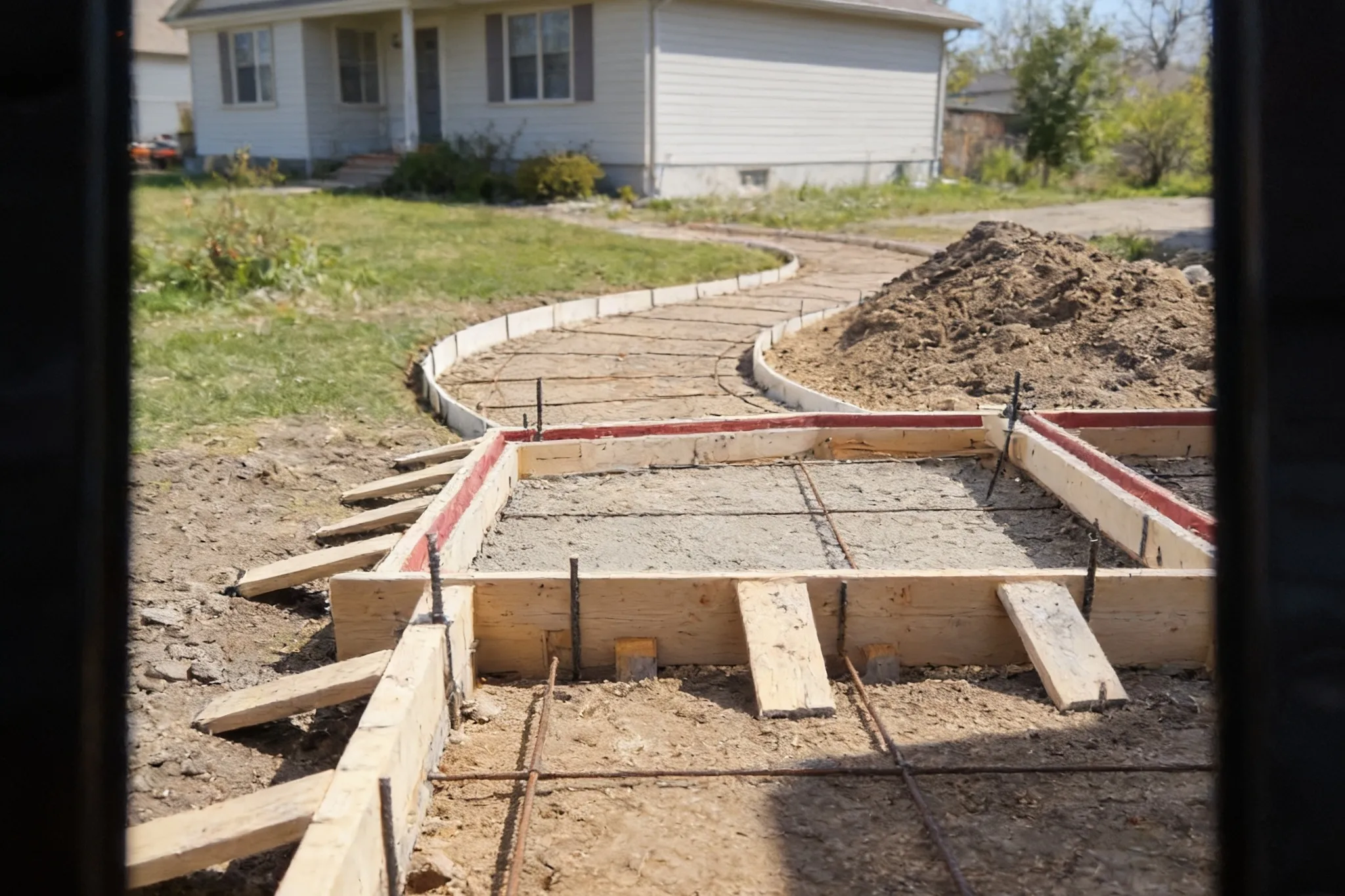
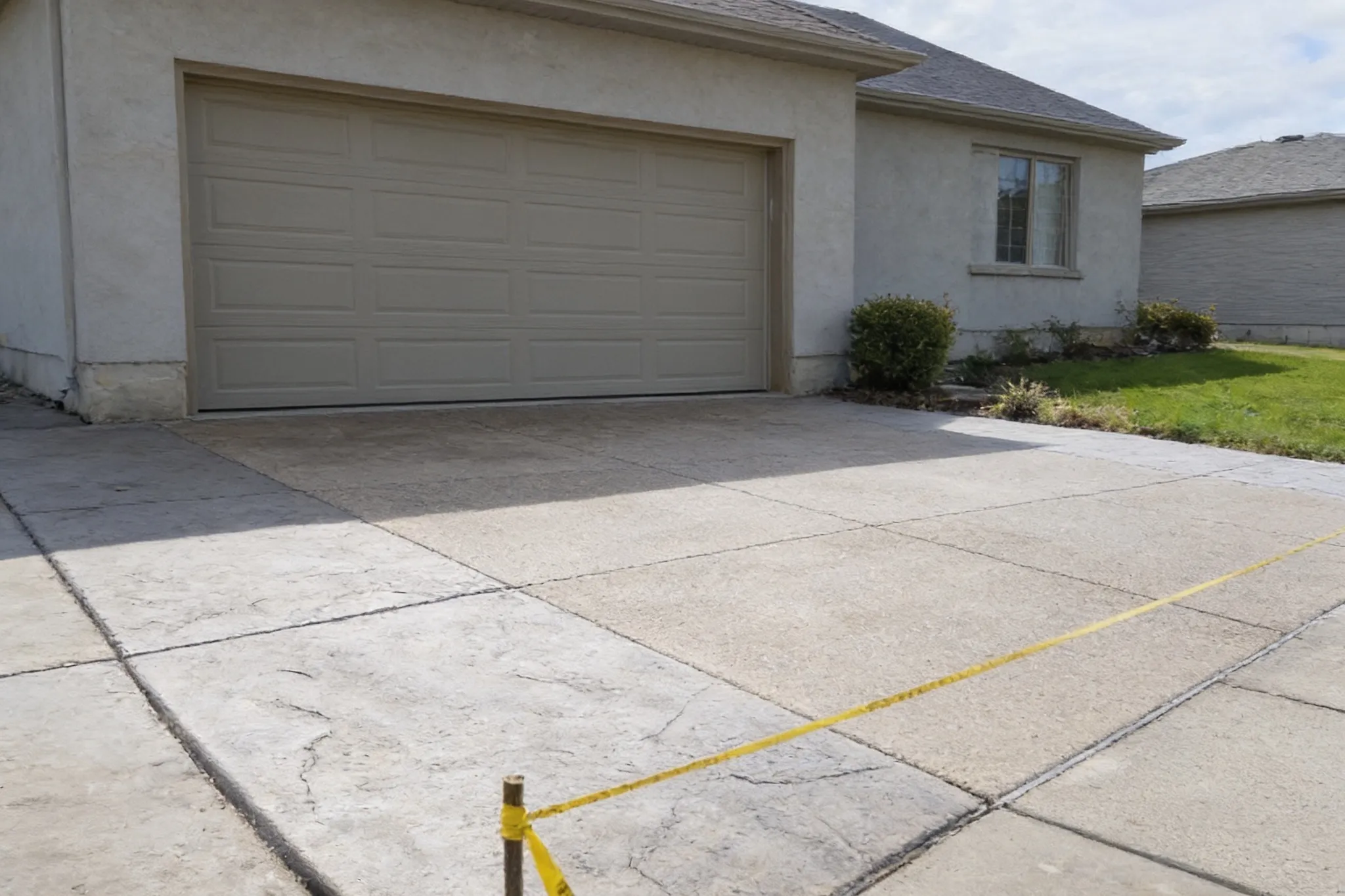
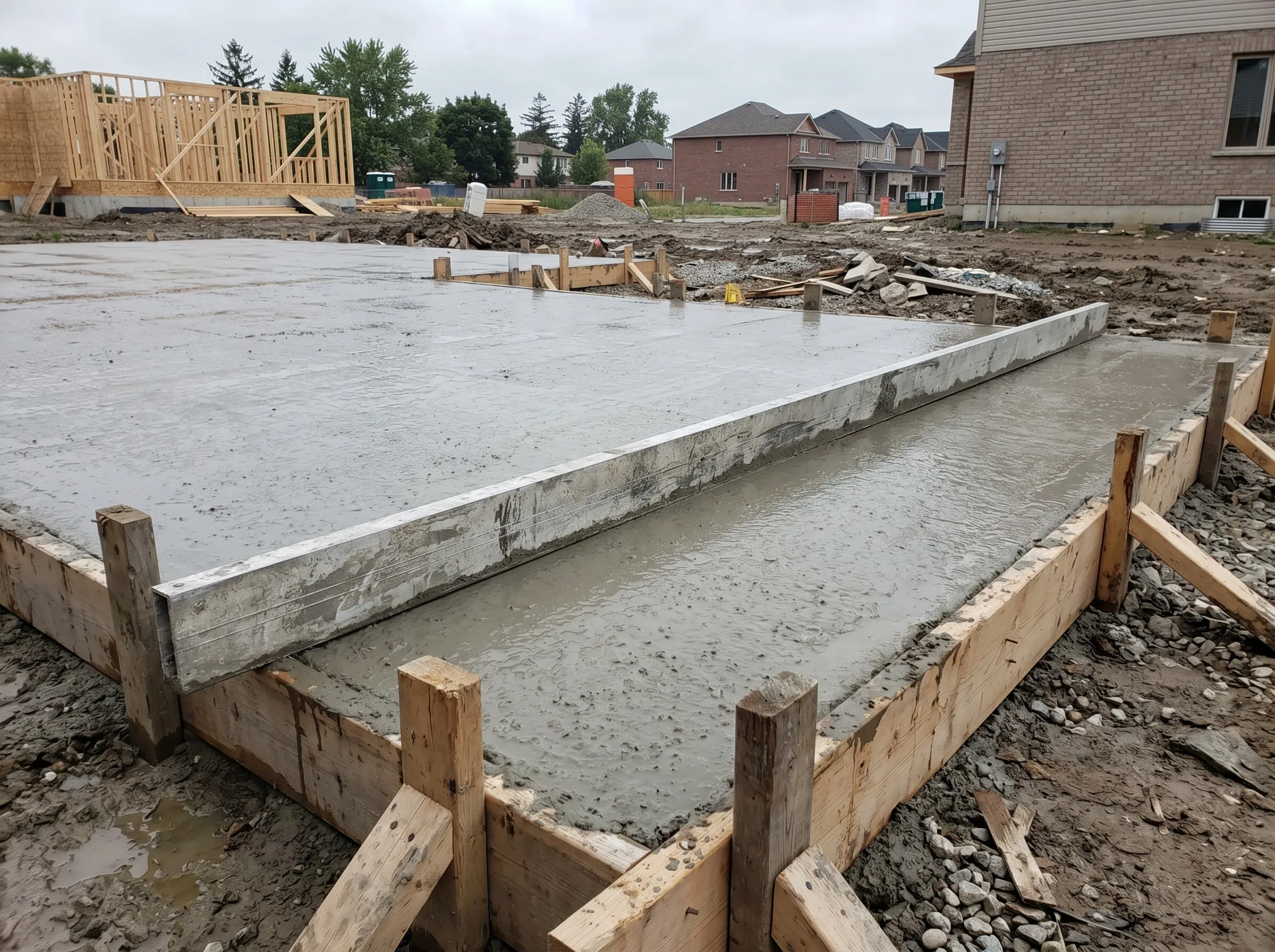
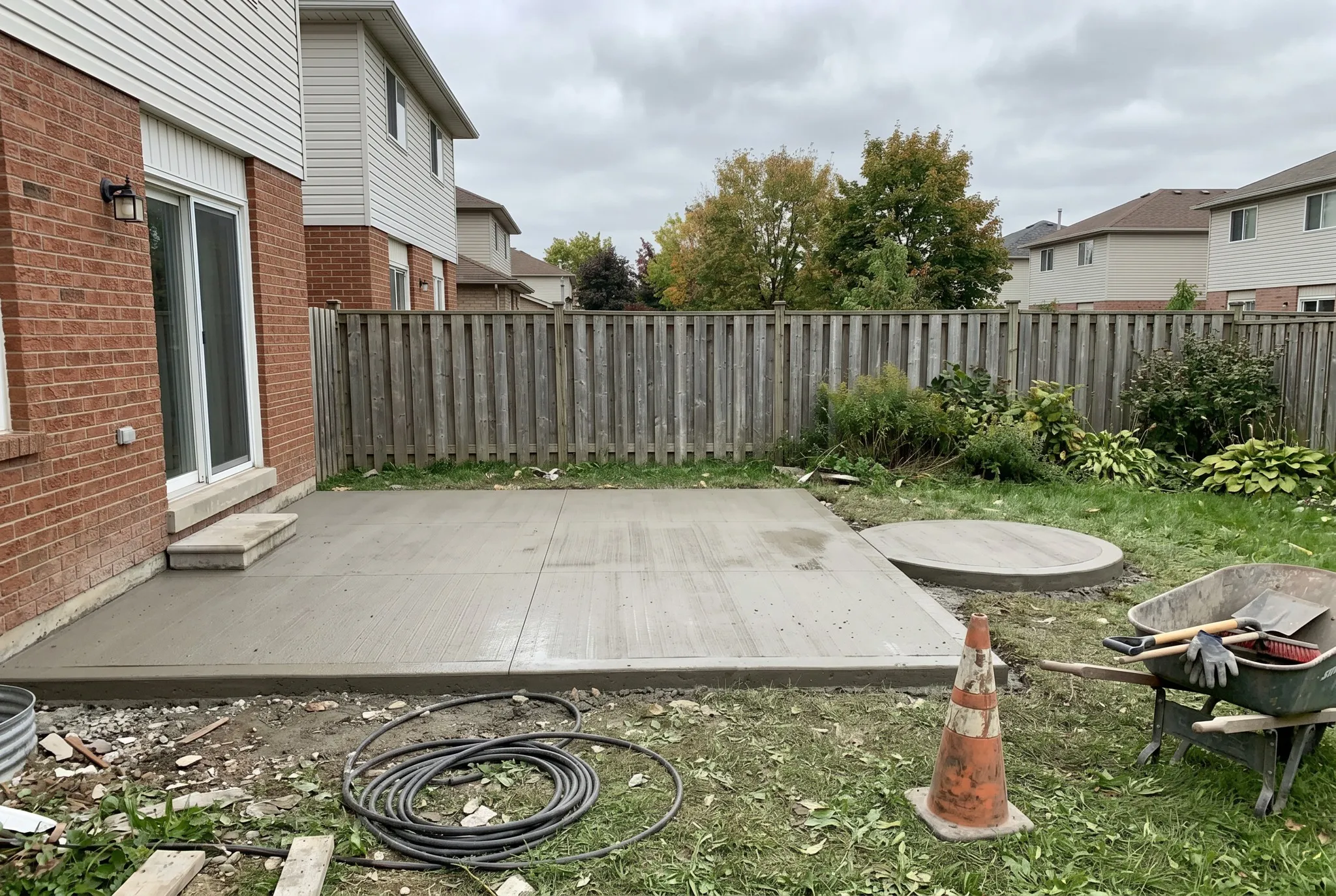
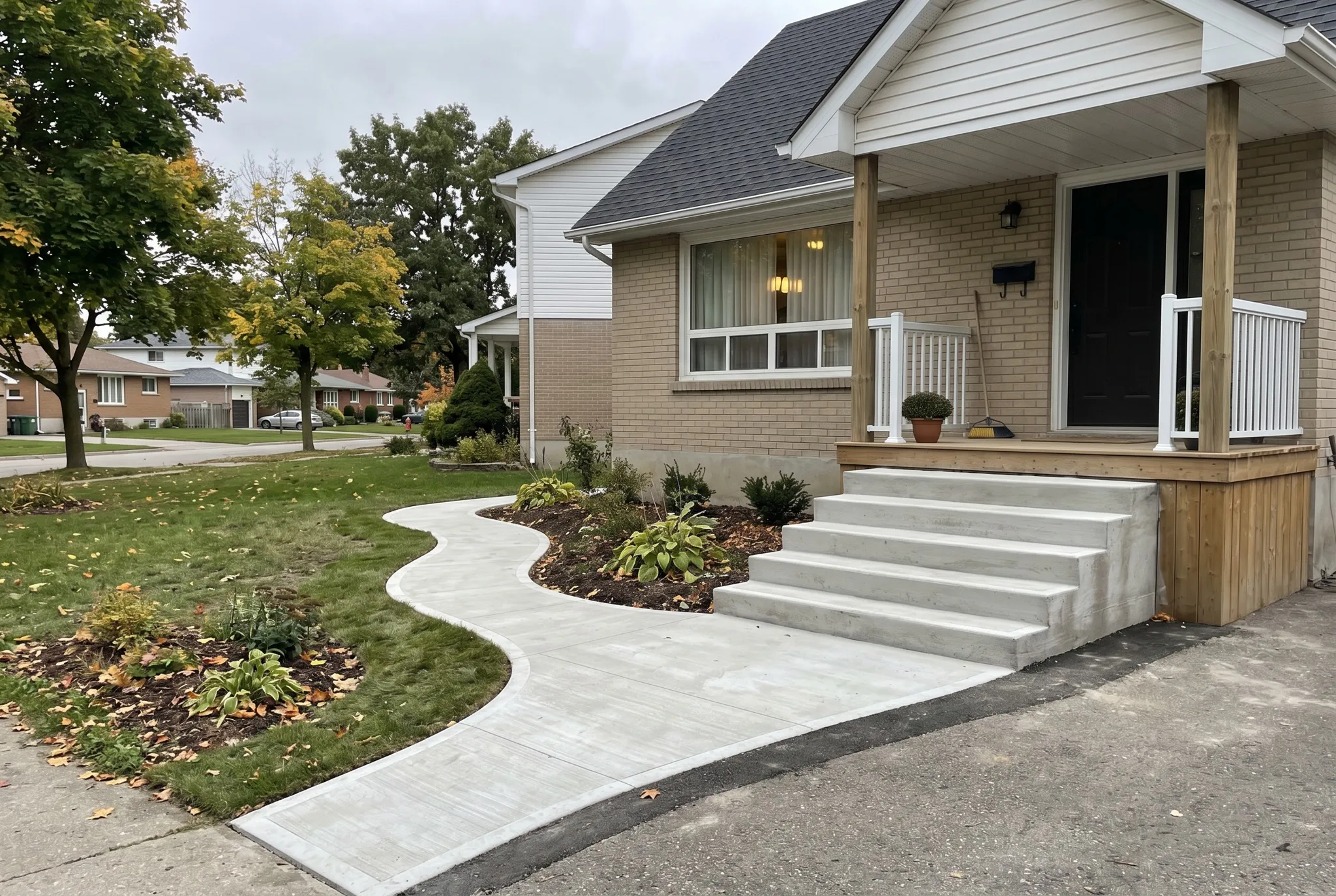
My Concrete Pros pours and repairs residential concrete across Kitchener, from new driveways and patios in the south-end surveys around Doon to repair, parging and waterproofing in the old Berlin core. The quote is free and written, and union-certified crews back their labour for life.
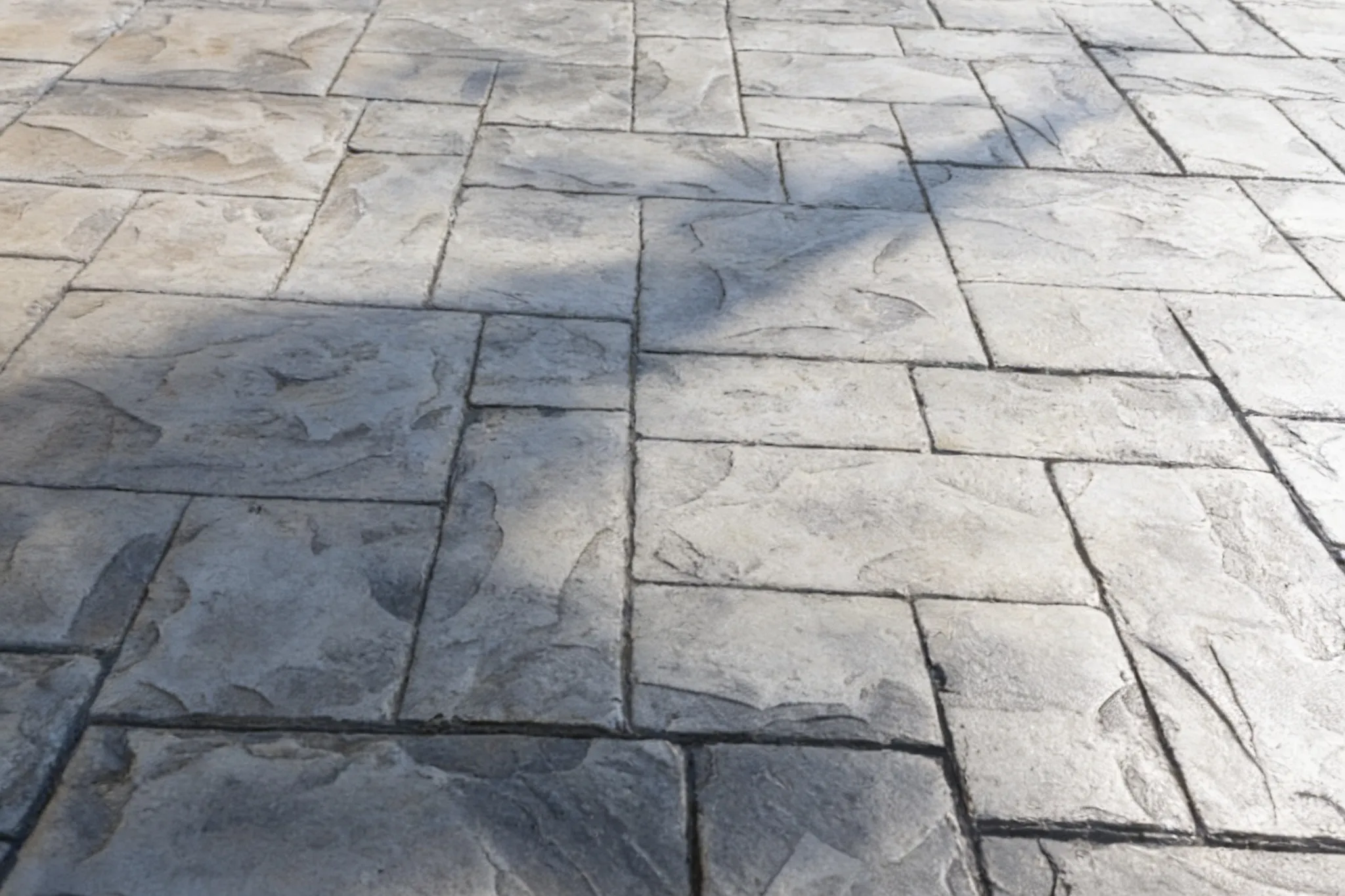
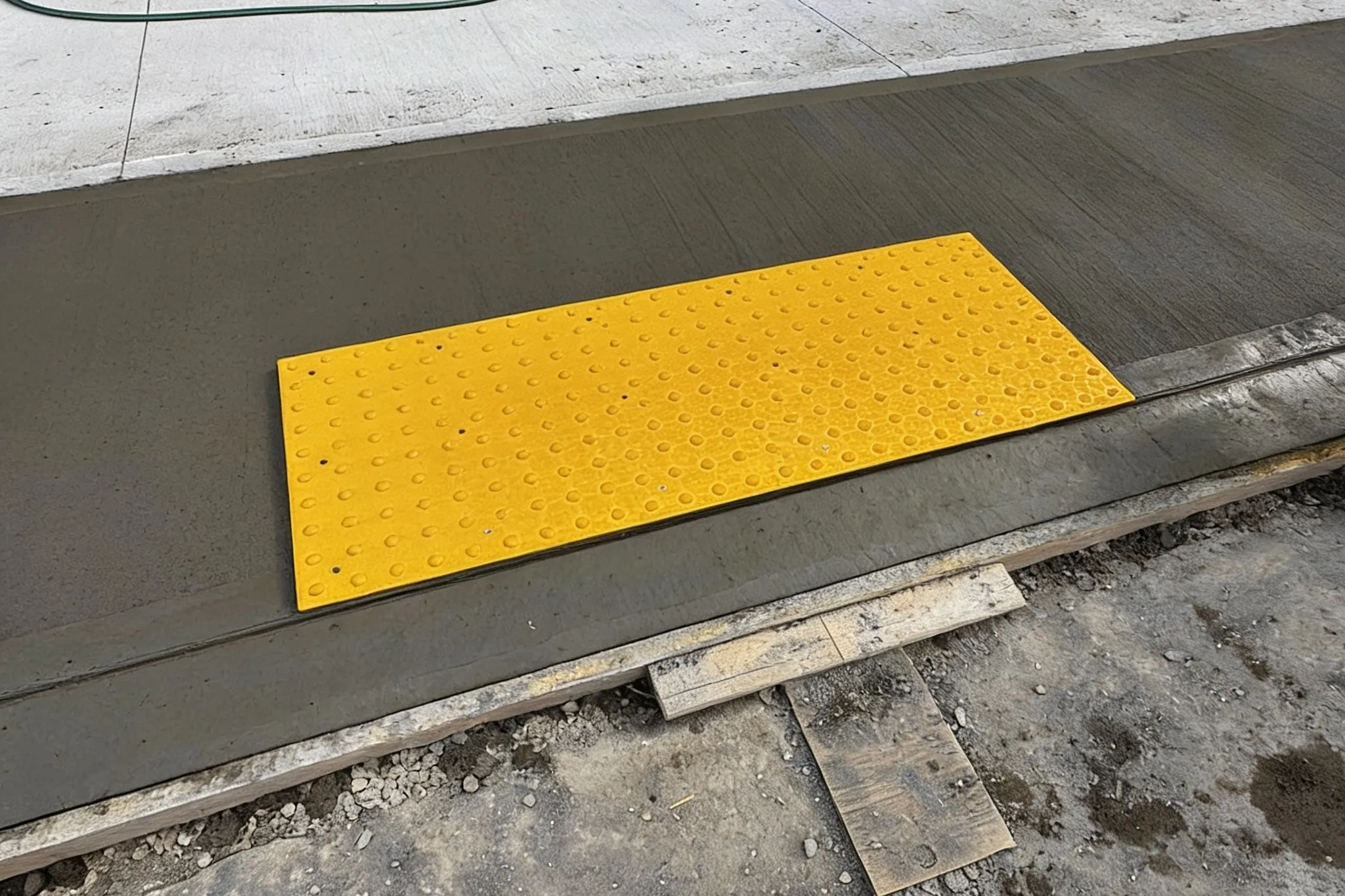
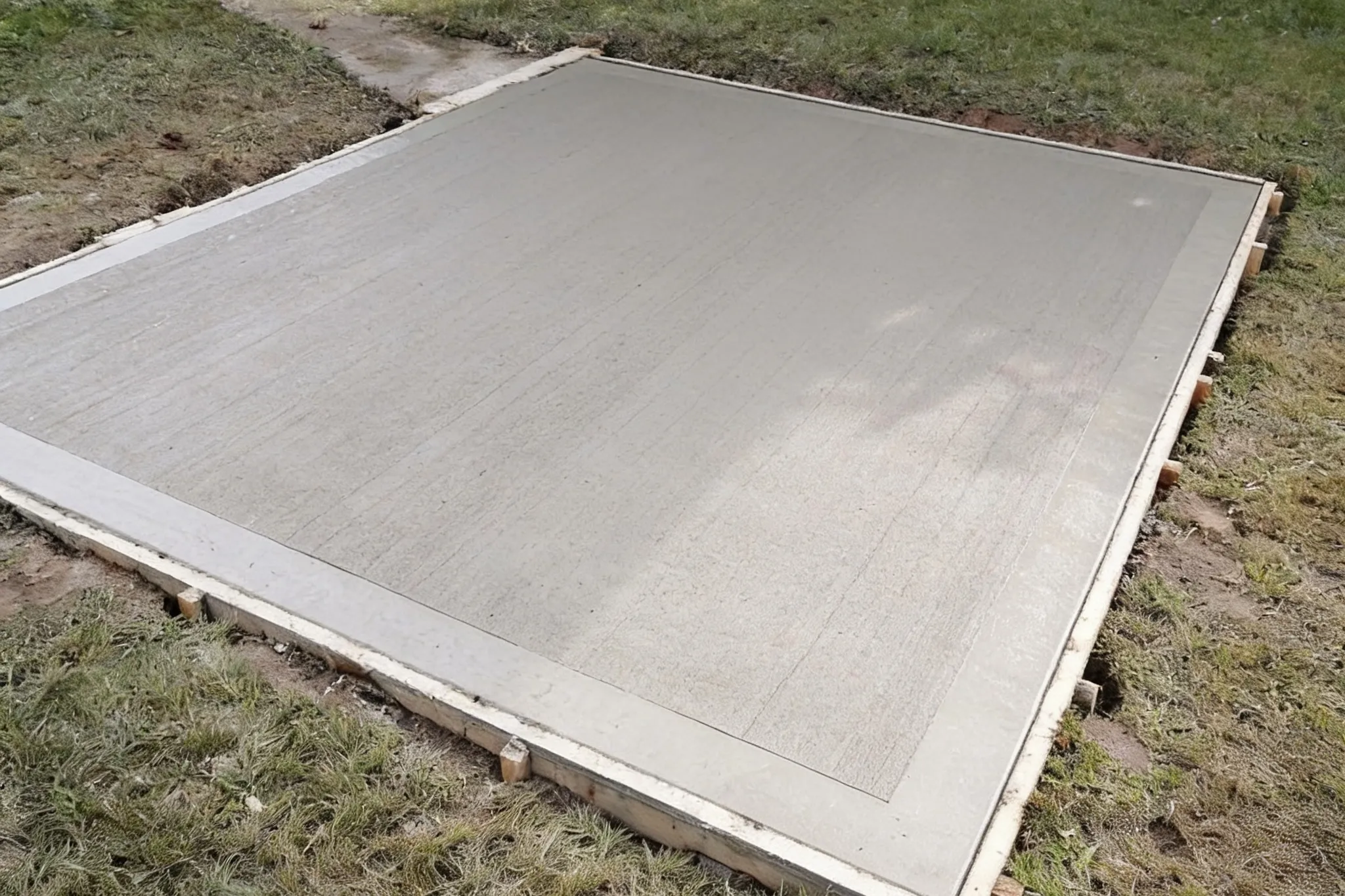
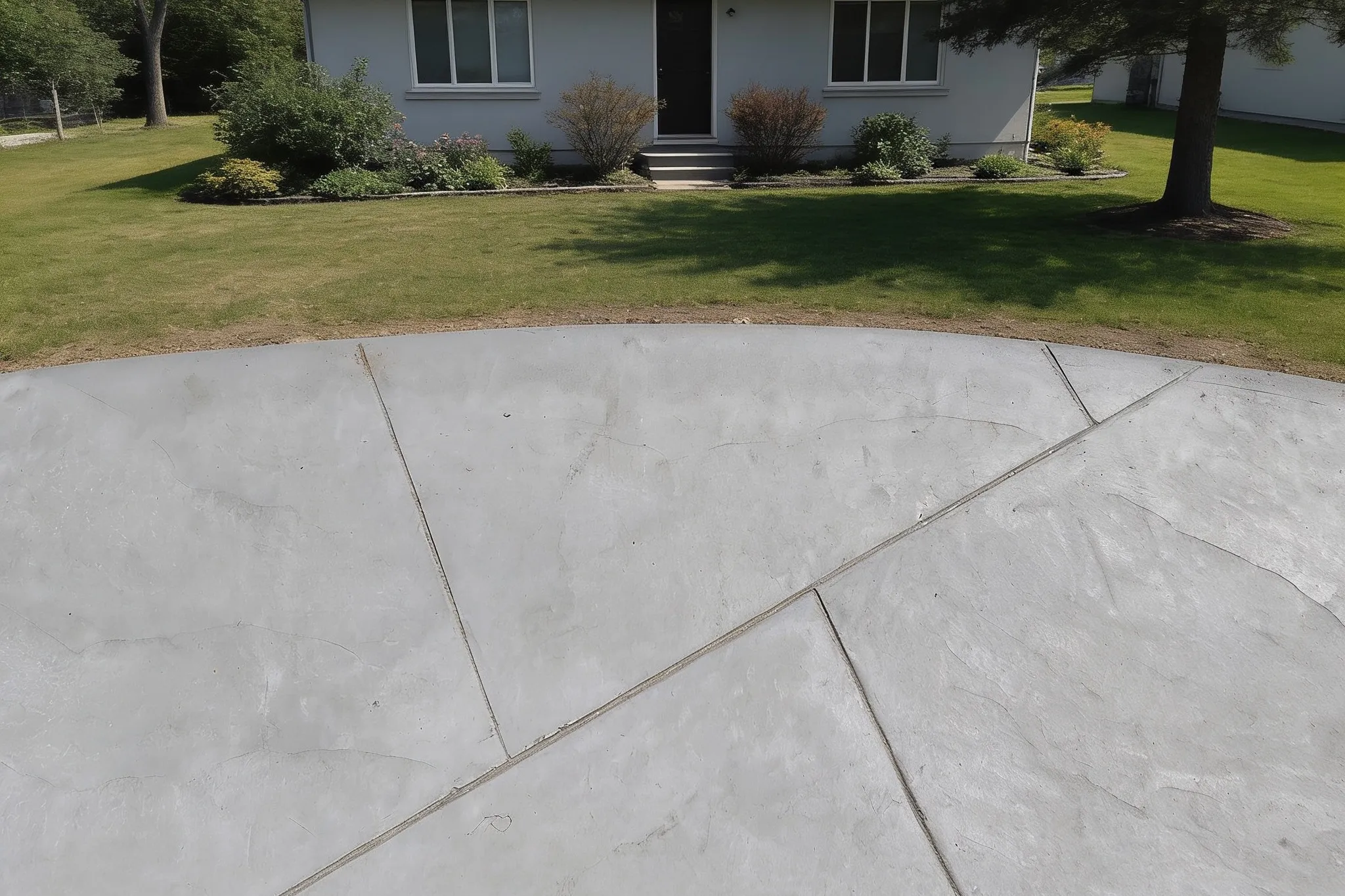
Reviewed June 2026
Kitchener was called Berlin until a wartime referendum renamed it in 1916, and the German and Mennonite families who settled it left their mark on the old core. The downtown around King Street and the heritage blocks near it hold the city's oldest housing, century brick on foundations of the same age, and that stock keeps a steady list of repair, parging and waterproofing work going.
The early settlers came north to ground they called the Sandhills, the glacial sand of the Waterloo Moraine, and they farmed it. Doon, now a south-end suburb, was one of the first corners settled, and the south end is where Kitchener has grown hardest in recent decades. Those new surveys close without the concrete a builder leaves out.
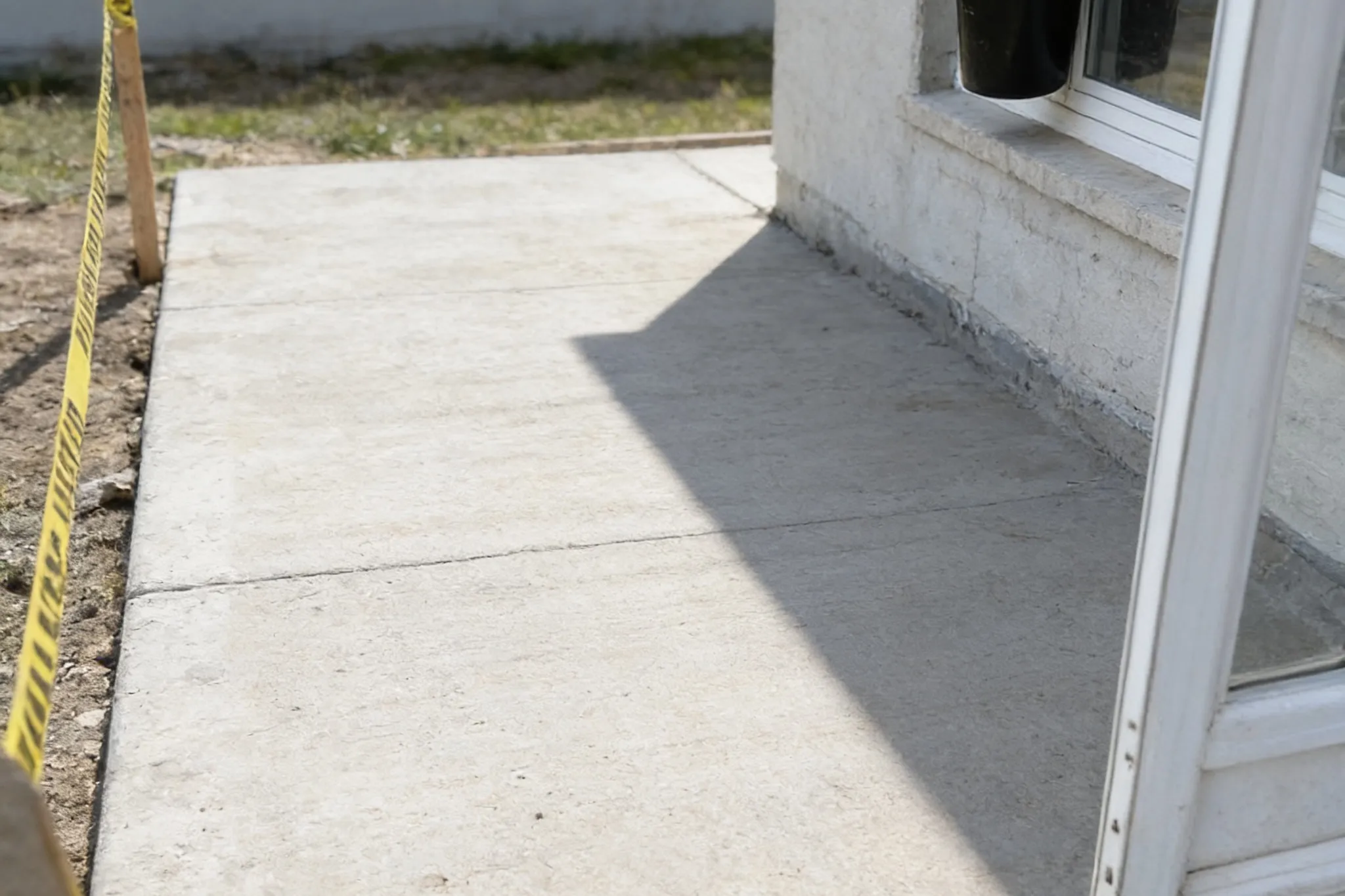
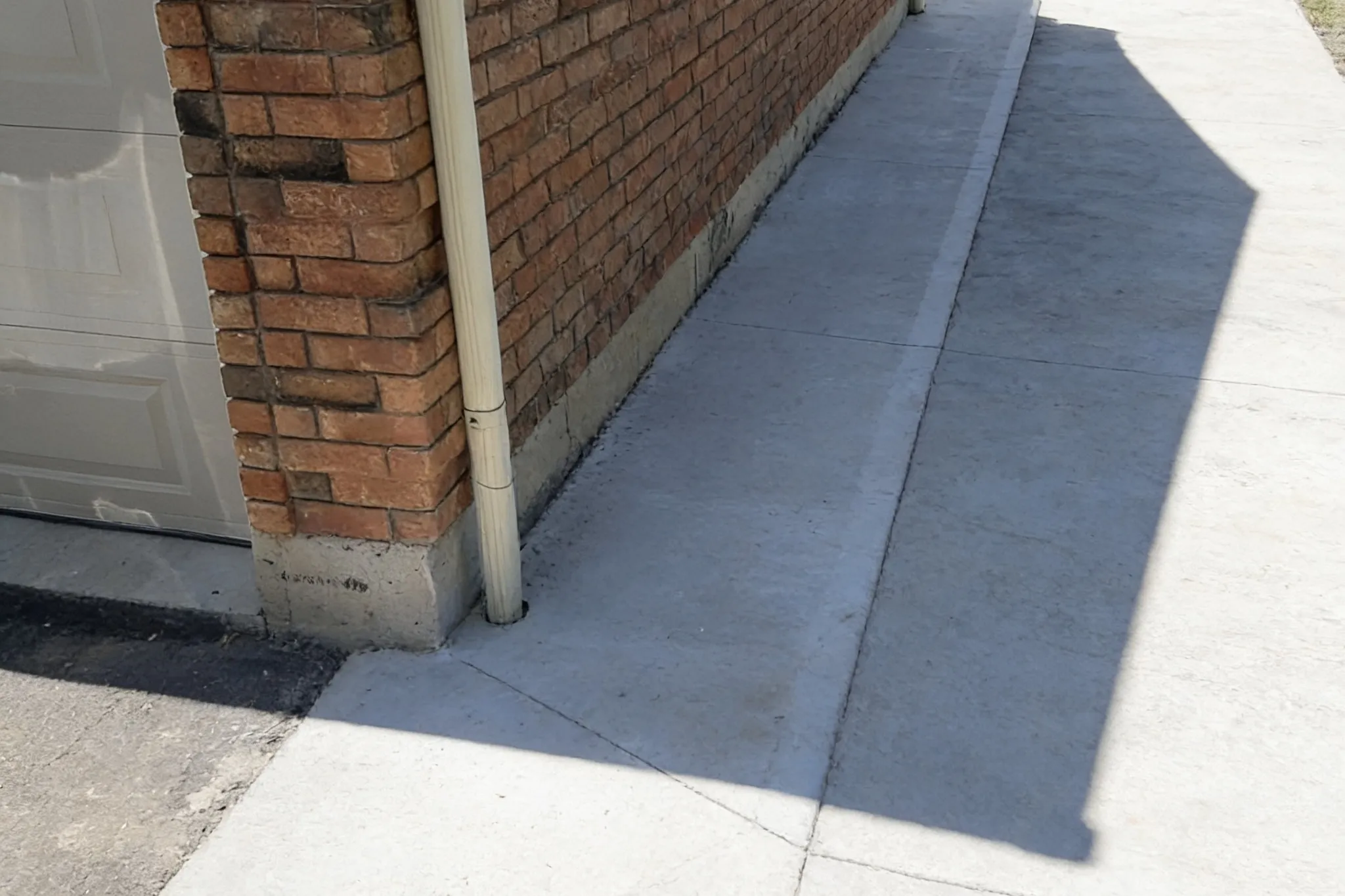
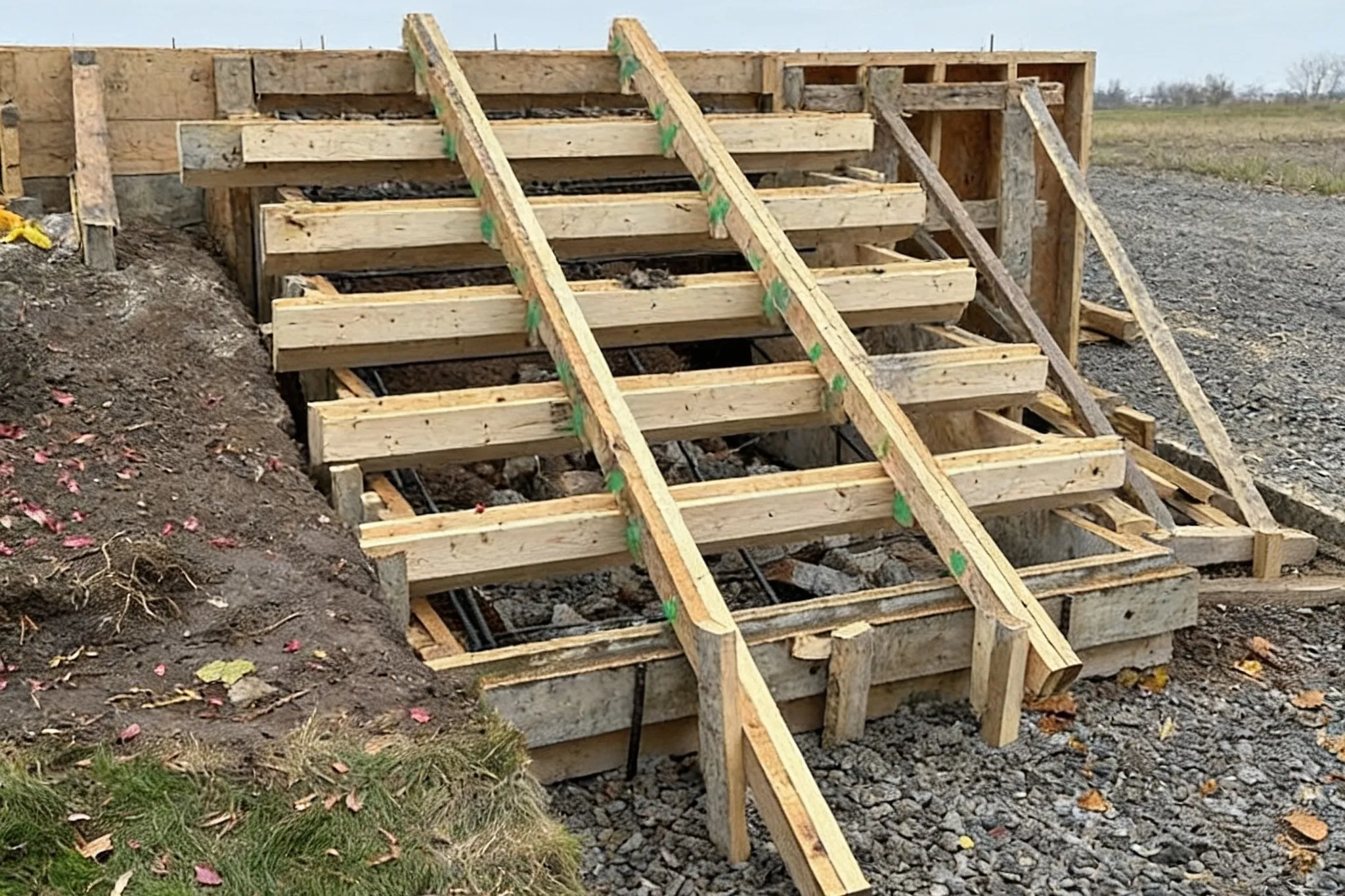
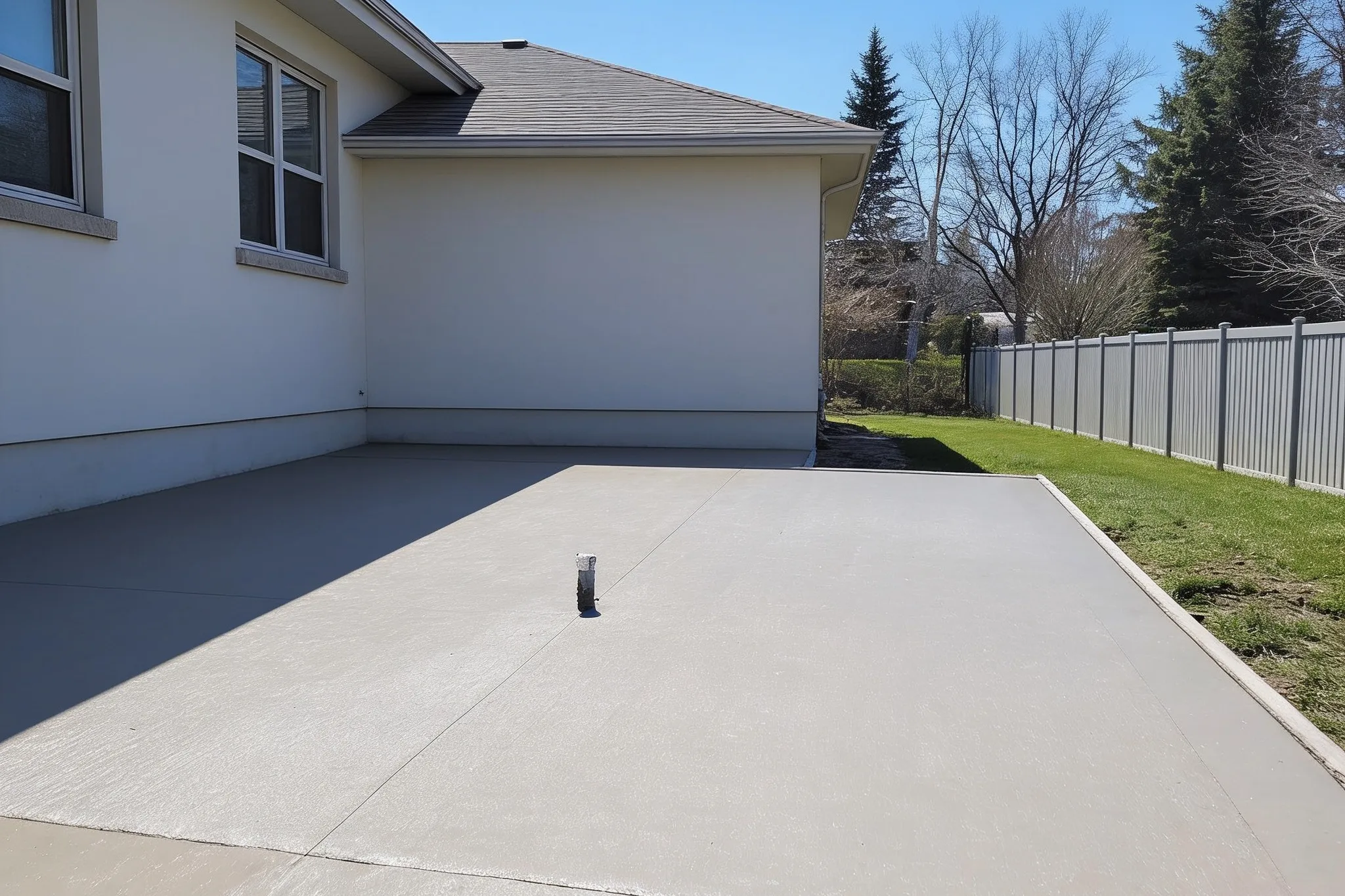
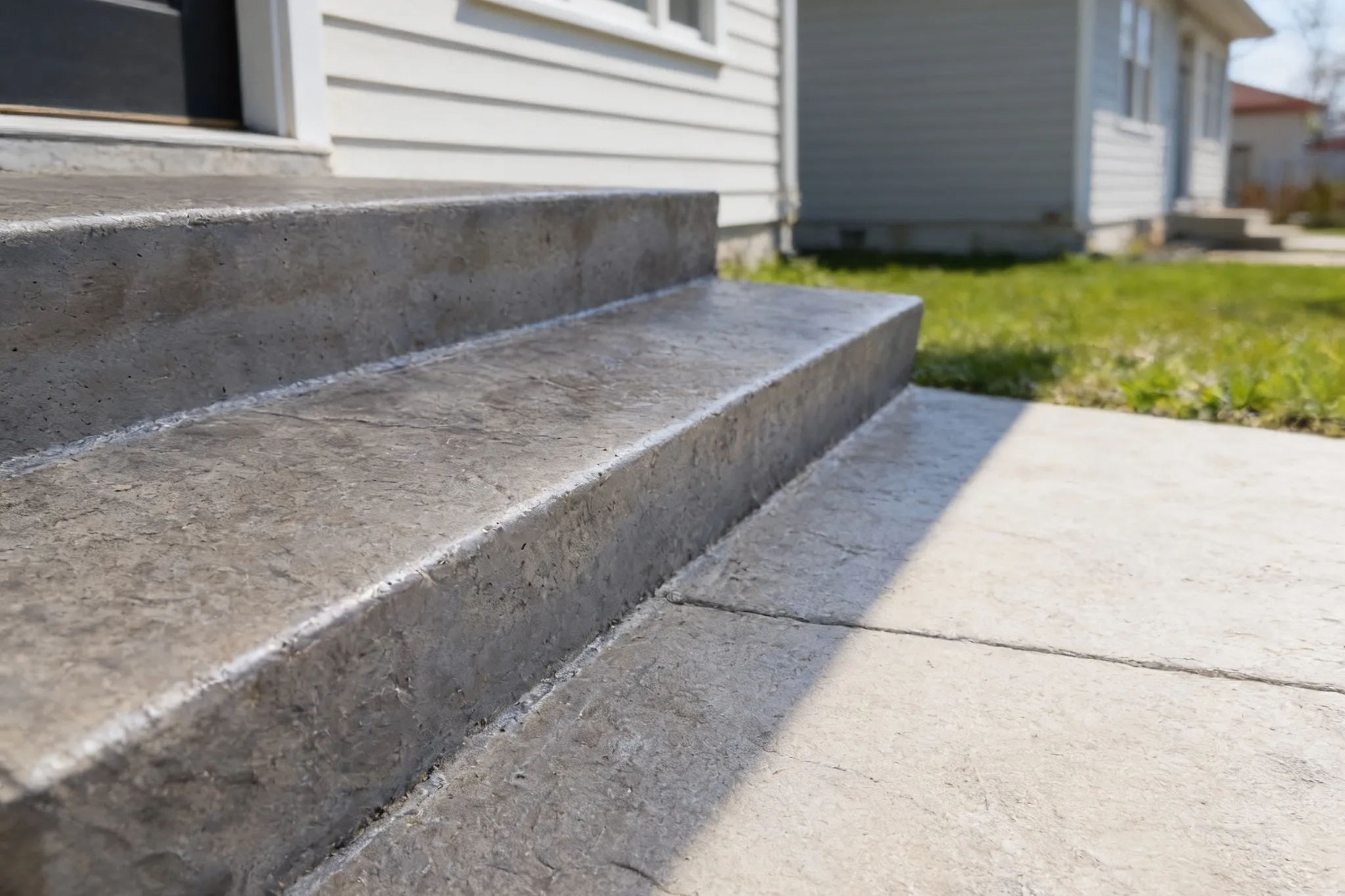
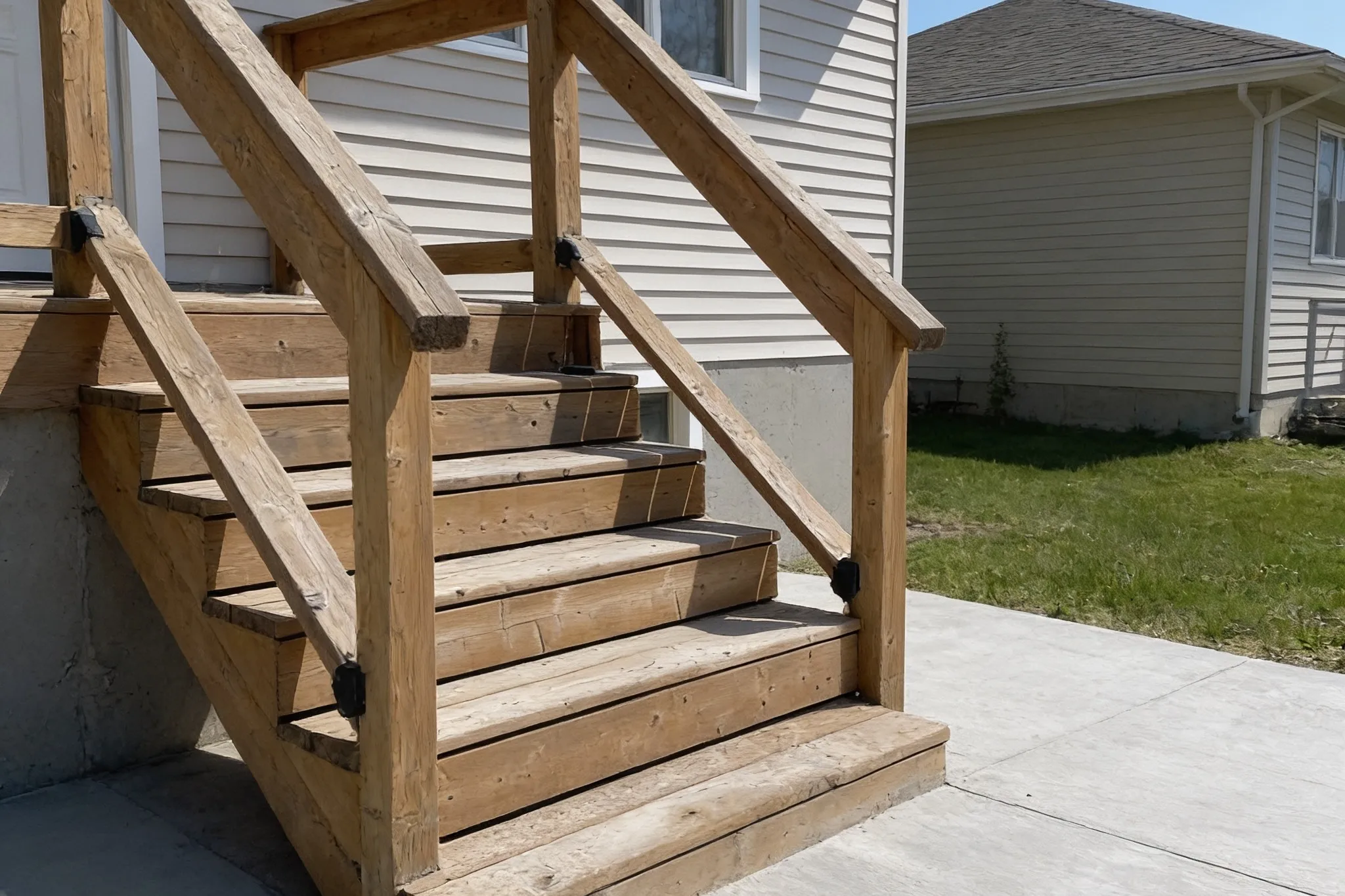
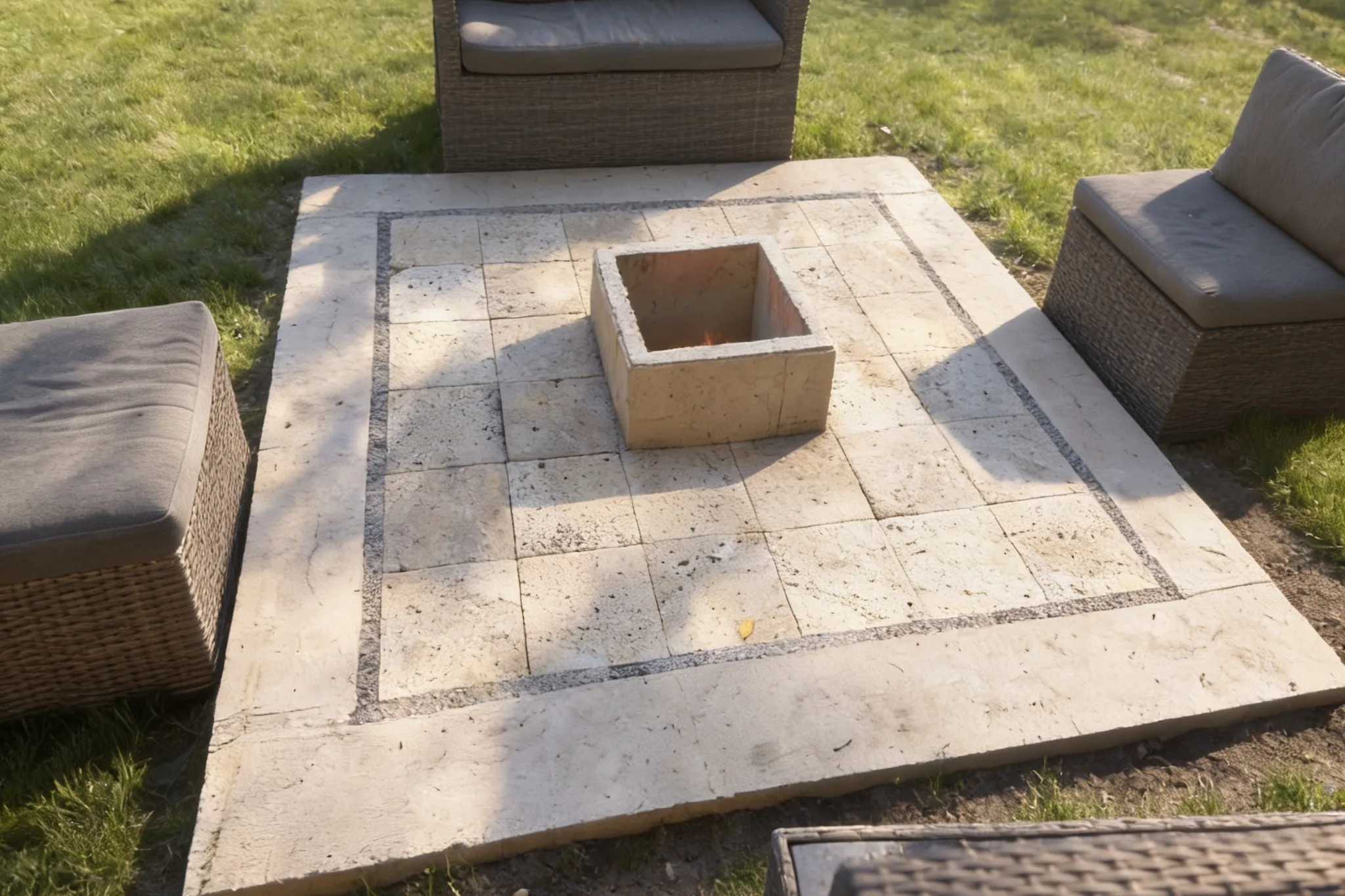
So the phone rings two ways. The growth ends want first pours: patios, garage pads, wider driveways, stamped finishes. The old core wants repair: a heaved walk, a settled step, parging that has let go on a century wall. We run both off the same crews and the same paperwork.
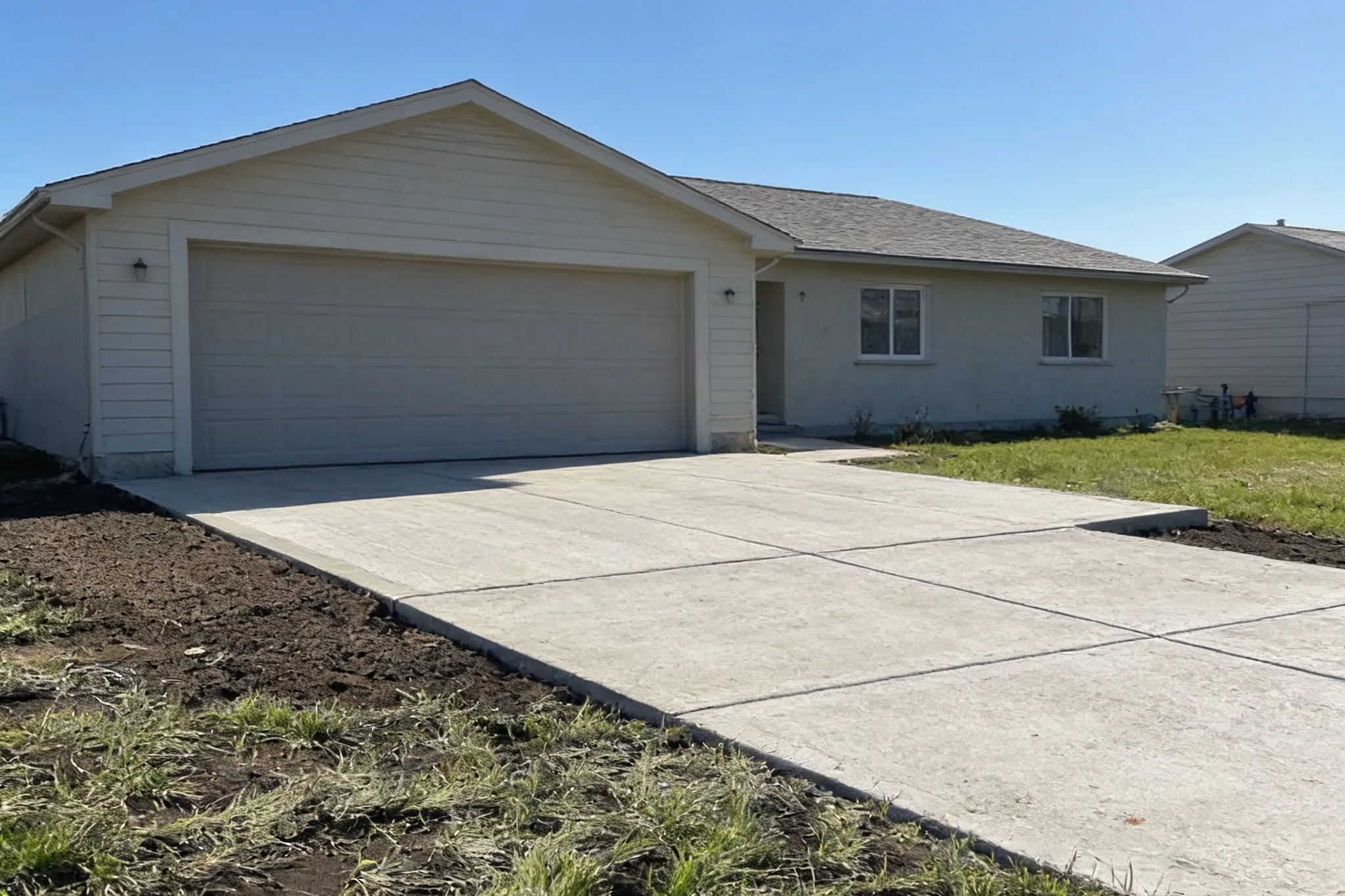
- Concrete DrivewaysDriveways
- Concrete PatiosPatios
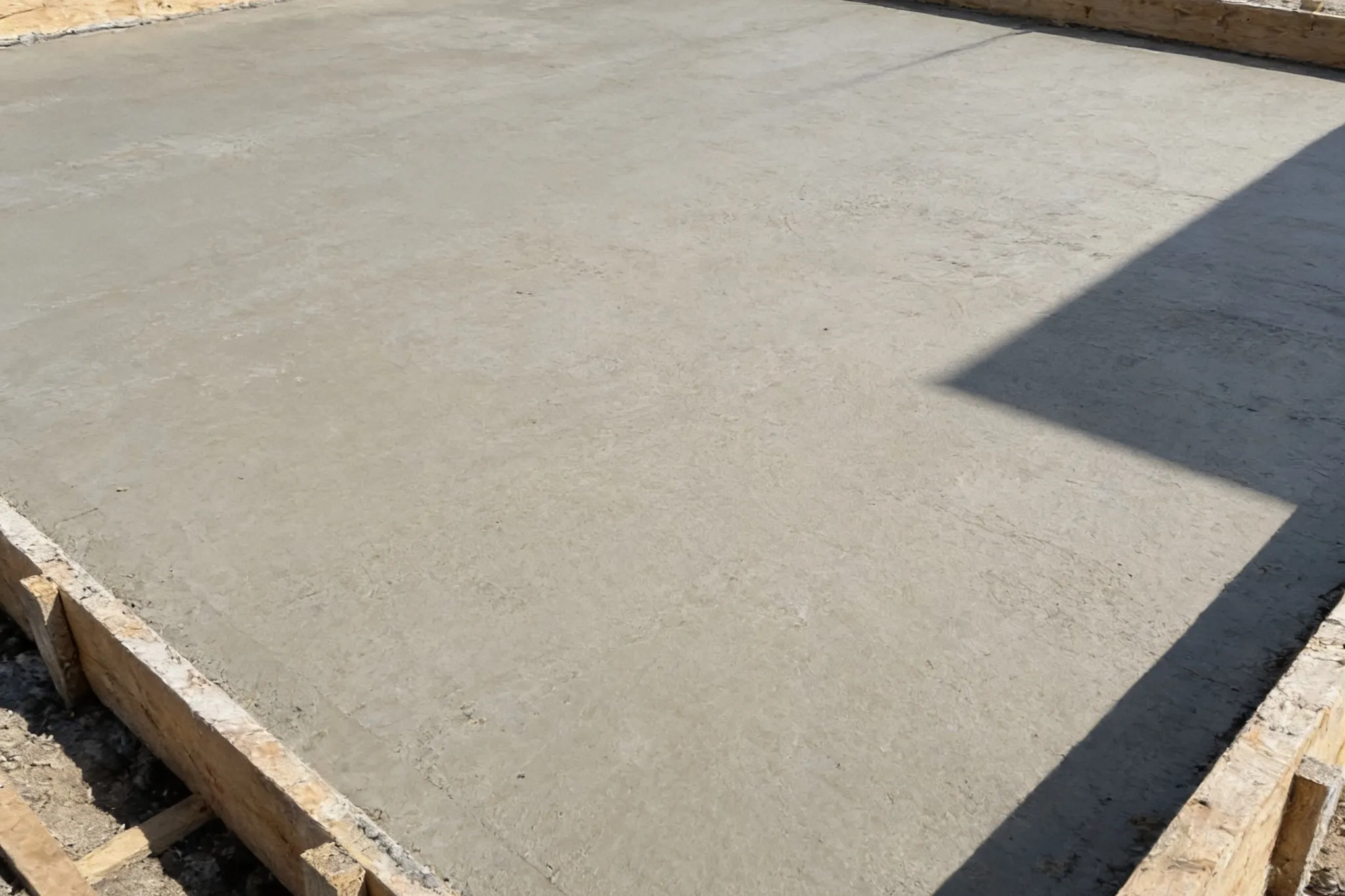
- Concrete Slabs & Garage PadsSlabs & Garage Pads
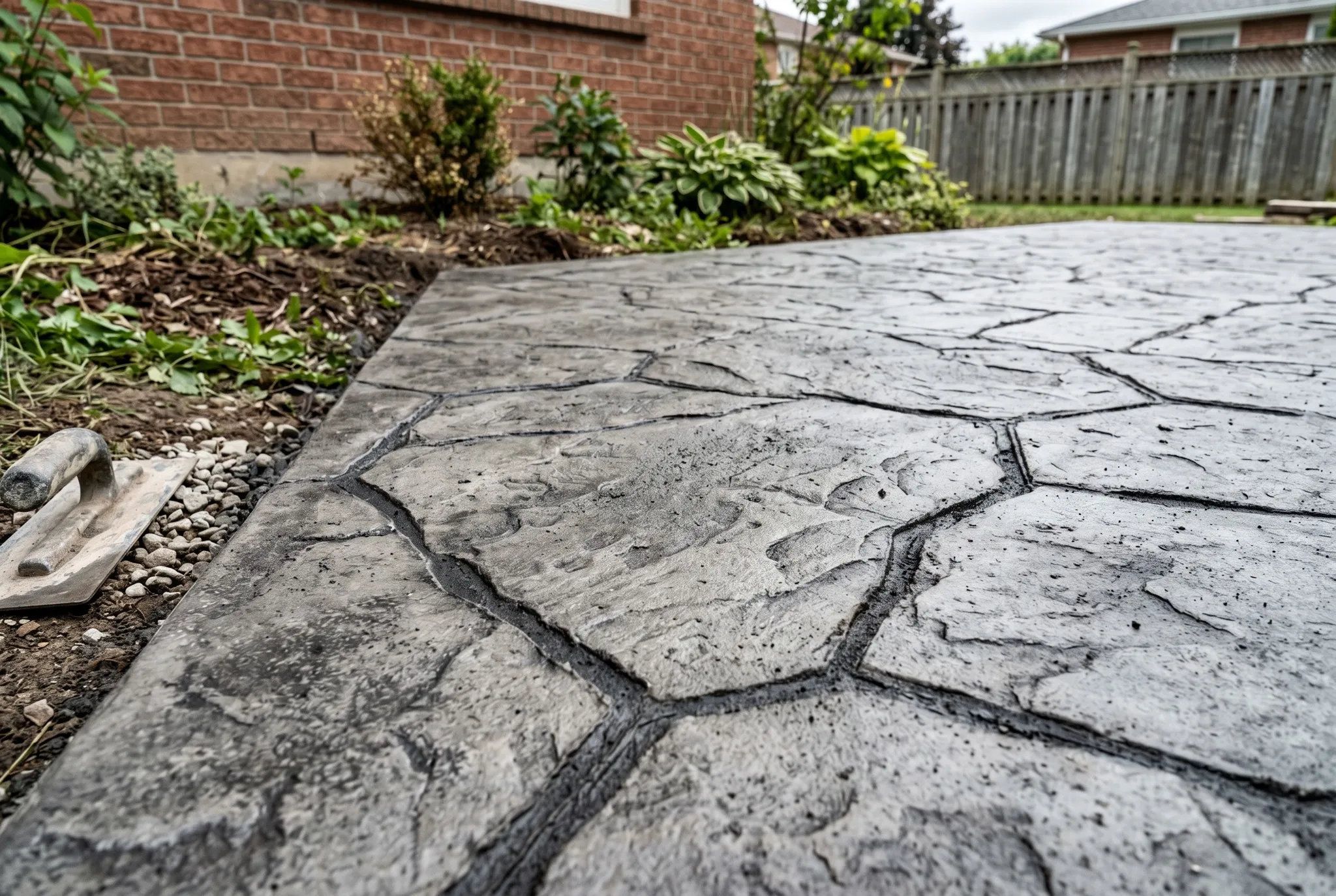
- Stamped & Decorative ConcreteStamped & Decorative
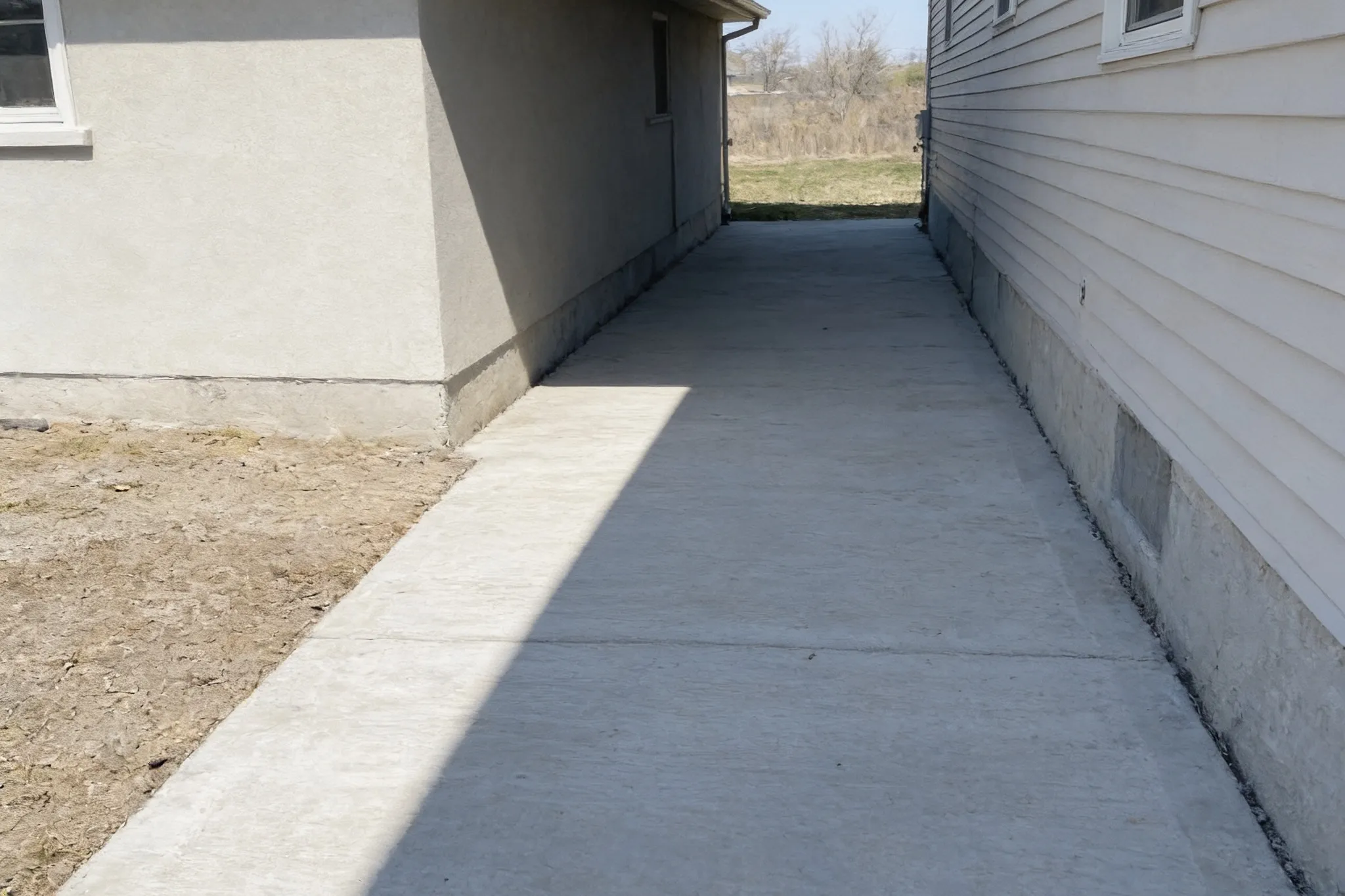
- Concrete Walkways & StepsWalkways & Steps
- Concrete Repair & ResurfacingRepair & Resurfacing
- PargingParging
- Basement WaterproofingWaterproofing
Detailed guides for Kitchener
- Basement Waterproofing in KitchenerLocal ground, housing, and project details for this service.
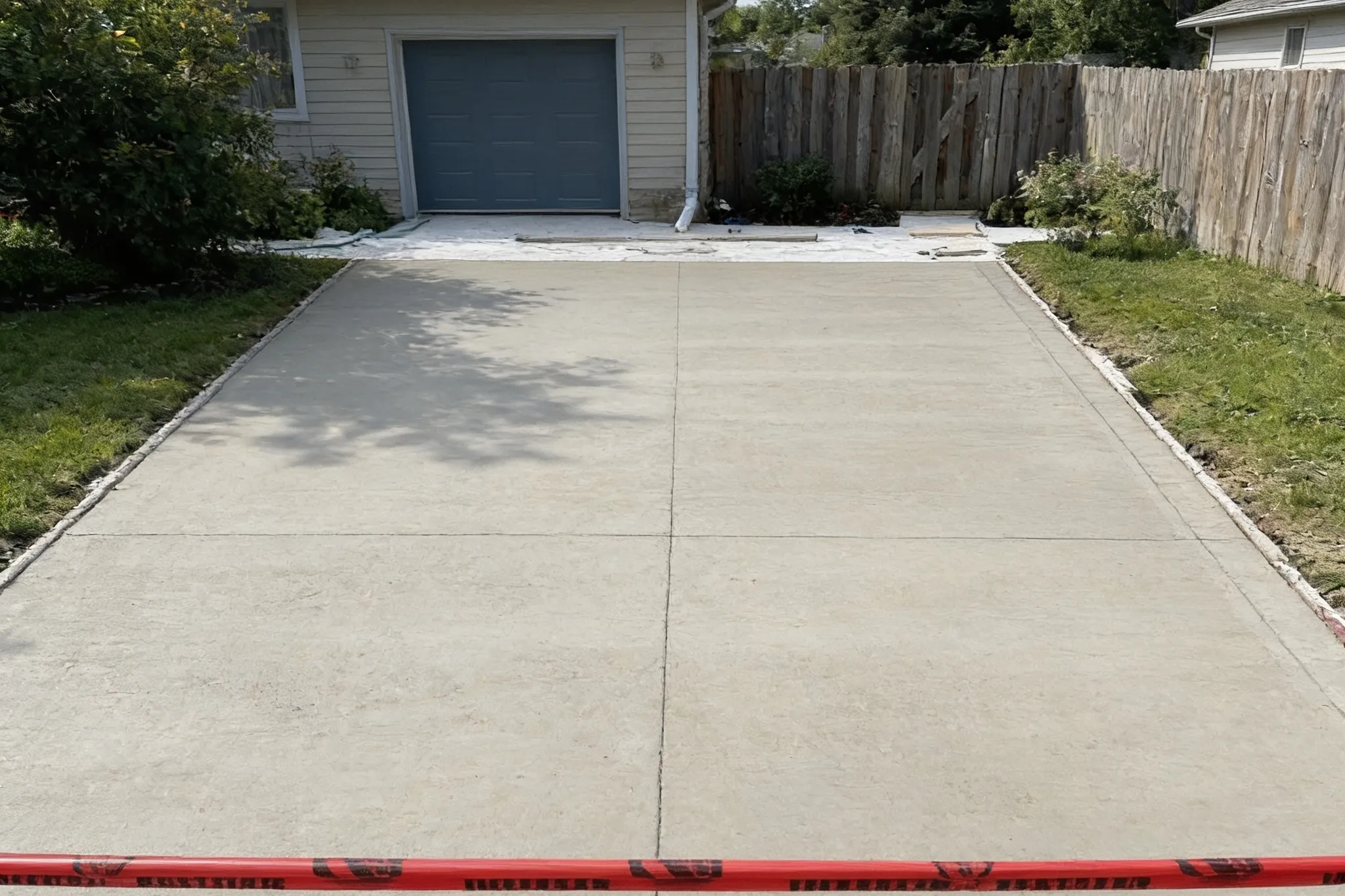
- Concrete Driveways in KitchenerLocal ground, housing, and project details for this service.
What the ground here does to concrete
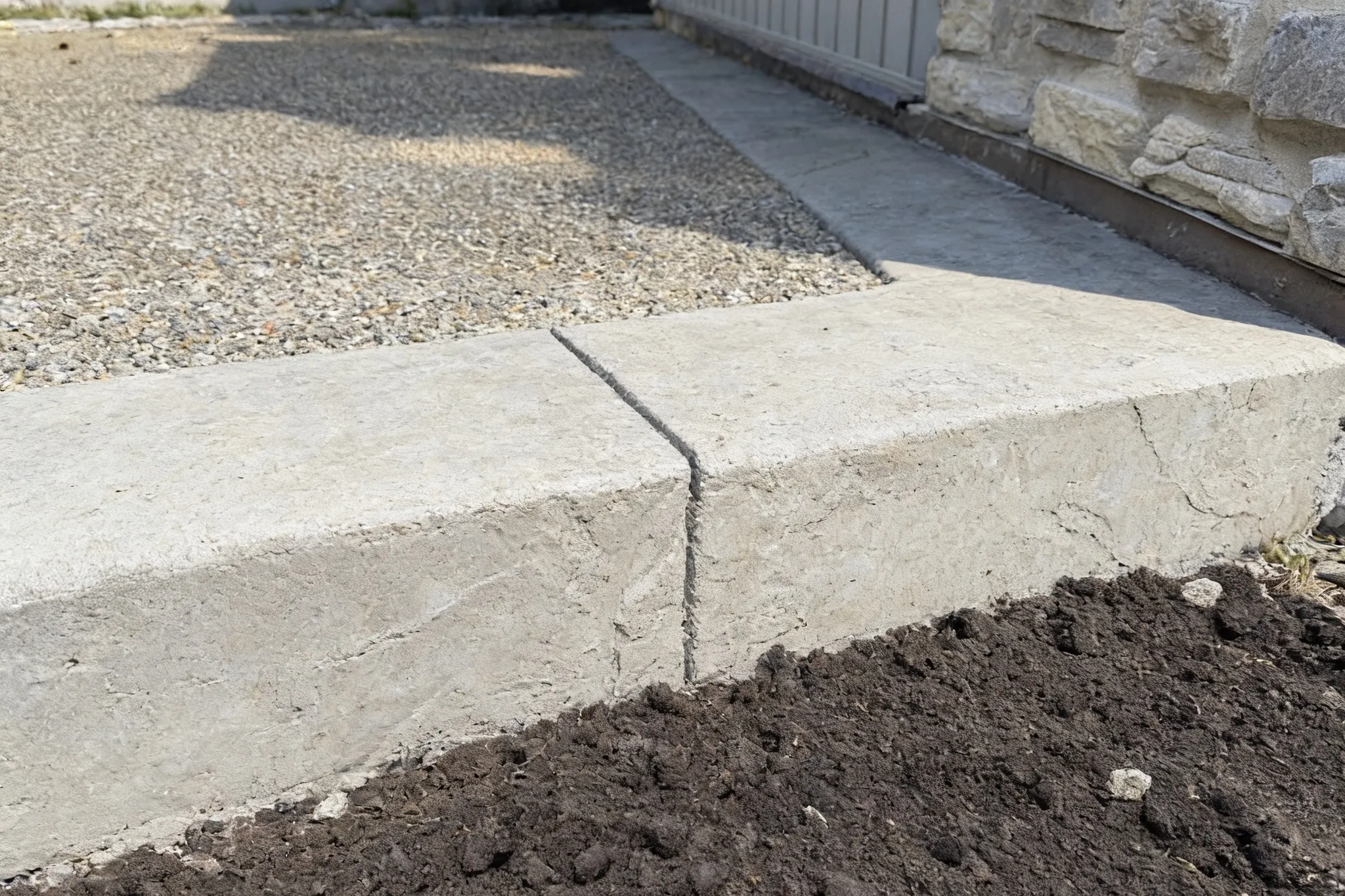
Kitchener grew up on the Sandhills, the sand and gravel of the Waterloo Moraine, and sand changes the rules. Meltwater drains through it instead of freezing in layers under a slab, so a Kitchener driveway heaves less than one on the clay east of here. What sand does instead is move. Concentrated runoff carries it grain by grain, hollowing out the ground under a slab edge or a step until the concrete is bridging a void, usually thanks to a downspout that has run to the same spot for years.
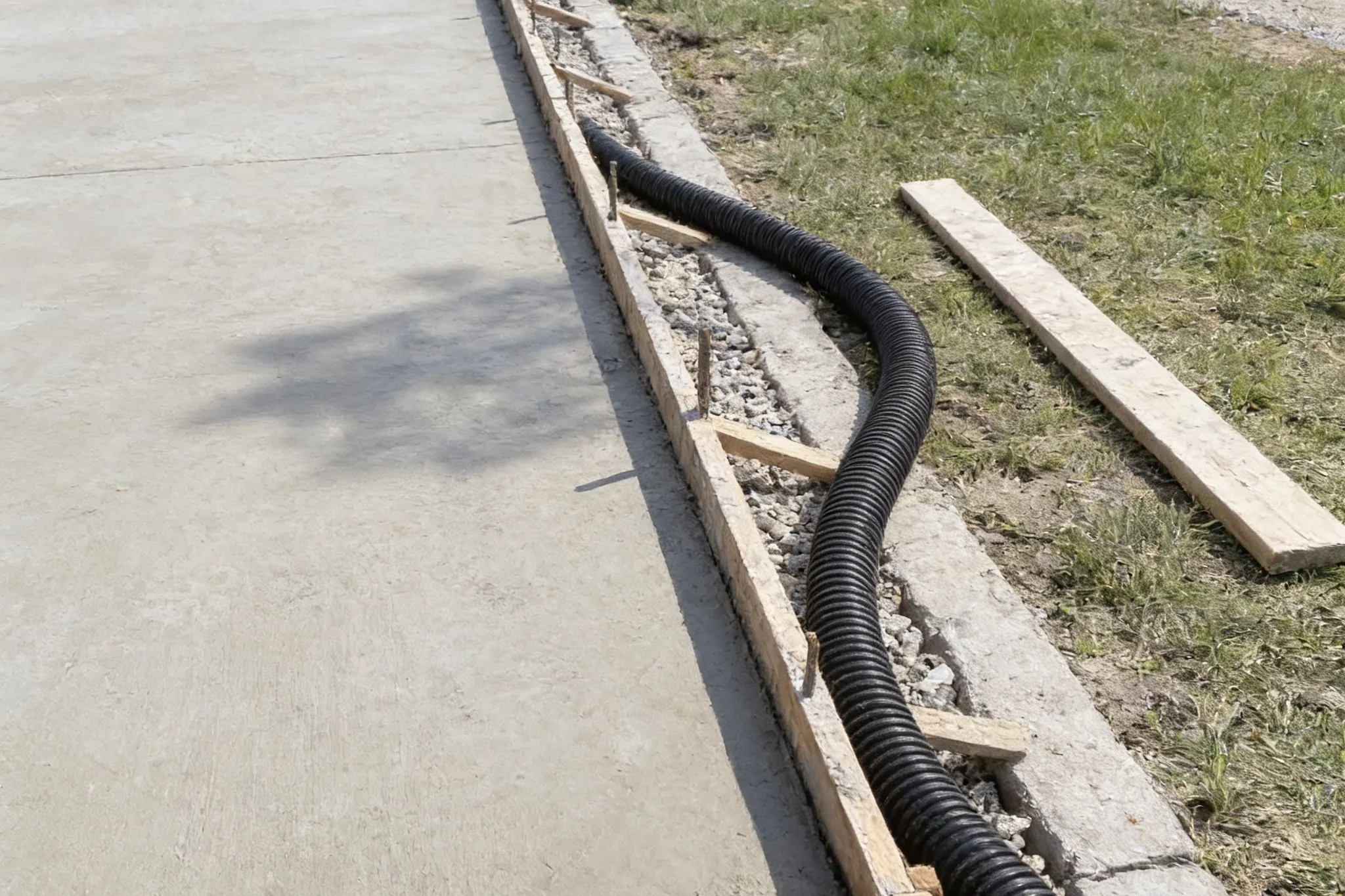
The Grand River and the creeks that feed it, Schneider and Strasburg among them, set the other condition. The low ground along the water carries a higher water table than the sandhills above, so basements in the river-valley pockets stay damp where the higher streets stay dry. Add freeze-thaw and road salt, and the prep priorities here are edge containment, honest drainage and a compacted base, more than the deep frost footings the clay towns need.
Around Kitchener
The old Berlin core downtown and the heritage streets around it run to repair, parging and waterproofing on century housing. The postwar belt around them is mostly driveway and walk replacement at the end of their life. The south end, out around Doon and the newer surveys, is first-pour country: patios, garage pads, widened driveways and stamped finishes once the landscaping stage arrives. The job list changes street by street with the age of the build.
Kitchener books onto our Waterloo Region routes through the season, so a job in the south-end surveys or the old core rides the regular weekly schedule rather than a special trip.
Why do Kitchener driveways crack at the edges instead of heaving like the clay towns?
Because of the sand the city is built on. The Waterloo Moraine drains meltwater away rather than trapping it under the slab, so frost lifts a Kitchener driveway less than a Woodstock or Brantford one. The flip side is erosion: sand washes wherever runoff concentrates, so the slab edge or step corner is where the ground leaves and the concrete cracks. Our prep answers that with edge containment, a compacted granular base and drainage that keeps water off the slab perimeter.
We just closed on a new build in the south end near Doon. How soon can we pour?
Once the builder's final grade is set and the lot has had a season to settle. The south-end surveys are disturbed fill, and the ground along a new foundation keeps moving for a year or two, so we compact the base ourselves rather than trust fresh fill. Spring is the time to book if you want a slot in the summer pour season.
Our parging keeps flaking off an older Kitchener foundation. Why does it keep happening?
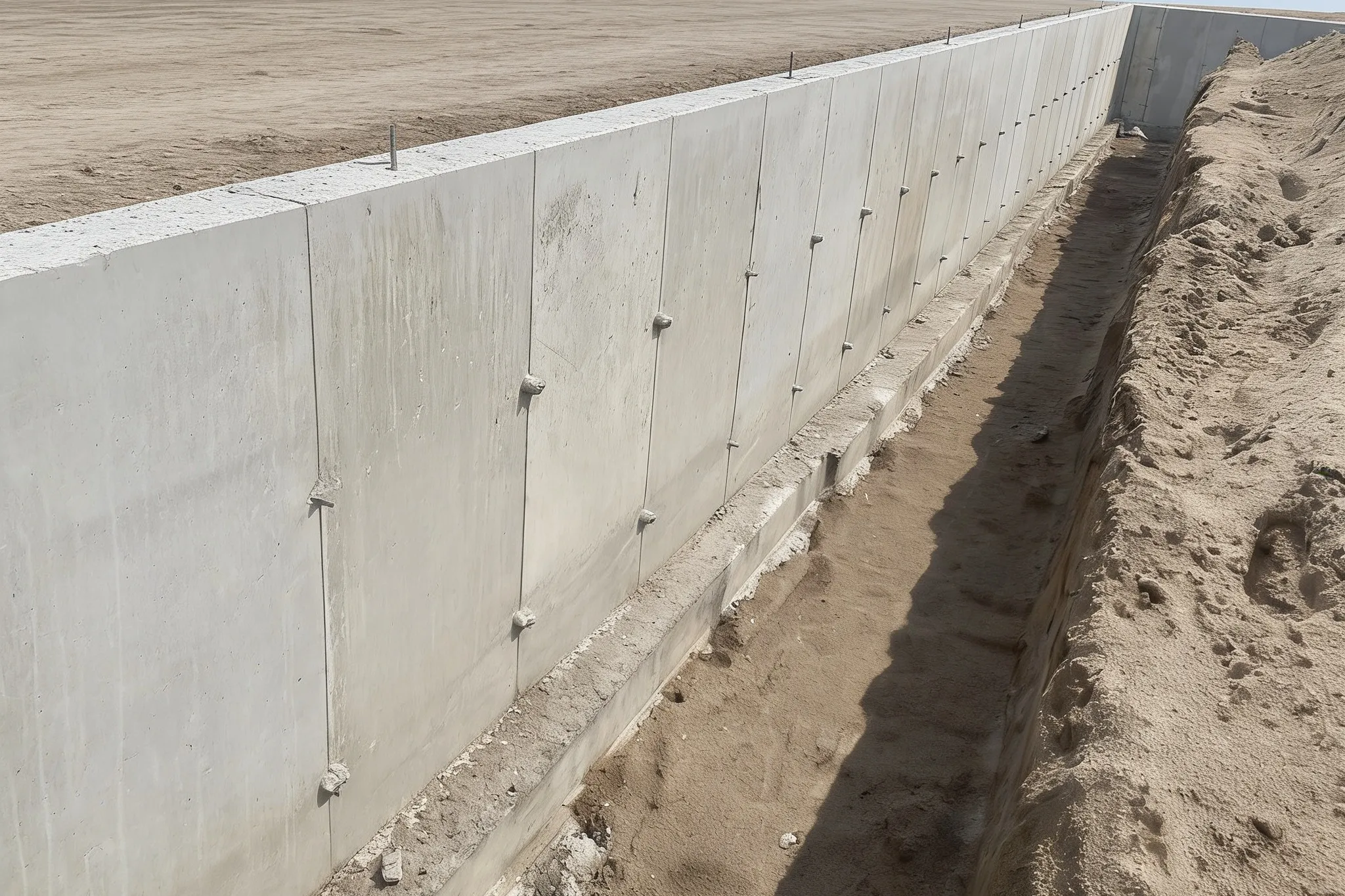
Parging fails when new cement gets troweled over a damp, dusty or crumbling wall and never bonds. On the older core's century foundations the moisture usually comes from behind the wall, so a fresh coat over old failure just buys a season. We take the loose material right off, sort out where the water is coming from, and lay a fresh parge coat with a proper mix and a real cure. Done that way it lasts decades, not winters.
What does a new concrete driveway cost in Kitchener?
Size starts it, then finish, the state of the base and whether an old slab has to come out first. Broom is the plain finish, with exposed aggregate and stamped above it. The sandy base under much of the city is often quicker to build on than clay, which can help the number, but the honest figure comes from a free site visit and a written quote, not a per-foot guess online.
Tell us about the job.
Send the details and we'll get back to you within one business day with next steps. If water is coming in right now, check the box and we flag it urgent.
Get a straight quote
Free · no pressure · 1 business day