HomeServicesConcrete Slabs & Garage Pads
Concrete Slabs & Garage Pads in Southern Ontario
My Concrete Pros pours concrete slabs and garage pads across Southern Ontario: shed pads, hot tub pads, detached garage floors, and shop slabs. Union-certified crews handle the excavation, reinforcement, and finishing, every quote is free and in writing, and the labour carries a lifetime warranty. Because a slab's cost rides on its base, reinforcement, and access, we quote each one after seeing the site rather than off a price list.
Get a straight quote
Free · no pressure · 1 business day
Reviewed June 2026
Every job is priced individually, not off a price list. Tell us about yours and you get an accurate, no-pressure quote in writing.
A slab is the most price-checked pour in concrete, and fair enough: the math looks simple. The concrete in a shed pad is a small fraction of the installed quote, which makes people wonder where the rest goes. This page answers that honestly, because once you know where the money actually goes, you can read any quote, including ours.
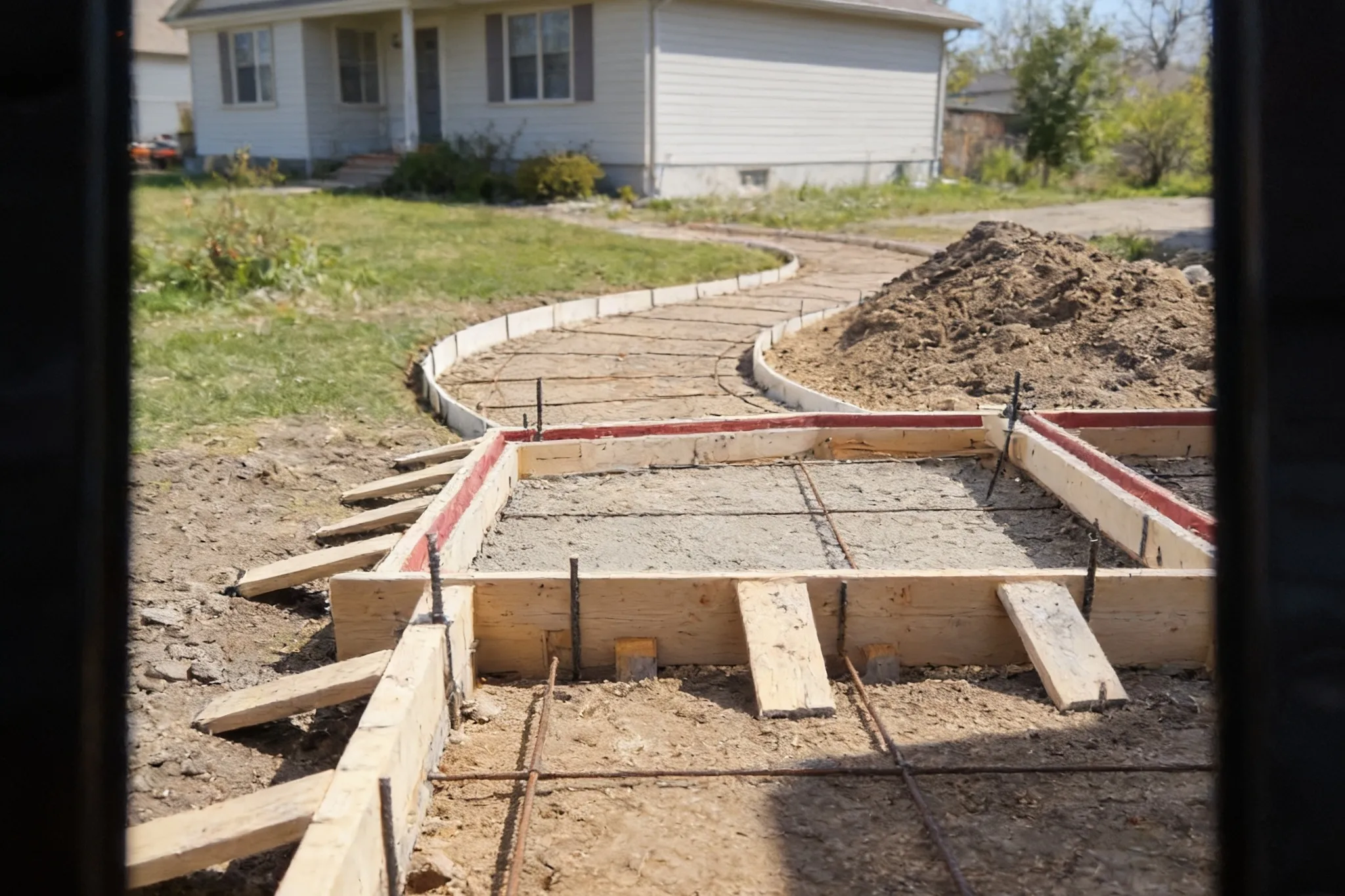
Where it goes is under the slab and into the finishing. A pad poured on scraped topsoil cracks into pieces or tilts the first time frost gets under it or a loaded shed sits on it. The real job is excavation, a granular base compacted in lifts, reinforcement matched to the load, and a finisher who gets the surface flat and the edges right. The concrete itself is the cheap part.
We pour pads from 100 square feet to full shop slabs, and the small ones get the same base discipline as the big ones. We'll also tell you when you don't need us at all. A light resin shed sits happily on a gravel pad, and we'd rather say that at the site visit than pour concrete you didn't need.
- A free site visit and a written quote that holds, whether the pad is 100 square feet or 1,000.
- Excavation to stable ground and a compacted Granular A base under every pad.
- 32 MPa air-entrained concrete outdoors and on garage floors, where winter salt drips off parked cars.
- Reinforcement matched to the load: welded wire mesh for sheds and hot tubs, 10M rebar grids for garage and shop slabs.
- Anchor bolts, thickened edges, or a floor sloped to drain at the door when the building plan calls for it, priced up front in the quote.
- Plain instructions for the first week of cure, and a lifetime warranty on labour in writing.
The numbers we build to
| Mix | 32 MPa air-entrained | garage floors take road salt off parked cars all winter |
|---|---|---|
| Thickness | 100 mm (4 in.) sheds; 125-150 mm (5-6 in.) garages | thickened to about 300 mm at a floating pad's edges |
| Reinforcement | Mesh for light pads; 10M rebar at 400 mm grid | rebar wherever vehicles park |
| Base | 150-200 mm compacted Granular A | deeper where soft or disturbed soil comes out |
| Build-ready | Vehicles after 48 hrs minimum; framing after about 7 days | full design strength at 28 days |
What affects the cost of a concrete pad?
Size is the obvious factor, but it's rarely the one that moves a pad quote most. What's under and inside the slab does. A pad on good, stable ground is the simple case; soft or disturbed soil needs deeper excavation and more granular fill before anything gets poured, and that work is invisible the day the truck leaves. Thickness matters too: a garage or shop slab carrying vehicle weight is poured thicker and heavier-reinforced than a shed pad, so it costs more than the light-duty version.
The add-ons are what separate a proper pad from one somebody regrets. A detached garage wants thickened edges and full excavation. A hot tub pad has to be dead level and reinforced for the load. None of this should surprise you mid-job, which is why it's all named in a written quote after we see the site, not guessed at off a per-foot rate.
One scheduling note worth real money: a pad is a small pour, and small pours are most economical when they share a truck. If you have a walkway, an apron, or even a neighbour with a project of their own, pouring the same day spreads the fixed costs across more concrete. Send the details and you get an accurate, upfront quote in writing.
The honest read on pouring it yourself
Half the people pricing a slab are deciding whether to do it themselves, so here it is straight. The raw materials for a small shed pad, the ready-mix, wire mesh, forms, and gravel, are genuinely cheap. The reason an installed quote is several times that isn't markup on the concrete. It's everything around the pour.
The gap buys four things: digging out and hauling away what the pad displaces, a base compacted in lifts instead of raked flat, enough hands to place and finish a load that stops waiting for you the moment it leaves the truck, and someone accountable for the result. Concrete is unforgiving of a learning curve. The mix doesn't pause while you figure out screeding, and a botched finish is permanent in a way most DIY mistakes aren't.
Our honest read: a small pad on good ground, away from any building, is a doable weekend project for a handy homeowner with helpers, and we won't pretend otherwise. A garage floor, anything carrying vehicle weight, anything attached to a structure, or any pour past a couple of yards is where paying a crew stops being a luxury. Either way, now you can read the quotes.
Garage pads: thickness, rebar, and thickened edges
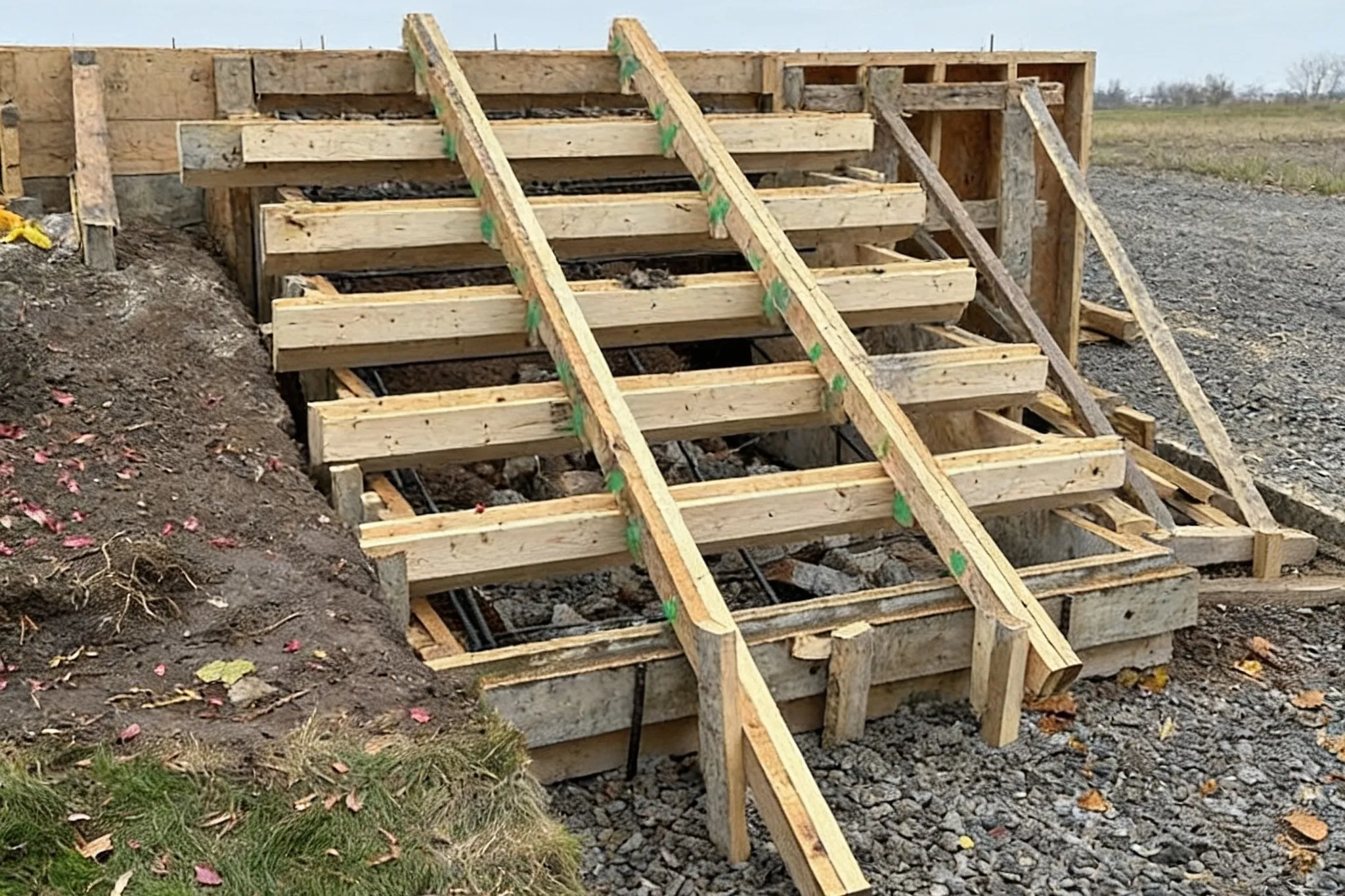
A detached garage pad in Southern Ontario is usually a floating slab: no deep foundation, the whole pad riding minor frost movement as one piece. What makes that work is the part you never see. The perimeter gets thickened to about 300 mm so the edges can carry the walls, the base is compacted granular deep enough to drain, and the slab goes in at 125 to 150 mm with 10M rebar on a 400 mm grid rather than light mesh. Skimp on any one of those and the pad cracks under the building it was supposed to carry.
Mesh versus rebar is a load question, so we answer it per job instead of by habit. Welded wire mesh controls shrinkage cracking in light-duty pads: sheds, hot tubs, gazebos. Rebar adds structural capacity for vehicle weight and uneven soils, which is why garage and shop floors get it. If a garage pad quote doesn't name its reinforcement, ask. The wrong answer saves a little now and costs the slab later.
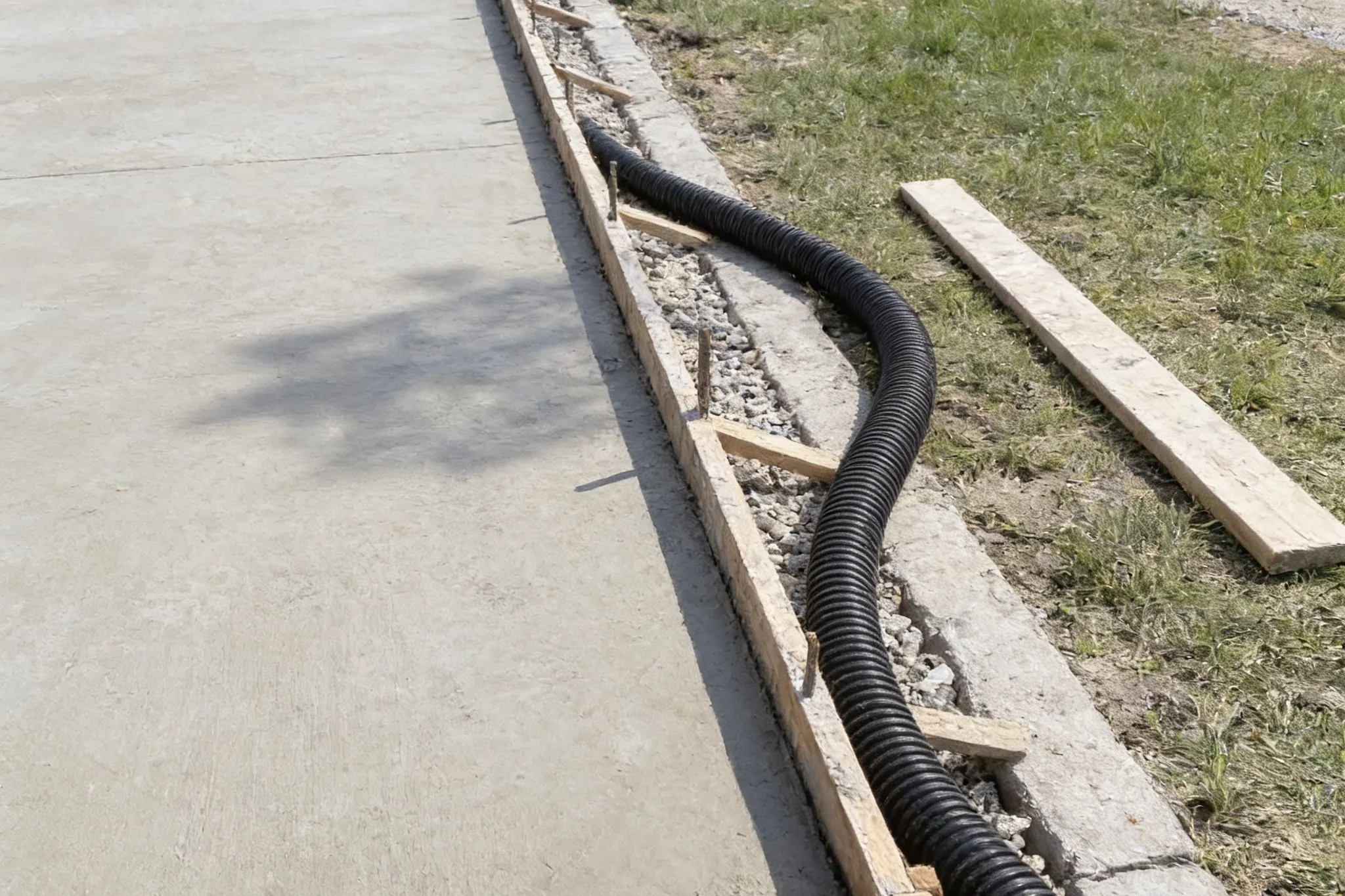
Two details to settle before pour day. Anchor bolts set into wet concrete hold a garage's bottom plate far better than anything drilled in after, and the floor should slope gently toward the door so snowmelt off the car finds its way out. Both are cheap on pour day and expensive as an afterthought. If the project needs a permit, and most detached garages do, we flag it at the quote; the fee varies by municipality.
Shed, hot tub, and gazebo pads
Small pads are real work for us, and we quote them in writing like everything else. Plenty of homeowners around here have burned a day off waiting on a contractor who looked at a 120 square foot pour and decided it was too small to bother with. We size the crew to the job, and a small pour can share a truck with other work nearby, which keeps the price sane.
A hot tub pad has one requirement that outranks all others: a filled tub with people in it weighs two to three tonnes, and the manufacturer wants it dead level or the warranty is in question. We pour hot tub pads level, reinforced, and a little larger than the tub's footprint, so the steps and service panels land on concrete instead of mud.
For sheds, here's the honest fork. A light resin shed does fine on a compacted gravel pad, and we'll say so. Concrete becomes the right answer once the shed is a workshop, stores anything heavy, or needs anchoring against wind. Pouring for a future shed? Tell us the rough footprint and we'll pour to it, with anchors set where the plates will land.
Recent work
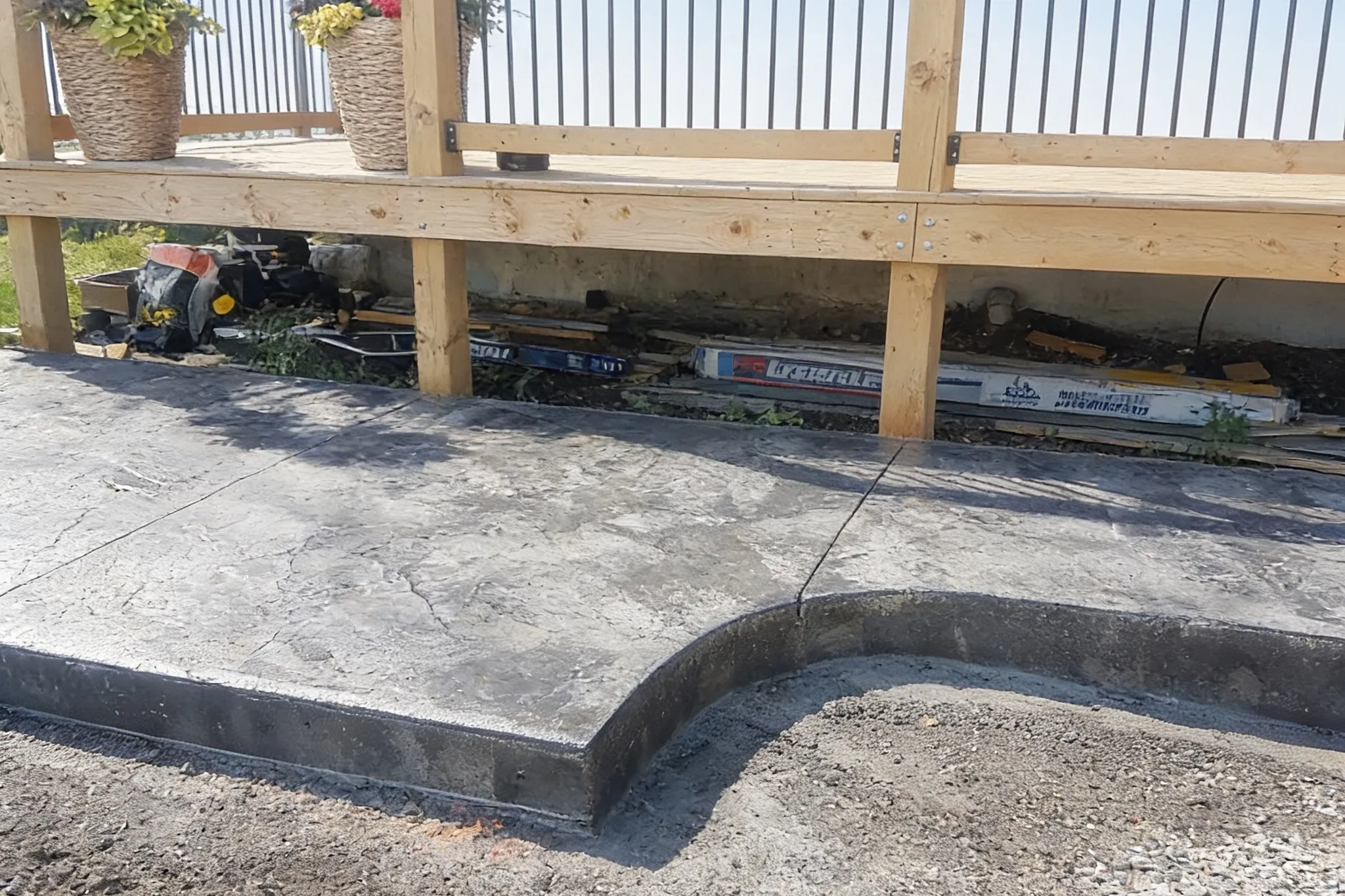
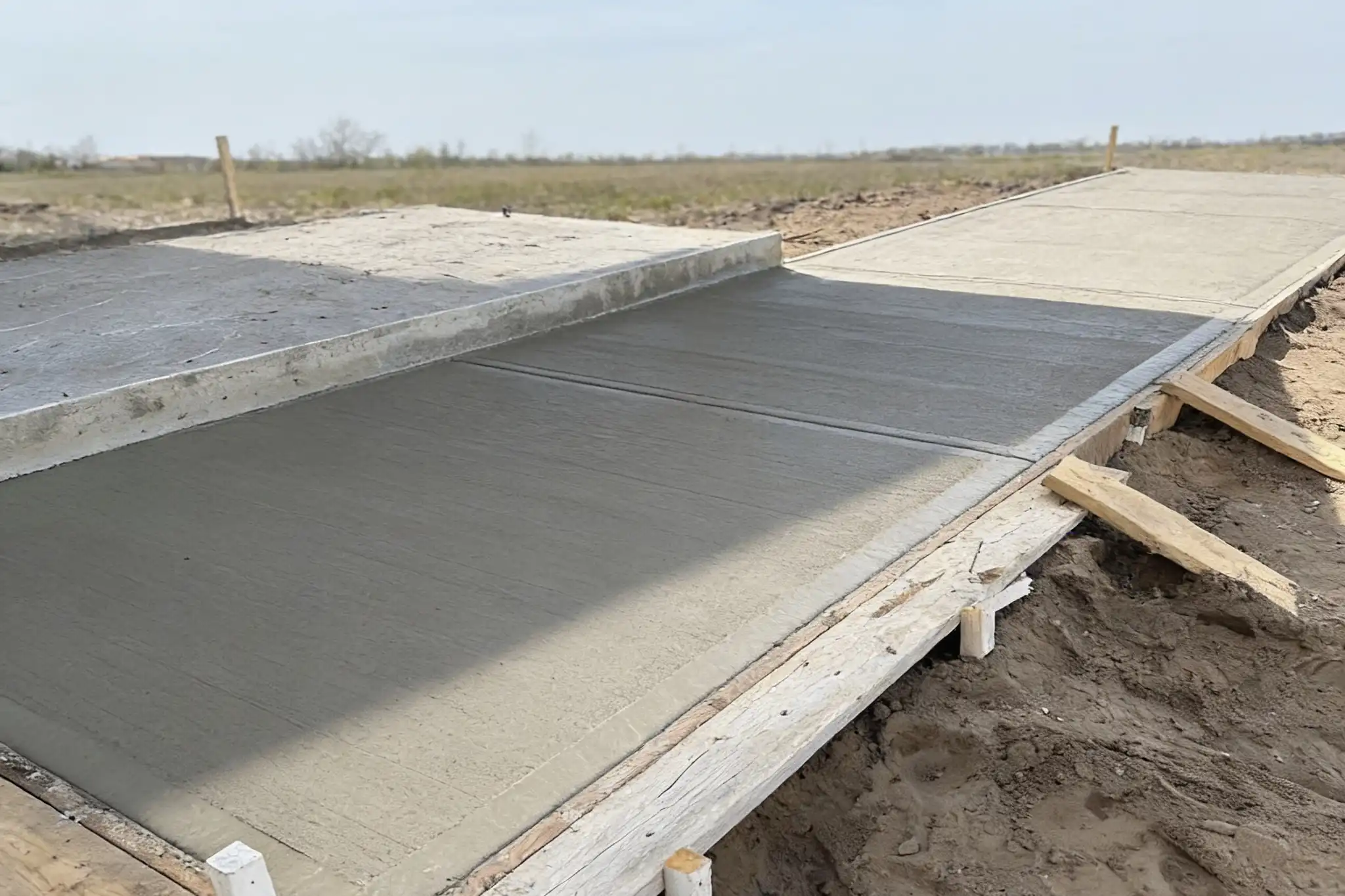
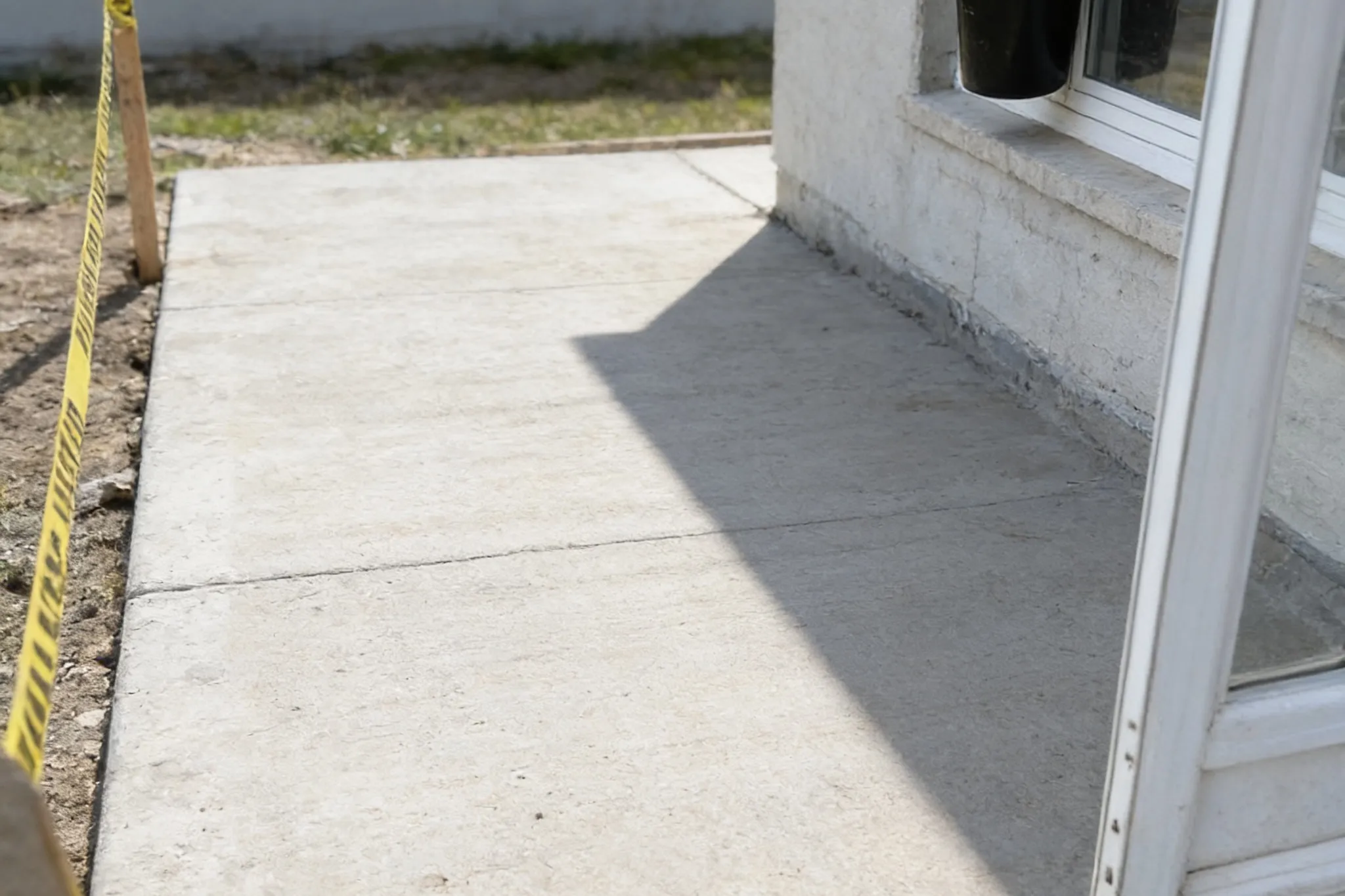
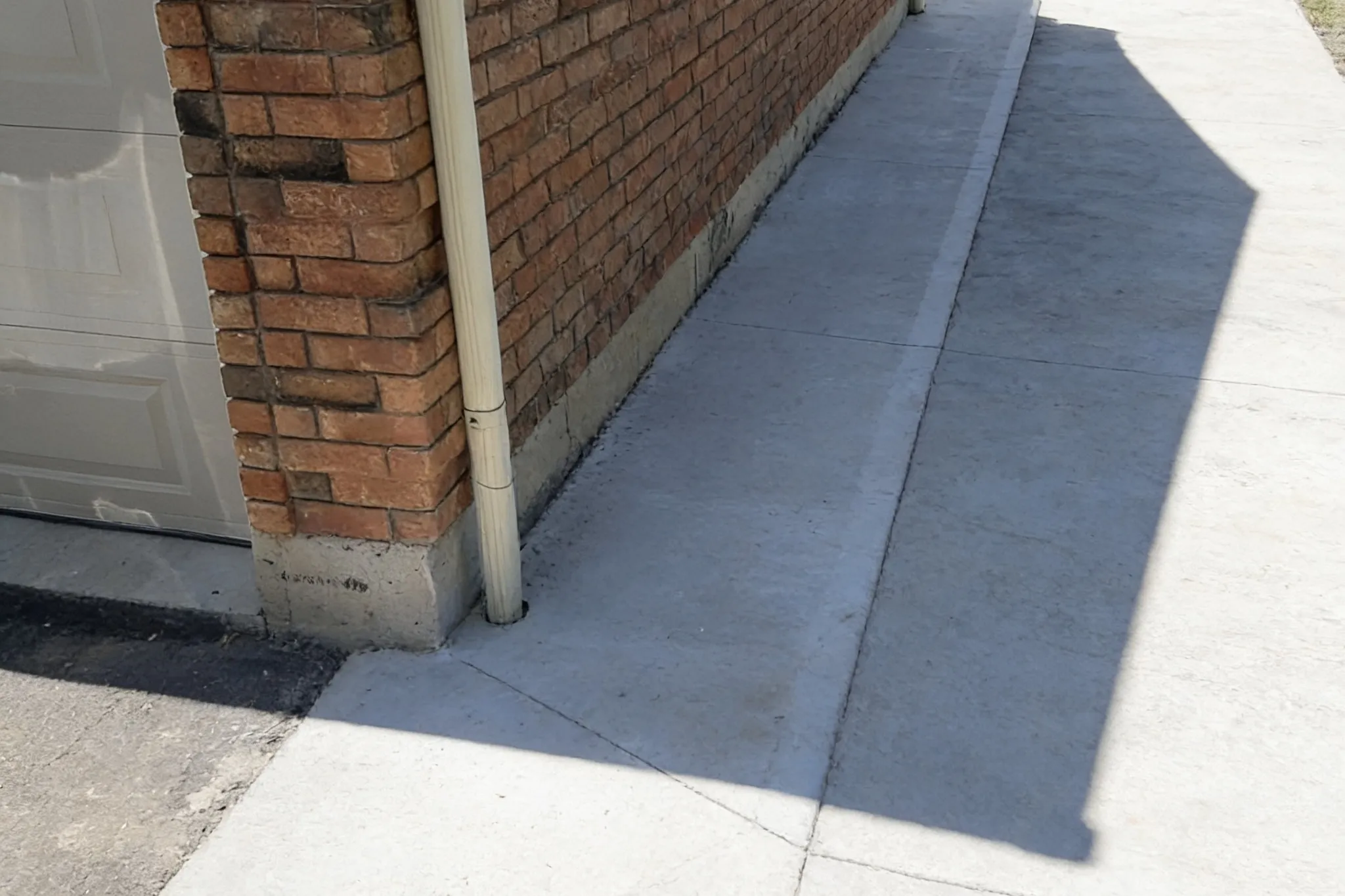
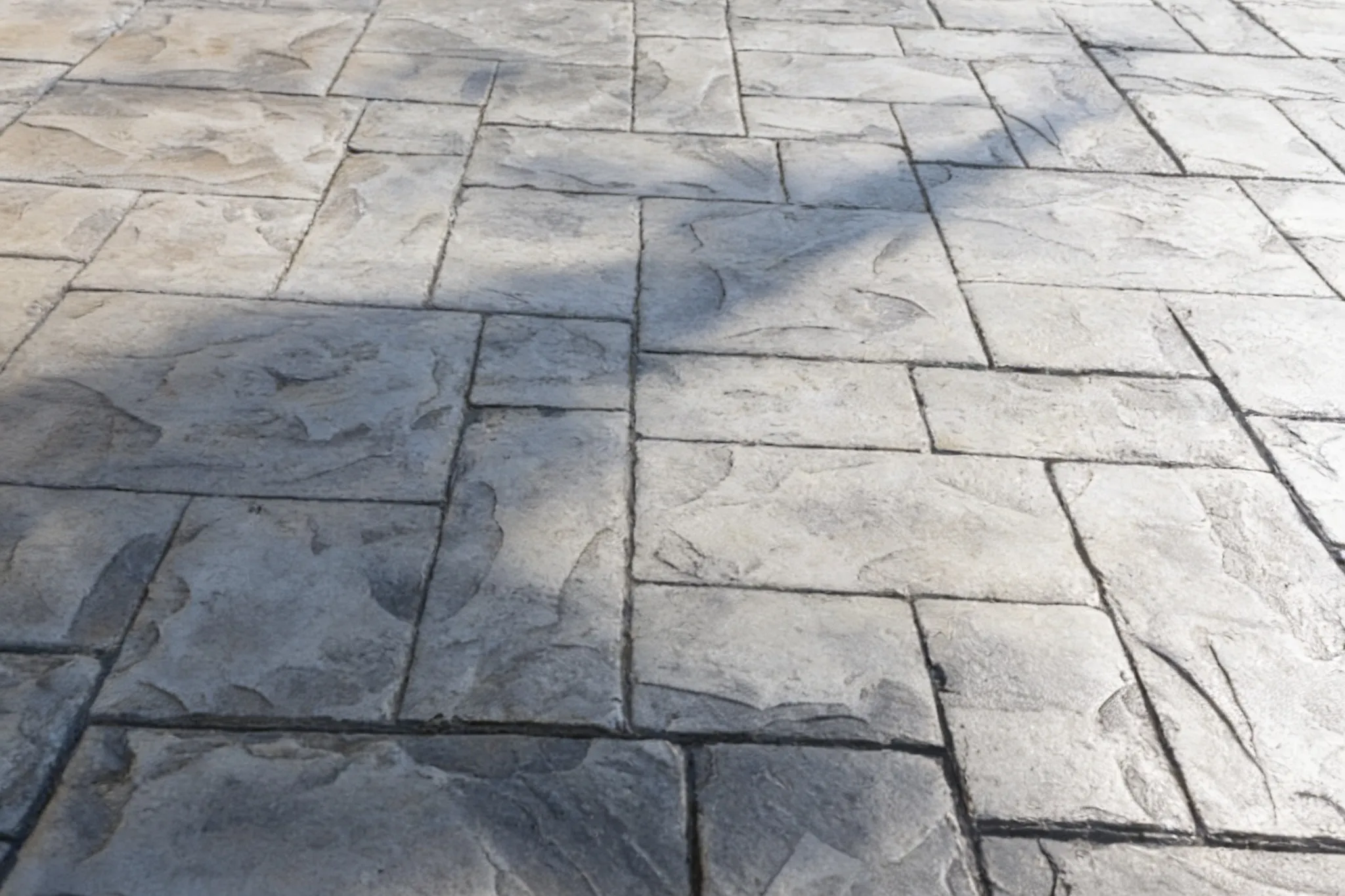
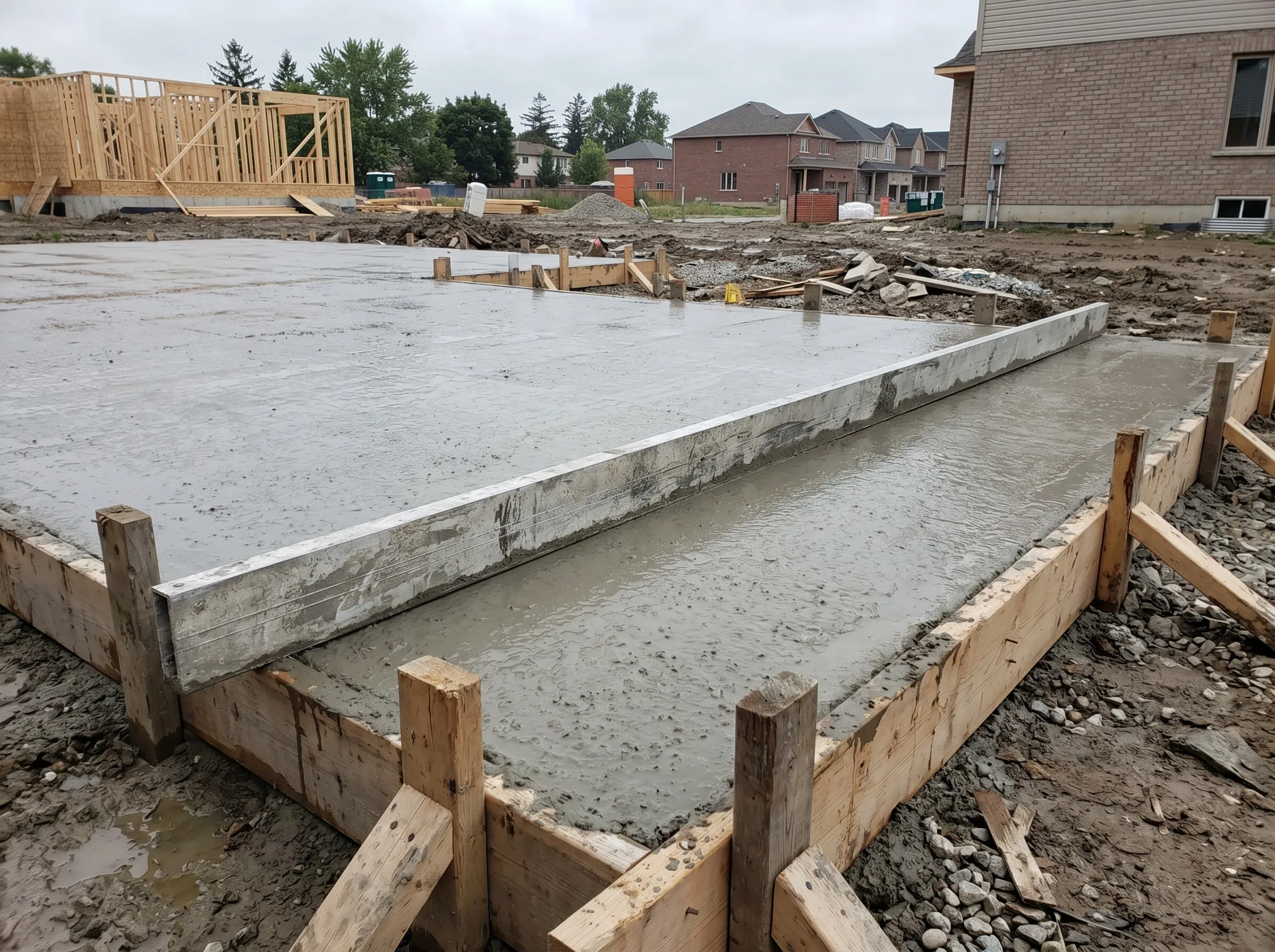
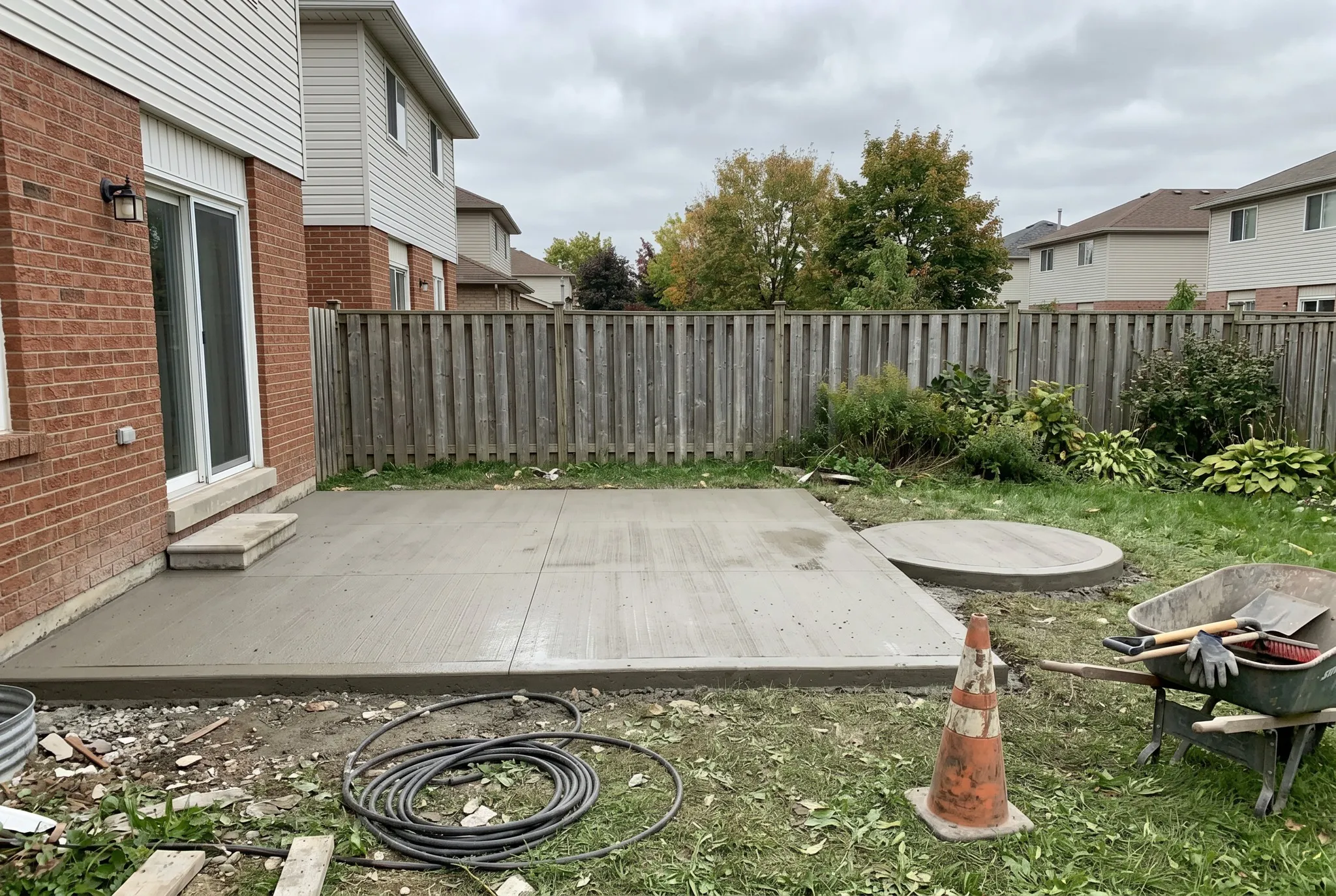
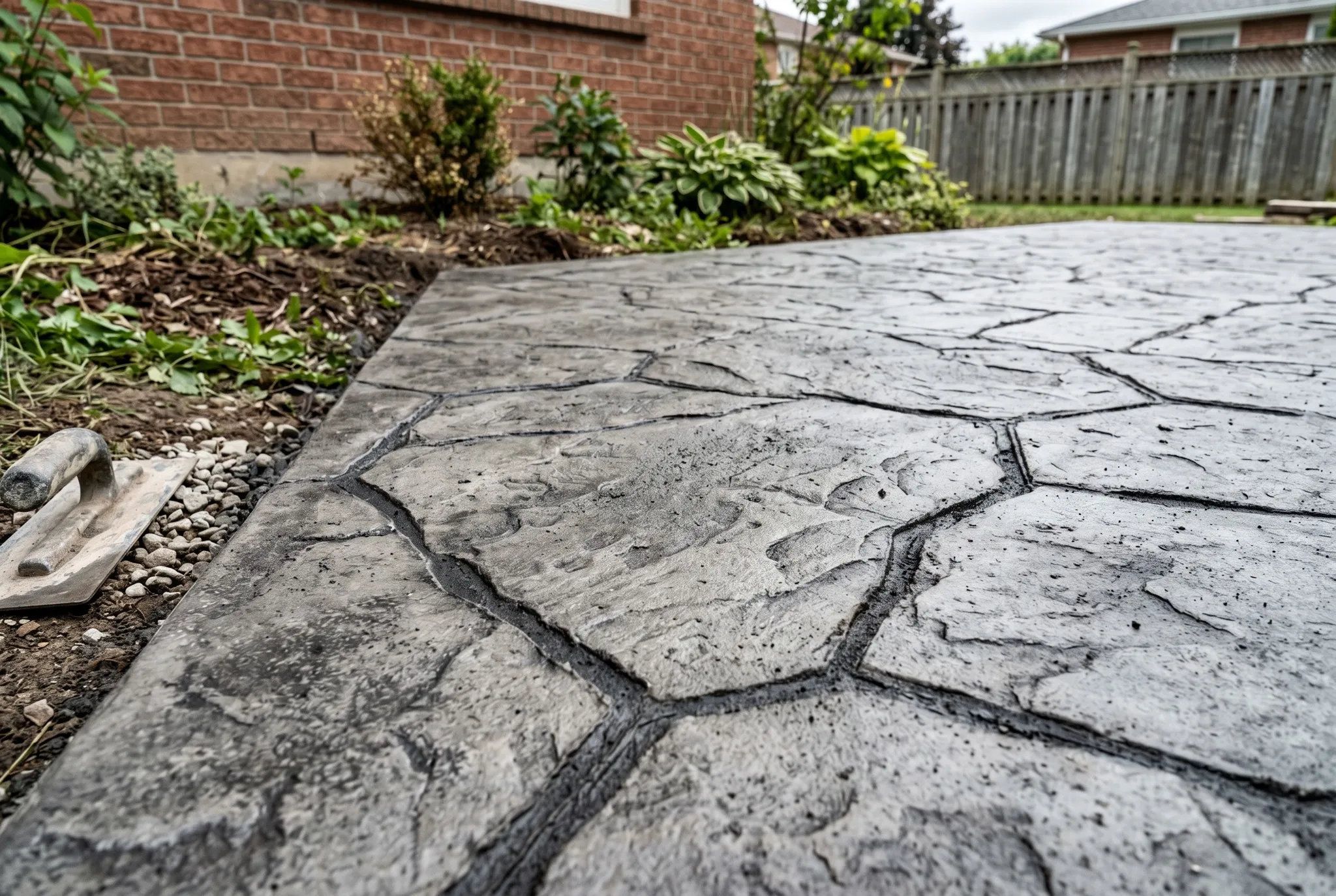
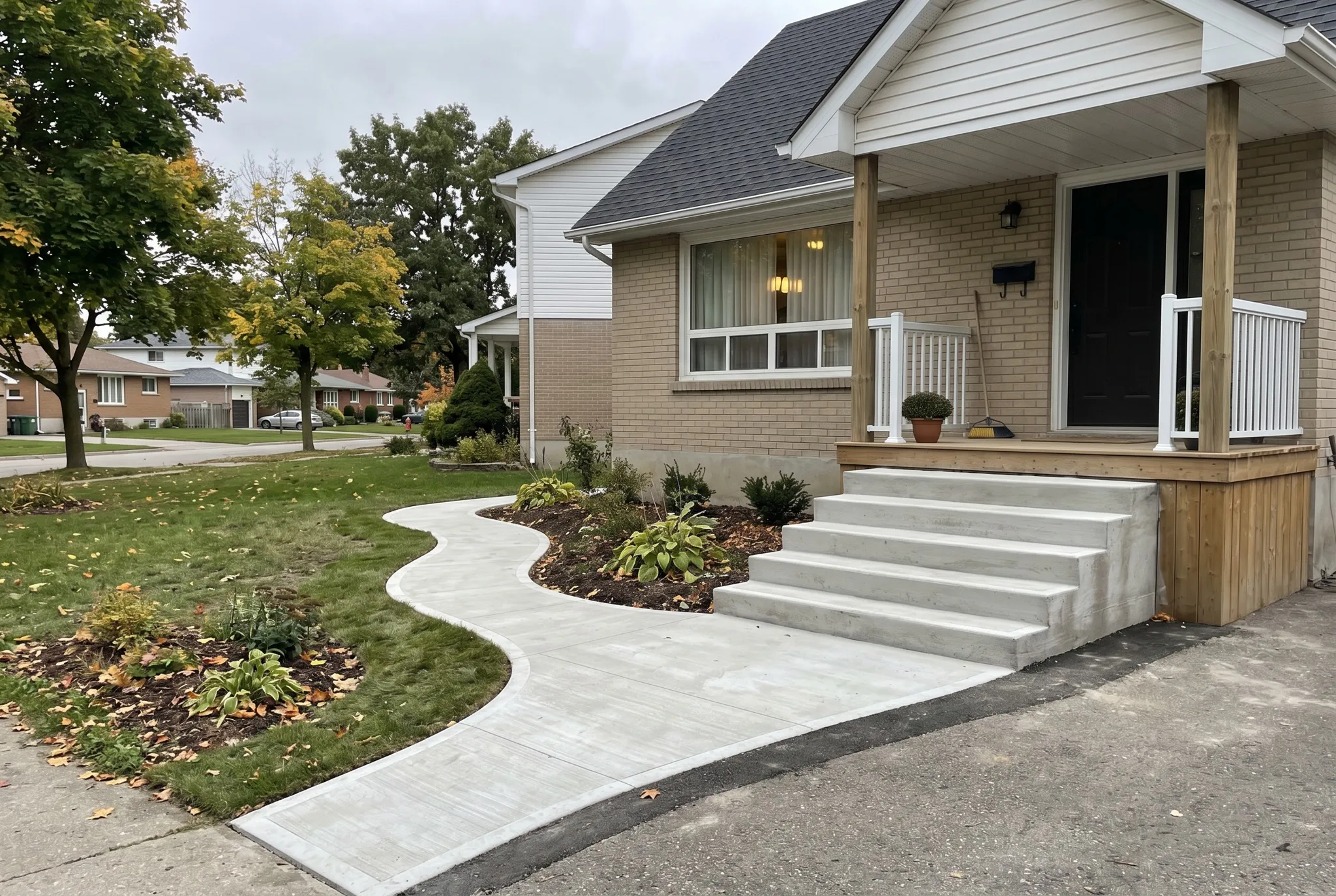
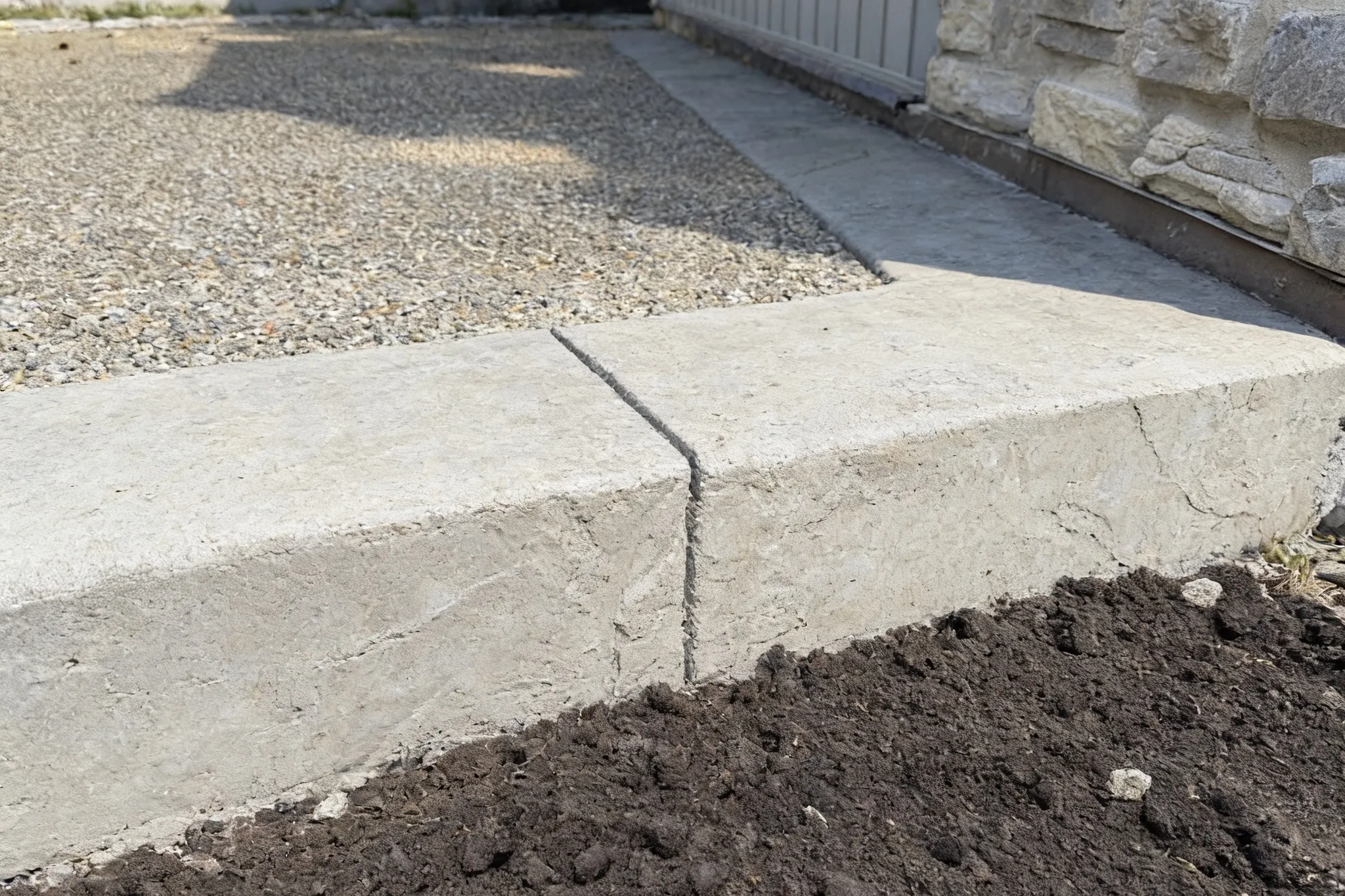
Concrete slab · Southern Ontario 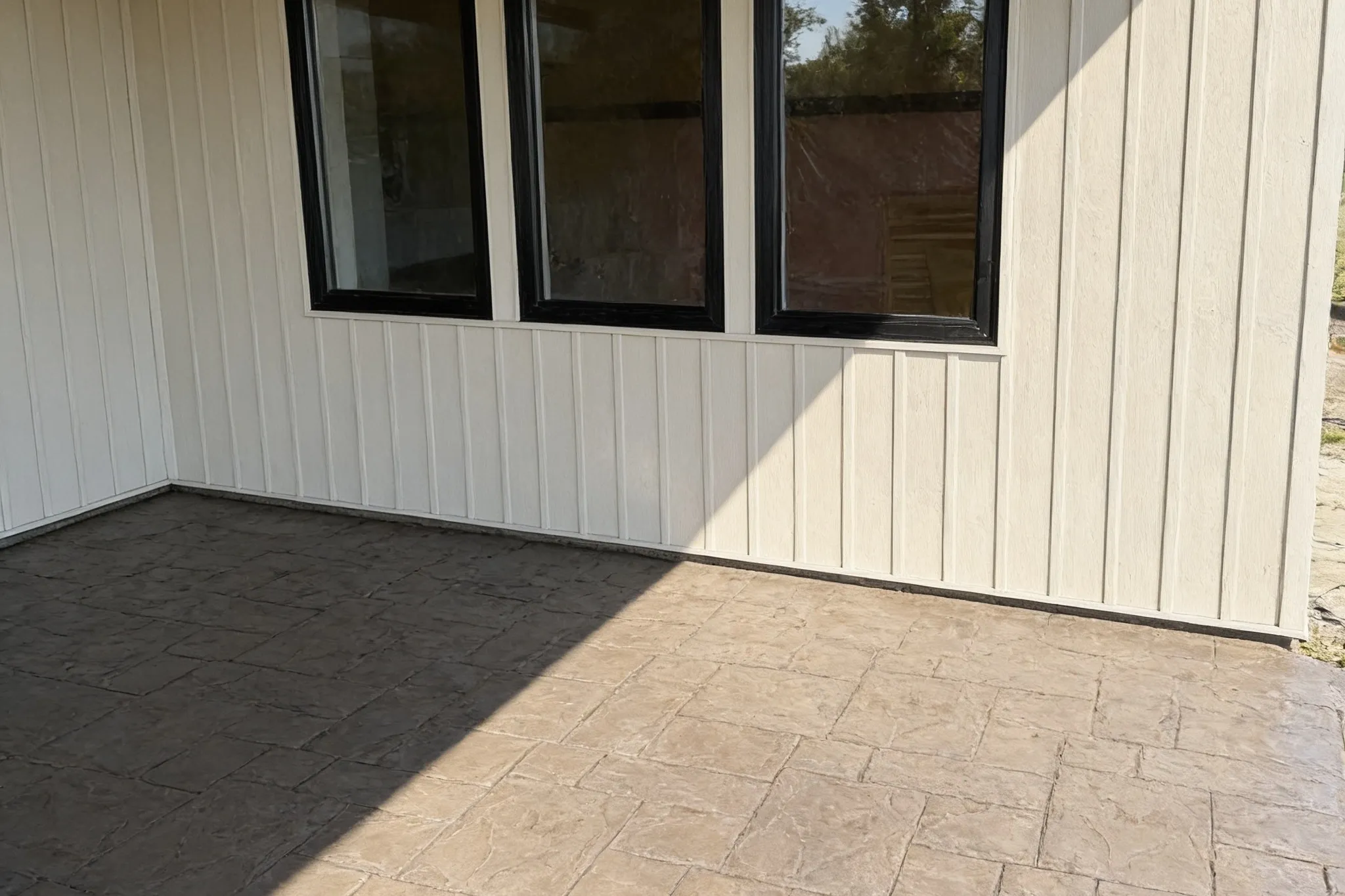
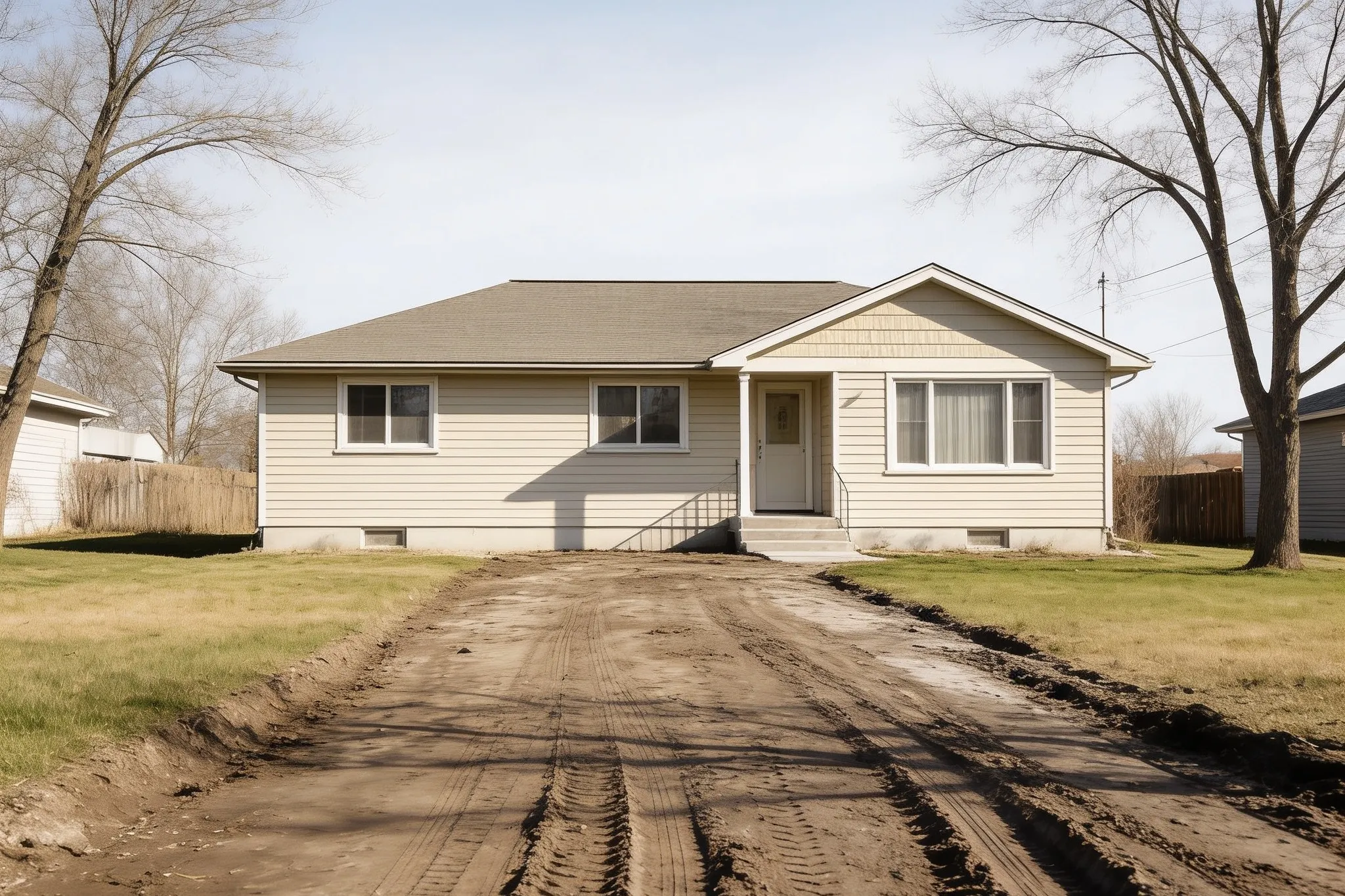
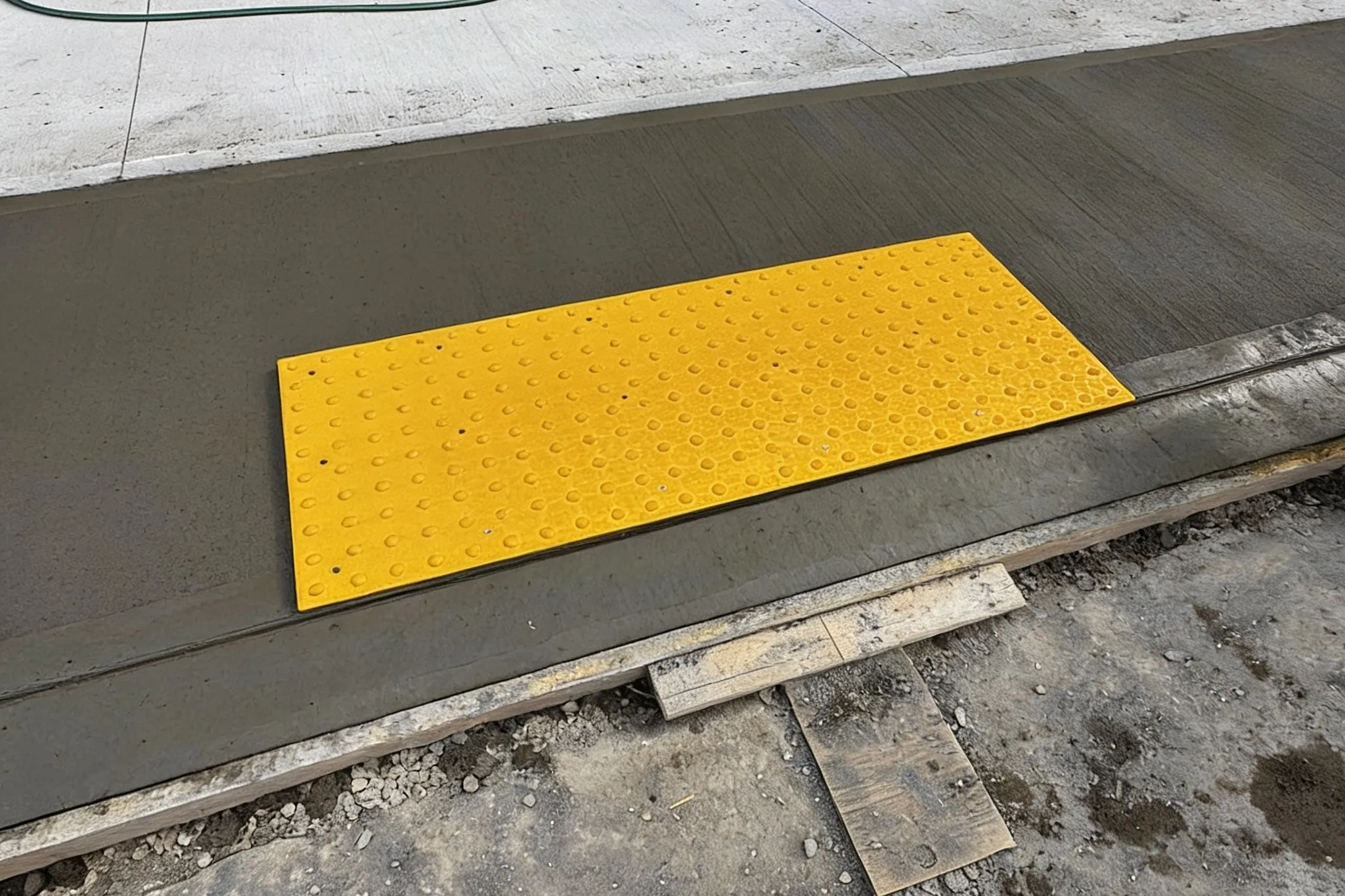
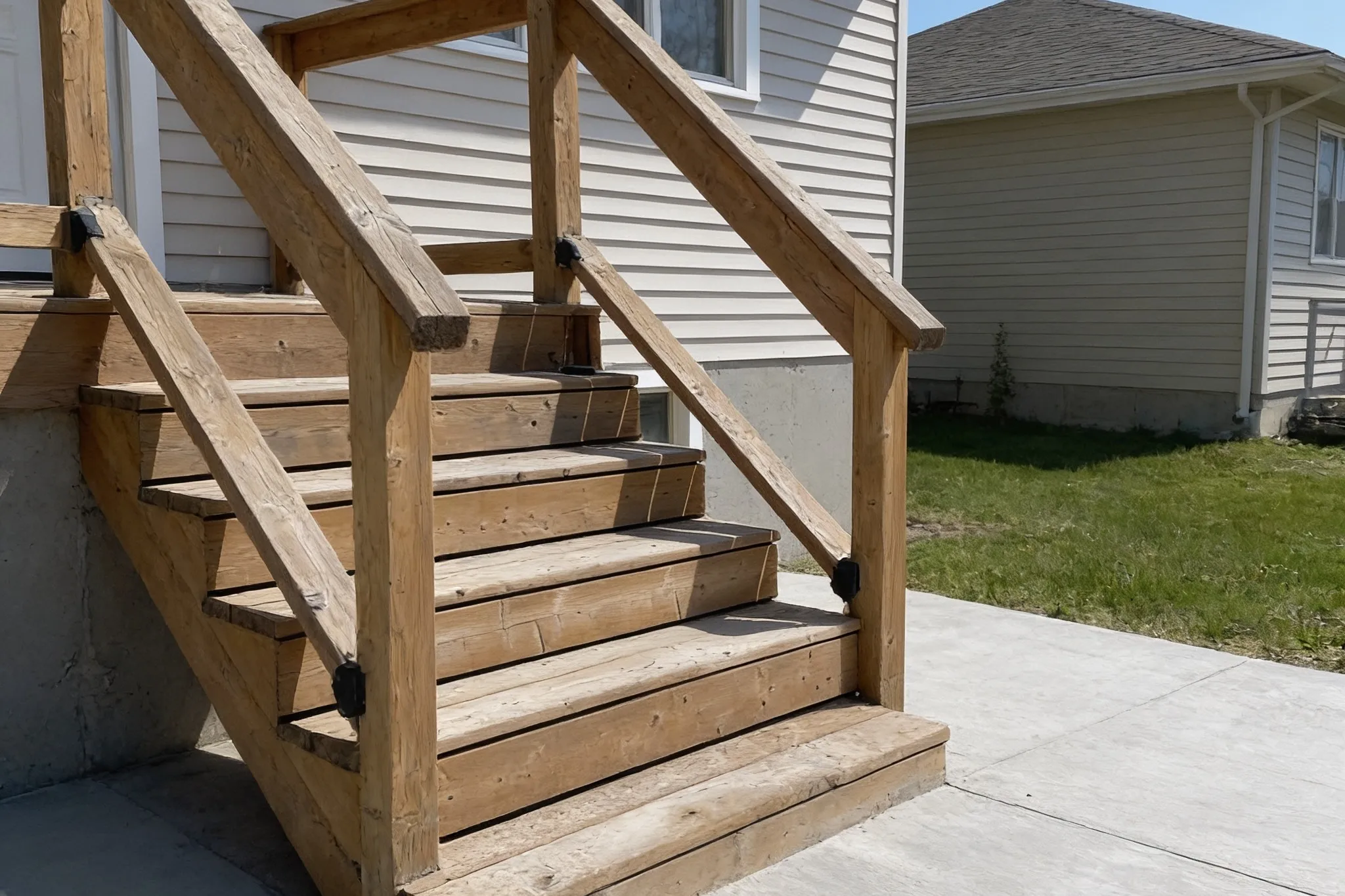
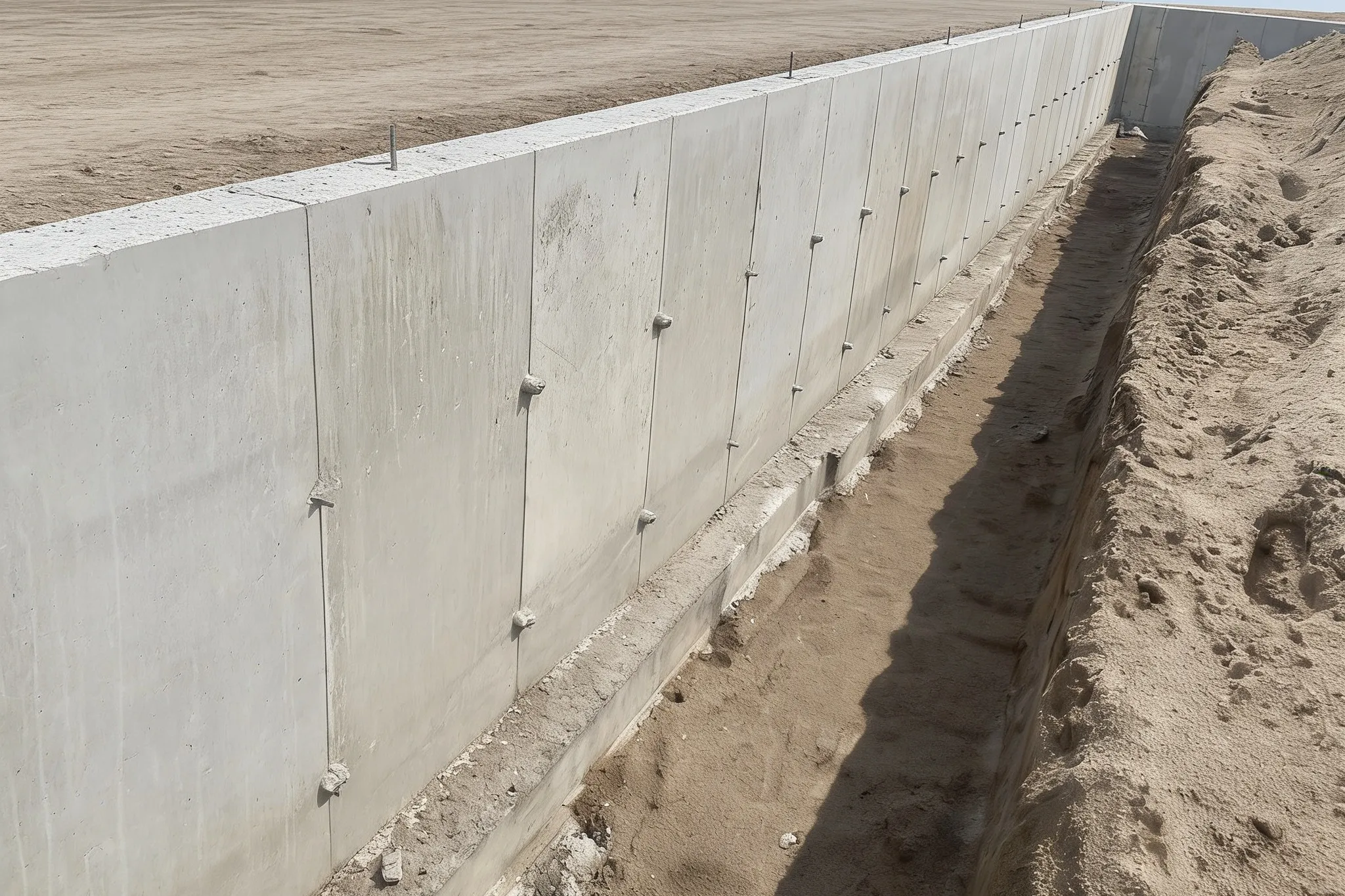
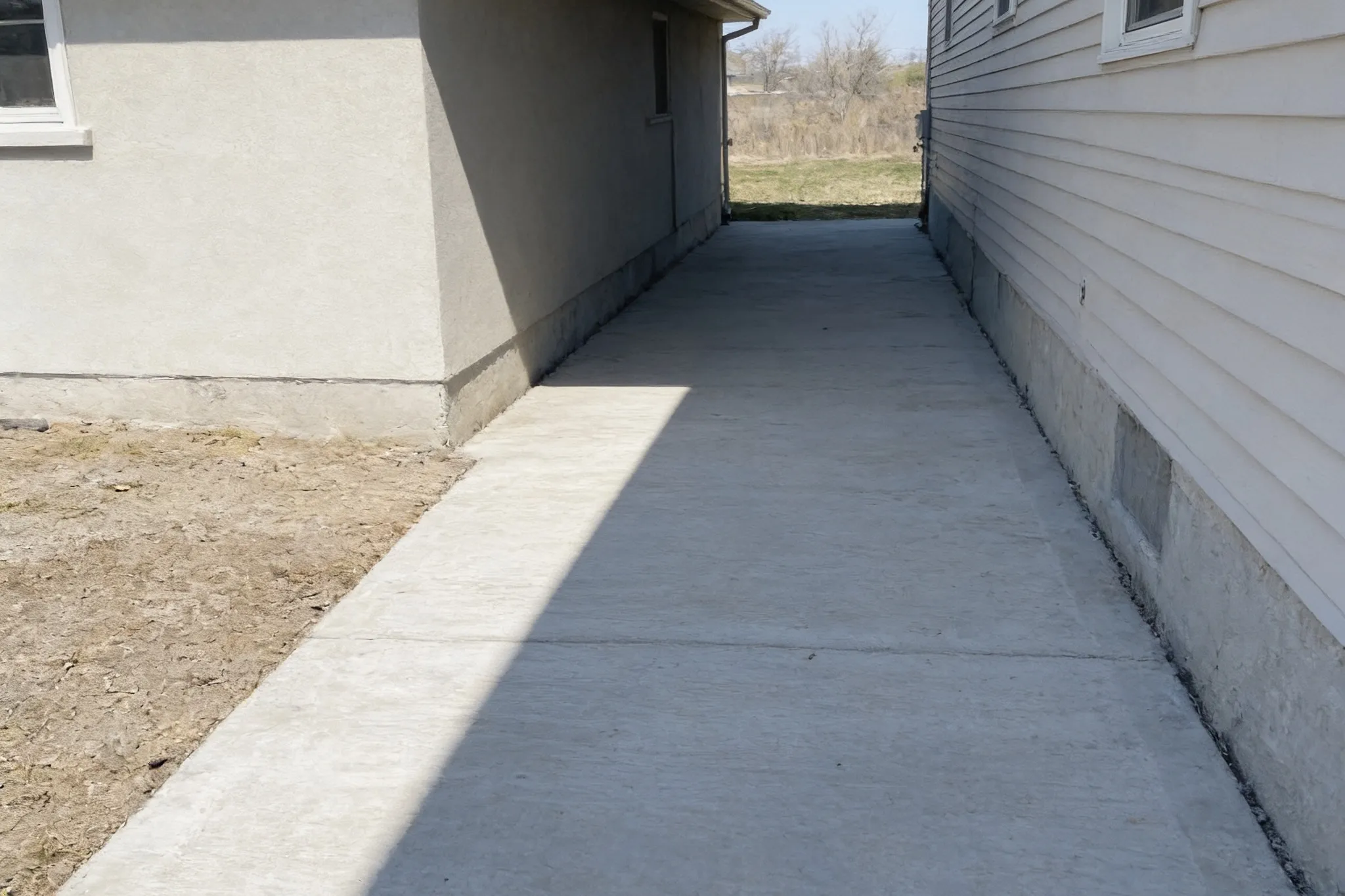
Concrete pad · Southern Ontario 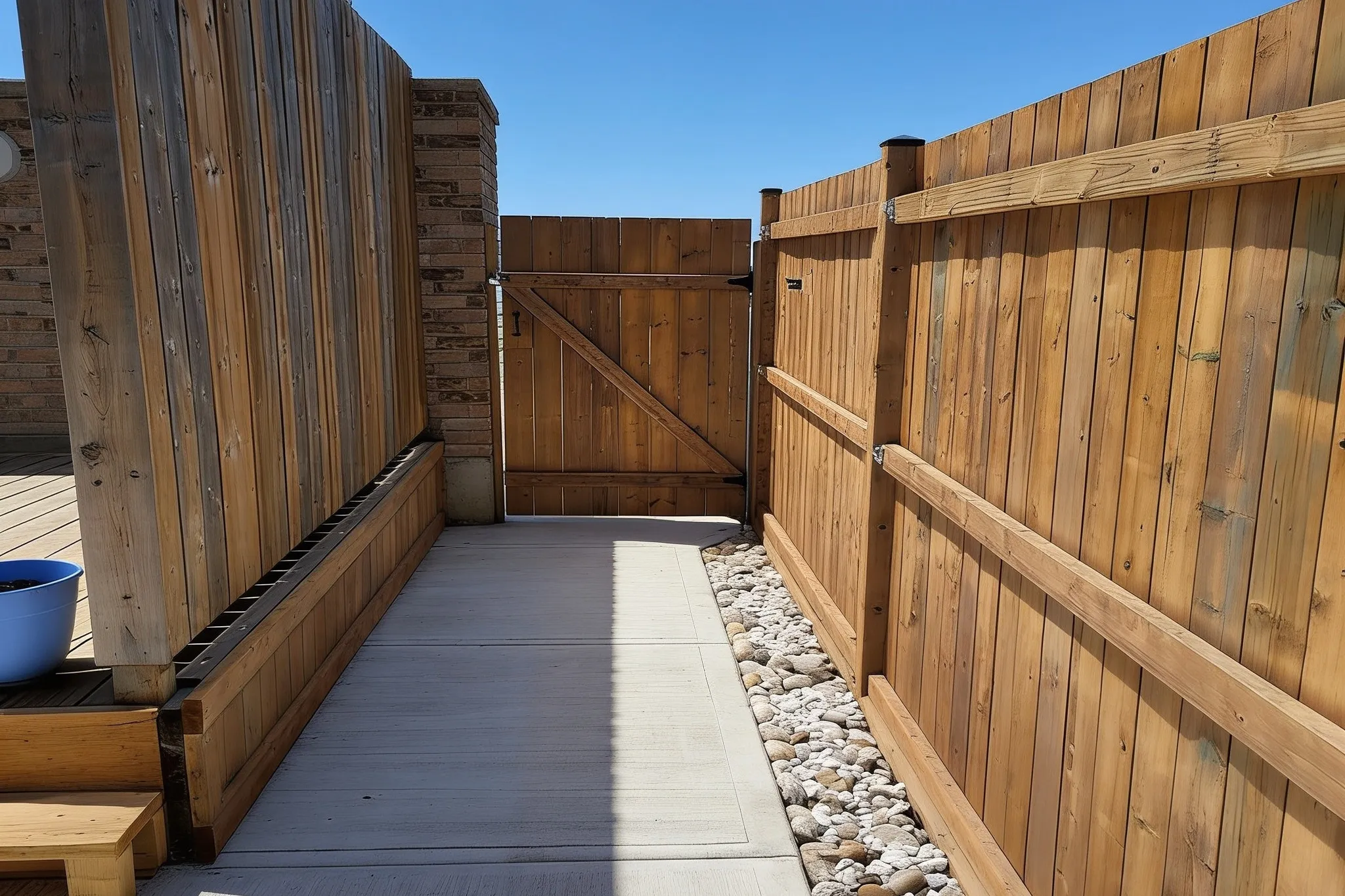
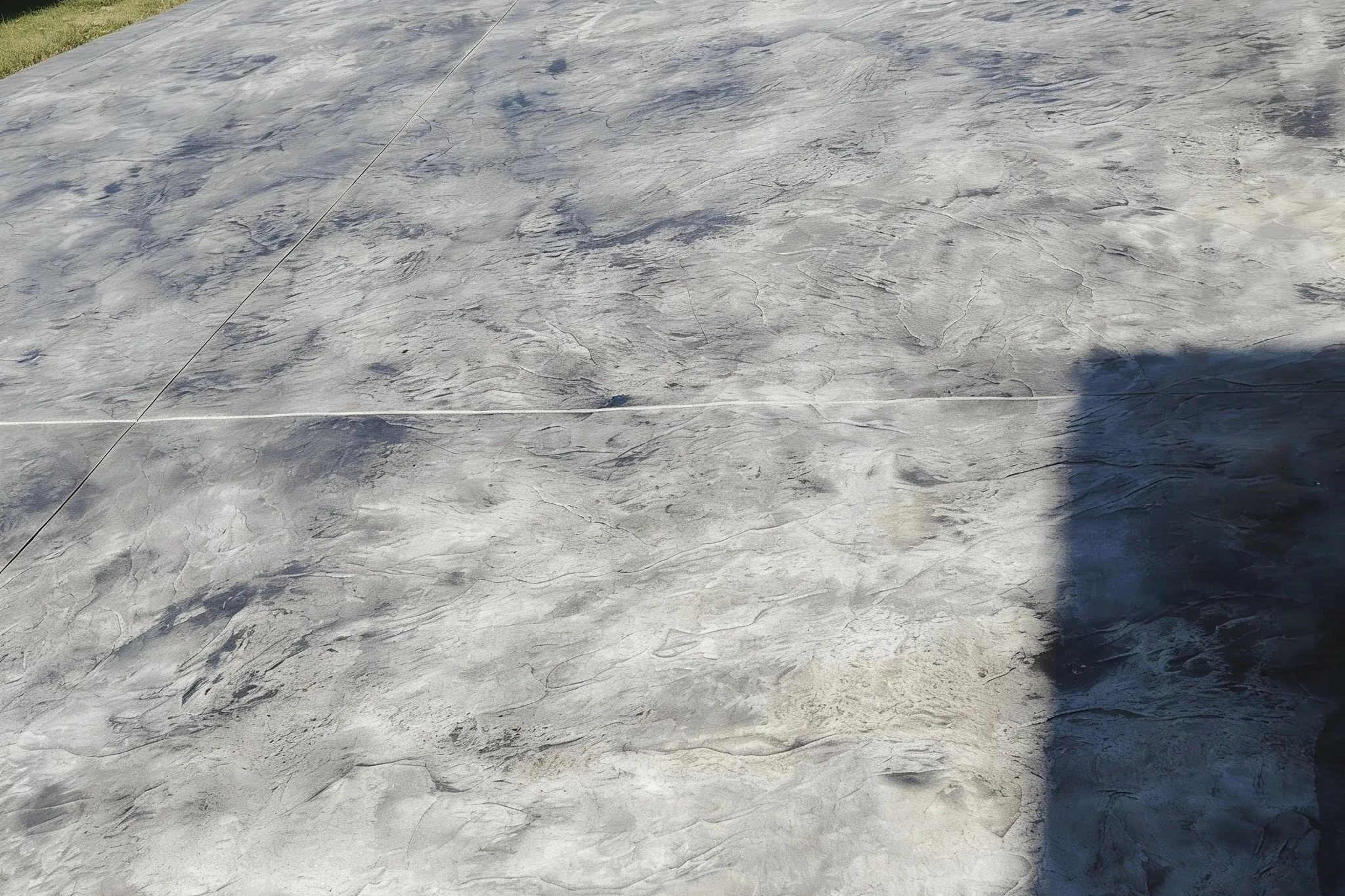
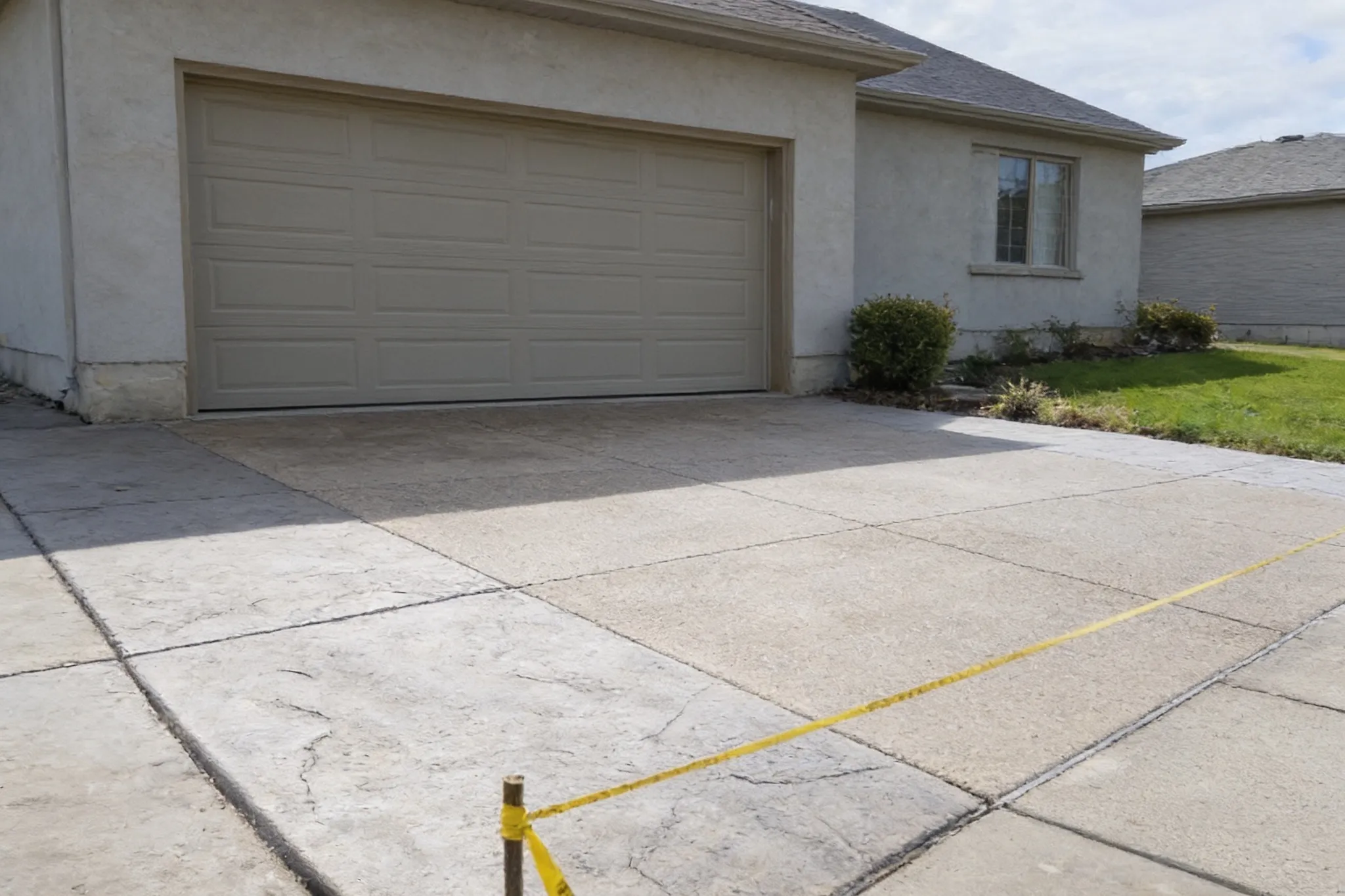
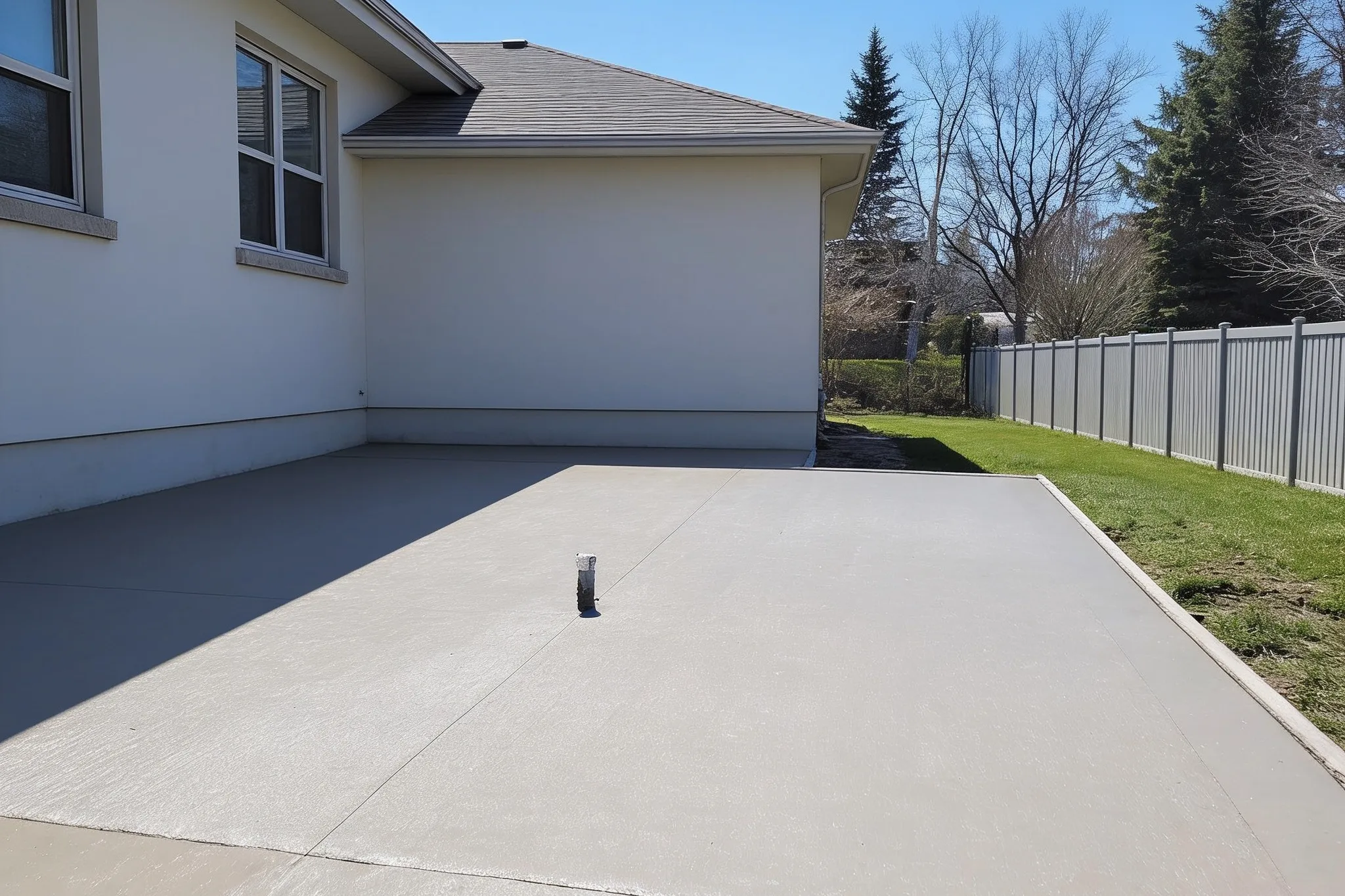
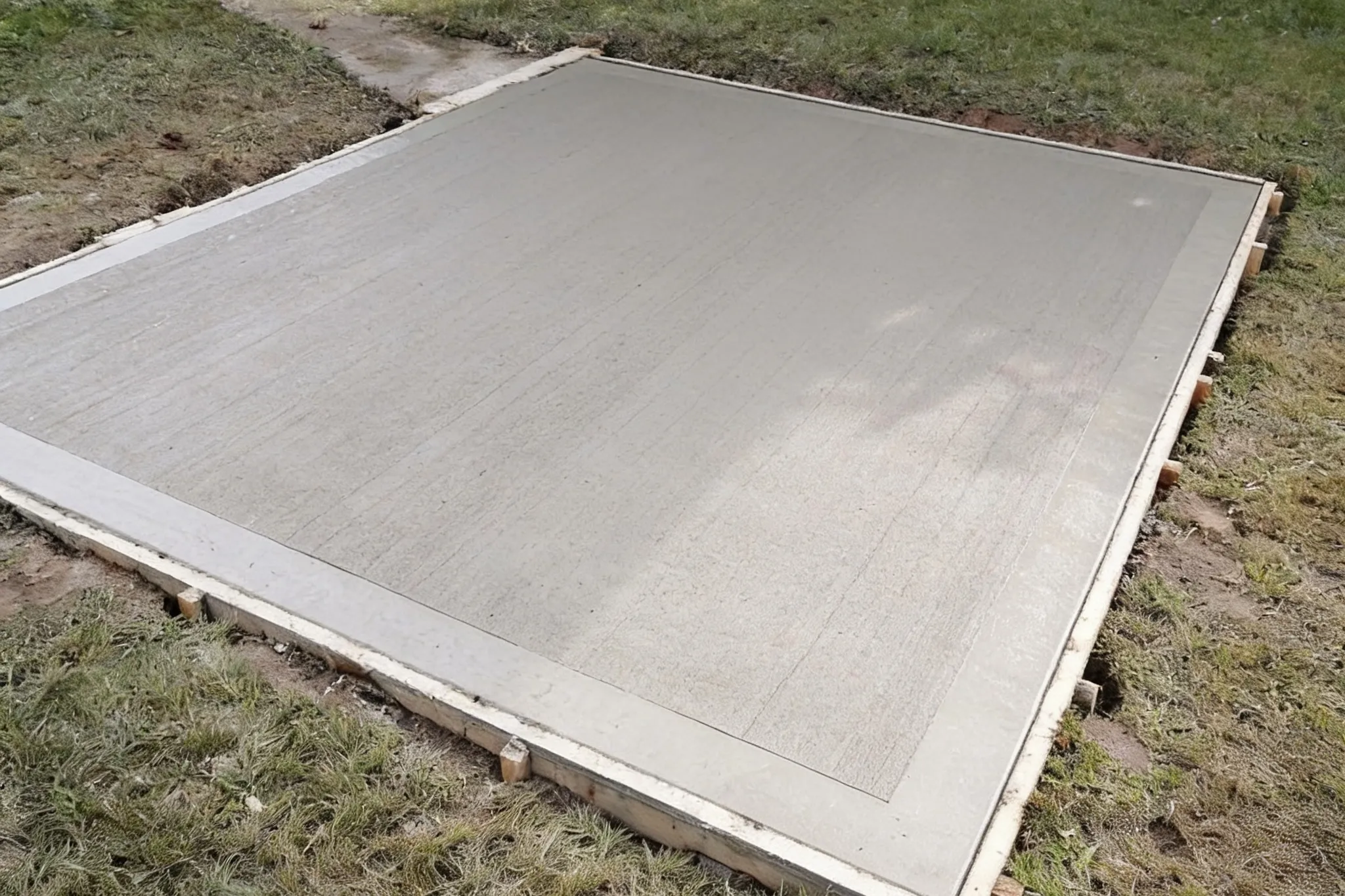
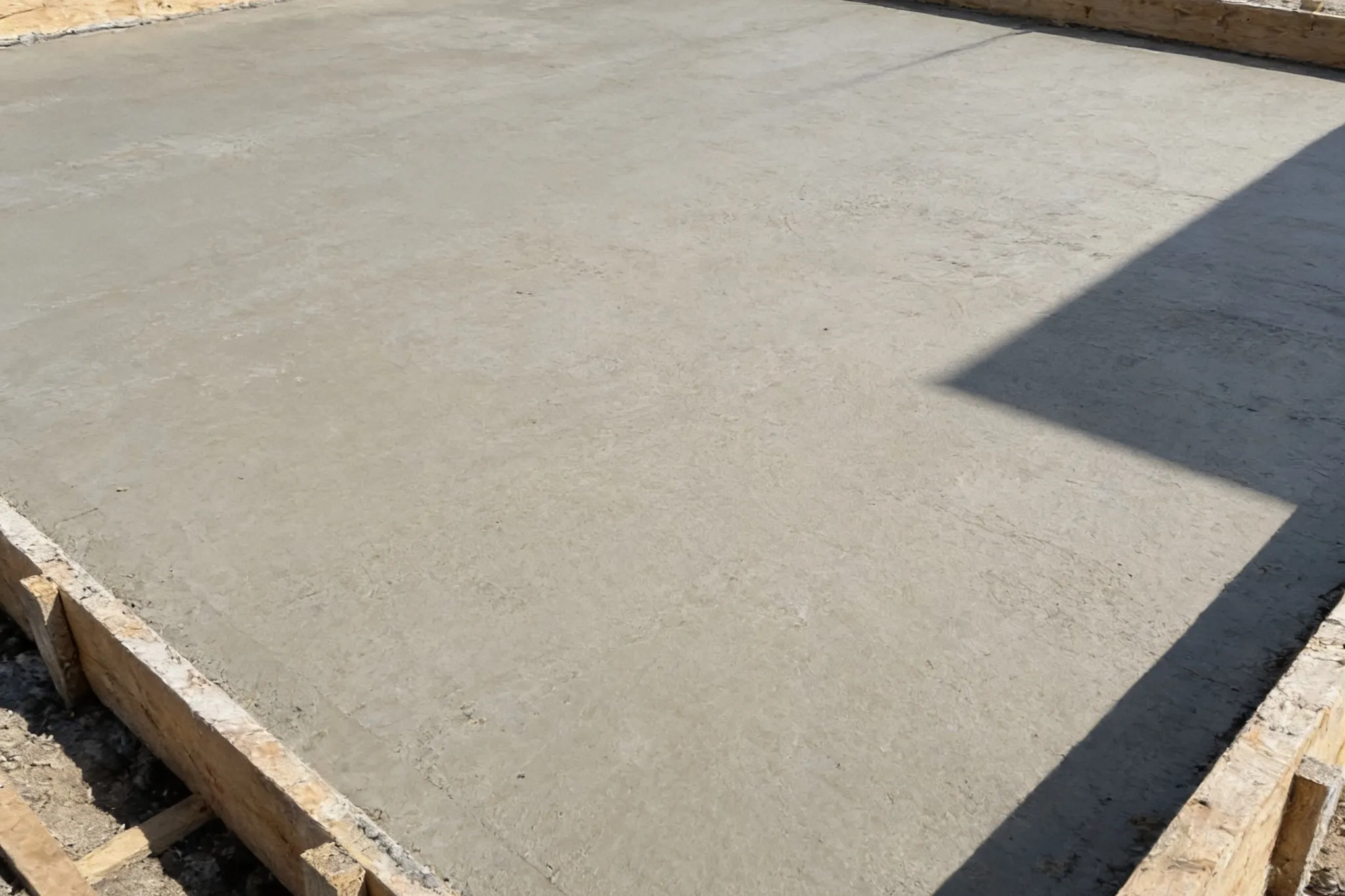
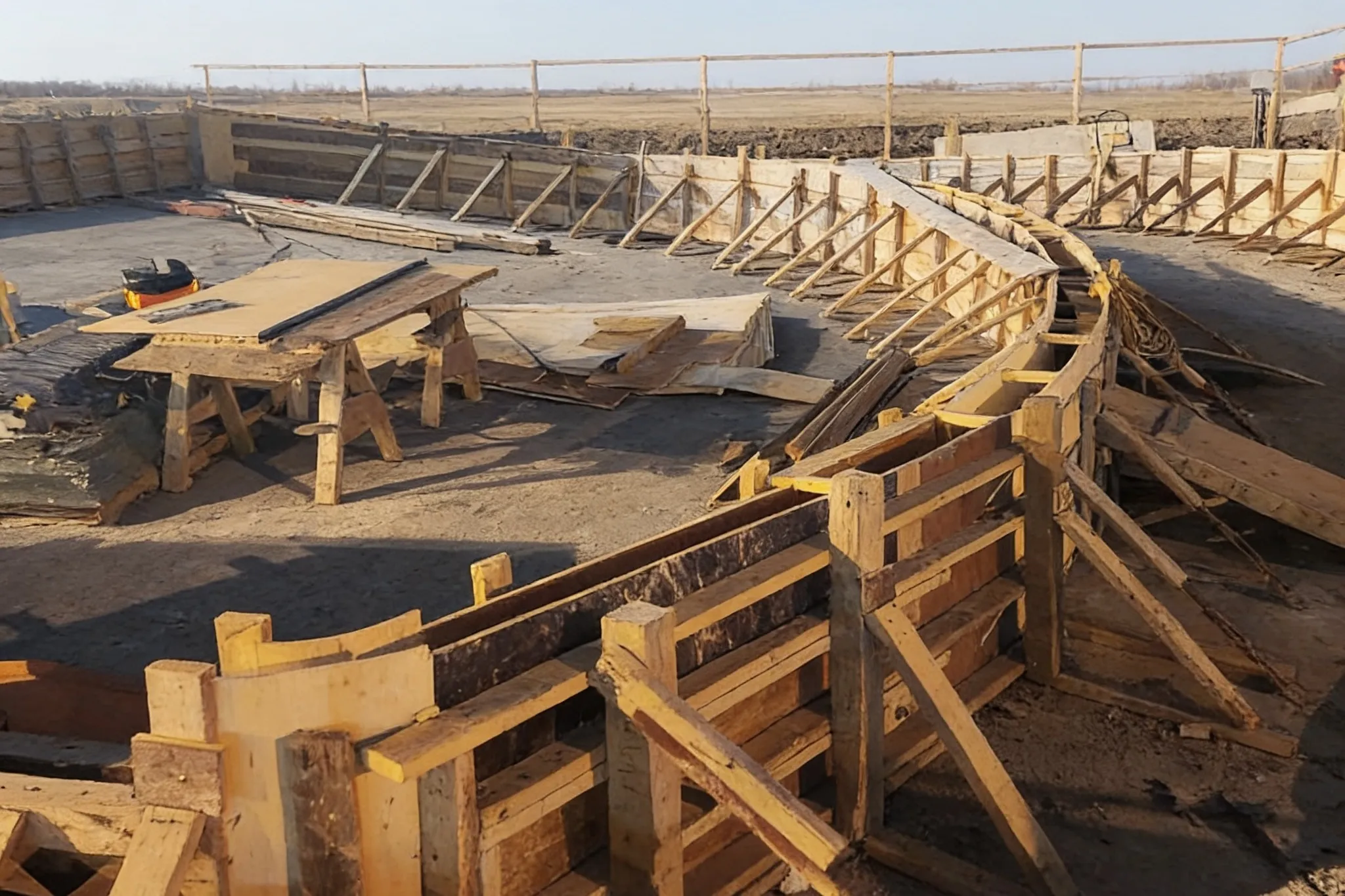
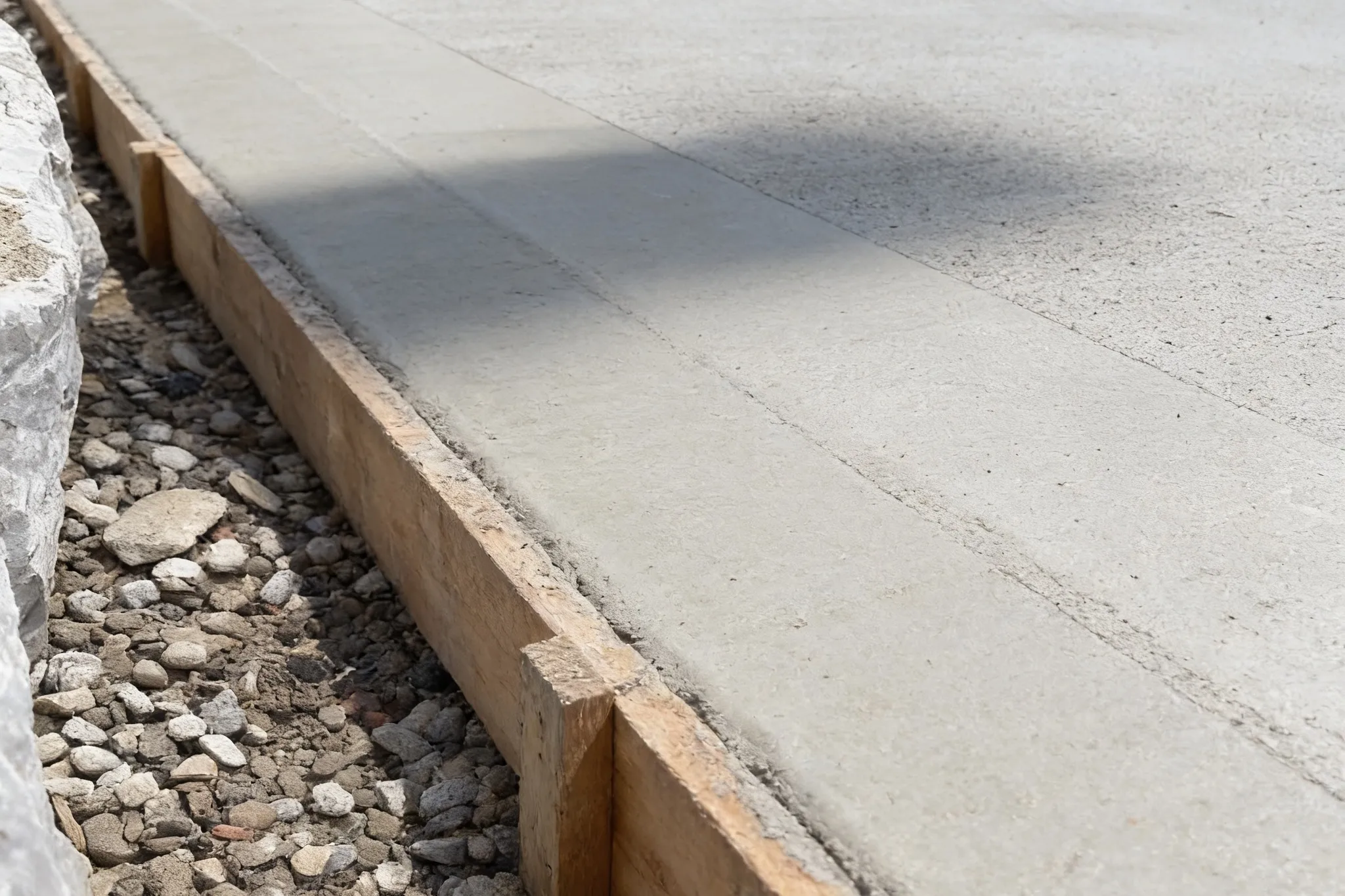
Garage pad · Southern Ontario 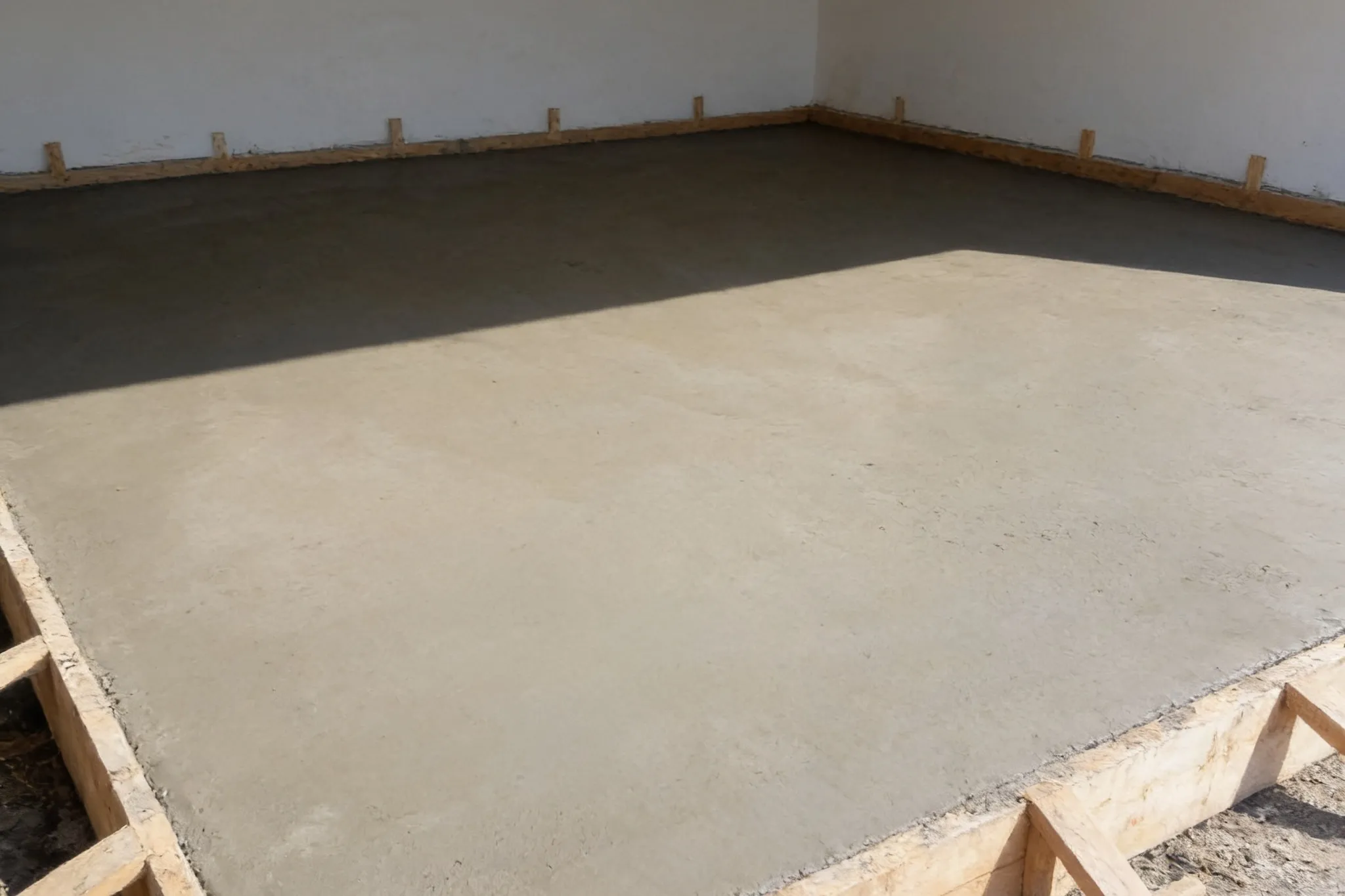
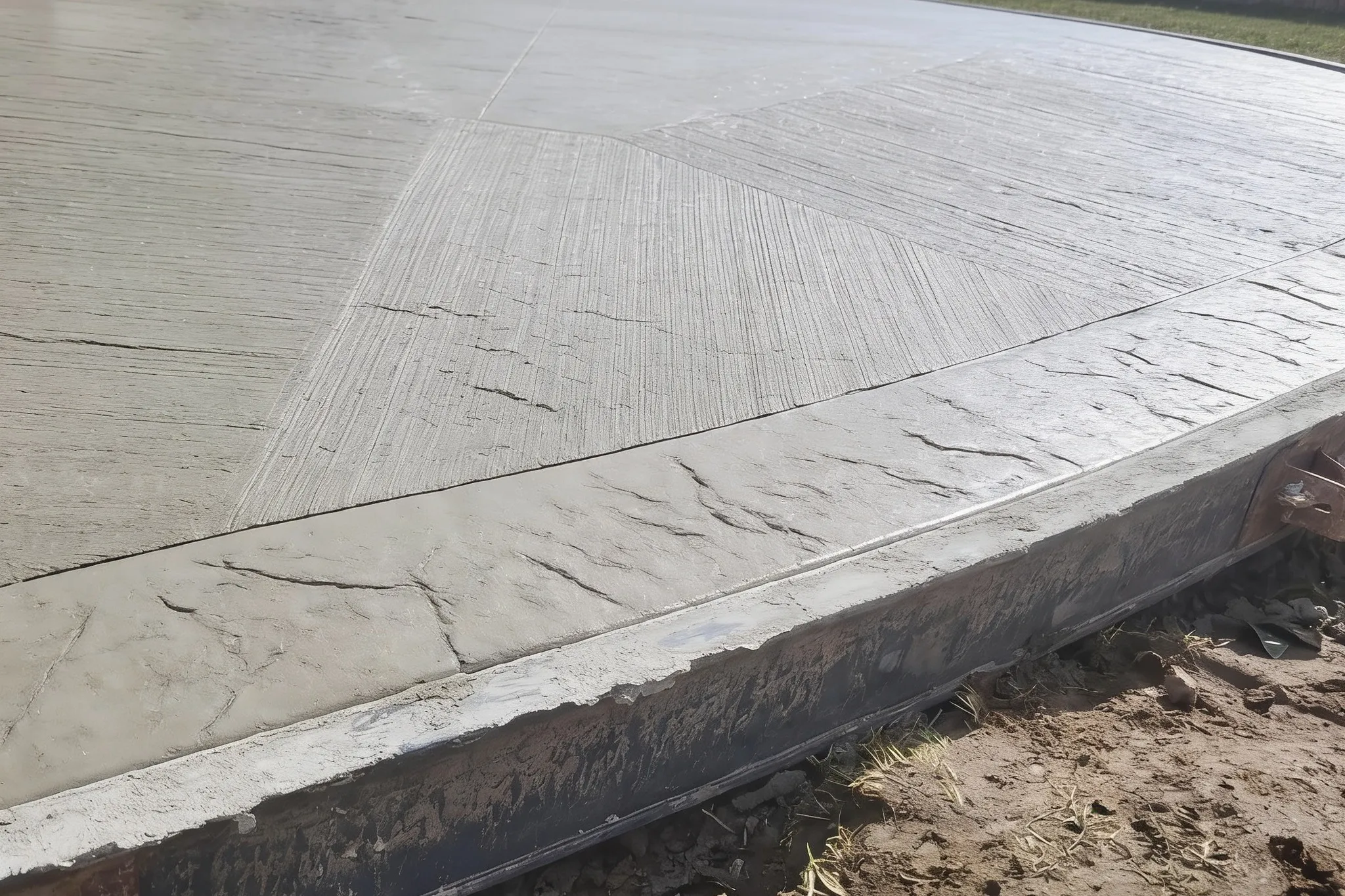
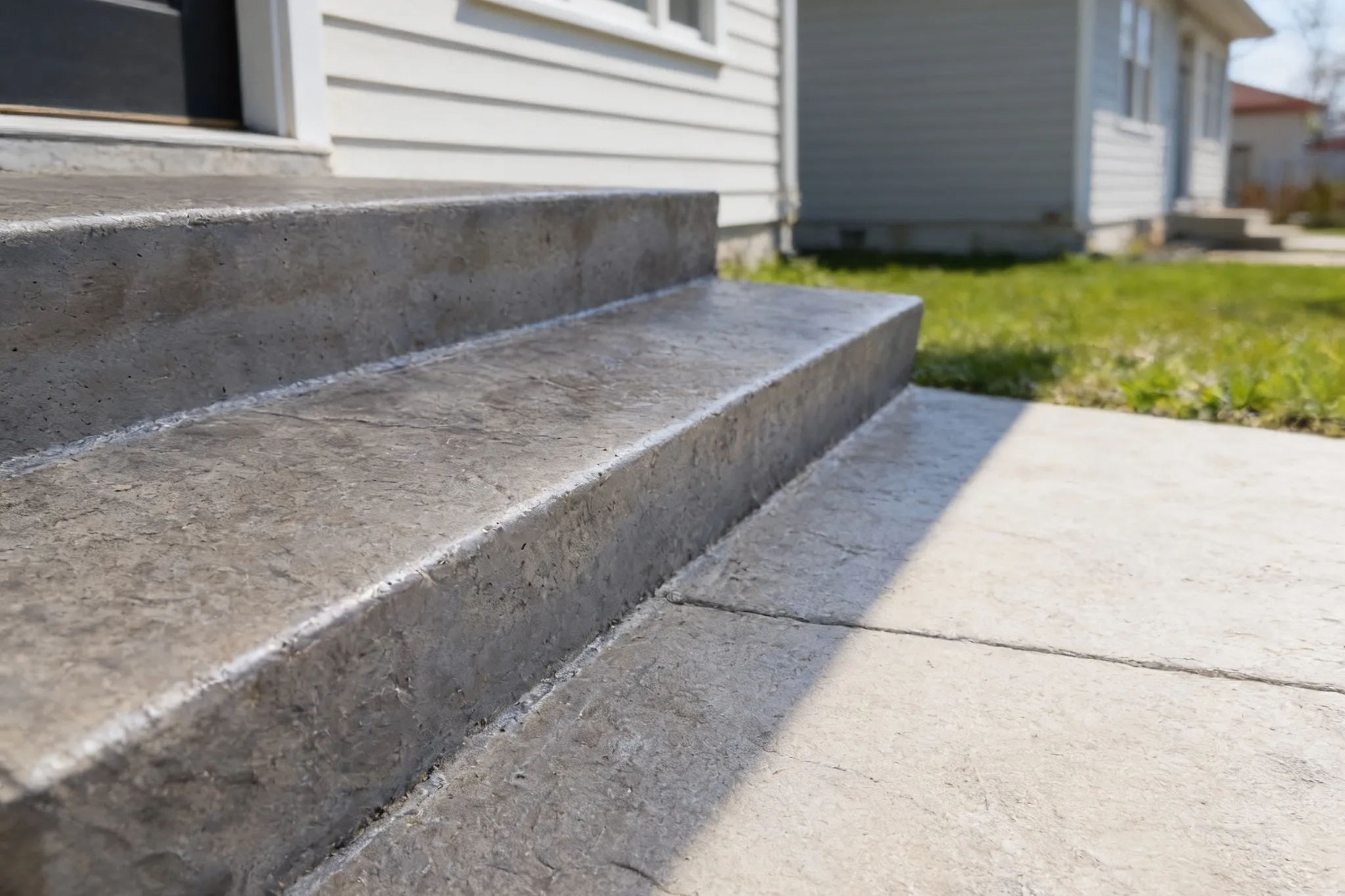
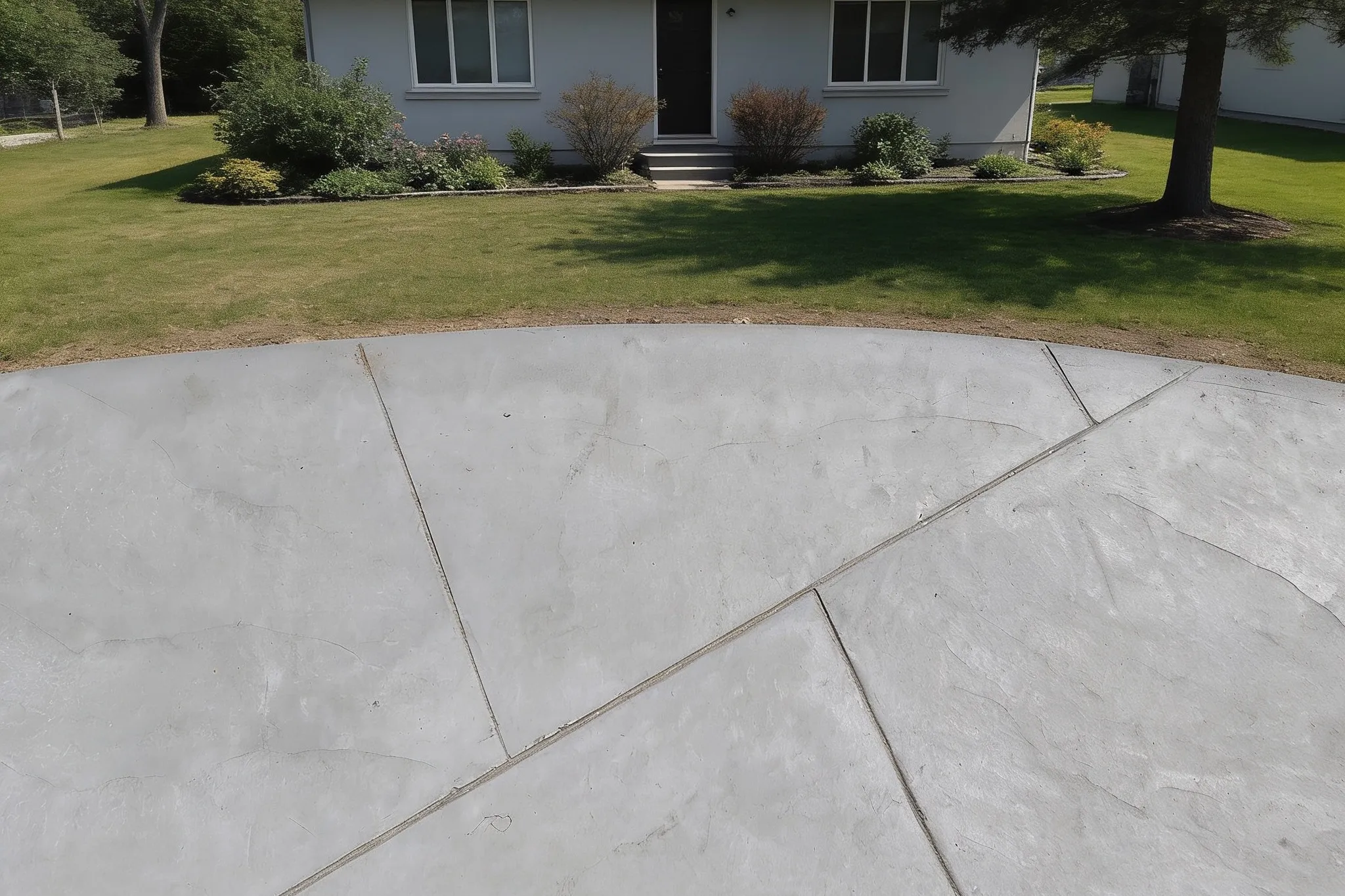
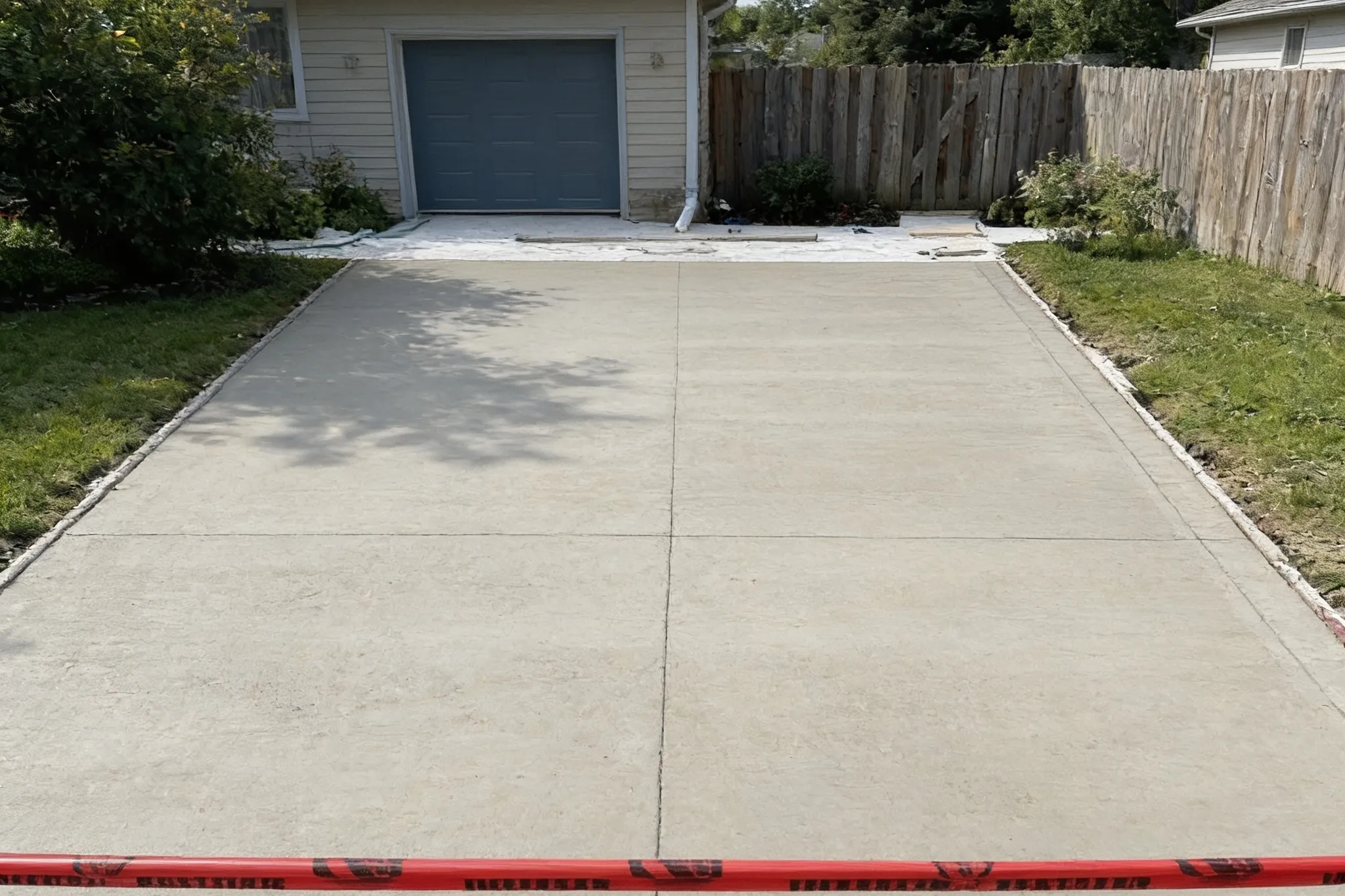
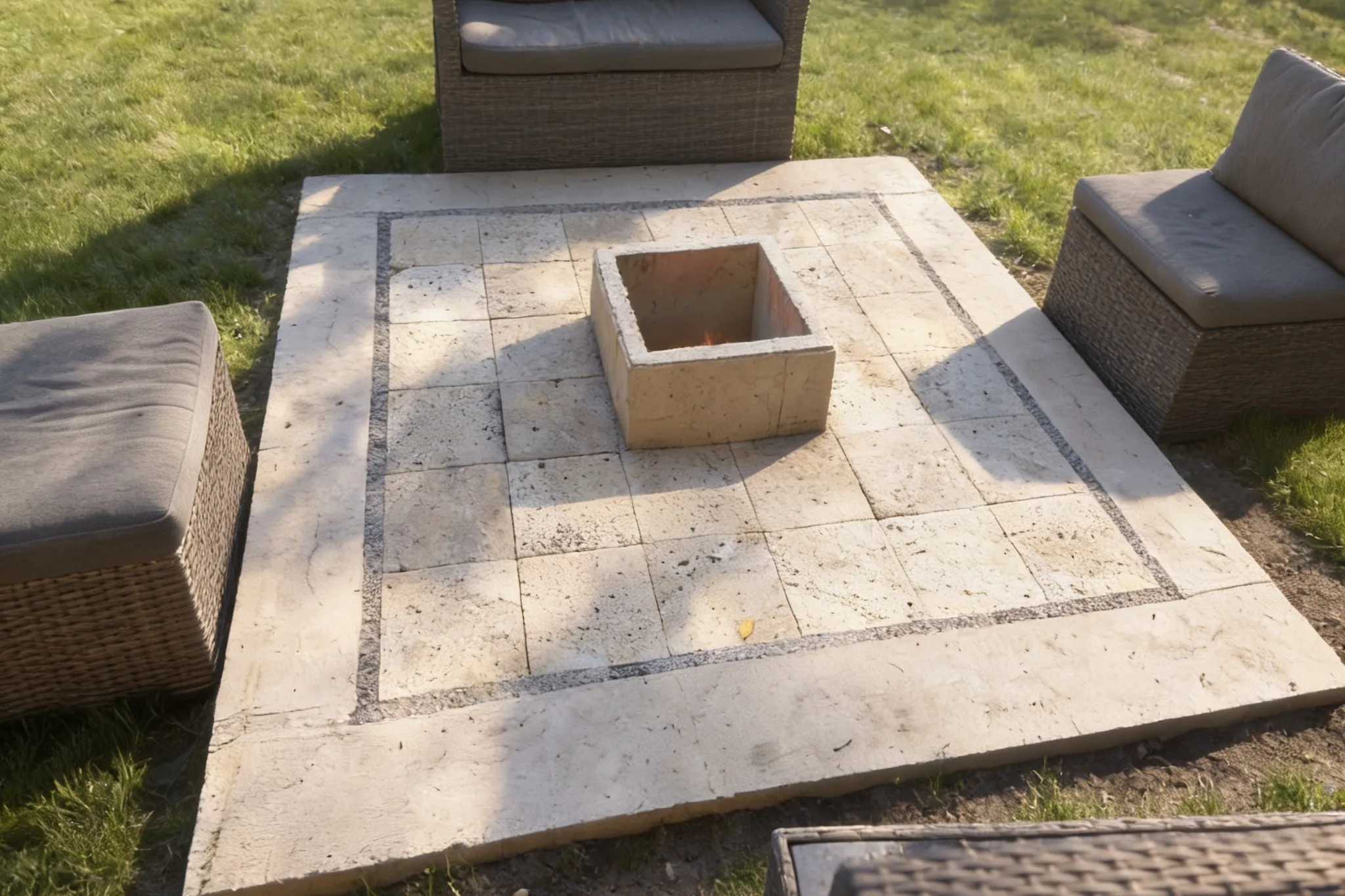
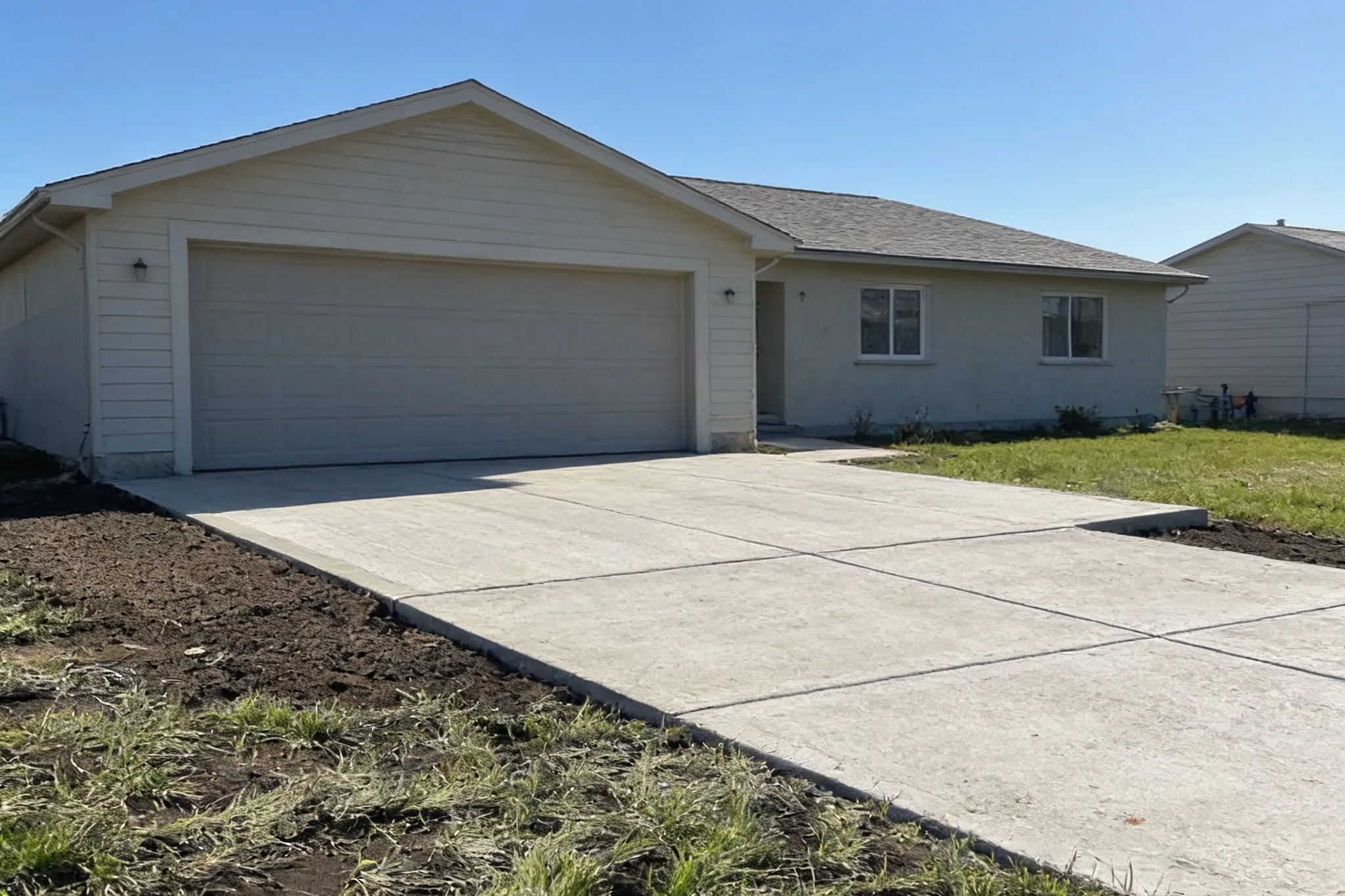
Concrete slab · Southern Ontario
Straight answers
How much does a concrete garage pad cost in Ontario?
It depends on the pad. A garage floor is poured thicker and reinforced more heavily than a shed pad because it carries vehicle weight, and a floating slab needs thickened edges and full excavation, so it costs more than a light-duty pour. Soil condition and access move it from there. Rather than a flat rate that ignores all of that, we write you a real number after a free site visit, with the reinforcement and base spec named so you can compare it against anyone's.
Can you pour a pad for a future shed?
Yes, and it's easier to get right before the shed exists. Give us the planned footprint and we pour to it with a margin, set anchor locations where the plates will land, and grade the surrounding soil so water sheds away. One honest note first: if the future shed is a small resin one, a compacted gravel pad does the job for less, and we'll tell you that rather than sell you concrete.
Why is a small pad so expensive when it's only about a yard of concrete?
Because you're paying for a crew day, not a yard of concrete. A small pour still needs excavation, base gravel, forms, finishing hands that stay until the concrete sets, disposal, and a truck that charges extra for small loads. Those fixed costs are the same whether the pad is small or large, which is why little pads feel expensive by the square foot. The honest way to shrink it: pour the pad the same day as a walkway, an apron, or other nearby work, so those fixed costs split across more concrete.
Rebar or wire mesh for a garage pad?
Rebar. Mesh controls shrinkage cracking and is the right call for light pads like sheds and hot tubs, but a garage floor carries a vehicle plus point loads from jacks and stands, so we tie a 10M rebar grid at 400 millimetres. On soft or disturbed soil, rebar earns its cost on almost any slab. A cheap quote usually gives itself away here: reinforcement that goes unnamed.
Our garage floor has massive craters and large missing areas of concrete. New slab or resurface?
Depends what's under the damage. If the slab is sound and the craters are surface-deep, a proper resurfacing rebuilds the top at a fraction of replacement cost. If the slab is cracked through, heaved, or was poured thin in the first place, resurfacing is money on borrowed time, and we'll tell you so. Either way we look before we quote; our concrete repair and resurfacing page covers how that call gets made.
Do I need a building permit for a garage pad or shed pad?
Most detached garages need a building permit in Ontario, many small sheds don't, and the cutoff varies by municipality, so we flag which side your project lands on at the site visit. The permit fee is set by your town. The slab is usually the easy part of the application; it's the structure on top that the municipality cares about.
Related work
- Concrete Slab and Garage Pad Cost FactorsHow use, load, thickness, reinforcement, base preparation, access, and finish shape the quote.
- Concrete Repair & ResurfacingCratered, flaking, or off-level garage floors can often be rebuilt at the surface instead of replaced. How we make that call.
- Concrete Removal & DemolitionOld cracked pad in the way? Tear-out and disposal pricing, and why quotes that skip that line item balloon later.
- Concrete DrivewaysGarage aprons and parking slabs live with vehicle loads and road salt. The driveway page covers the same build standards at driveway scale.
Tell us about the job.
Send the details and we'll get back to you within one business day with next steps. If water is coming in right now, check the box and we flag it urgent.
Get a straight quote
Free · no pressure · 1 business day