HomeServicesConcrete Removal & Demolition
Concrete Removal & Demolition in Southern Ontario
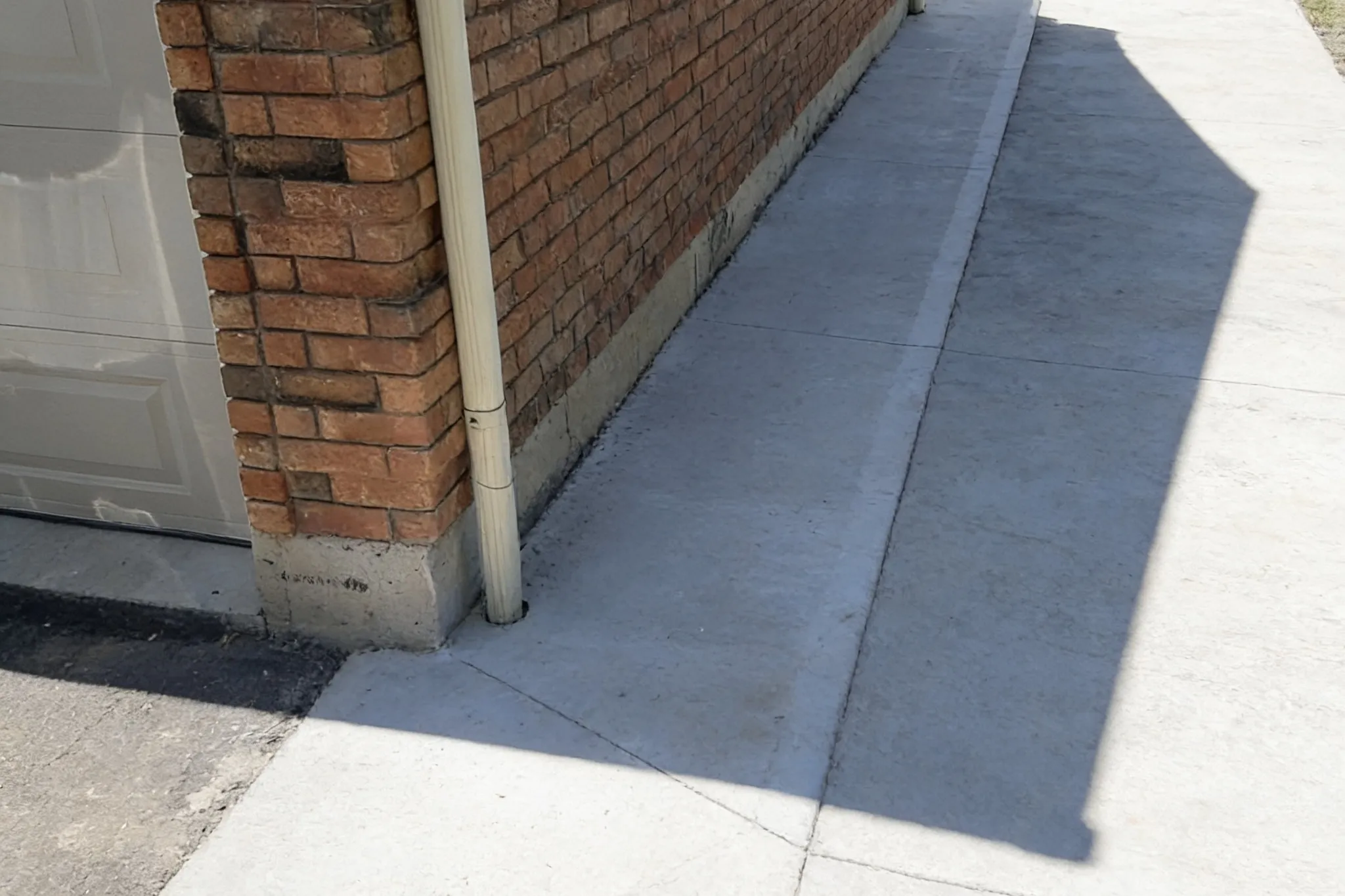
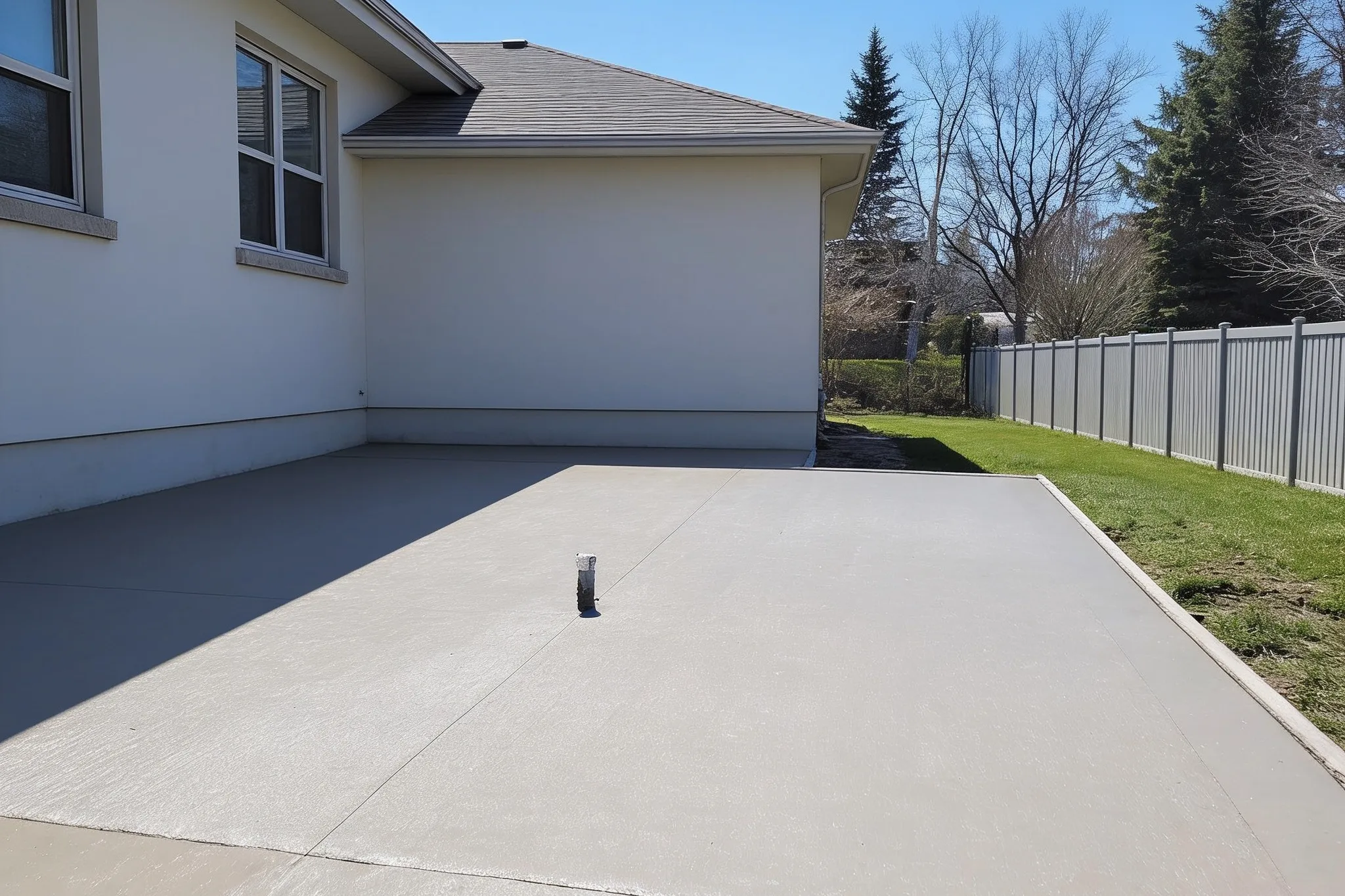
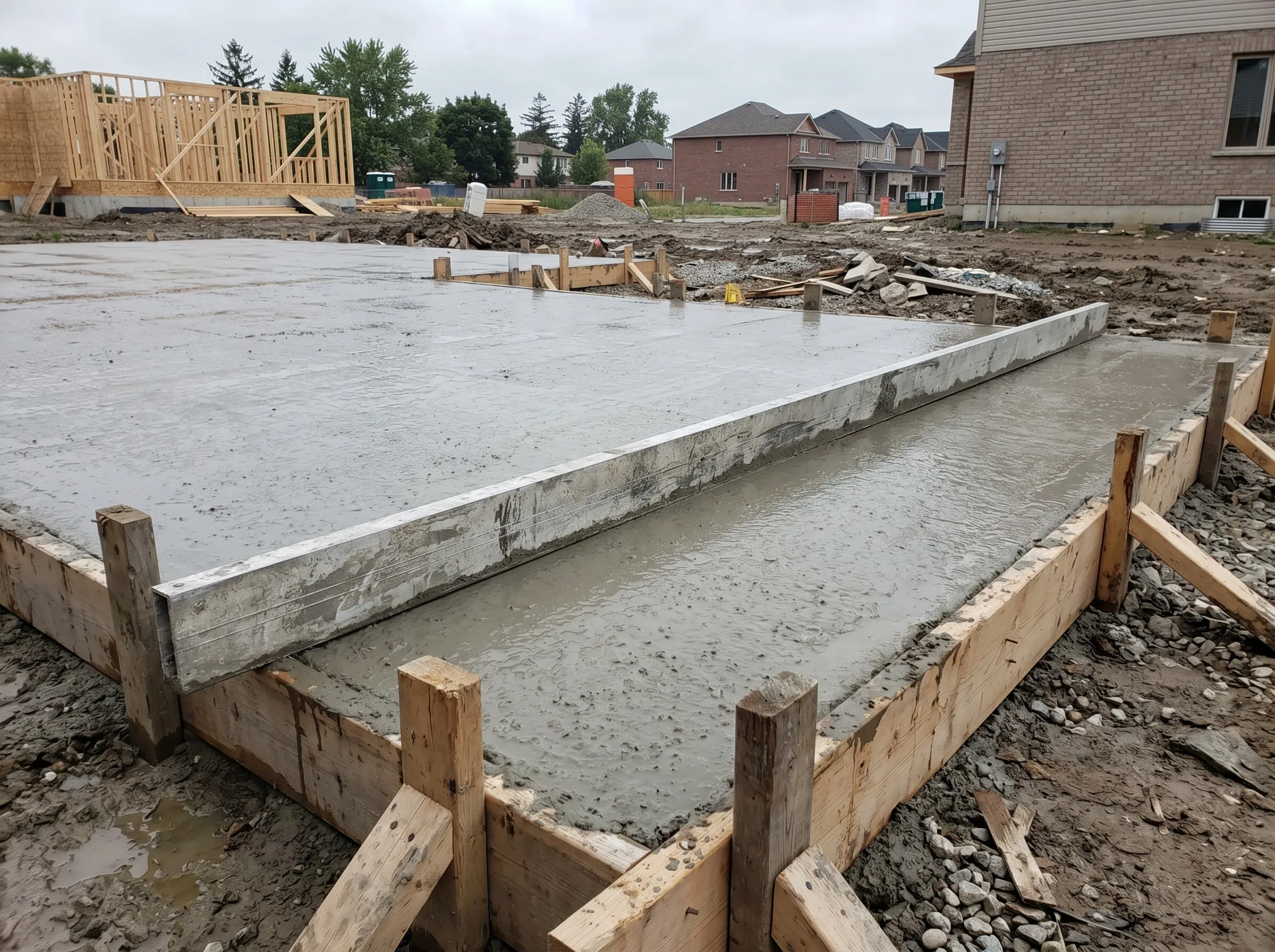
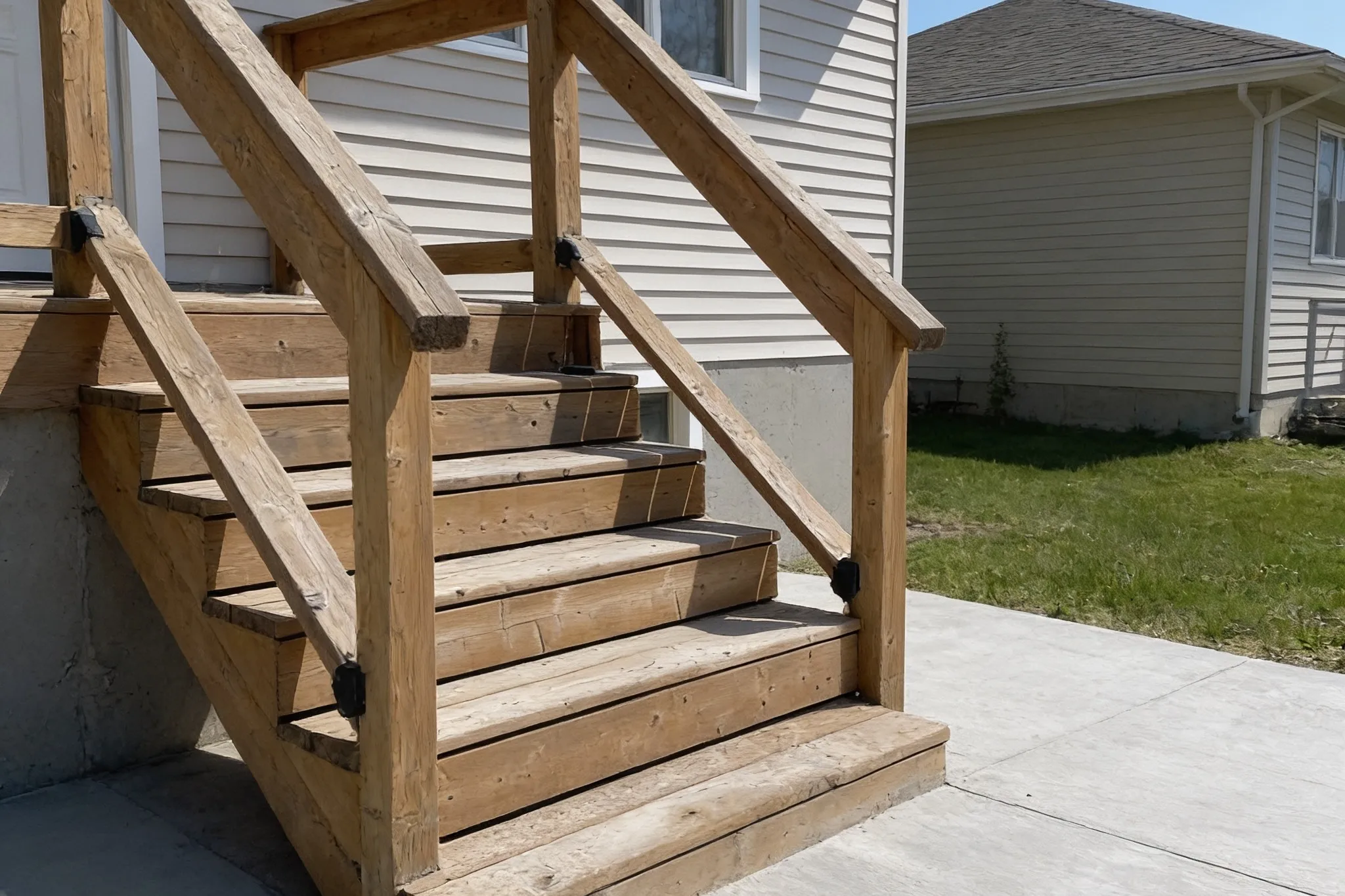
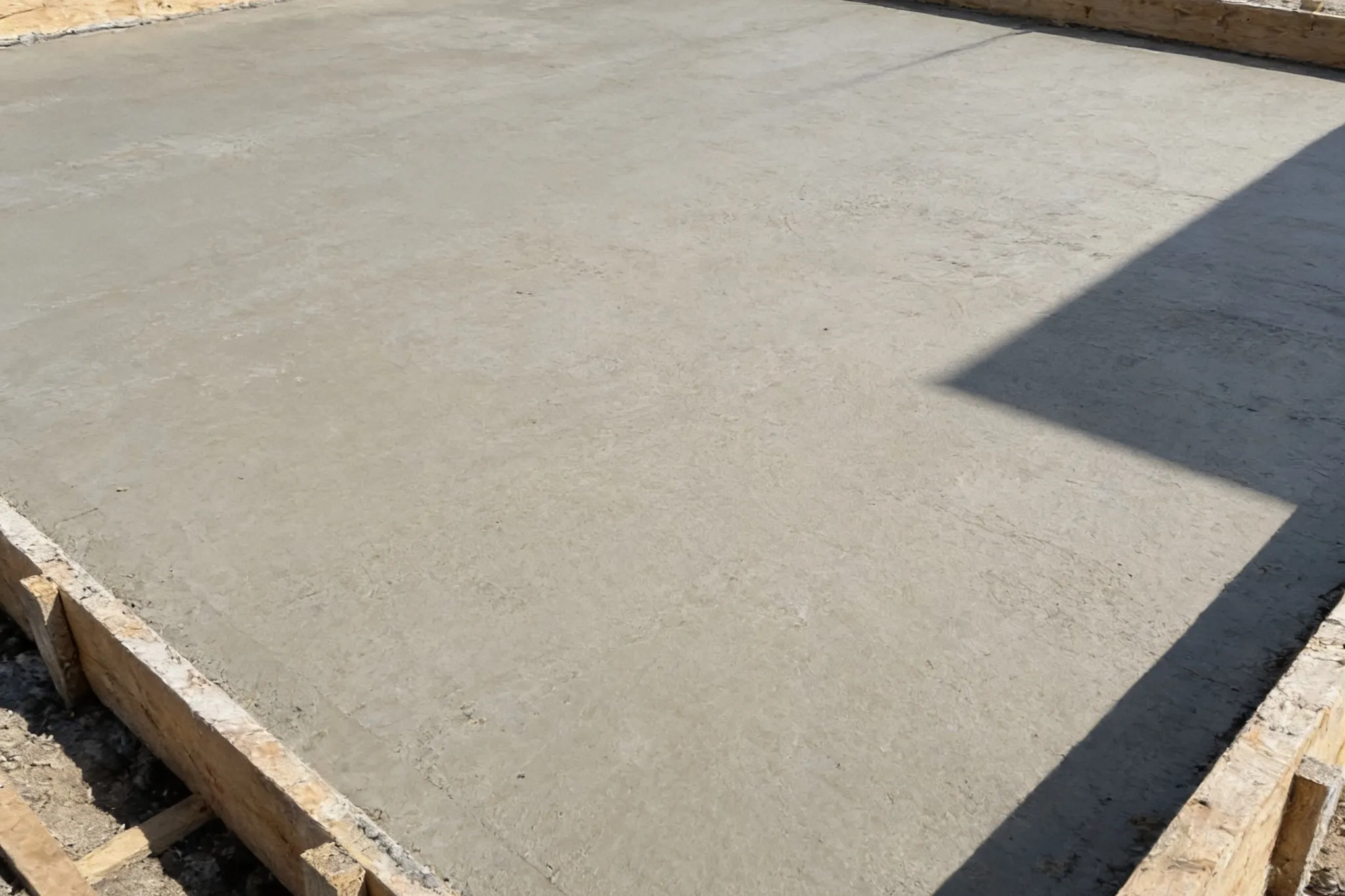
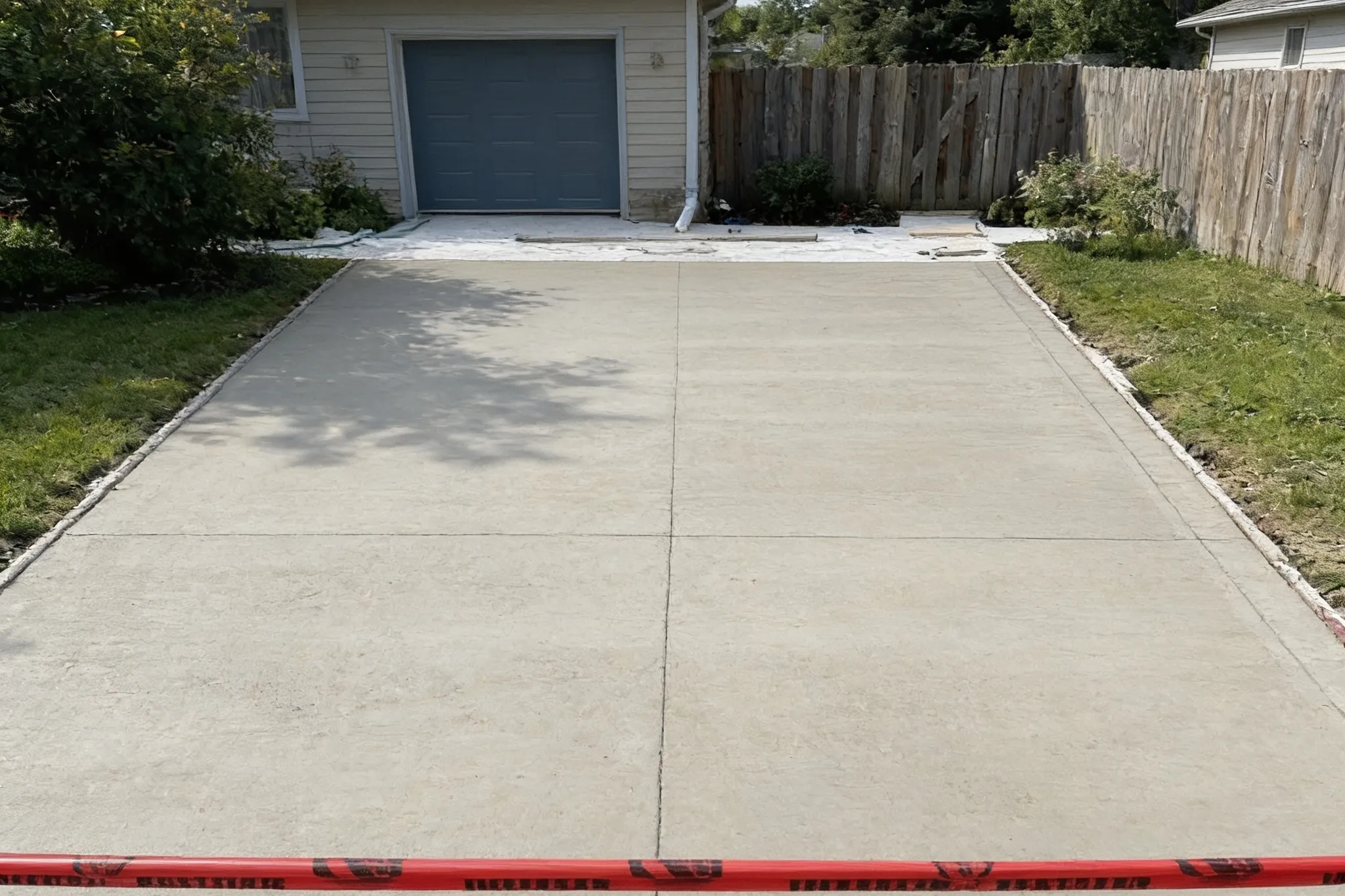
Concrete removal is the breakout, hauling and disposal of old driveways, patios, slabs and steps, done as its own job or as day one of a replacement pour. My Concrete Pros runs demolition across 75+ Southern Ontario communities with union-certified crews and free quotes, and when we pour the new concrete, that work carries our lifetime warranty on labour.
Get a straight quote
Free · no pressure · 1 business day
Reviewed June 2026
Every job is priced individually, not off a price list. Tell us about yours and you get an accurate, no-pressure quote in writing.
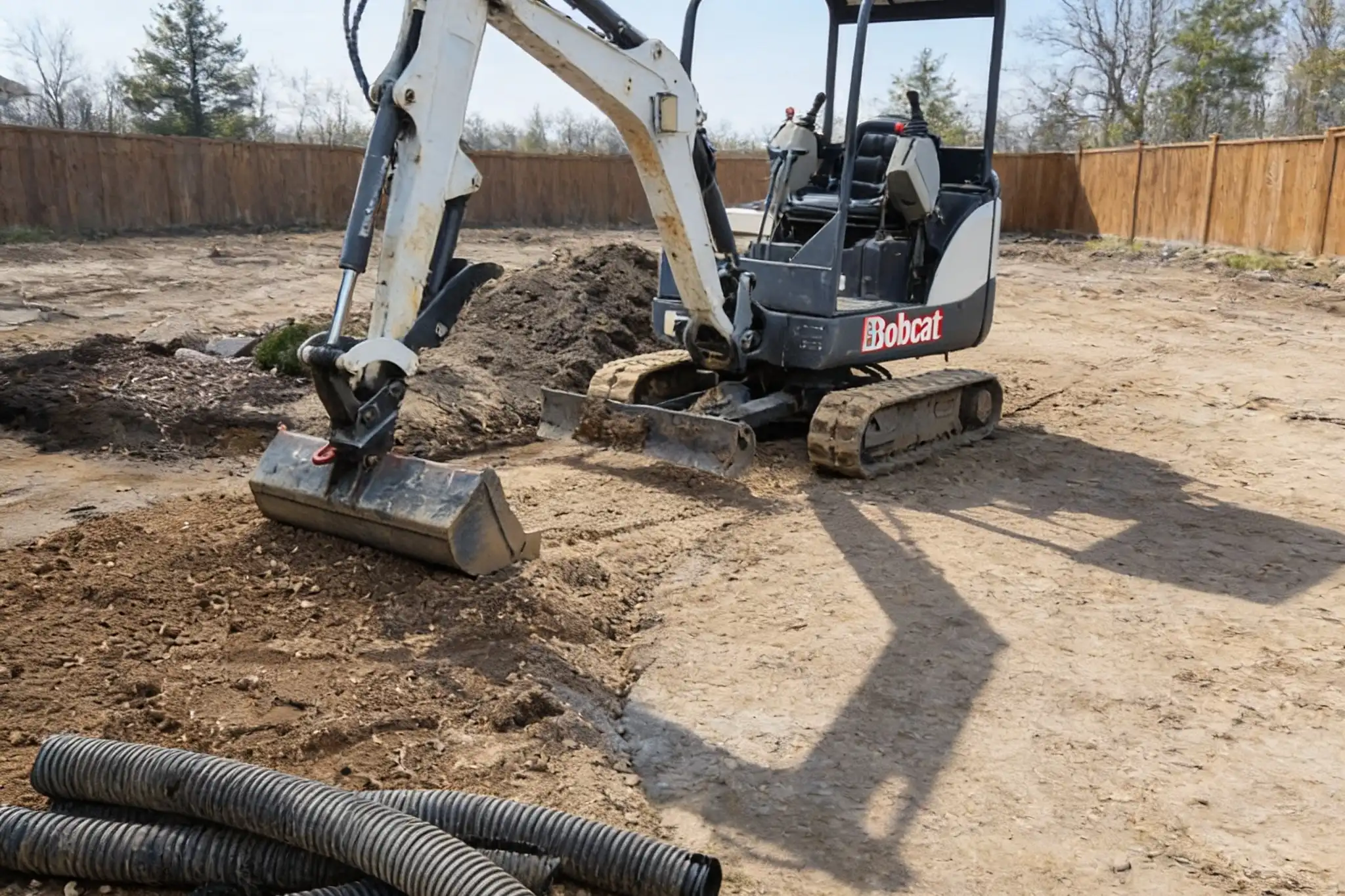
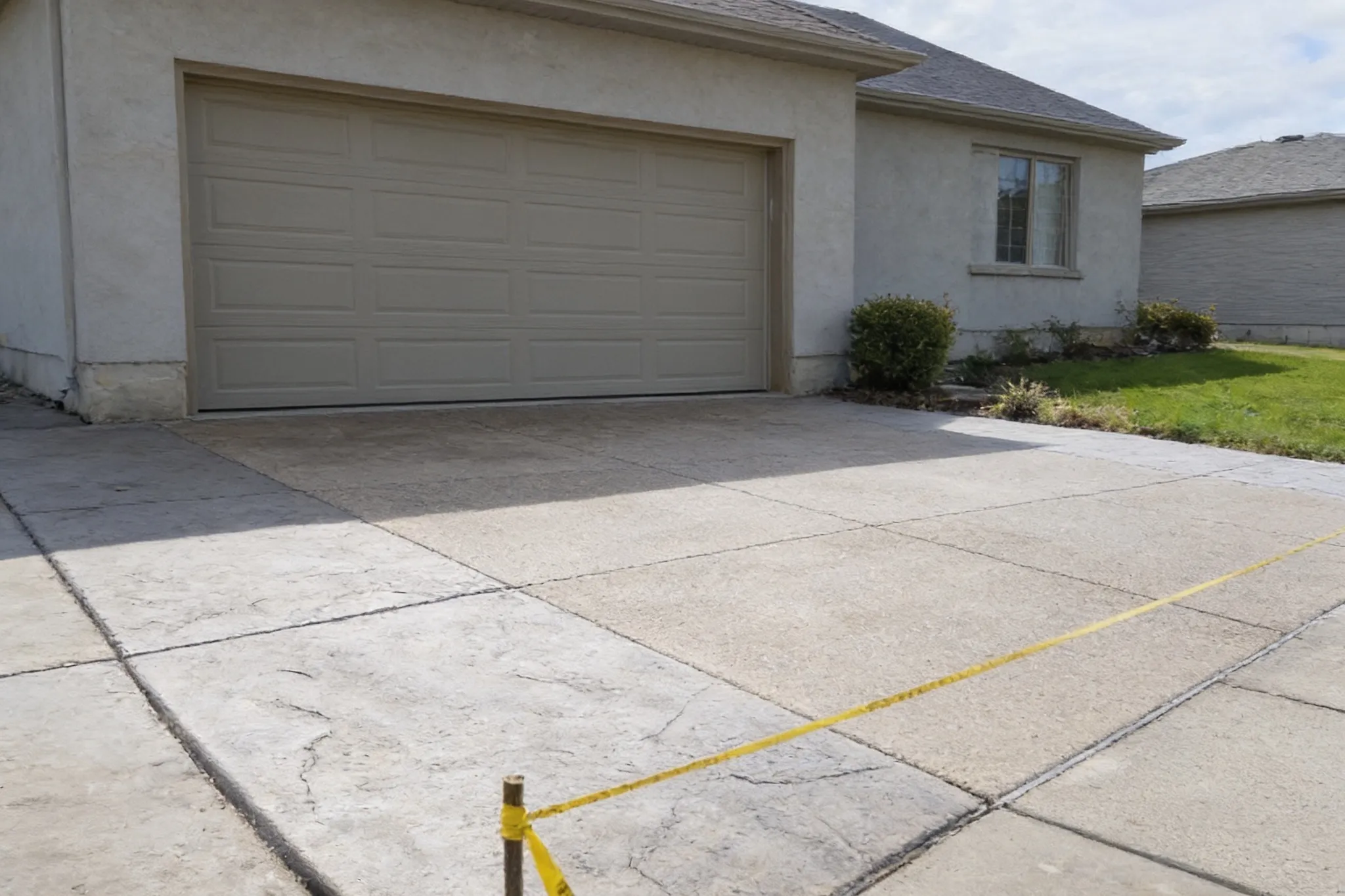
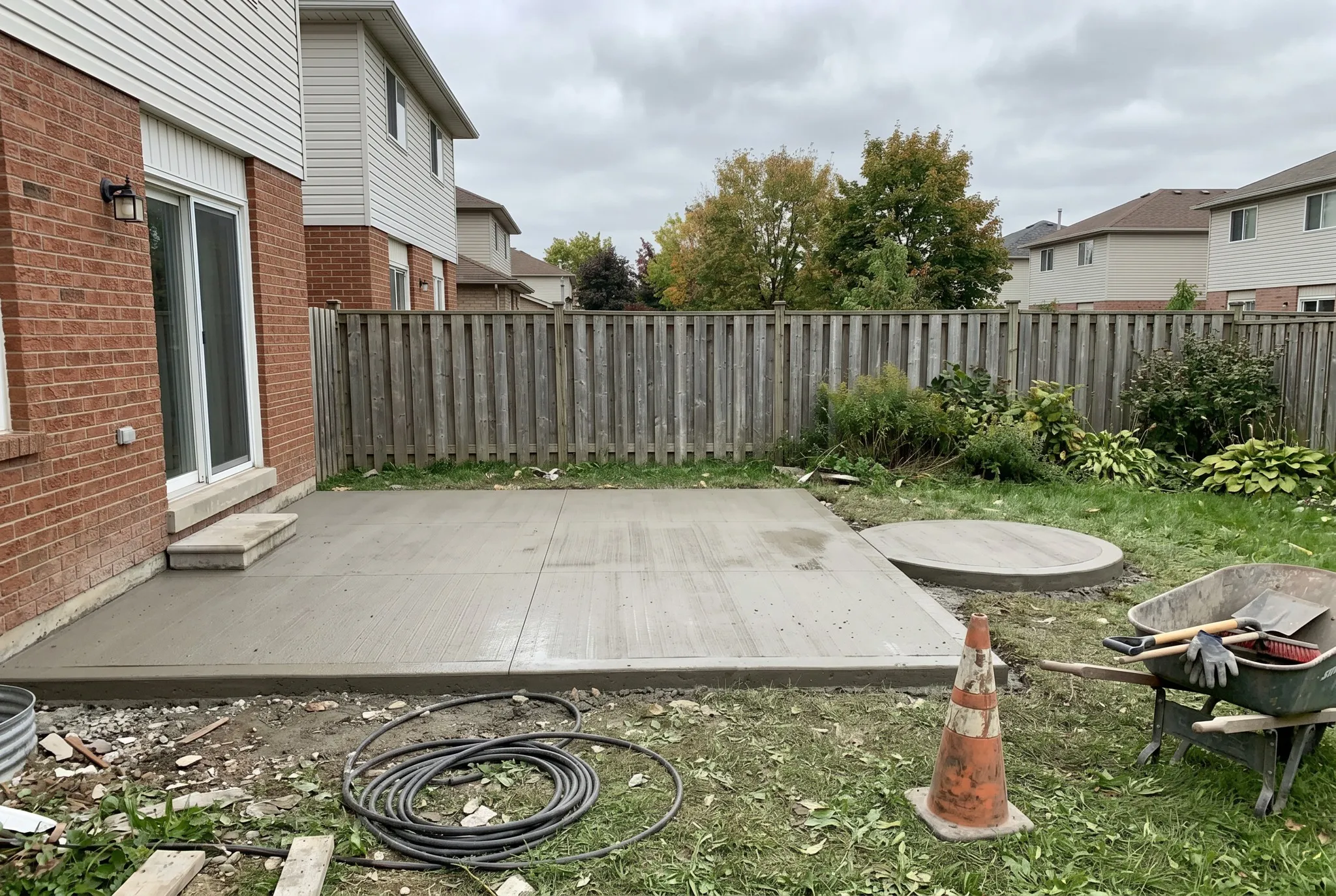
Tearing out concrete is simple to describe and easy to underestimate. The slab gets saw-cut where edges have to stay clean, broken up with a hydraulic breaker or jackhammers, separated from its mesh and rebar, loaded out and hauled away. Old concrete doesn't go to landfill; it goes to a recycler and comes back as road base. What's left behind is a graded surface ready for topsoil, gravel or the new pour.
The cheap version skips the boring parts. No utility locates before the machine digs (in Ontario, locates are the law, not a courtesy). No saw cuts, so the breaker chews past the line into concrete that was supposed to stay. No plan for the machine path, so the lawn wears the tracks and the fence takes a hit. And in plenty of pour quotes, no demolition at all: some contractors price only the new concrete and leave the tear-out as a surprise.
We scope it in writing: breakout, hauling, disposal and grading, itemized, with the access plan and cleanup named instead of assumed. Small tear-outs (one walkway, an old shed pad) are welcome and get booked into regular routes alongside the big jobs.
- Free quote with breakout, hauling, disposal and grading itemized
- Utility locates ordered before any machine touches the ground
- Saw-cut edges wherever old concrete meets concrete that stays
- Machine paths planned to spare the lawn, the fence and the neighbour's side
- Old concrete hauled to a recycler and crushed into road base
- Site graded and tidy when we leave, ready for what's next
The numbers we build to
| Breakout method | Skid steer with hydraulic breaker; jackhammers against the house and in tight yards | |
|---|---|---|
| Typical thickness | 4 in. patios and walks, 5–6 in. driveways, 6 in. or more on garage pads | Thicker concrete means more breaking time and more tonnage to haul |
| Reinforcement | Mesh and rebar cut free and recycled separately from the concrete | Rebar holds broken slabs together; cutting it out is the slow part |
| Access | Smallest machines clear a 36 in. gate; no machine access means hand breakout at a higher rate | |
| Disposal | Clean concrete goes to aggregate recycling, billed by the load |
What affects removal cost (and the quote trap to check first)
There's no flat per-foot rate worth quoting, because removal cost rides on three things, all of them visible at the property and none of them over the phone: how thick the slab is, how heavily it's reinforced, and how a machine reaches it. A small patio is a different job from a thick, rebar-laced garage pad behind a narrow gate. The three drivers are covered below.
The trap to watch for: demolition is the line item lowball pour quotes leave out. One contractor prices the driveway replacement all-in, another prices only the new pour and 'discovers' the tear-out cost after you've signed. When you compare replacement quotes, find the demolition line first. Ours is itemized on every quote that involves old concrete, even when the answer is that there's nothing to remove.
The three price drivers: thickness, rebar, access
Thickness is tonnage. A 4 in. patio breaks fast and hauls light; a 6 in. garage pad has half again the concrete in every square foot, and footings or thickened edges hide more below grade. Rebar is time. Mesh and bar hold the broken pieces together, so every chunk has to be cut free before it can be loaded, and a heavily reinforced slab can take longer to clear than it took to break.
Access decides the machinery. A driveway open to the street is the easy case: machine on, break, load trucks at the curb. A backyard patio behind a 36 in. gate means the smallest skid steer or hand breakout, with concrete walked out bucket by bucket, and the cost climbs with every extra step. None of this should be discovered mid-job; it's all visible at the quote, which is why ours happens at the property, not over the phone.
Your lawn, your fence, the neighbour's car
Demolition is the messiest day in concrete work, and it's the day complaints are made of: tracked lawns, concrete dust drifting onto the neighbour's hedge, a fence post clipped by a bucket. We plan the machine path before the machine arrives, lay protection where the ground is soft, water the saw cuts so the dust settles instead of drifting, and keep the breaker inside the cut lines.
Honesty about the limits: a tracked machine crossing a lawn in a wet week will leave marks, and we say that at the quote rather than pretend tracks don't happen. What you won't get is a surprise. Cleanup and grading are written into the scope, the final walk-around happens with you, and the site gets left tidy, not abandoned the minute the last truck is full.
Tear-out to new pour: one crew, one mobilization
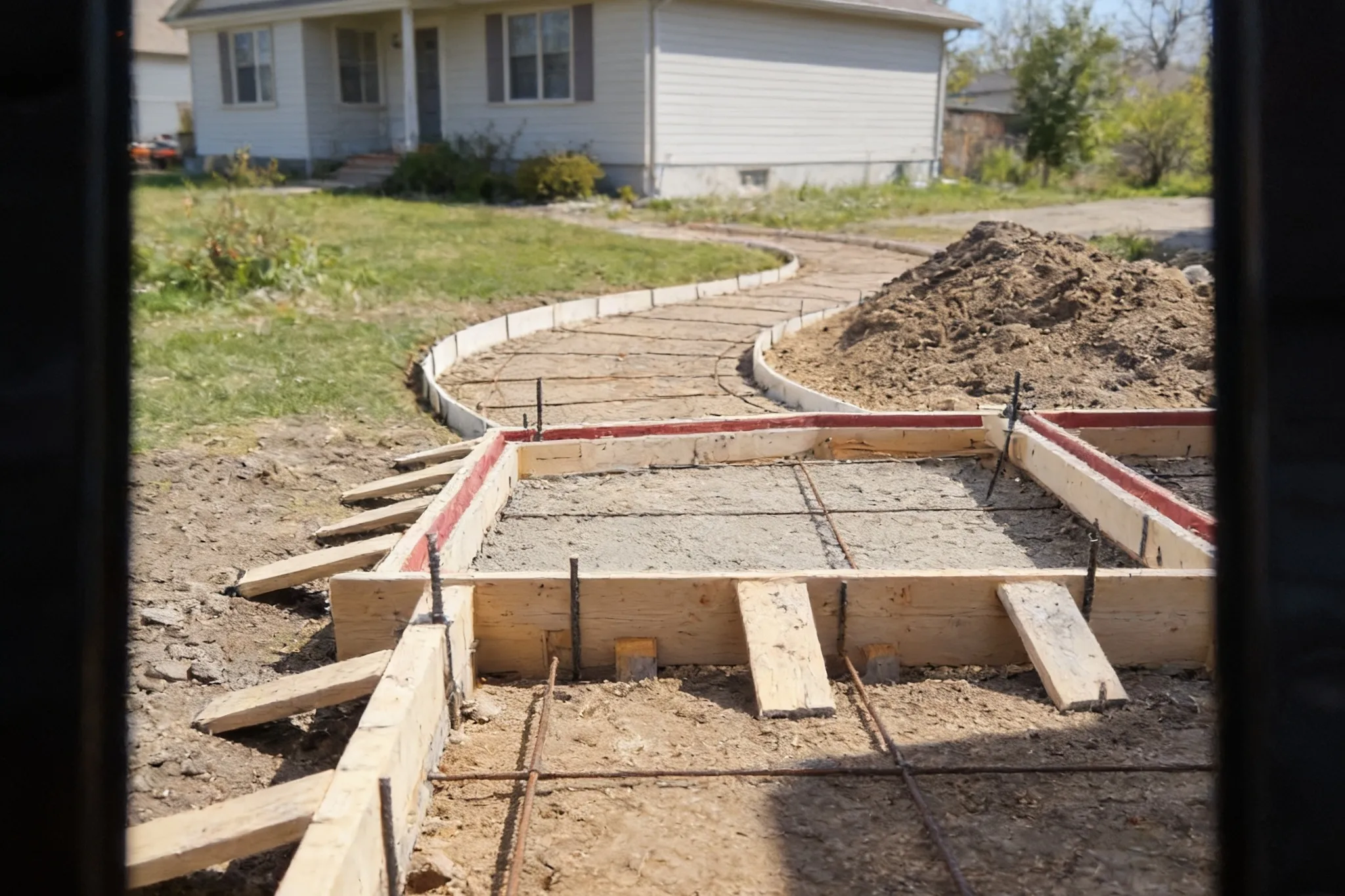
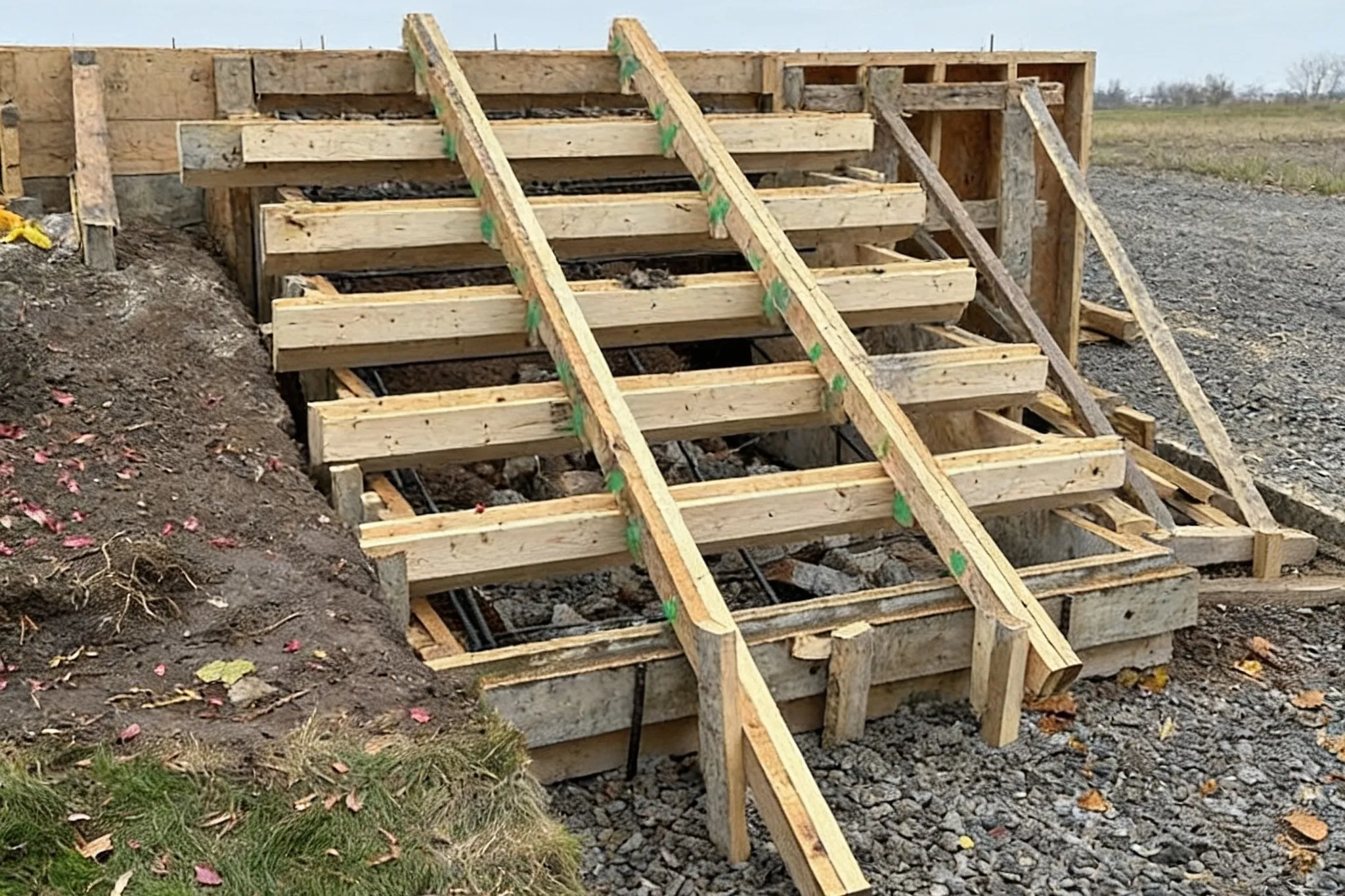
Most removal we do is day one of something: a cracked driveway coming out ahead of a new pour, a heaved patio making way for a bigger one, an old single-car pad replaced by a proper two-car garage slab. Doing the demolition and the new pour with one crew means the base gets rebuilt while the ground is open, compacted in lifts and graded for drainage, instead of a pour crew arriving to someone else's backfill and quoting around it.
Bundling the tear-out and the new pour into one quote is also where the money makes sense, because you pay one mobilization instead of two and the base is rebuilt while the ground is already open. And if the old concrete is coming out with nothing going back in, that's a fine job too: we grade the space, top it with soil or gravel, and leave the yard usable.
Straight answers
Can you remove our old asphalt driveway and replace it with concrete?
Yes, and it's a common switch: plenty of homeowners go from asphalt to concrete when the asphalt reaches the end of its 15 to 25 years. Asphalt strips out faster than concrete and gets recycled the same way. The existing gravel base usually needs topping up and re-compaction before it can carry a concrete pour, and we check that while the surface is off. We quote the strip-out and the new pour together as one job after a free site visit.
Our old sidewalk is crumbling past saving. Do you tear out and replace walkways?
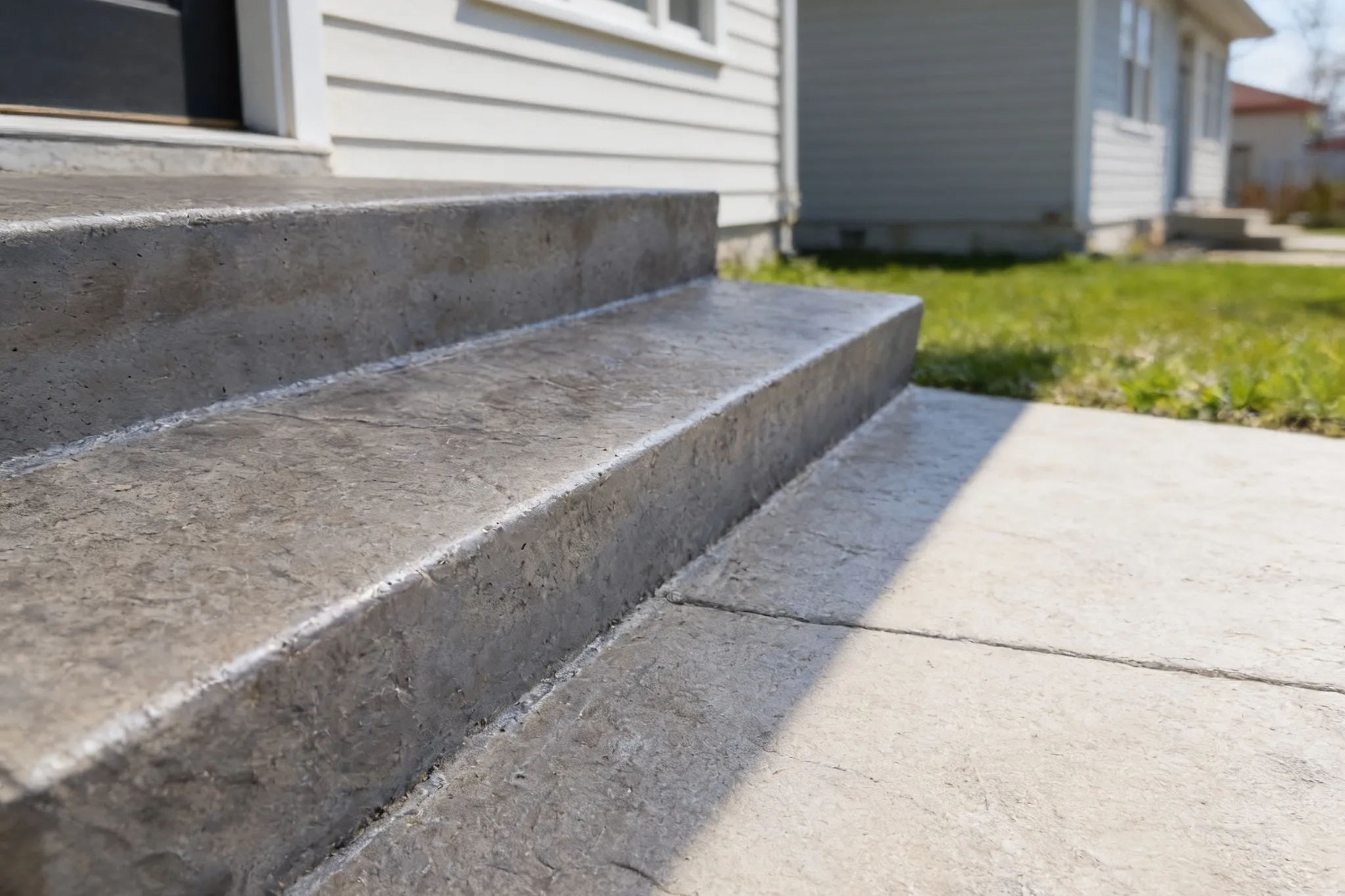
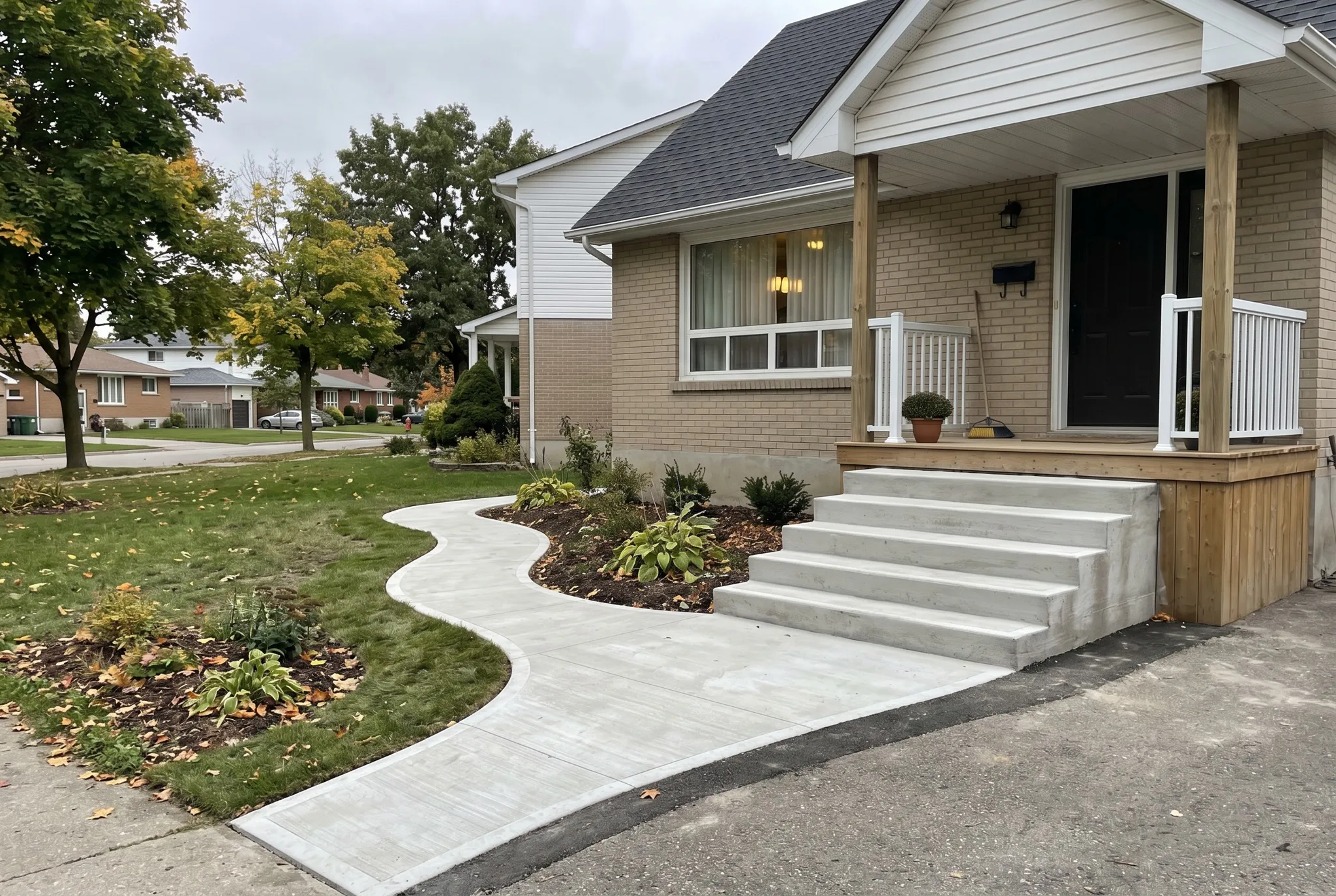
Yes. Crumbling walks and steps are exactly the small jobs many contractors wave off, and we book them into regular routes instead. Removal on a typical front walk is one of the smaller jobs we do; pair it with the re-pour and the whole thing gets one quote, one crew, and the lifetime warranty on labour on the new concrete. If the walk is actually repairable, we'll say so; resurfacing is often the cheaper right answer.
Can I pour new concrete over the old slab instead of removing it?
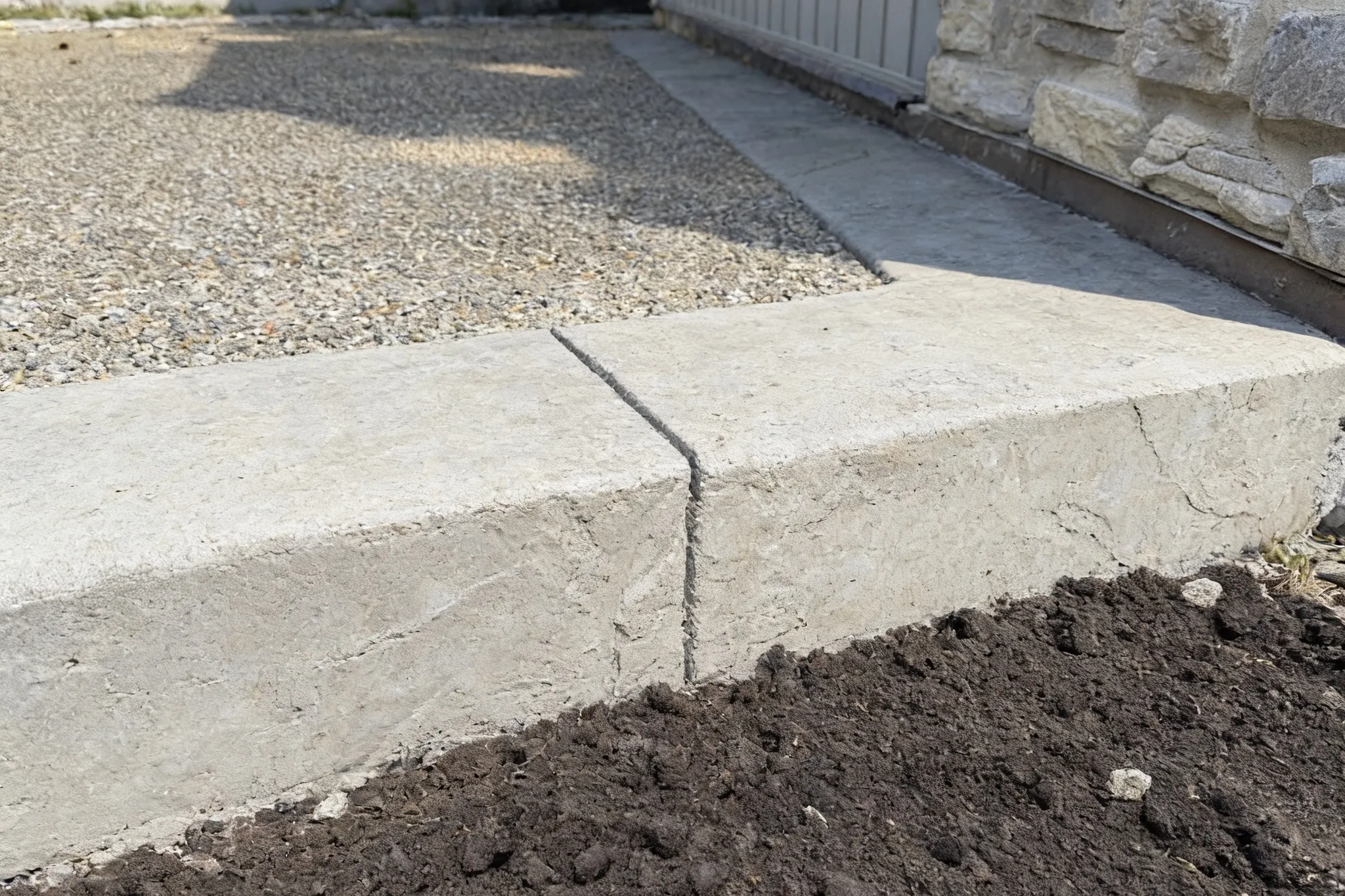
Sometimes, but less often than people hope. A bonded overlay over sound, stable concrete is a real option (see concrete repair and resurfacing). Pouring a fresh structural slab over a cracked or heaving one copies every problem upward: the new slab follows the old movement, and the added height fights doors, sills and drainage. If the old slab failed because the base under it failed, the answer is removal, a rebuilt base, then the new pour.
Do I need a permit to remove a driveway or patio in Ontario?
Removing flatwork normally needs no building permit. Two things still apply: utility locates are required by Ontario law before any digging, and we order them as part of the job; and if the replacement changes your driveway's width or curb cut, the municipality wants a say before the pour, not after. We flag both at the quote.
How long does concrete removal take?
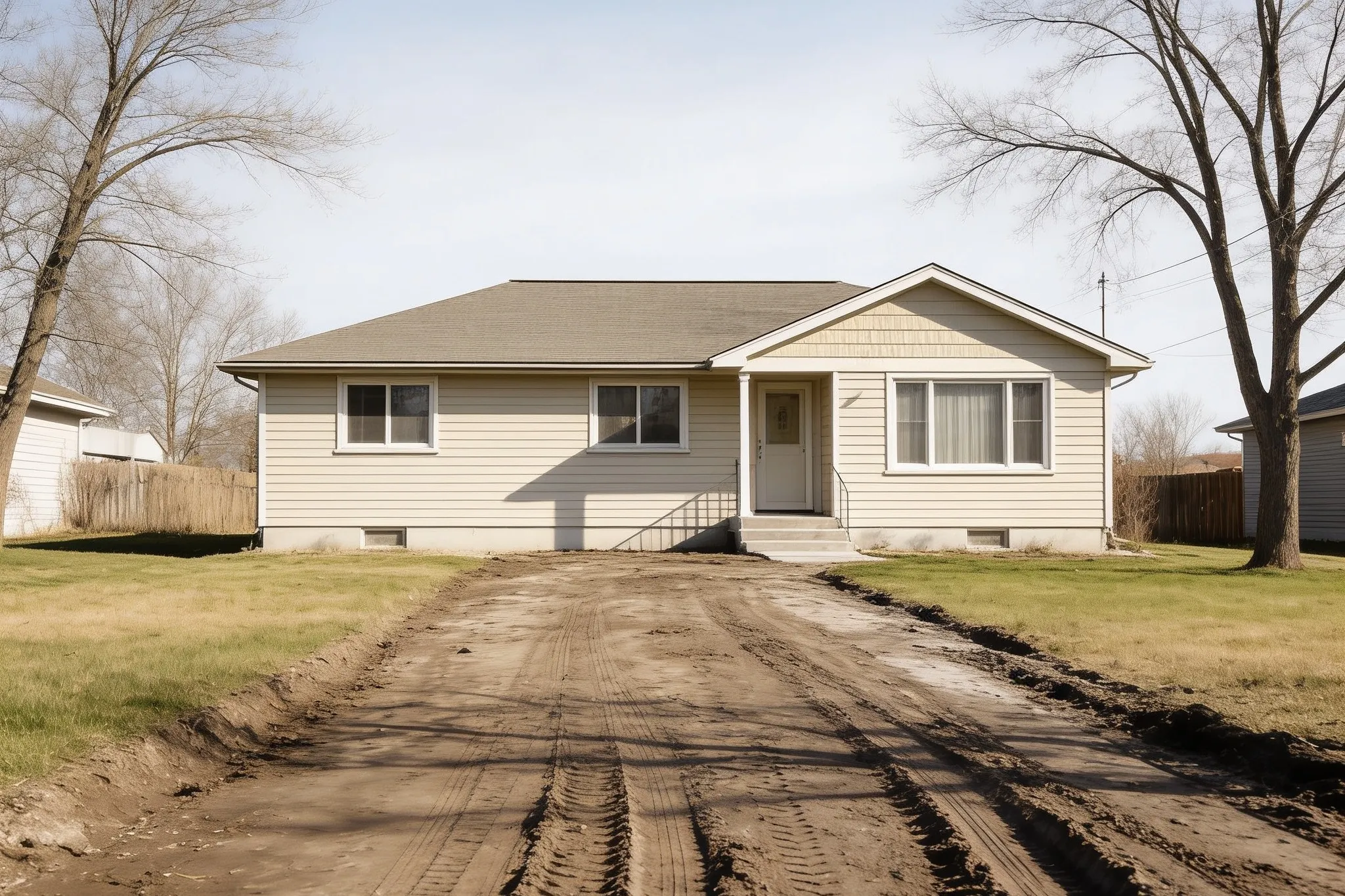
Most residential tear-outs are one day: saw cuts and breakout in the morning, loading and hauling through the afternoon, grading before the crew leaves. Large driveways, thick reinforced pads and hand-carry backyards can stretch to two. The locates are the long pole: allow about a week for utility marking before the machine day.
What happens to the space after the concrete is gone?
Your call, and it's worth saying in the form. If new concrete is coming, we leave compacted granular ready for forms. If the slab is gone for good, we grade the area and finish with gravel or topsoil so the yard reads as yard, not as a scar. Disposal is included either way, and nothing gets buried on site.
Related work
- Concrete DrivewaysMost tear-outs here are day one of a driveway replacement. One crew breaks out the old, rebuilds the base and pours the new.
- Concrete Slabs & Garage PadsOld pad out, new pad in: the base gets rebuilt while the ground is open, ready for the new pour the day it's clear.
Tell us about the job.
Send the details and we'll get back to you within one business day with next steps. If water is coming in right now, check the box and we flag it urgent.
Get a straight quote
Free · no pressure · 1 business day