HomeServicesConcrete Walkways & Steps
Concrete Walkways & Steps in Southern Ontario
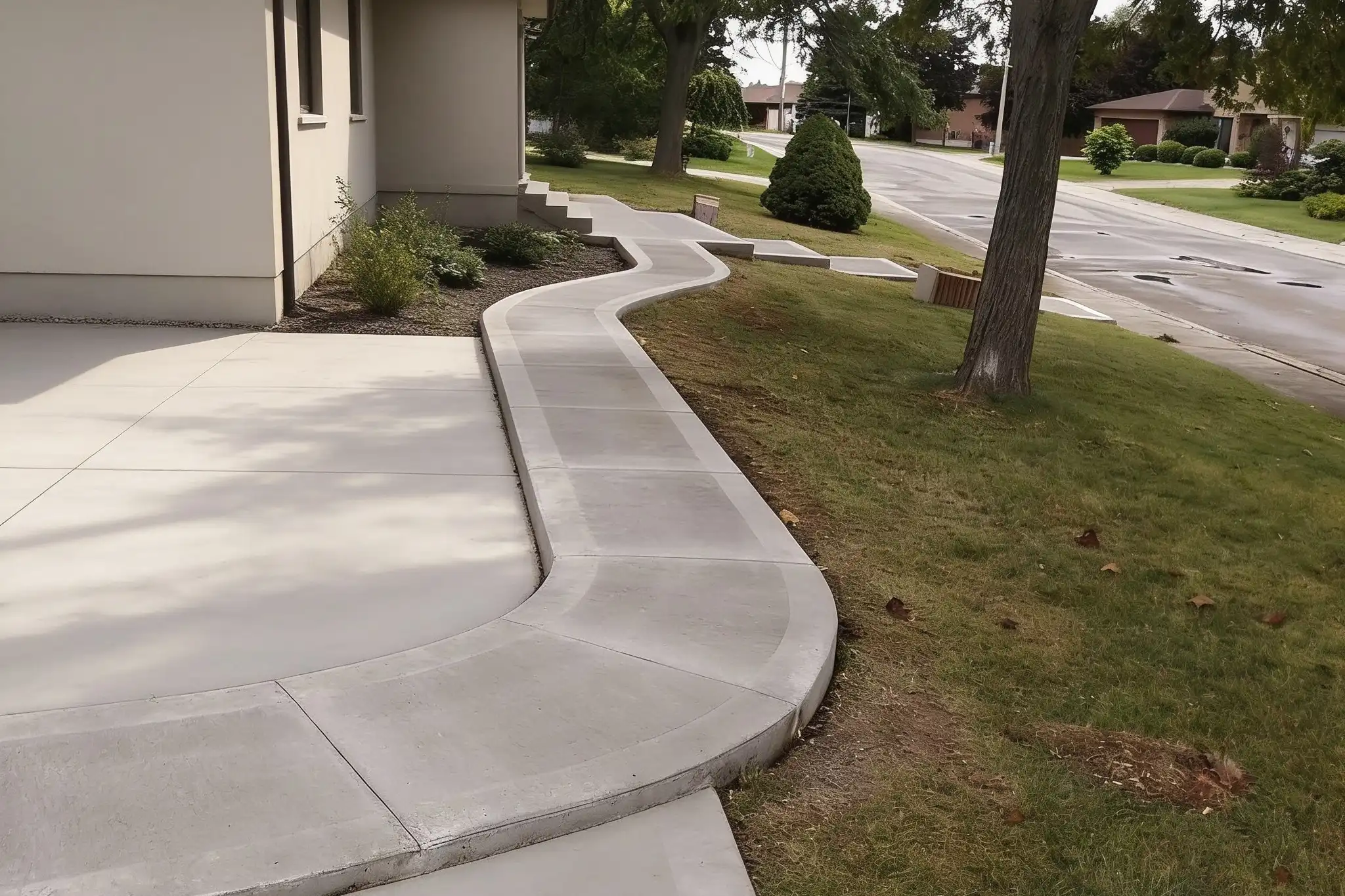
My Concrete Pros builds concrete walkways, front steps, entrances and porches across Southern Ontario, from one failed section to a complete entrance rebuild. Union-certified crews plan the footing, rise, drainage and finish together so the path is safe through freeze-thaw weather. Every job gets a free written quote and a lifetime warranty on labour.
Get a straight quote
Free · no pressure · 1 business day
Reviewed June 2026
Every job is priced individually, not off a price list. Tell us about yours and you get an accurate, no-pressure quote in writing.
Walkways and steps are the concrete your family actually touches every day, in work boots, winter boots, and bare feet. They're also where concrete failure turns dangerous instead of just ugly. A heaved walkway panel is a trip line. A step that has settled and tips forward becomes an ice ramp in January. Risers that ended up uneven catch a foot every single time, because bodies memorize stairs.
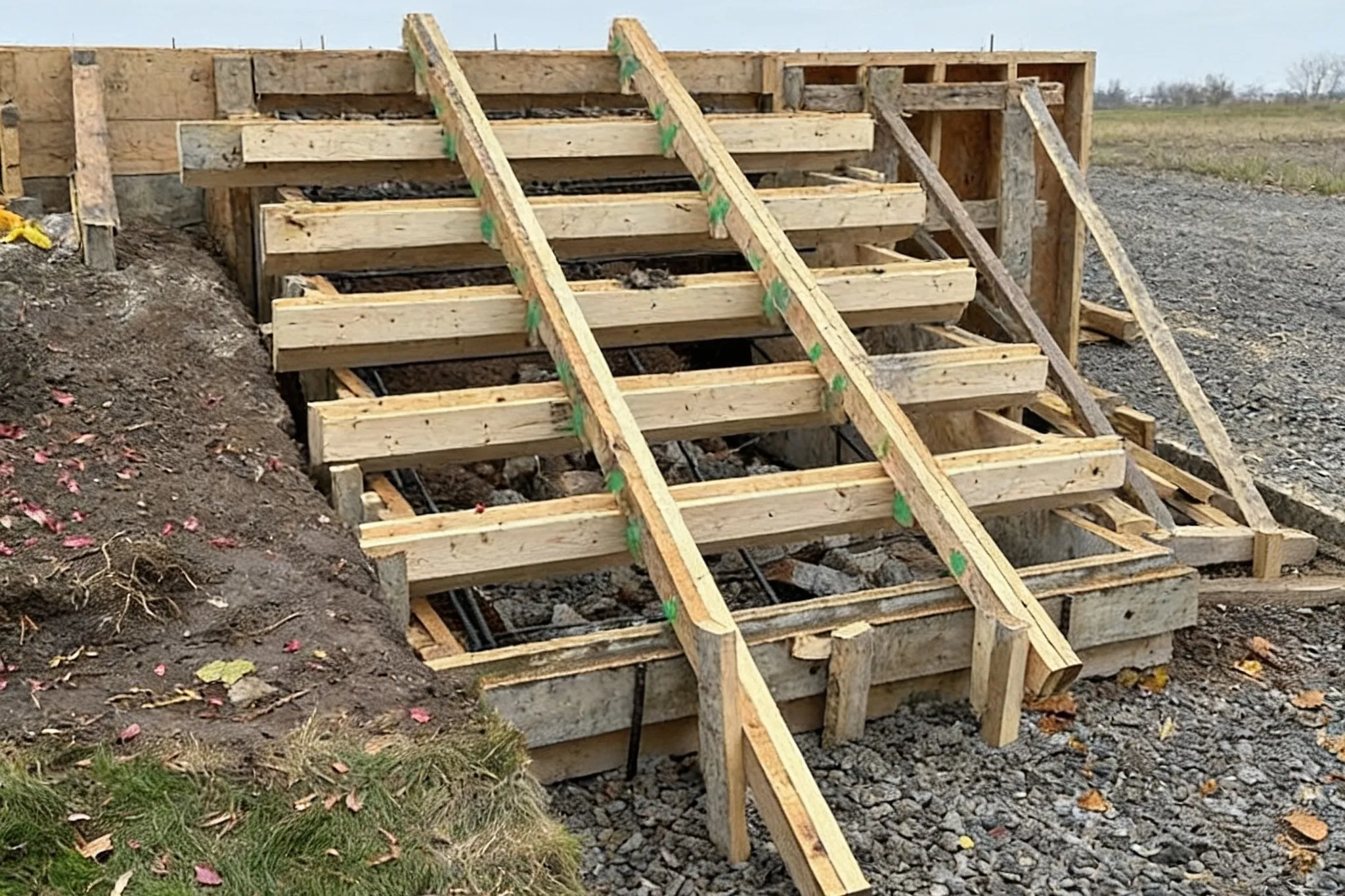
Steps and porches fail more than any other pour because of what they sit on. The soil beside a foundation is backfill, dug out when the house was built and never as solid as undisturbed ground, and it keeps settling for decades. Pour steps straight onto it and they sink and tip away from the door, opening a gap that funnels water down your foundation wall. The fix is known and boring: bear the new steps on footings below the frost line, or tie them to the structure itself.
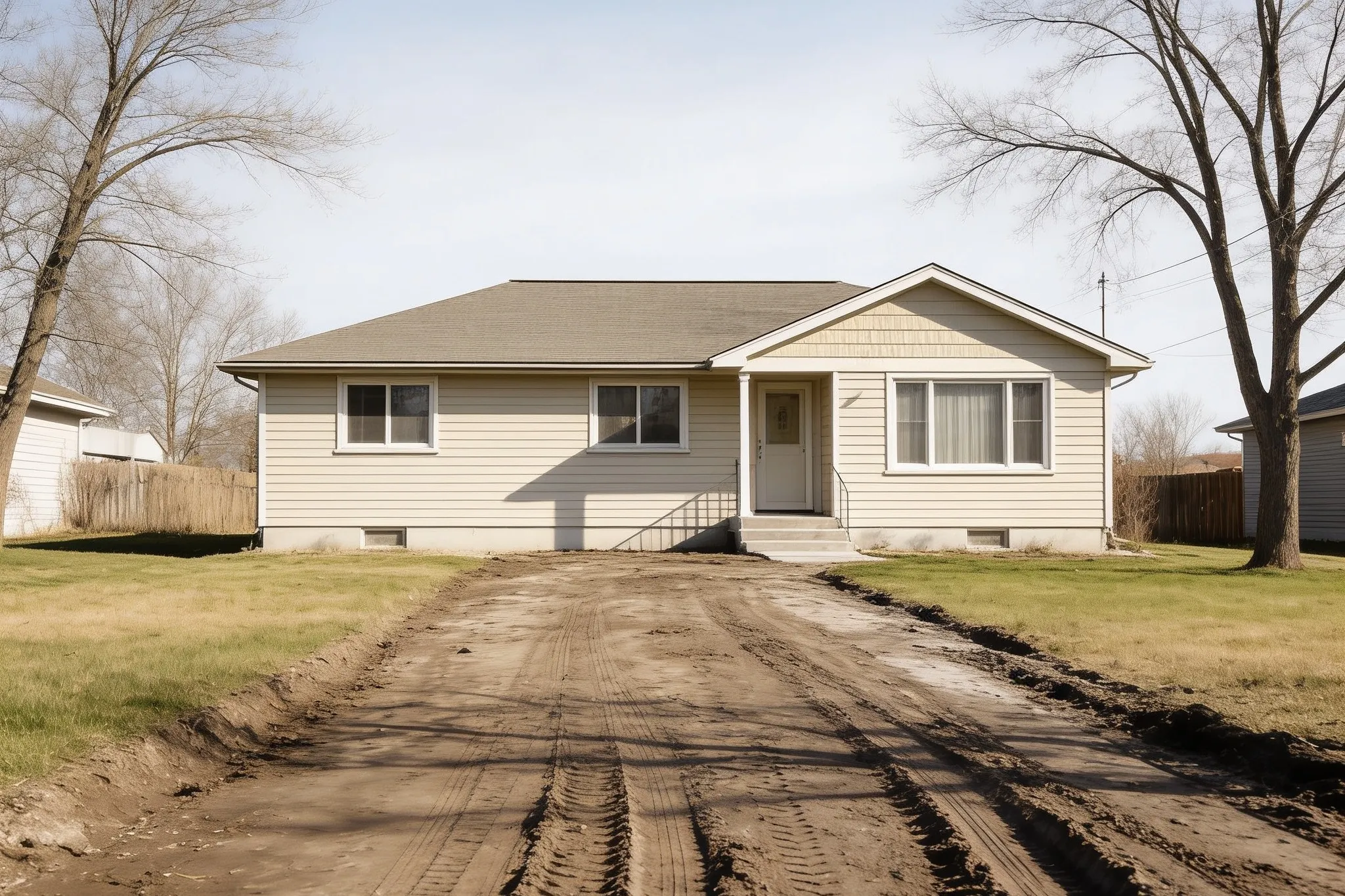
A set of steps is a small pour, and small pours are exactly the jobs homeowners around here struggle to get quoted at all. We quote them in writing like any driveway: front steps, porch slabs, walkways, side paths, and the single cracked panel between the drive and the door. Some people search for a sidewalk contractor, others for someone to fix a concrete porch; either way it's this page, and the quote is free.
- A free site visit and a written quote, for jobs as small as one set of steps.
- Tear-out and disposal of the old steps or path when the job is a replacement.
- Footings below the frost line wherever new steps or a porch attach to the house.
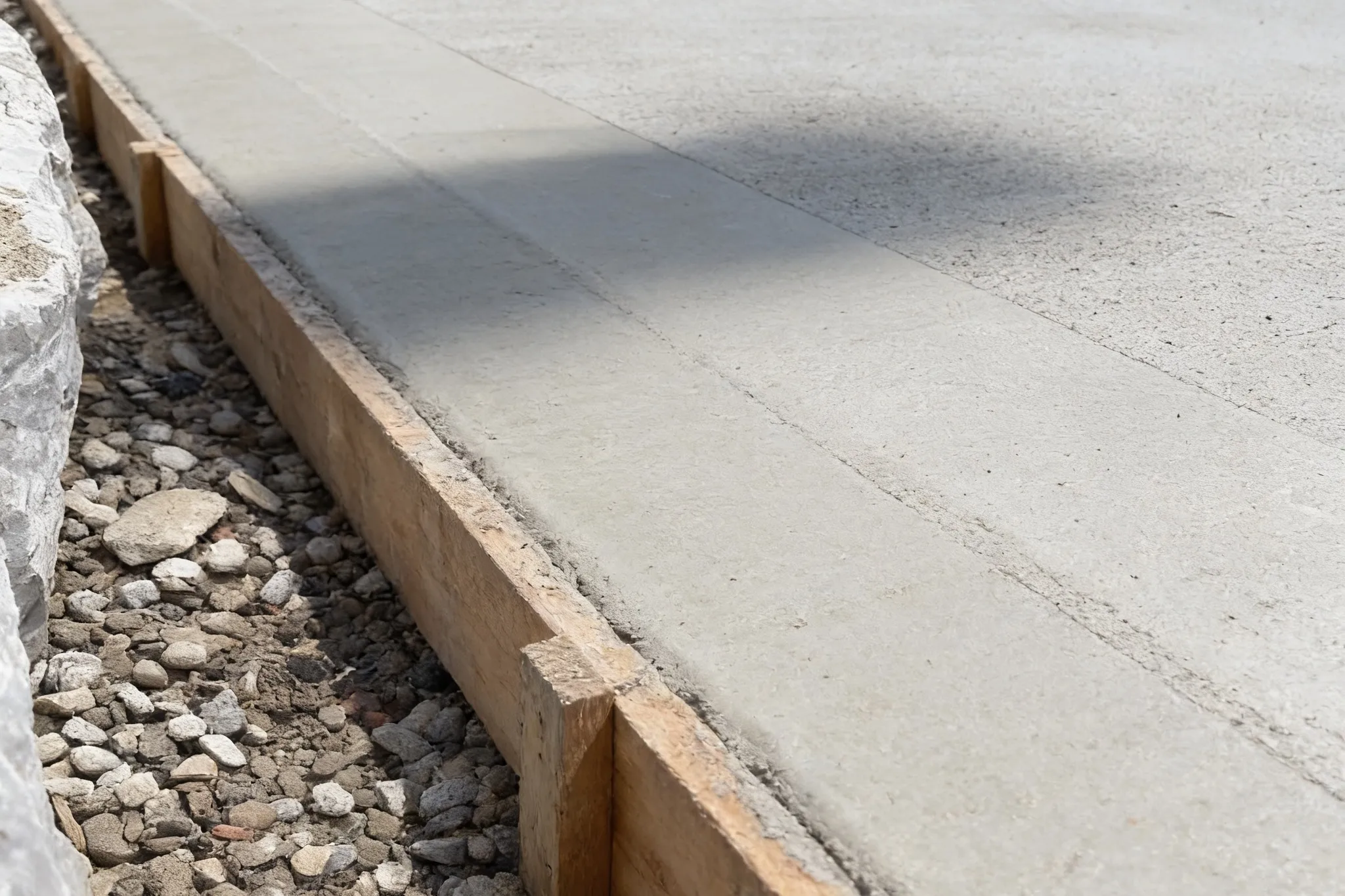
- A compacted granular base and 32 MPa air-entrained concrete, the same exterior standard as our driveways.
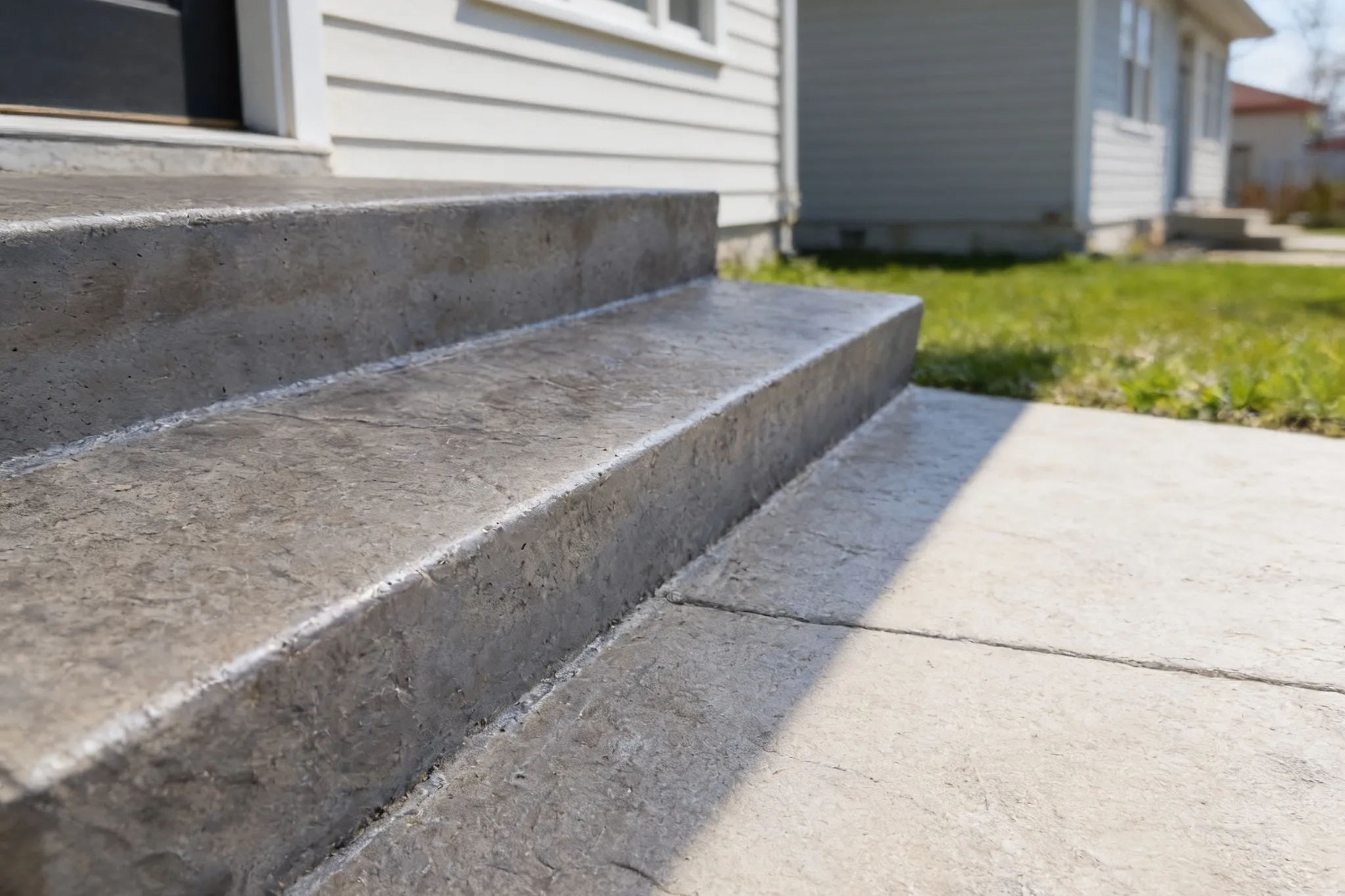
- Risers formed to a uniform height and treads finished for grip, with slope that sheds water instead of pooling it.
- Cure guidance in plain words and a lifetime warranty on labour, in writing.
The numbers we build to
| Mix | 32 MPa air-entrained | exterior exposure class for freeze-thaw and salt |
|---|---|---|
| Walkway thickness | 100 mm (4 in.) on compacted granular base | 900-1200 mm wide for a comfortable front path |
| Footings | Below frost depth, about 1.2 m, where steps attach | keeps steps from heaving independently of the house |
| Risers | Uniform height, 125-200 mm | uneven risers are the classic trip hazard |
| Cure | Foot traffic after 24-48 hrs | sealing at about 28 days |
What affects the cost of walkways and steps?
Walkways are the more predictable of the two, because they scale mostly with area: a short front path is a smaller job than a long, wide run, and the finish you pick moves it from there. There's no flat per-foot number worth quoting, though, because access, the state of what's being torn out, and the base all factor in.
Steps and porches don't price honestly by area at all, so we quote them by the job. What moves the number: how many risers, how tall the whole assembly stands, whether it needs footings or dowels into the foundation, the condition of what's being torn out, and the finish. A porch slab with three steps is a different build from a single back-door step, and any per-foot rate that pretends otherwise is guessing. Our quote names each piece so you can compare it against anyone's.
If the budget is tight, say so at the site visit. Steps and walkways share a truck with any other pour on the route, and booking yours alongside a driveway, pad, or a neighbour's job cuts the mobilization cost a small pour otherwise carries alone.
Frost footings: why steps pull away from the house
Frost in Southern Ontario reaches about four feet down in a cold winter. Anything bearing above that line rides up and down as the ground freezes and thaws; anything bearing below it stays put. Your house sits on footings below the frost line. Steps poured at the surface don't, so every winter the house holds still while the steps move, and the joint between them works open a little further.
That gap is worse than cosmetic. It catches water off the door landing and delivers it straight down the foundation wall, which is how a settled porch quietly becomes a damp basement. By the time we get the call, the complaint is the stairs, and the cause is ten years of water aimed at the same spot.
So the rule for anything attached to the house is simple: bear it below frost or tie it to the structure. New step and porch builds get footings dug to about 1.2 metres, or get doweled into the foundation wall where that's the sounder detail for the site. Freestanding walkway slabs are a different animal; they can float on a drained, compacted base because nothing pins one edge in place. Knowing which situation you have is most of step design, and it's the first thing we check at the site visit.
Porches and front entrances
Around here the front entrance is usually one pour pretending to be three: a porch slab at the door, steps down from it, and a walkway out to the driveway. Homeowners call the whole thing the porch, and when it goes, it tends to go together, because all three pieces share the same settling ground and the same winters.
We rebuild concrete porches and entrances as a system: footings under the porch, risers set to a uniform height off the walkway's finished grade, and the walkway sloped so meltwater leaves instead of icing the steps. Where the old porch is structurally sound and only the surface is breaking down, what homeowners often describe as the porch rotting, a full rebuild can be the wrong answer entirely. That's repair territory, and we'll say so before anyone talks money.
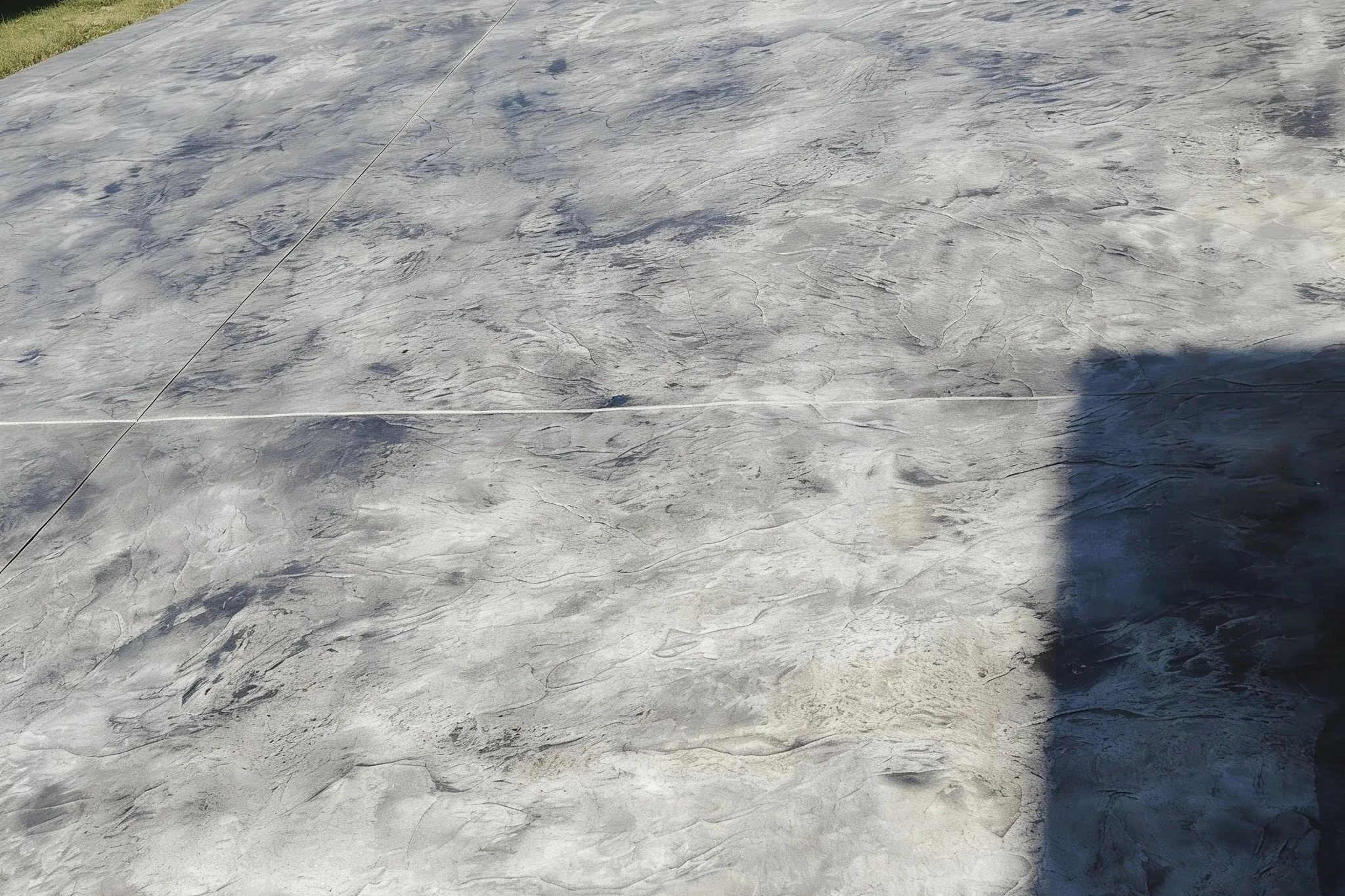
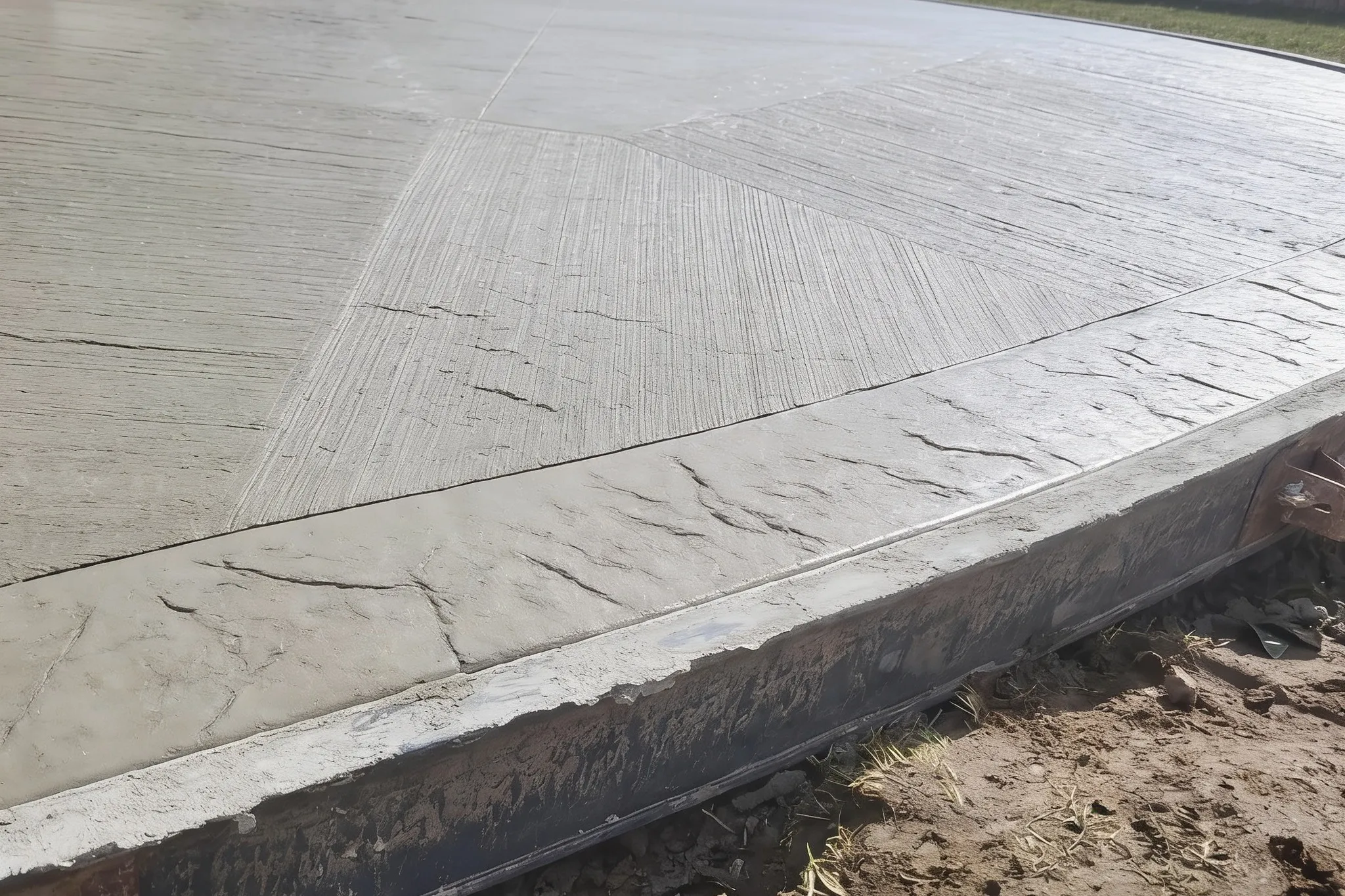
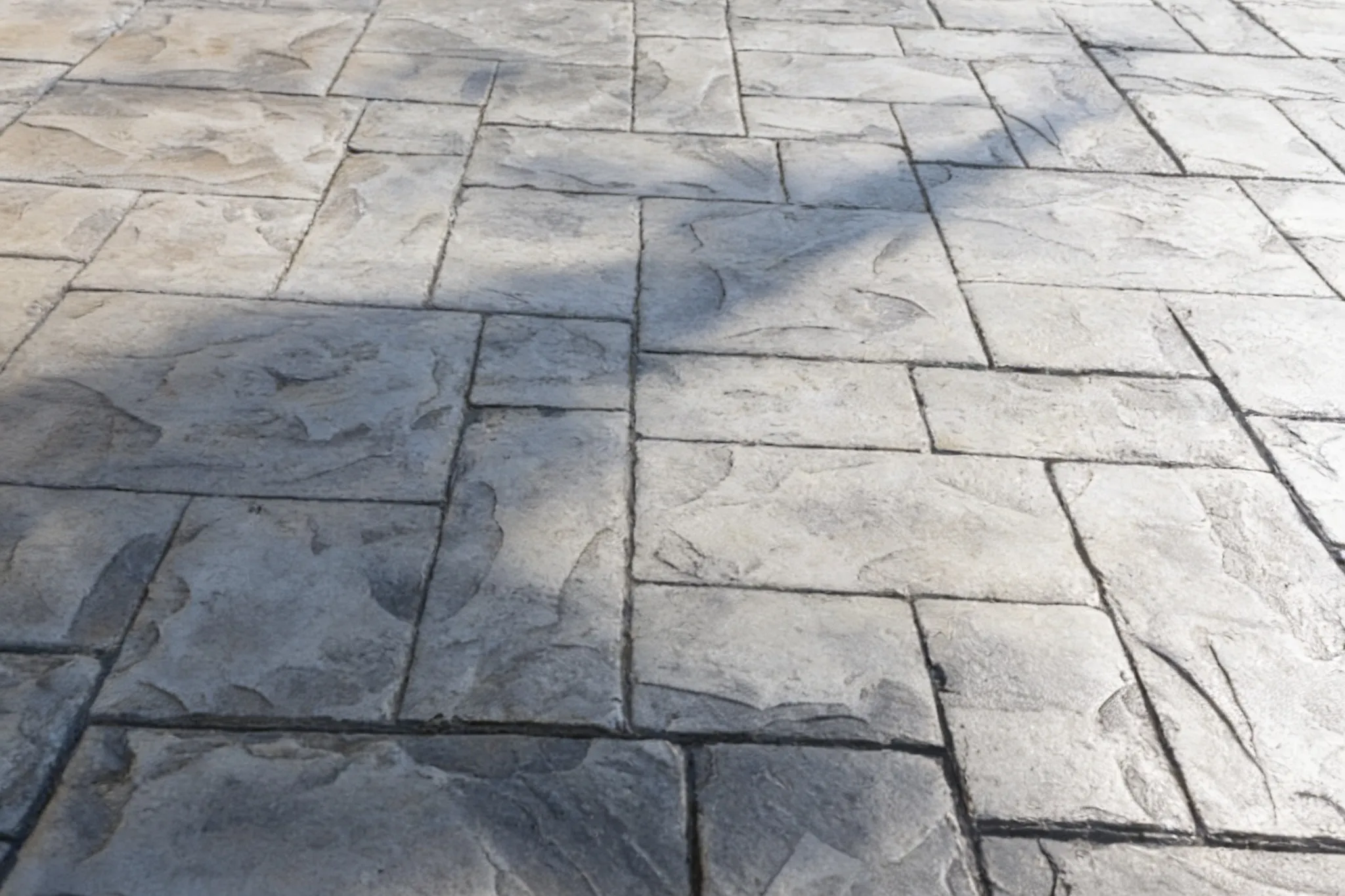
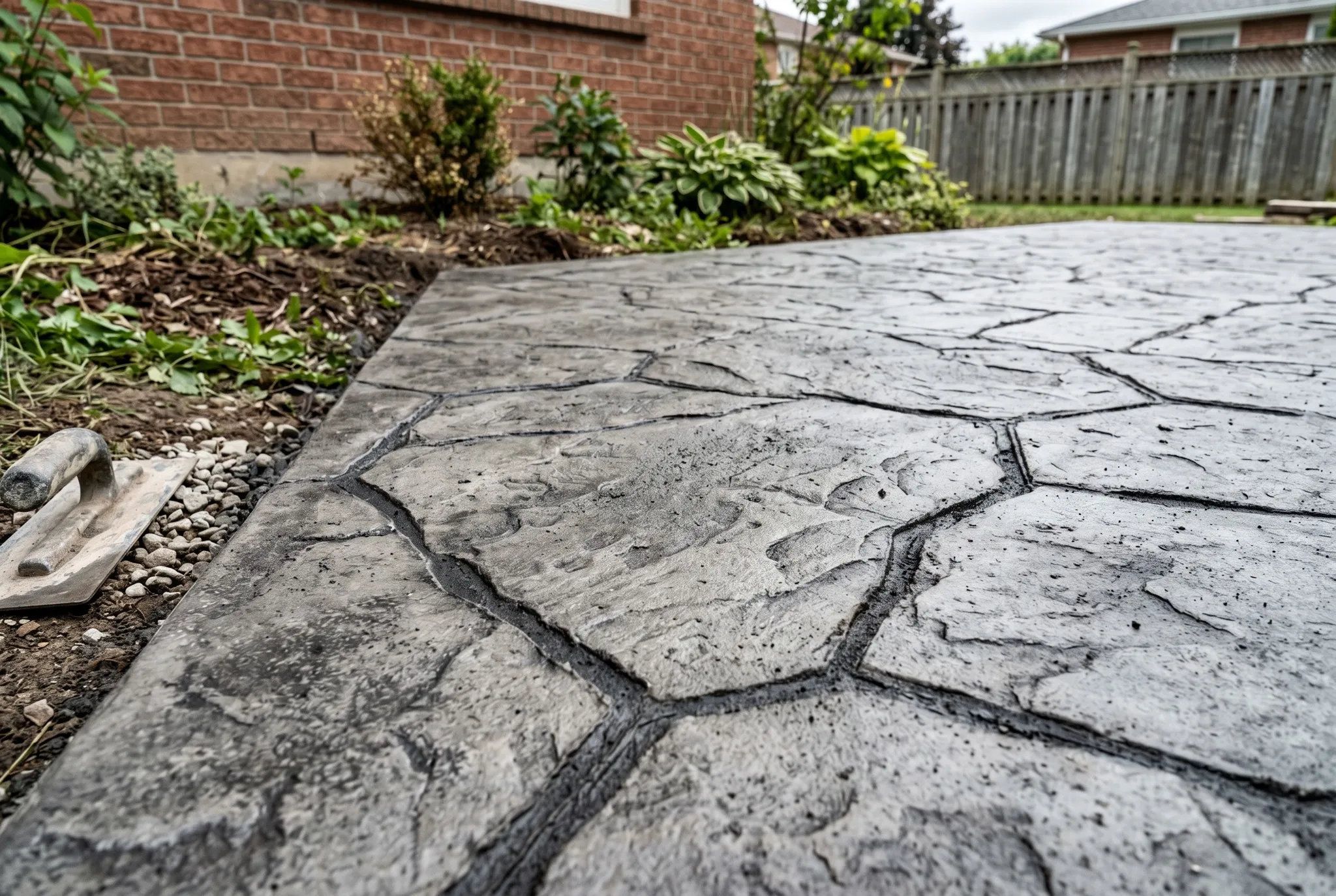
Entrances also earn finish upgrades better than any other small pour. Broom finish is the default for grip underfoot. But the front walkway is a small enough area that exposed aggregate or a stamped pattern stays affordable, and it's the one surface every visitor crosses.
Repair, level, or rebuild: how we make the call
Failing steps and walkways sort into three bins, and the sorting is free at the site visit. Sunken but solid: a panel or step assembly that settled in one piece can often be lifted back into place for a fraction of replacement cost. Surface damage: spalling, scaling, and crumbling edges on otherwise sound concrete are resurfacing work. Cracked through, heaved out of plane, or built wrong from the start: that's a rebuild, and patching it just rents you a couple of years.
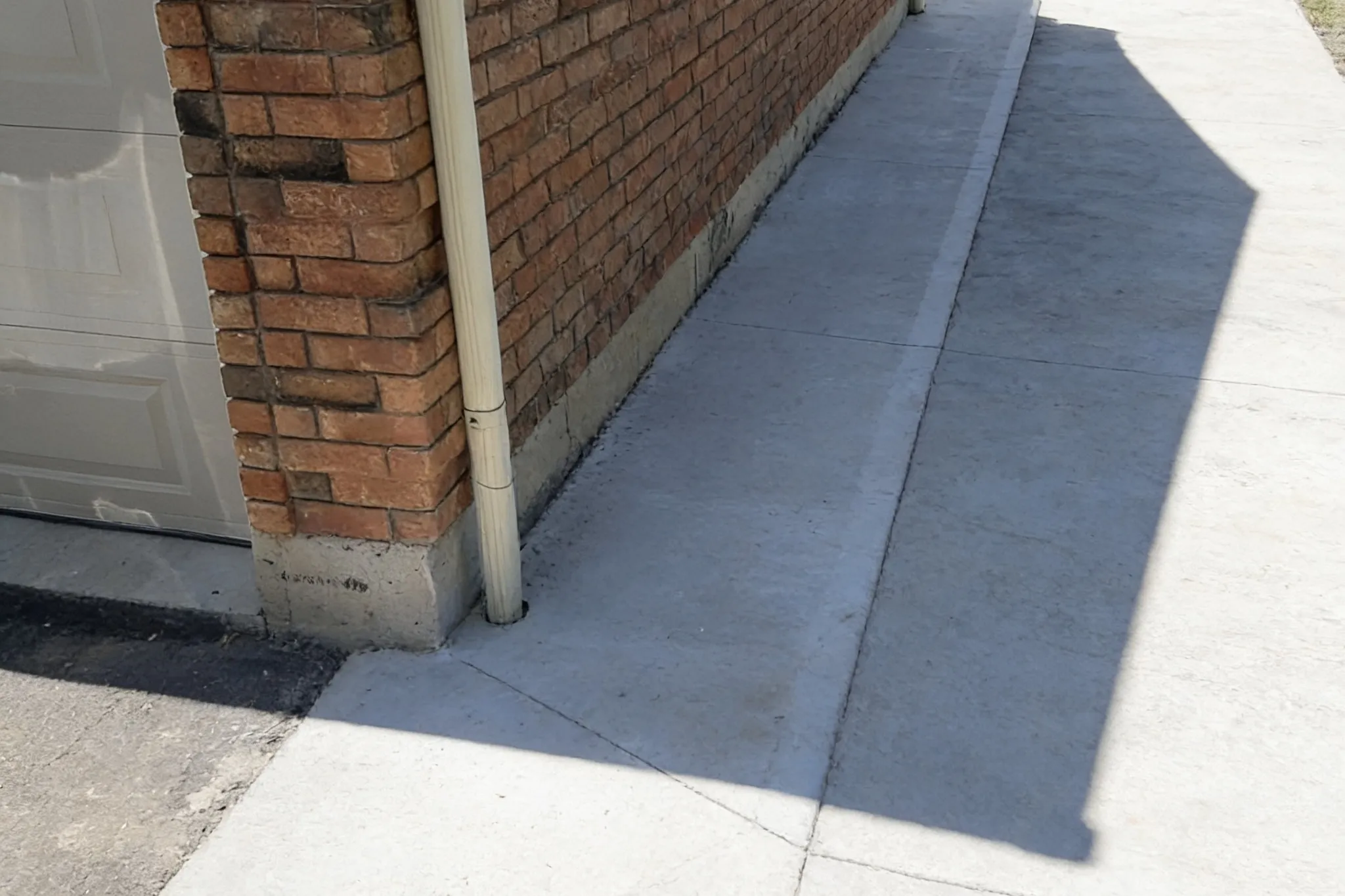
Walkways add one more option. Concrete replaces cleanly at the joints, so a failing run can be fixed panel by panel, paying for the broken sections instead of the whole path. The new panels read brighter than the old ones for a season or two while the colour weathers in, and we'd rather tell you that up front than have you discover it.
Our crews do the new pours and the repairs both, so nothing steers the recommendation except what's actually under the concrete. That's why we look first and quote second.
Recent work
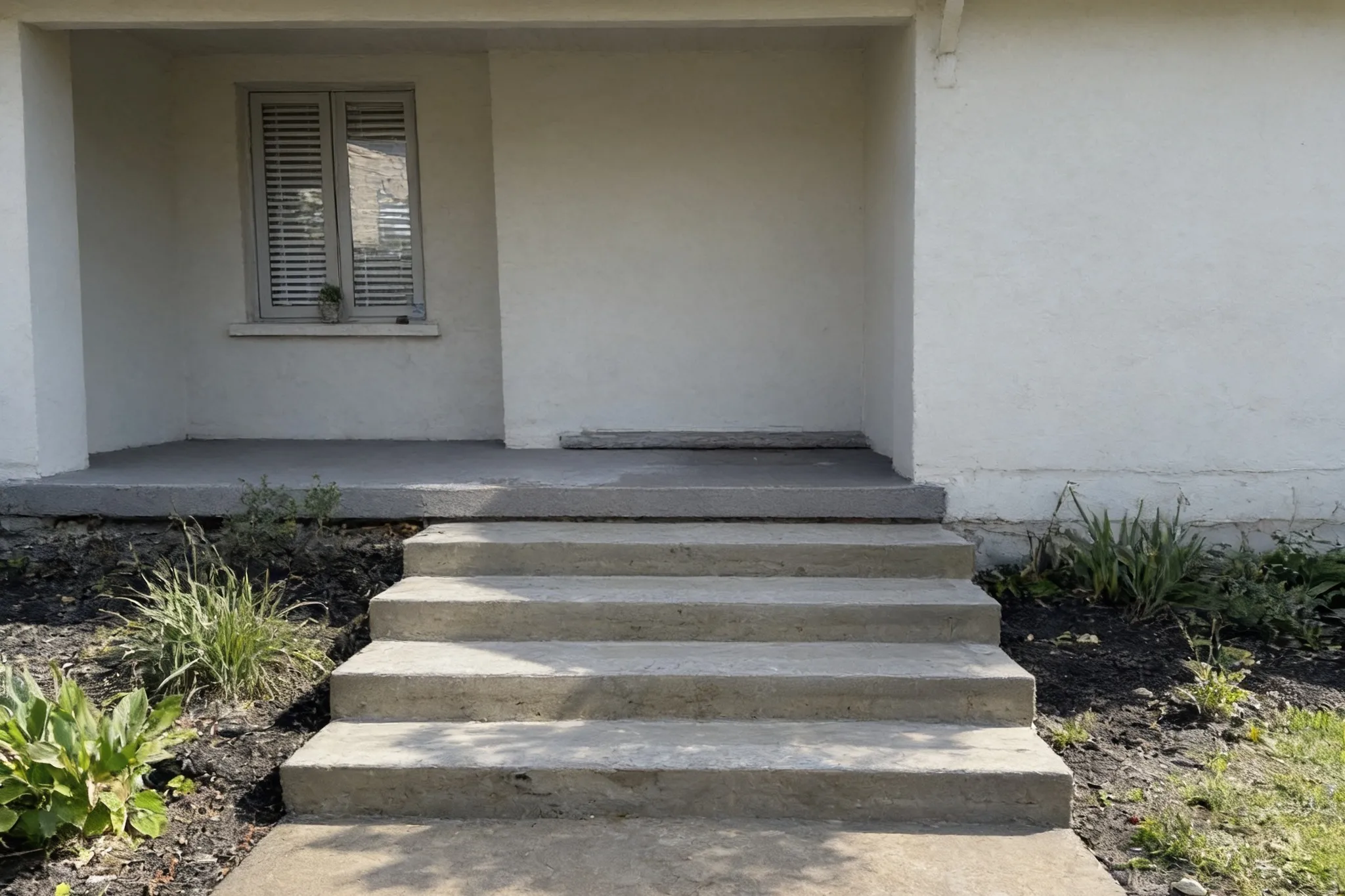
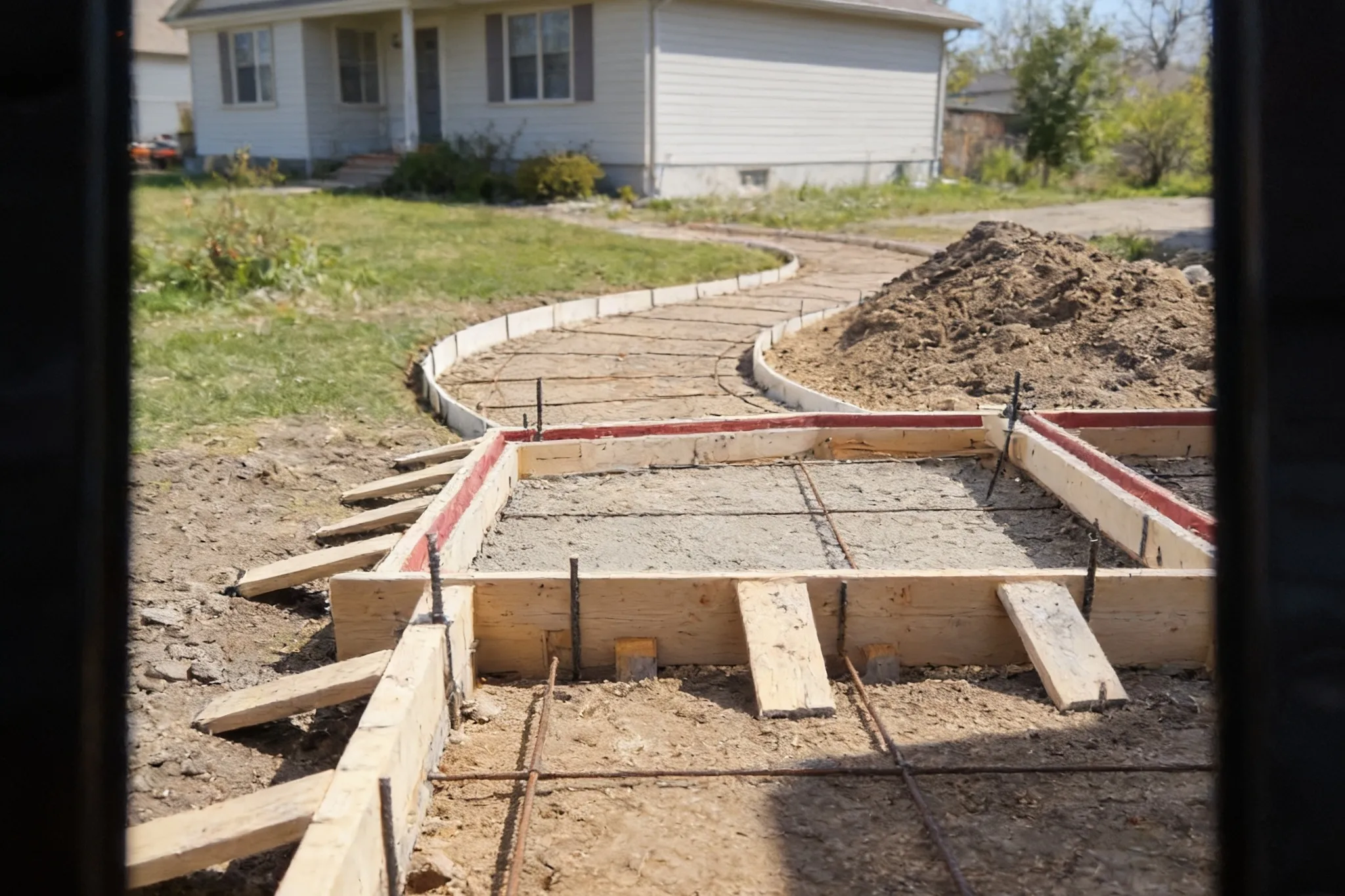
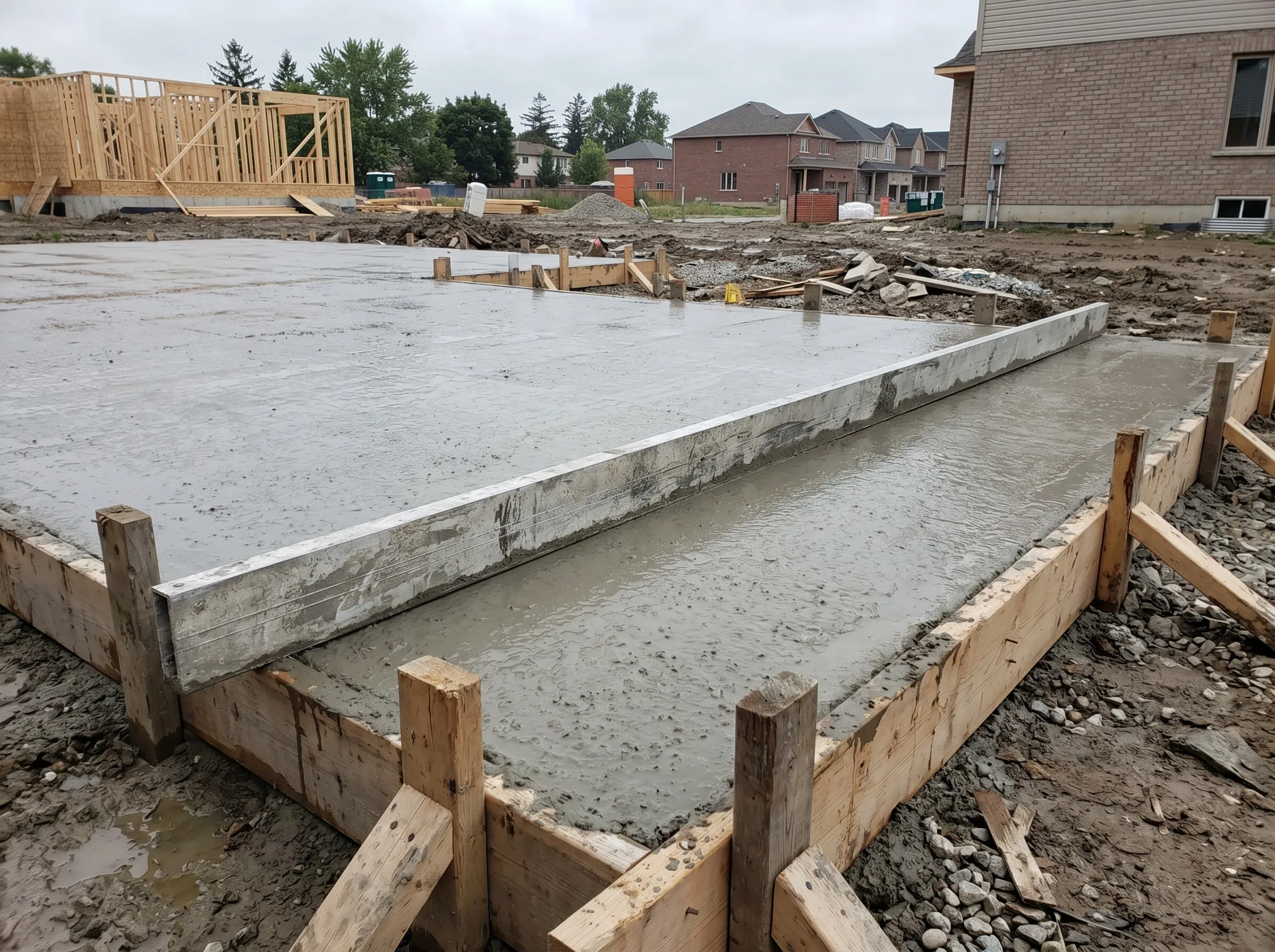
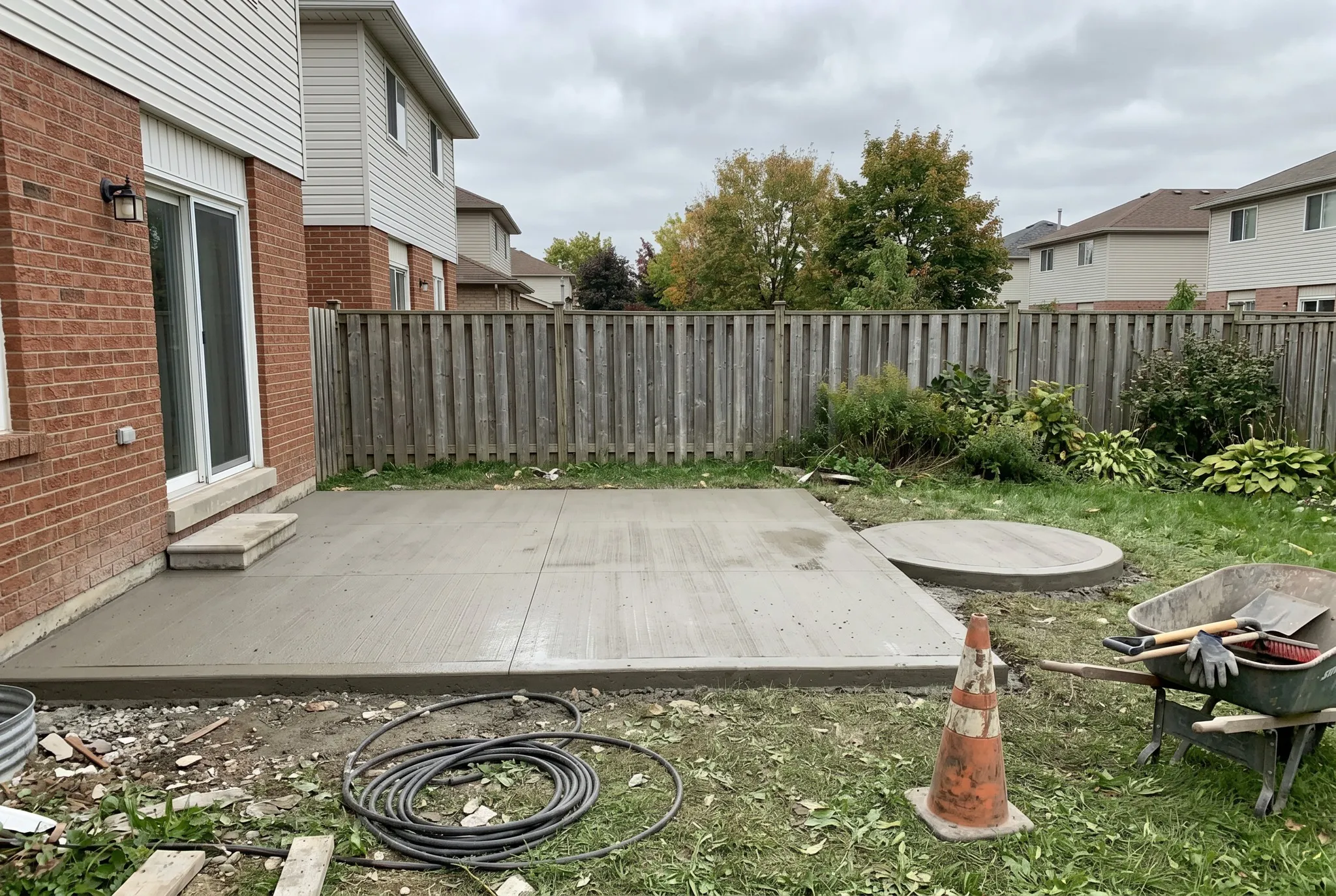
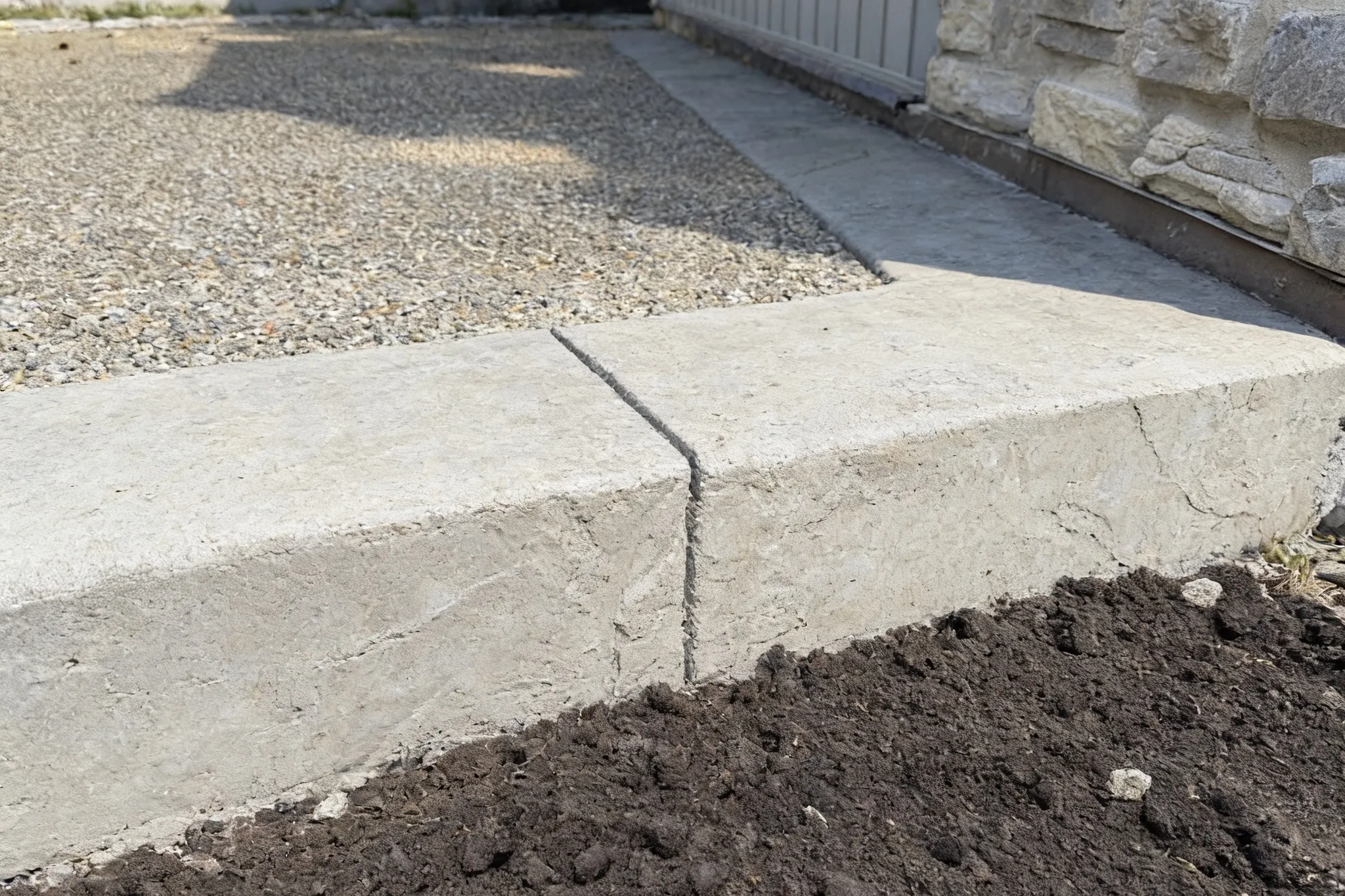
Concrete walkway · Southern Ontario 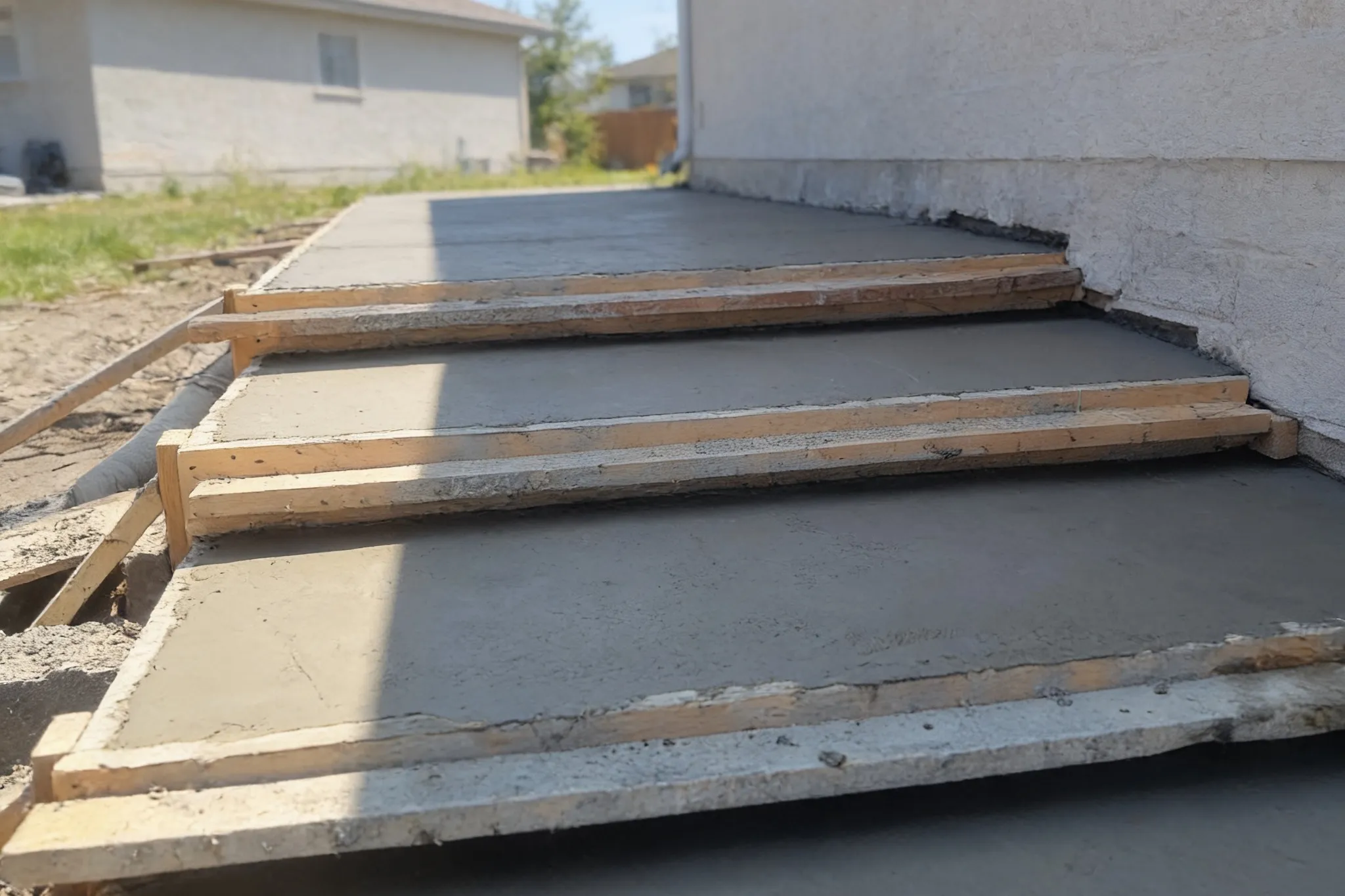
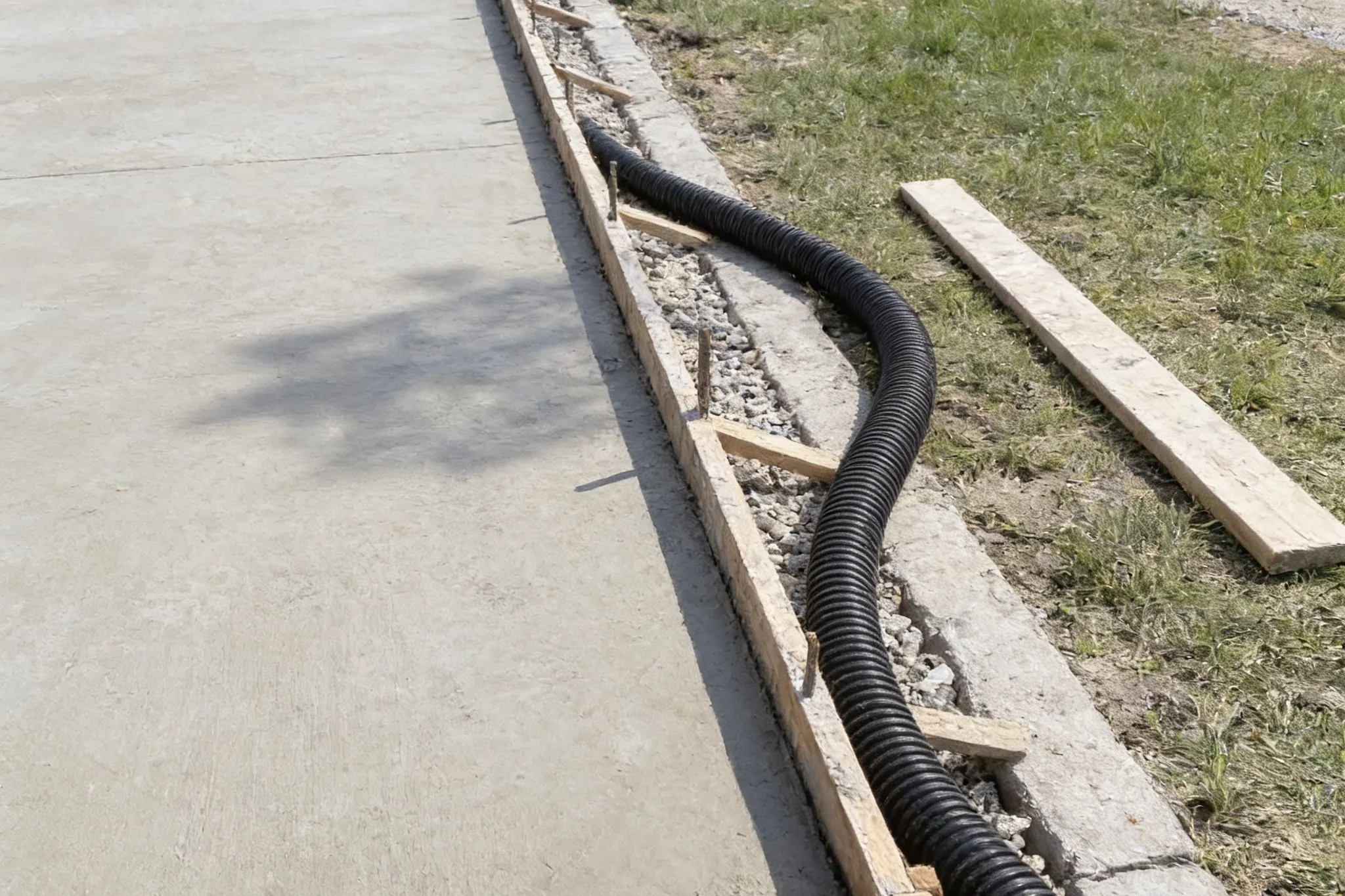
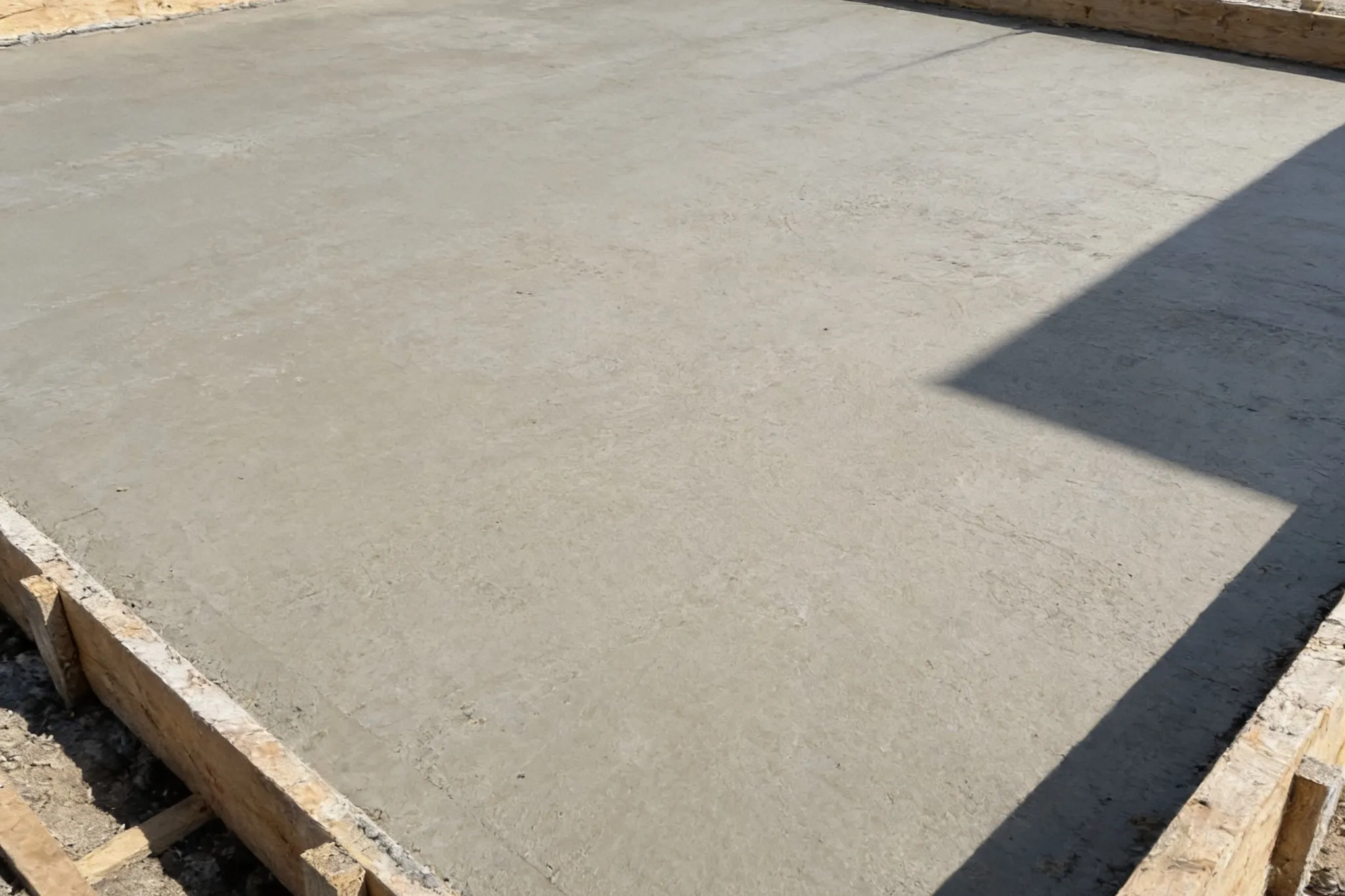
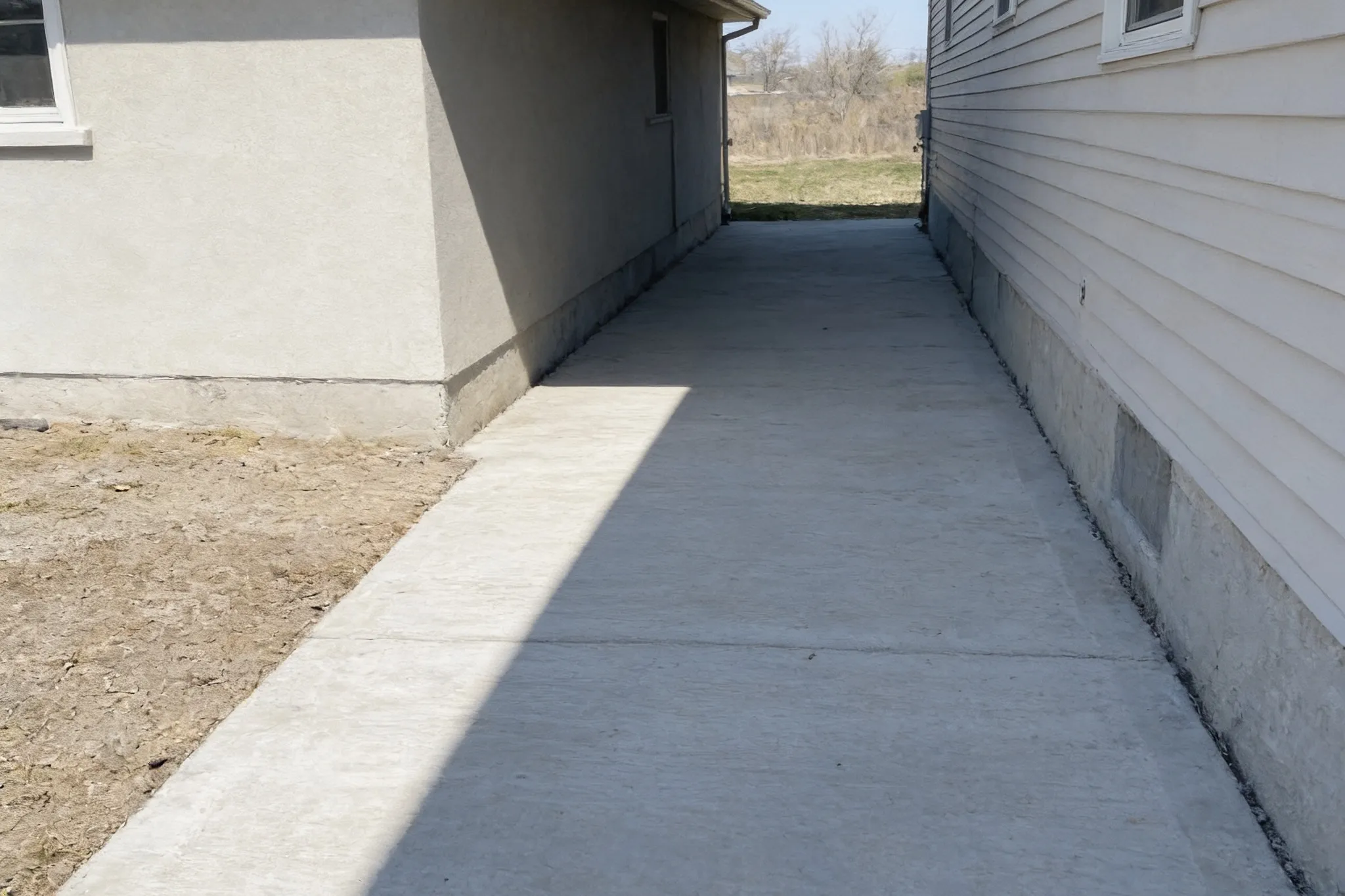
Walkway · Southern Ontario 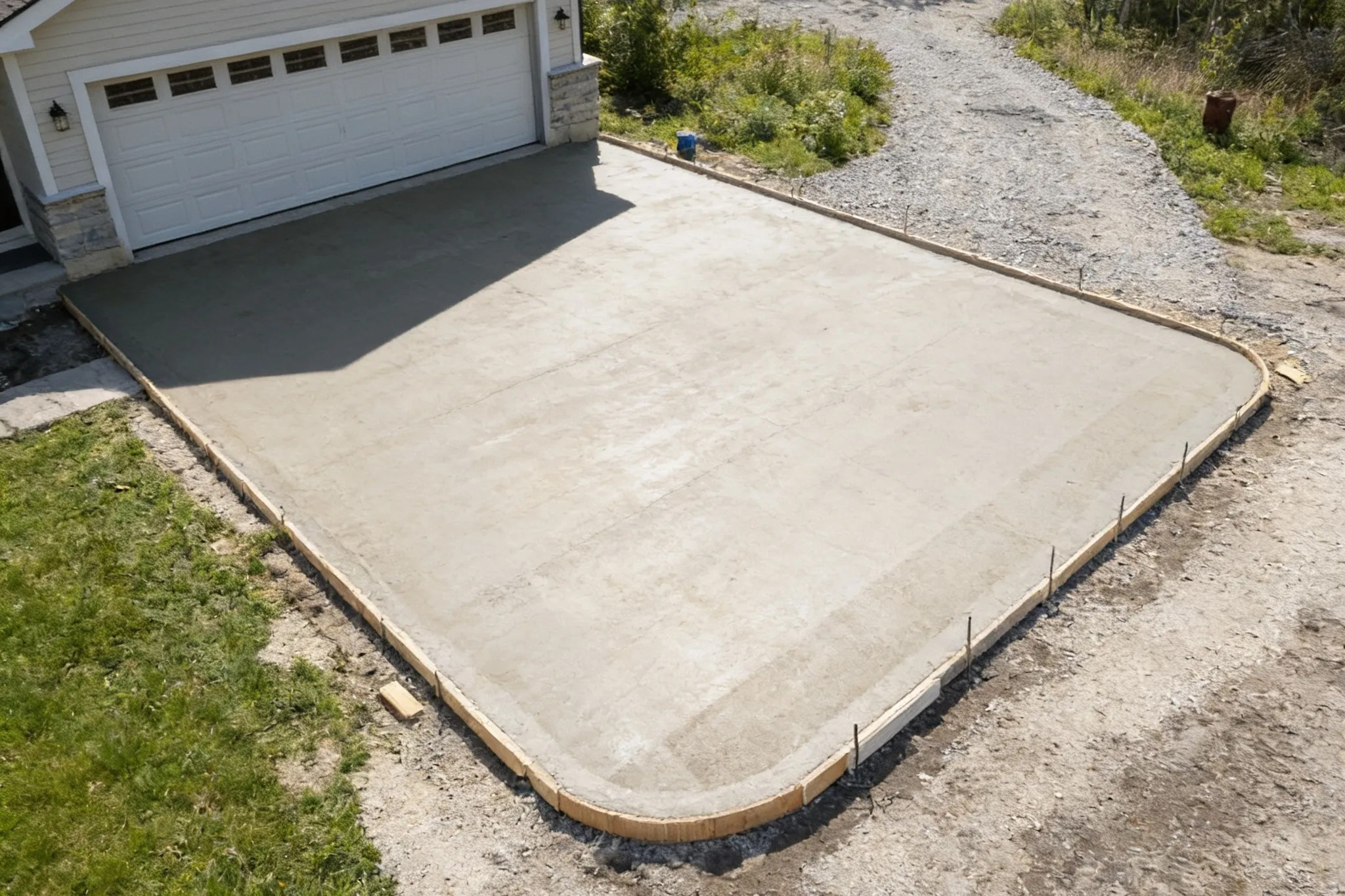
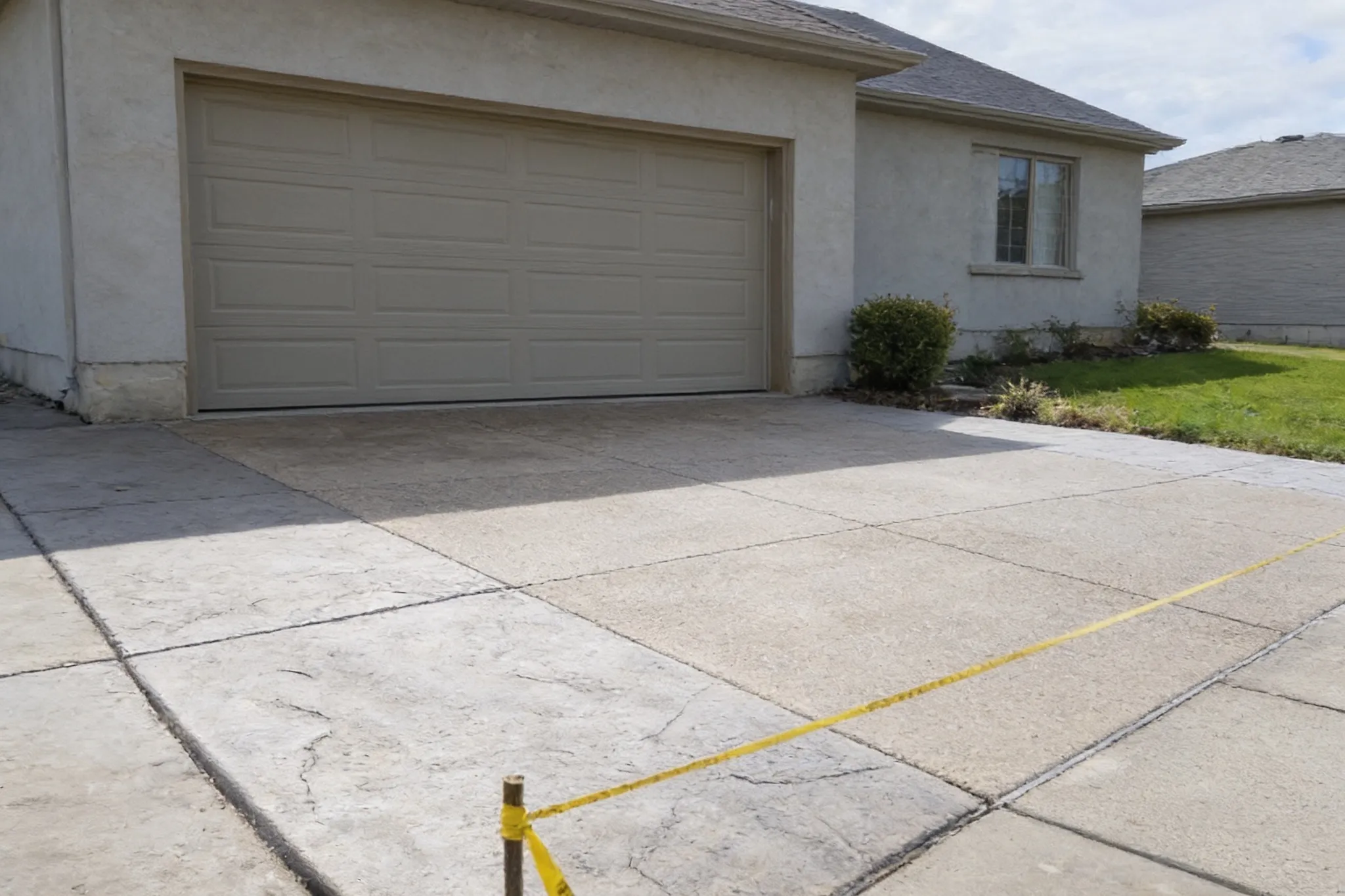
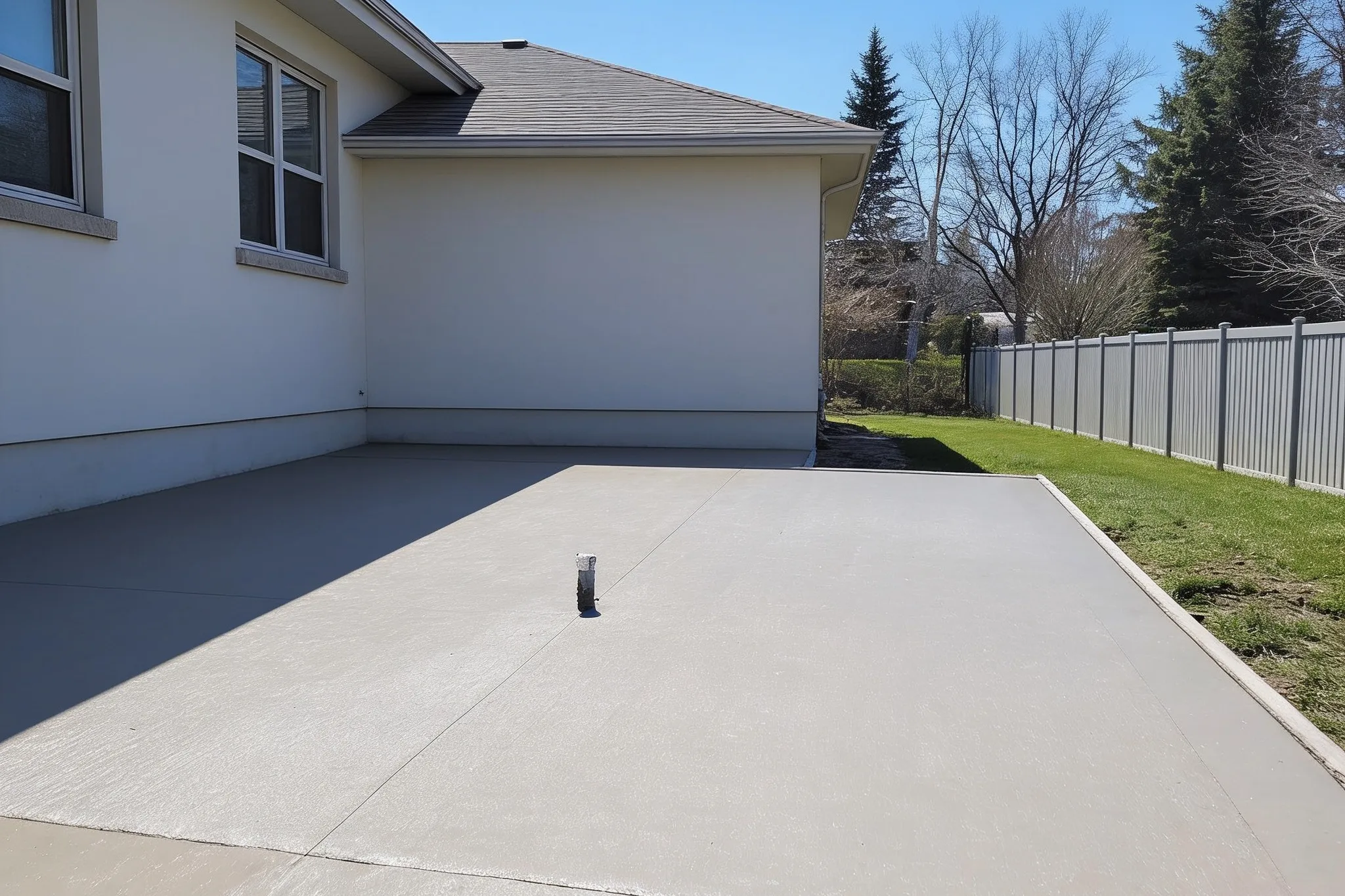
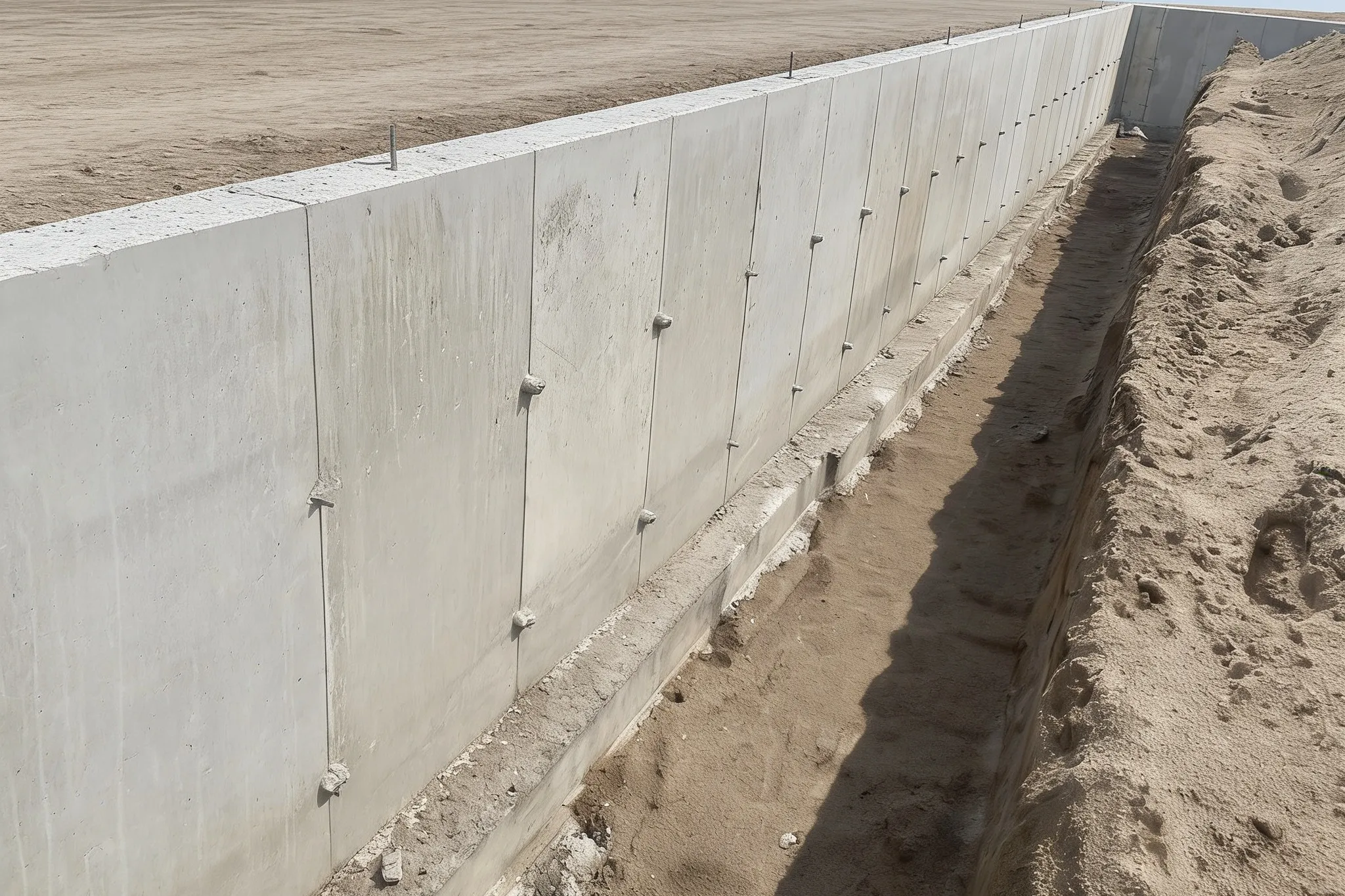
Walkway · Southern Ontario 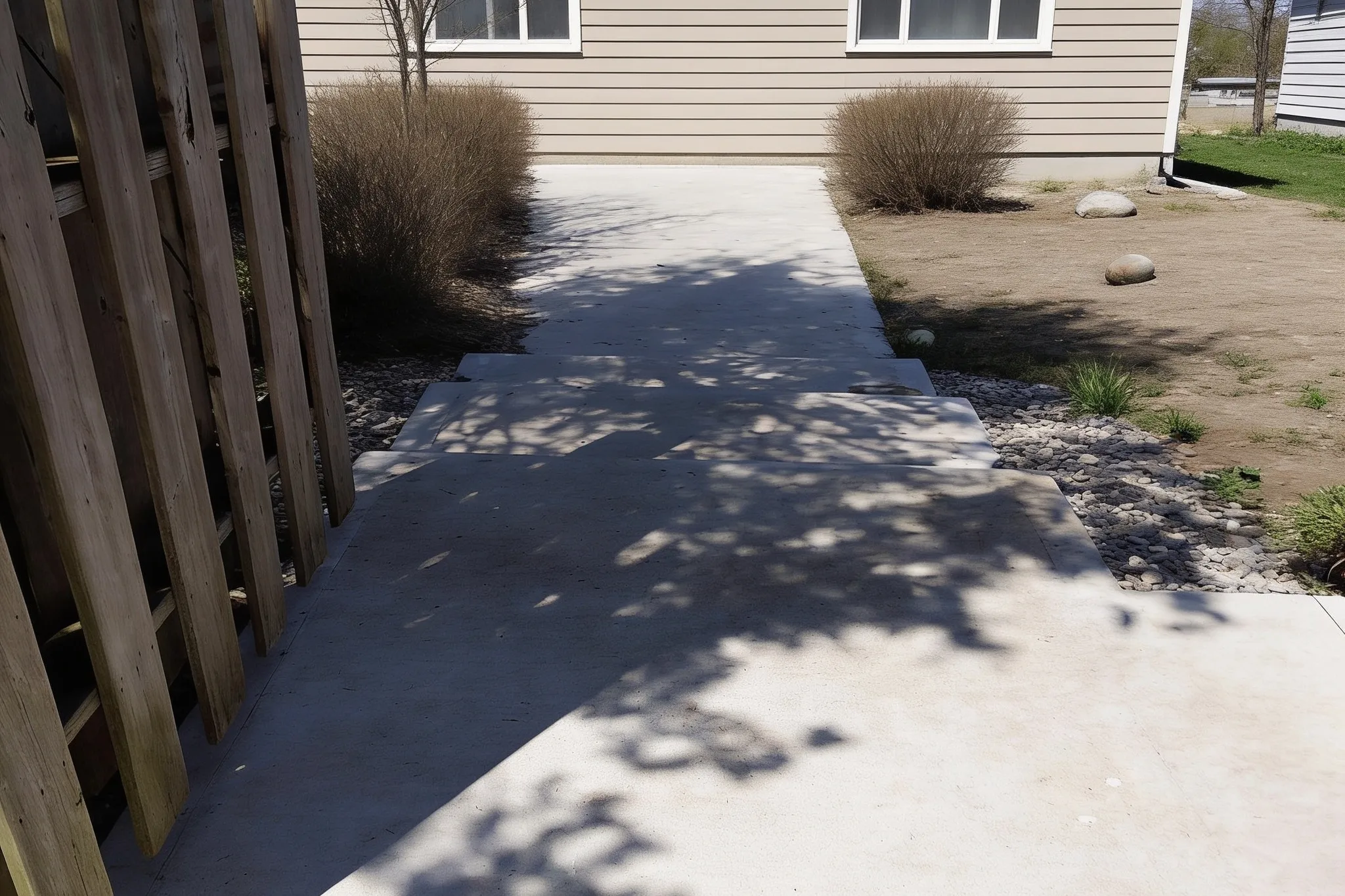
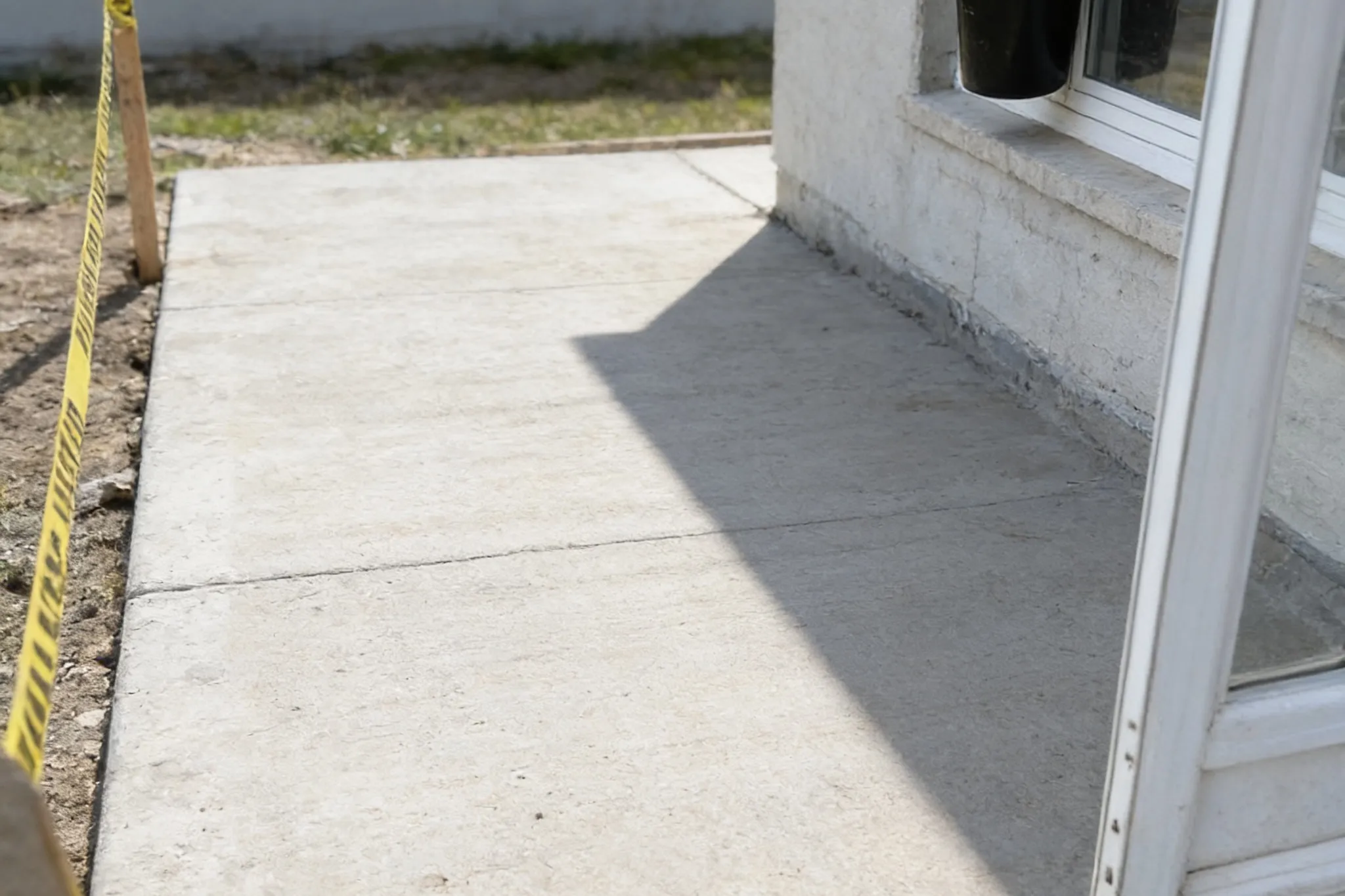
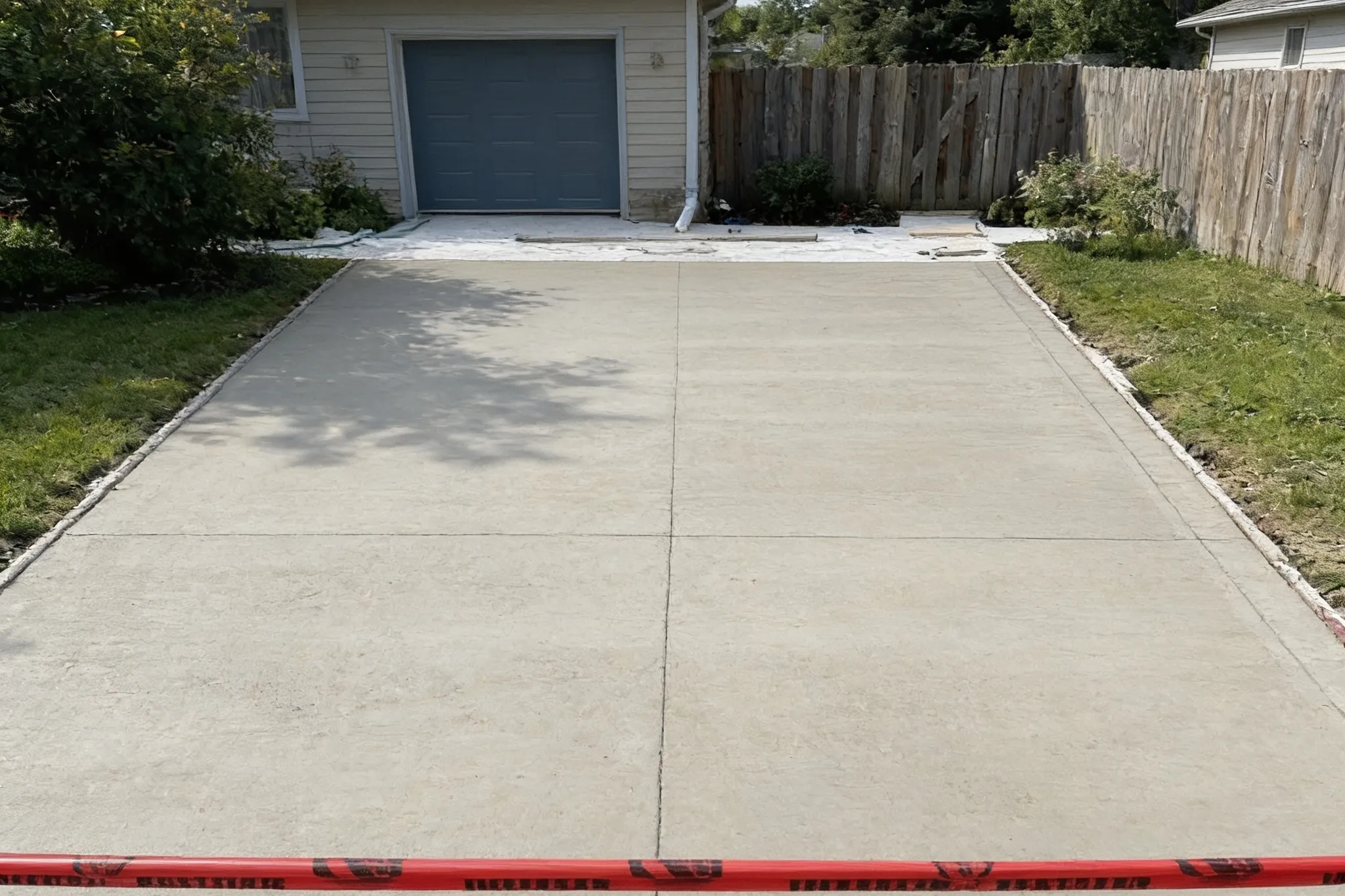
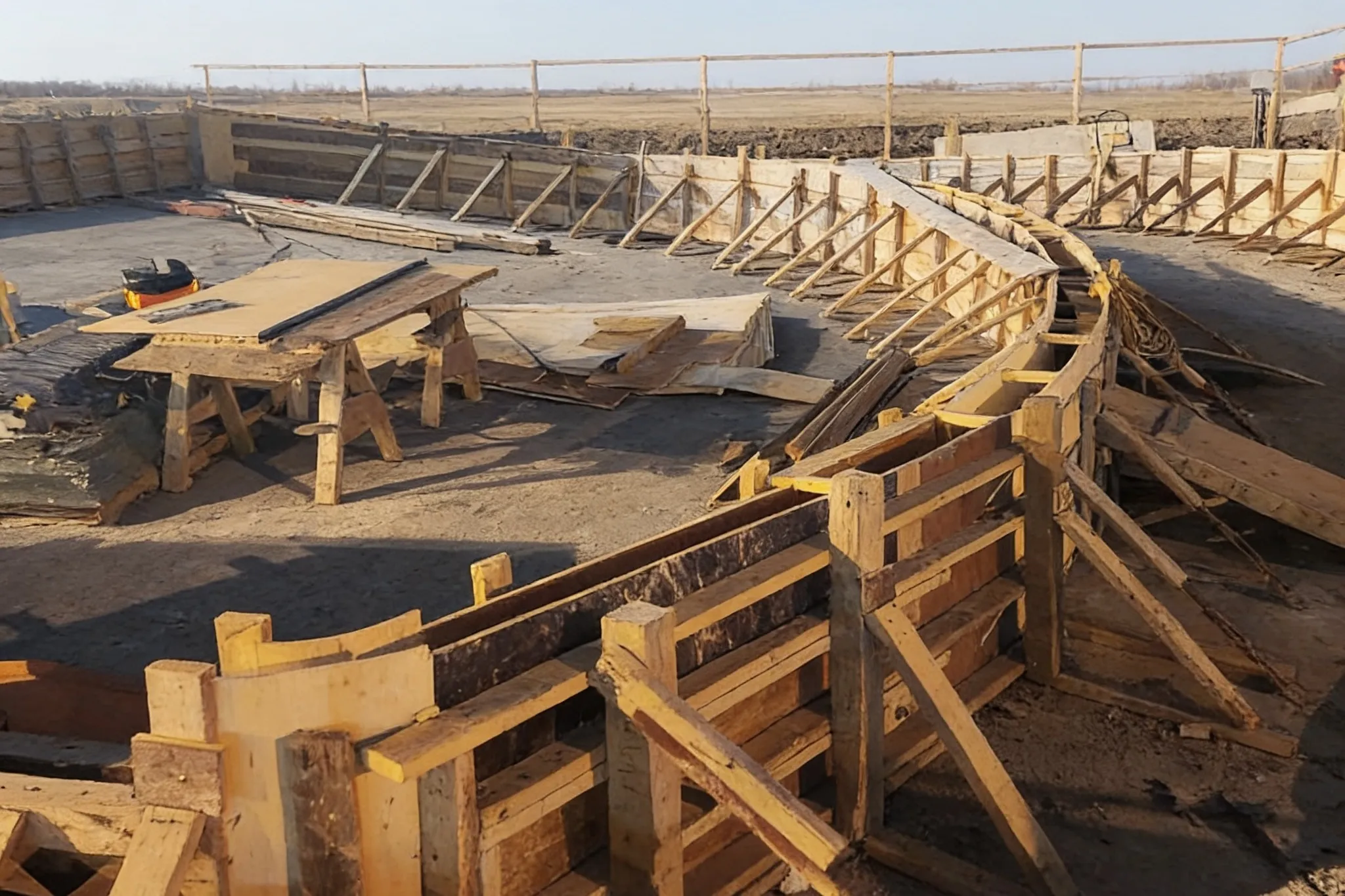
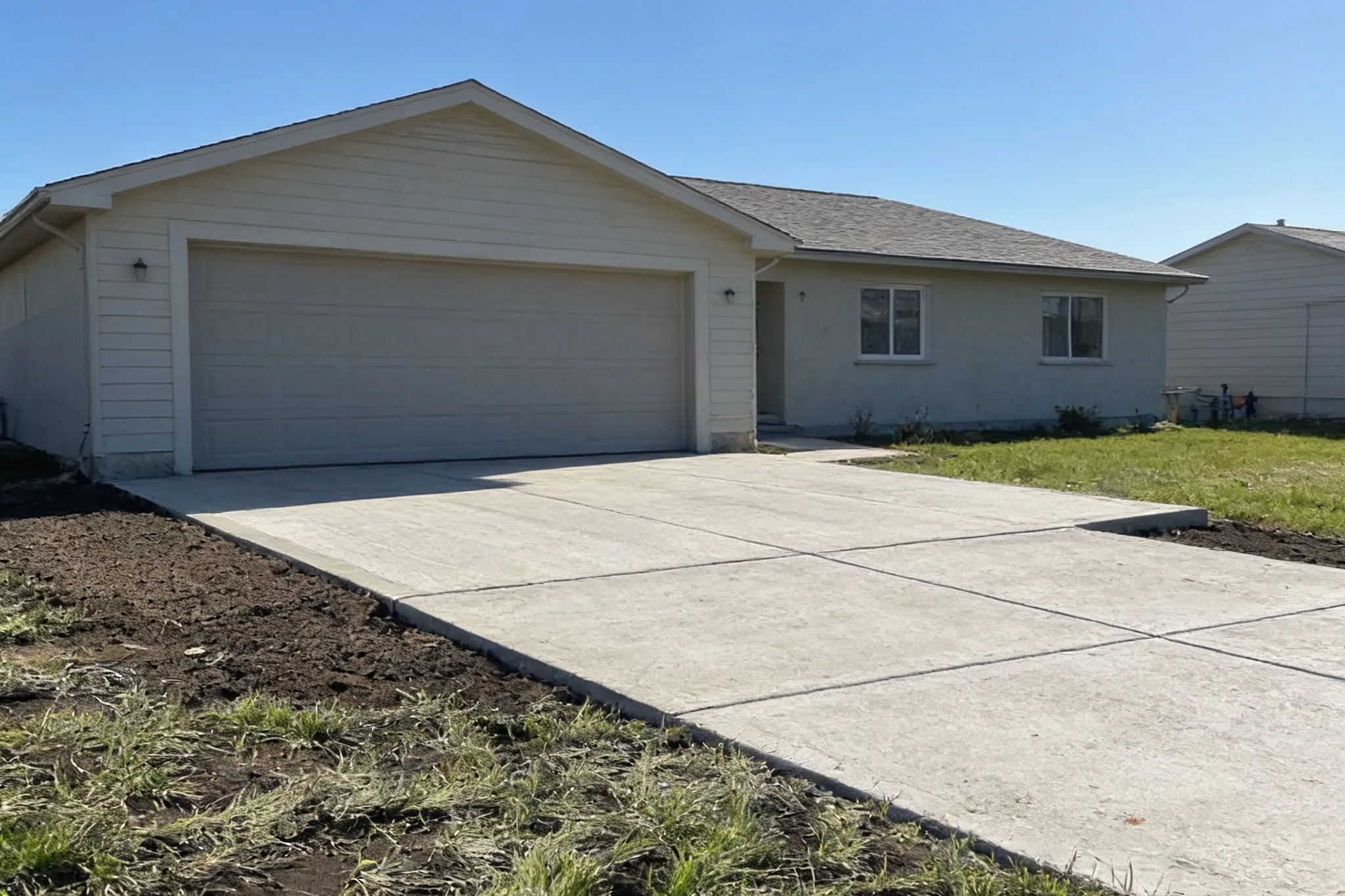
Concrete walkway · Southern Ontario 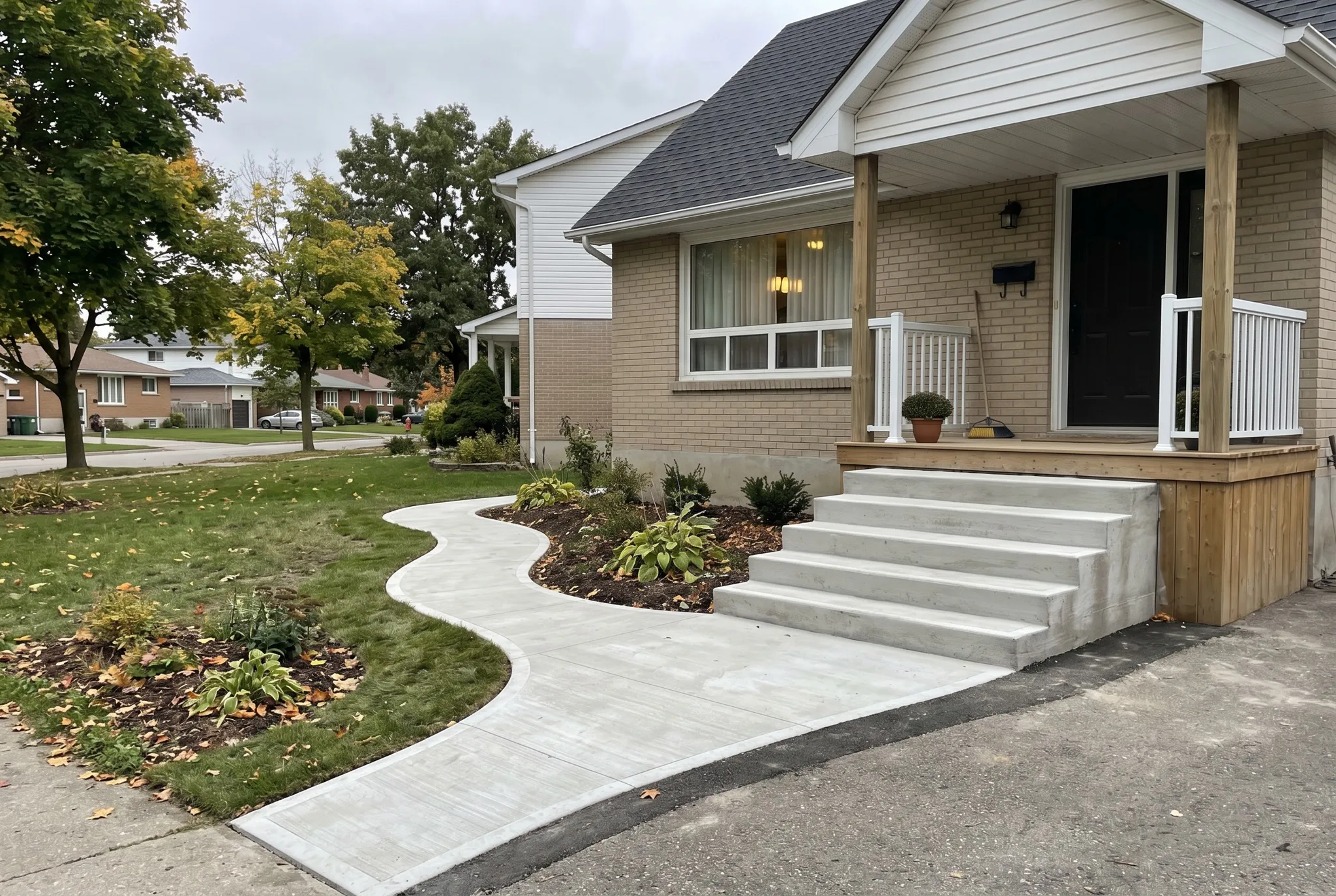
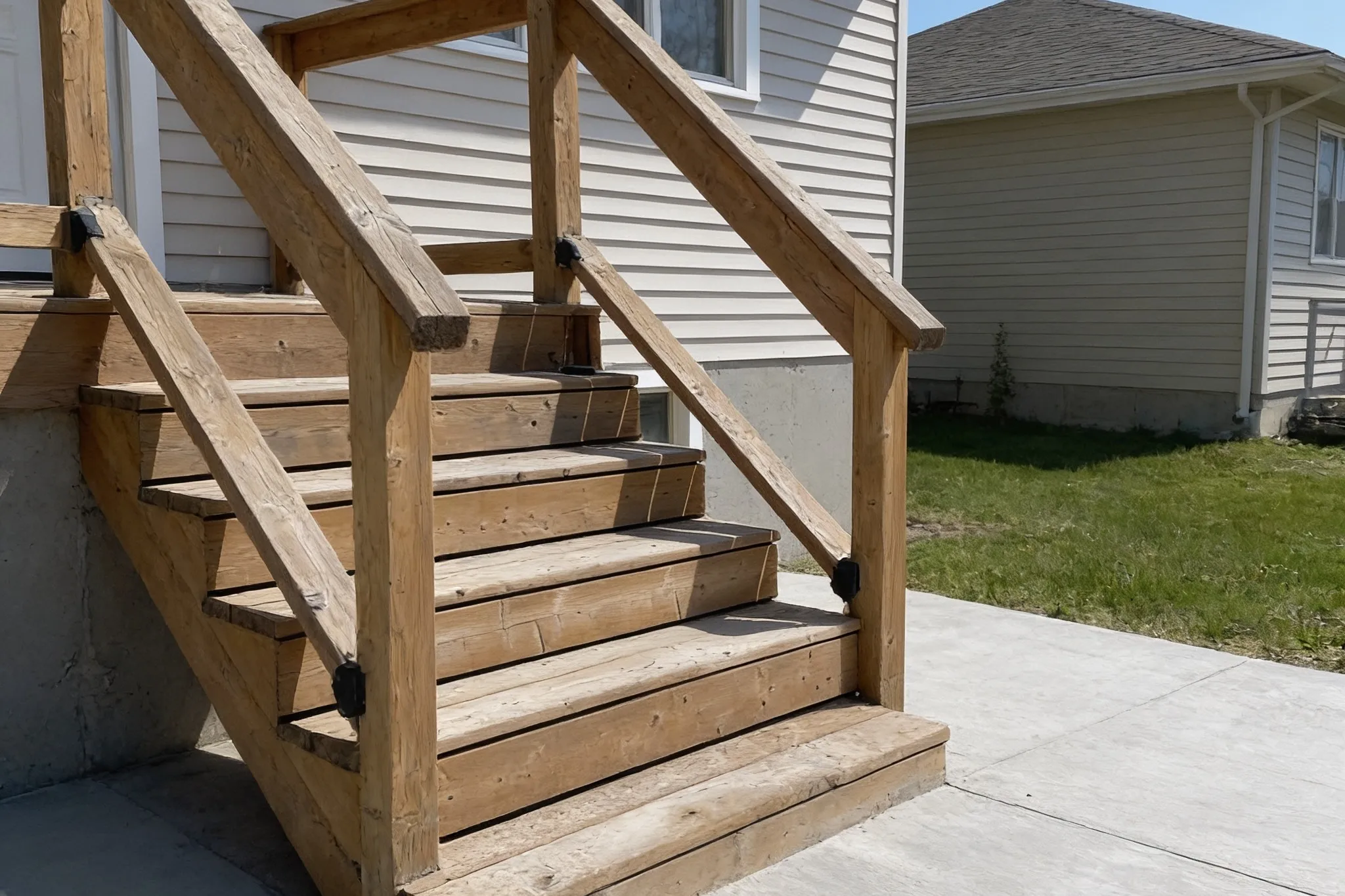
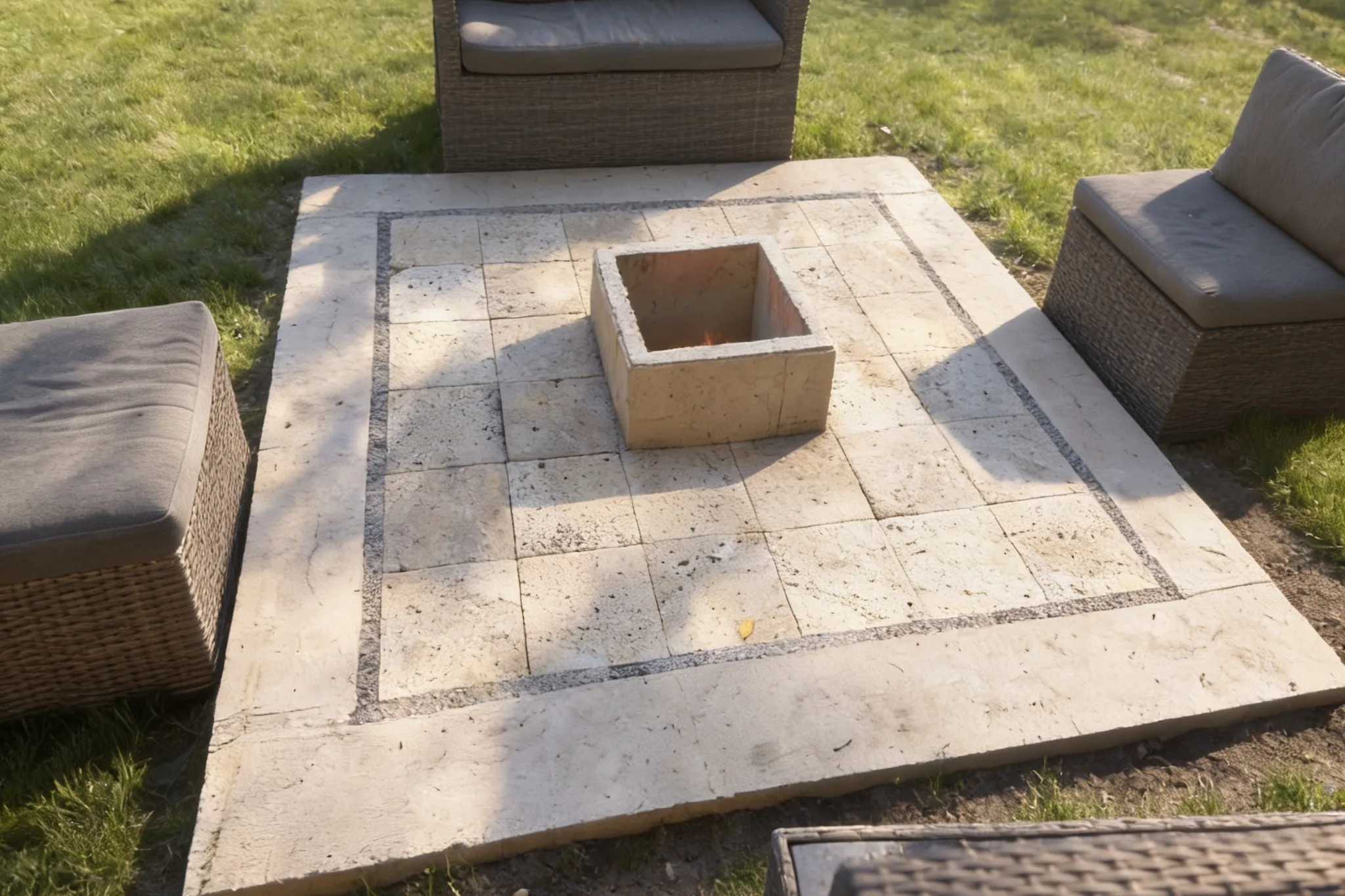
Concrete steps · Southern Ontario
Straight answers
Can you rebuild the front walkway and steps as one entrance project?
Yes. Treating them as one project lets us set the path grade, landing height, riser spacing and drainage together instead of forcing new work to meet a failed piece. It can also share the tear-out, base crew and concrete delivery. The written quote can separate the walkway and steps so you can see exactly what each part adds.
How much do new concrete steps cost in Ontario?
Steps are quoted by the job rather than by area, because riser count, total height, footings, and tear-out of the old set drive the cost more than square footage does. A walkway is more predictable, since it scales mostly with length and width and the finish you choose. There's no honest flat rate for either, so the quote is free, written, and broken into pieces you can compare against anyone else's.
Our concrete porch is rotting at the corners. Can it be saved?
Often, yes. What you're seeing is spalling, the surface breaking down under water, salt, and freeze-thaw, rather than anything truly rotting. If the slab underneath is sound, resurfacing rebuilds the top and the corners for far less than a rebuild. If water has been getting into the body of the porch for years and it's cracked through or settling, the honest answer is a rebuild on proper footings. We tell you which one you have before any talk of money.
Our old sidewalk is crumbling. Can you replace just the worst sections?
Yes, on your own property. Concrete replaces cleanly at the joints, so we cut out the failed panels and pour new ones to the same line and height. Expect the new panels to look brighter for a season or two; concrete weathers toward grey but never perfectly matches its neighbours, and anyone promising an invisible patch is overselling. If the broken panel is the municipal sidewalk at the curb, that repair belongs to the township, and we'll point you at the right desk.
Why did my front steps sink and pull away from the house?
They were bearing on backfill, the loose soil placed against your foundation when the house was built. It keeps settling for decades, and steps poured on top settle with it while the house, on deep footings, stays put. Solid steps that sank can sometimes be lifted back into position; failed ones get rebuilt on footings below the frost line so it doesn't happen twice. The gap they left matters too, because it's been steering water at your foundation wall.
Will a new walkway match our existing concrete?
Not at first, and we'd rather tell you now. New concrete pours light and darkens as it cures and weathers, while your existing concrete carries years of sun and salt in its colour. The match gets close after a season or two but is never perfect. Where looks matter most, the clean moves are a full-run replacement, a deliberate contrast like a border, or a finish change that makes the new section read as intentional.
How long before we can use the new steps and walkway?
Foot traffic is fine after 24 to 48 hours, and we'll give you the exact window for your pour and the weather. Skip de-icing salt entirely the first winter, because young concrete is most vulnerable to it in year one; use sand for grip instead. Sealing comes at about 28 days, once the early cure is done, and the timing goes home with you in writing.
Where we handle walkways & steps
See local ground conditions, housing details, and service coverage for these communities.
- Walkways & Steps in St. GeorgeBrant County
- Walkways & Steps in Brant CountyBrant County
- Walkways & Steps in SimcoeNorfolk County
- Walkways & Steps in Haldimand CountyHaldimand County
Related work
- Concrete Repair & ResurfacingCrumbling steps and spalling porch surfaces can often be rebuilt, and sunken-but-solid pieces lifted, for a fraction of replacement.
- Concrete DrivewaysReplacing the walkway and driveway together shares the tear-out, the truck, and the crew day, which moves real money off both.
- Stamped & Decorative ConcretePatterns, colours, and what decorative finishes add, if the entrance is where you want to spend it.
Tell us about the job.
Send the details and we'll get back to you within one business day with next steps. If water is coming in right now, check the box and we flag it urgent.
Get a straight quote
Free · no pressure · 1 business day