HomeServicesConcrete Walkways & StepsAncaster
Concrete Walkways & Steps in Ancaster
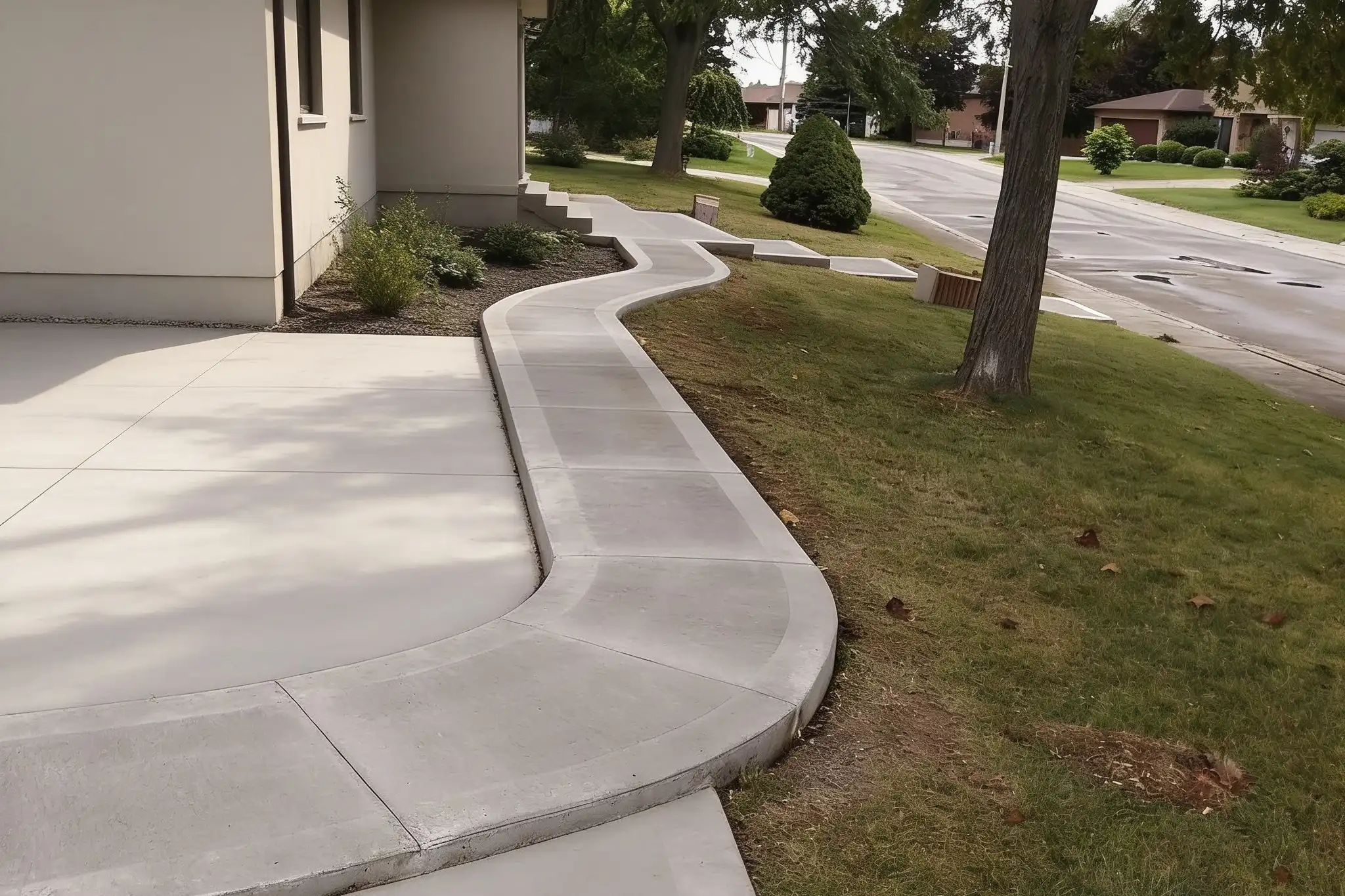
We build and rebuild concrete walkways, front steps and entrances across Ancaster. On escarpment clay, steps that attach to the house need footings below the frost line, and near Wilson Street a repair should match the home beside it. Union-certified crews, a free written quote, and a lifetime warranty on labour.
Get a straight quote
Free · no pressure · 1 business day
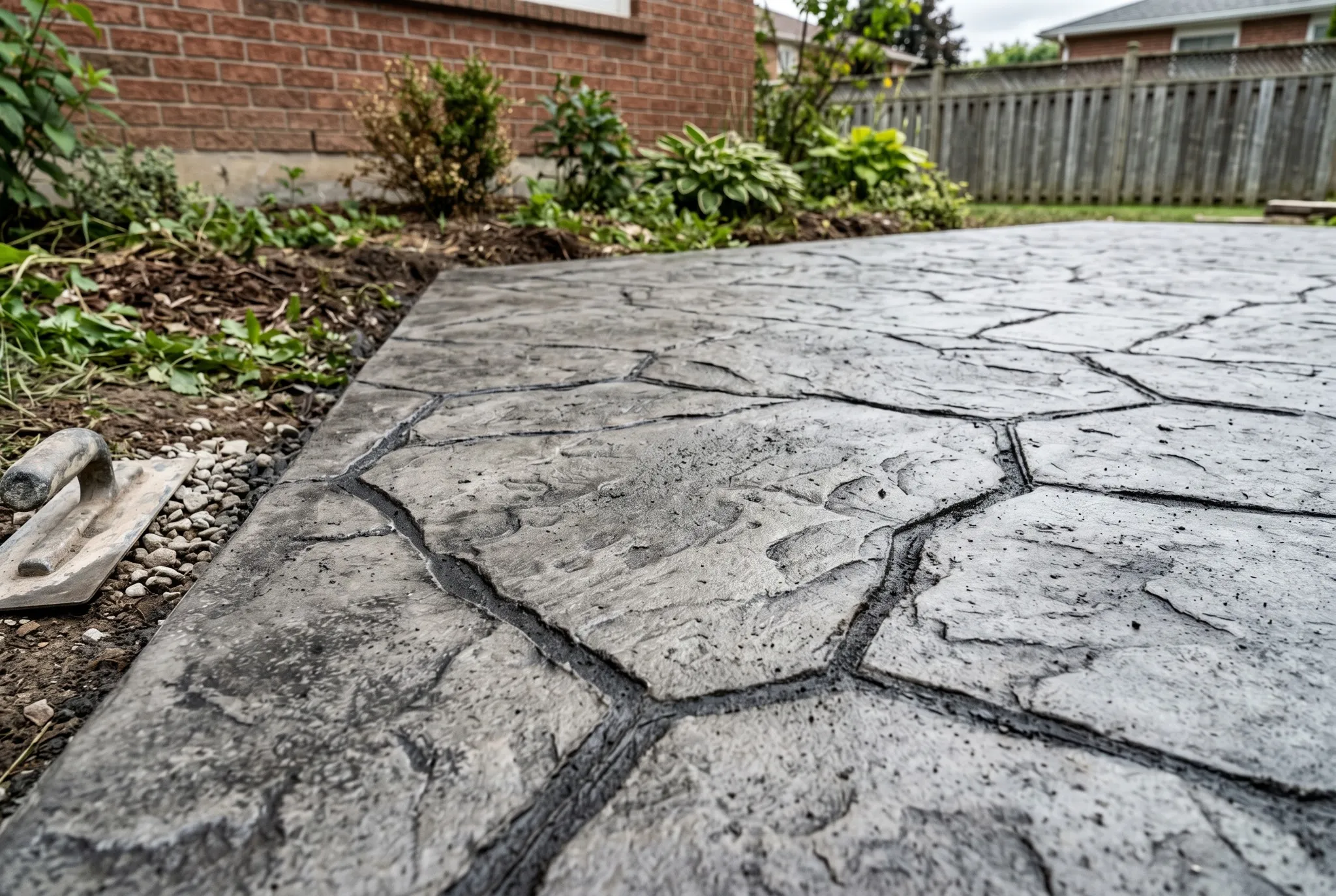
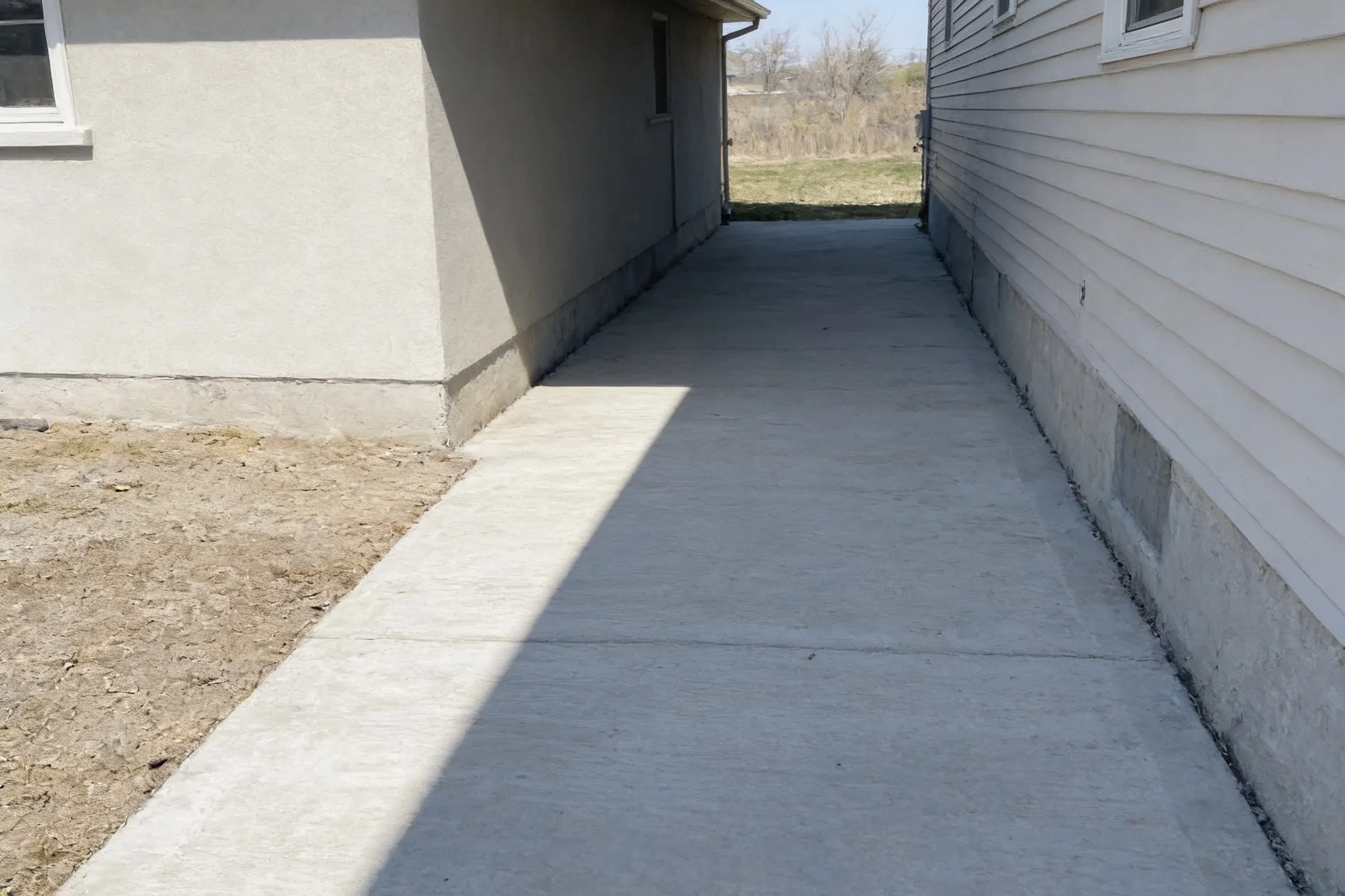
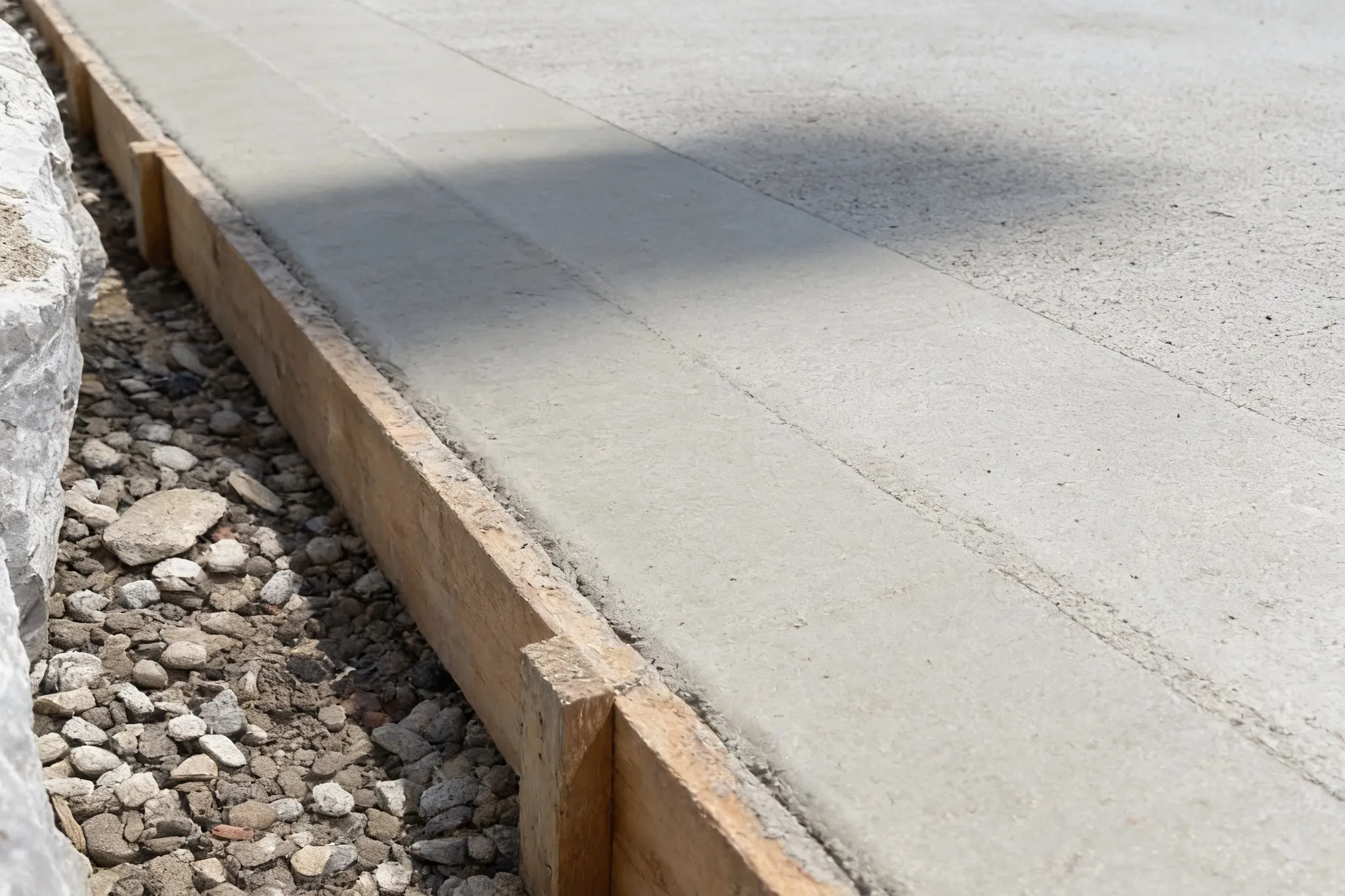
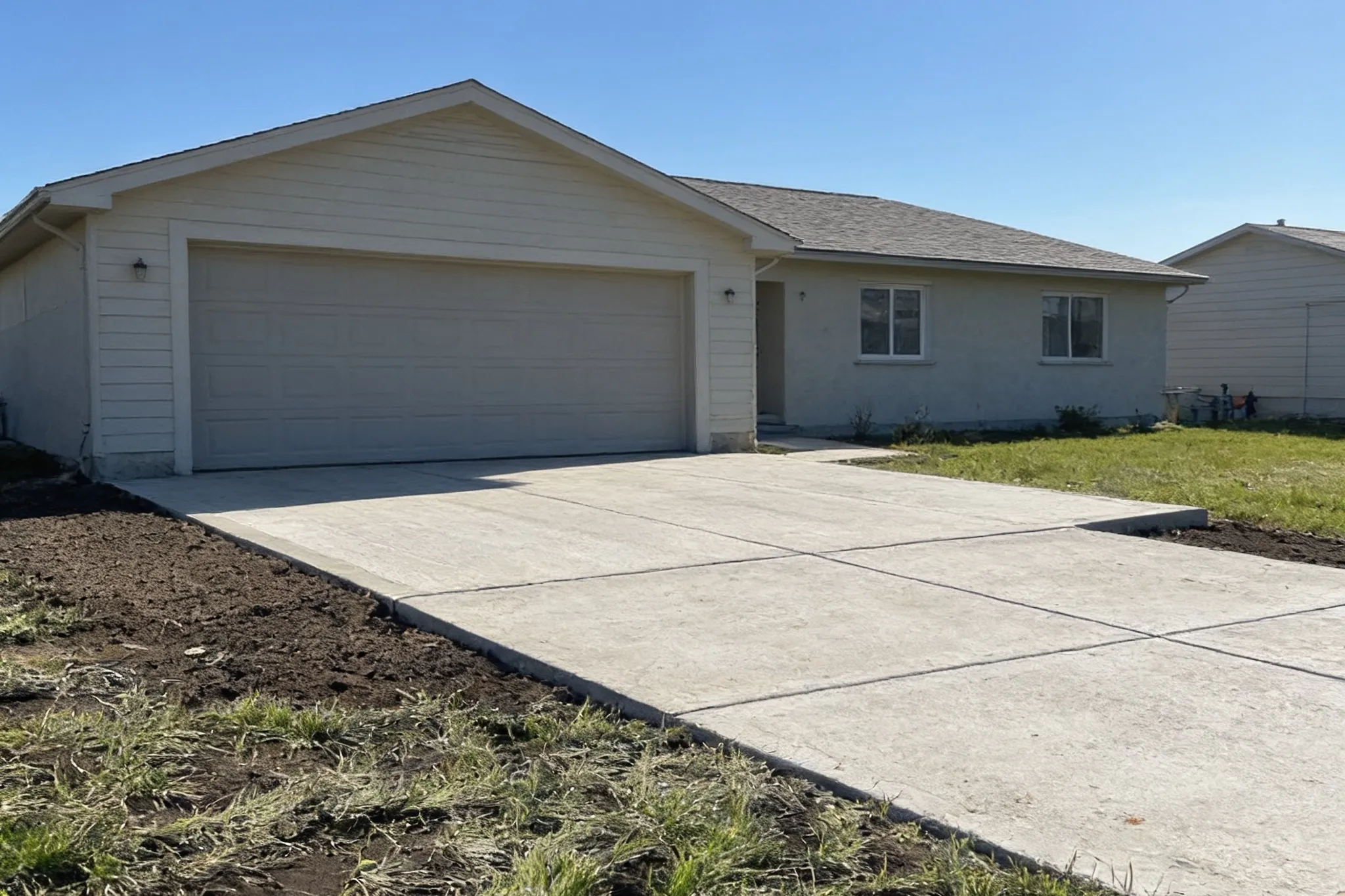
Reviewed June 2026
Every job is priced individually, not off a price list. Tell us about yours and you get an accurate, no-pressure quote in writing.
Ancaster sits on and just above the Niagara Escarpment, where clay and clay-loam soils lie over limestone bedrock. Clay is the part that moves: it heaves when frost reaches under a slab on a shallow base.
The town runs two ways. The old village around Wilson Street has Victorian and stone homes with steps and walks that need careful repair. East of Highway 403, the Meadowlands, Tiffany Hills and Spring Valley are newer subdivisions.
The full method, footings, mix and thickness, is on our concrete walkways and steps page. This page is about what an Ancaster entrance needs in particular.
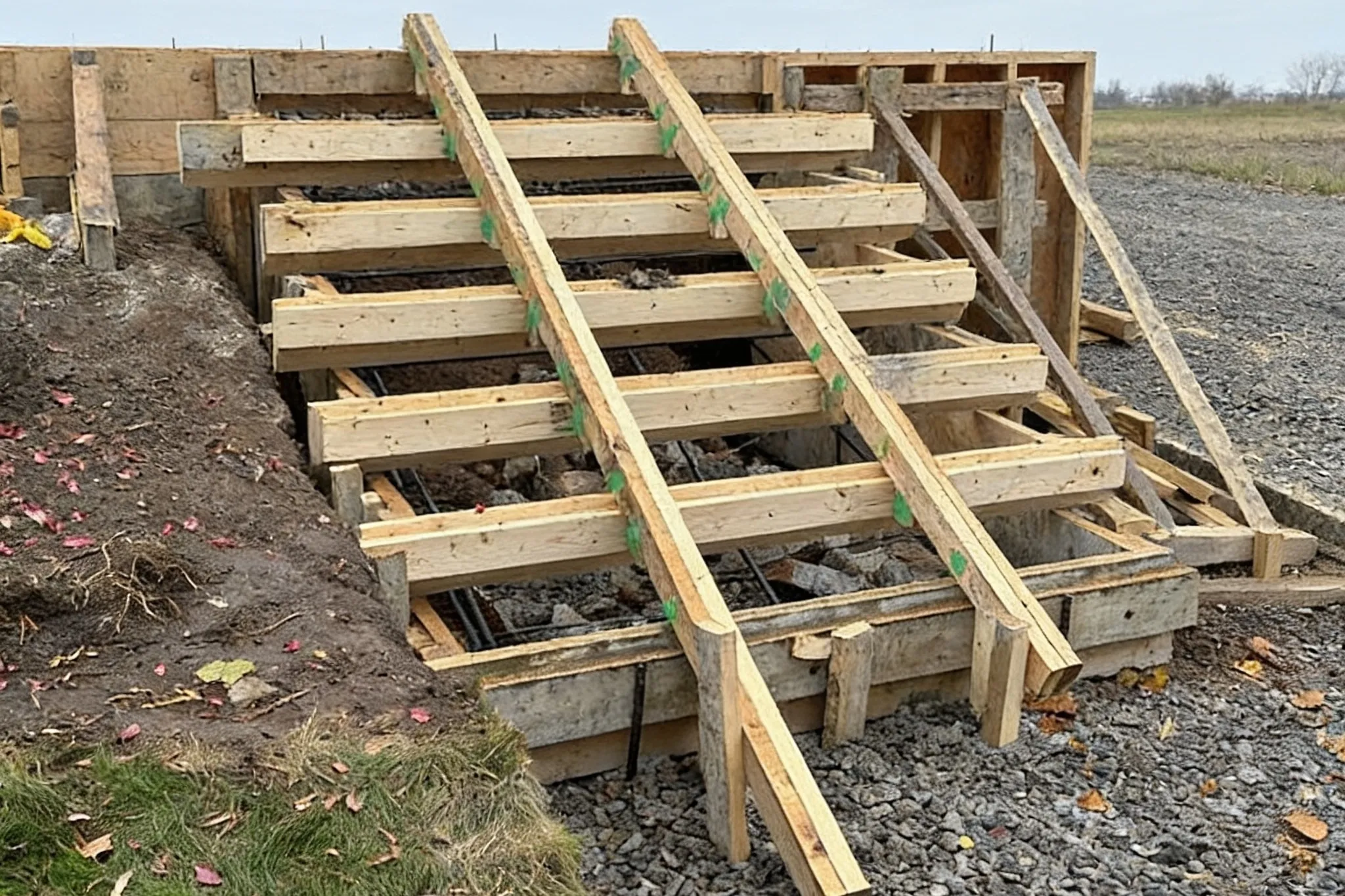
Steps on escarpment clay need footings below the frost line
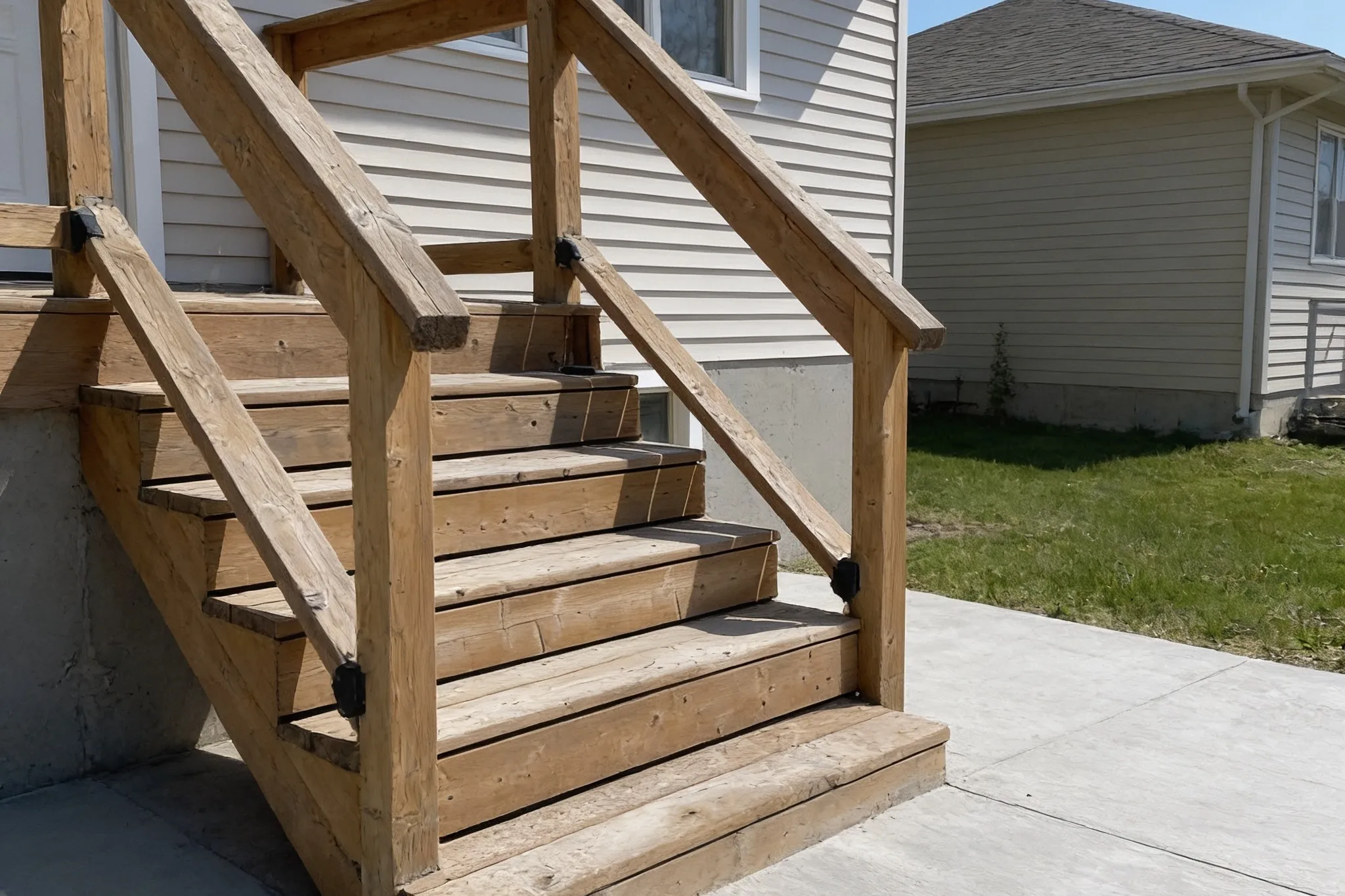
Your house sits on footings below the frost line. Front steps that only sit on the ground do not, so on Ancaster clay they rise and drop each winter and pull away from the house. New steps and porches that attach to the house get footings dug to about 1.2 metres, or get doweled into the foundation wall where that is the sounder detail for the site.
Near Wilson Street: repair to match
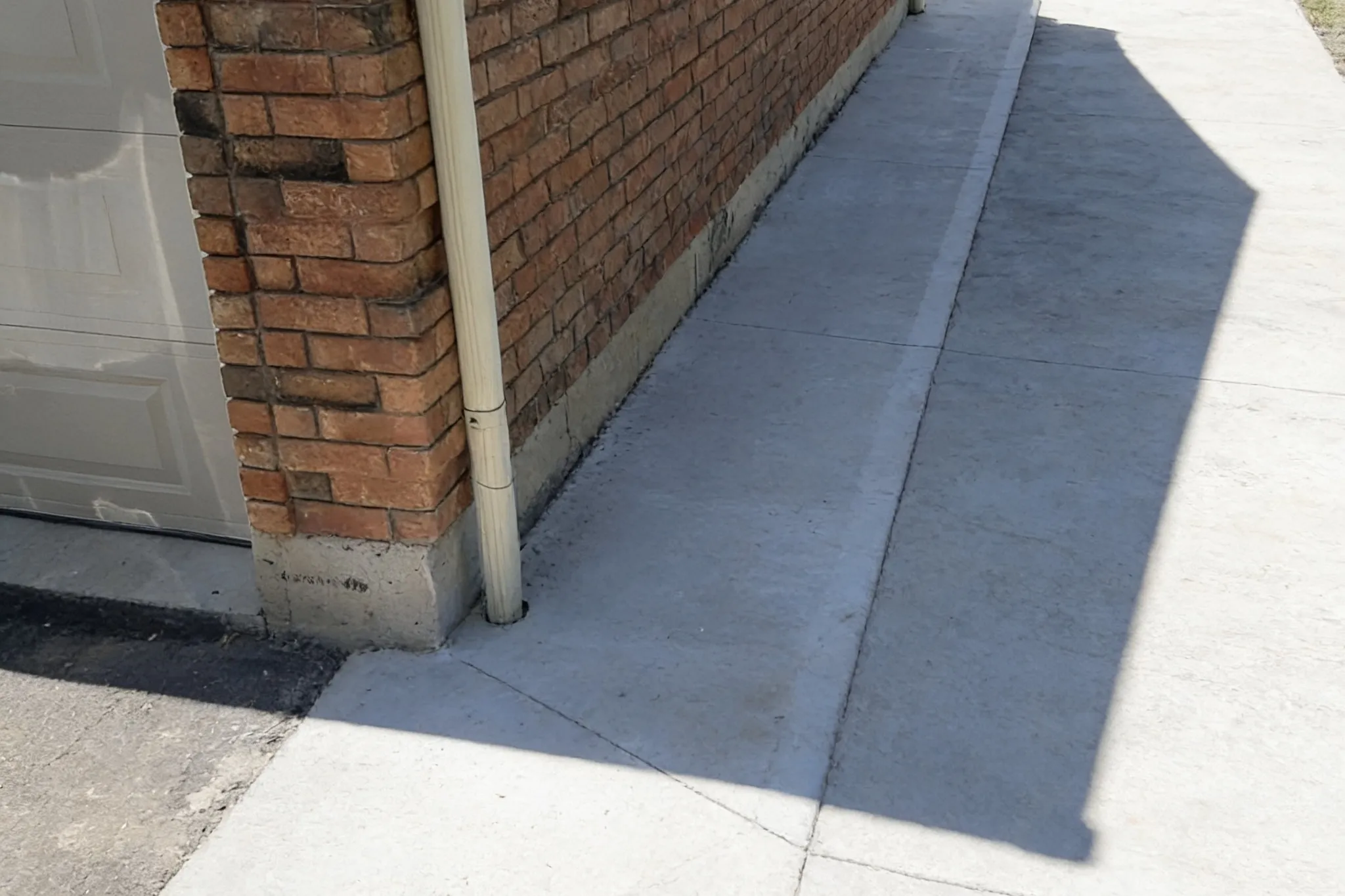
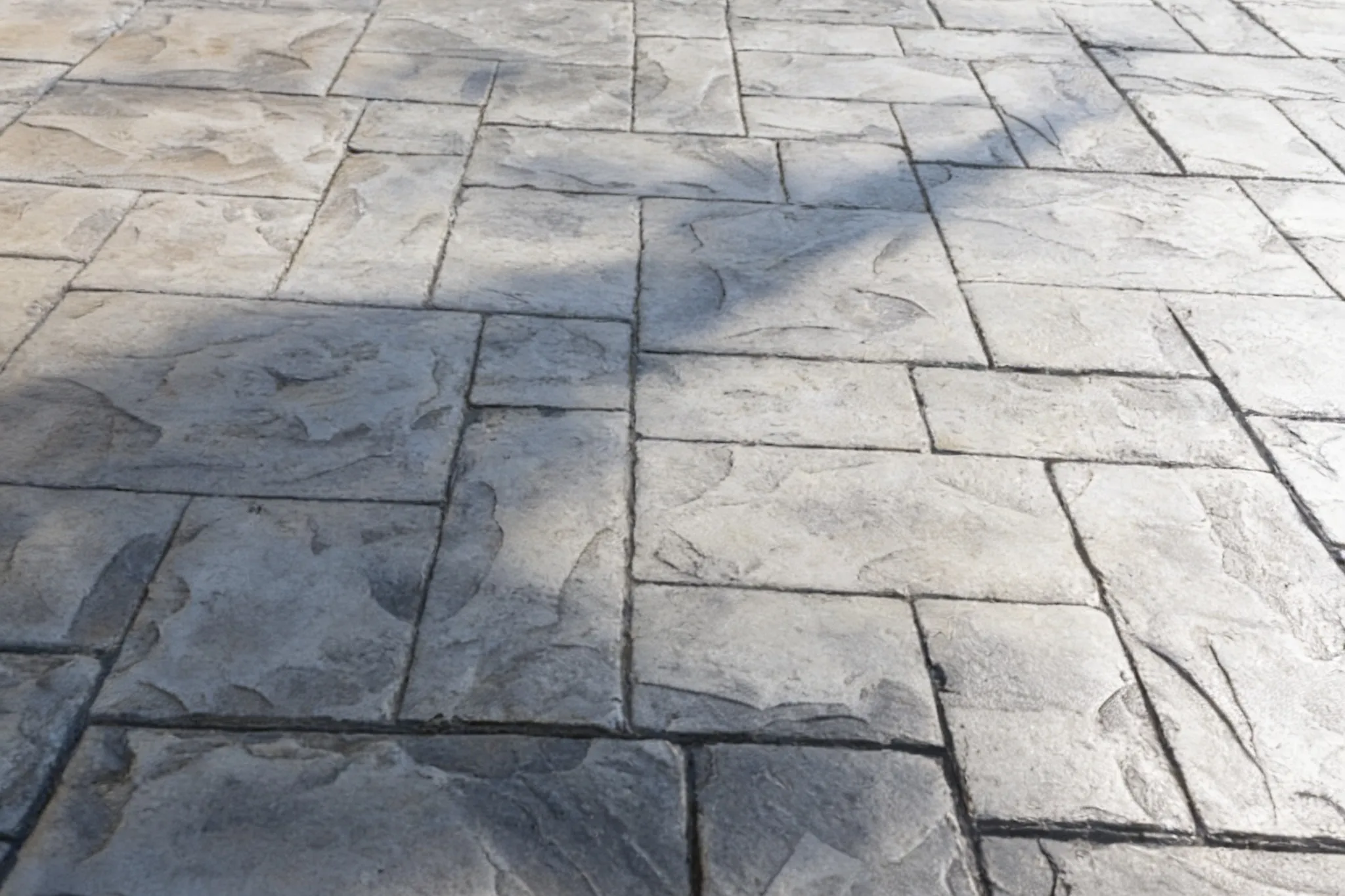
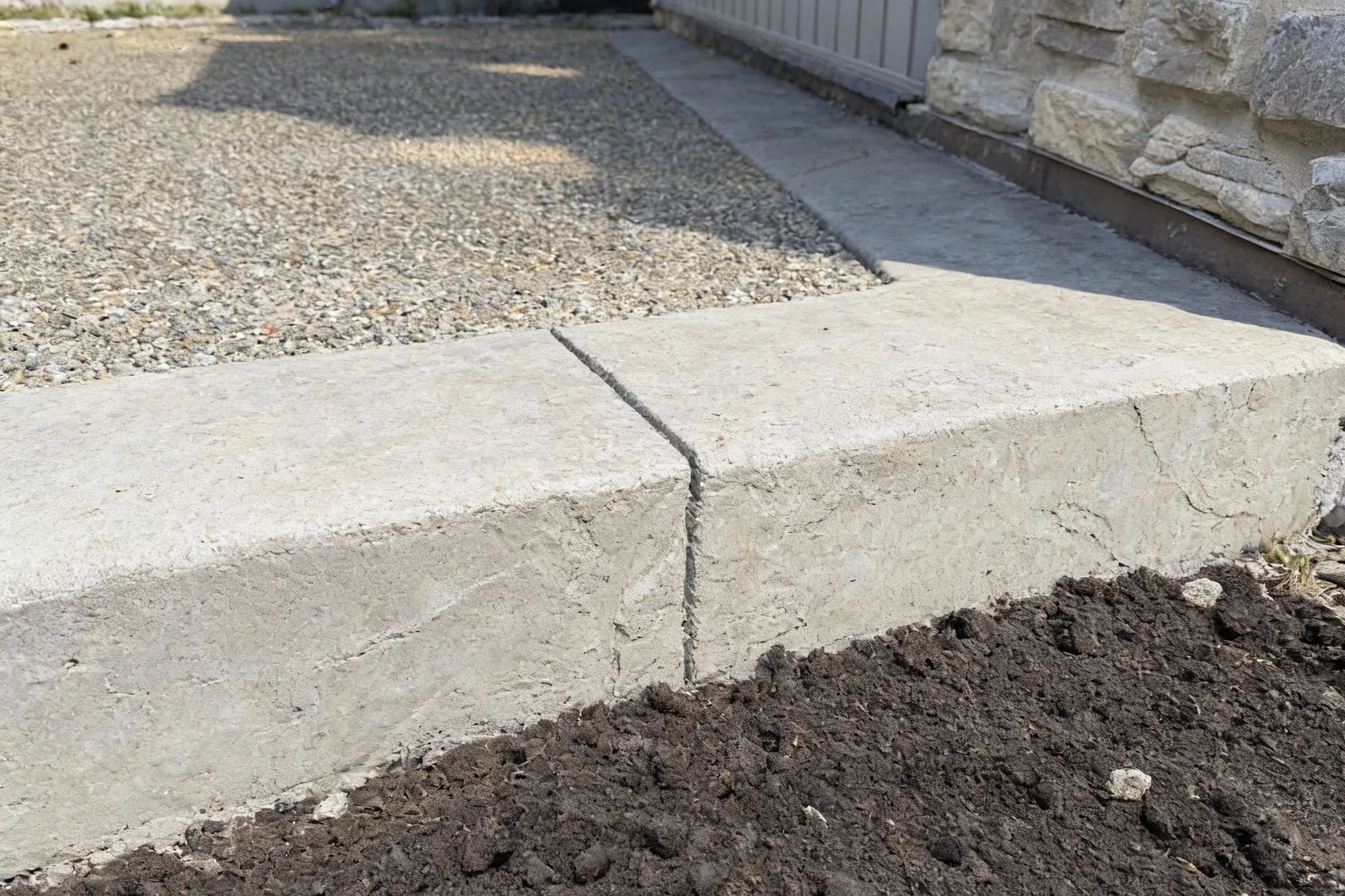
Homes in the old village are tightly protected, and the steps and walks beside them should look like they belong. We match what is there and keep the proportions of the original steps and walks. A sound set of steps that only settled can sometimes be lifted back, and surface damage can often be resurfaced. Steps cracked through get rebuilt on proper footings.
We tell you which one you have at the free site visit. Tear-out and disposal of the old steps are in the written quote.
Newer subdivisions east of the 403
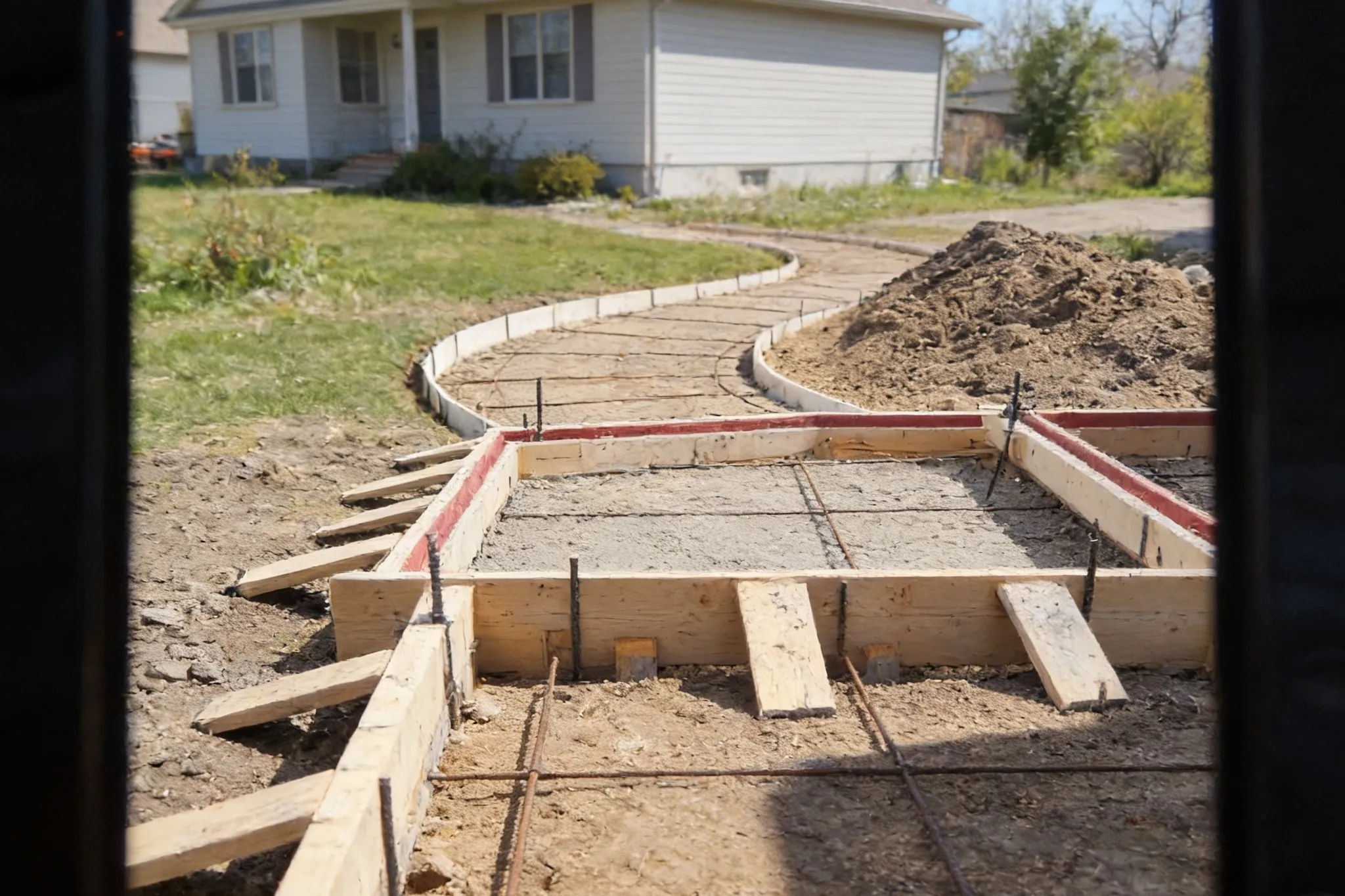
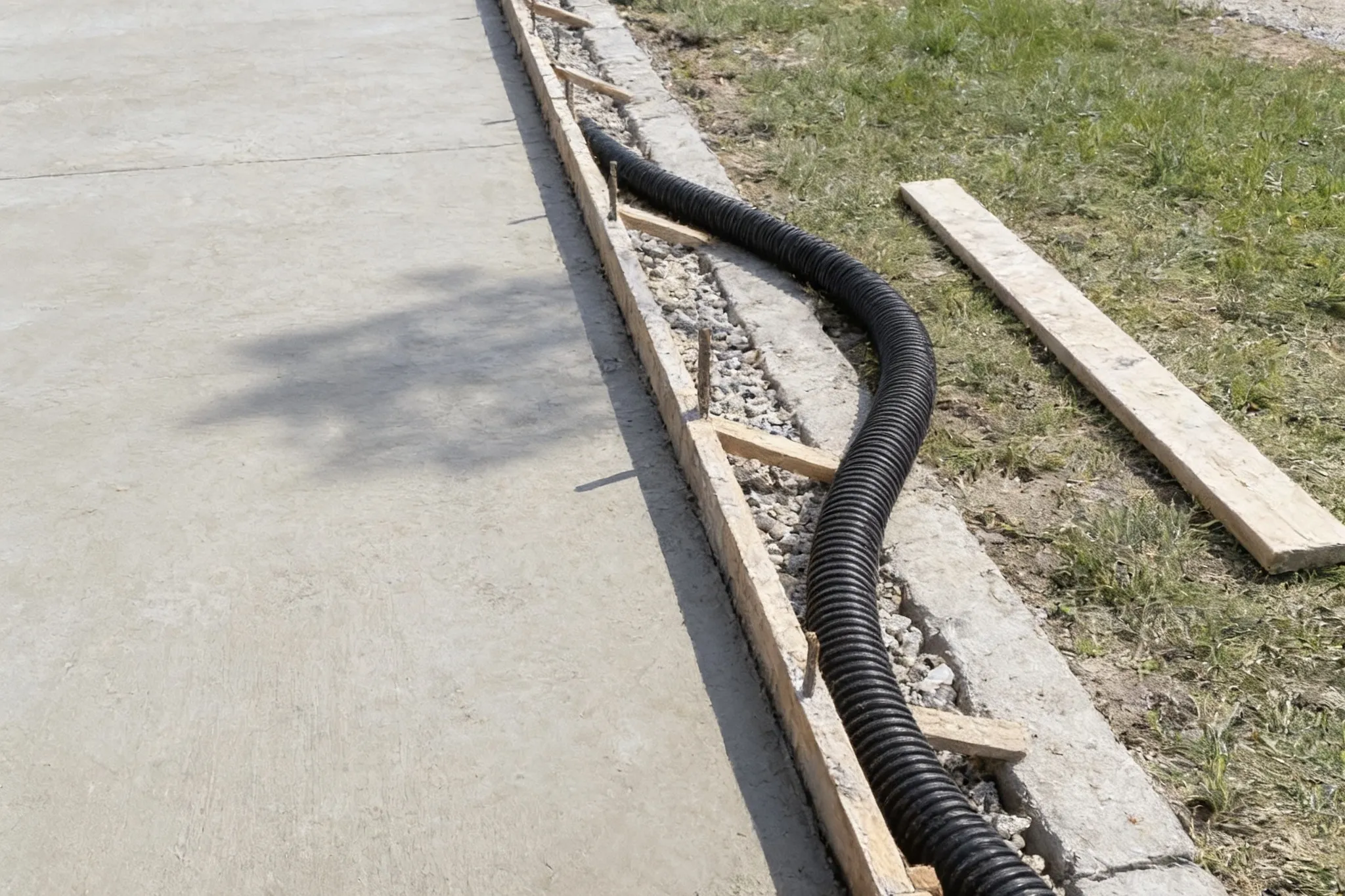
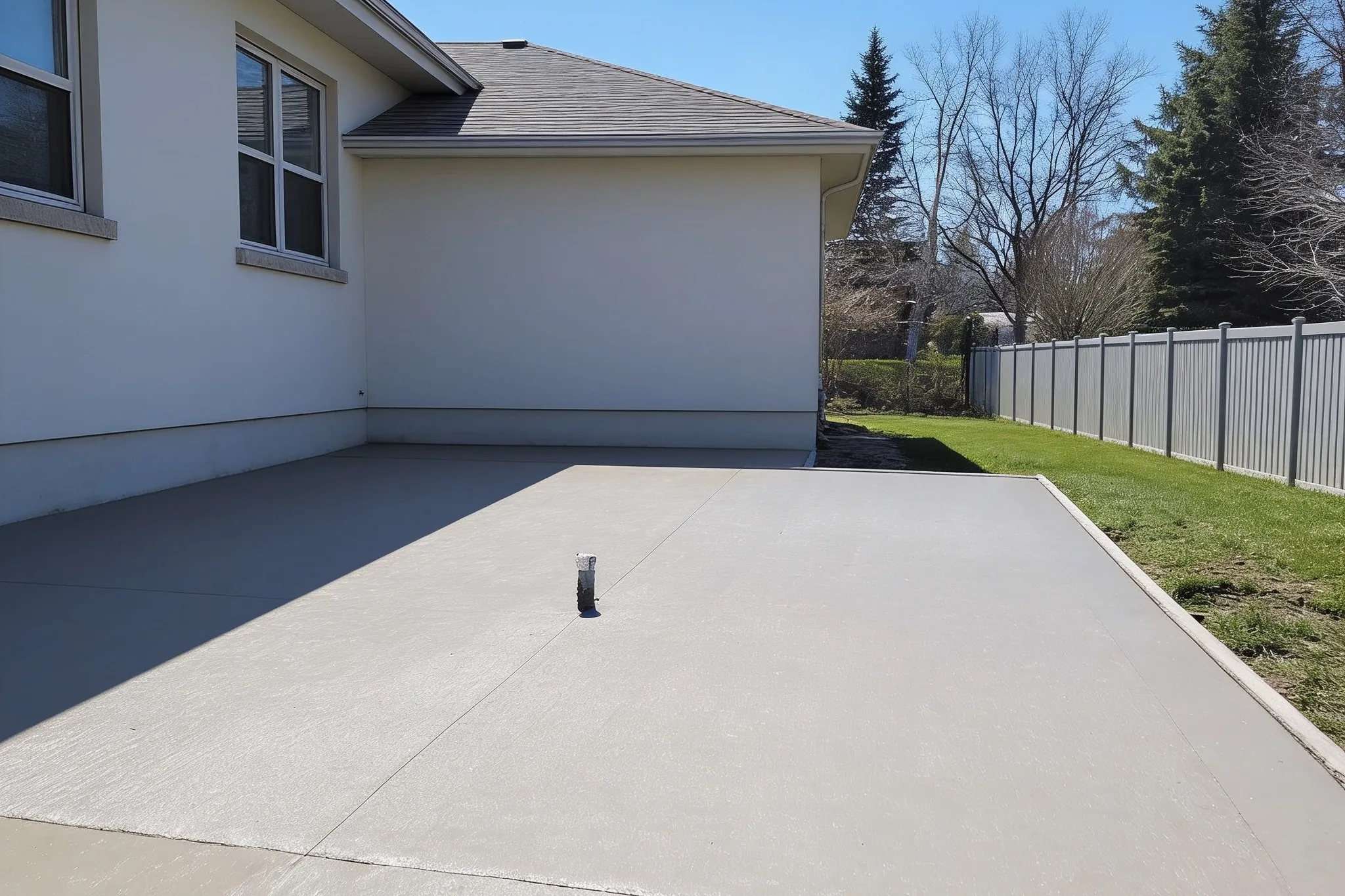
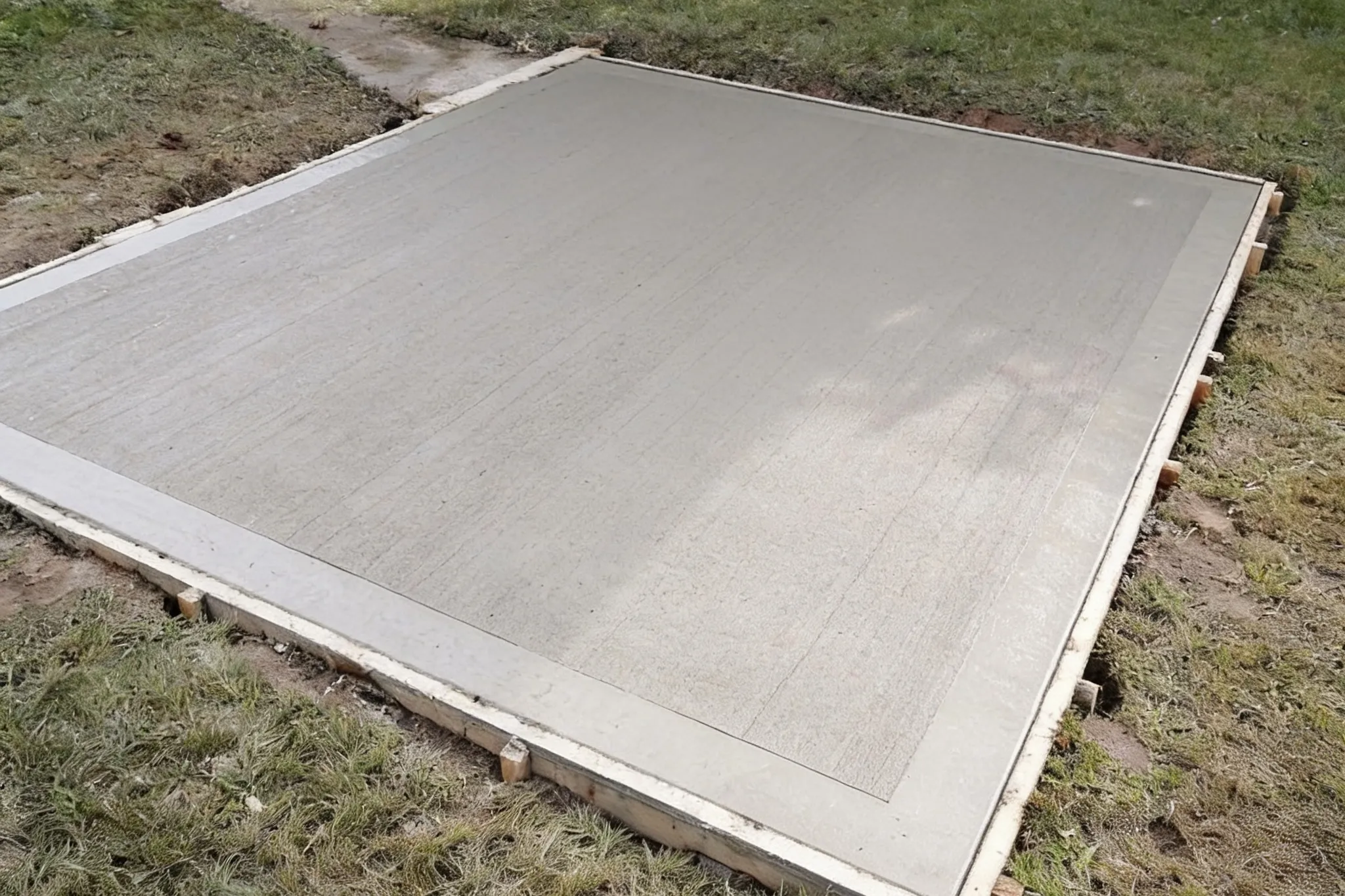
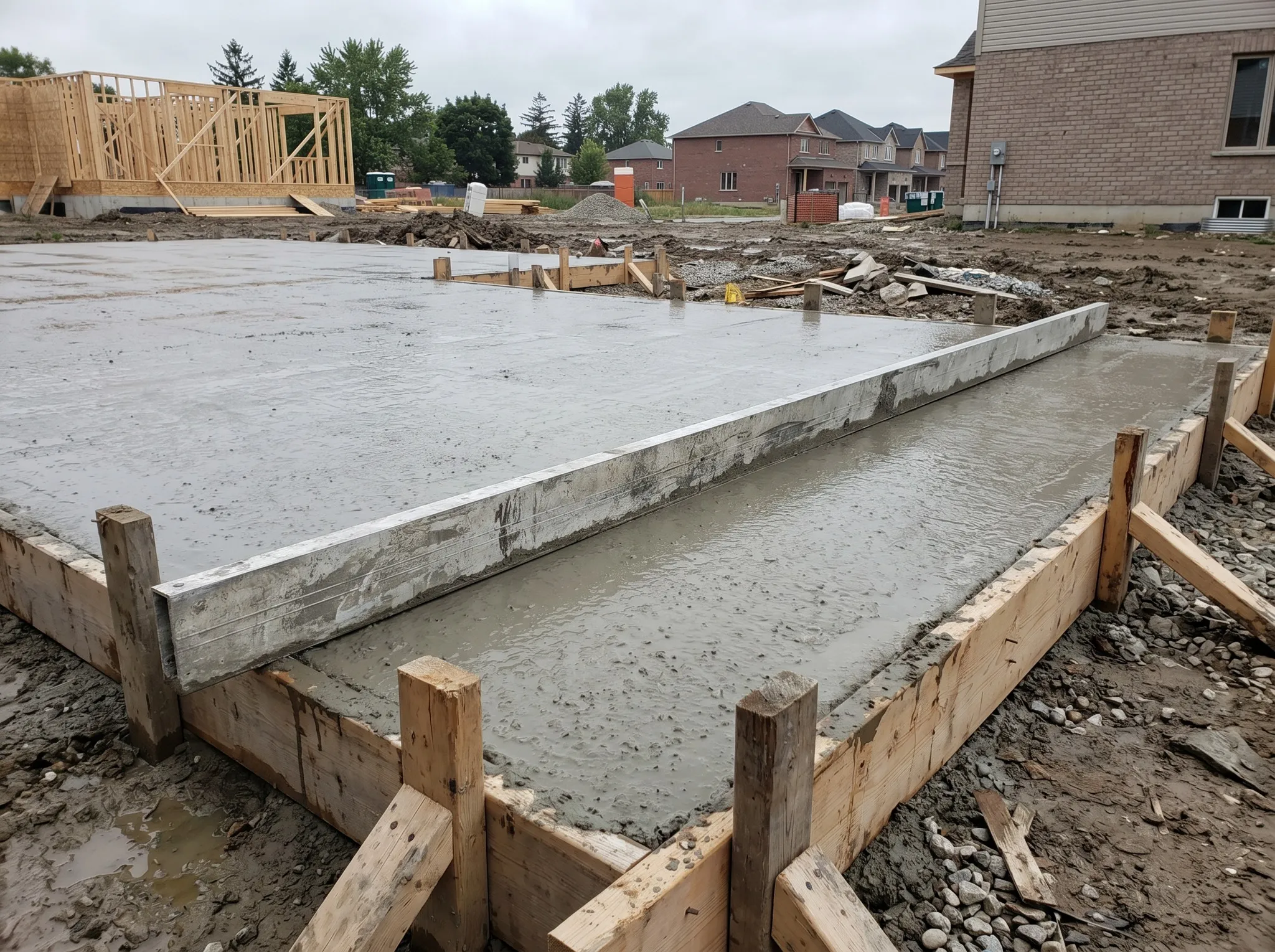
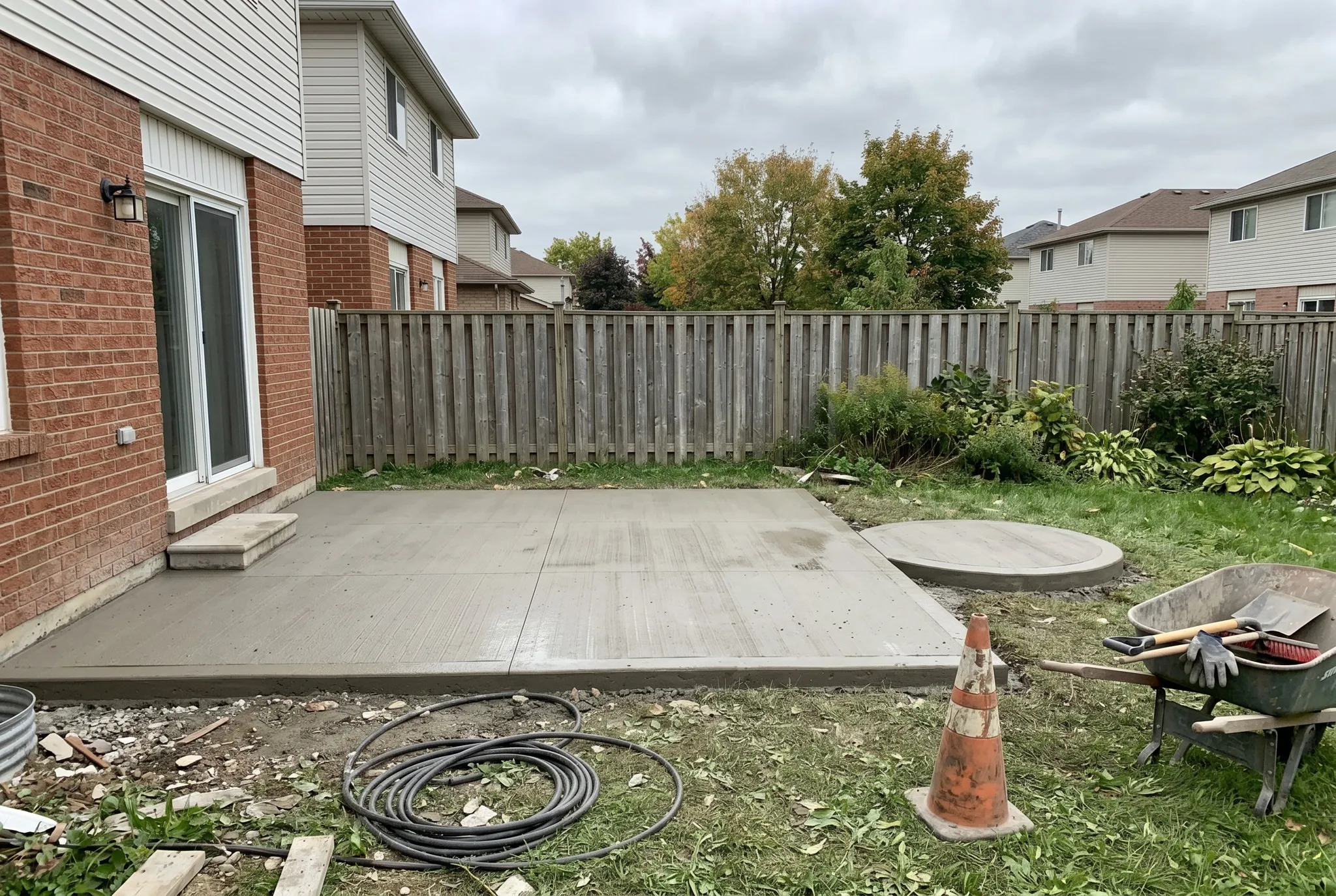
In the Meadowlands, Tiffany Hills and Spring Valley, a freestanding walkway slab floats on a drained, compacted base, graded so meltwater runs away from the slab and the house.
Built for salt and freeze-thaw
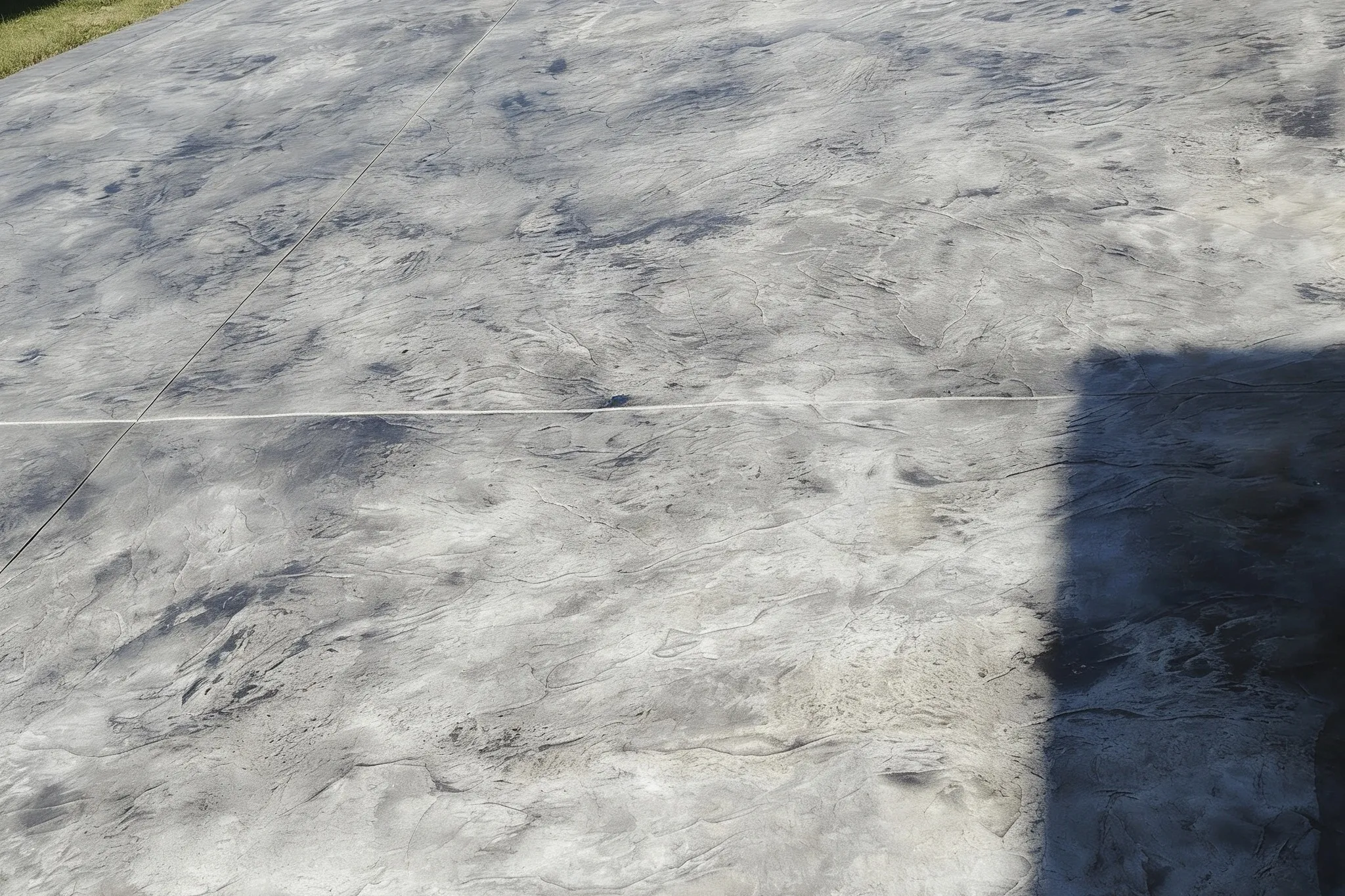
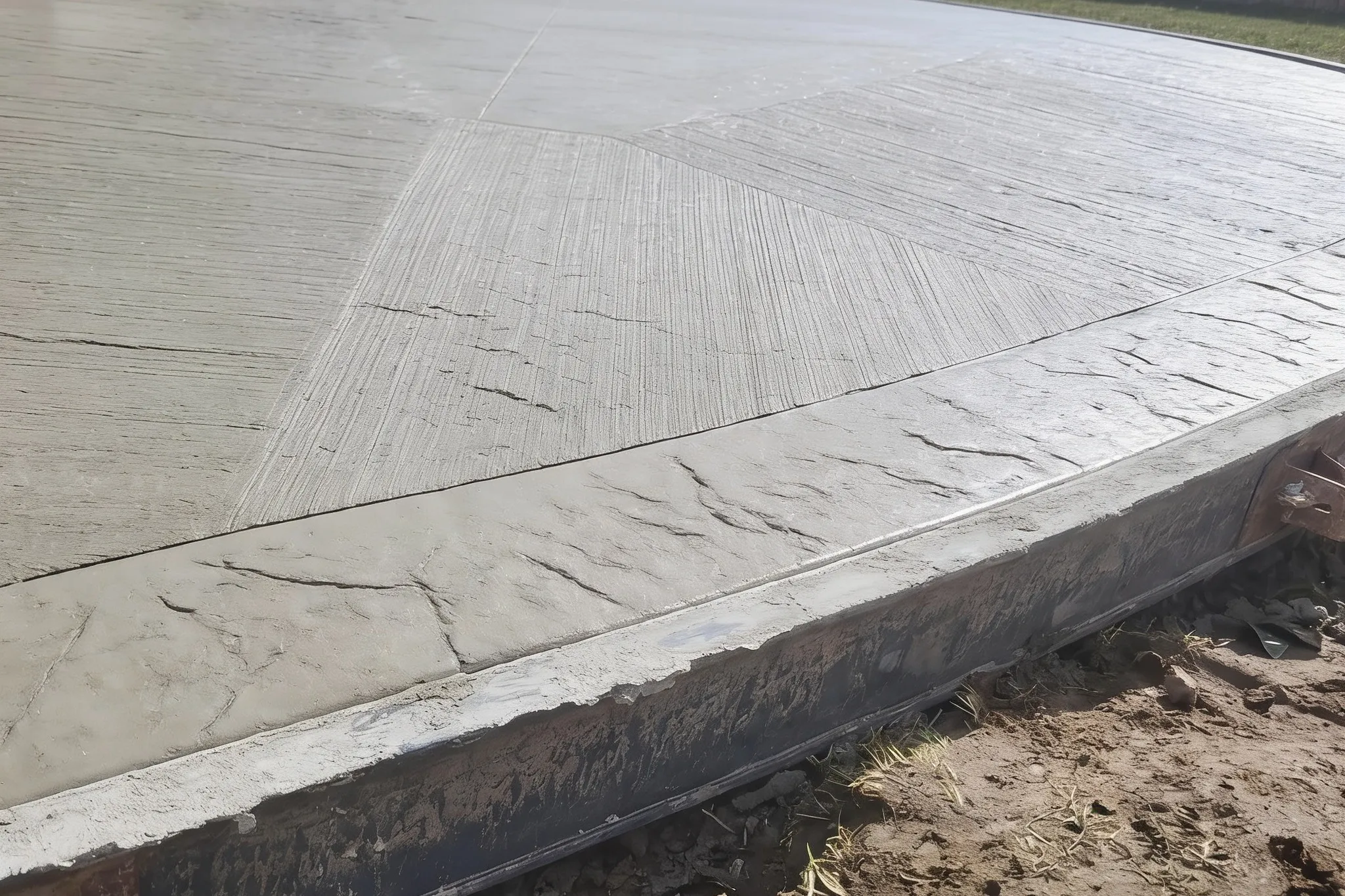
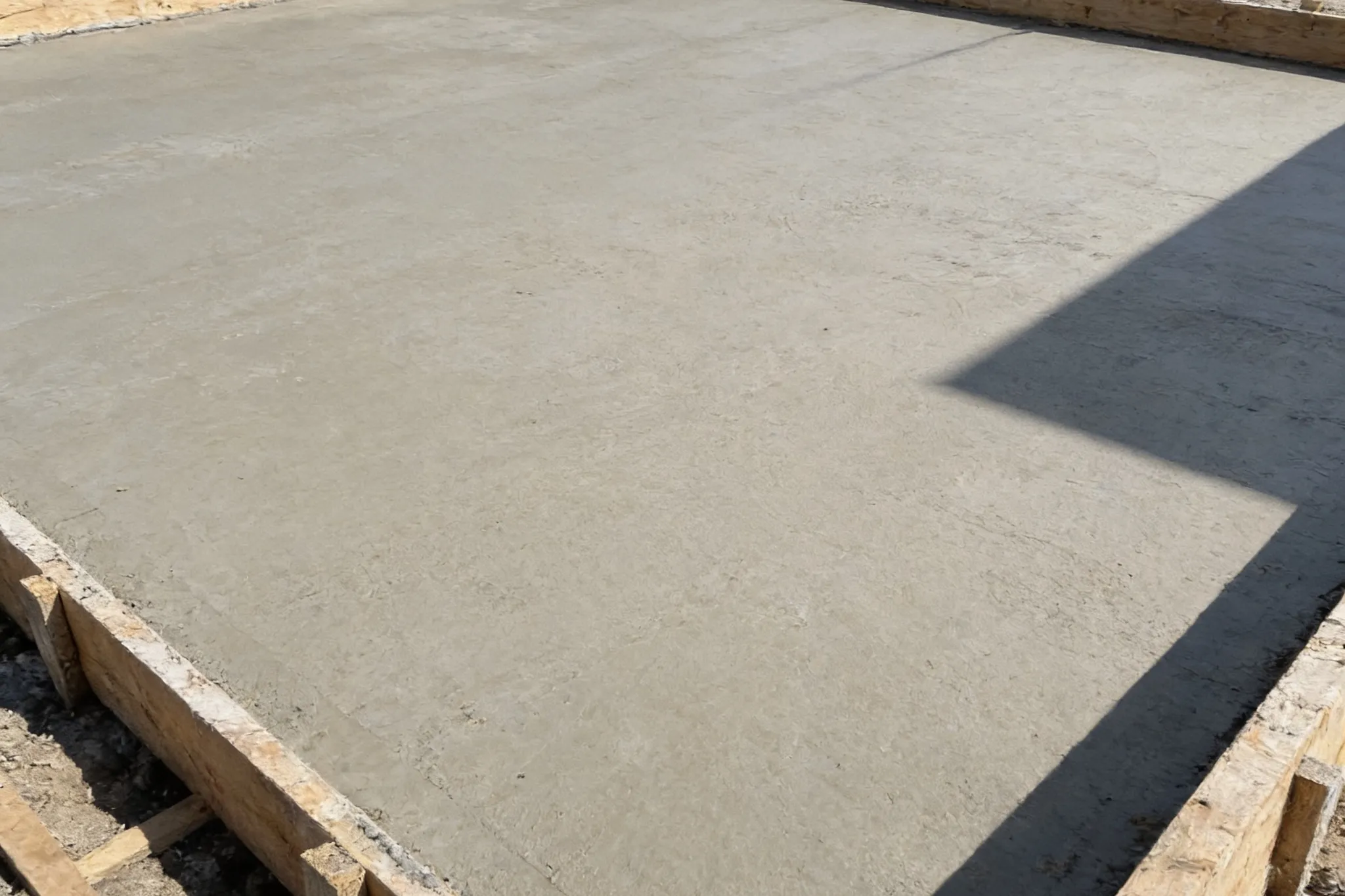
Freeze-thaw and road salt do the damage every Ancaster winter. We compact a granular base and pour 32 MPa air-entrained concrete, the same exterior standard as our driveways, in a 100 mm (4 in.) walkway slab. Skip de-icing salt on new concrete the first winter and use sand for grip.
The whole Ancaster entrance: porch slab, steps and walk
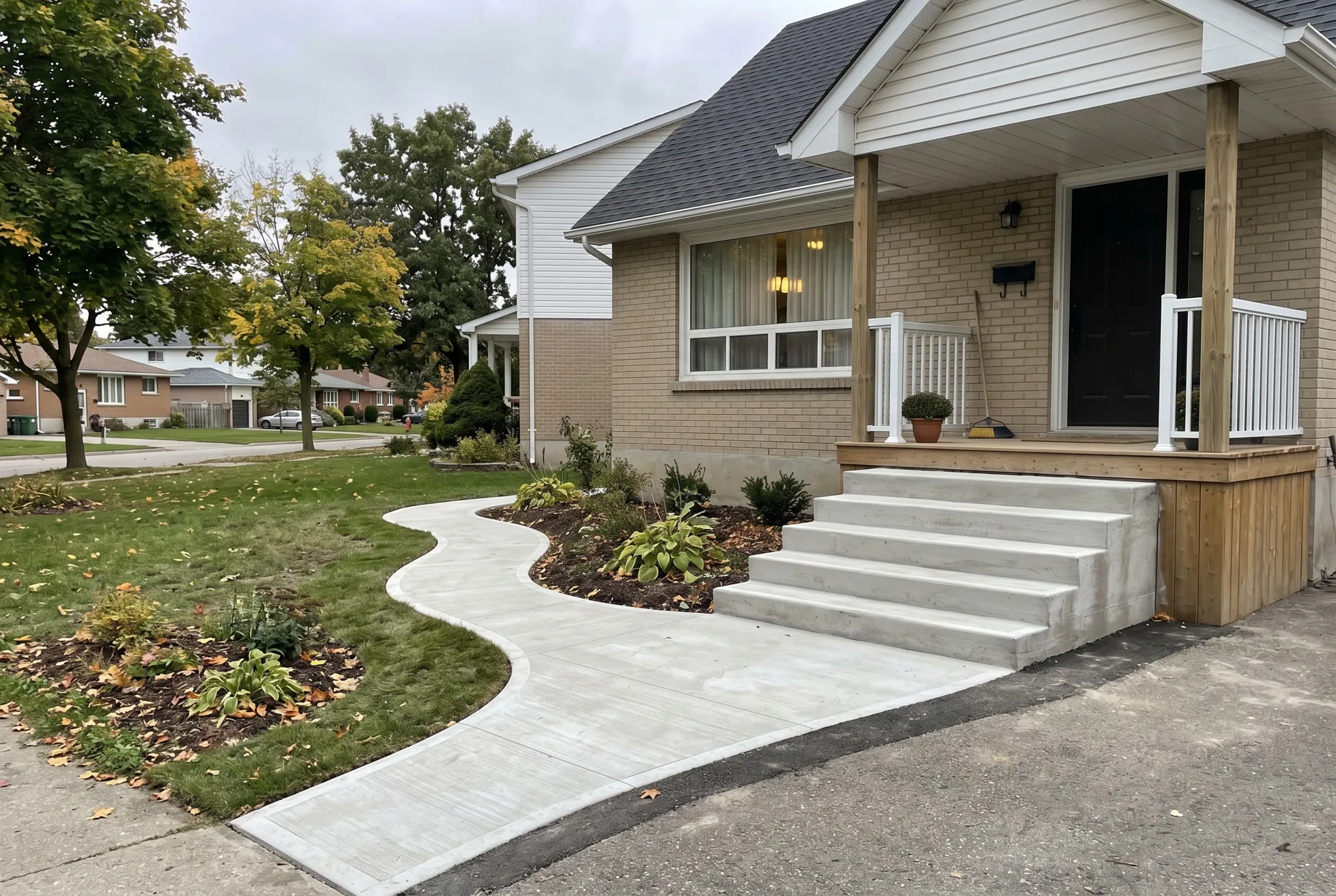
A front entrance is often a porch slab at the door, steps down from it, and a walkway out to the driveway. All three share the same ground and the same winters, so when one goes, the others tend to follow.
We rebuild them as a system. The footings go in under the porch, the risers are set to a uniform height off the walkway's finished grade, and the walk is sloped so meltwater leaves instead of icing the steps. The written quote can name the walkway and the steps as separate pieces, so you can see what each one adds.
Why the gap at the door matters
When steps pull away from the house, the gap is worse than cosmetic. It catches water off the landing and sends it down the foundation wall. A settled porch can quietly become a damp basement.
If you already see water or a stained wall inside, tell us at the site visit. We can look at the steps, and at basement waterproofing in Ancaster or parging in Ancaster if the wall needs work too.
Lift, resurface or rebuild
Failing steps and walks sort into three groups, and we sort them at the free site visit. Sunken but solid steps can often be lifted back into place. Spalling or scaling on sound concrete is resurfacing work. Steps cracked through, heaved out of plane or built wrong from the start need a rebuild, because a patch only rents you a couple of years.
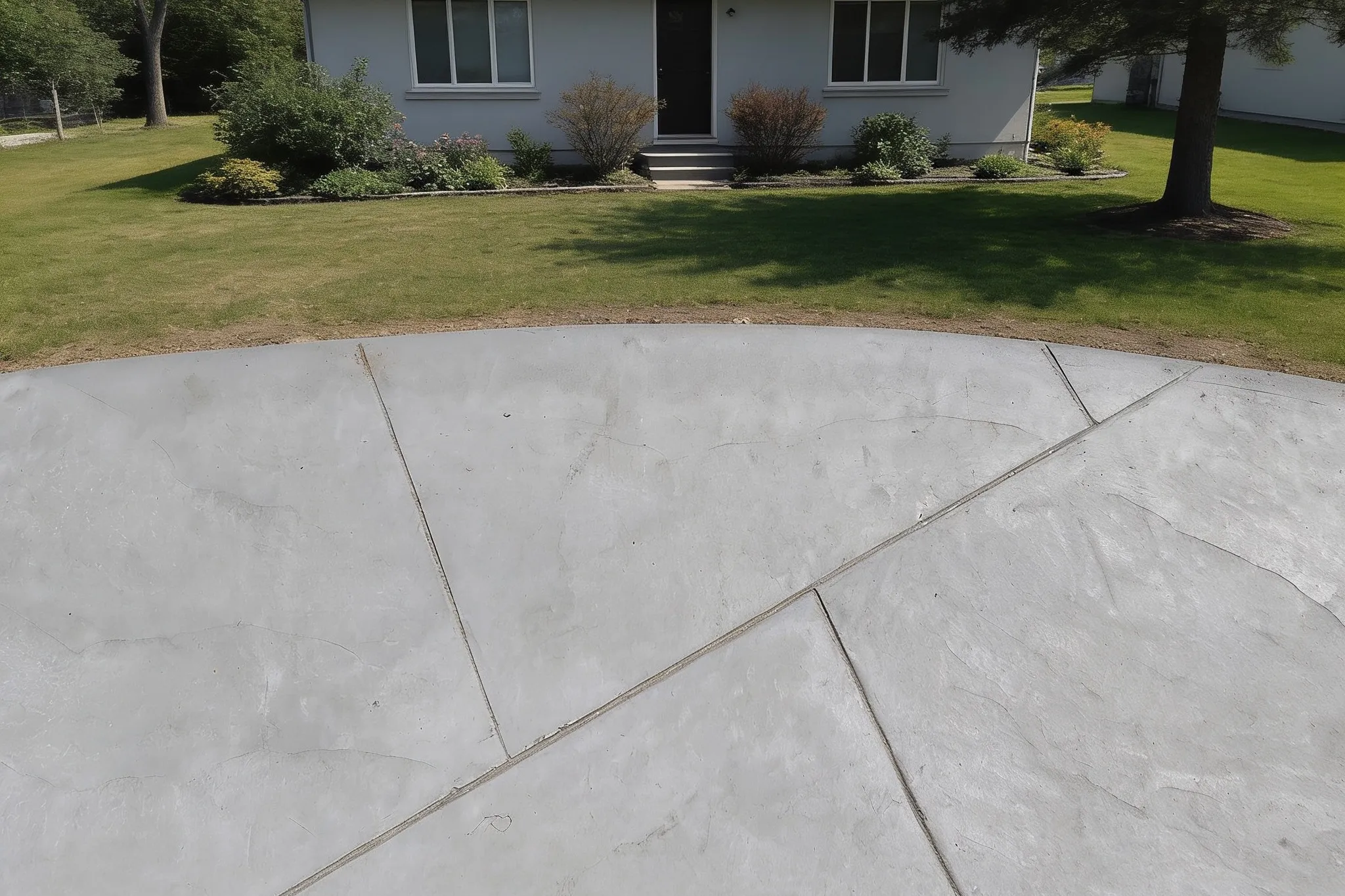
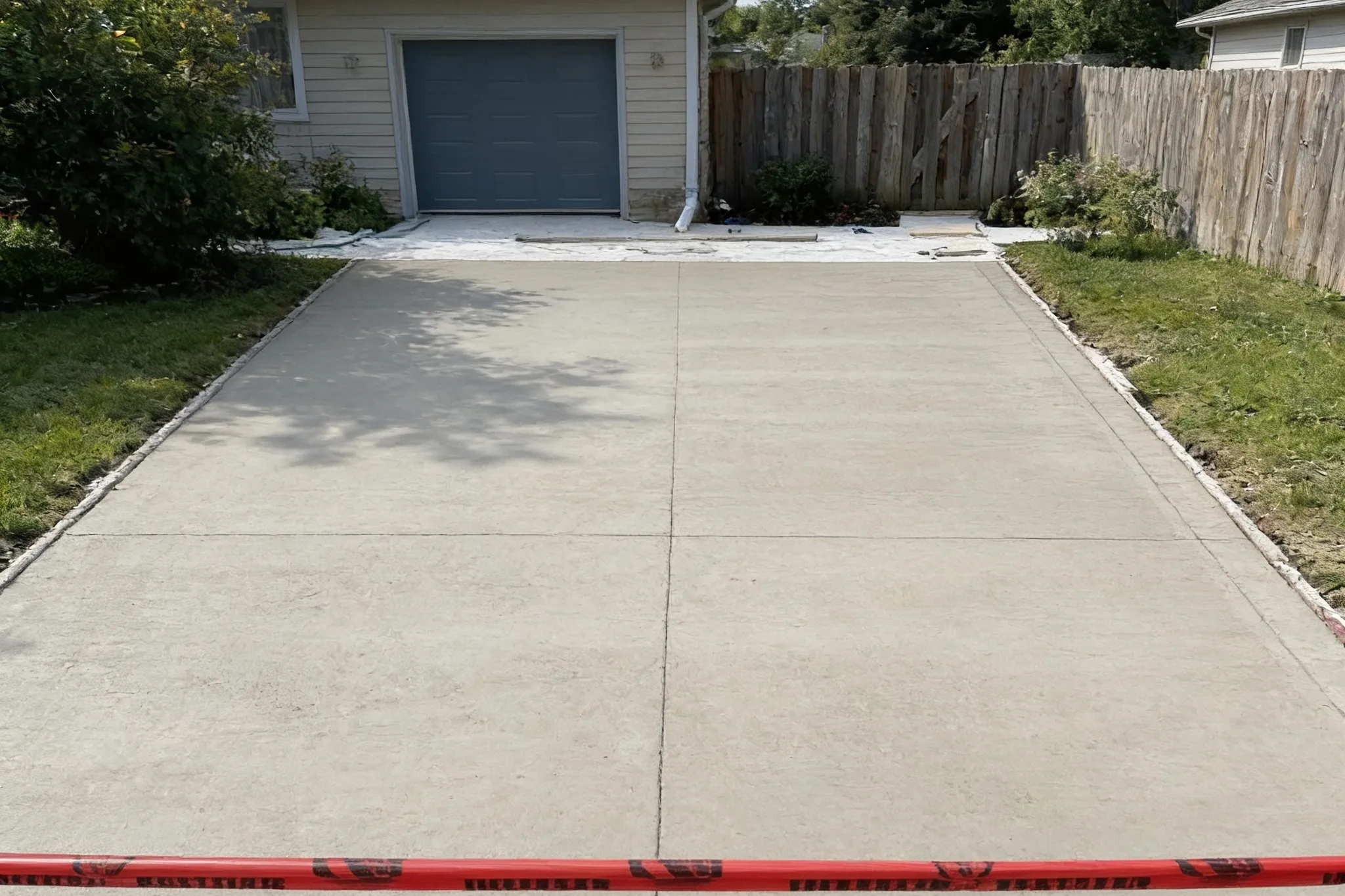
A walkway can also be fixed panel by panel, because concrete replaces cleanly at the joints. New panels look brighter than the old ones for a season or two while the colour weathers in. See concrete repair and resurfacing for the repair side.
Risers, treads and grip
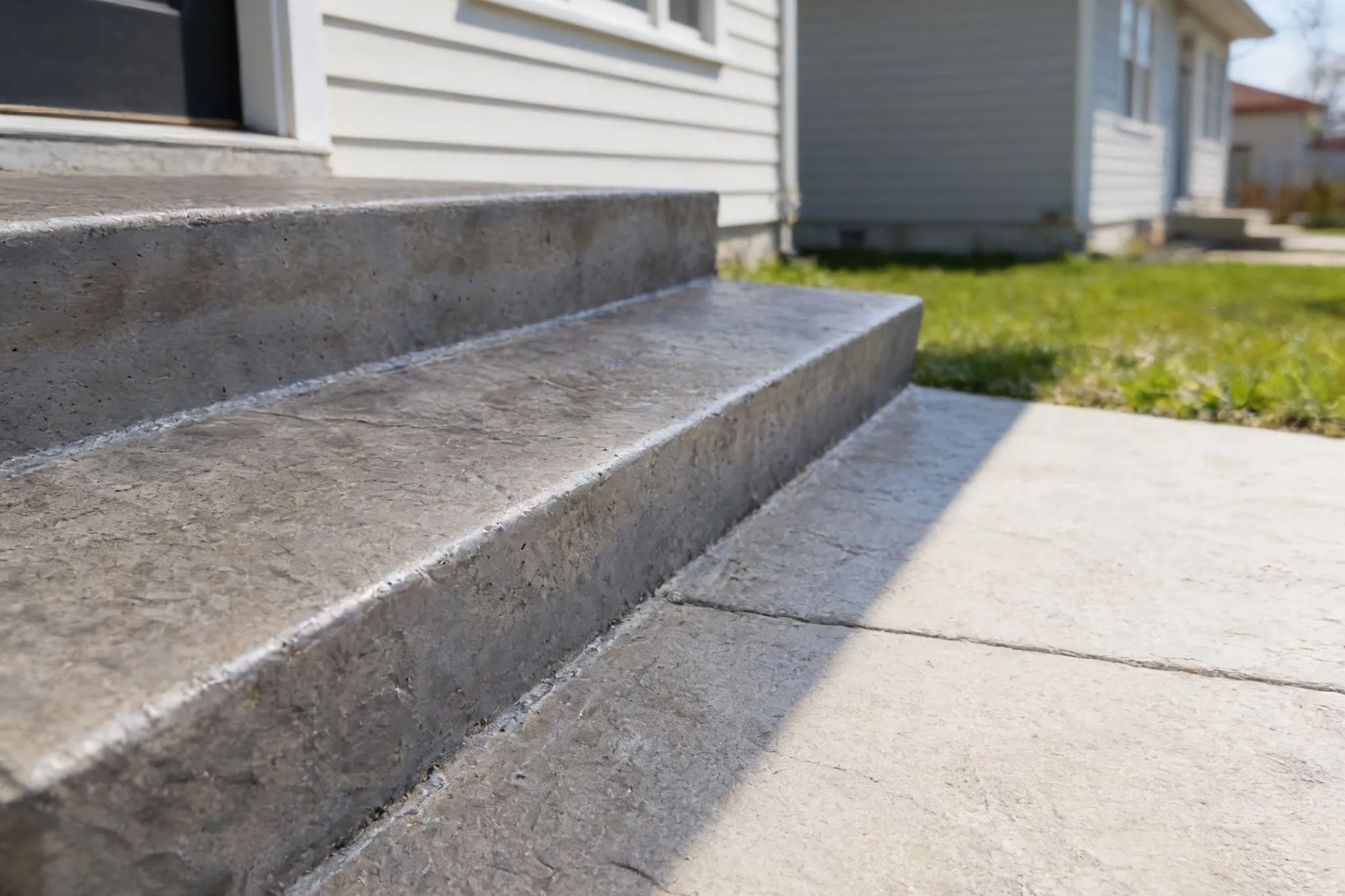
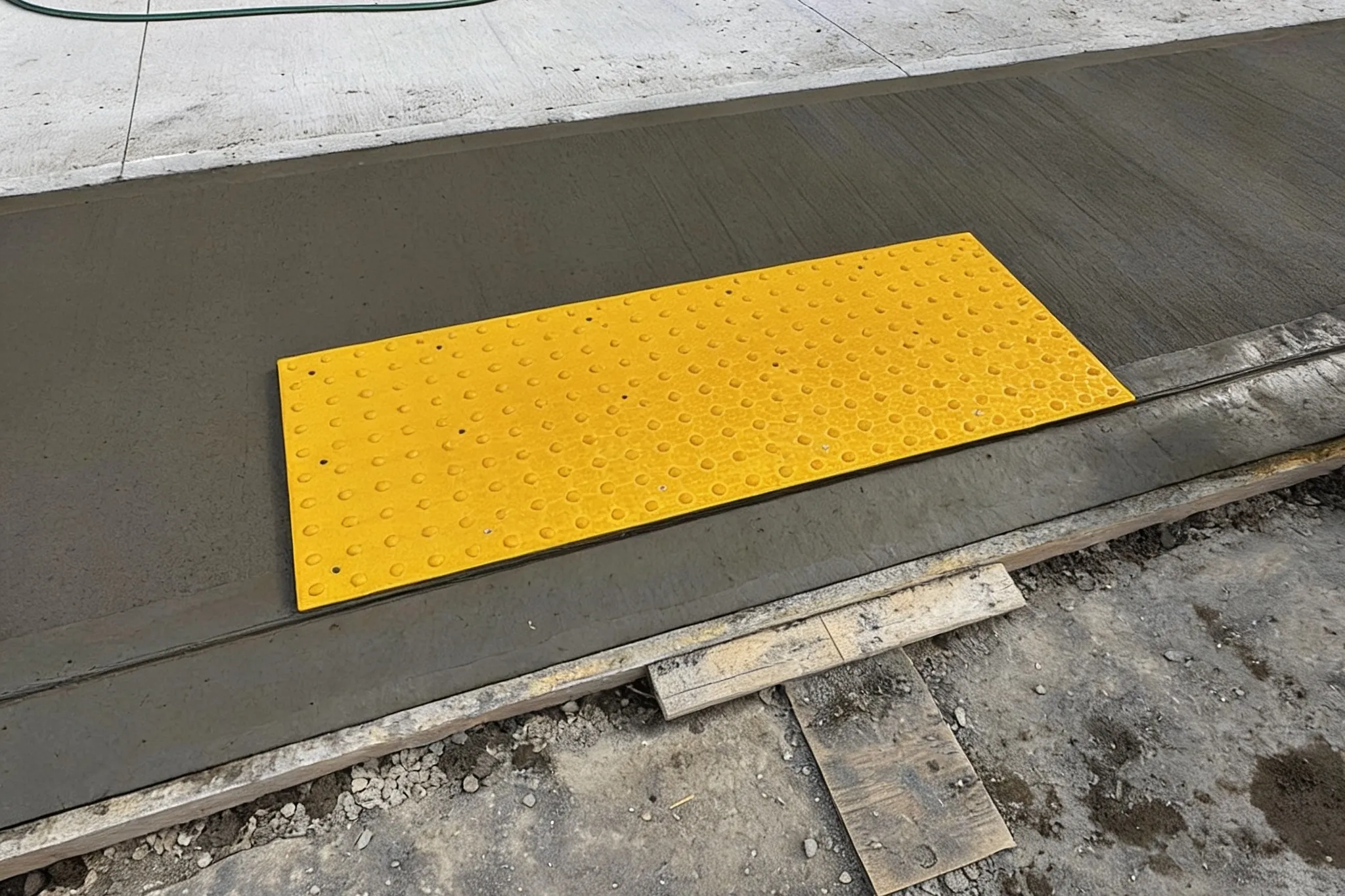
Uneven risers are the classic trip hazard, because people learn stairs with their feet. We form every riser to a uniform height, in the 125 to 200 mm range, and finish the treads for grip. Slope sheds water off the steps so they do not pool and ice over.
A comfortable front path runs 900 to 1200 mm wide.
Planning the pour
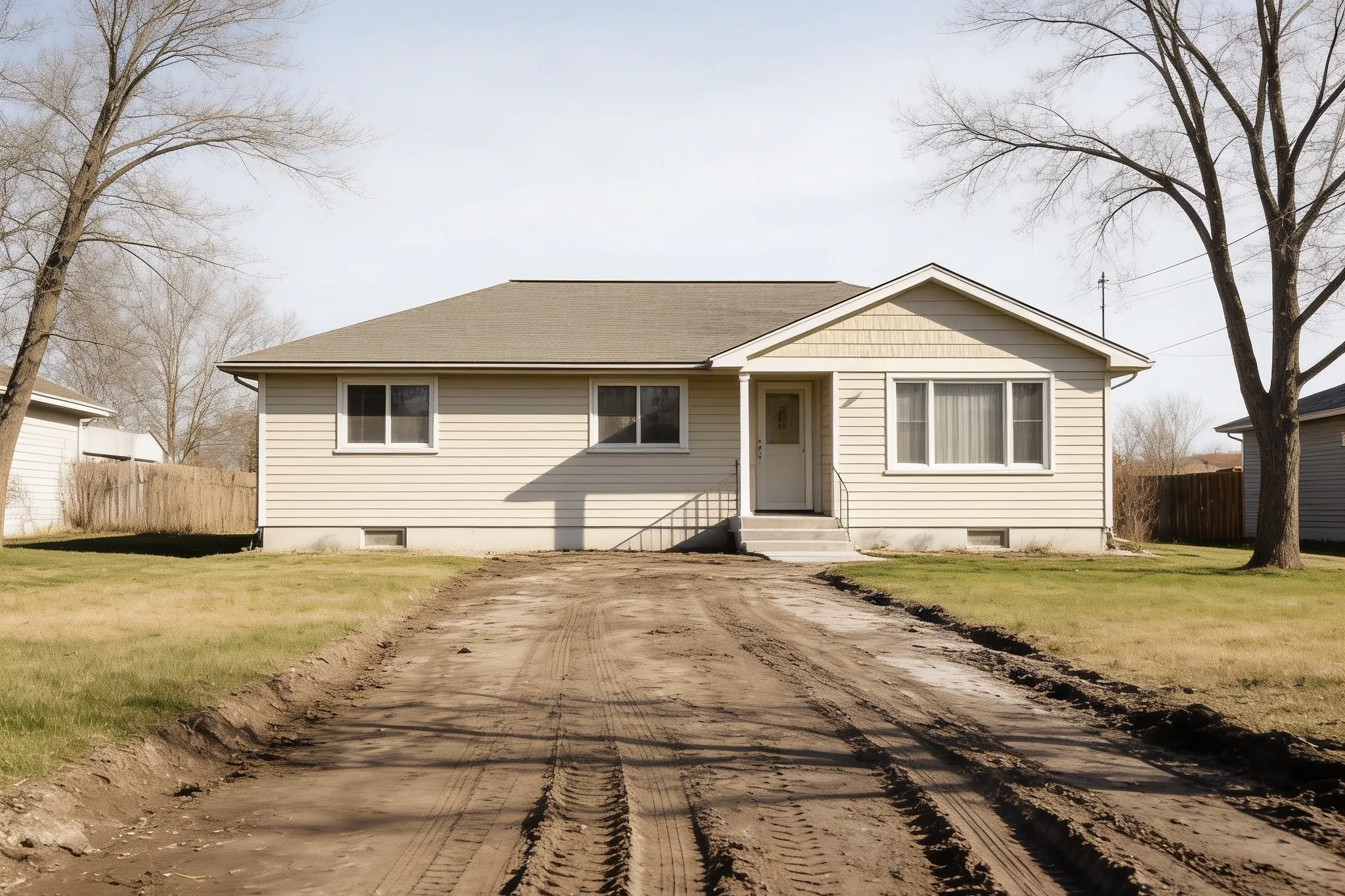
Plan on foot traffic after 24 to 48 hours, and sealing at about 28 days. If the job is a replacement, tear-out and disposal of the old steps are part of the written quote.
Steps and walks share a truck with other pours on the route. If you also need a driveway, pad or patio, booking them together can cut the mobilization cost that a small pour otherwise carries alone. Tell us at the visit if the budget is tight.
Straight answers
Why are my front steps in Ancaster pulling away from the house?
Usually because they were never on footings below the frost line. The clay-loam over the escarpment holds water right where frost can reach it, so steps that only sit on the ground move each winter while the house stays put. Rebuilt steps get footings to about 1.2 metres or are doweled into the foundation wall, so they move with the house, not the clay.
Can you repair steps on a heritage home near Wilson Street so they match?
Yes. On repairs we match what is there and keep the proportions of the original steps and walks. The village core has tight development rules, and we work inside them rather than around them.
Can you rebuild the walkway and the steps together?
Yes. We rebuild walkways and steps, and the written quote can show the walkway and the steps separately.
How much do new concrete steps cost in Ancaster?
Steps are quoted by the job. The number of risers, the total height, whether they need footings or dowels, the tear-out of the old set and the finish drive the cost. The site visit and the written quote are free, and the number on the quote is the number you pay unless you change the job.
How long before we can use new steps in Ancaster?
Foot traffic is fine after about 24 to 48 hours. Sealing waits until about 28 days. Skip de-icing salt on new concrete the first winter and use sand for grip.
Can you fix one cracked panel of my walkway instead of the whole path?
Yes. Concrete replaces cleanly at the joints, so we can cut out the failed panels and pour new ones to the same line and height. Expect the new panels to look brighter for a season or two while they weather.
Do freestanding walkways in the Meadowlands or Tiffany Hills need footings?
No. A freestanding walkway slab can float on a drained, compacted base, because nothing pins one edge in place. Footings are for steps and porches that attach to the house. We check which one you have at the site visit.
Can you take out the old steps and pour new ones in one job?
Yes. Tear-out and disposal of the old steps are in the written quote, so one crew does the removal, the footings and the new pour.
Keep reading
- Concrete Walkways & Steps across Southern OntarioThe full method: footings, riser heights, mix, thickness and cure times.
- Concrete Contractors in AncasterEverything else we pour and repair across Ancaster, from the old village to the Meadowlands.
- Concrete Repair & ResurfacingSound steps that only settled can often be repaired instead of rebuilt.
- Concrete Driveways in AncasterThe same escarpment clay, and what an Ancaster driveway base needs.
- Basement Waterproofing in AncasterIf water from a settled porch is reaching the foundation wall.
- Parging in AncasterFoundation walls next to the steps, from the old village to newer homes.
Tell us about the job.
Send the details and we'll get back to you within one business day with next steps. If water is coming in right now, check the box and we flag it urgent.
Get a straight quote
Free · no pressure · 1 business day