HomeServicesBasement WaterproofingAncaster
Basement Waterproofing in Ancaster
We waterproof basements across Ancaster, in the heritage homes around Wilson Street and in the newer subdivisions east of Highway 403. Ancaster sits on and just above the Niagara Escarpment, with clay and clay-loam soils over limestone, so water tends to sit against a foundation instead of draining away. We install both main fixes, an interior weeping-tile system with a sump or an exterior excavation and membrane, and we pick the one your wall needs. The site visit and written quote are free, and the labour carries a lifetime warranty.
Get a straight quote
Free · no pressure · 1 business day
Reviewed June 2026
Every job is priced individually, not off a price list. Tell us about yours and you get an accurate, no-pressure quote in writing.
Ancaster has two kinds of basement, and they leak for different reasons. The old village around Wilson Street dates back to the town's founding in 1792, and many homes there stand on century foundations. East of Highway 403, the Meadowlands, Tiffany Hills and Spring Valley are newer subdivisions. Both sit on the same ground: clay and clay-loam over the limestone of the escarpment.
Clay holds water. After a wet spring or a fall rain, the soil against your wall stays wet, and that water pushes in at the weakest point: a crack, a joint, a tie hole. The fix is to give the water a way out at the footing, or to seal the wall from the outside. Which one is right depends on how your wall is built and where the water gets in.
The full method is on our basement waterproofing page. This page is about Ancaster: the ground, the homes and how we handle them here. Send the form for a free written quote. From October to March, if water is coming in now, check the urgent box.
Escarpment clay and limestone under Ancaster
Ancaster sits on and just above the Niagara Escarpment. The soil is mostly clay and clay-loam over limestone bedrock, and near the escarpment brow the rock can sit close to the surface. Clay drains slowly, so after rain or melt the ground around a foundation stays wet for a long time.
That is why we look at the lot before we suggest anything. We check where the water comes in, how the ground slopes and where the downspouts empty. Then we tell you whether the wall needs a drainage system inside or a seal outside.
Century foundations in the old village
In the heritage streets around Wilson Street, many homes are more than a hundred years old. Stone and early block walls let water through their joints and faces, not only at one crack, so a single crack injection seldom stops it. On these walls, an interior weeping-tile system that collects water along the whole footing and sends it to a sump is often the lasting answer.
Where the wall itself is breaking down from years of wet, we dig outside, repair the wall and apply a membrane so it stays dry. When we finish an exterior job, we can parge the wall above grade so the repair looks right on an older house.
Newer homes east of the 403
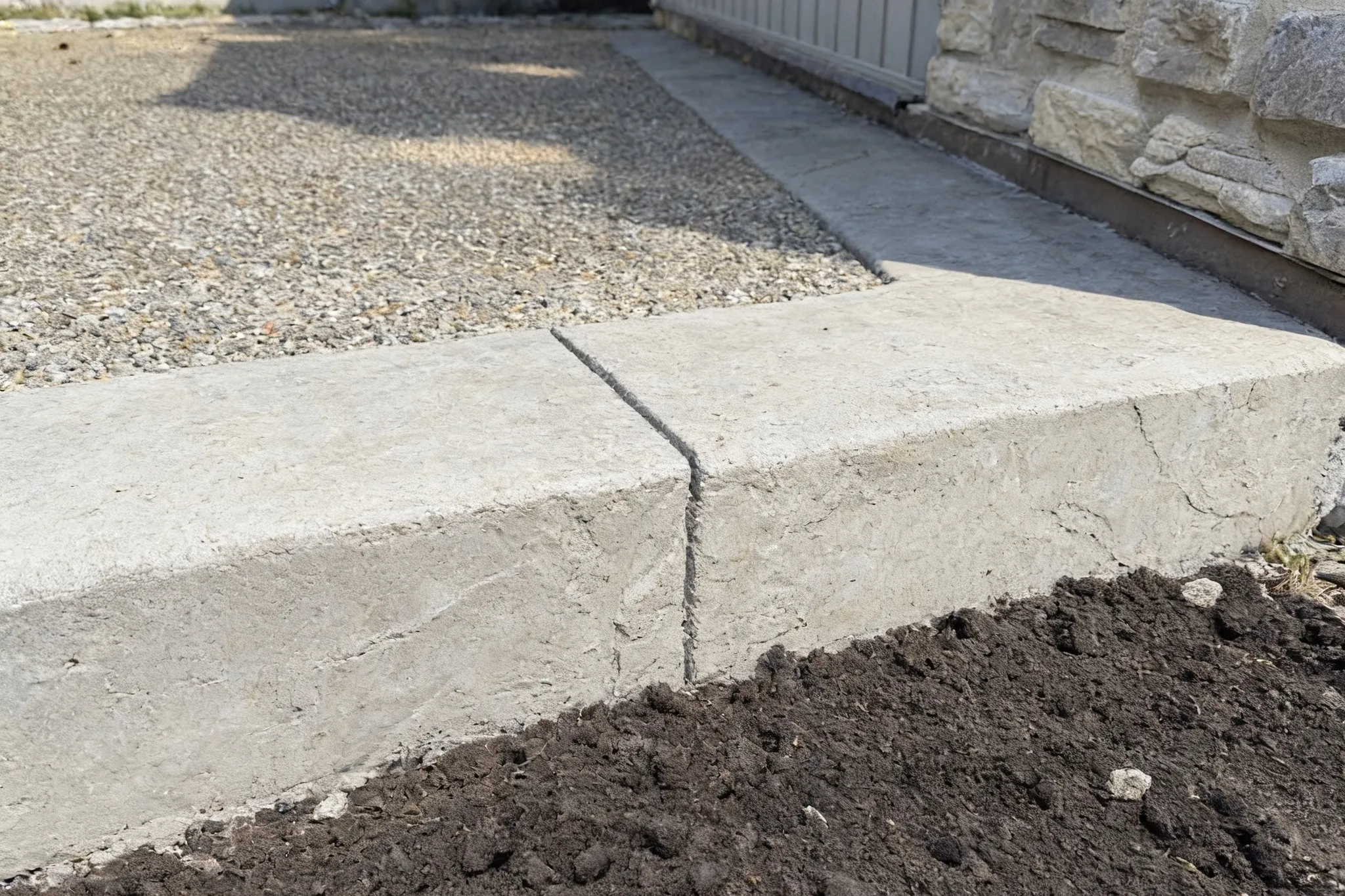
A single leaking crack in a poured wall is usually a foundation crack repair, not a full waterproofing system.
If the leaks keep coming in several places, or the drainage at the footing is not working, a full system is the better fix. We tell you which side of that line your basement is on.
Straight answers
Why does my Ancaster basement get wet after heavy rain?
Usually because the clay soil around the wall holds water and pushes it in at the weakest point. In Ancaster, clay and clay-loam sit over escarpment limestone, so water drains slowly. A downspout that empties beside the wall makes it worse. We find where the water gets in and fix that, inside or outside.
Can you waterproof an old stone foundation in the village?
Yes. Stone walls leak through joints and faces, not at one clean crack, so the fix is rarely a single injection. Most often it is an interior weeping-tile system and a sump along the whole footing, or an exterior membrane where the wall needs sealing. We look at how the wall is built before we quote.
Interior or exterior waterproofing: which is right for my house?
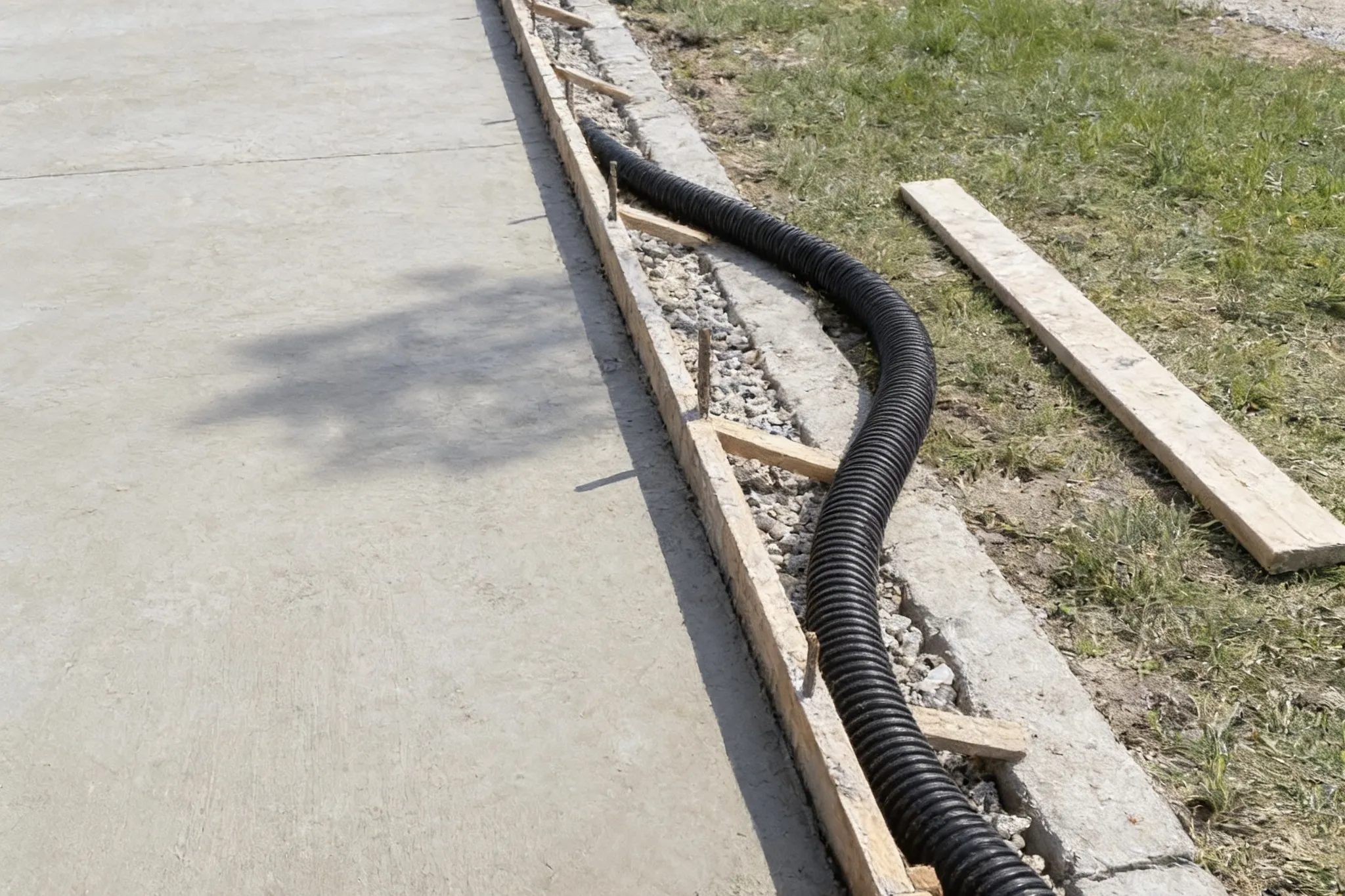
It depends on the wall. An interior weeping-tile system with a sump handles most leaking walls and needs no digging outside. An exterior excavation and membrane is the bigger job, and it keeps the wall itself dry. We install both, and when it is close we quote both so you can choose.
How much does basement waterproofing cost in Ancaster?
It depends on the method, the length of wall, the depth to the footing, the access around the house and the state of the old drainage. A flat number would mislead you. We come out, look at the wall and give you a written quote at no charge, with no deposit to get a price.
Water is coming in right now. What do I do?
Send the quote form. From October to March, check the box that says water is coming in, and we see urgent water problems first. Meanwhile, move valuables off the floor and, if it is safe, extend a downspout away from the wall. We reply to every request within one business day.
Keep reading
- Basement Waterproofing across Southern OntarioHow we choose between interior weeping tile and an exterior membrane, step by step.
- Concrete Contractors in AncasterEverything else we pour and repair in Ancaster, from the old village to the Meadowlands.
- Basement Waterproofing in HamiltonBelow the escarpment, the lower city's lake clay and old foundations bring a different water problem.
Tell us about the job.
Send the details and we'll get back to you within one business day with next steps. If water is coming in right now, check the box and we flag it urgent.
Get a straight quote
Free · no pressure · 1 business day