HomeServicesConcrete Slabs & Garage PadsCambridge
Concrete Slabs & Garage Pads in Cambridge
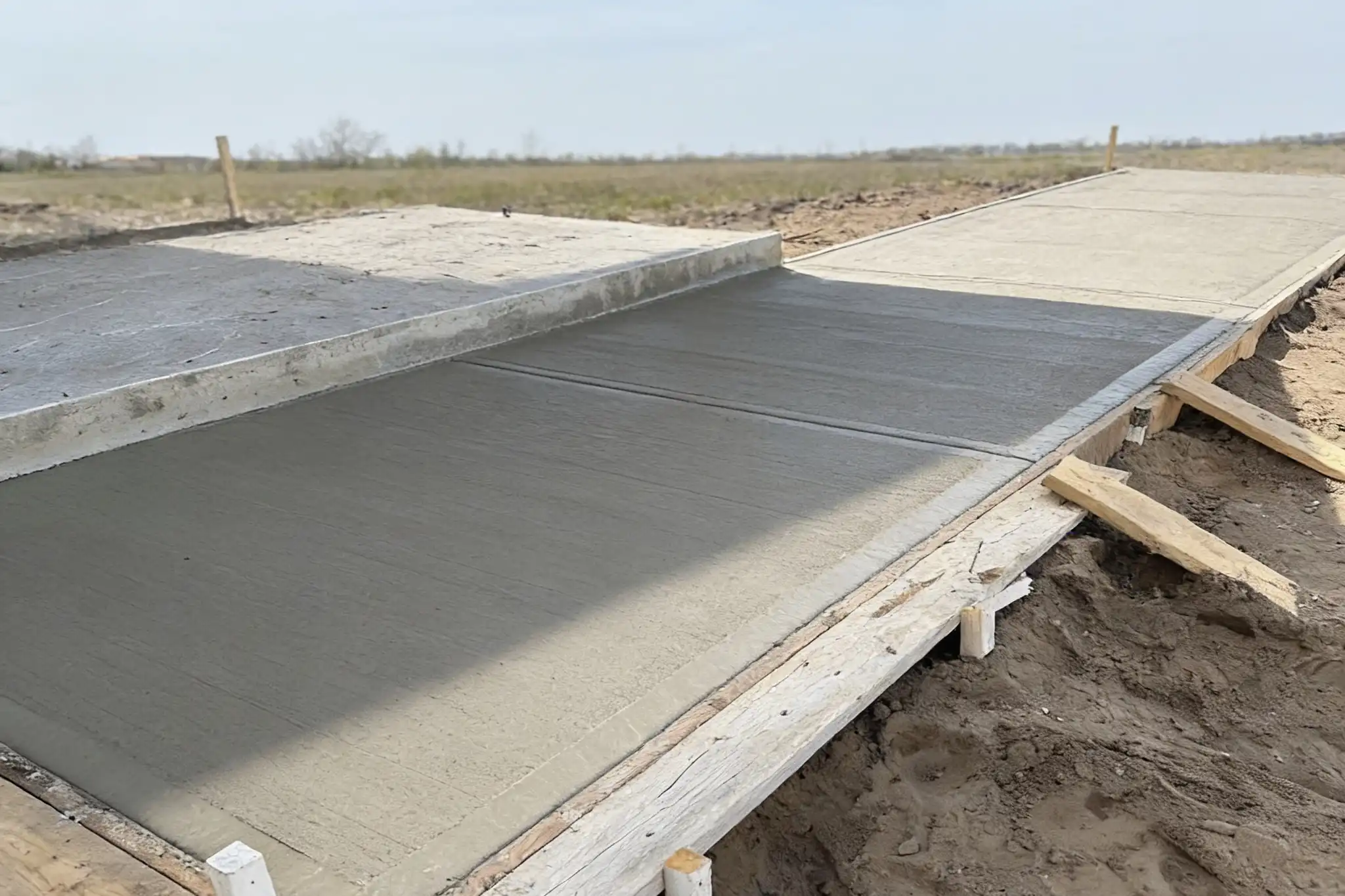
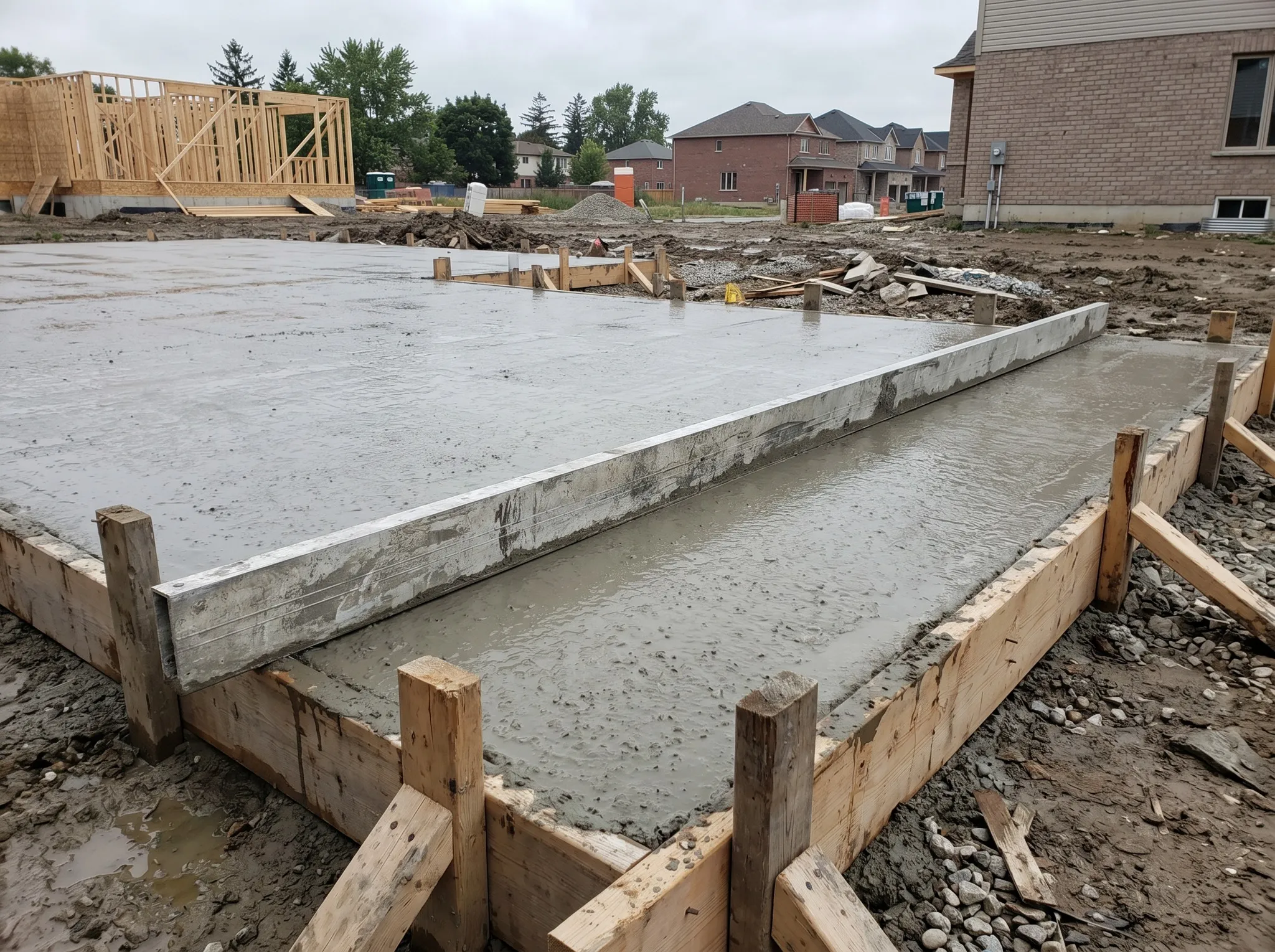
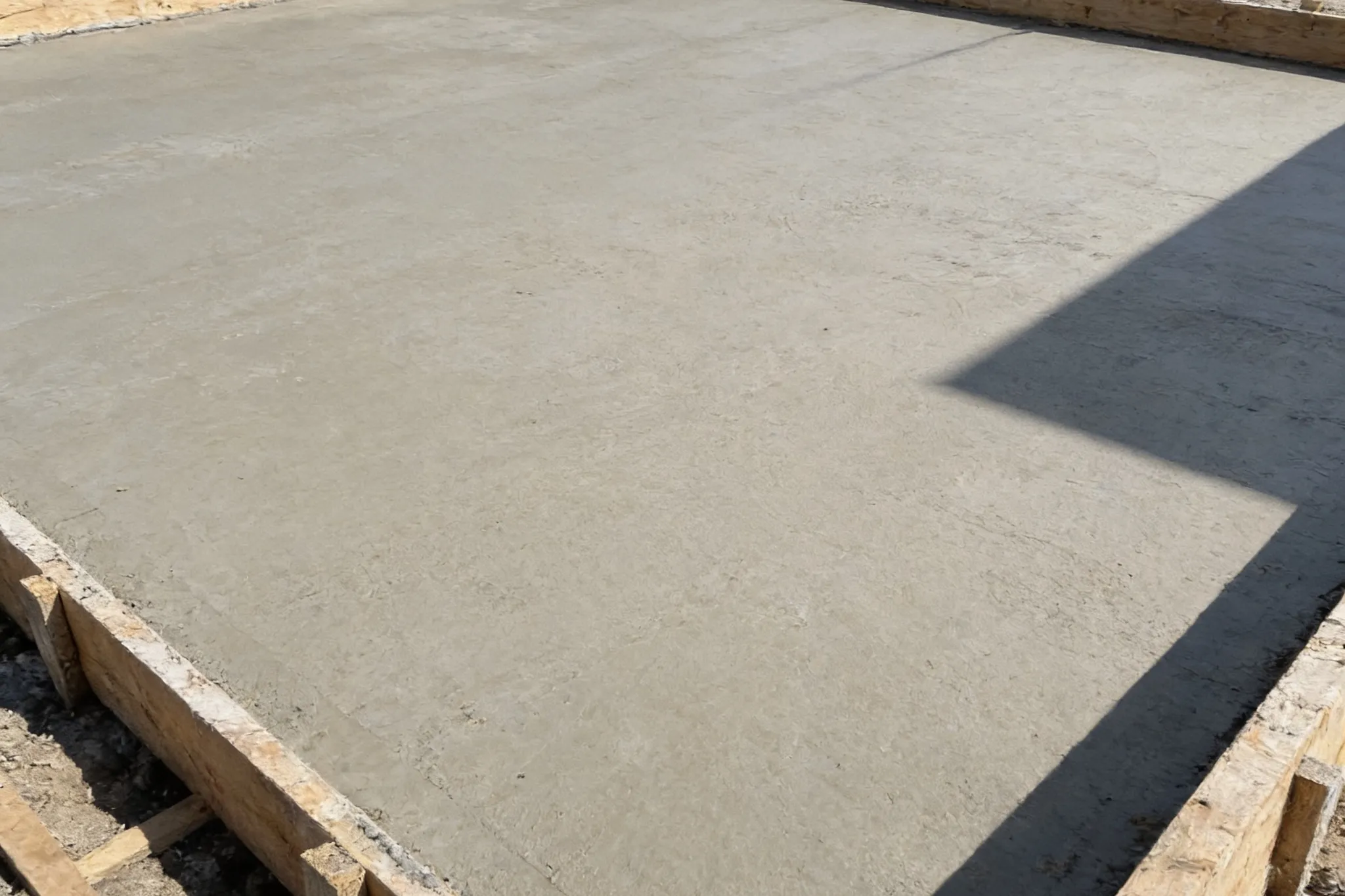
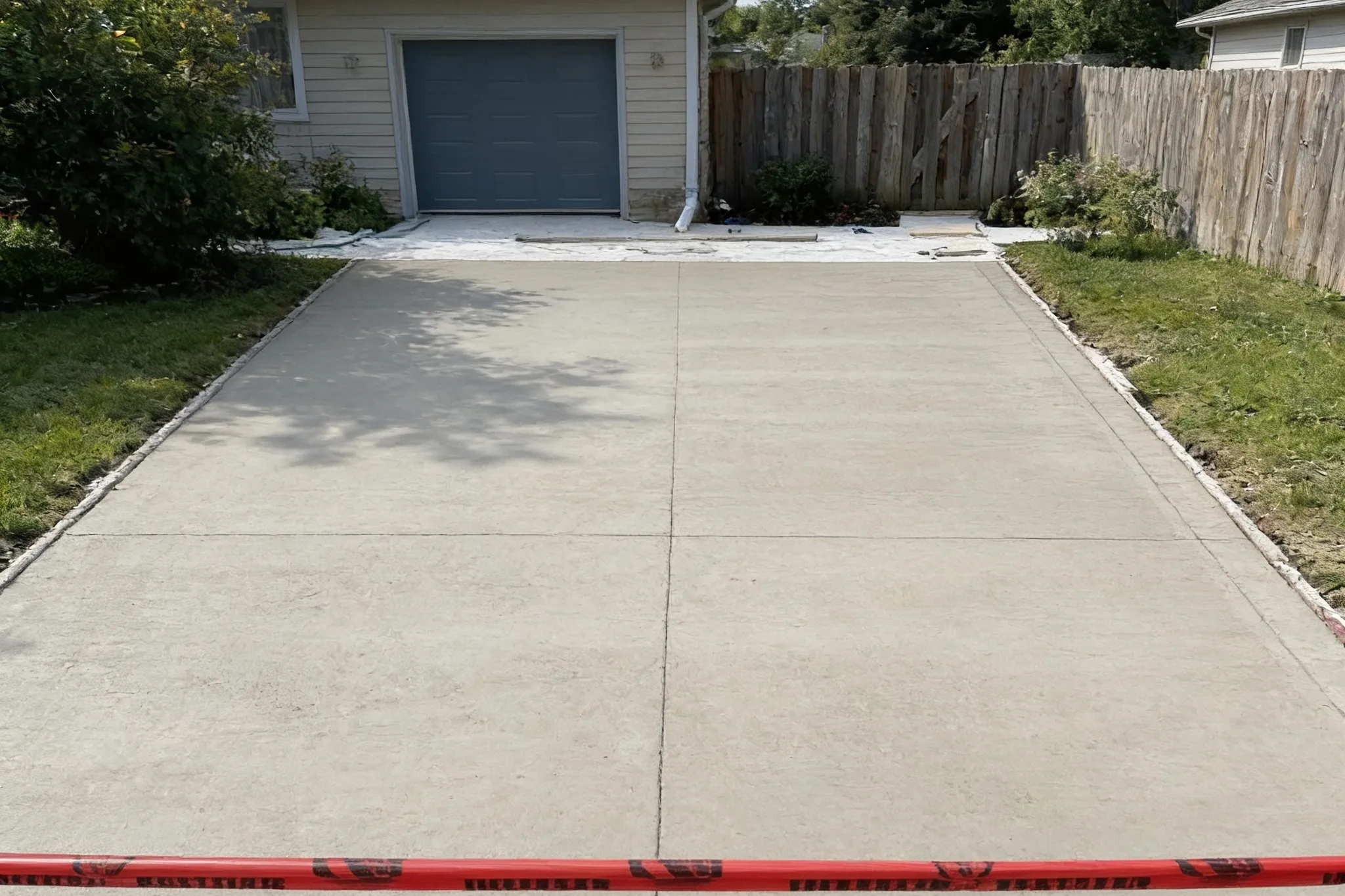
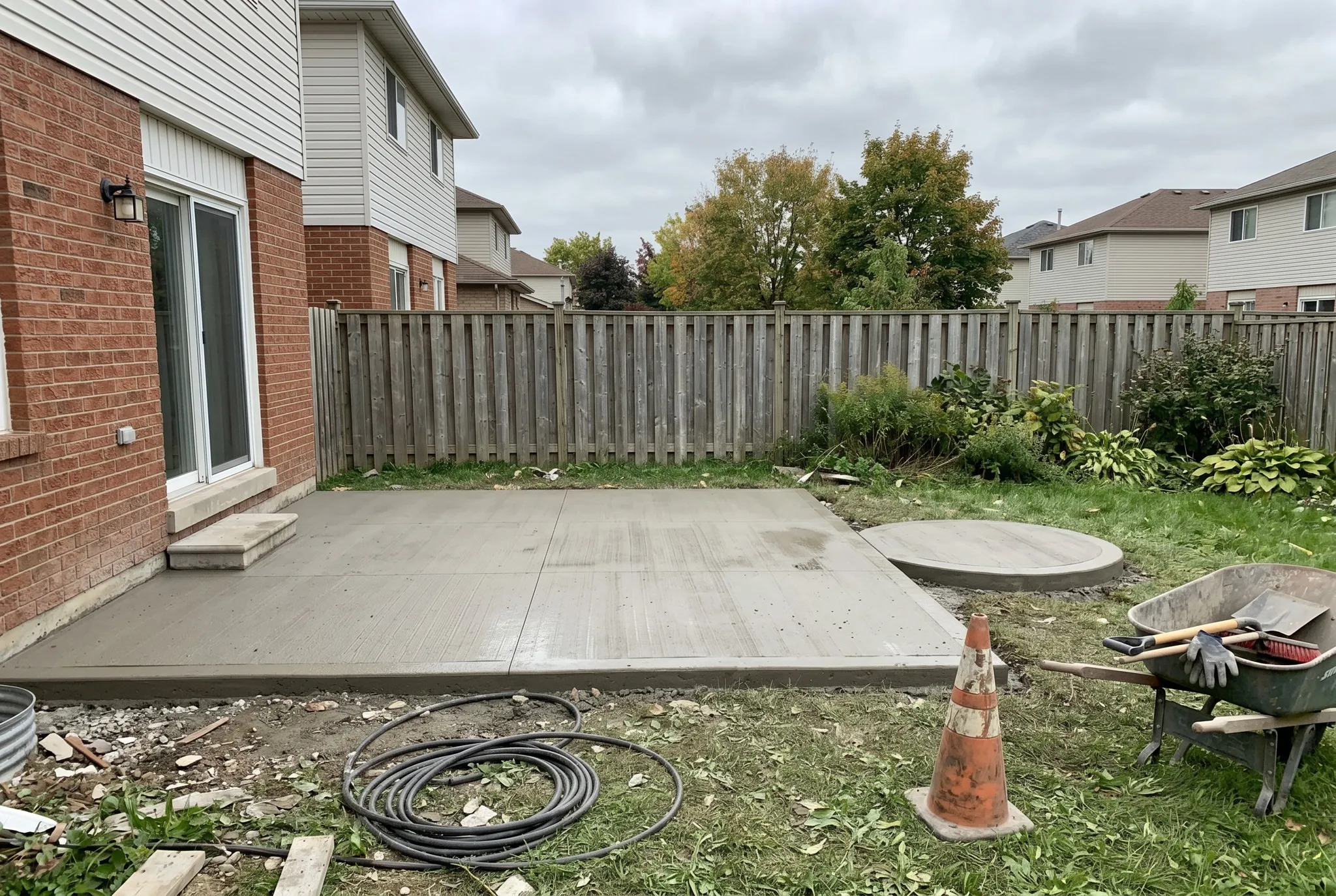
We pour garage pads, shed pads and hot tub slabs across Cambridge, with the base built for the ground under your lot: higher water near the Grand and Speed rivers in old Galt and Preston, sand and gravel away from the water, and disturbed fill on new-build lots. Union-certified crews do the work, the labour carries a lifetime warranty, and the written quote is free.
Get a straight quote
Free · no pressure · 1 business day
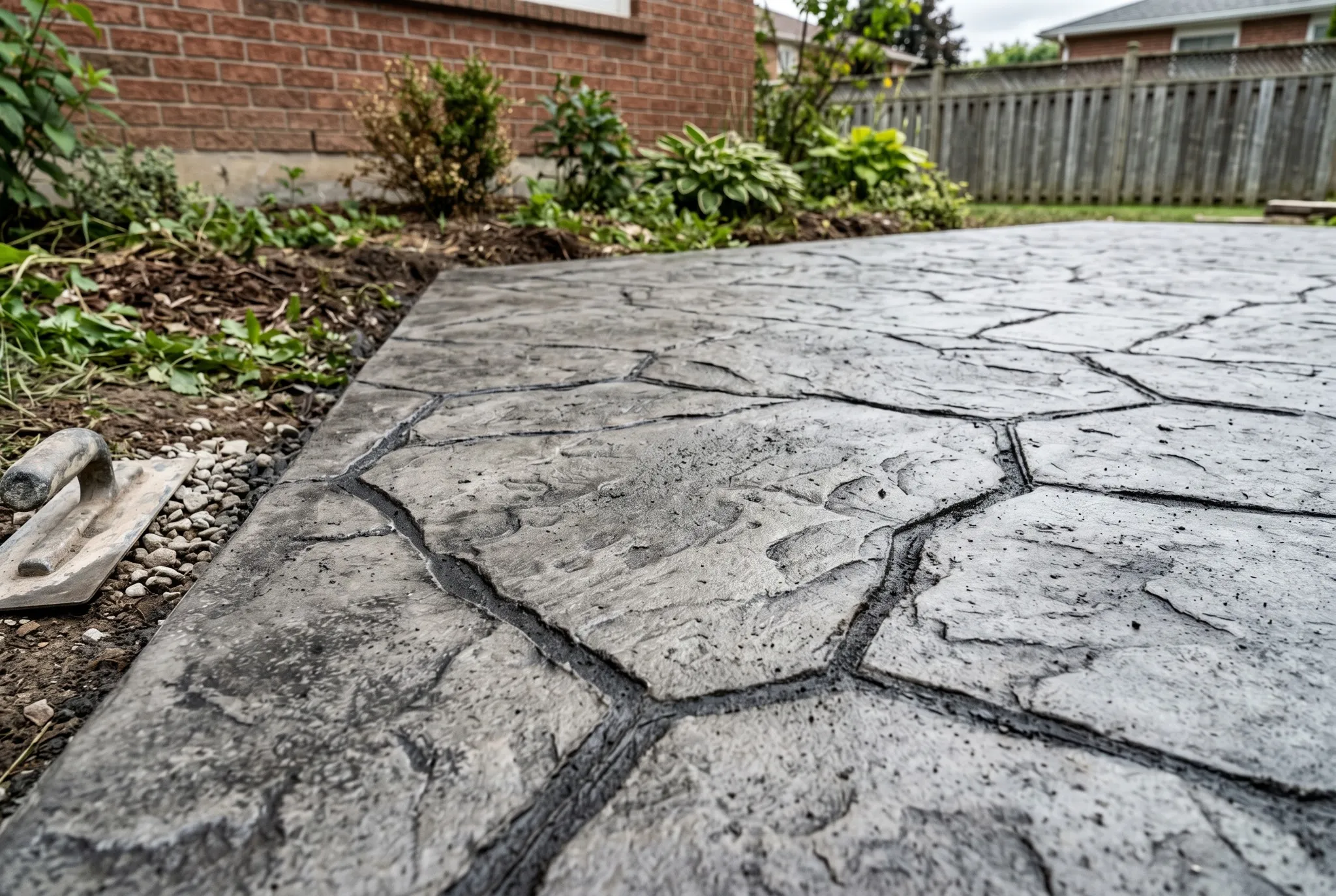
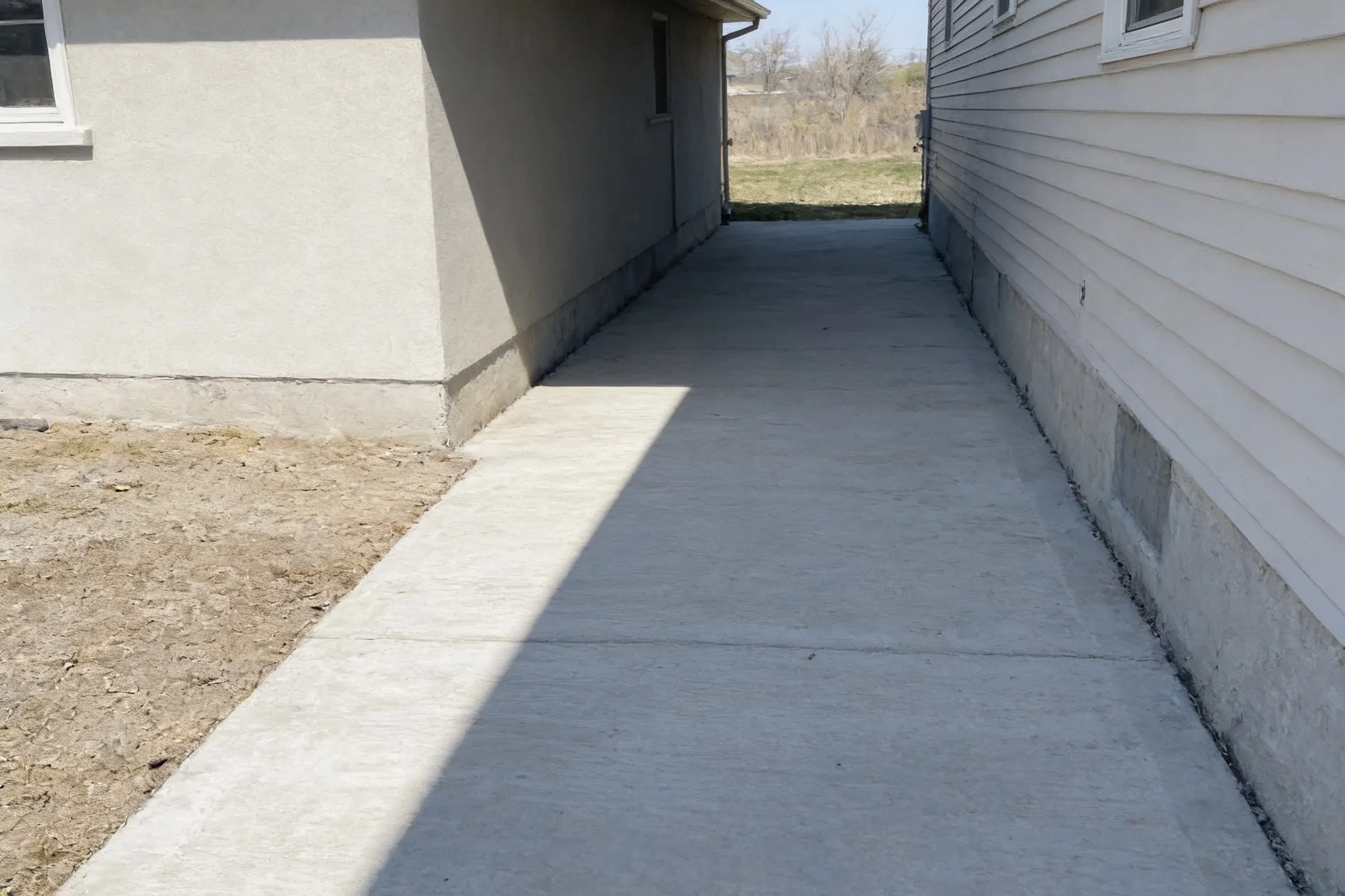
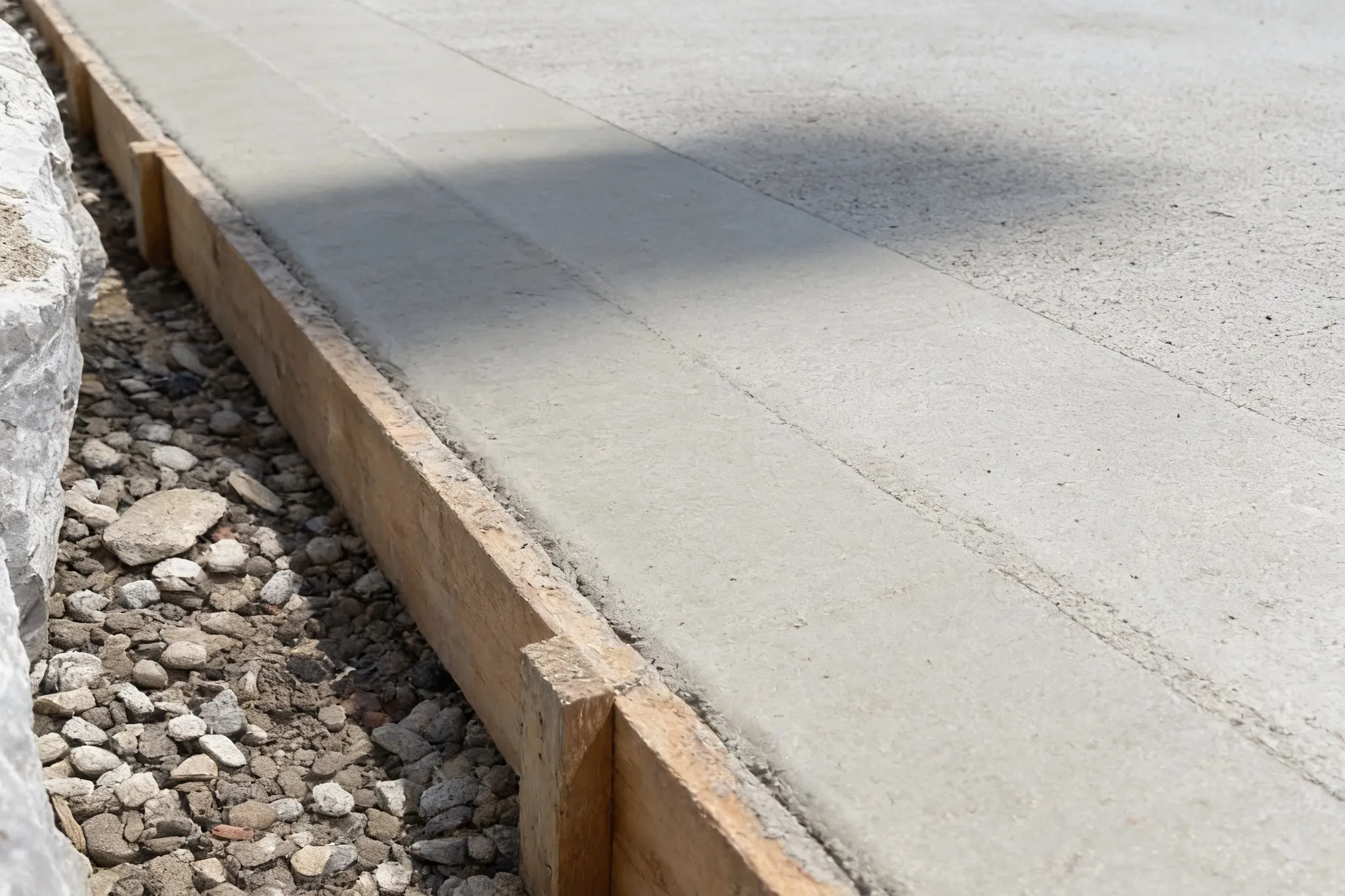
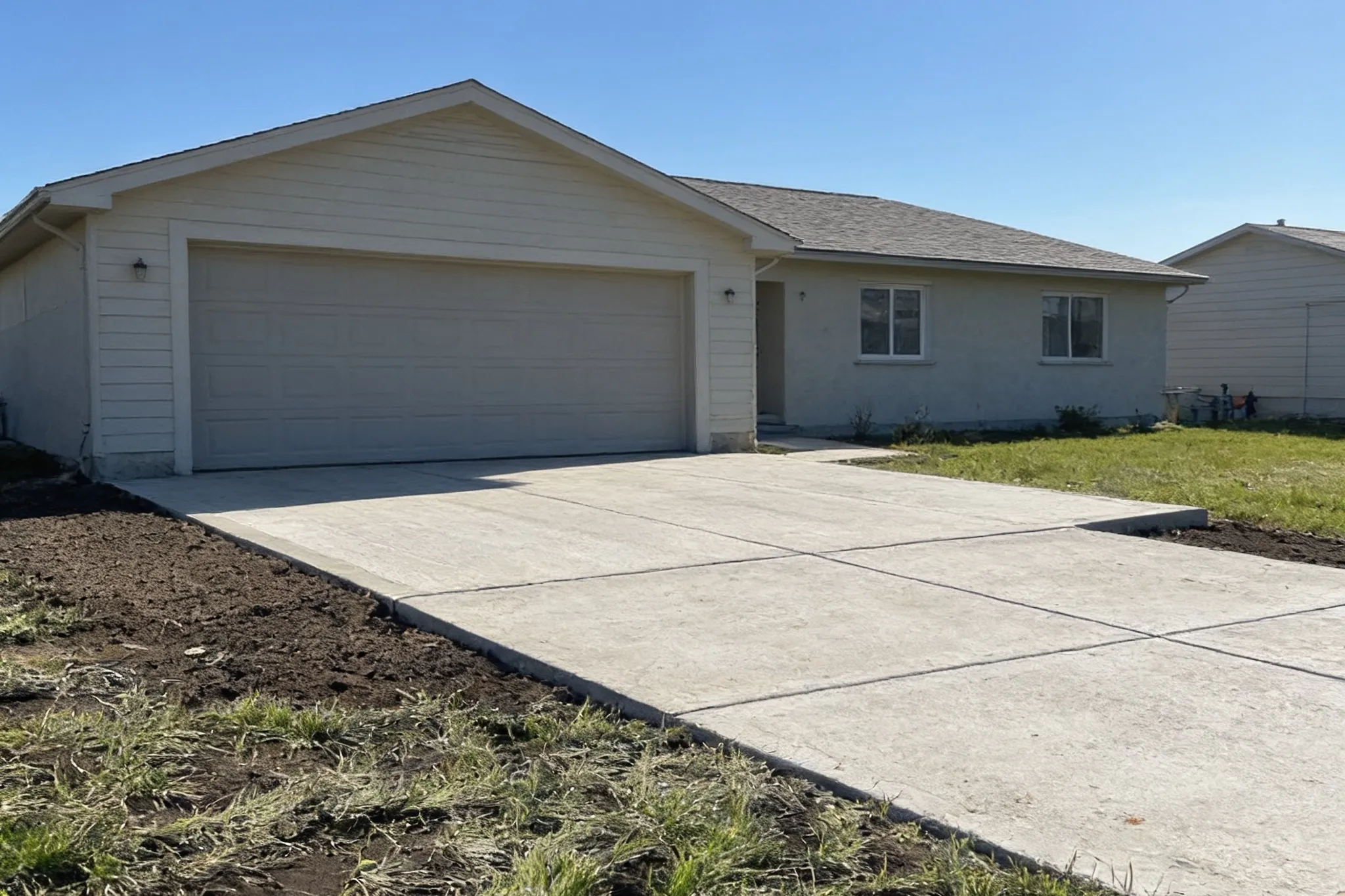
Reviewed June 2026
Every job is priced individually, not off a price list. Tell us about yours and you get an accurate, no-pressure quote in writing.
Cambridge is three old towns joined into one city: Galt, Preston and Hespeler. A pad that suits a lot beside the river in Galt is not the same job as a pad on a new street at the edge of Hespeler, so we read the ground before we talk about the slab.
The full spec, thickness, reinforcement and base depth, is on our concrete slabs and garage pads page. This page covers what a Cambridge slab needs in particular. Send the form for a free written quote; the number on it is the number you pay unless you change the job.
Near the Grand and Speed rivers
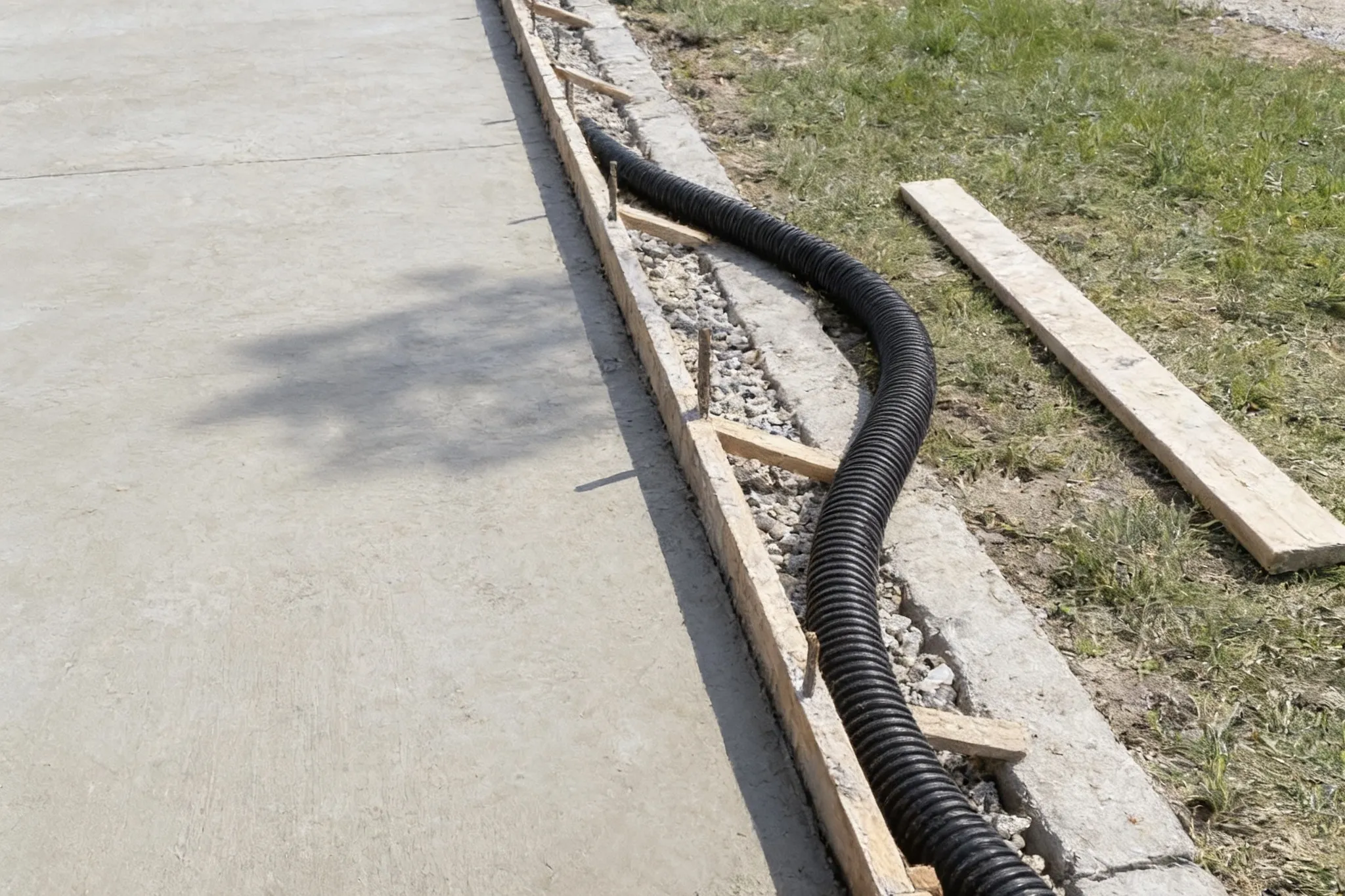
The river-valley cores of Galt and Preston carry a higher water table and a flood history. A pad down near the water sits on wetter ground than one up the hill, so drainage around it matters more. We compact a Granular A base in lifts and grade so water runs away from the slab.
We check the ground at the site visit rather than assume what is under your yard.
Sand and gravel away from the water
Away from the rivers, much of Cambridge sits on moraine sand and gravel. Sand drains well, so frost heaves a slab less than it would on clay. It also erodes, so a pad's edges need a contained base and runoff steered away from them. Stone close to the surface in parts of Galt is dealt with at the dig, before the base goes in.
New-build lots in Hespeler, Preston and Galt
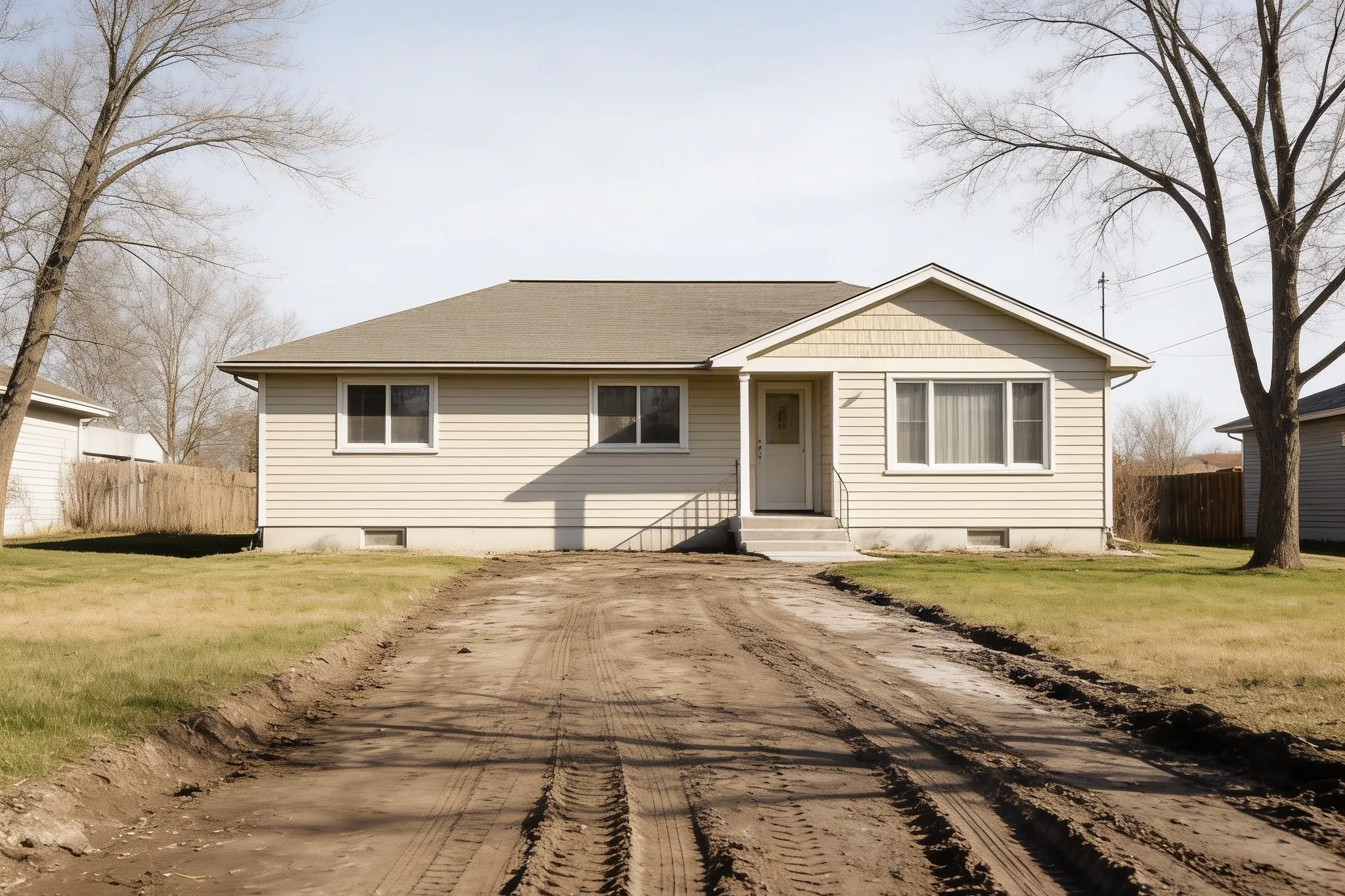
Subdivision ground is disturbed fill, and the backfill along a new foundation keeps moving for a year or two. Let the lot settle through a season after the builder sets the final grade. When we pour, we compact the base mechanically instead of trusting the fill.
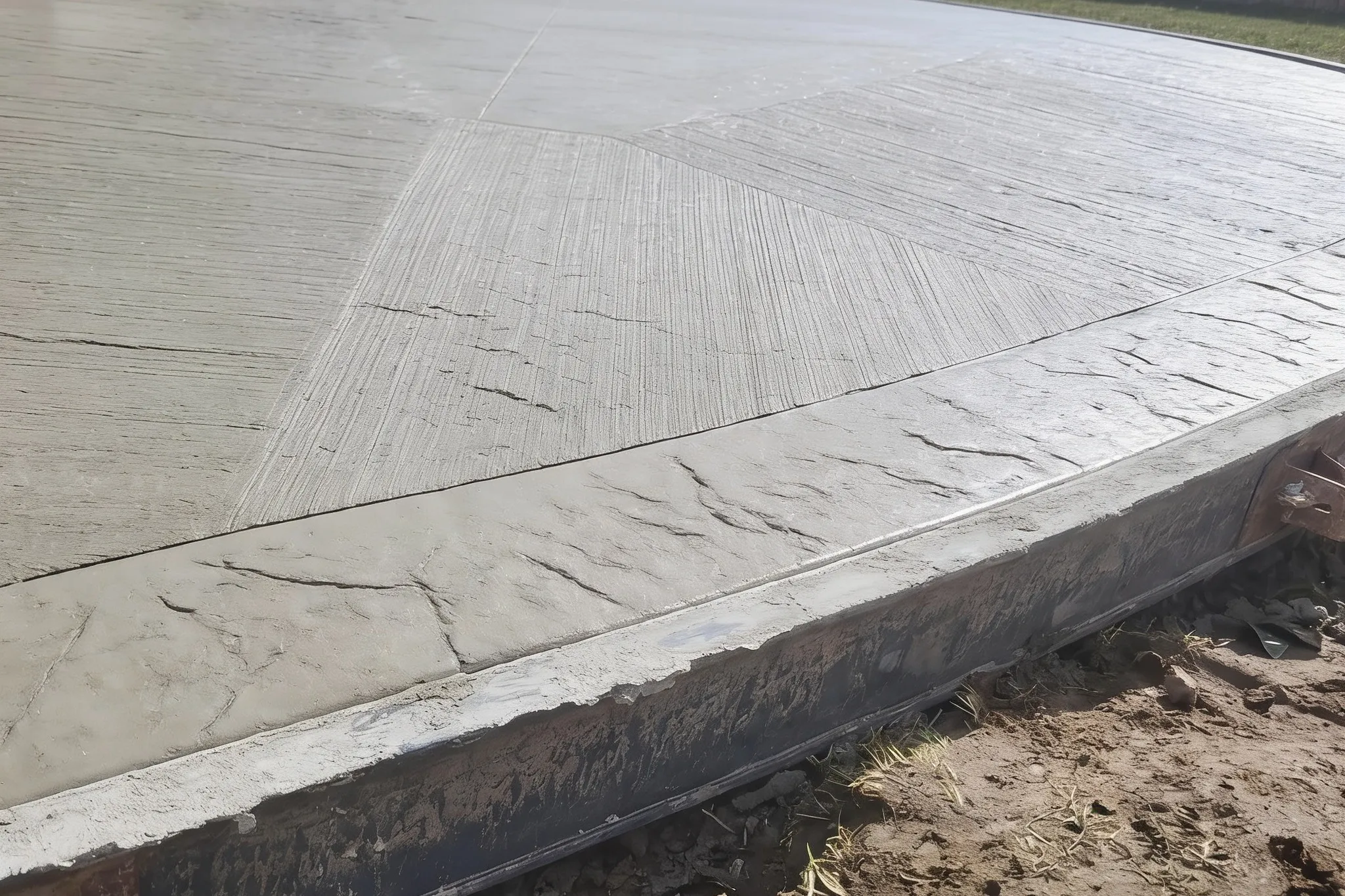
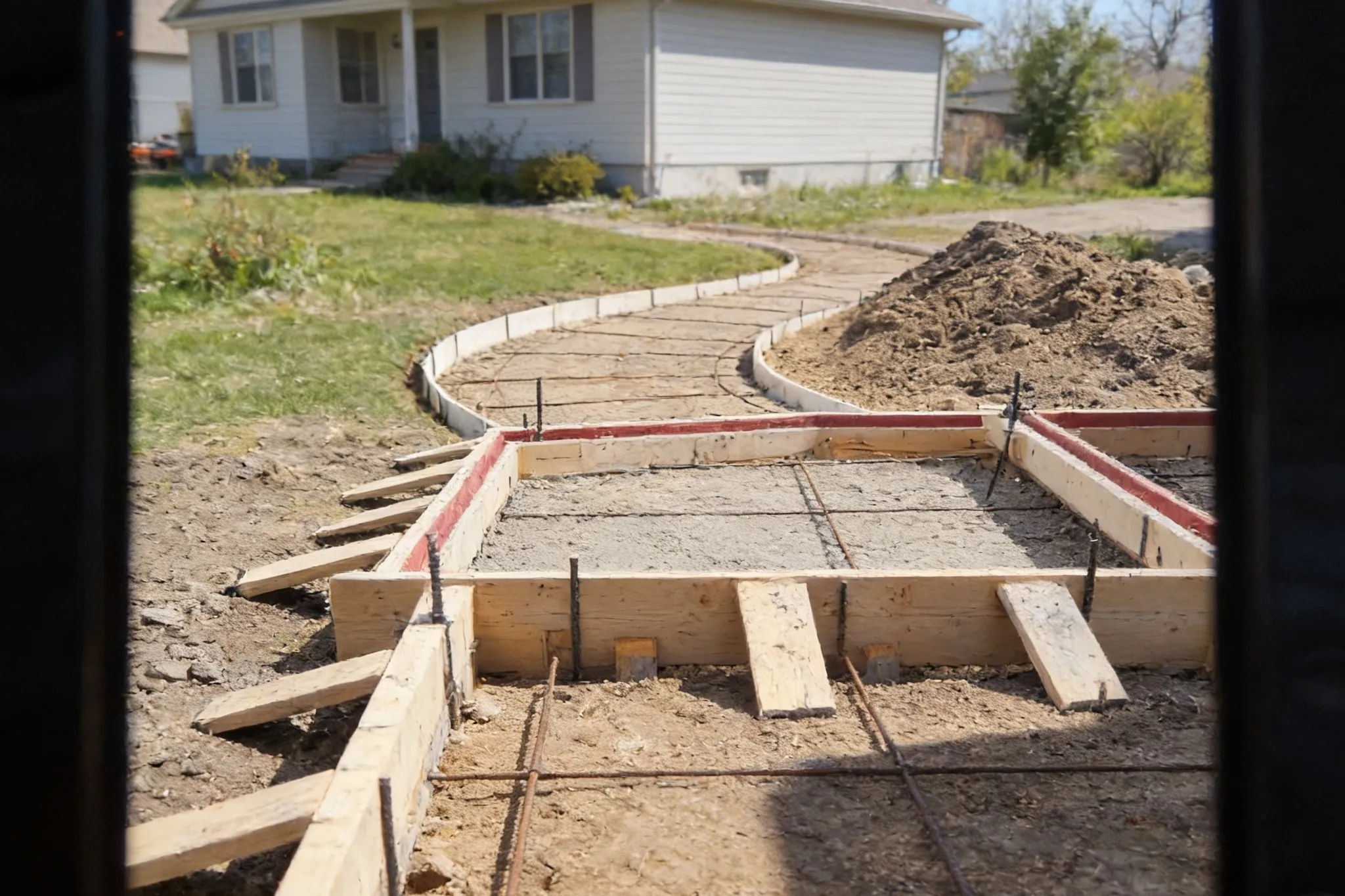
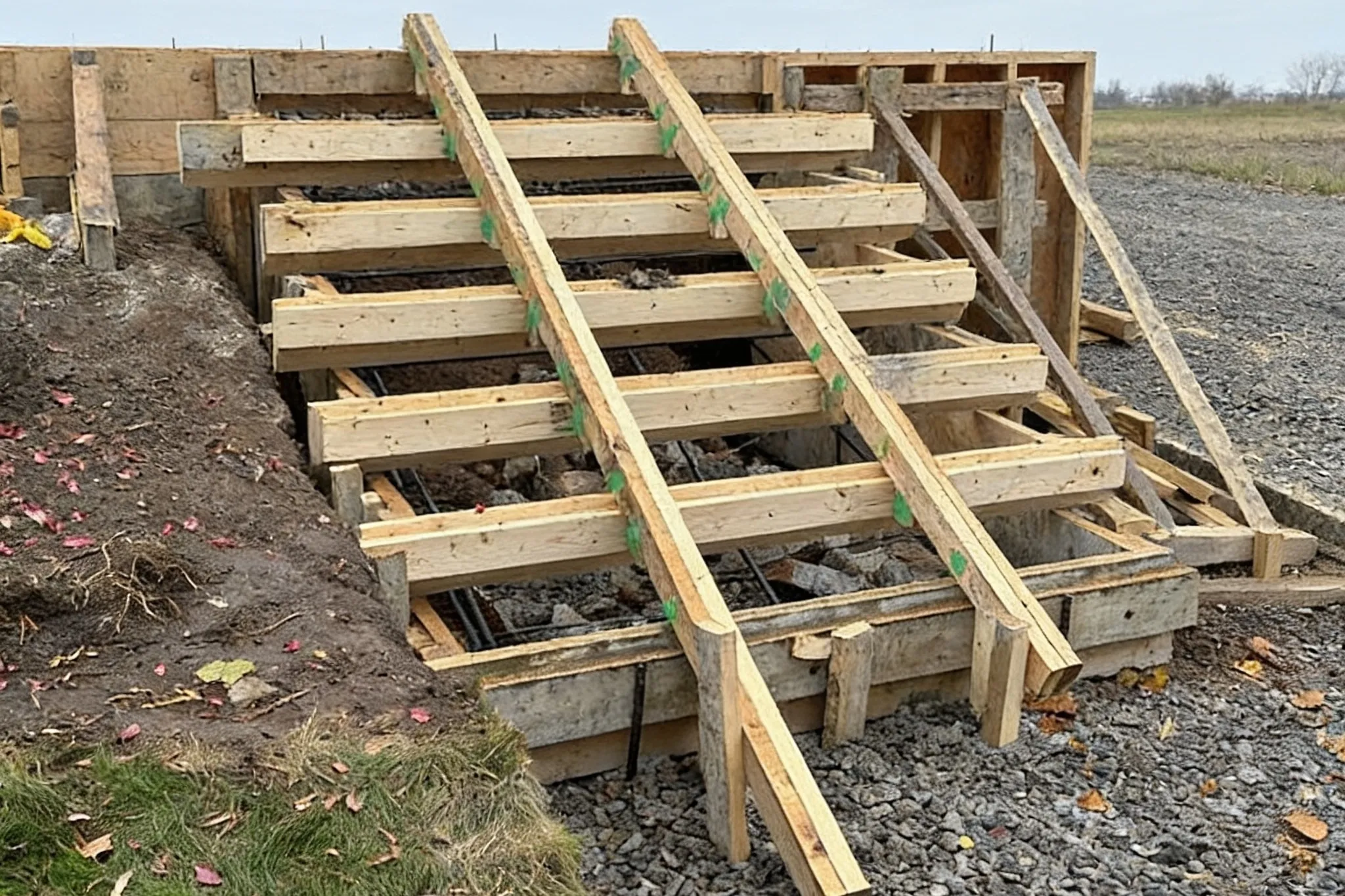
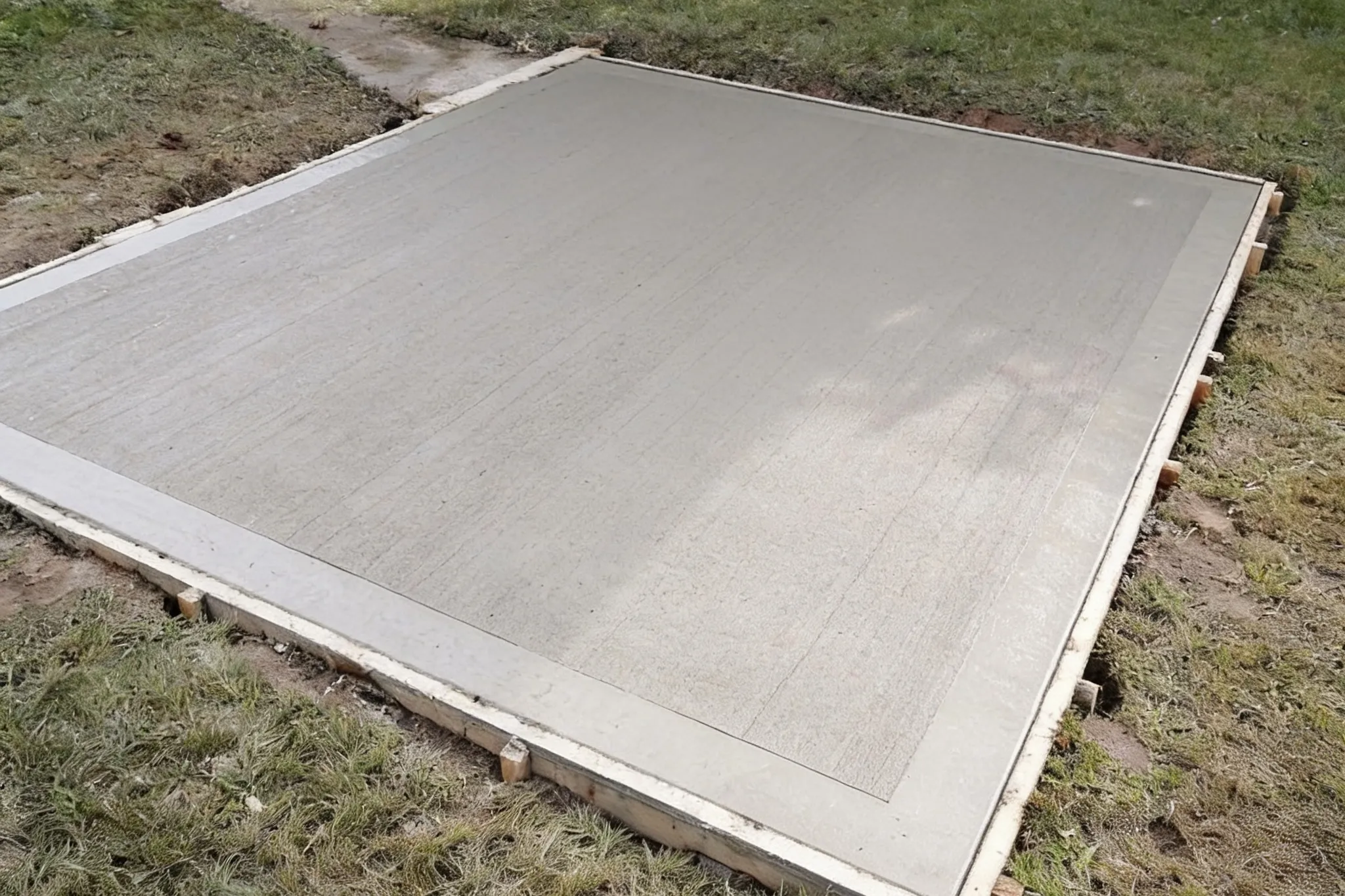
A detached garage pad is usually a floating slab. We thicken the edges to about 300 mm so they carry the walls, pour the slab 125 to 150 mm thick and tie a 10M rebar grid instead of light mesh. A shed or hot tub pad is lighter work, and welded wire mesh is the right choice there.
Built for salt and freeze-thaw
A Cambridge slab takes freeze-thaw swings, and a garage floor also takes the salt that drips off a parked car all winter. We pour 32 MPa air-entrained concrete outdoors and on garage floors, the mix made for freeze-thaw and de-icing salt.
Do you need a permit for a pad in Cambridge?
The pad is only part of the question. The City of Cambridge says you must apply for a building permit for any structure larger than 10 square metres (108 square feet), and it lists attached or detached garages, sheds and carports among the typical projects. A detached accessory building of 15 square metres (161 square feet) or smaller, one storey at most, used only for storage and with no plumbing, does not need one. Even then it must still meet the Zoning By-law and the Ontario Building Code.
So a garage almost always comes with a permit, and a small storage shed may not. Check with the city before you book the pour, because the pad has to match the building that goes on it. Near the Grand River, the Grand River Conservation Authority also issues permits under Ontario Regulation 41/24, and it publishes the policies it uses to decide them. If your lot is close to the river, ask it whether the work falls inside its rules.
What a Cambridge pad needs, by type
A shed or hot tub pad usually runs 100 mm thick on welded wire mesh, over a compacted Granular A base of 150 to 200 mm. A detached garage floor is 125 to 150 mm thick with a 10M rebar grid at 400 mm, and the edges are thickened to about 300 mm where the slab floats. The base goes deeper wherever soft or disturbed soil comes out of the dig.
Tell us what will sit on the pad. A hot tub, a lawn tractor, a workshop with a heavy bench and a parked pickup load the slab in different ways, and the load decides the reinforcement.
Access, timing and the first weeks
If your lot has a narrow side yard, a fence line or a mature tree between the street and the back garden, how the crew and the concrete get in changes the work and the quote, so we look at the route at the site visit. If the truck cannot reach the pad, say so early.
Keep vehicles off a new pad for at least 48 hours, and wait about 7 days before framing on it. The concrete reaches its full design strength at 28 days, so heavy loads like a loaded trailer should wait. Salt from a winter driveway or a parked car is why we use air-entrained 32 MPa concrete on garage floors.
What sets the size of your quote
We do not publish a flat figure, because three things move the number: the size of the pad, the ground (river-valley water, fill or sand), and the access. A bigger pad, a deeper base or a hard-to-reach back yard each add work. The free written quote lists the options and the number, and that number is the one you pay unless you change the job.
Straight answers
We bought a new build on the edge of Hespeler. When can we pour a garage or shed pad?
After the builder sets the final grade and the lot has had a season to settle. Subdivision ground is disturbed fill, and the backfill along a new foundation keeps moving for a year or two, so we compact the base properly rather than trust it.
Does a pad near the Grand or Speed river need anything different?
The base and the drainage. The river-valley cores of Galt and Preston carry a higher water table, so we compact granular in lifts and grade the pad so water leaves it. We look at the ground at the site visit and quote what that lot needs.
Rebar or wire mesh for a garage pad in Cambridge?
Rebar. Mesh controls shrinkage cracking and suits light pads like sheds and hot tubs, but a garage floor carries a vehicle, so we tie a 10M rebar grid.
How much does a garage pad cost in Cambridge?
The size of the pad, how the crew gets in, and what the ground needs all set the number, so a flat figure would mislead you. We give you a free written quote after a site visit, and the number on it is the number you pay unless you change the job.
Do I need a permit for a garage pad in Cambridge?
For the garage, almost certainly. The City of Cambridge requires a building permit for a structure larger than 10 square metres, and lists garages and sheds among typical permit projects. A small storage shed of 15 square metres or less, one storey, with no plumbing, is exempt, but it must still meet the Zoning By-law and Building Code. Ask the city before the pour.
How long before I can build on a new slab?
Keep vehicles off for at least 48 hours and wait about 7 days before framing. Full design strength comes at 28 days, so leave heavy loads until then.
How thick should a shed or hot tub pad be?
About 100 mm, on welded wire mesh and a compacted granular base. A garage floor is thicker, 125 to 150 mm, with rebar.
Is my lot near the Grand River a problem?
It changes the base and drainage, and the Grand River Conservation Authority may need to be consulted before work. We look at the ground at the site visit and tell you what the lot needs.
Keep reading
- Concrete Slabs & Garage Pads across Southern OntarioThe full spec: thickness, reinforcement, base depth and cure.
- Concrete Contractors in CambridgeEverything else we pour and repair across the city, from Galt to Hespeler.
- Concrete Driveways in CambridgeThe same base work, for a new or widened Cambridge driveway.
- Concrete Removal & DemolitionAn old cracked pad in the way comes out first. Here is what tear-out involves.
Tell us about the job.
Send the details and we'll get back to you within one business day with next steps. If water is coming in right now, check the box and we flag it urgent.
Get a straight quote
Free · no pressure · 1 business day