HomeServicesConcrete PatiosSt. George
Concrete Patios in St. George
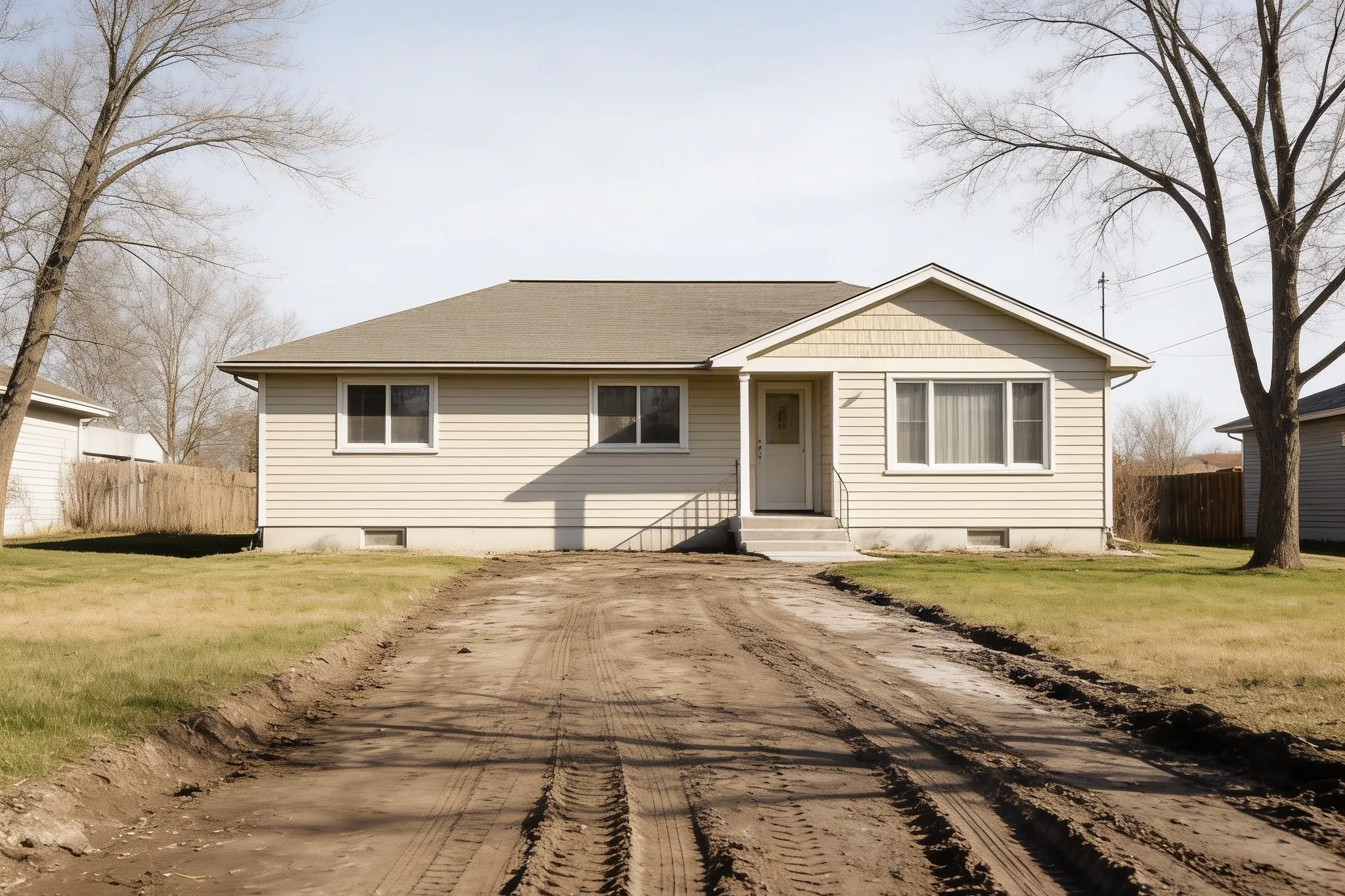
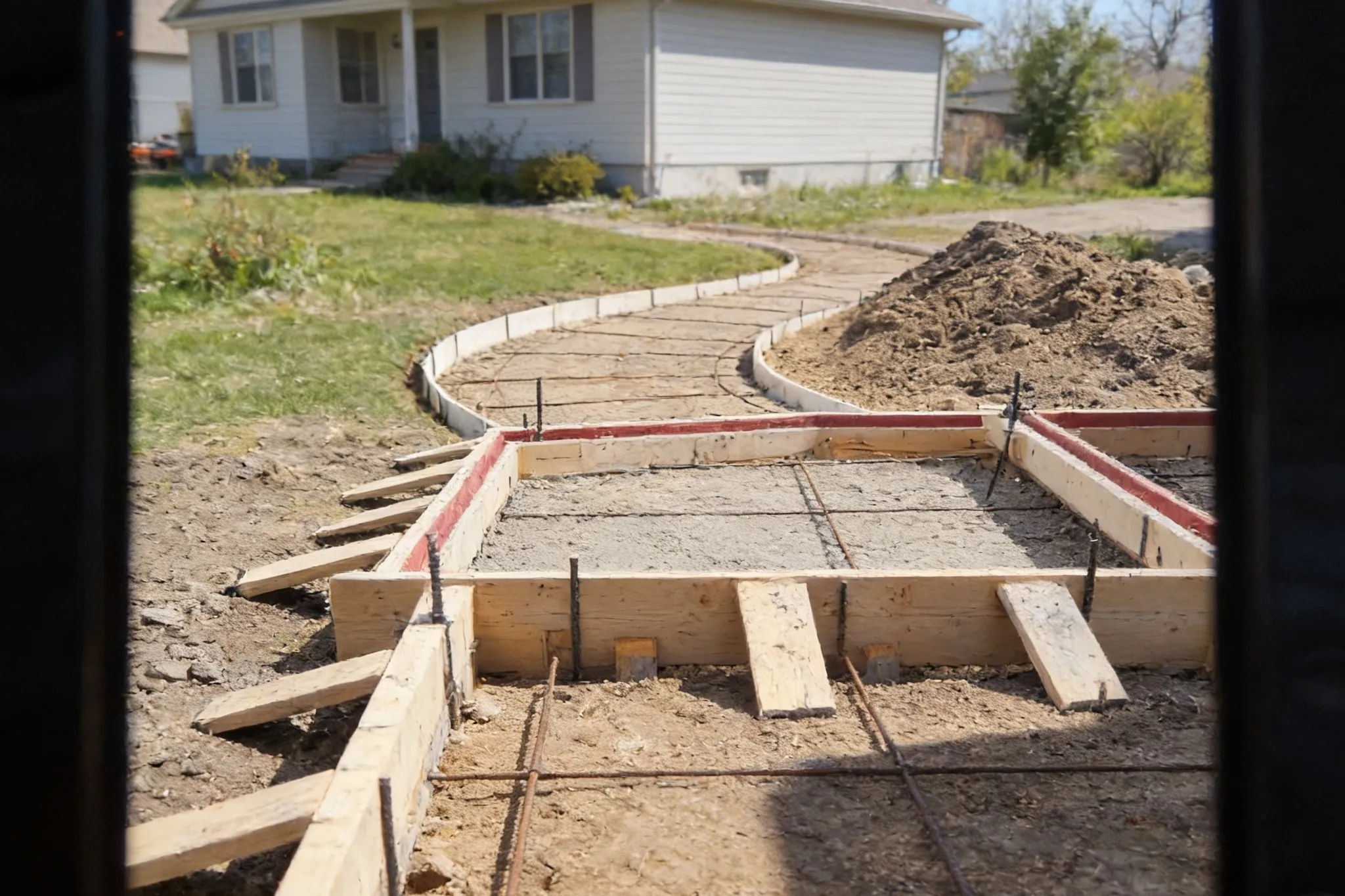
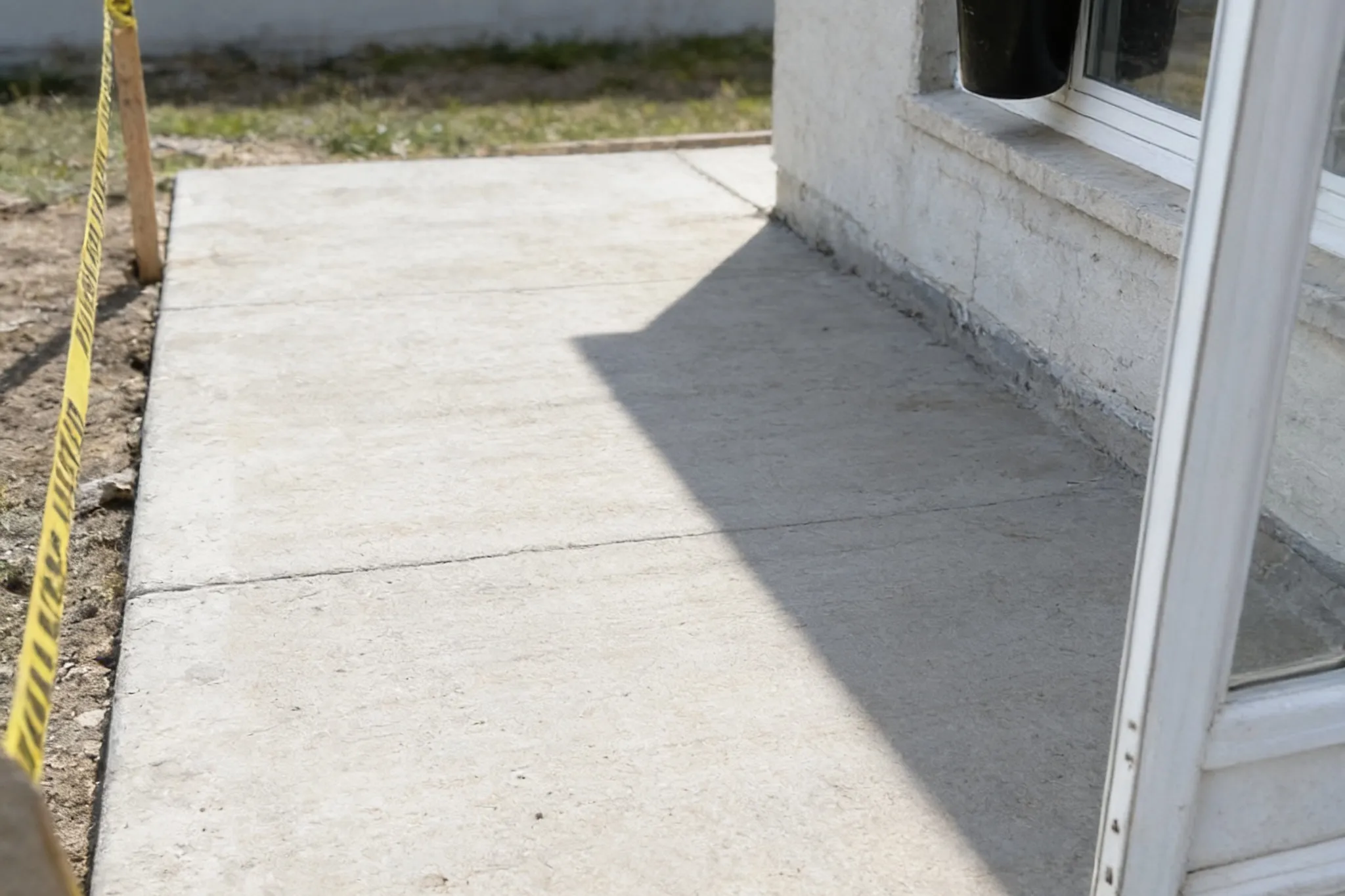
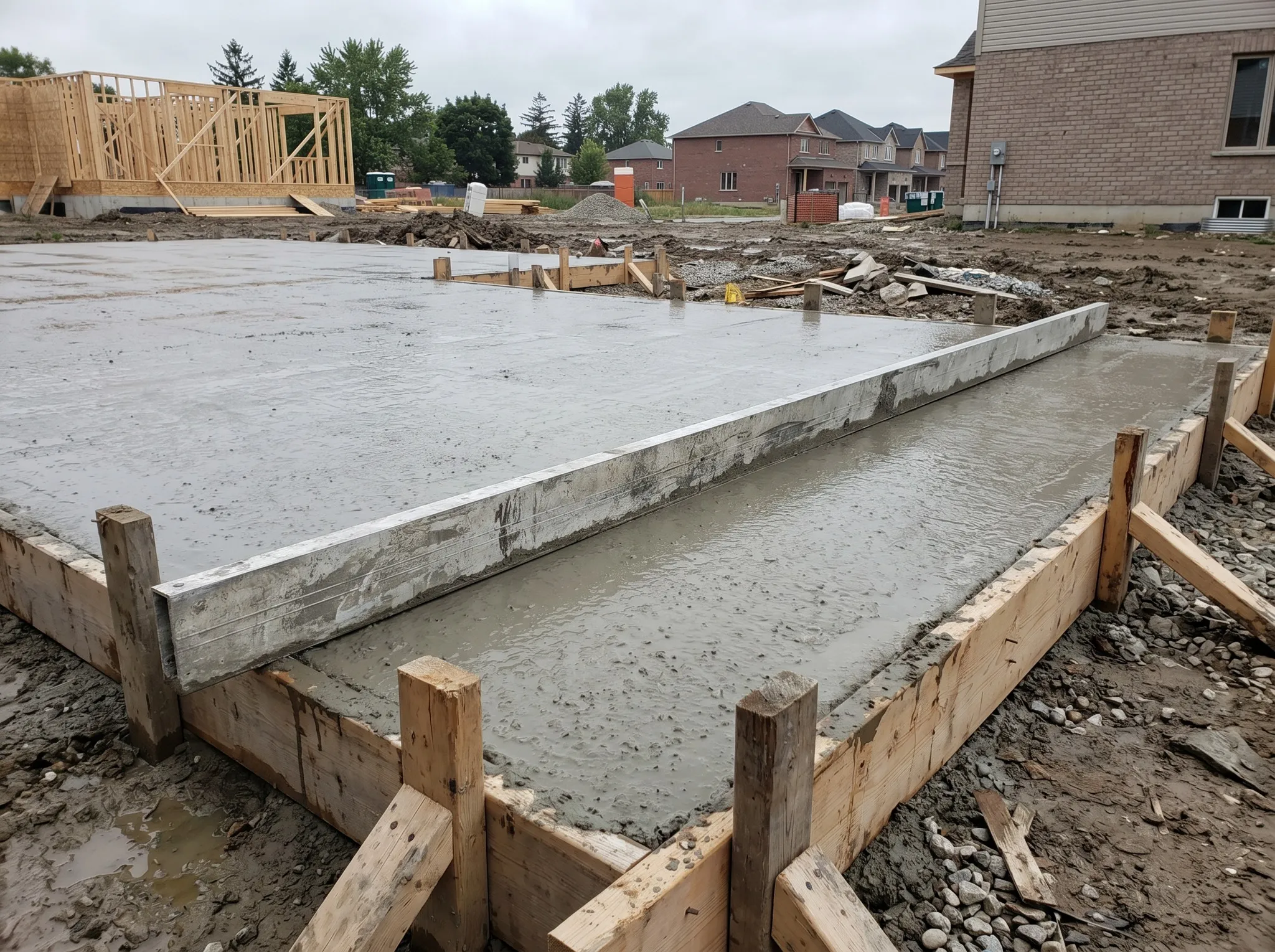
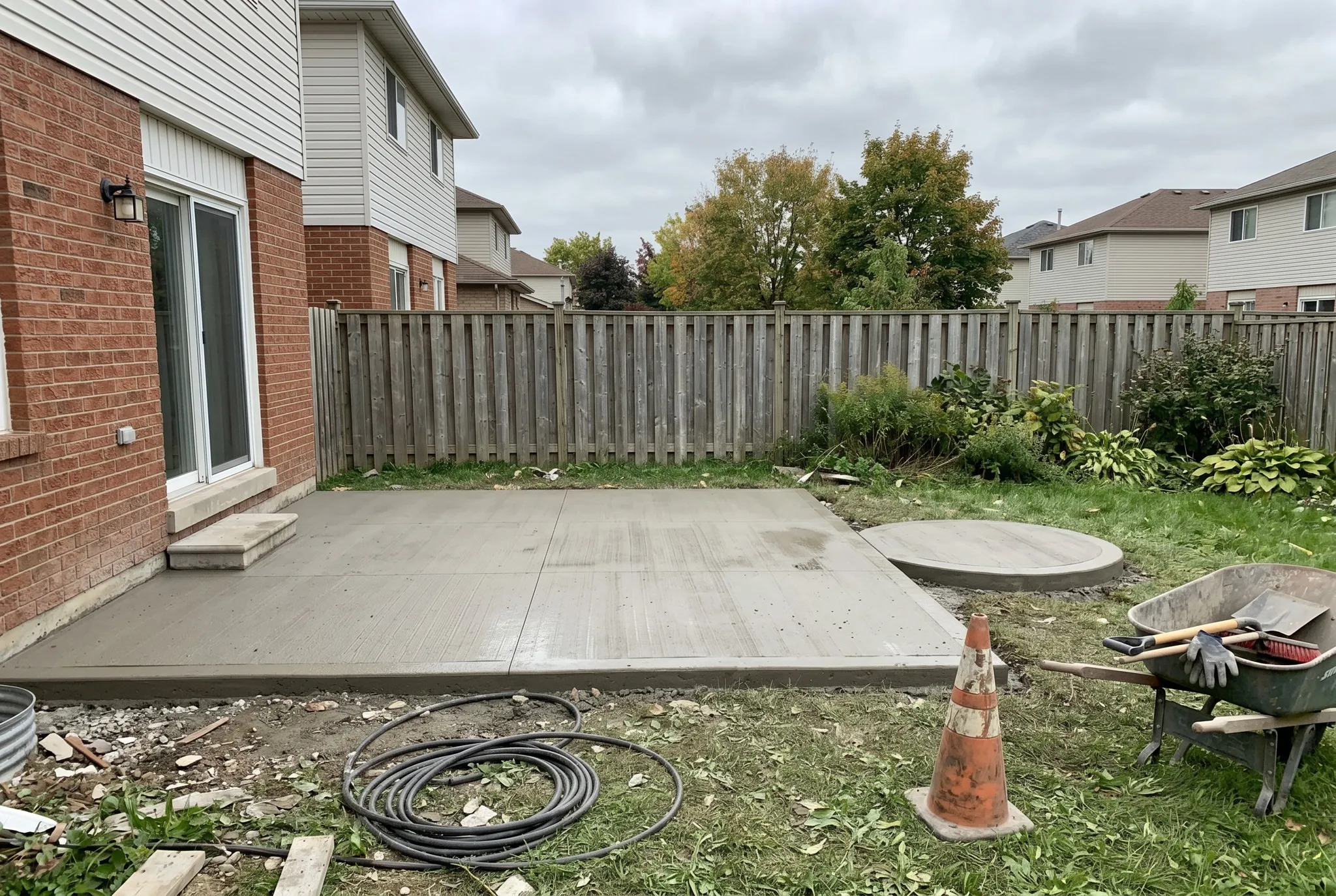
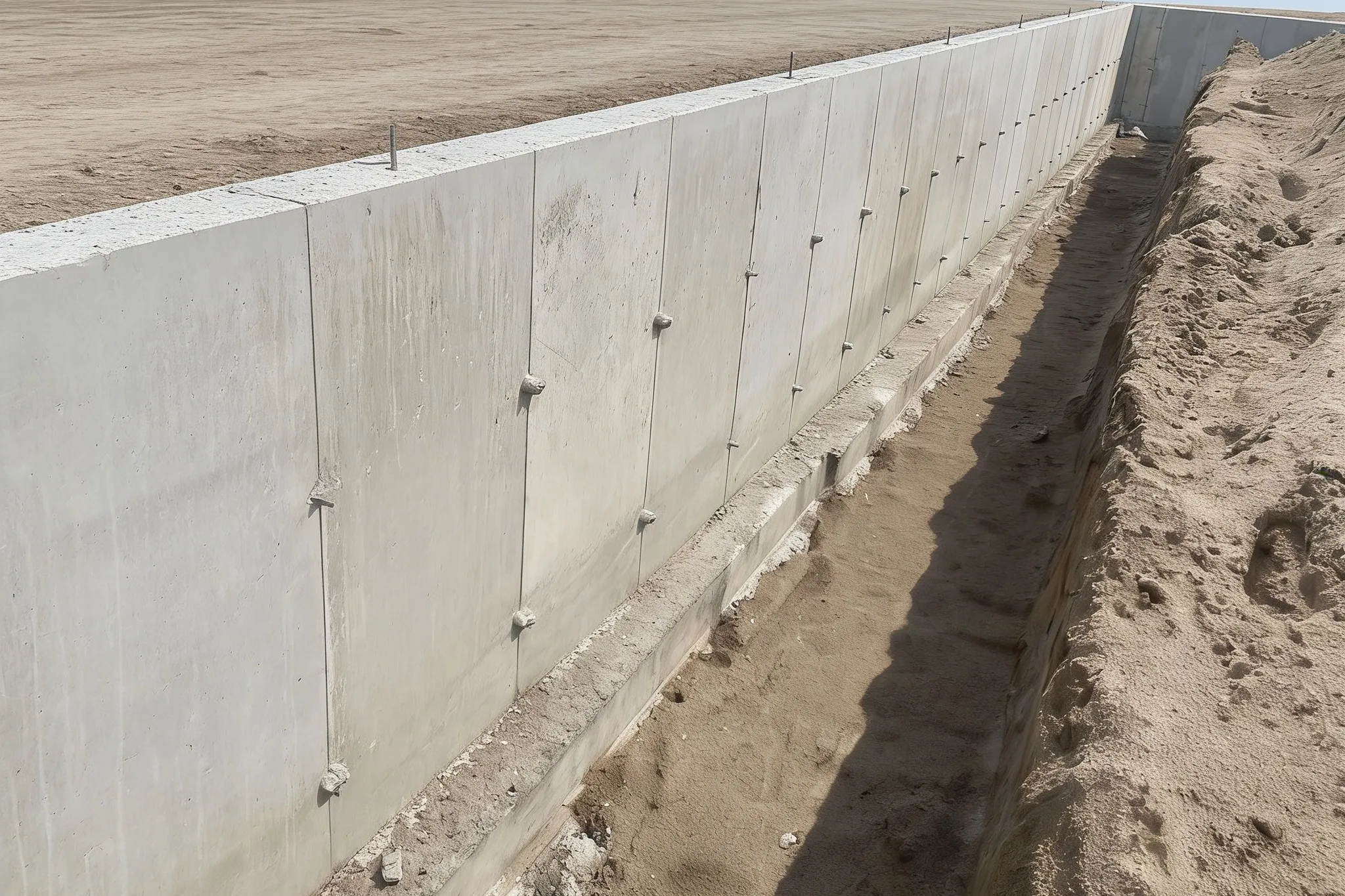
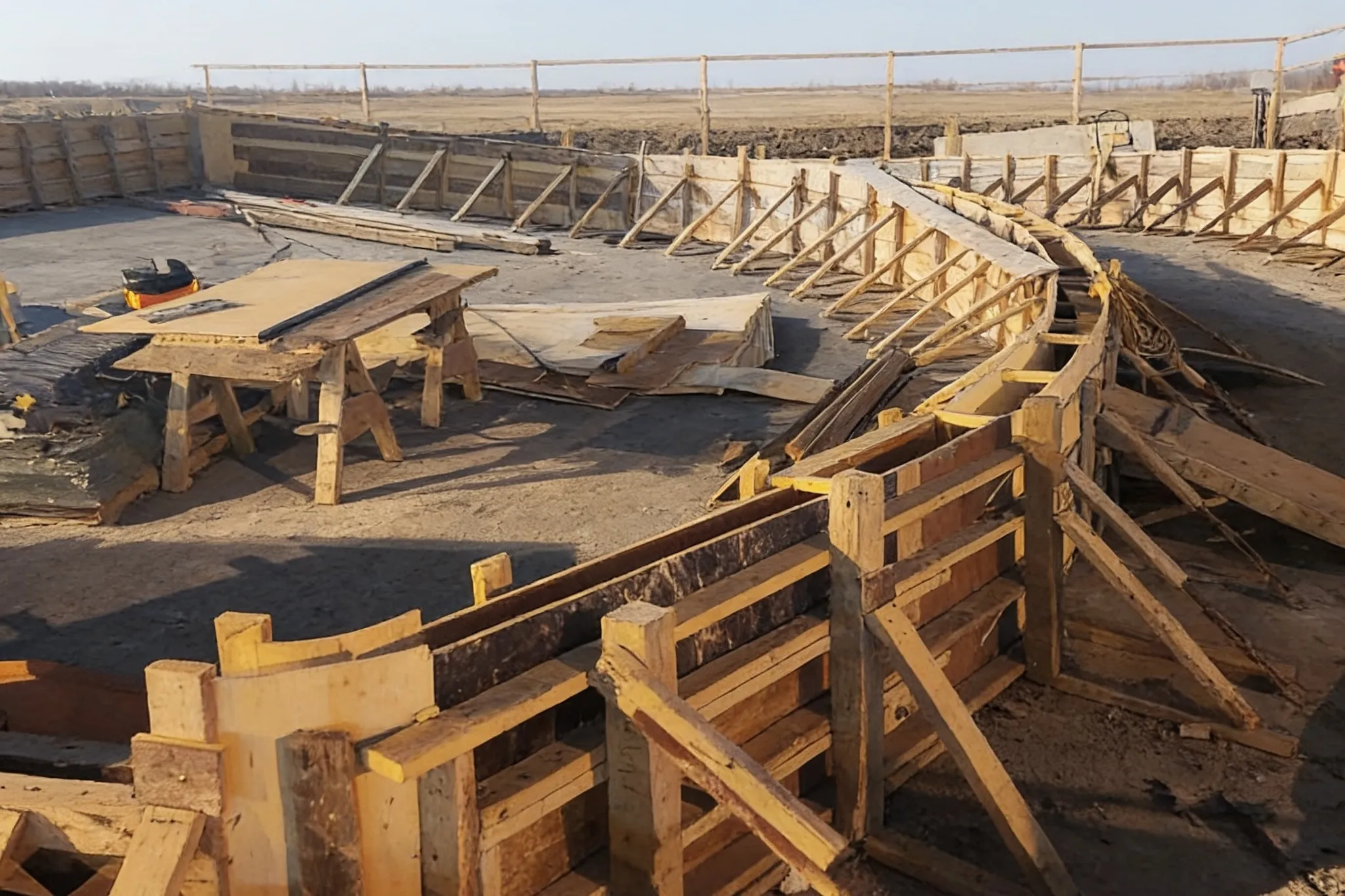
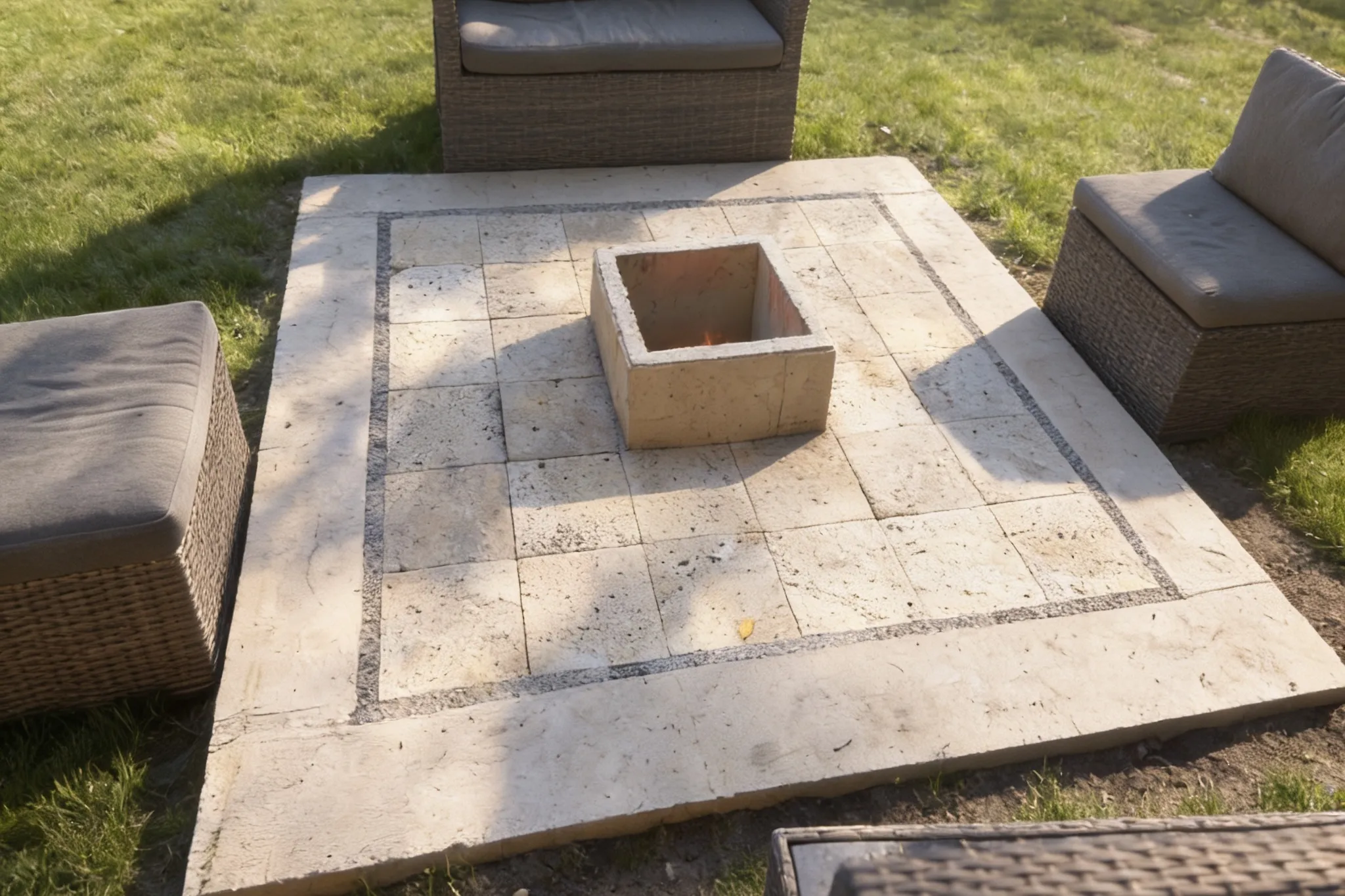
We pour concrete patios in St. George, from new backyards in St. George Village and StoneyRidge to older lots off Main Street and farm properties on the concession roads. The village sits on clay that holds water and lifts concrete in a hard freeze, so we build every patio on a compacted granular base and slope it about 2 percent away from the house. Union-certified crews, a free written quote, and a lifetime warranty on labour.
Get a straight quote
Free · no pressure · 1 business day
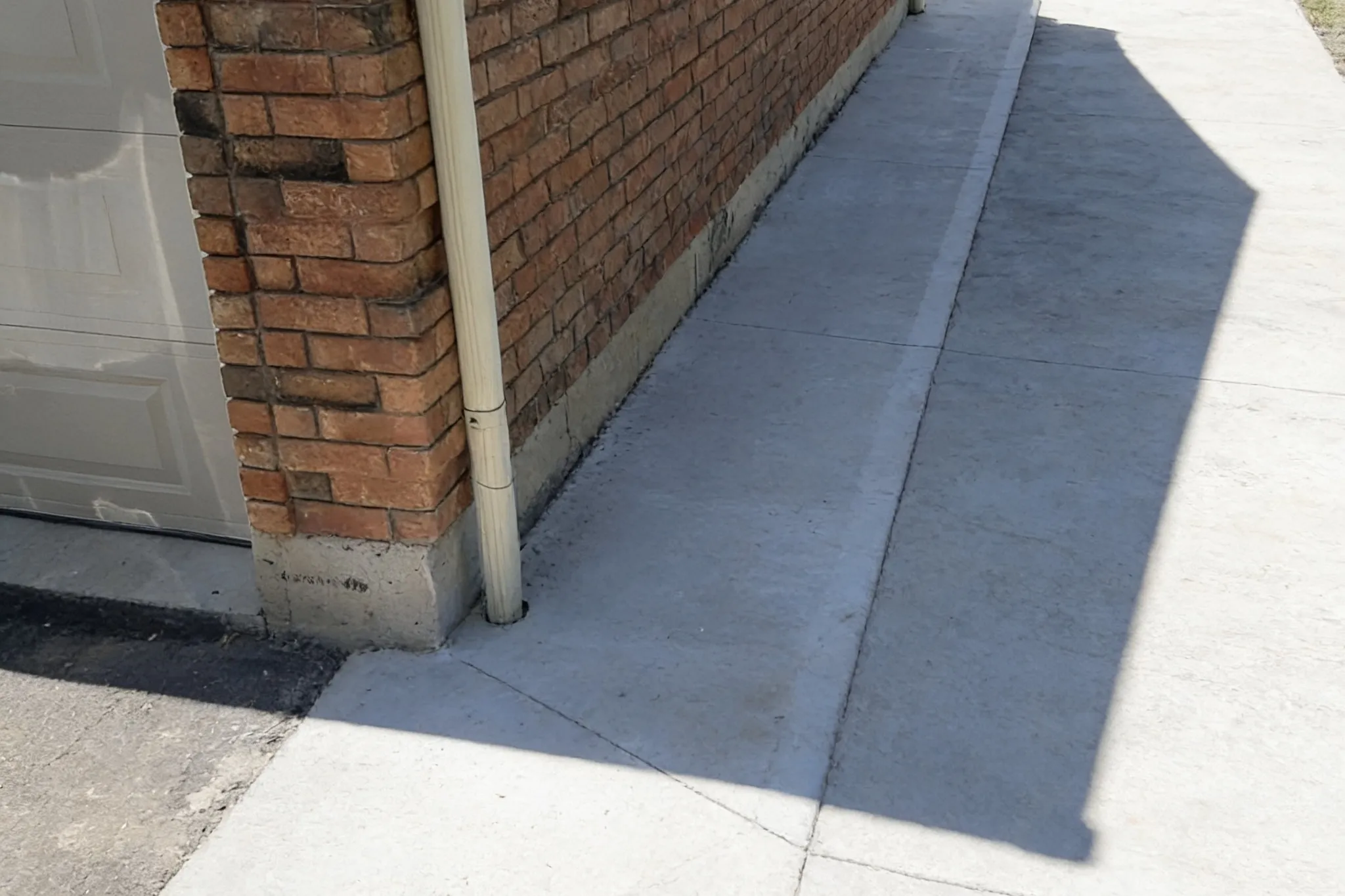
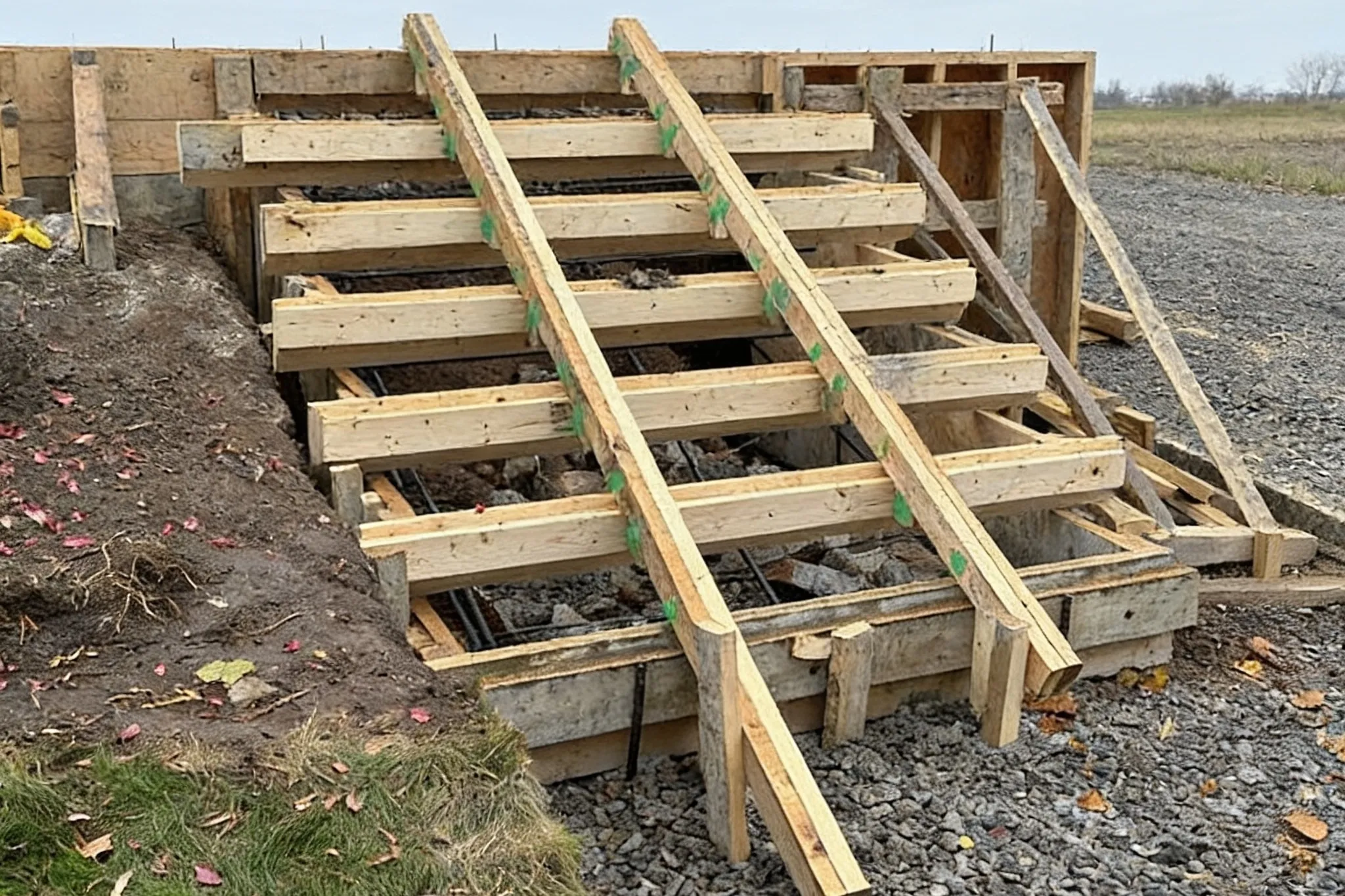
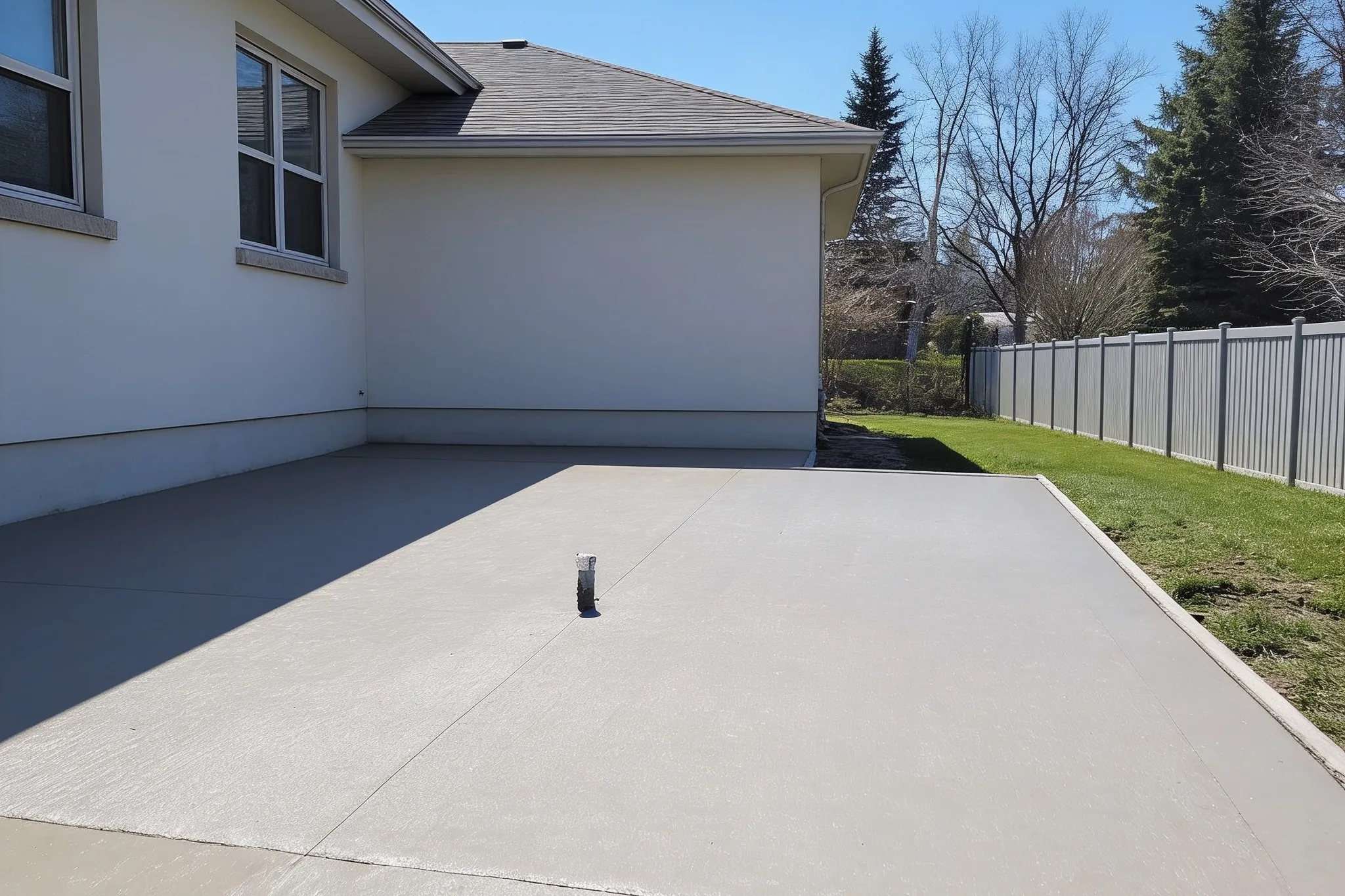
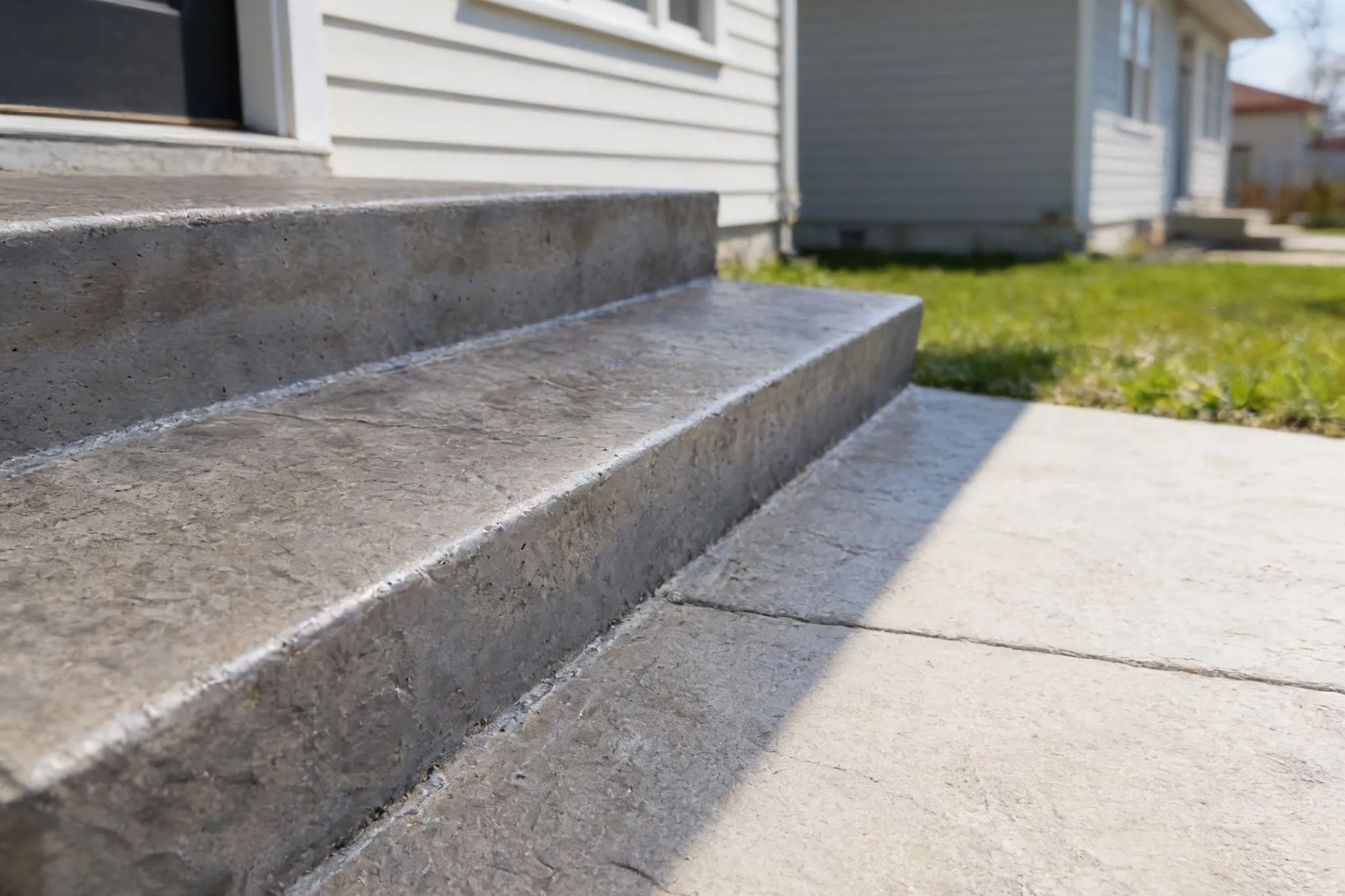
Reviewed June 2026
Every job is priced individually, not off a price list. Tell us about yours and you get an accurate, no-pressure quote in writing.
St. George sits up on the clay plain, not down in a river valley. That clay is slow to drain. Snowmelt and spring rain sit in low yards and soak the ground beside the house for weeks, and when frost drives deep, the wet clay grips a slab and lifts it. A thin patio poured on uncompacted ground rarely stays flat for long here.
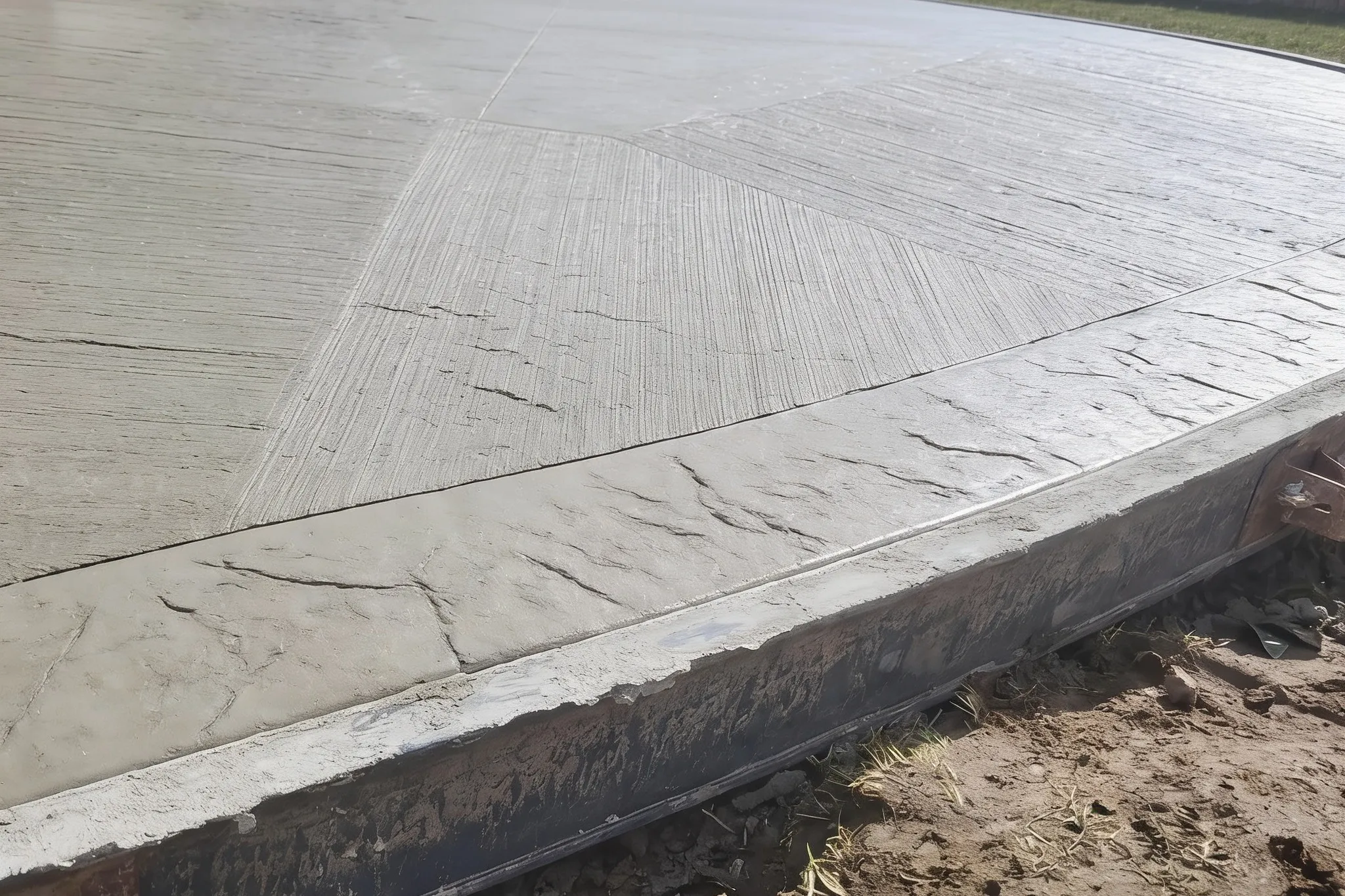
The full method, the 32 MPa air-entrained mix, the 100 mm slab, the compacted Granular A base and the control joints, is on our concrete patios page. This page is about what St. George's ground and homes change. The site visit and the written quote are free, and the number on the quote is the number you pay unless you change the job.
Clay that holds water
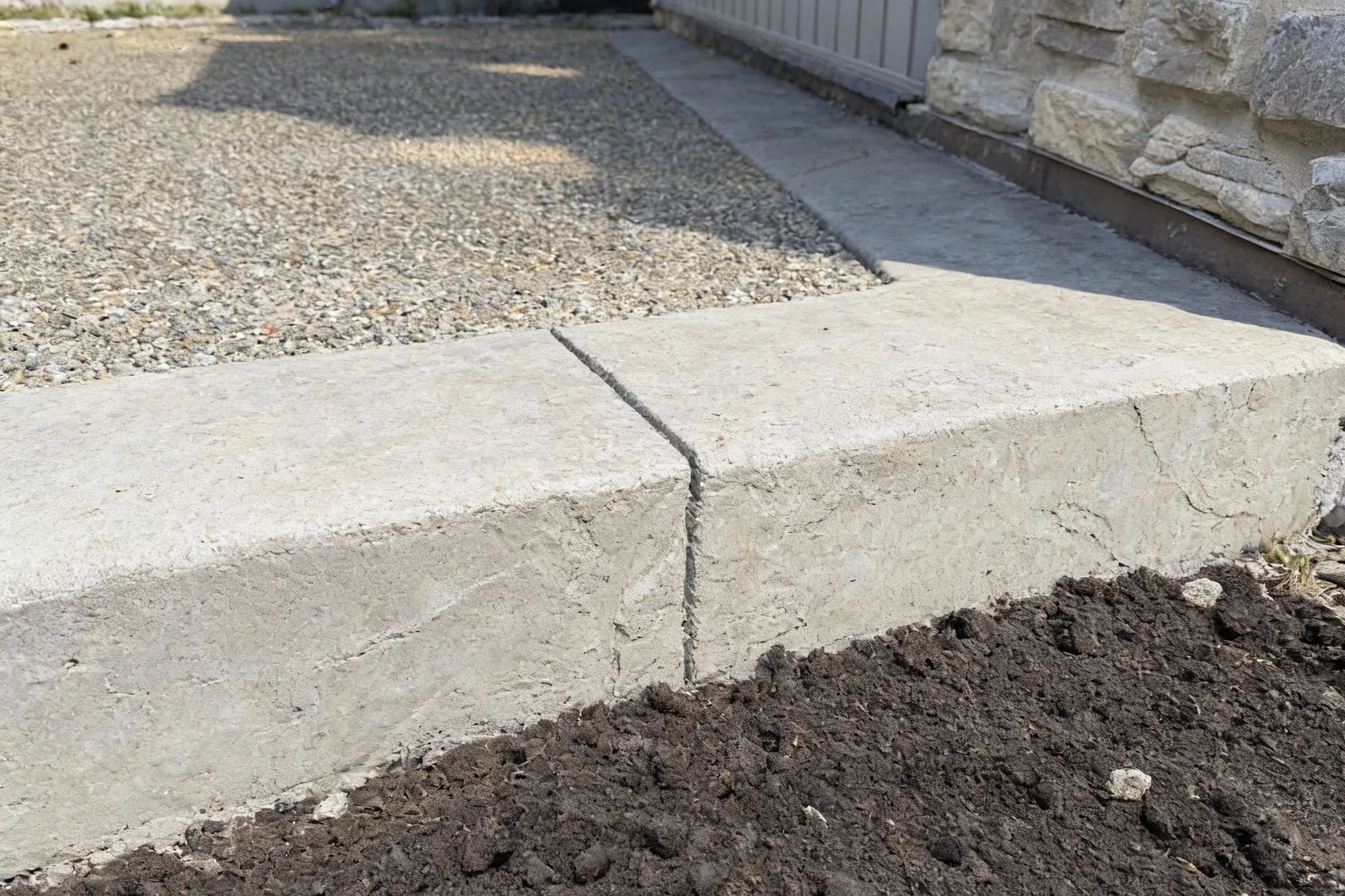
On clay, a patio fails from below. Water that cannot drain sits under the slab, freezes, and pushes it up unevenly. Then the slab settles back in the spring, and the cracks start.
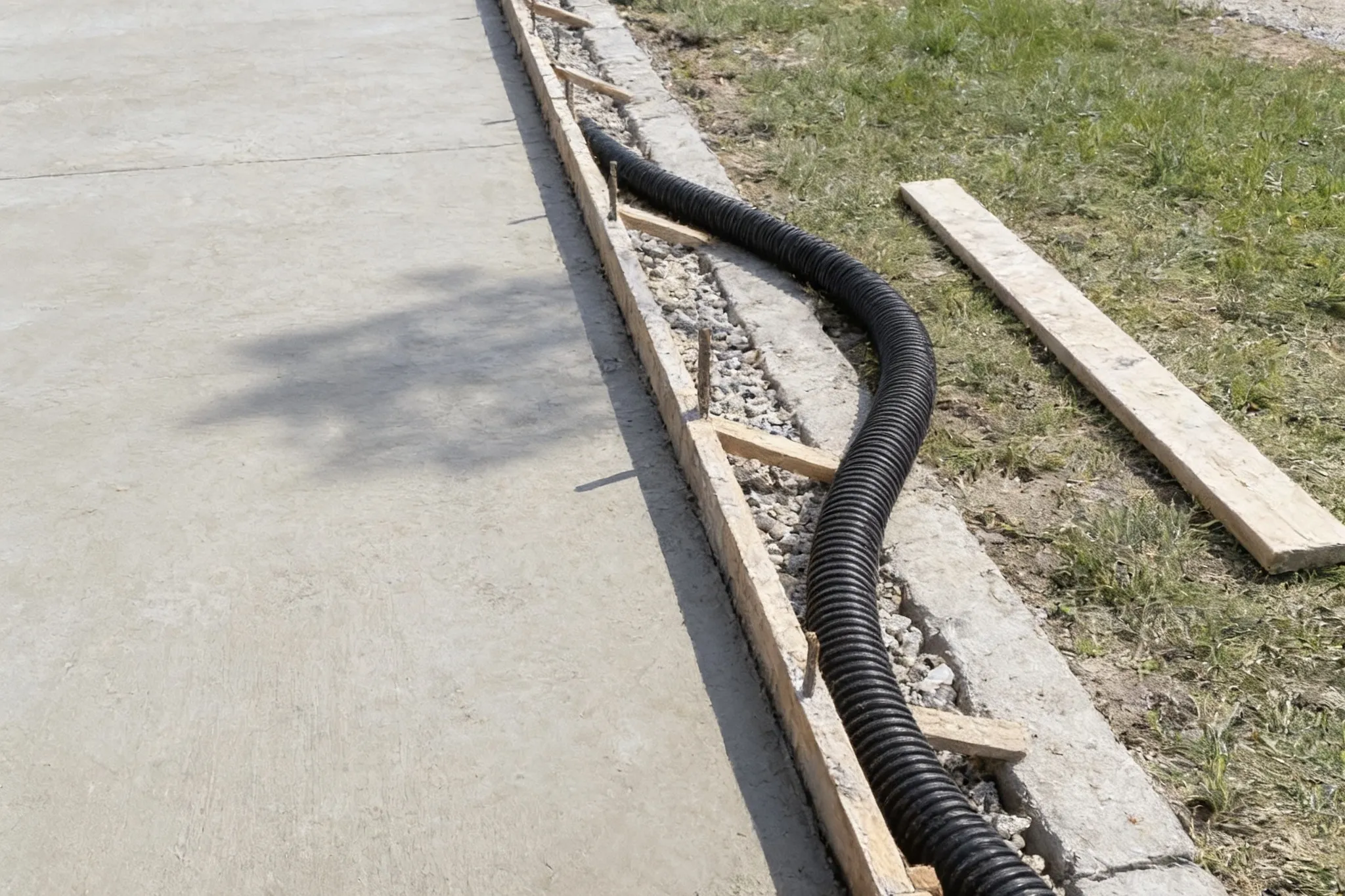
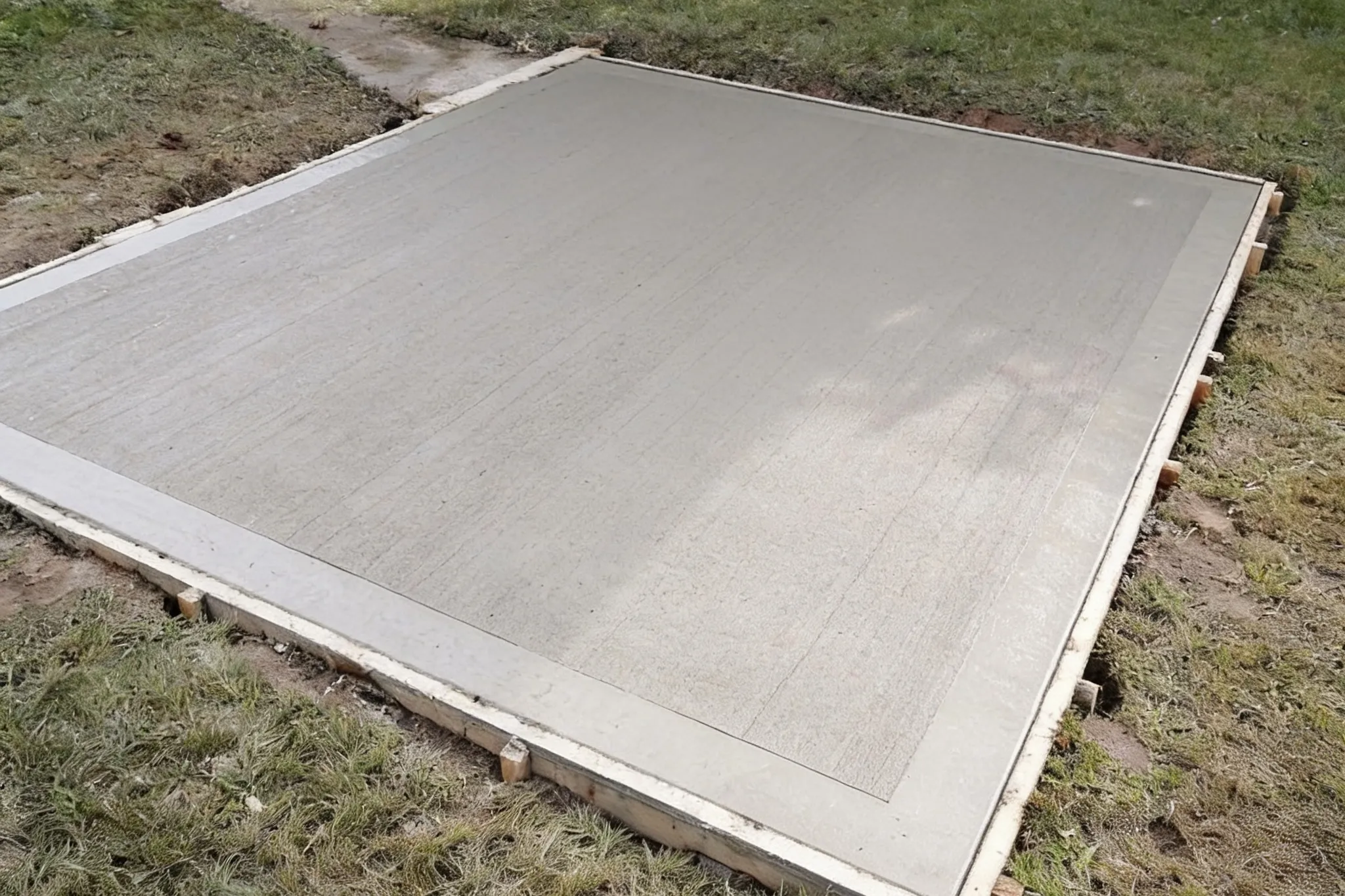
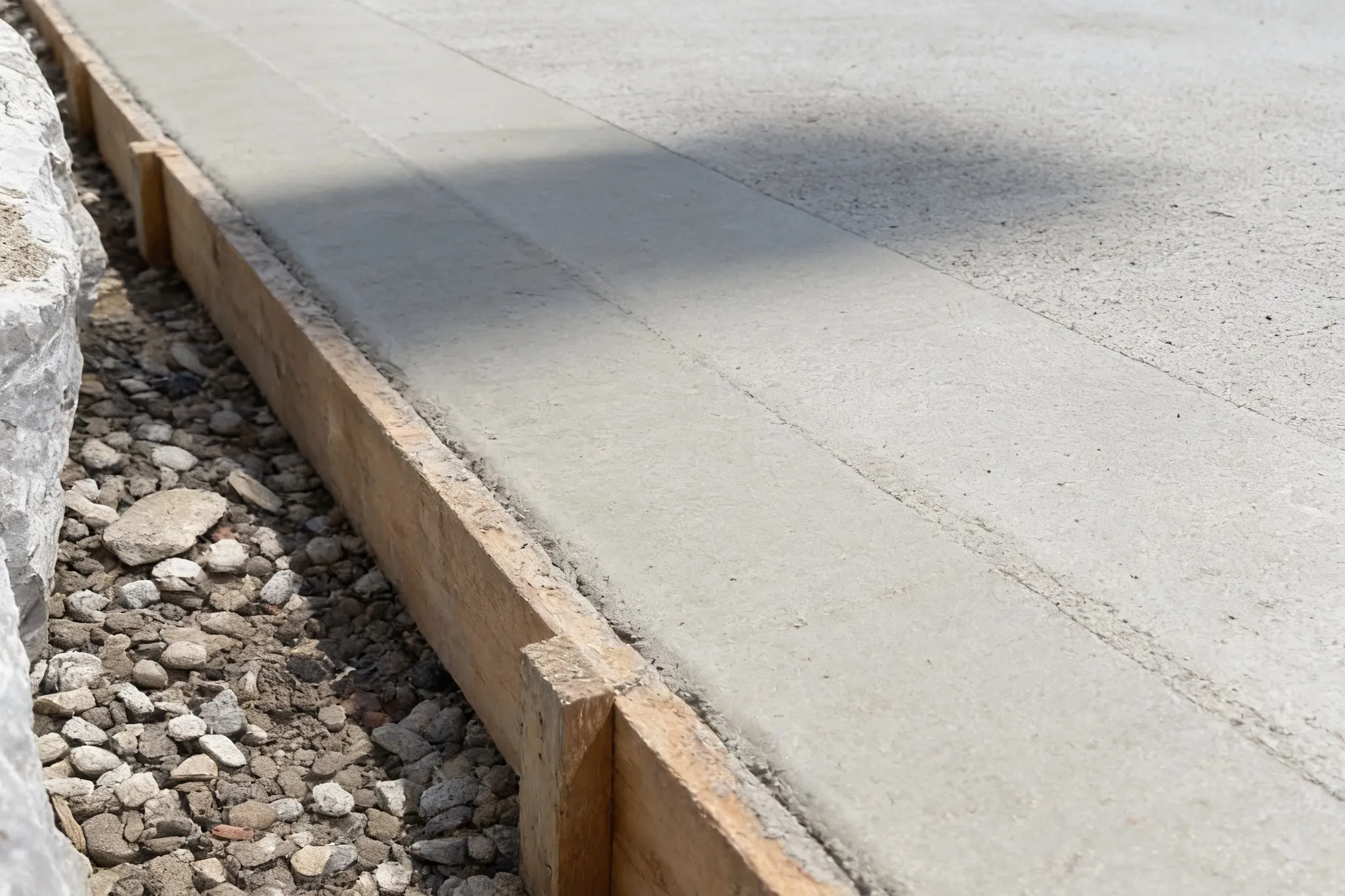
So we build on a compacted granular base, so the slab sits on stone that drains instead of on wet clay. We slope the patio about 2 percent away from the house, roughly a quarter inch per foot, and plan with you where the downspouts go so their water does not end up under the slab or against the foundation.
New lots in St. George Village and StoneyRidge
St. George Village and StoneyRidge are the newer subdivisions in the village, and many of those lots still have a bare patch where a patio should be. The builder poured the driveway and left the backyard to you.
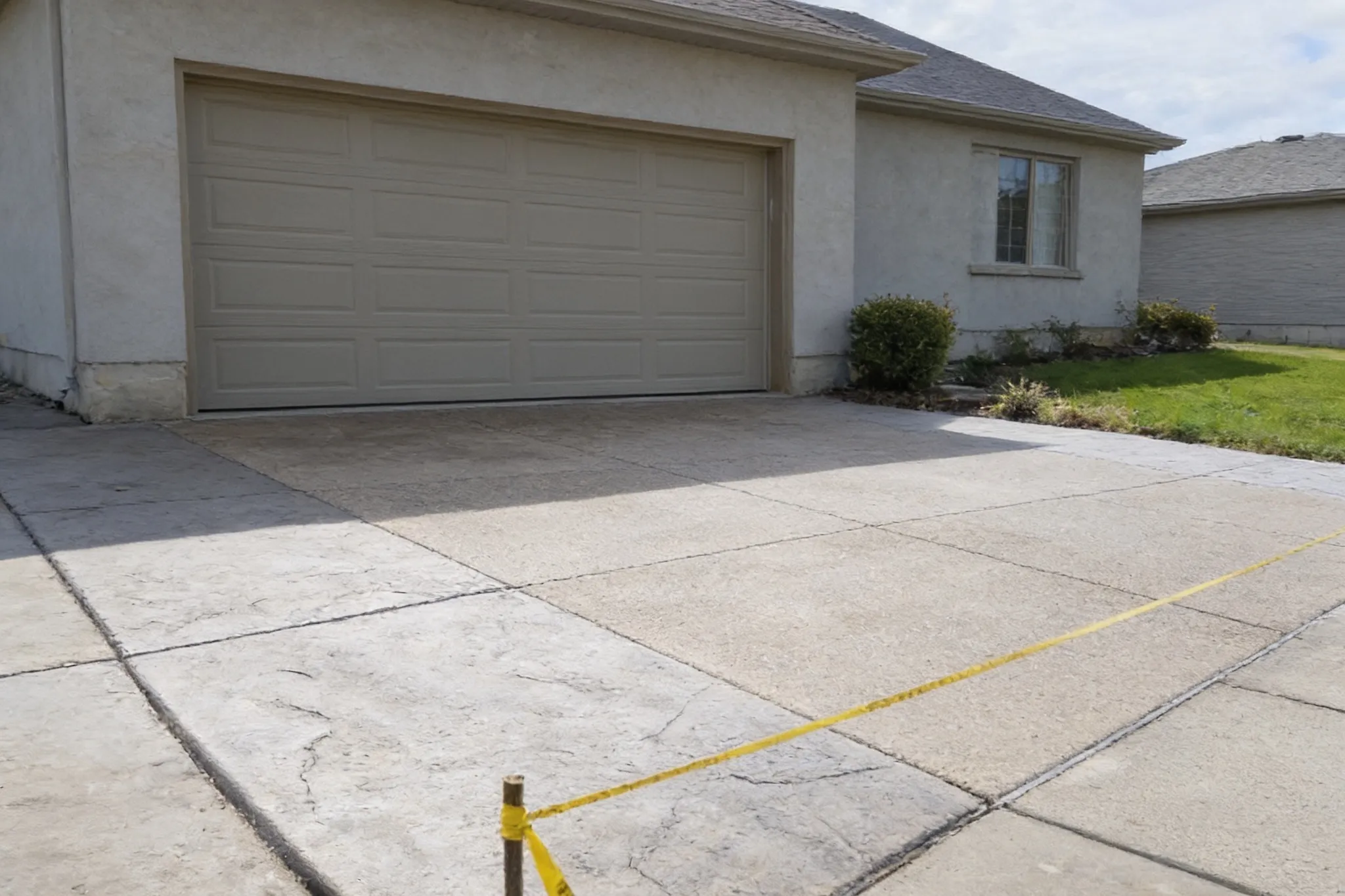
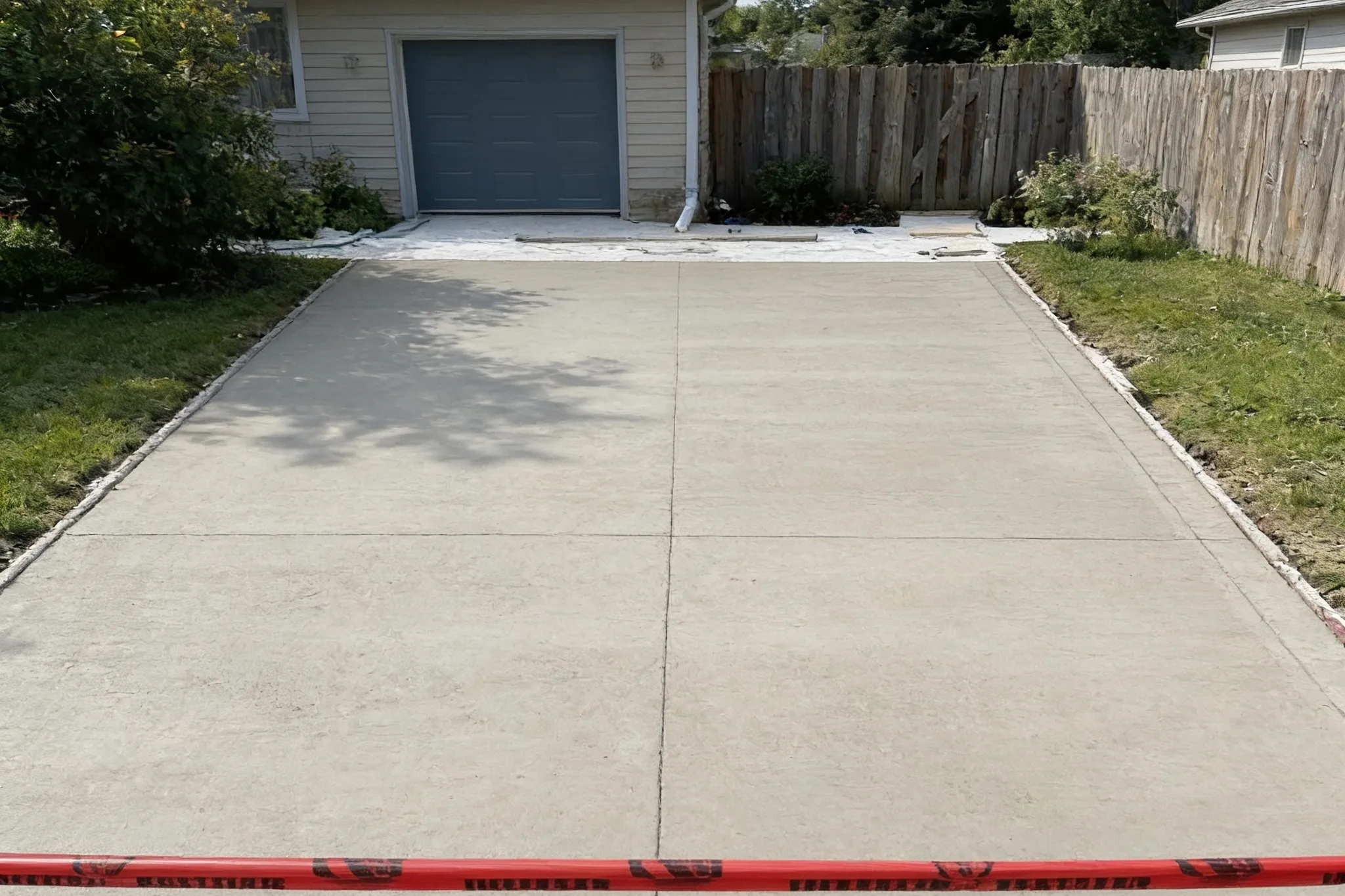
A new home often needs more than a patio: a pad for a shed or a hot tub, or a wider driveway. Tell us the whole list at the site visit. Getting the crew and equipment to the site is a large part of the cost of a small pour, so a patio poured in the same visit as a garage pad or slab costs less than separate trips. You get one written quote for all of it.
Older homes and farm properties
The blocks off Main Street mix century homes with postwar houses, and the concession roads still have farmhouses on stone and rubble foundations. Behind an older house, a new patio often starts with taking out an old cracked slab and finding why it failed. If the old patio went in flat or sloped toward the house, the new one fixes that.
Out on the farms, open-field wind cools a late-fall pour faster than in town. We pour air-entrained mix made for freeze-thaw winters, and we push a pour back a few days rather than fight a November cold snap the cure cannot win.
Finish, cure and when to book
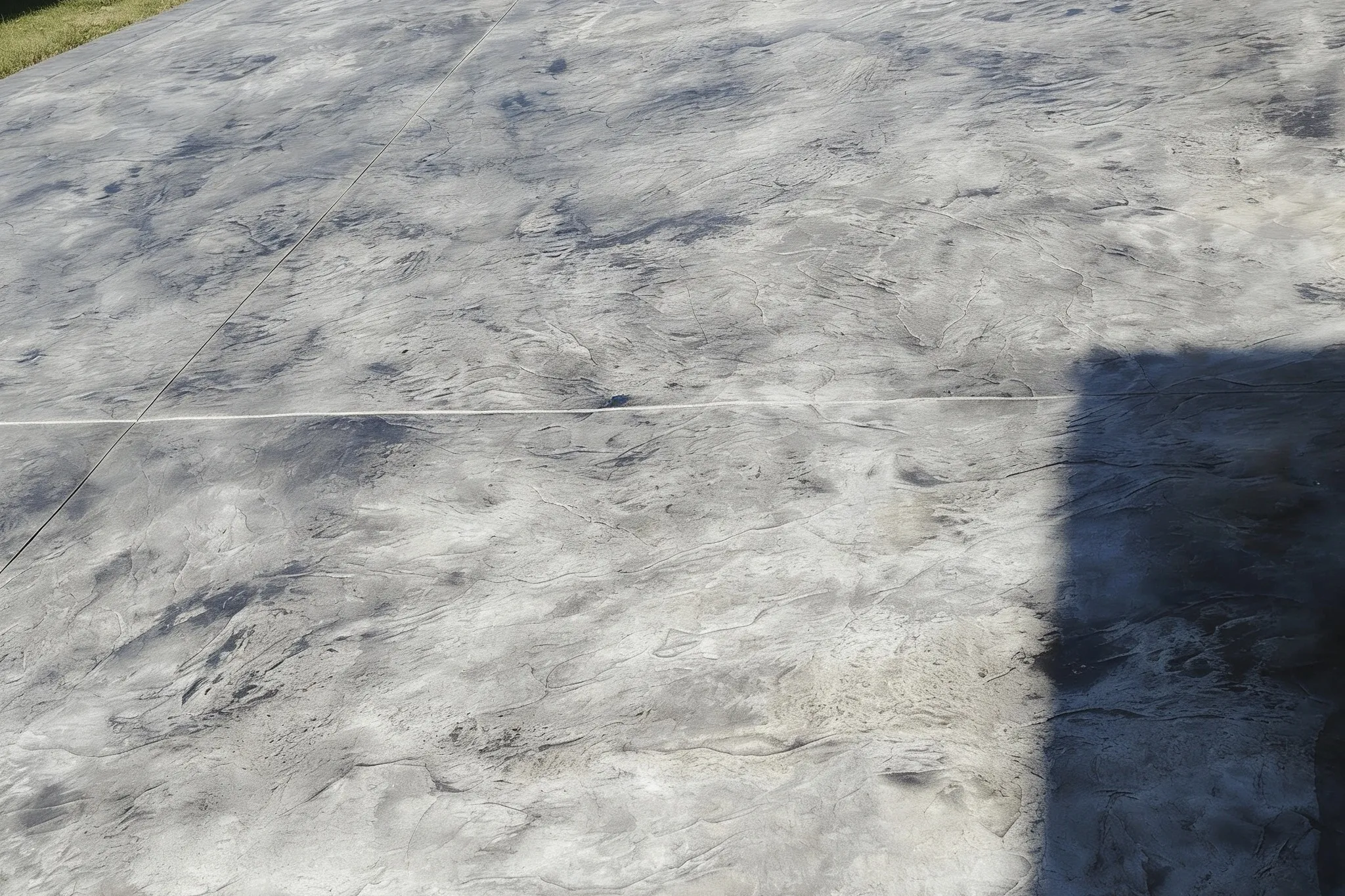
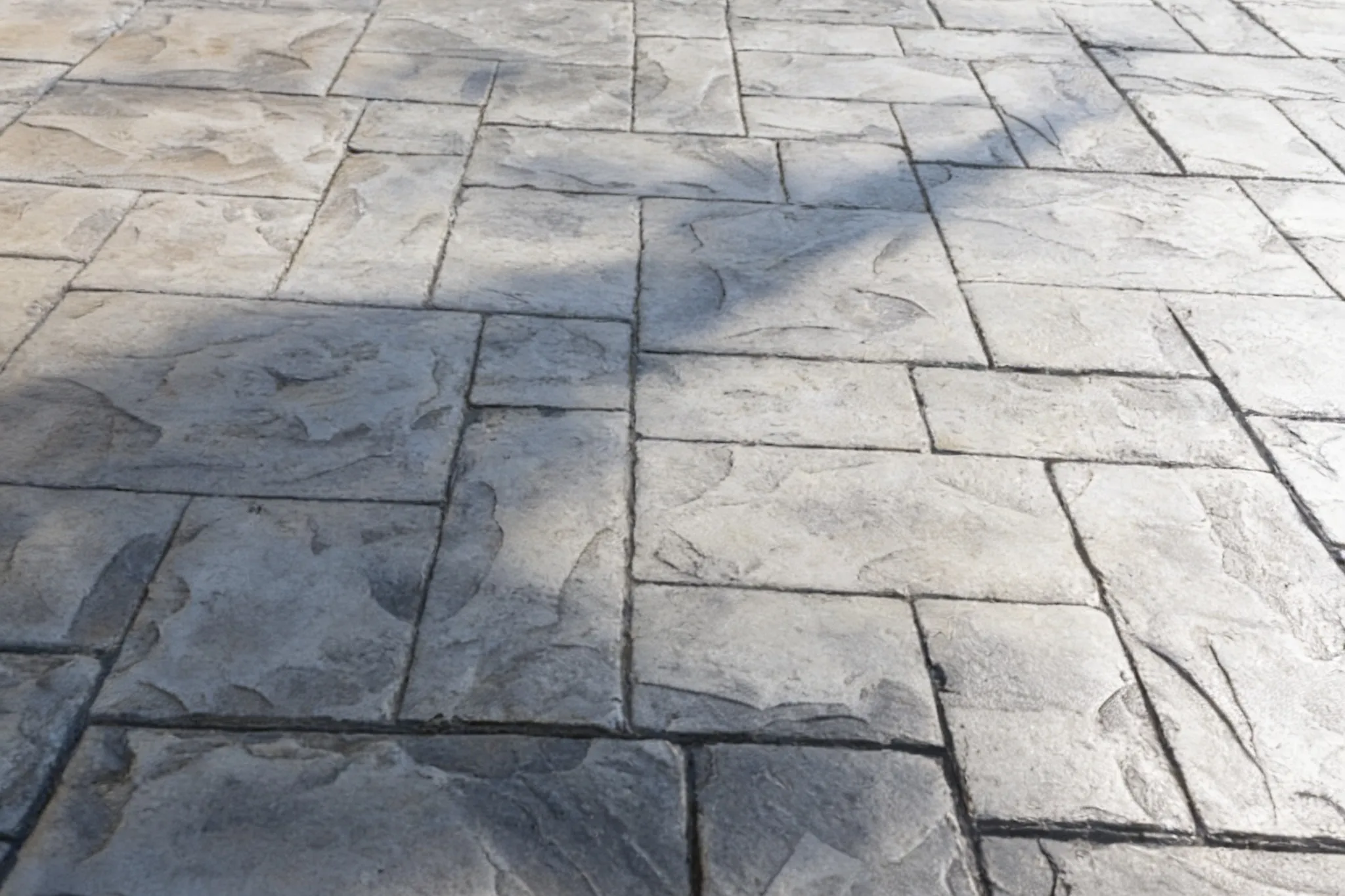
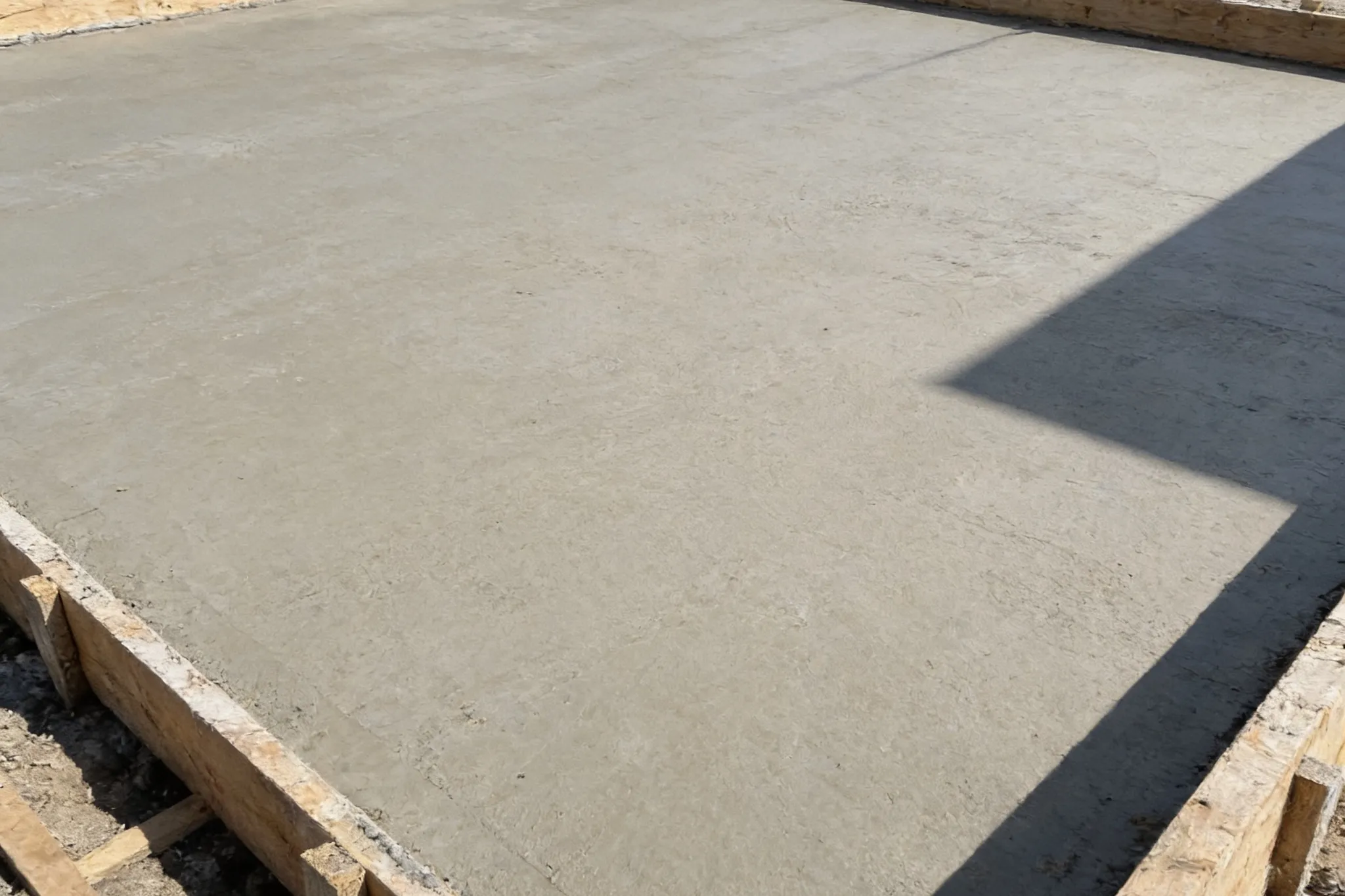
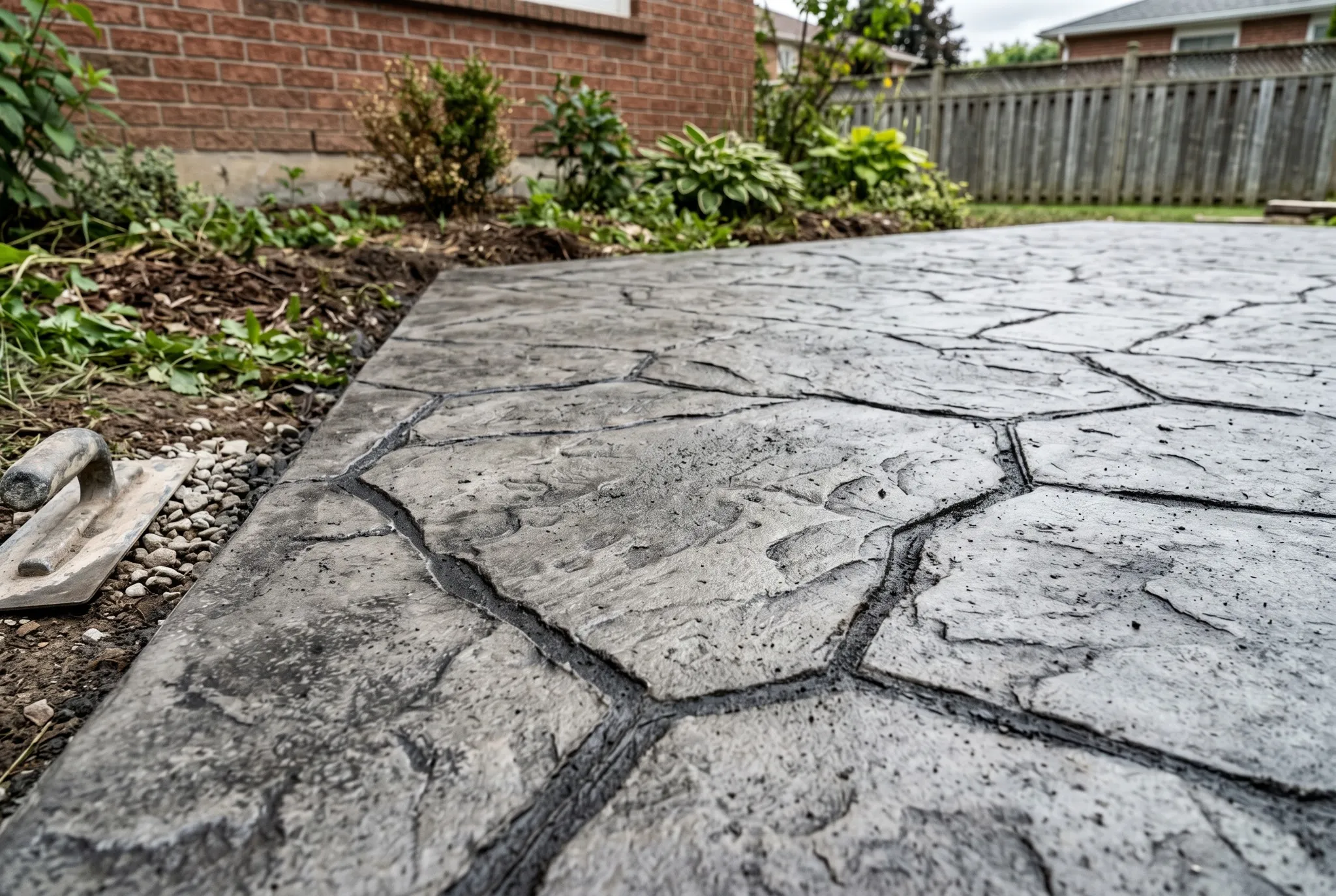
Broom finish gives grip. Exposed aggregate adds texture. Stamped concrete adds pattern and colour; see our stamped and decorative concrete page if you are weighing it.
Foot traffic can go on a new patio after 24 to 48 hours, furniture after 7 days, and we seal it at about 28 days. St. George is on our weekly Brant County route with Brantford and Paris, so a village patio waits on the schedule, never on whether the trip is worth a crew's time.
Planning the patio around water
Before we talk finish, we ask where the water goes. On St. George's clay, a patio that traps water against the house costs far more in waterproofing later than it cost to pour. We check where your downspouts discharge, where the yard already puddles, and which way the ground falls toward the house or away from it.
Sometimes the honest answer is more than a slab. If water collects in the yard from the roof or a neighbour's grade, concrete only hides the problem until it heaves. We would rather tell you that at the site visit, before you spend anything, than pour a patio that aims water at your foundation. Sometimes the fix is regrading first, or setting the patio at an elevation that looks higher than you pictured.
Taking out an old slab first
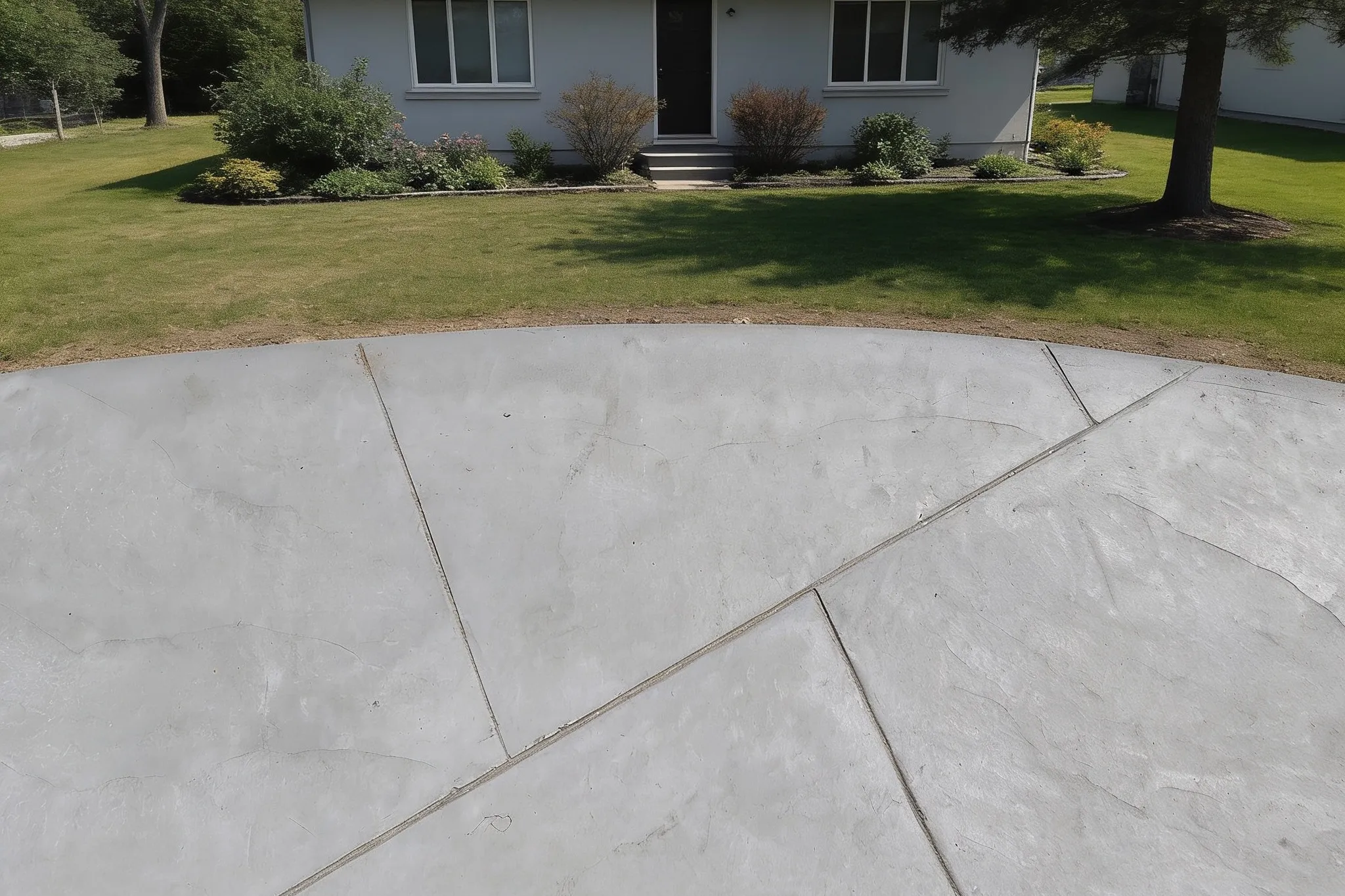
Many older lots in the village already have a cracked or settled patio. Pouring new concrete over the same failed base only rents you a few more years of the same problem, so the job often starts with removing the old slab and finding out why it failed: ground that held water, a slope toward the house, or a base that was never compacted.
Tear-out is one of the things that changes the number on a quote, along with the size of the patio, the finish you choose and how easily a truck reaches the backyard. If the truck cannot get close to the forms, the crew moves the mix by pump or by wheelbarrow, and we name that in the written quote instead of leaving it out.
Gazebos and pool decks
A patio often carries more than chairs. A gazebo slab has to be planned for that gazebo: we need its footprint, post locations and anchoring requirements before the pour, so the base, edge thickness and anchors match the structure. Bring the manufacturer's plan to the site visit and we can quote the patio and the gazebo slab as one scope.
We also pour pool decks around new and existing pools. A deck gets a broom or exposed aggregate finish for grip on wet feet and a slope that drains away from the water.
How long it takes and when to pour
Most patios are one to two days on site: layout and base work, then forming, pouring and finishing. Stamped patios add time for colour and pattern work. Pour season runs April to November, and spring books up fast once the ground thaws. A patio poured by early summer gets a full season of use the same year.
Weather can move a pour date. If it moves yours, we call before the scheduled day and the job picks up the next dry window.
Straight answers
Why do patios in St. George heave and crack?
Because the clay under the village holds water. A patio poured on uncompacted ground sits on wet clay, and when frost drives deep the clay lifts the slab unevenly, then drops it in the spring. We build on a compacted granular base and slope the patio about 2 percent away from the house so water runs off it, not under it.
We just moved into a new house in St. George Village. What should we pour first?
Make a list of everything: the patio, a pad for a shed or hot tub, a wider driveway. Getting the crew and equipment to the site is a large part of the cost of a small pour, so doing them in one visit costs less than separate trips. Tell us the list at the site visit and you get one written quote.
Is a small patio worth a trip to St. George?
Yes. St. George is on the same weekly Brant County route as Brantford and Paris, so a small patio or a hot tub pad gets a free written quote like a full driveway does.
How much does a concrete patio cost in St. George?
Size, the finish you choose, access to the backyard, tear-out of an old slab, and the base the clay needs all change the number. We give you a written quote after a free site visit, and the number on the quote is the number you pay unless you change the job.
Do you take out the old patio in St. George first?
Yes, when the old slab has cracked, settled or sloped toward the house. We remove it and look at why it failed, because a new slab poured on the same failed base repeats the problem. Tear-out is listed on the written quote as its own part of the job.
Can a concrete patio in St. George hold a gazebo?
Yes, when the slab is planned for it. We need the gazebo footprint, post locations and anchoring requirements before the pour so the base, edge thickness and anchors match the structure. Bring the manufacturer's plan to the free site visit and we can quote the patio and gazebo slab as one scope.
How long does a patio take, and how soon can we use it?
Most patios take one to two days on site. You can walk on the new slab after 24 to 48 hours, set furniture on it after about 7 days, and we seal it at about 28 days.
What if water collects in our yard near the house?
Tell us at the site visit. If foot traffic on low ground is the cause, a graded patio on a compacted base solves it. If roof water or a neighbour's grade is the cause, concrete would only hide the problem until it heaves, so we say so before you spend anything.
Keep reading
- Concrete Patios across Southern OntarioThe full method: mix, base, slope, joints, finishes and cure times.
- Concrete Contractors in St. GeorgeEverything else we pour and repair in the village and on the farms around it.
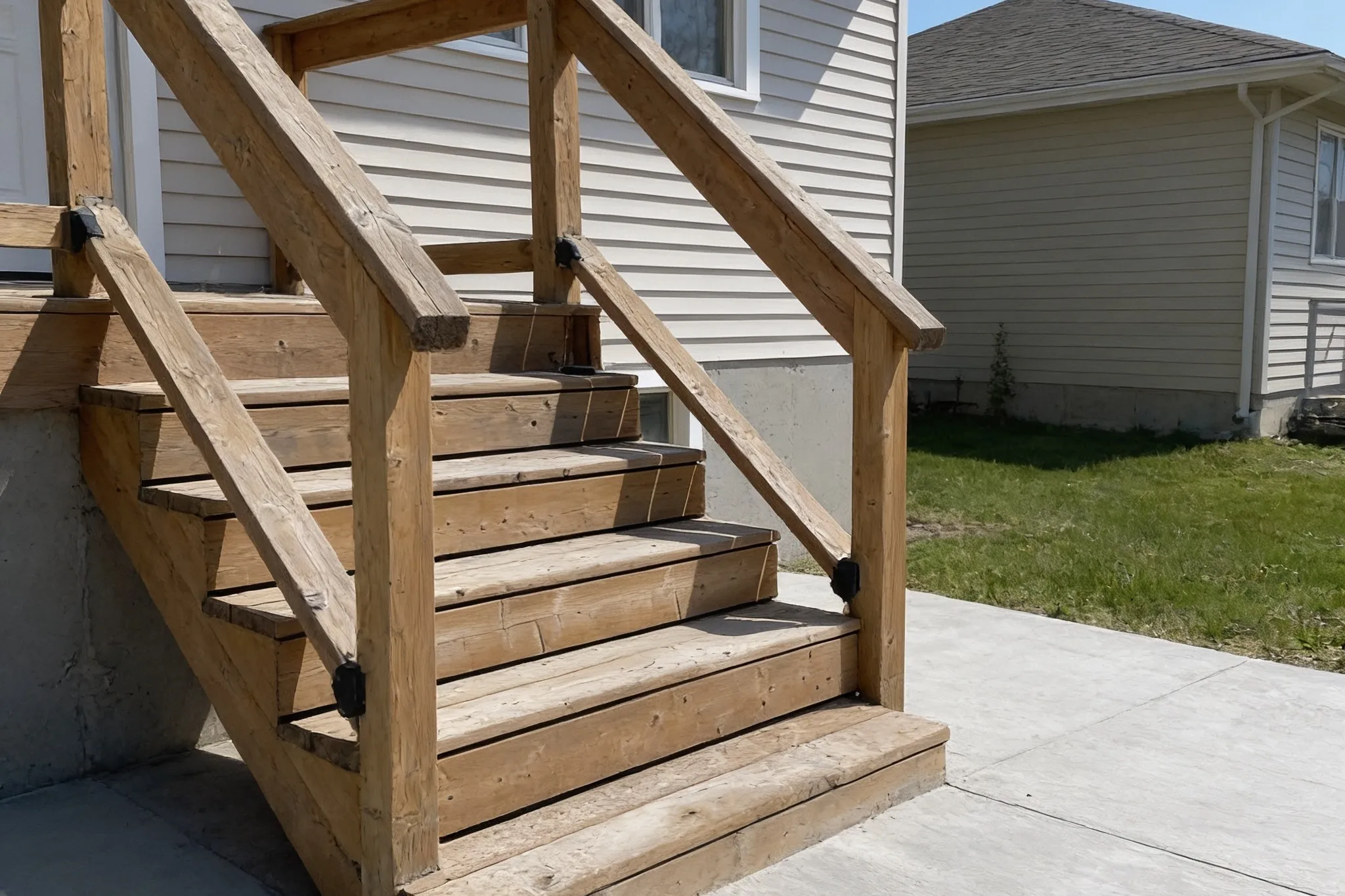
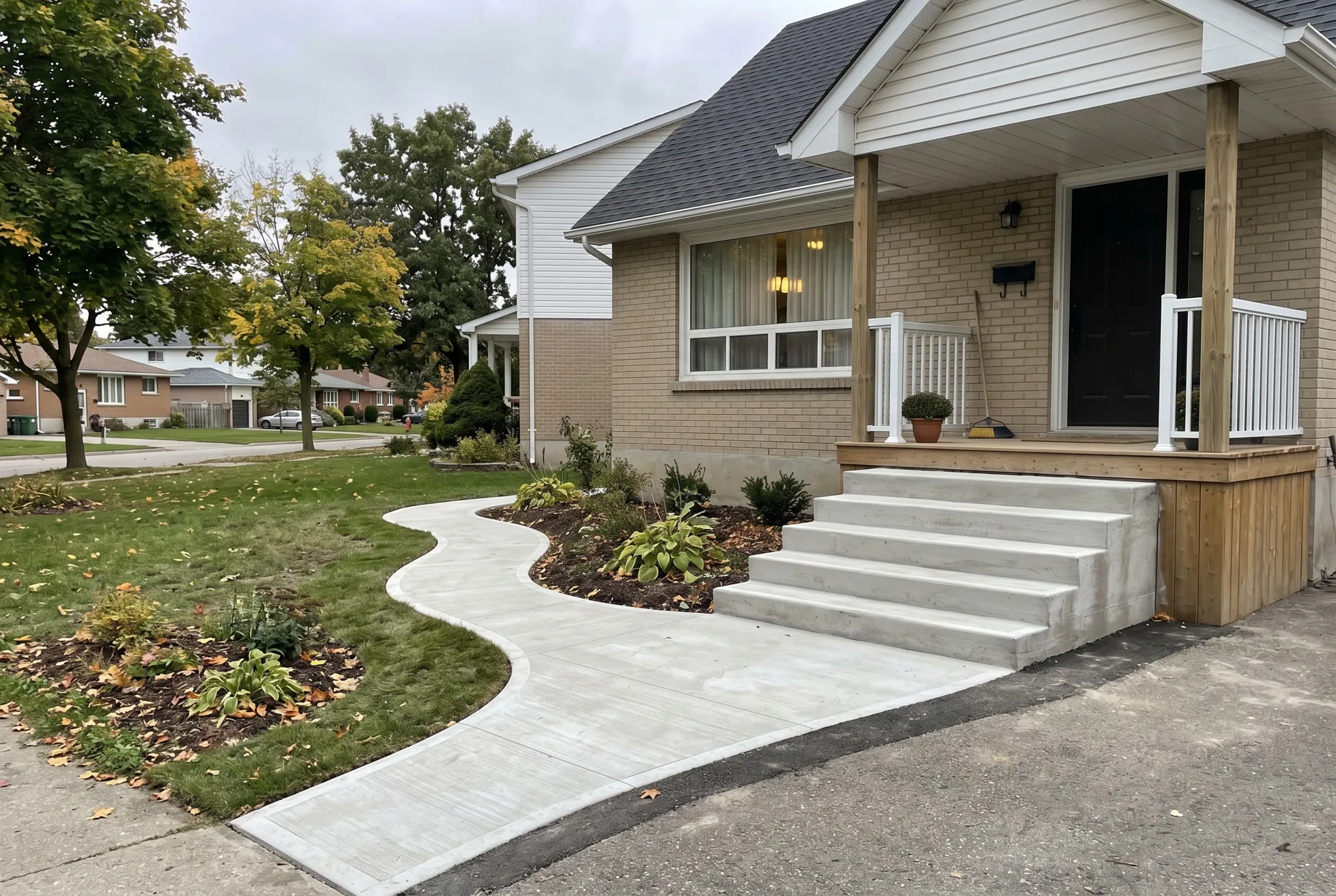
- Concrete Walkways & Steps in St. GeorgeThe walkway and steps that lead out to a new patio, built for the same clay.
- Stamped & Decorative ConcretePatterns, colours and what stamped work adds, if the patio is going decorative.
Tell us about the job.
Send the details and we'll get back to you within one business day with next steps. If water is coming in right now, check the box and we flag it urgent.
Get a straight quote
Free · no pressure · 1 business day