HomeServicesStamped & Decorative ConcreteCambridge
Stamped & Decorative Concrete in Cambridge
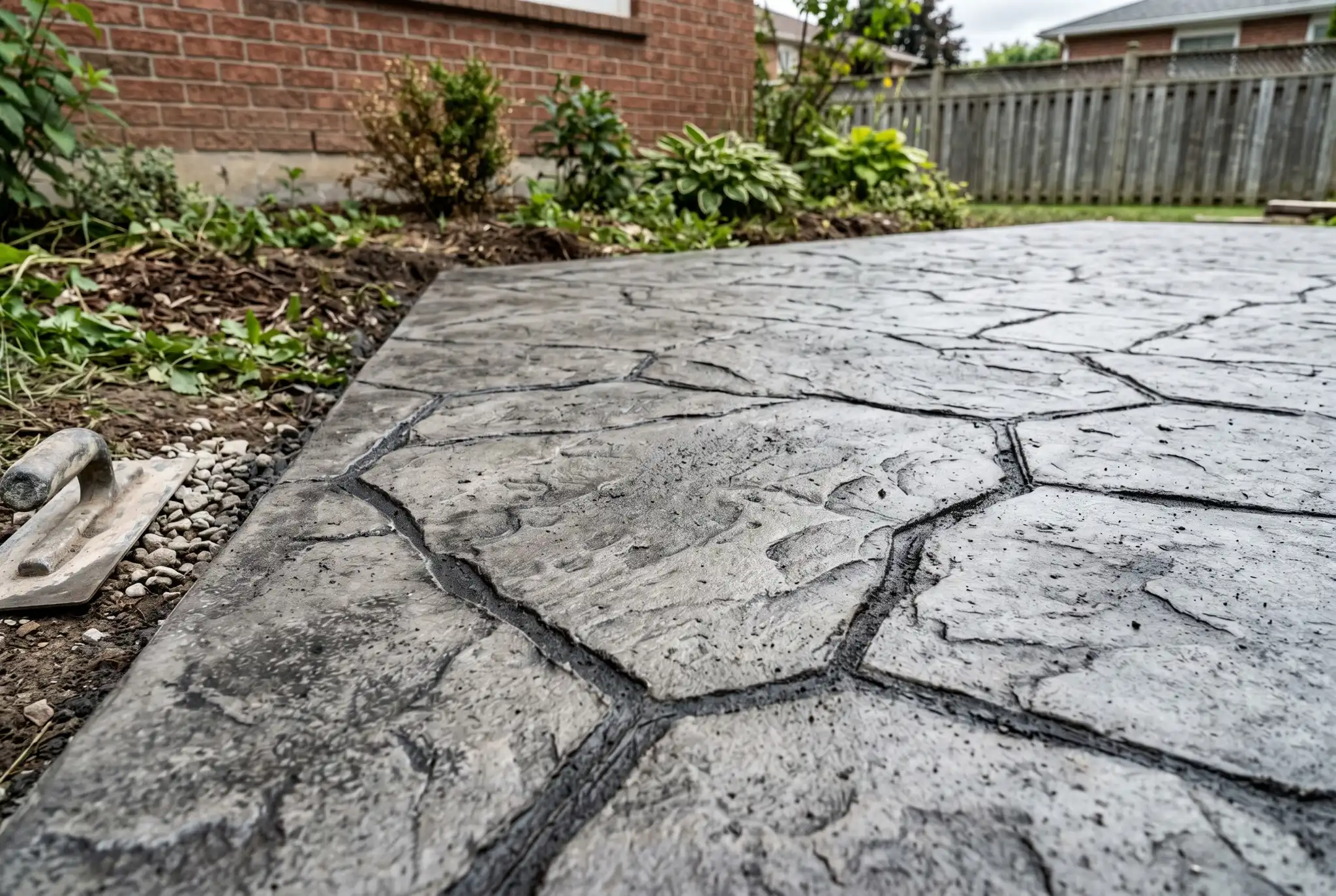
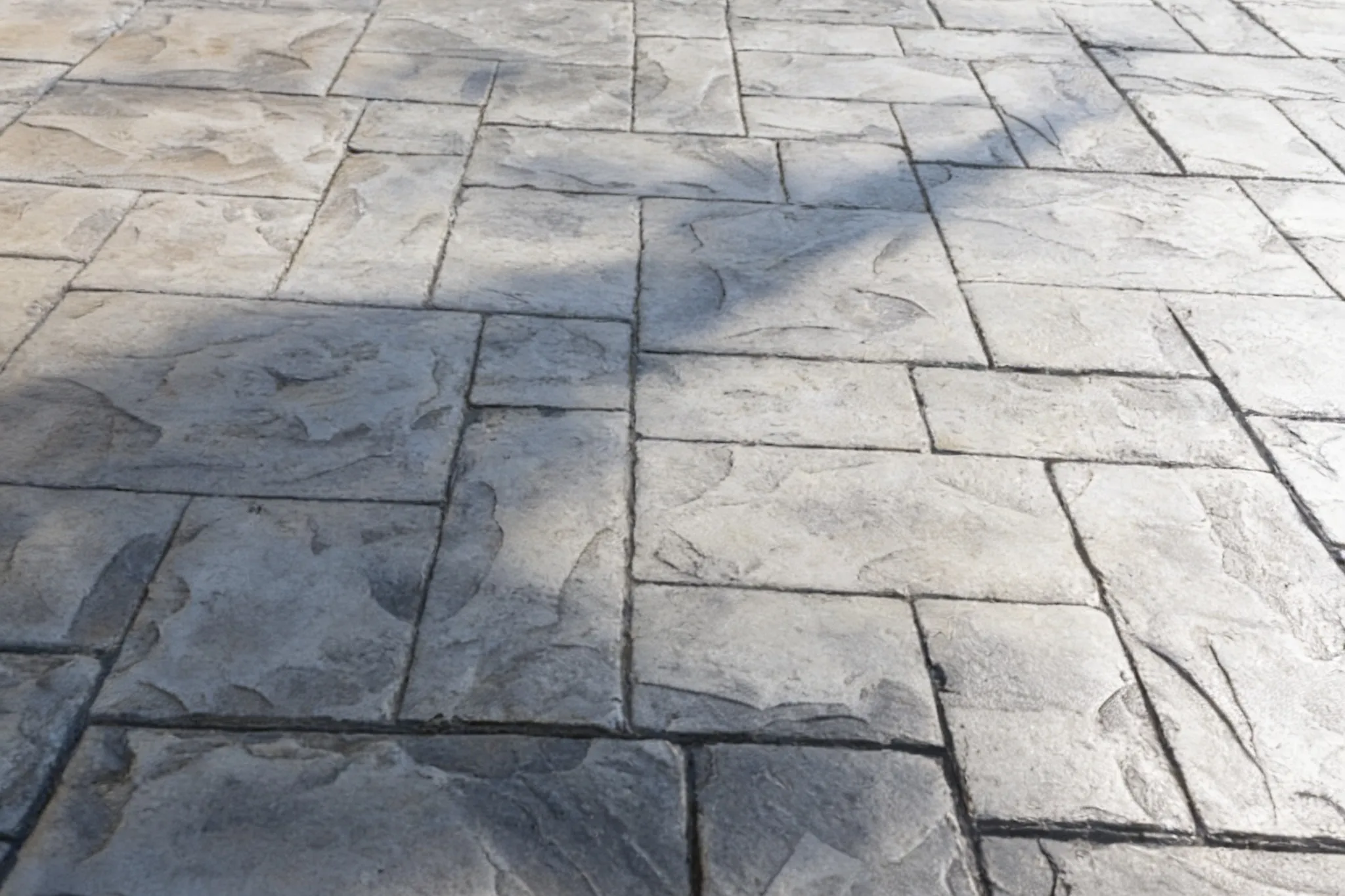
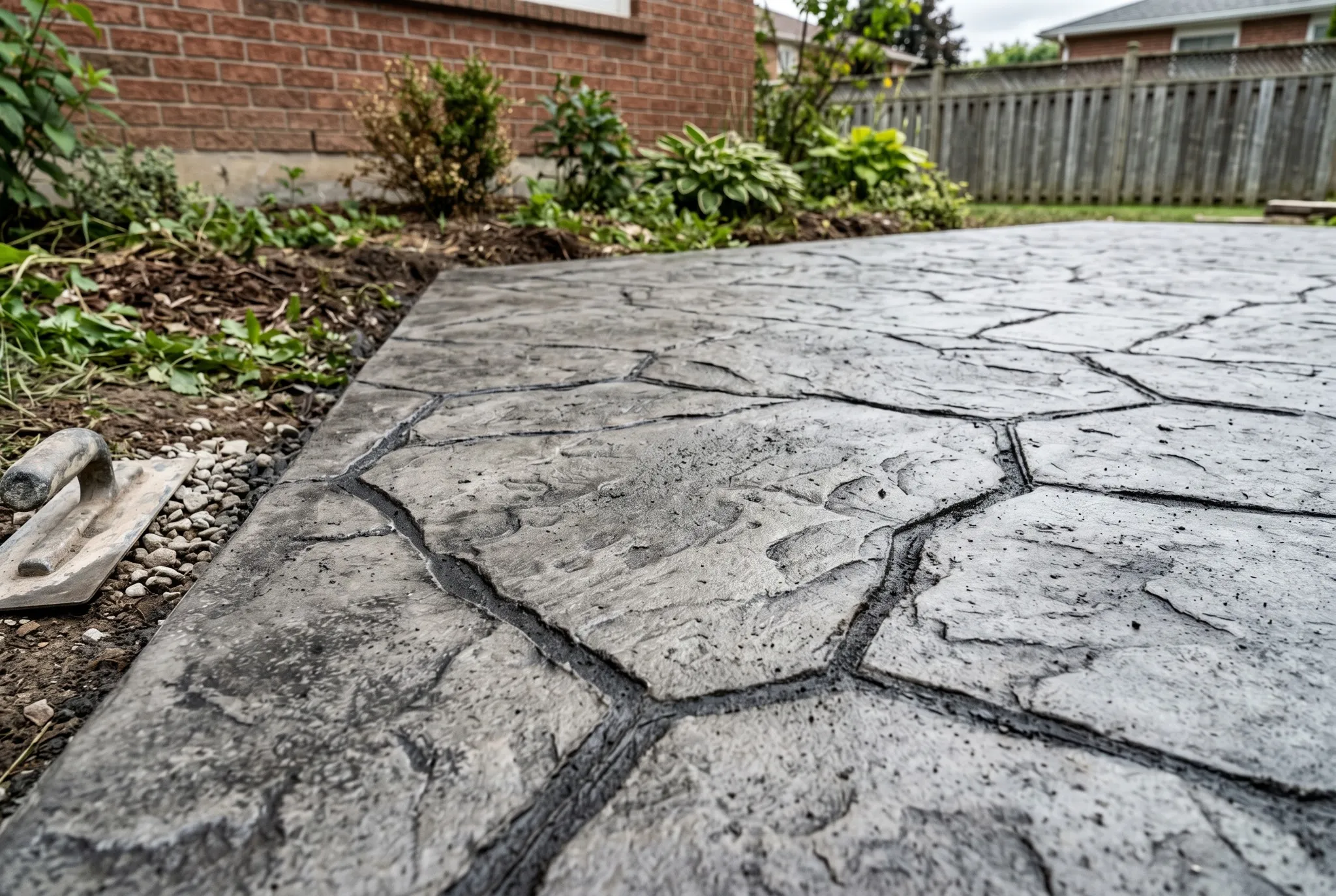
We pour stamped and decorative concrete across Cambridge: patios, walkways and driveway borders in slate, flagstone, cobblestone and wood-plank patterns. The ground changes with the town you live in, damp near the Grand and the Speed, sandy on the higher land and disturbed fill on new lots, and the base under the pattern has to match it. Union-certified crews do the colour and stamping, the labour carries a lifetime warranty, and the written quote is free.
Get a straight quote
Free · no pressure · 1 business day
Reviewed June 2026
Every job is priced individually, not off a price list. Tell us about yours and you get an accurate, no-pressure quote in writing.
Stamped concrete in Cambridge is shaped by three old towns joined into one. Galt, Preston and Hespeler each have their own housing stock, and the pattern that suits one rarely suits the next. In the stone streets of Galt a loud, bright surface fights the house. In the newer surveys around the edges, owners reach the landscaping stage and want a patio that looks like stone.
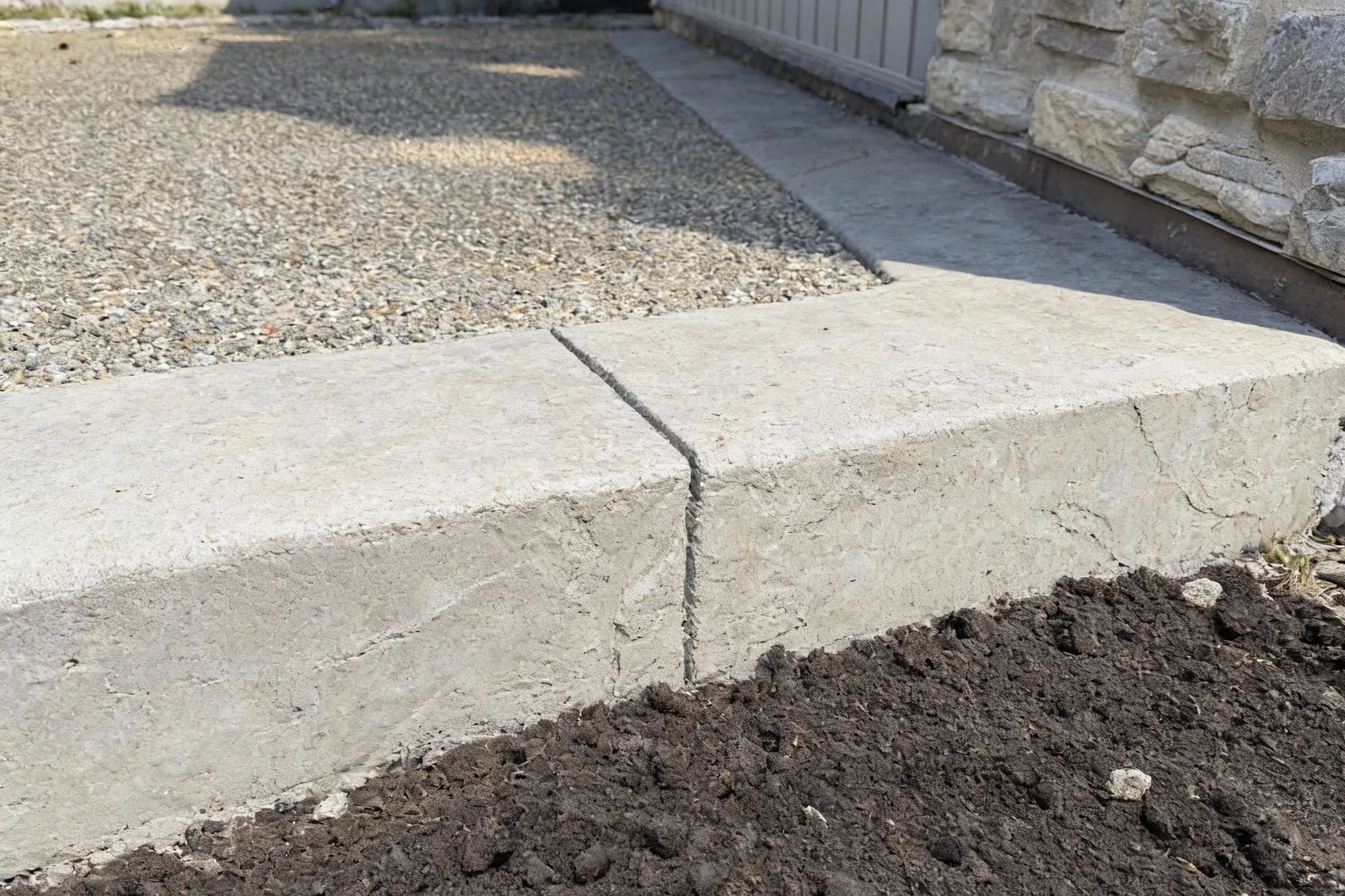
Cambridge's ground changes the job. Near the rivers the water table is higher and the soil takes on more damp. Away from them much of the city sits on moraine sand and gravel, which drains well but erodes at slab edges. New lots are disturbed fill. A stamped surface shows damage more than a broom finish does, because a crack runs across a pattern the eye is already following.
The method, pattern families, colour system and joint layout are on our stamped and decorative concrete page. This page covers what stamping a Cambridge yard asks of the crew: a compacted base, edges that hold, a pattern chosen for the house, and a written resealing plan. The quote is free and written.
Picking a pattern beside Galt's stone and century brick
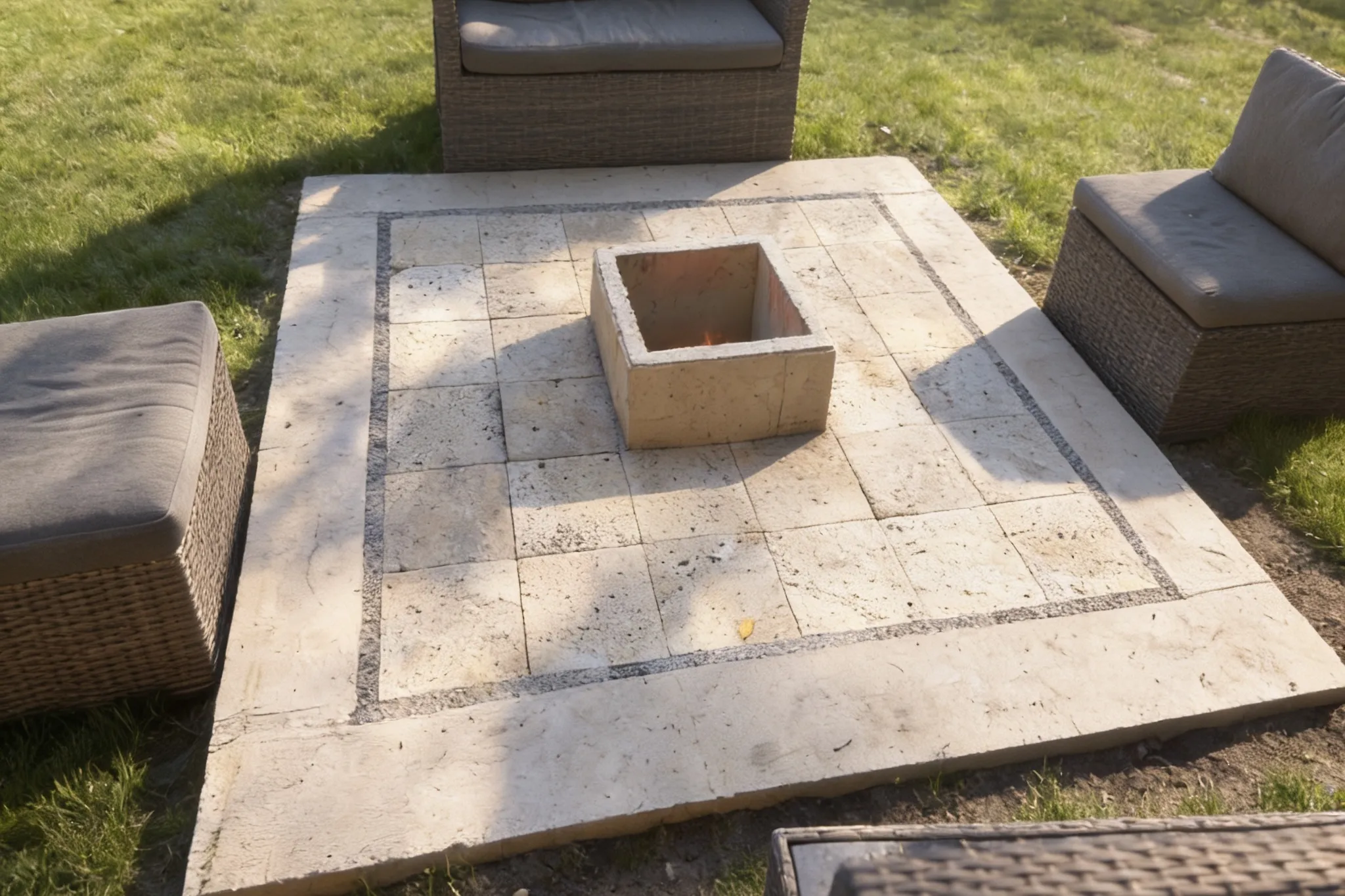
Galt was built in local stone, and the grey streetscape is part of what people picture when they think of Cambridge. Beside a stone or century brick house, quieter patterns sit best: ashlar slate or random flagstone in a colour matched to the stone, brick or trim. A bright white or strongly coloured surface fights the house.
We bring the manufacturer colour charts to the site visit and match them against your house. If you want the look with less upkeep, we will explain exposed aggregate as an alternative.
Damp ground near the Grand and the Speed
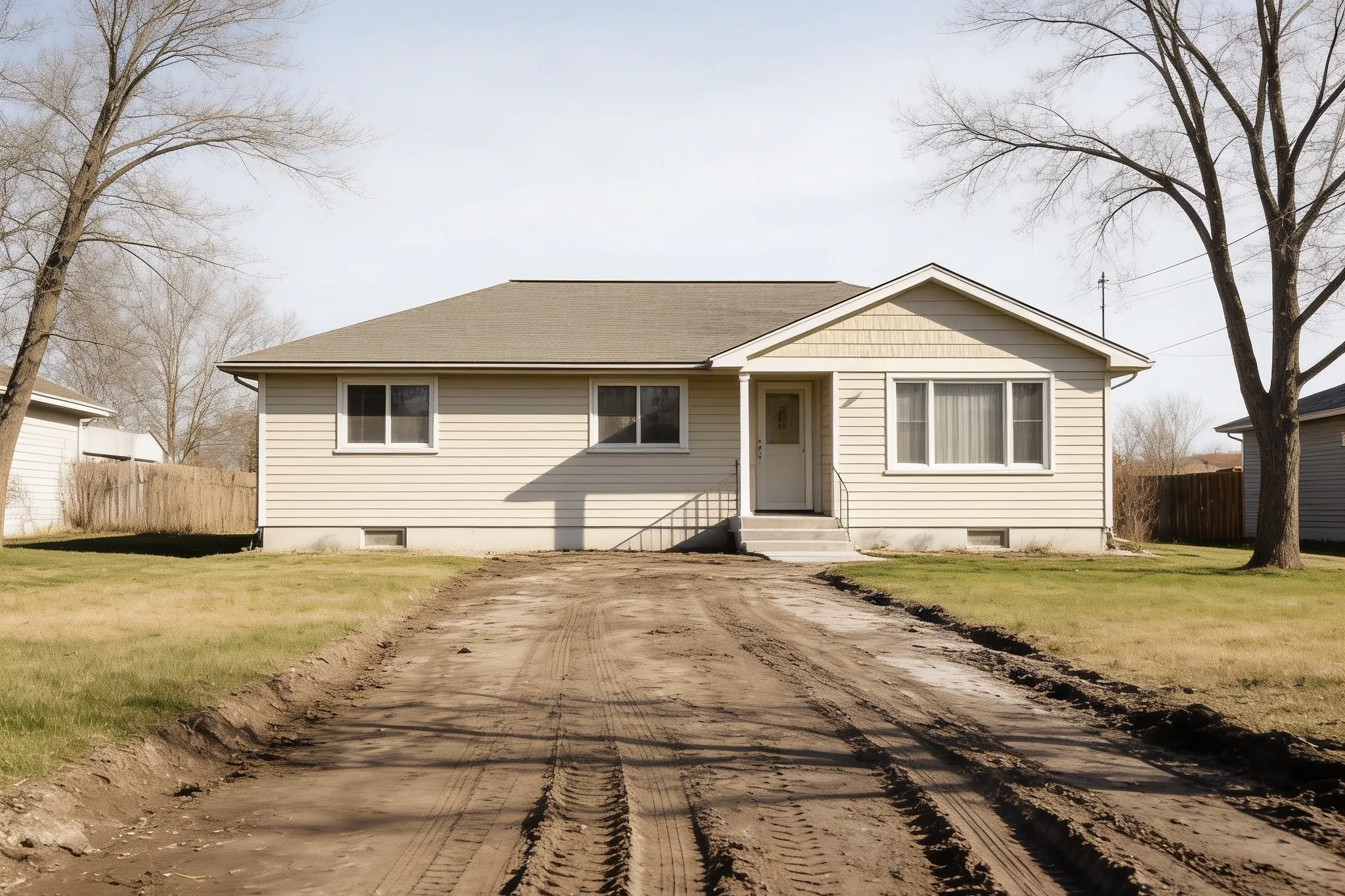
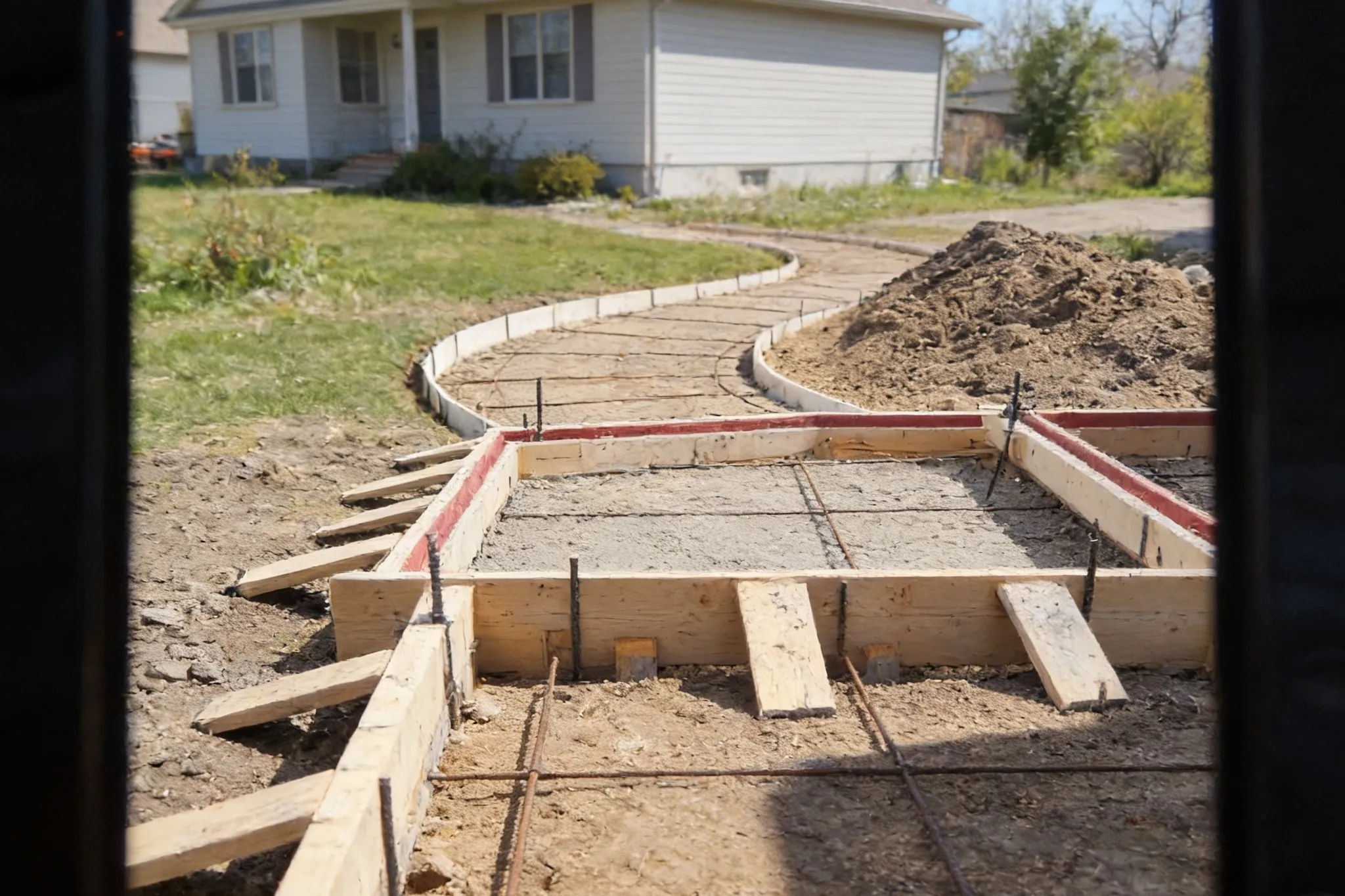
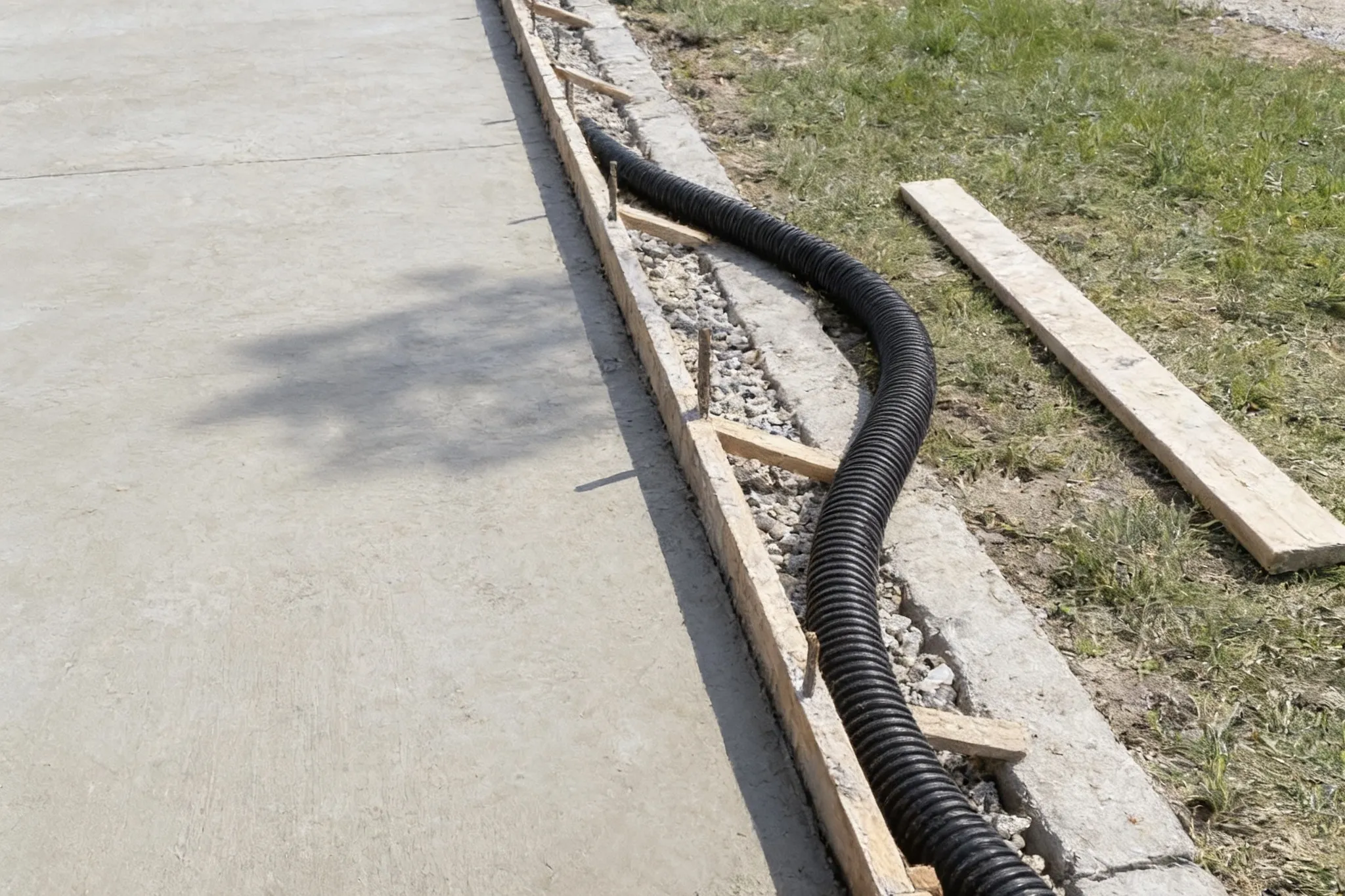
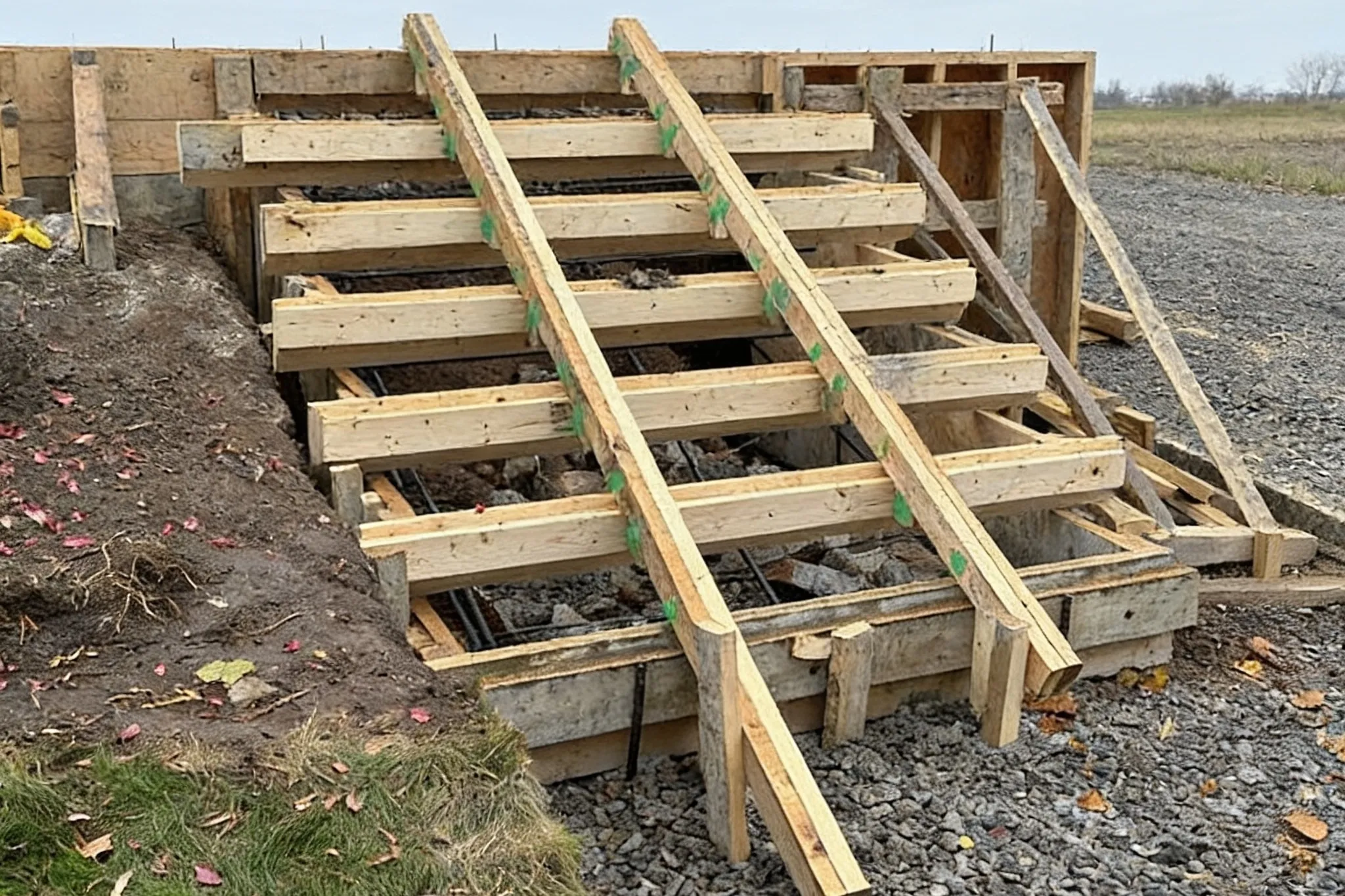
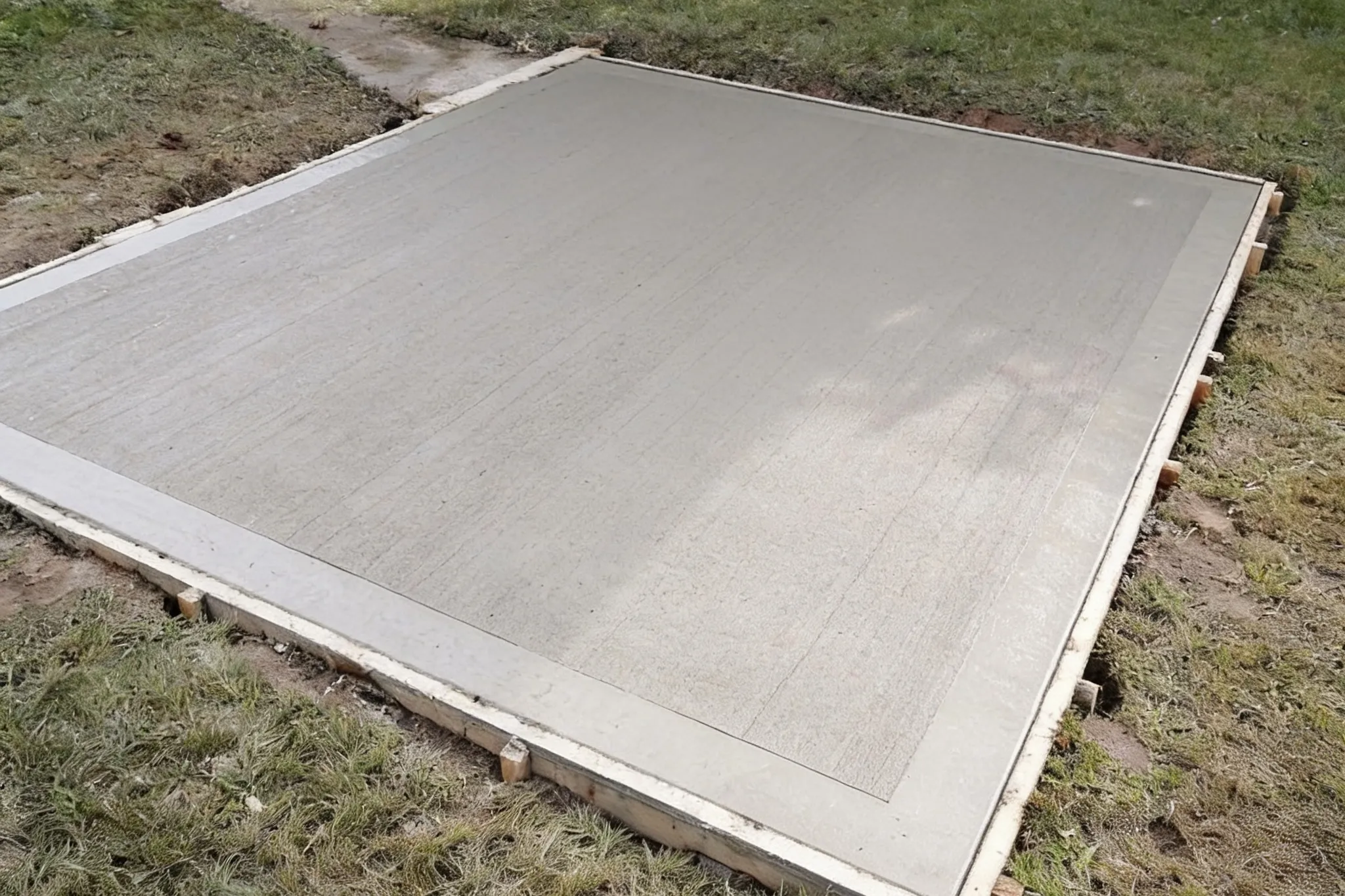
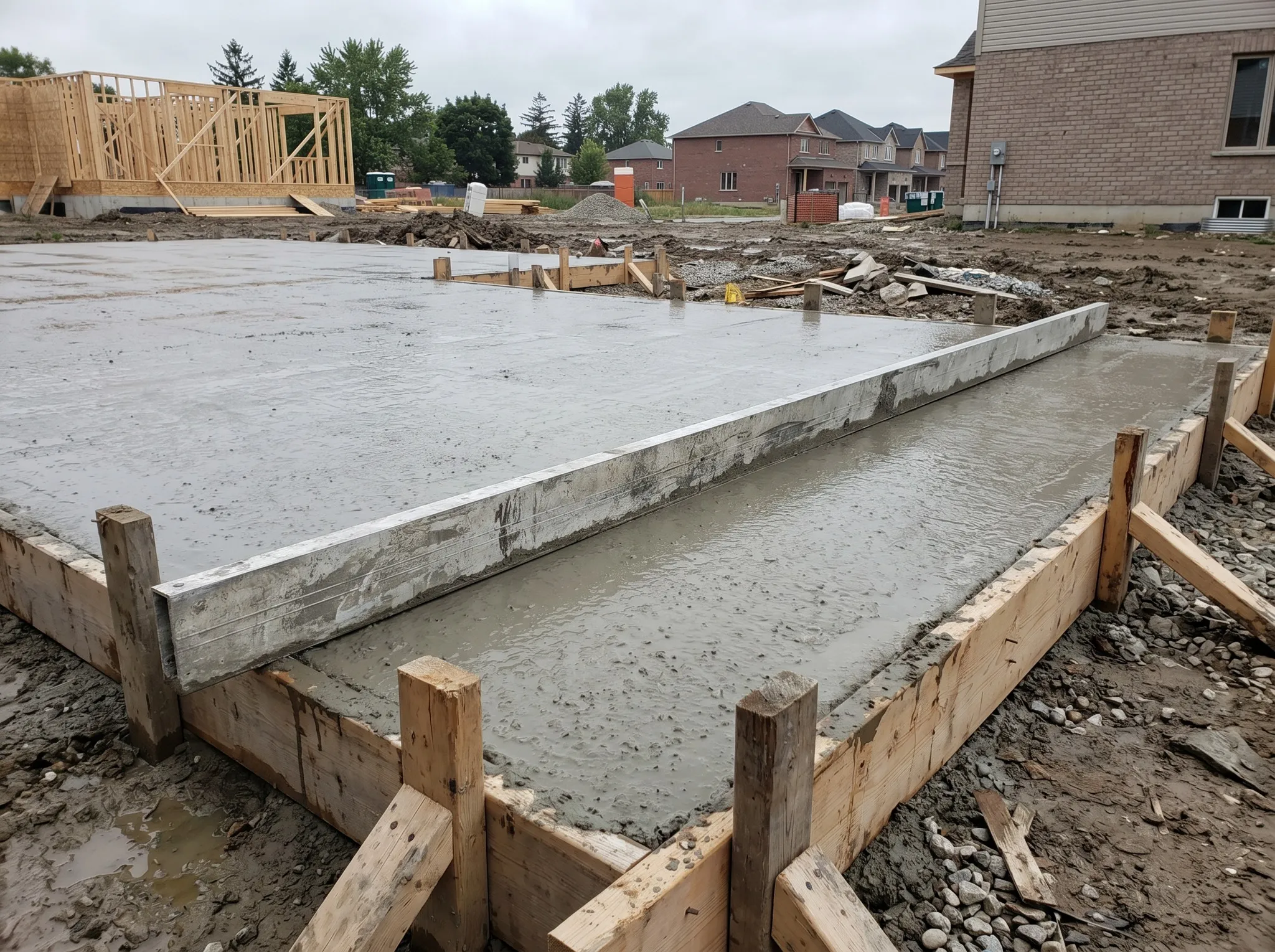
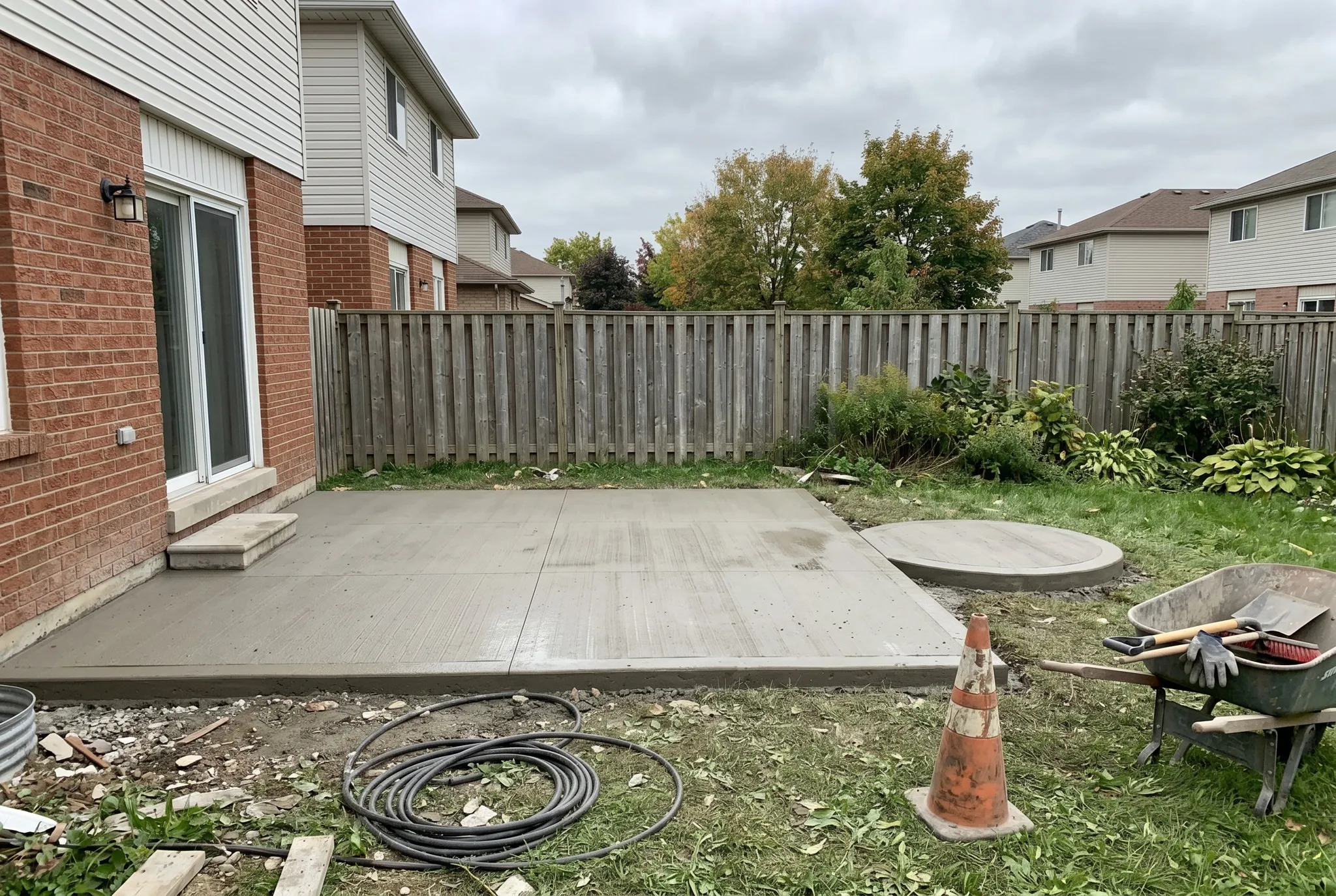
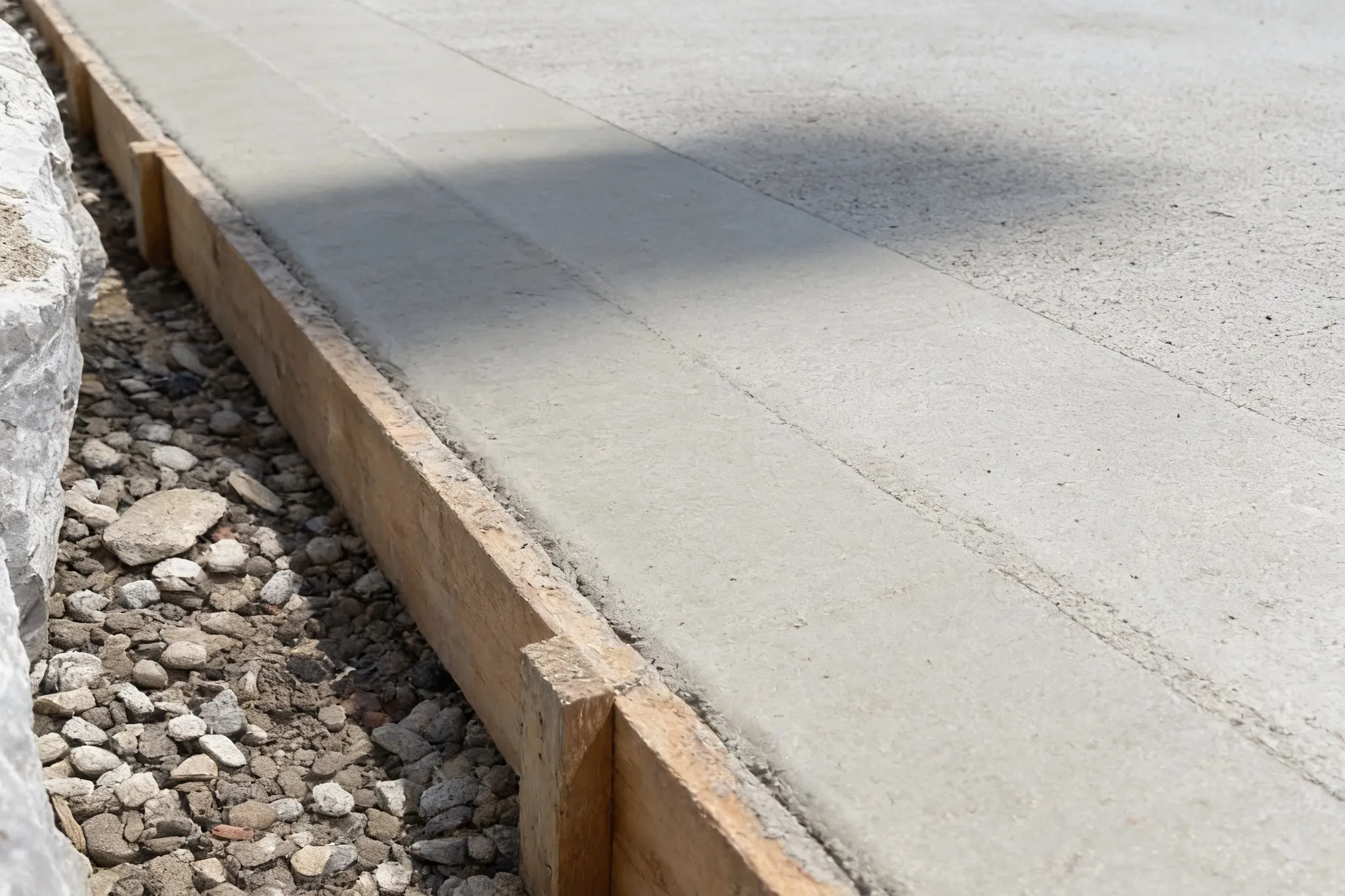
In the river-valley cores of old Galt and Preston, water is the first thing we read. A higher water table means more moisture under a slab, and water that freezes under a stamped surface lifts it and cracks the pattern. So the work starts under the surface: we dig to stable ground, build a compacted granular base, and grade the surface to shed water away from the house.
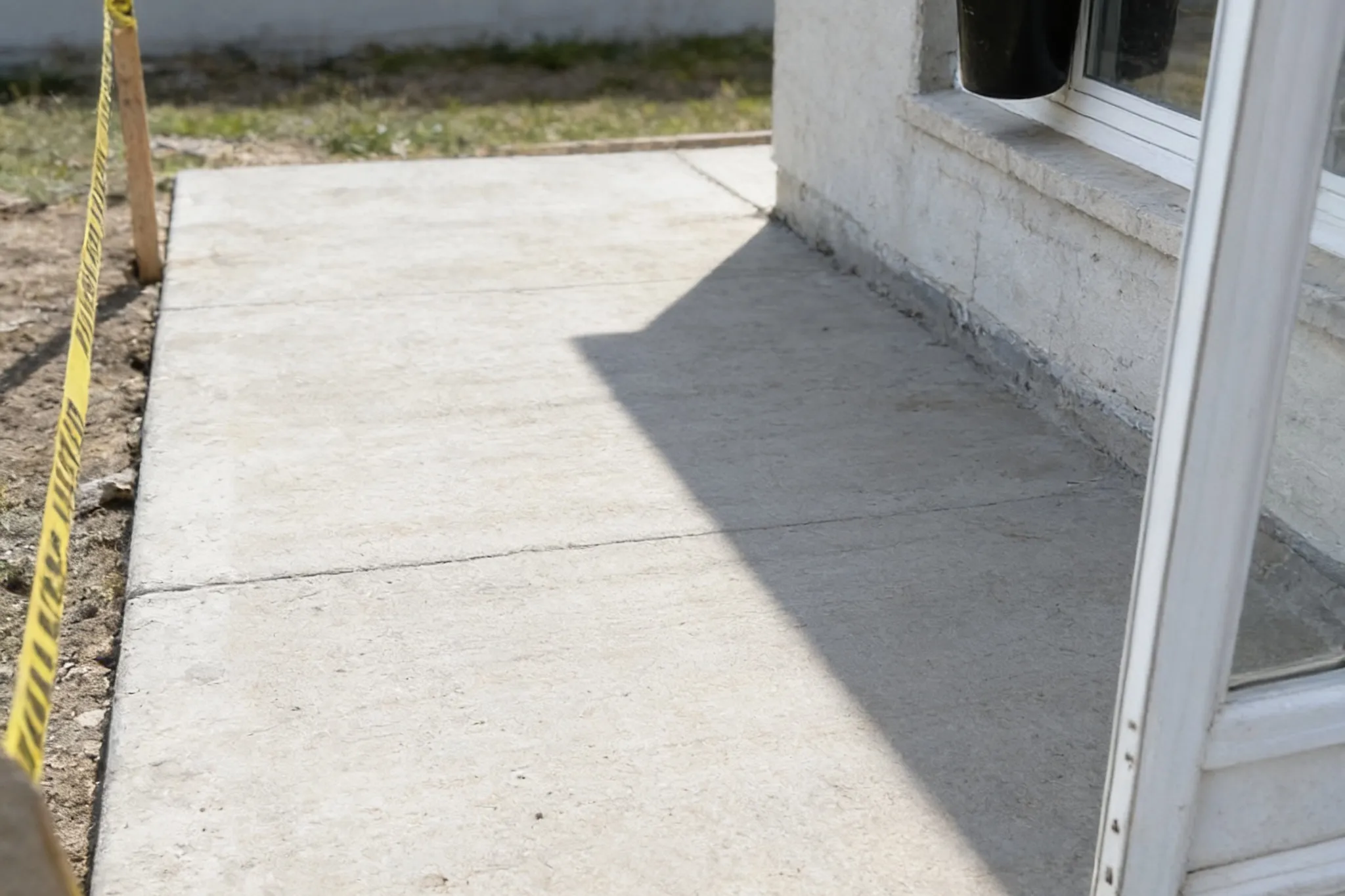
The slab itself is built to the same standard as any flatwork we pour, with a 32 MPa air-entrained mix. Control joints are saw-cut along the pattern's grout lines, so shrinkage cracks follow lines that were meant to be there.
Sandy ground and new lots in Hespeler and the surveys
Away from the rivers, sand drains well, so frost heaves a slab less than it would on clay. But sand also washes out, and a patio edge with nothing to hold its base can undermine itself over a few seasons. We contain the base at the edges and steer roof and surface runoff away from them.
New lots at the edges of Galt, Preston and Hespeler are disturbed fill, and the backfill along a new foundation keeps moving for a year or two. We compact the base ourselves rather than trust the builder's grade, and we will say when a lot needs another season before it is ready for a decorative surface.
Where stamping earns its place on a Cambridge lot
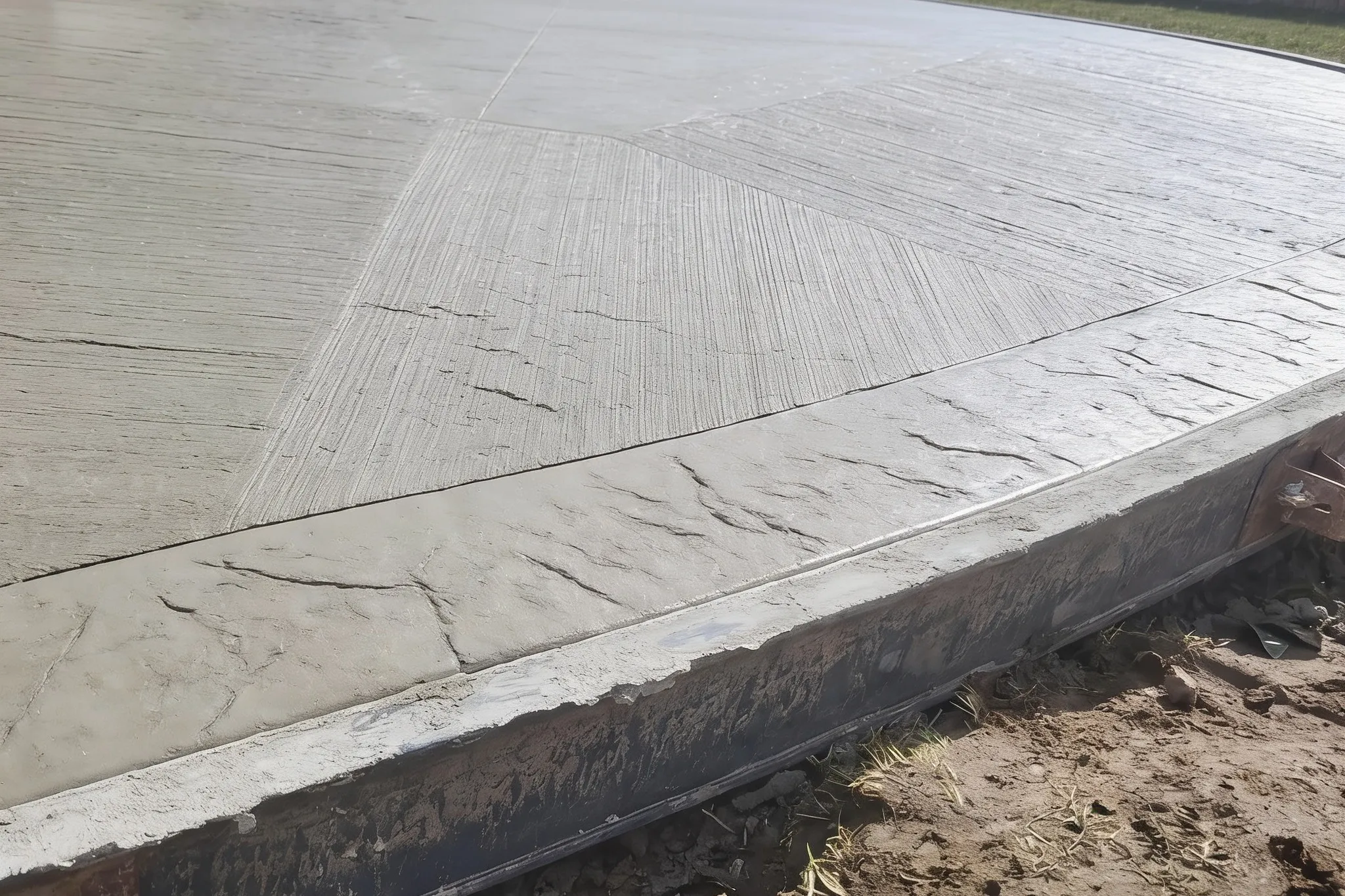
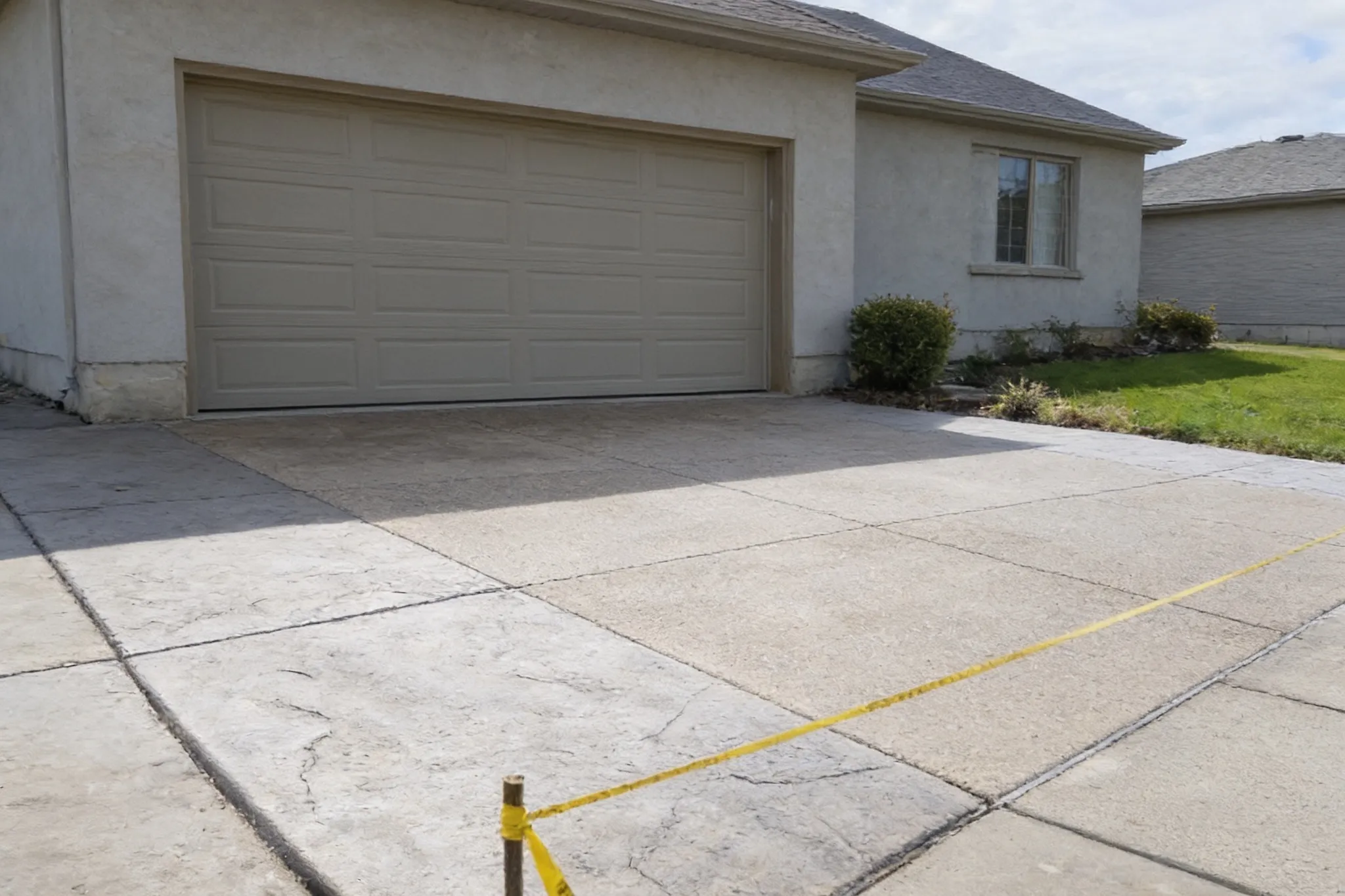
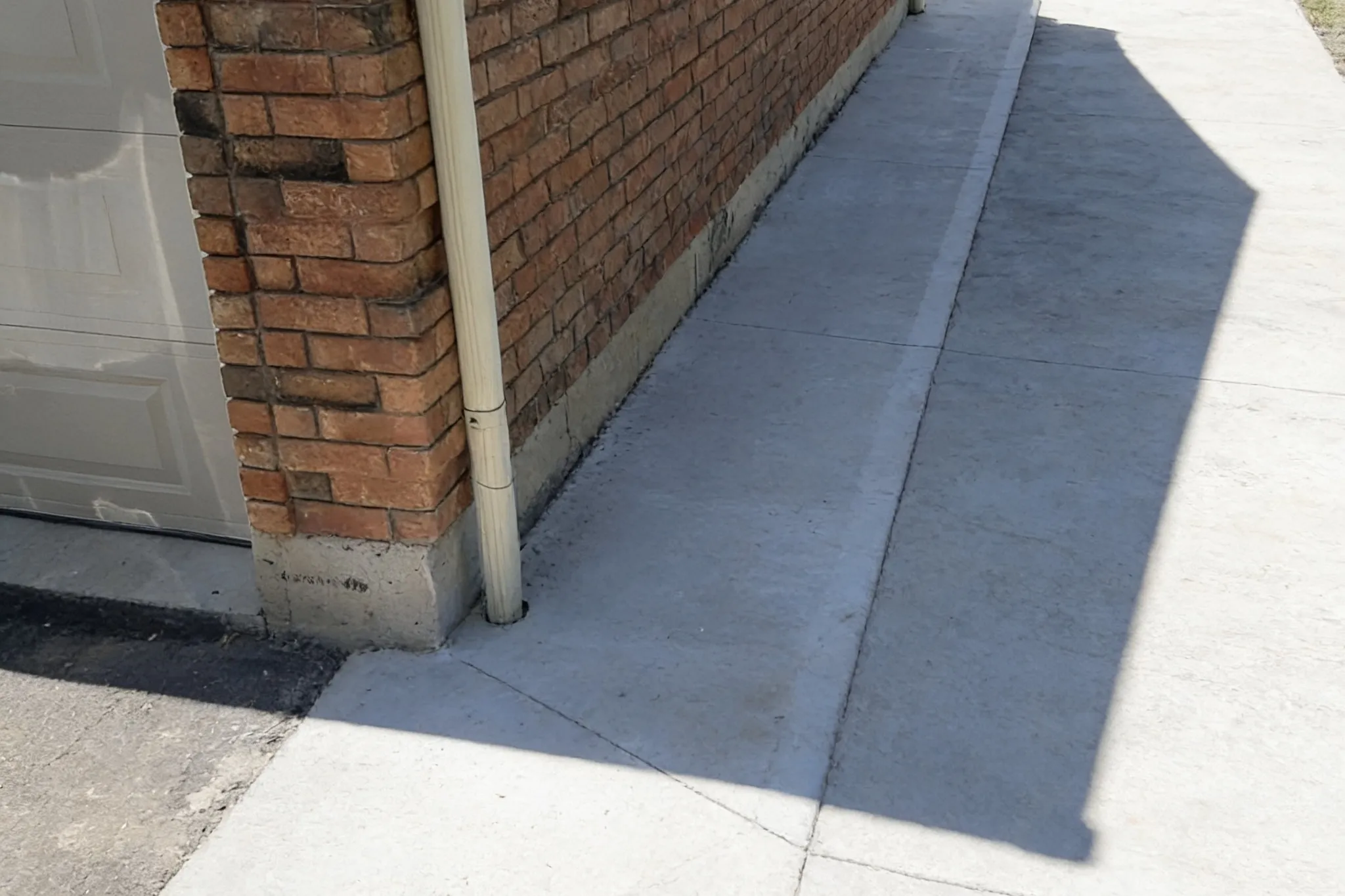
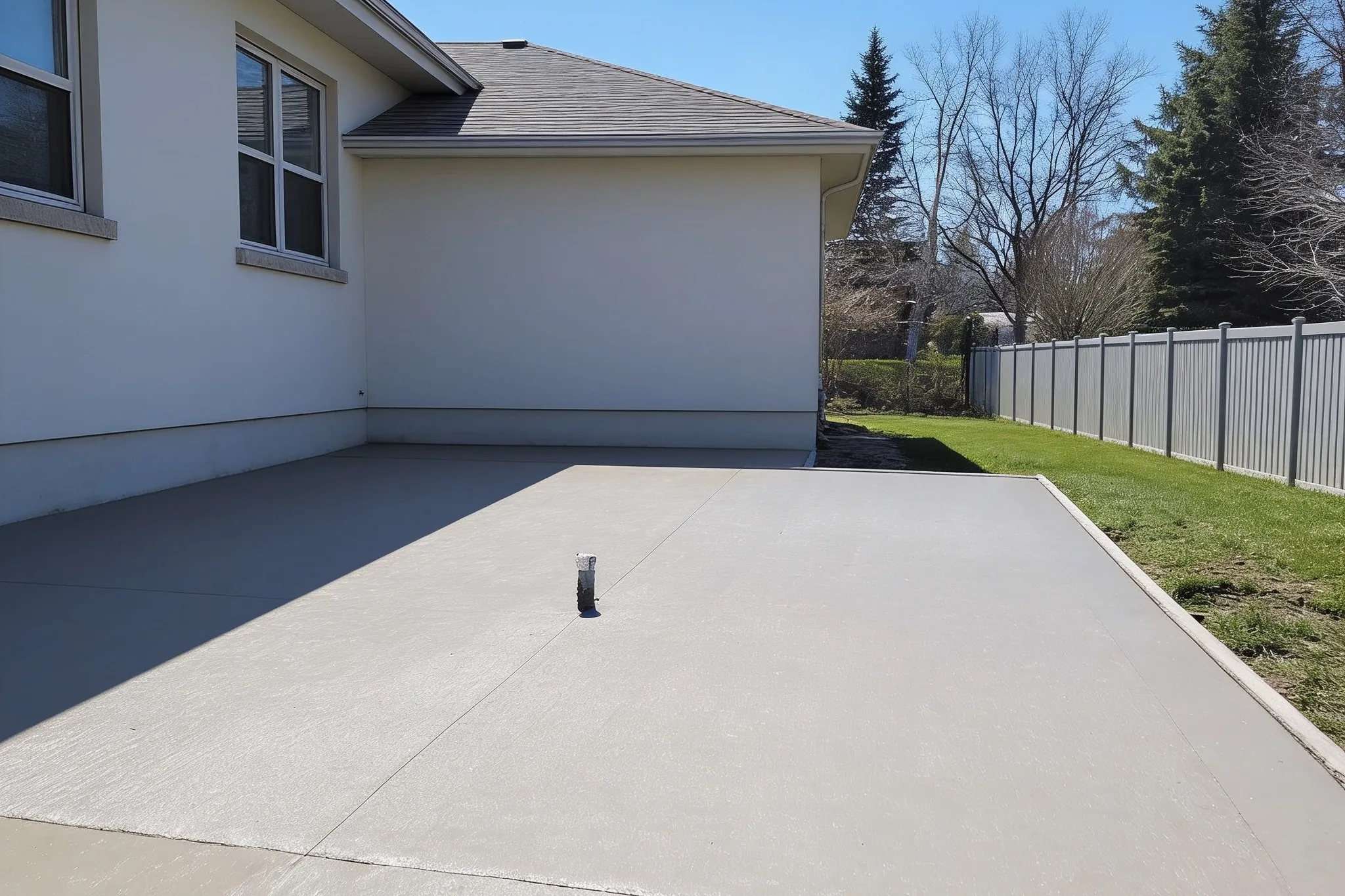
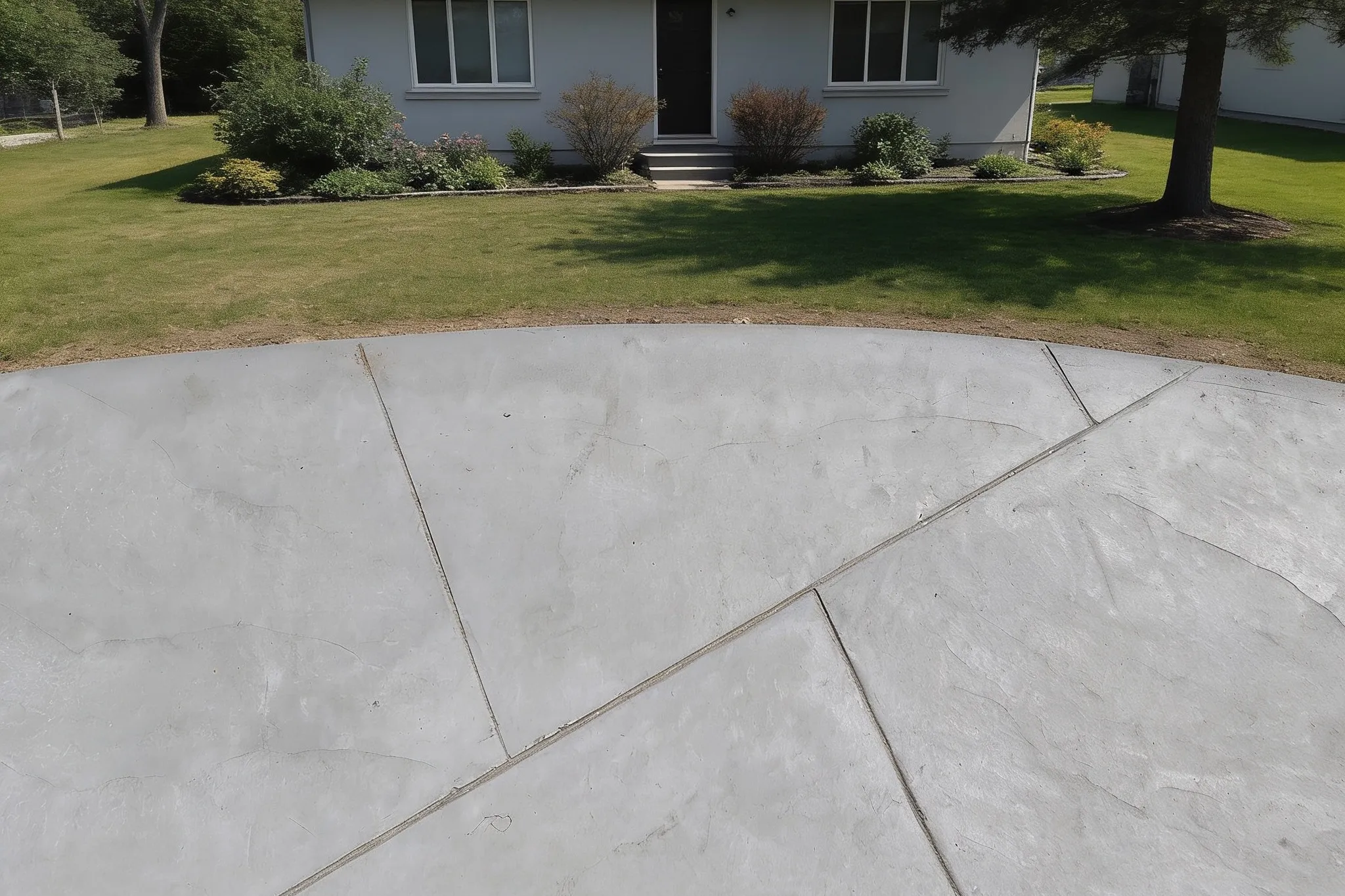
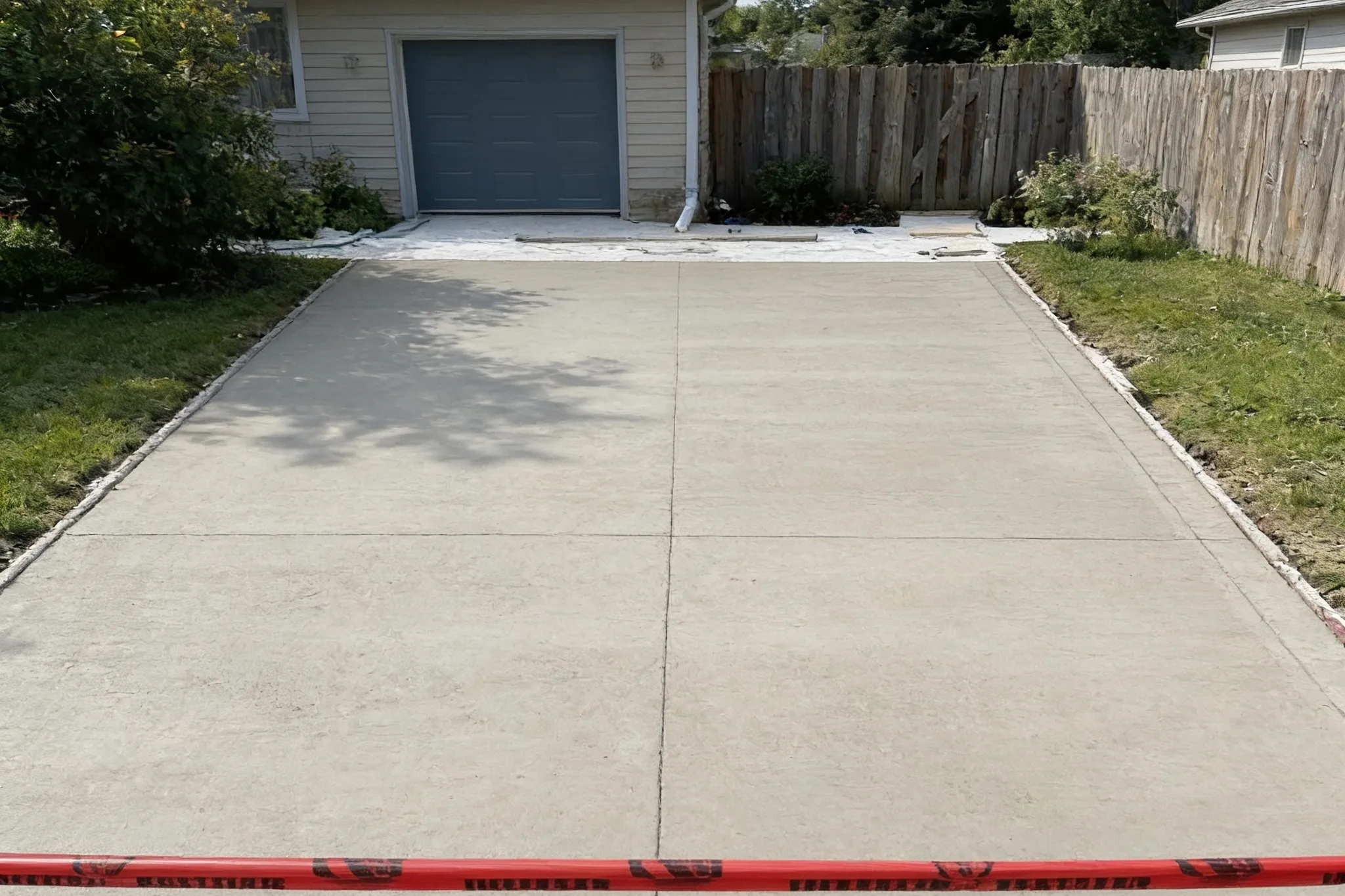
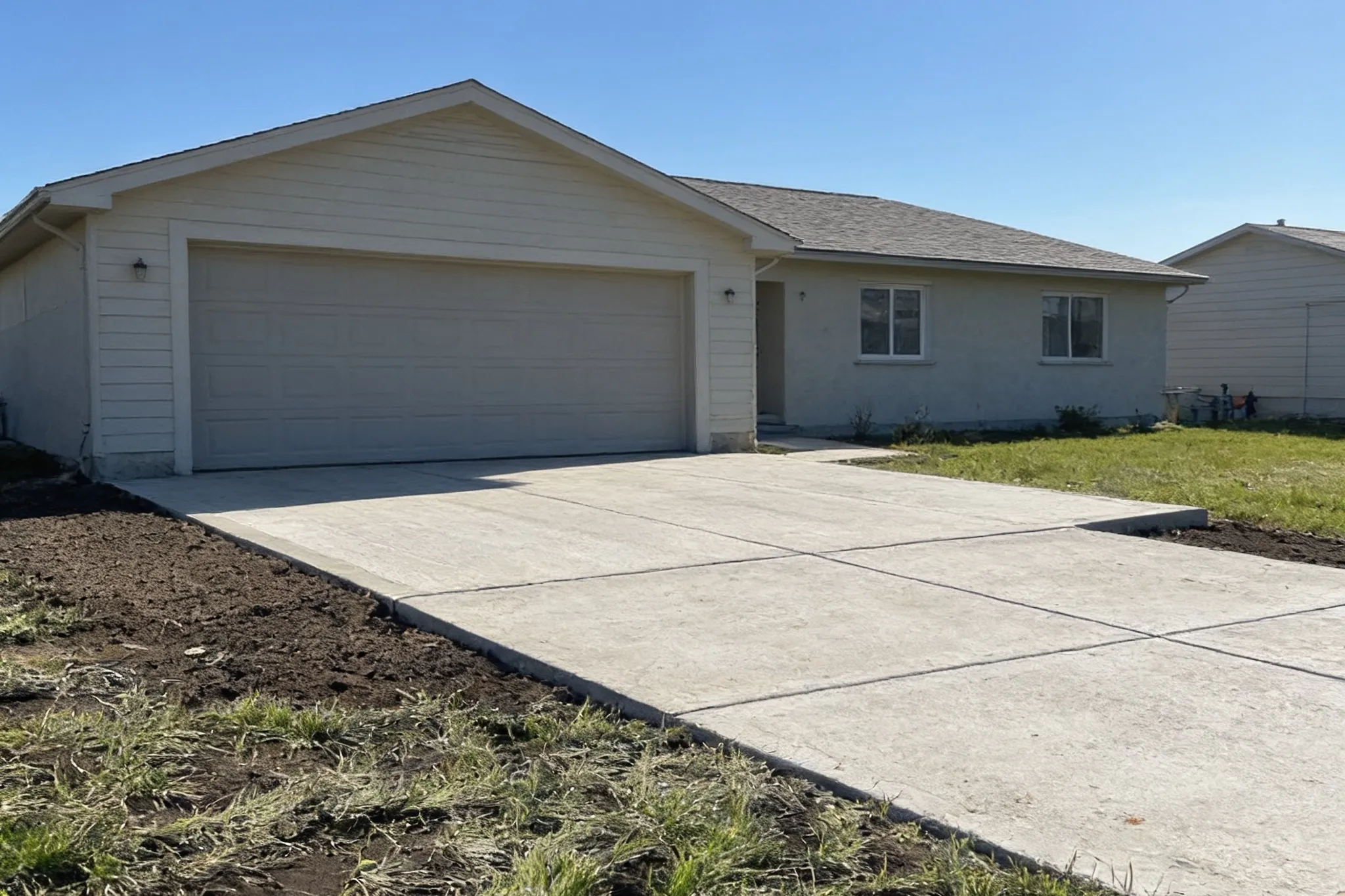
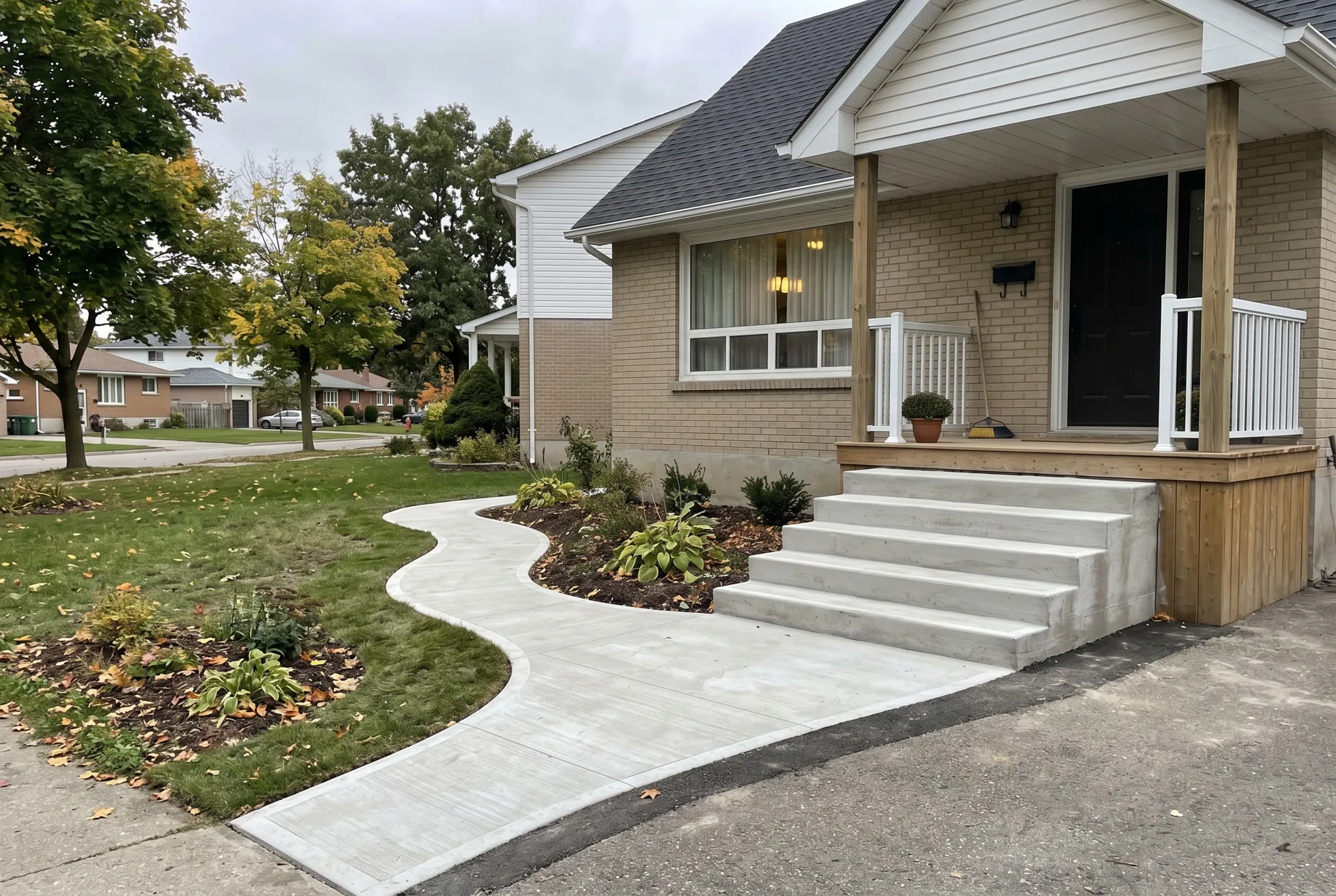
Full-field stamping is not the only way to get the look. On a driveway, a stamped border around a plain broom-finish field gives most of the effect for a fraction of the upgrade. On a patio or a walkway, a stamped field with a plain edge band breaks up a long run so it reads as a designed space rather than a slab.
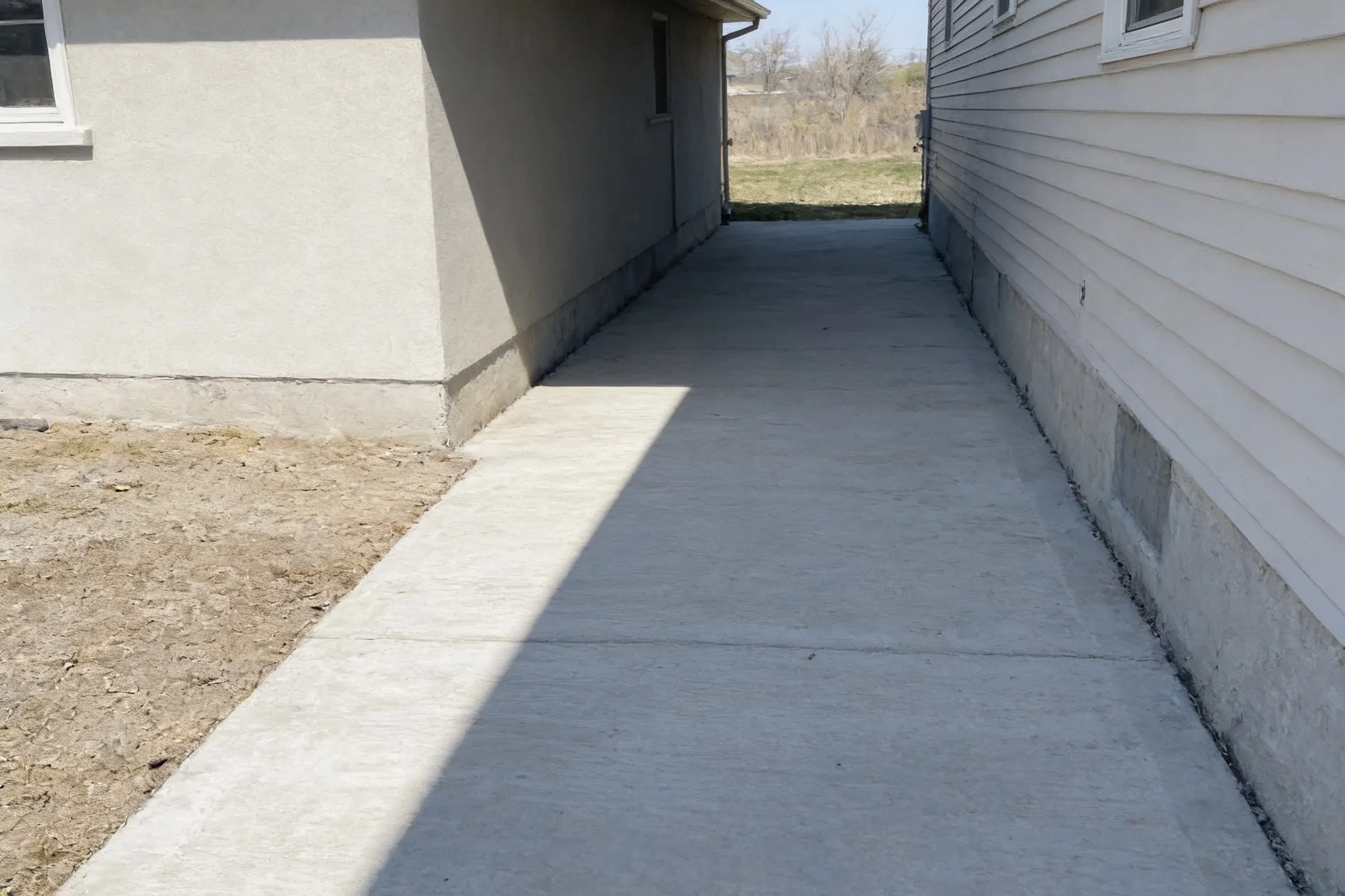
In Cambridge that choice often follows the house. A Galt stone or century-brick front may only need a quiet stamped walkway to the door, while a newer Hespeler or Preston back yard can carry a full patio in flagstone. We talk through it at the site visit and tell you when a simpler layout will serve you better.
The slab under the pattern
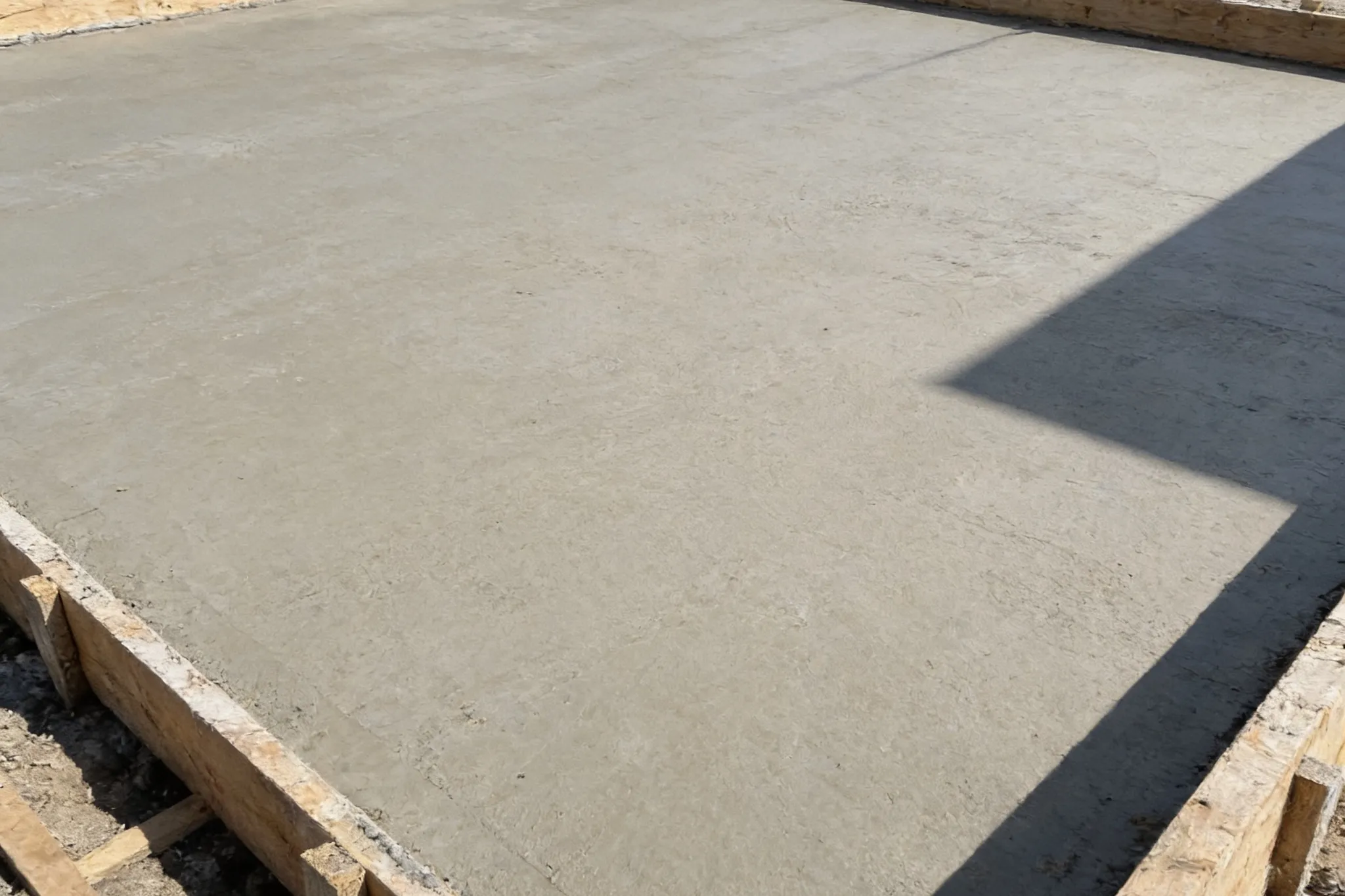
A stamped surface is a regular pour first. Patios and walkways are 100 mm (4 in.) thick, and driveway borders and parking areas go to 100-125 mm. The mix is 32 MPa air-entrained concrete, the exterior-exposure spec we use on all flatwork, which matters in a city that goes through a full freeze-thaw cycle every winter.
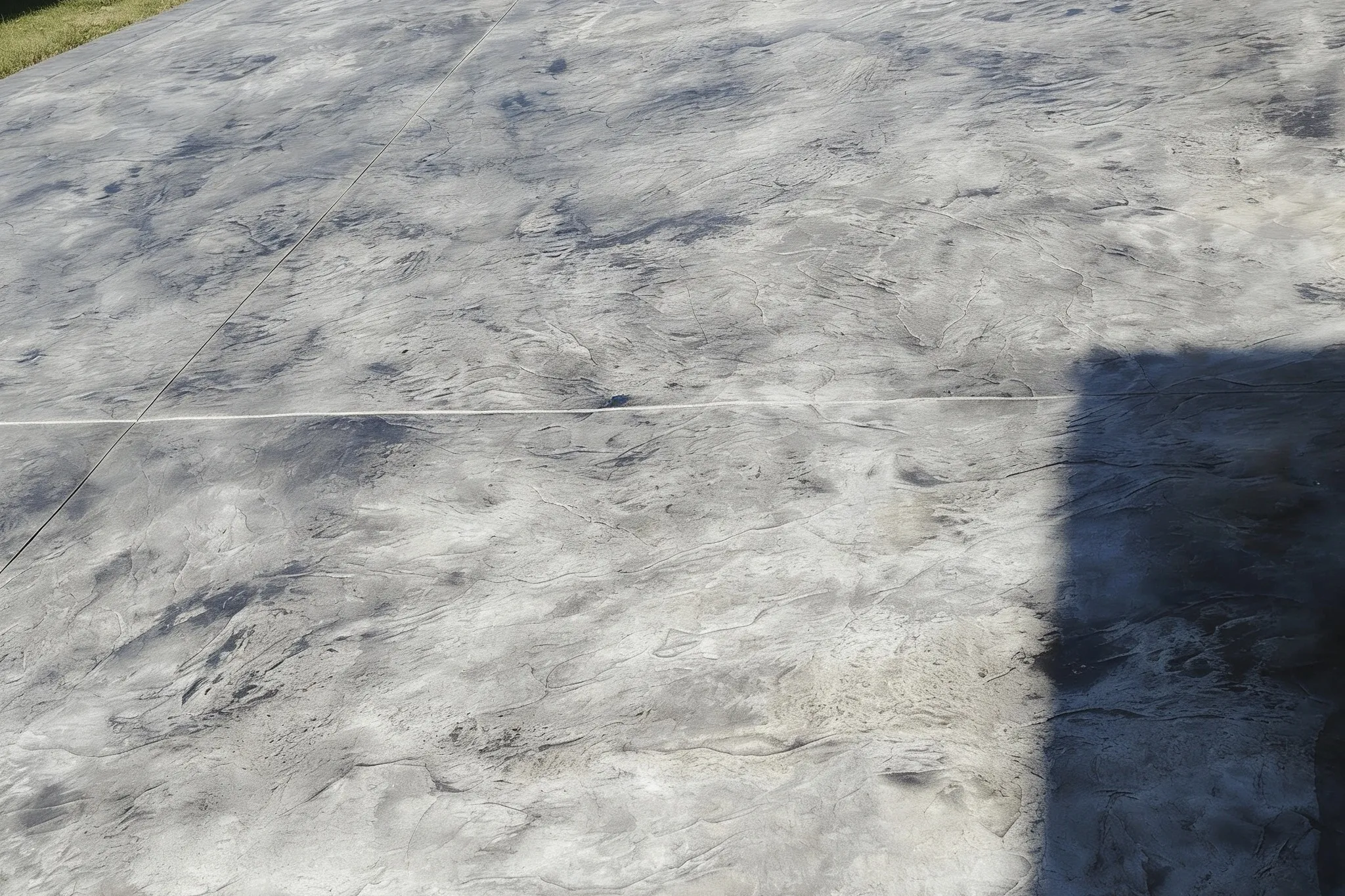
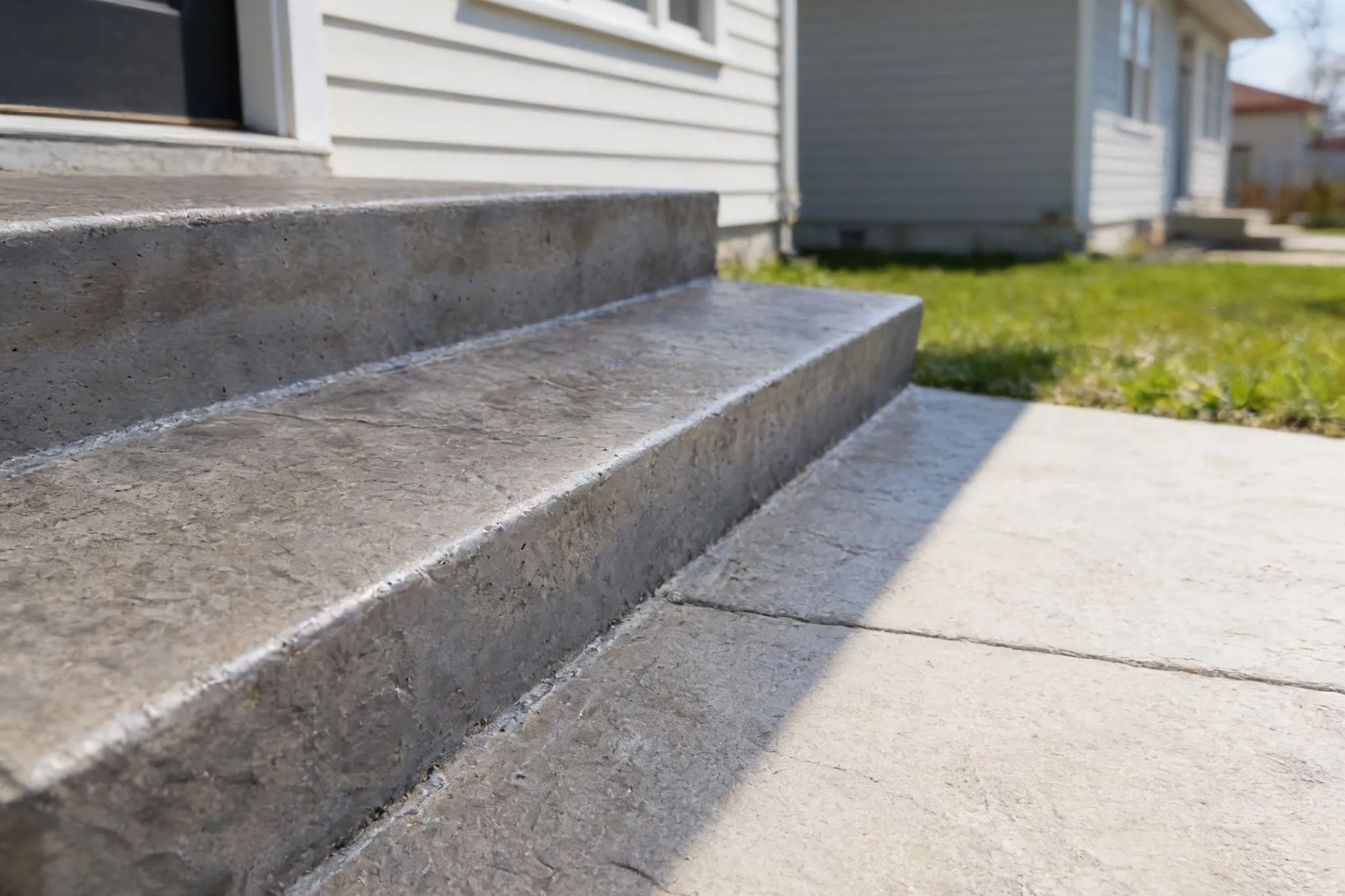
Colour goes on in two layers: a colour hardener worked into the fresh surface for the base tone, then an antiquing release that settles into the low spots of the pattern. That two-tone depth is what makes the surface read as stone. Pick the base colour off your brick or trim and go a shade quieter than the chip you like; colour looks stronger across a whole patio than on a sample card.
Colour is kept with a resealing schedule
Stamping is a race against the set, so we size the crew to the pour, with enough certified finishers to colour, stamp and detail the whole surface before the concrete stiffens. We seal the finished surface with an acrylic sealer and an anti-slip additive, and we give you the resealing plan in writing before you sign.
Sealing and keeping the colour
The finished surface gets an acrylic sealer with an anti-slip additive, and the sealer is what holds the colour. Plan to reseal every 2-3 years. We give you that schedule in writing before you sign, so the upkeep is no surprise a few winters later.
The labour warranty covers workmanship: site preparation, base, the pour and the finishing done as part of your job. Normal wear, hairline cosmetic cracks and sealer that is left to lapse are not workmanship, which is one more reason the resealing plan is in writing.
What shapes the quote for a stamped Cambridge yard
No two yards price alike, and we do not publish numbers on this page. The pattern, the number of colours, how much hand detailing the layout needs, the size of the area, the state of the base and whether an old slab has to come out first all move the quote. Old slab removal can be part of the job through our concrete removal service.
A free site visit gets you measurements, options and a written quote that itemizes the slab, colour, stamping and sealing separately. There is no deposit to get a price and no pressure, and the number on the quote is the number on the invoice unless you change the job.
Straight answers
What stamped pattern suits a stone house in Galt?
Quieter ones. Ashlar slate or random flagstone in a colour matched to the stone or brick usually sits better than a bright, busy surface. We bring colour charts to the site visit and match them to your house.
Does stamped concrete crack more near the river in Galt or Preston?
The risk is water under the slab, which can freeze, lift the surface and crack the pattern. We answer it with an excavated, compacted granular base and grading that sheds water away from the house. Joints are cut along the pattern lines to steer shrinkage cracks.
We have a new build in Hespeler. When can we have a stamped patio poured?
After the builder sets the final grade and the lot has had a season to settle. New-build ground is disturbed fill, so we compact the base ourselves. If the ground is not ready, we will say so rather than pour a decorative surface that will settle.
How much does stamped concrete cost in Cambridge?
Stamped work is an upgrade over a standard broom slab. The pattern, the number of colours, the amount of hand detailing, the size of the area, the state of the base and whether an old slab has to come out first all move the number. A free site visit gets you a written quote that lists the slab, colour, stamping and sealing separately.
Can we stamp just a border or a walkway instead of the whole patio?
Yes. A stamped border around a plain broom or exposed-aggregate field gets most of the look for a smaller upgrade, and a stamped walkway to the door suits a Galt stone or brick house well. We lay the options out at the site visit.
How thick is a stamped patio, and what concrete do you use?
Patios and walkways are 100 mm (4 in.) thick, and driveway borders and parking areas go to 100-125 mm. The mix is 32 MPa air-entrained concrete, the same exterior spec as the rest of our flatwork.
How often does stamped concrete need resealing?
Plan on every 2-3 years to hold the colour. The finished surface gets an acrylic sealer with an anti-slip additive, and we put the resealing schedule in writing before you sign.
Does the lifetime warranty cover a stamped patio?
The lifetime warranty on labour covers our workmanship: site preparation, base, the pour and the finishing. It runs as long as you own the home where the work was done. Normal wear, hairline cosmetic cracks and materials are excluded, and it is stated on every written quote.
Keep reading
- Stamped & Decorative Concrete: the full methodPattern families, the colour system, the mix spec and the resealing schedule.
- Concrete Contractors in CambridgeEverything else we pour and repair across Galt, Preston and Hespeler.
- Concrete Patios in CambridgeThe plain-finish patio on the same ground, if stamping is more than you need.
- Stamped Concrete in KitchenerThe neighbouring city: what a stamped Kitchener yard needs.
- Concrete Removal & DemolitionIf an old slab has to come out before the new surface goes in.
- Concrete DrivewaysA stamped border around a plain driveway field.
Tell us about the job.
Send the details and we'll get back to you within one business day with next steps. If water is coming in right now, check the box and we flag it urgent.
Get a straight quote
Free · no pressure · 1 business day