HomeServicesConcrete DrivewaysDunnville
Concrete Driveway Contractor in Dunnville
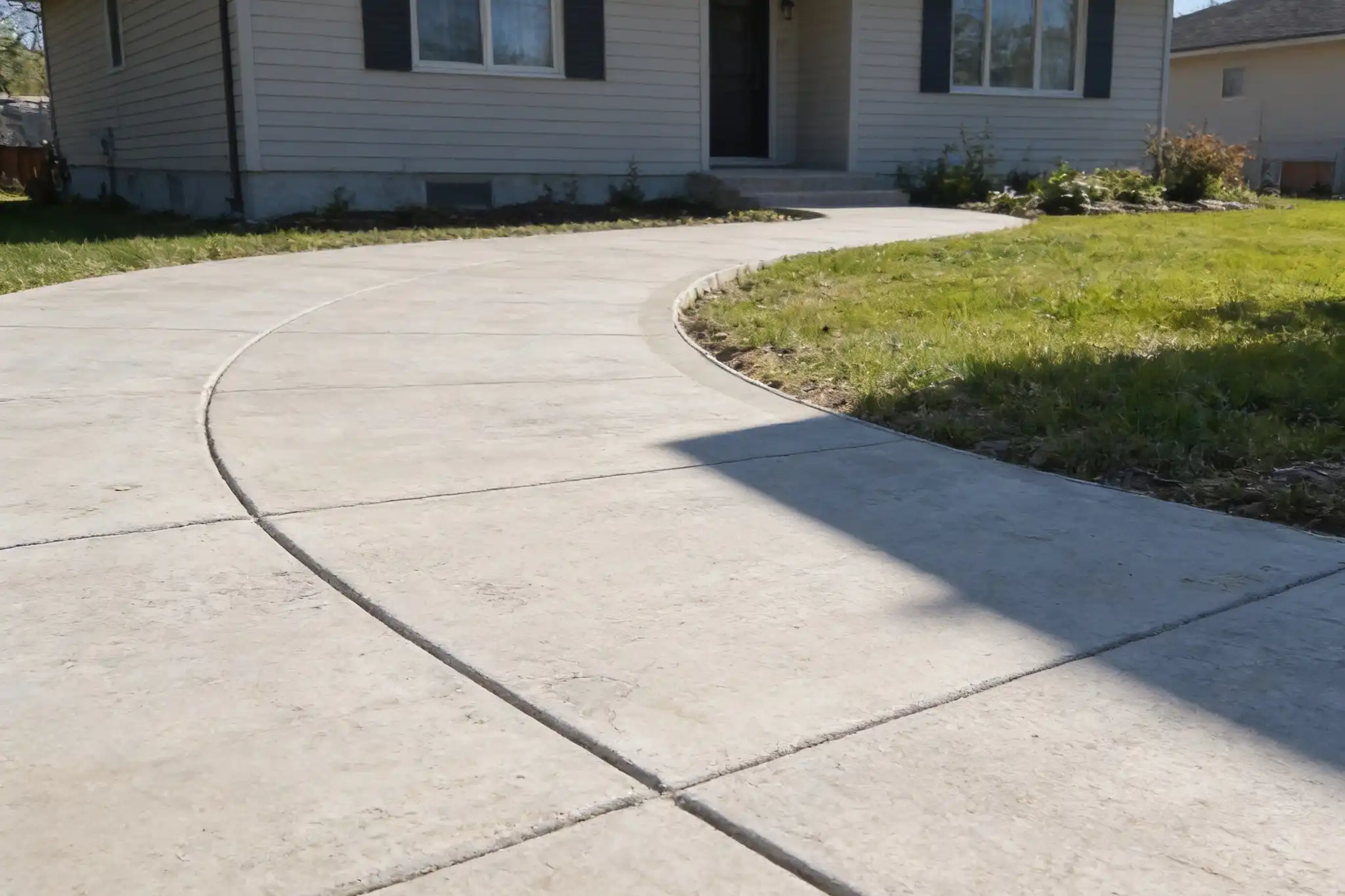
We pour new and replacement concrete driveways in Dunnville and along the lakeshore from Port Maitland to Lowbanks. Dunnville sits at the low end of the Haldimand clay plain, where the water table near the river mouth runs high and the clay drains slowly, so a driveway here is won or lost in the base and the drainage. Union-certified crews, a free written quote that holds, and a lifetime warranty on labour. Jobs book onto our scheduled Haldimand route days through the pouring season.
Get a straight quote
Free · no pressure · 1 business day
Reviewed June 2026
Every job is priced individually, not off a price list. Tell us about yours and you get an accurate, no-pressure quote in writing.
Dunnville is where Haldimand County's water finally leaves. The town sits at the mouth of the Grand River, at the bottom of the county's clay plain. The water table near the river runs high, the clay drains slowly, and melt water stays in the ground for weeks each spring. That wet ground is the main thing a Dunnville driveway has to survive.
Clay that stays wet is what lifts and cracks a slab. Water sits under the concrete, freezes, and pushes up. Thicker concrete does not fix that. Depth, a compacted base and a way for the water to leave do. The full spec (mix, thickness, joints and cure) is on our concrete driveways page. This page is about what a Dunnville driveway needs in particular.
What to ask a Dunnville concrete contractor
A driveway quote that only names a size and a finish leaves out the part that matters on Dunnville ground. Ask the contractor how deep the dig goes, how the base is built, and where the water goes once the slab is down. Ask who stands behind the work after the pour.
Our answer to the last one is a lifetime warranty on labour, stated on every written quote. It covers site preparation, base, the pour and the finishing, for as long as you own the home. The quote is free, comes in writing after a visit and measurements, and the number on it is the number on the invoice unless you change the job. You get a reply within one business day.
Wet clay and a high water table
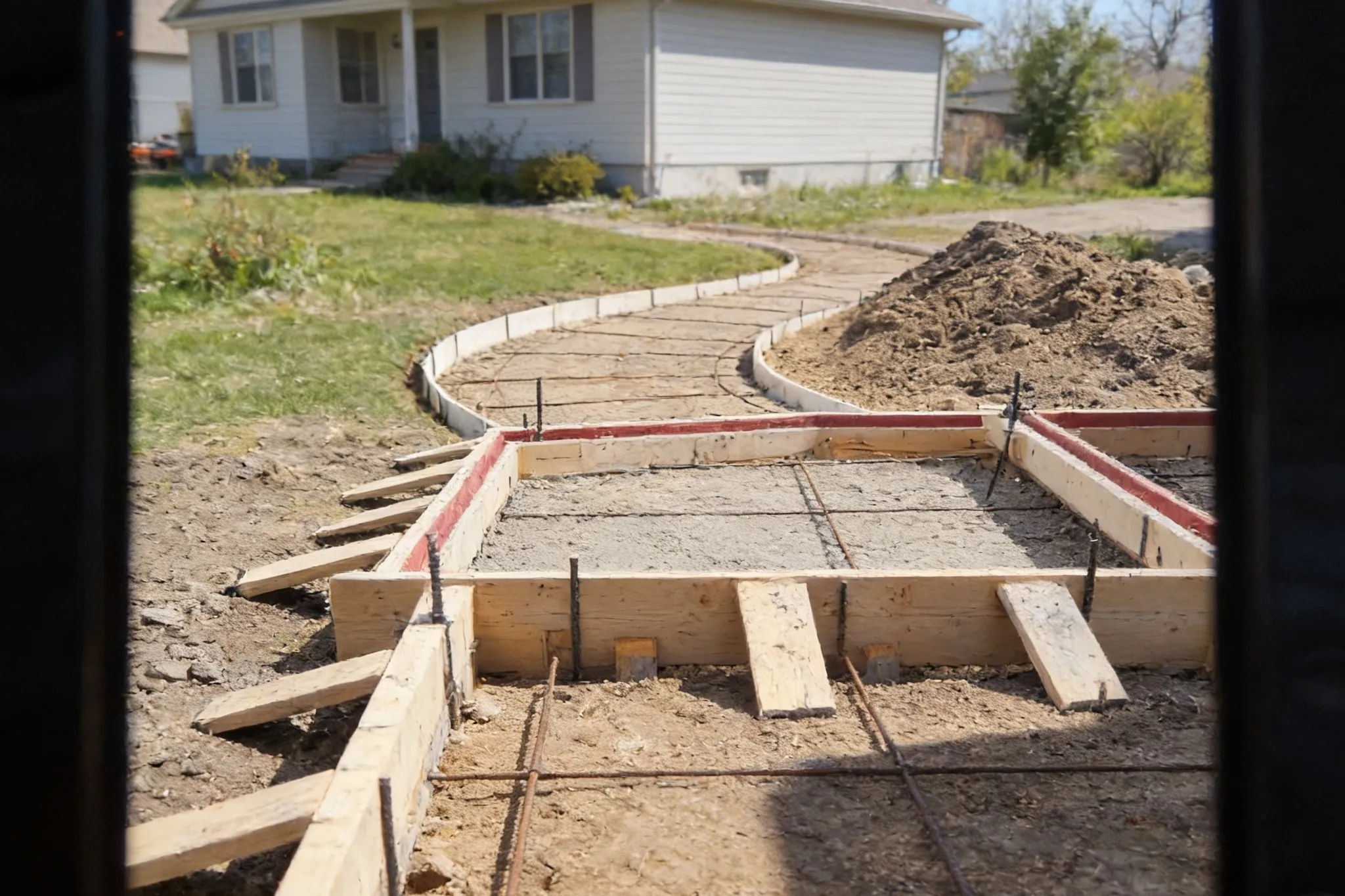
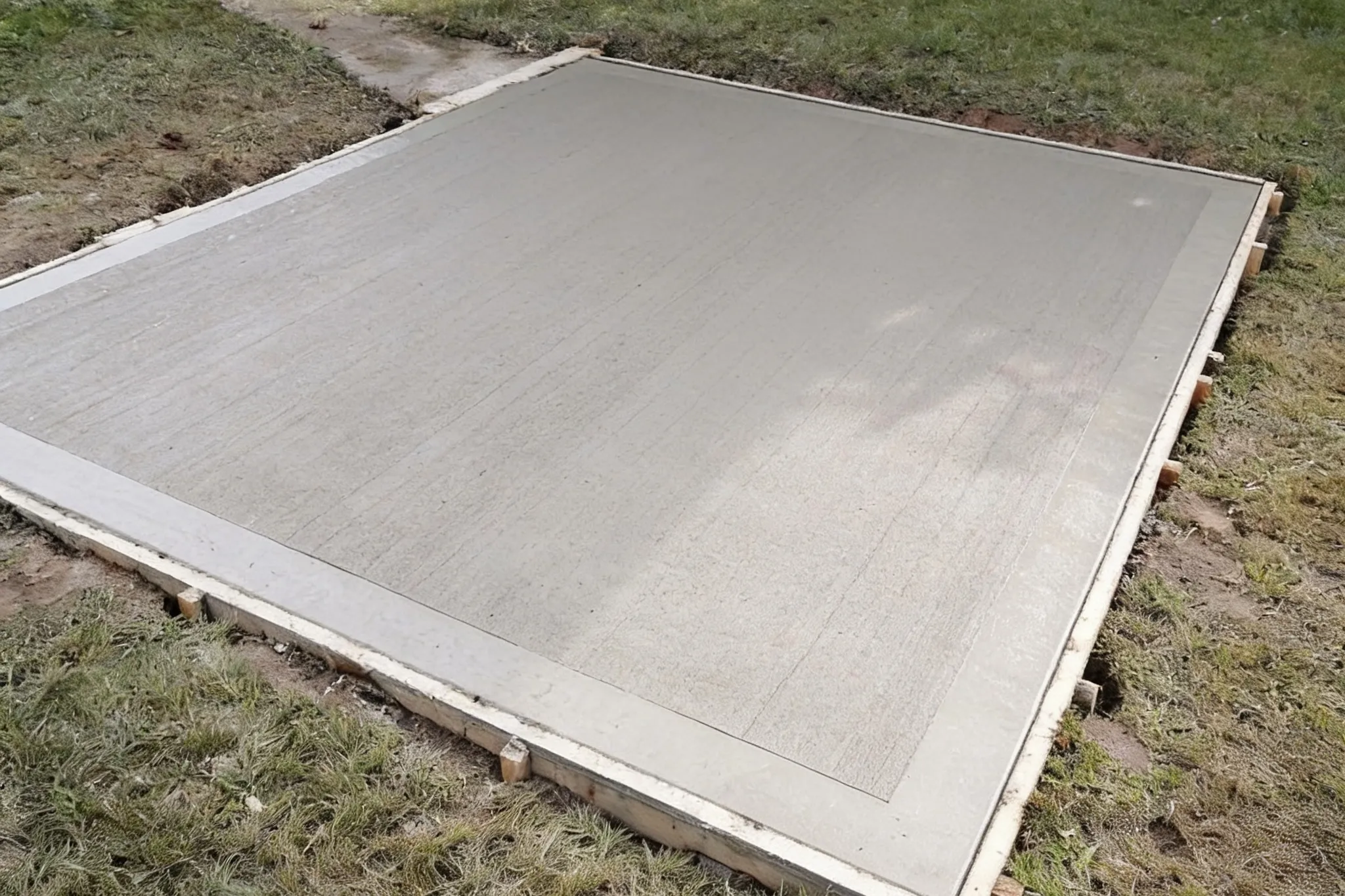
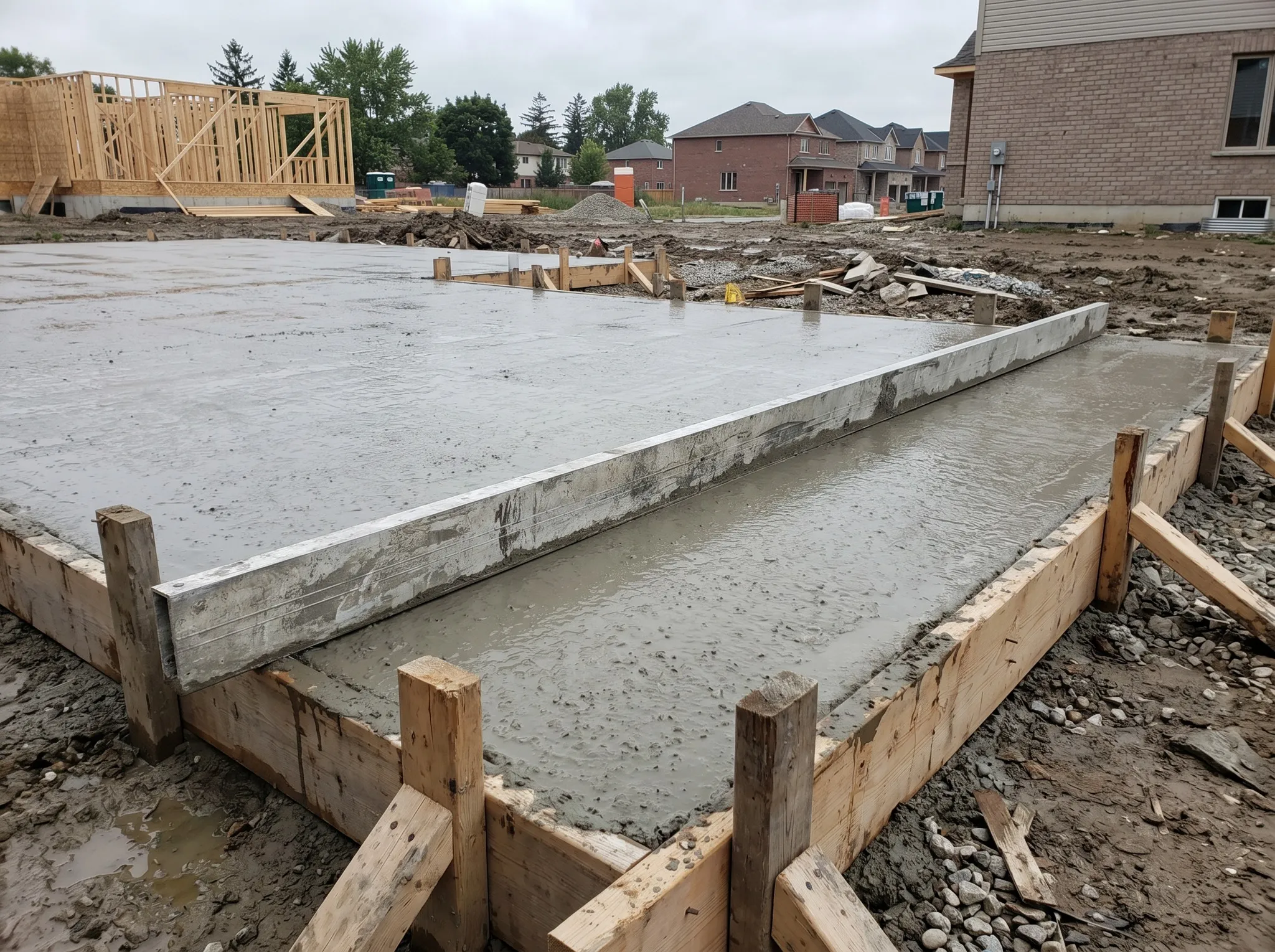
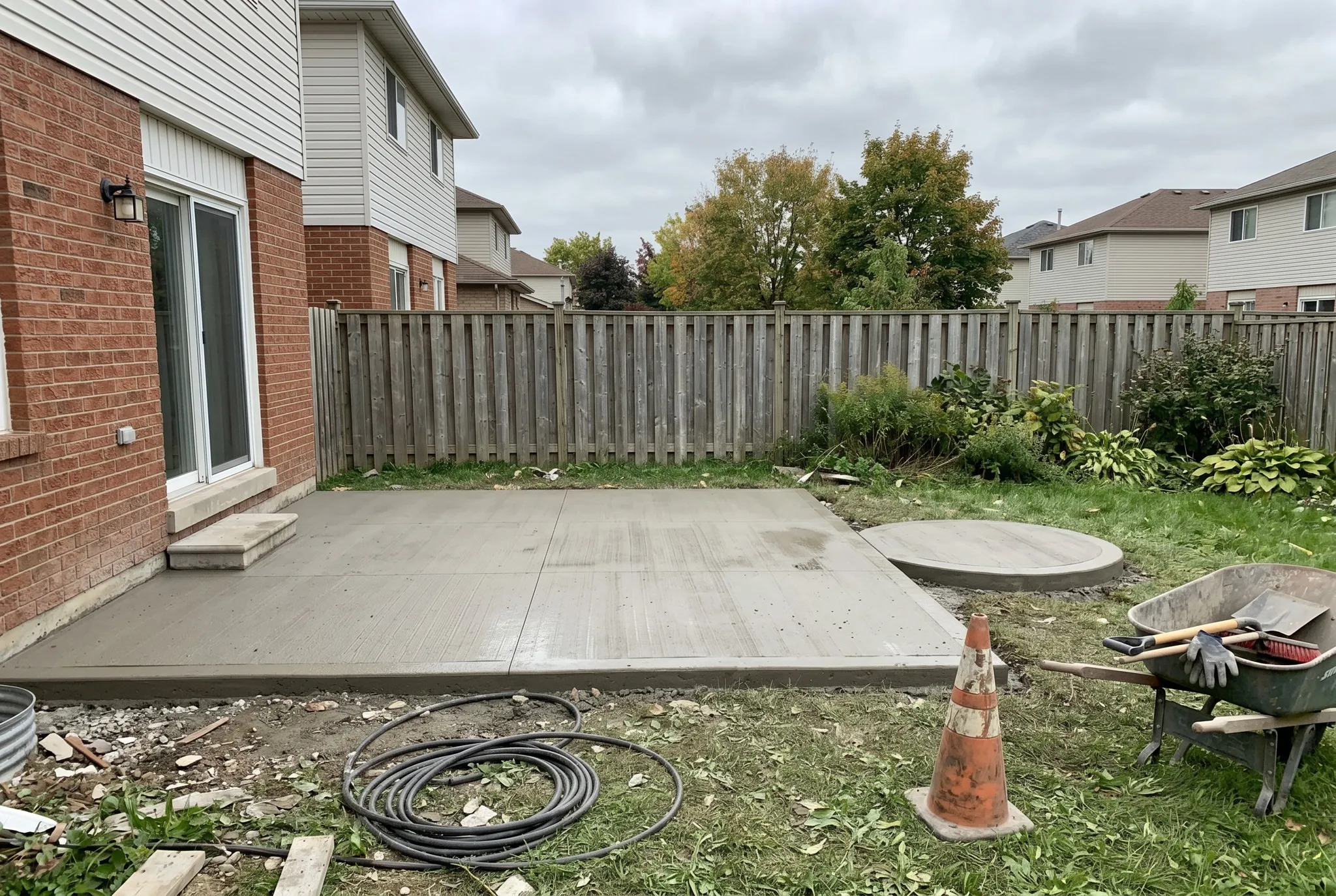
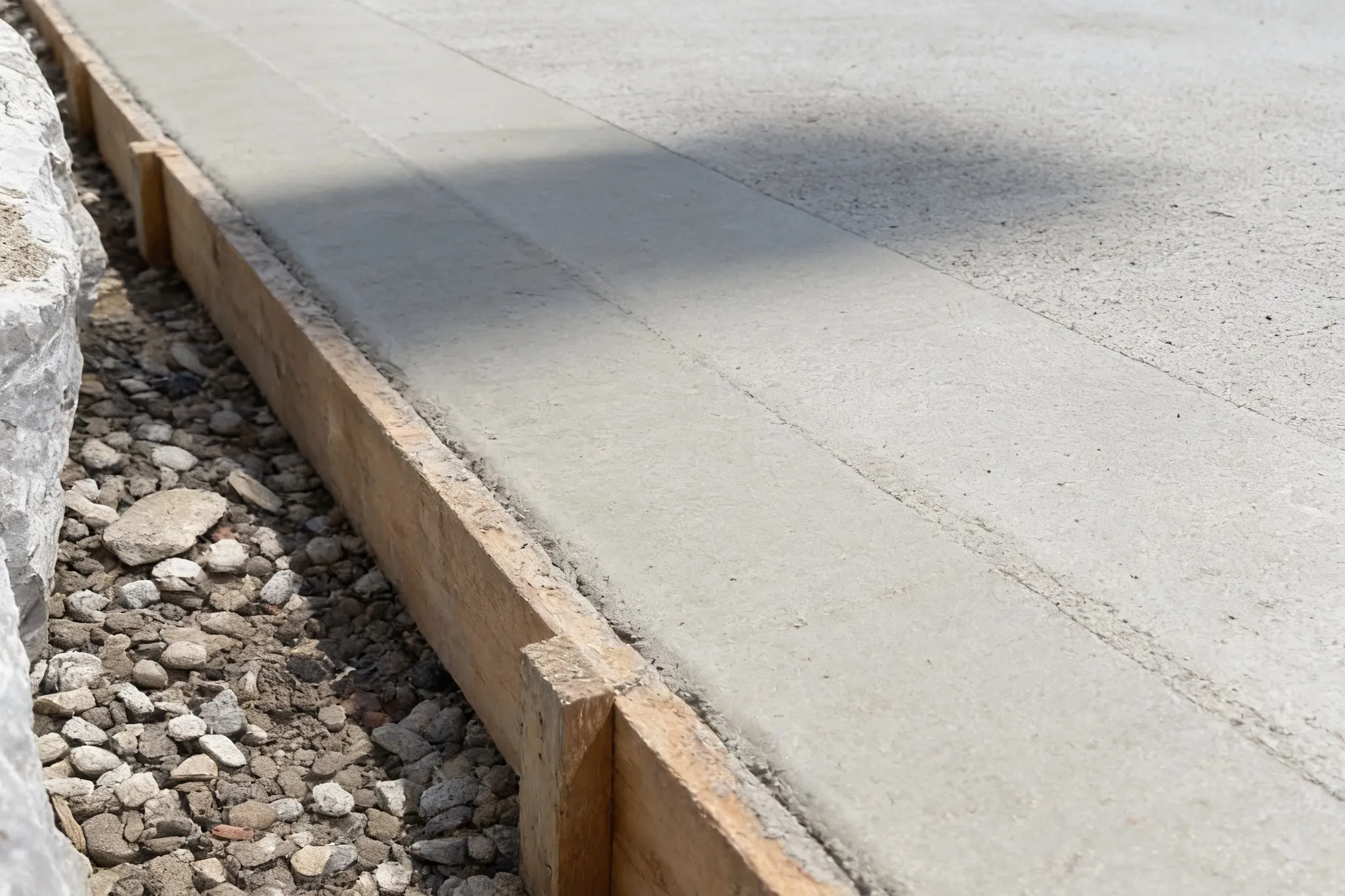
We excavate to stable ground, build a granular base in compacted lifts, and grade the slab so melt runs off it and away from the house and garage. On the low lots near the river and the marshes along the lower Grand, we look hard at where the water goes before we set a form: downspouts that empty onto the driveway, a neighbour's grade that sheds onto yours, and whether the base needs a way out for water.
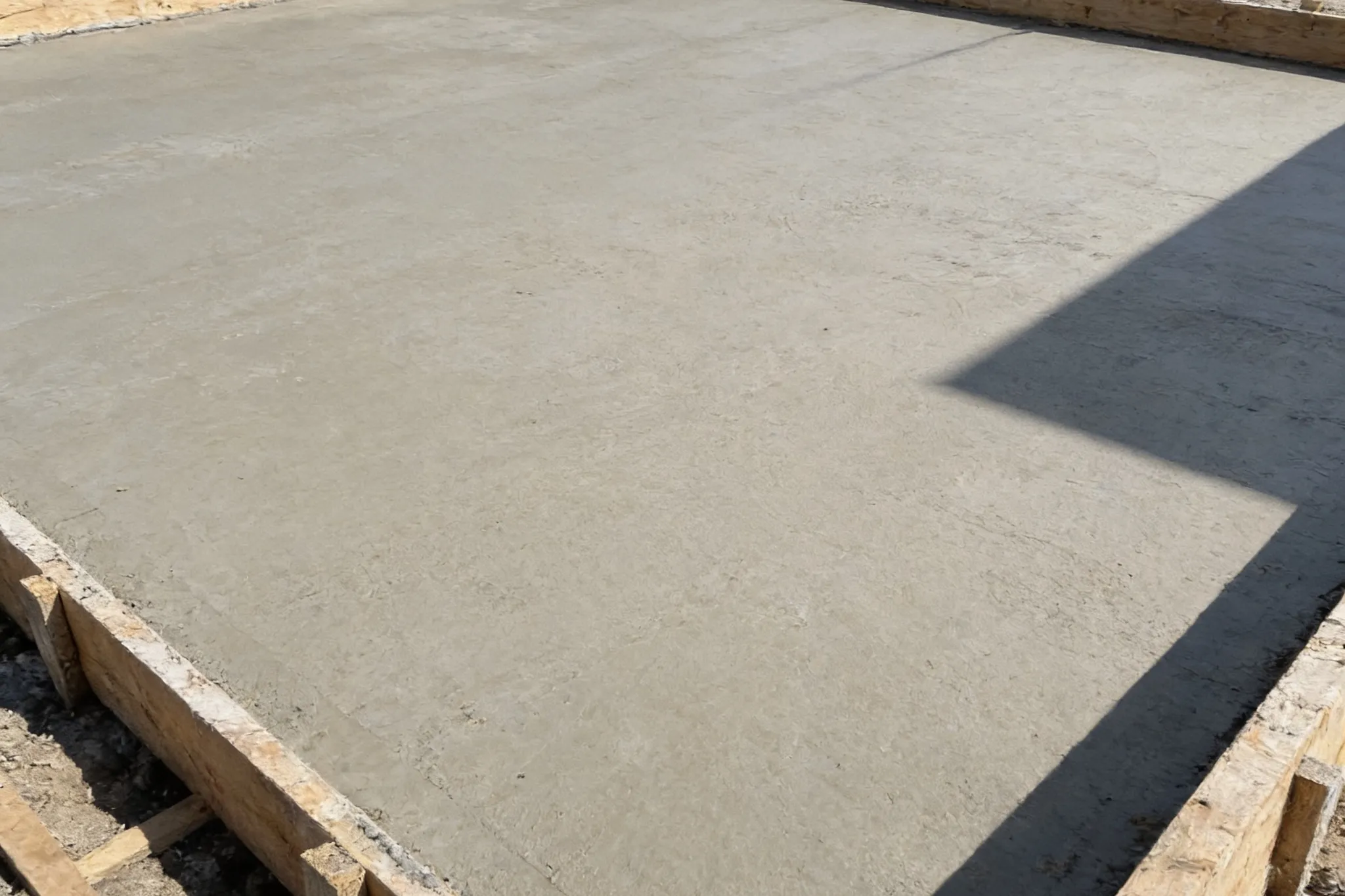
The mix is 32 MPa air-entrained concrete. The tiny air voids give freezing water room to expand, so the surface holds up to freeze-thaw and road salt.
How deep and how thick a Dunnville driveway goes
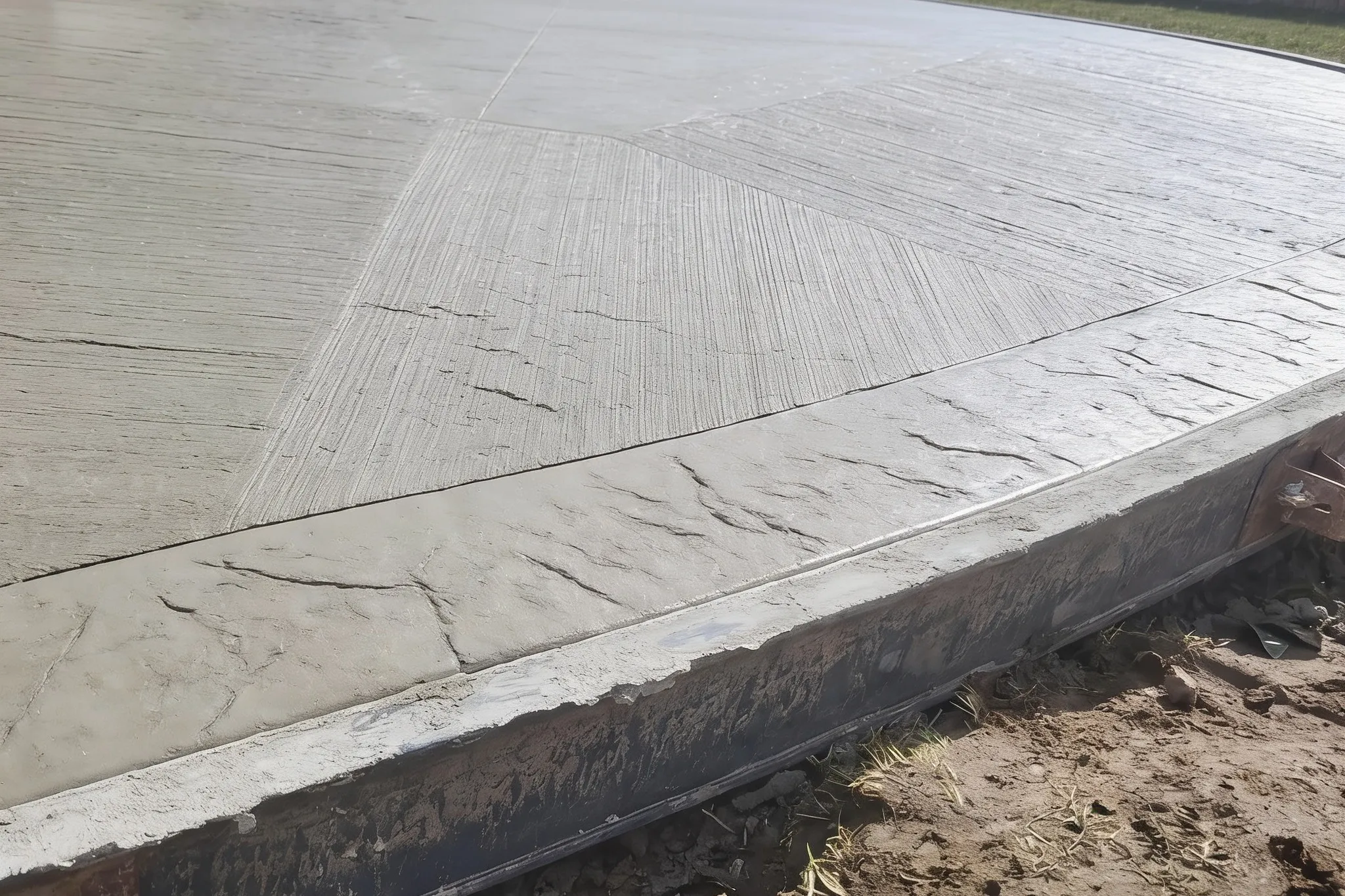
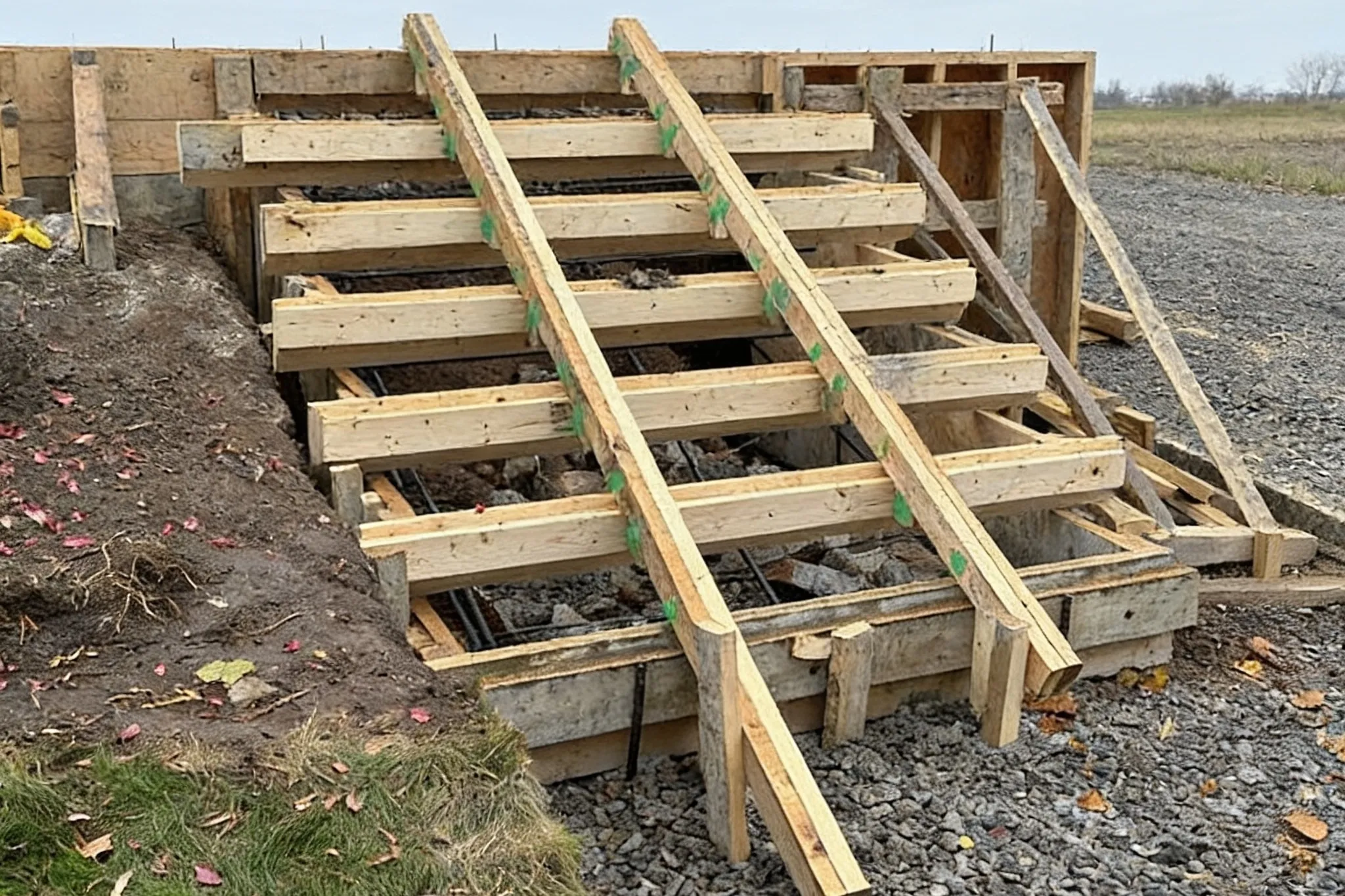
On soft, wet clay the base does more of the work than the slab does. We dig to stable ground and build 150 to 200 mm of compacted Granular A in lifts, going deeper where the clay is soft. A skim of gravel over topsoil holds water, and held water is what lifts a slab in March.
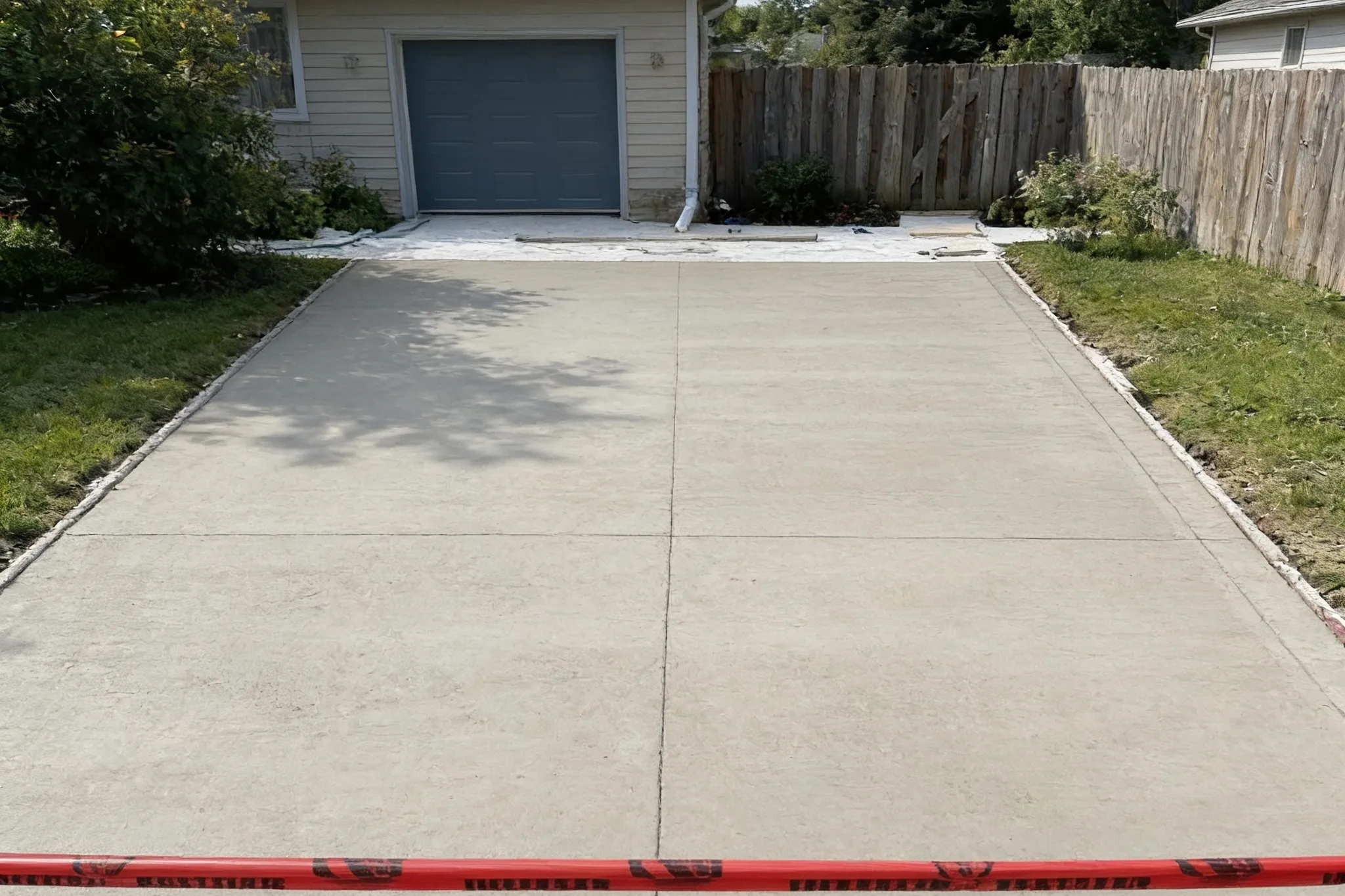
The slab itself is 100 to 125 mm thick. We use 125 mm wherever trucks or trailers park. Wire mesh or a 10M rebar grid goes in, with rebar where the loads or the soil call for it. Saw-cut control joints go in by plan, so the slab cracks where we cut it and not where it likes.
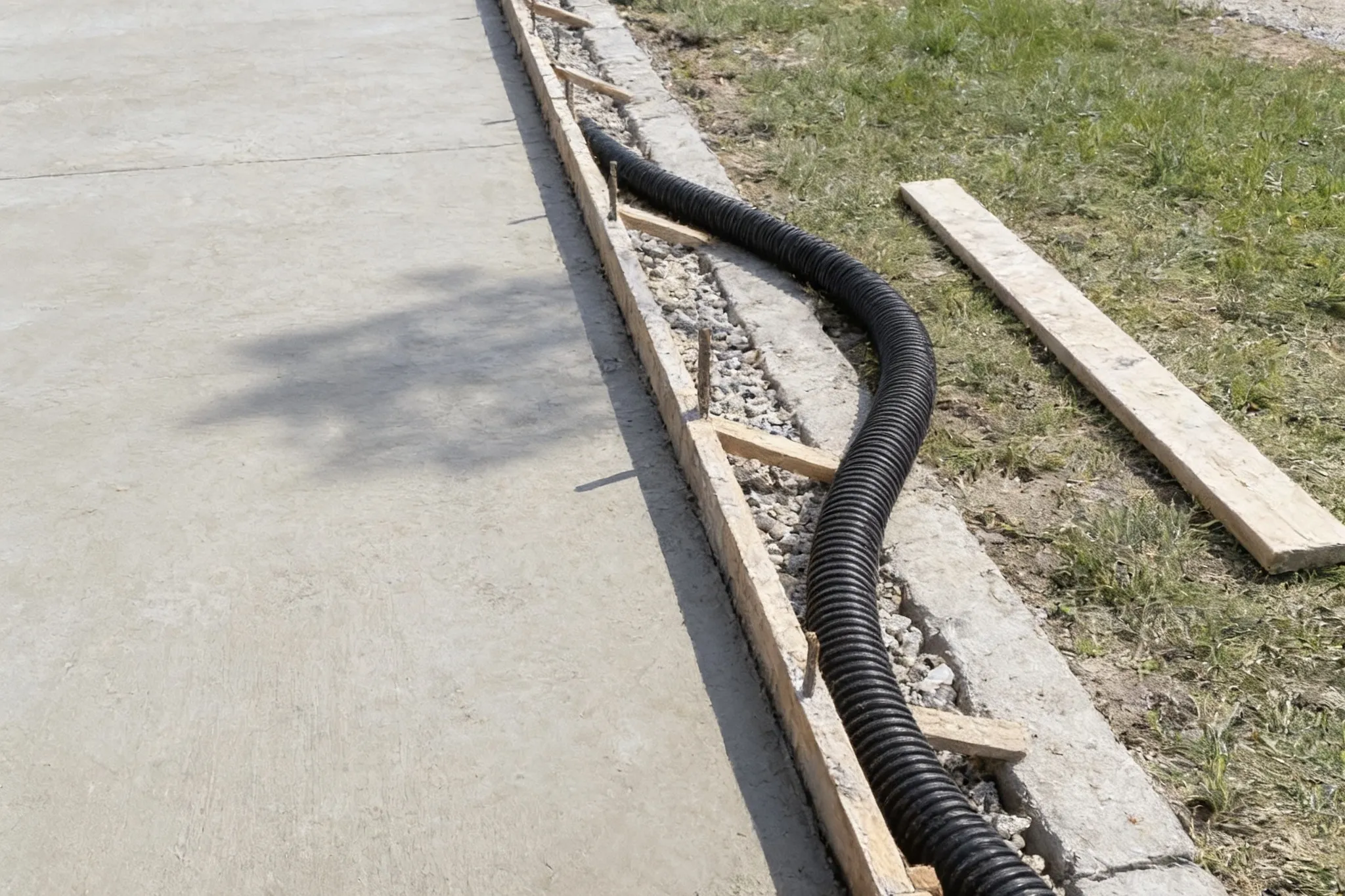
Getting the water out from under the slab
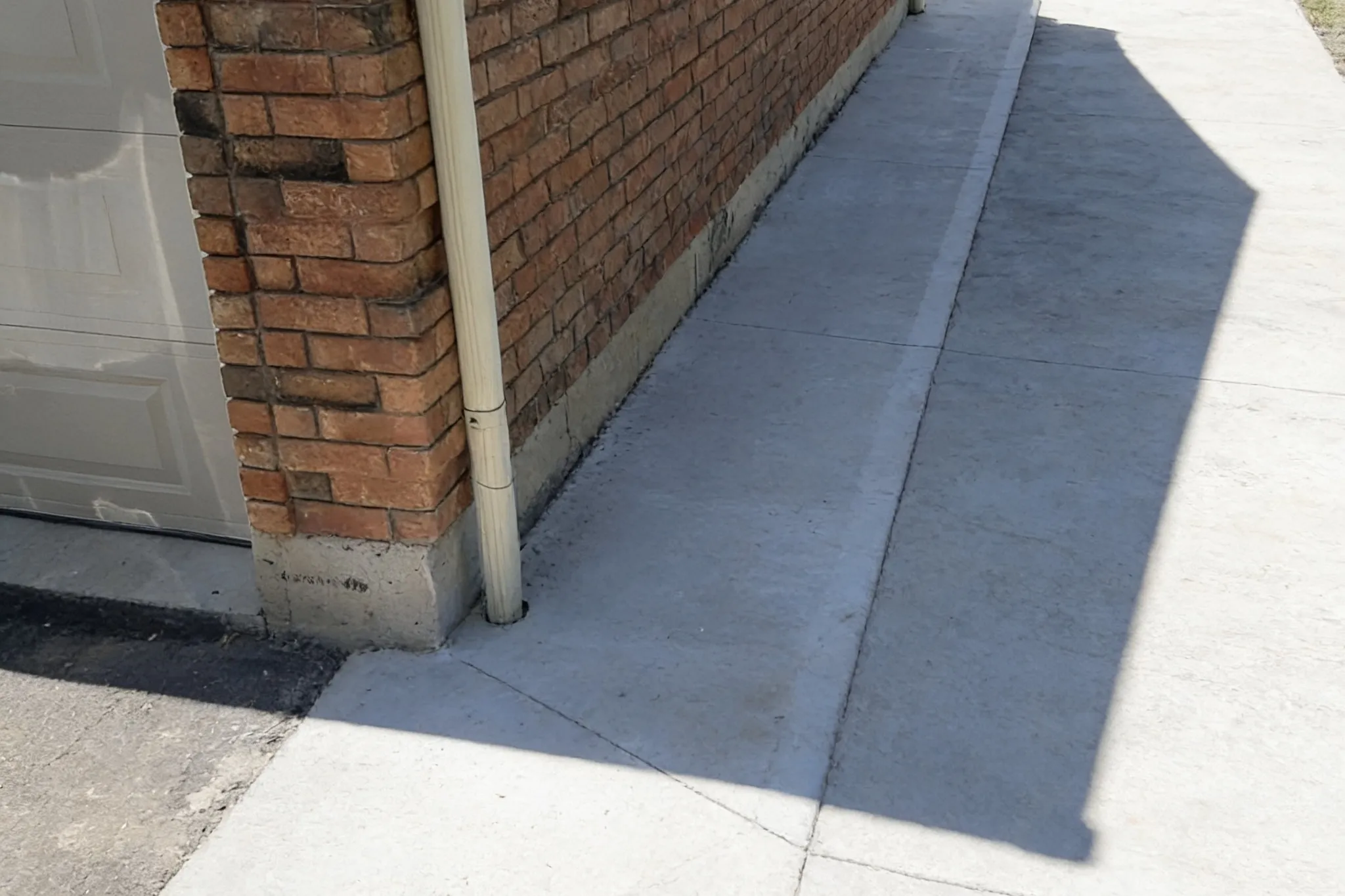
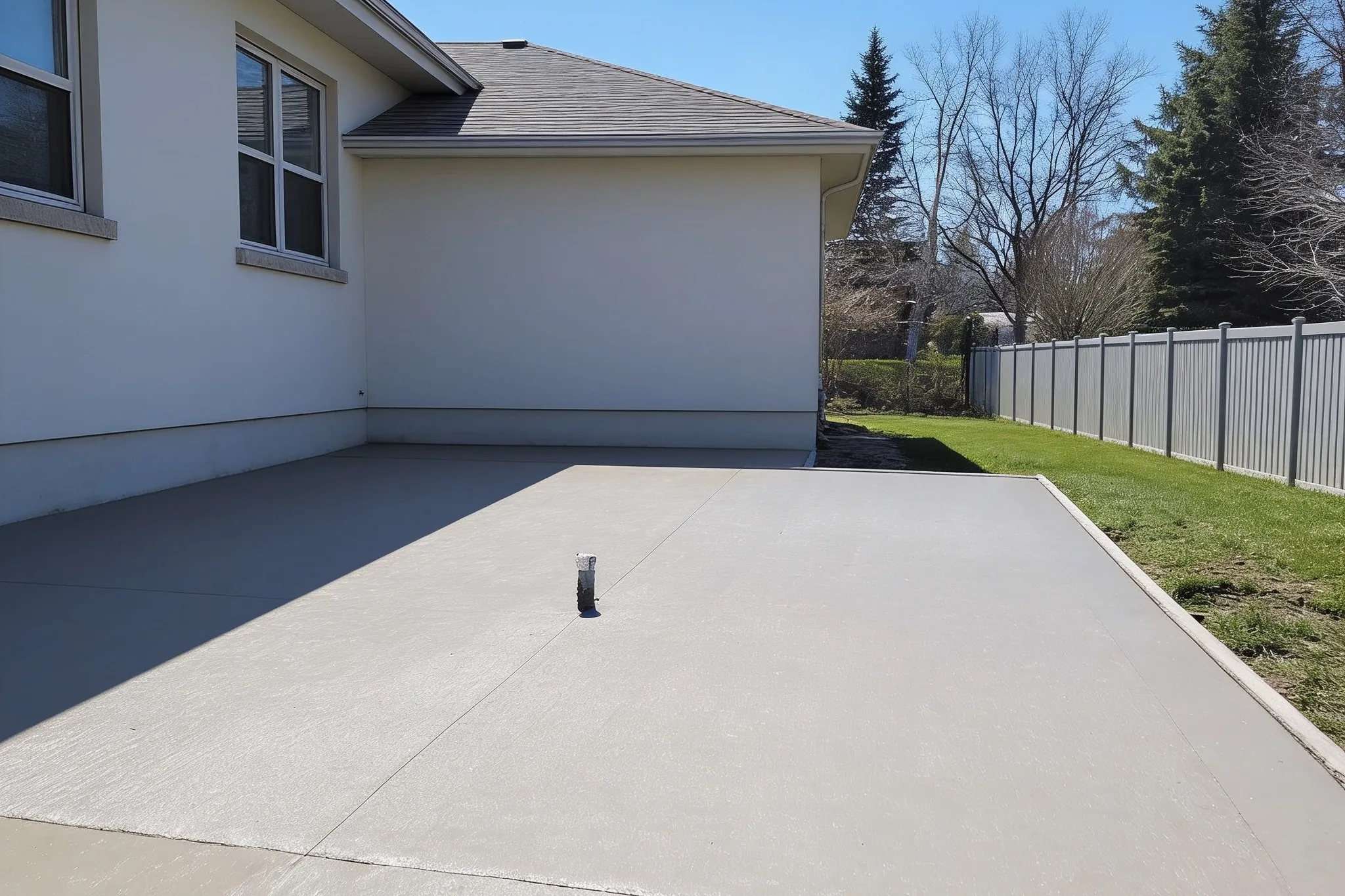
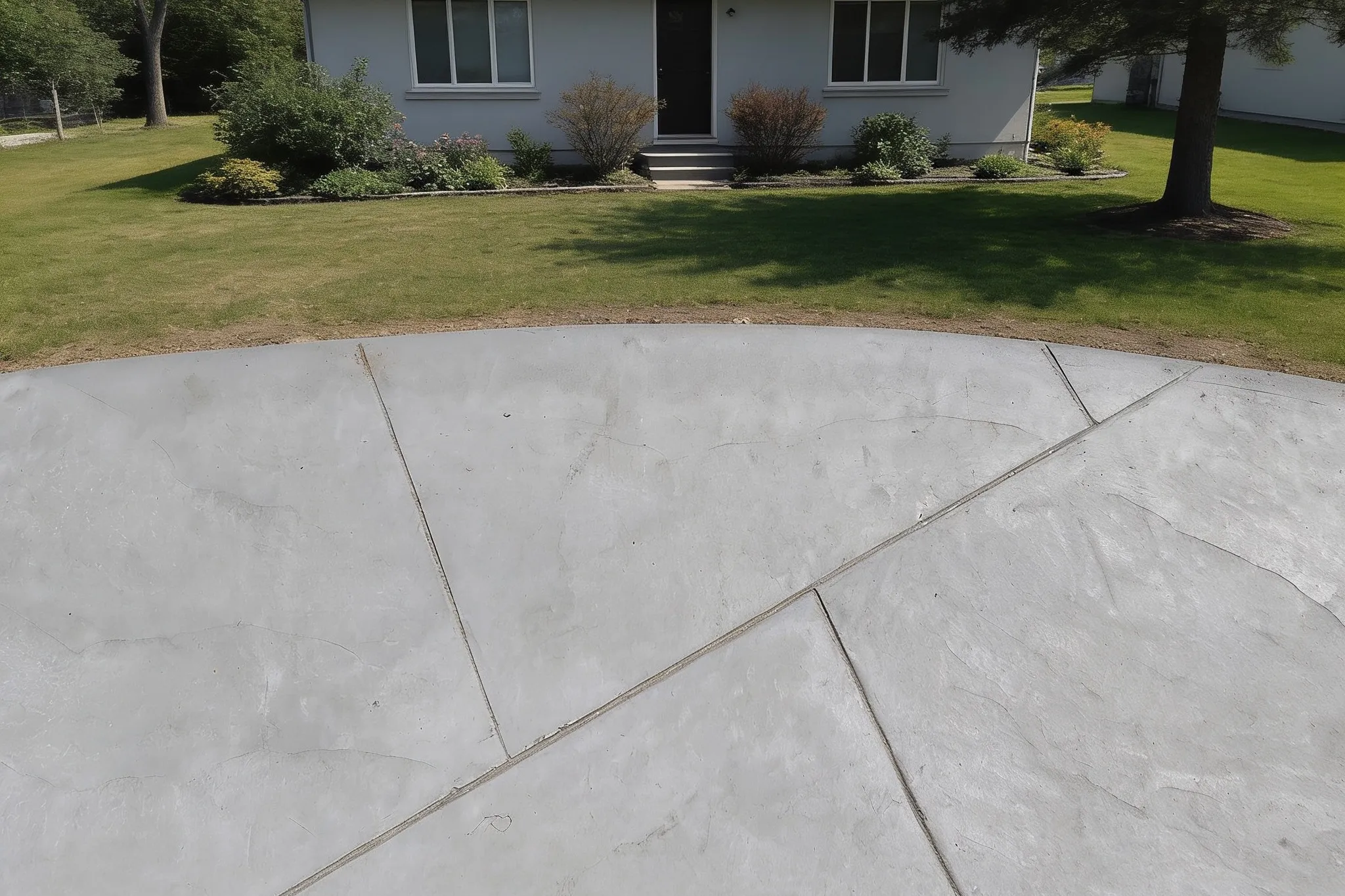
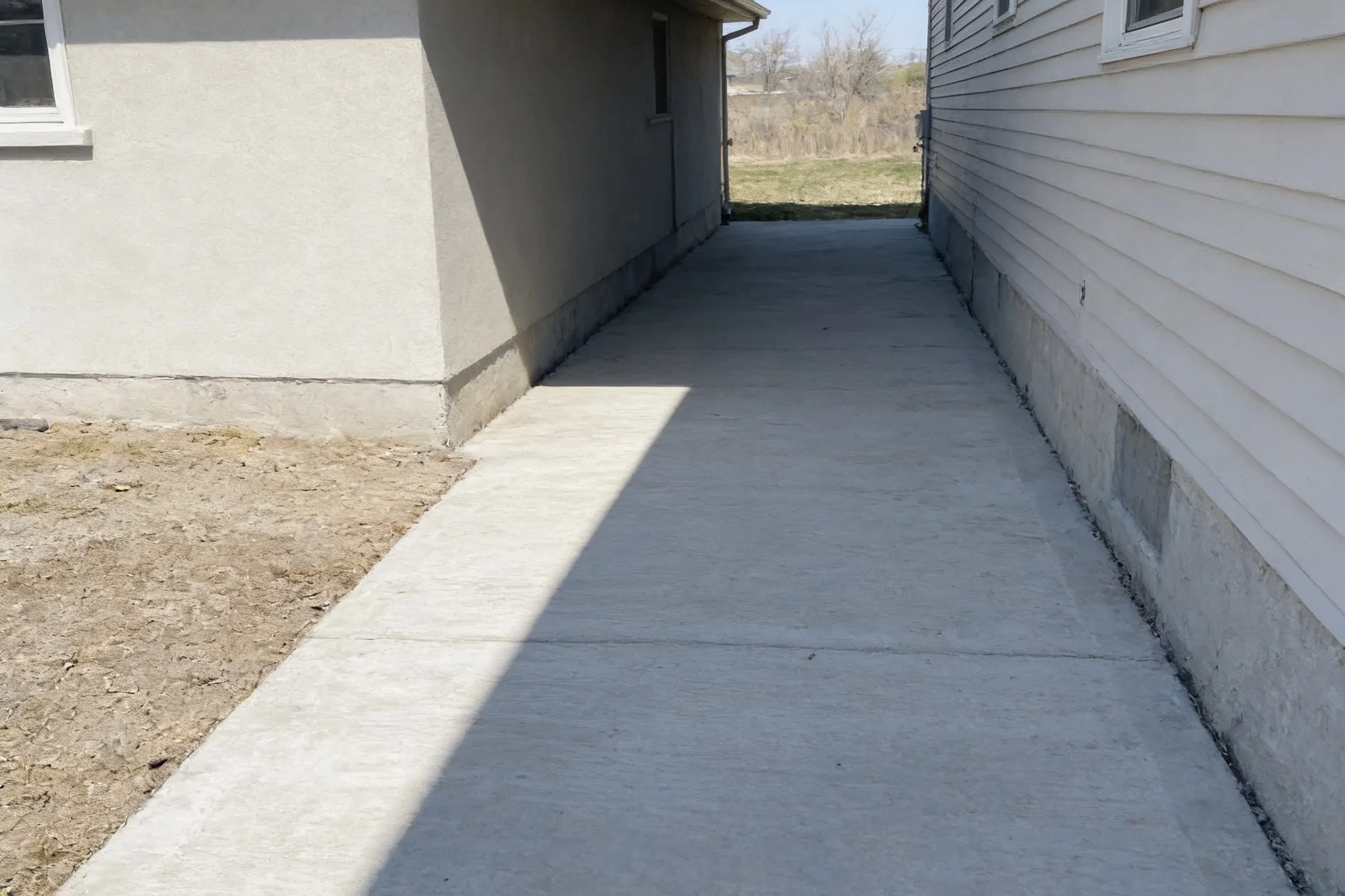
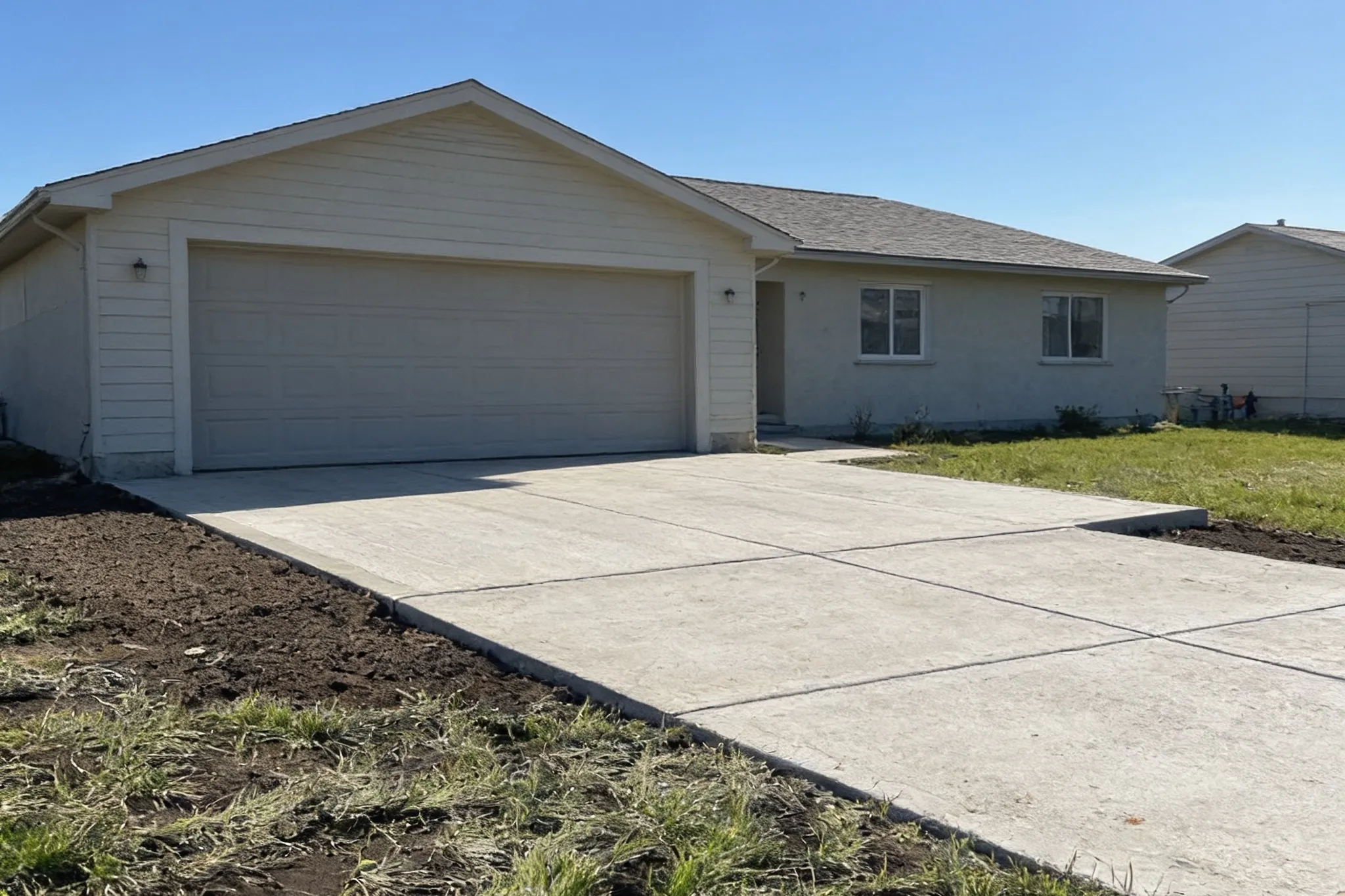
Spring is the hard season here. Melt water stands in Dunnville's clay for weeks, and a driveway that cannot shed it ends up with water pooled against the base. The grade of the finished slab matters as much as the concrete. We set it so water runs off the surface and away from the house and garage, not toward them.
Before we set forms we walk the lot and look at where water arrives. A downspout that discharges onto the driveway, a neighbour's lawn that slopes toward your slab, a low corner near the street: each one is cheaper to fix at the design stage than after the pour. We point them out on the visit and put what the ground needs on the written quote.
Replacing an old driveway
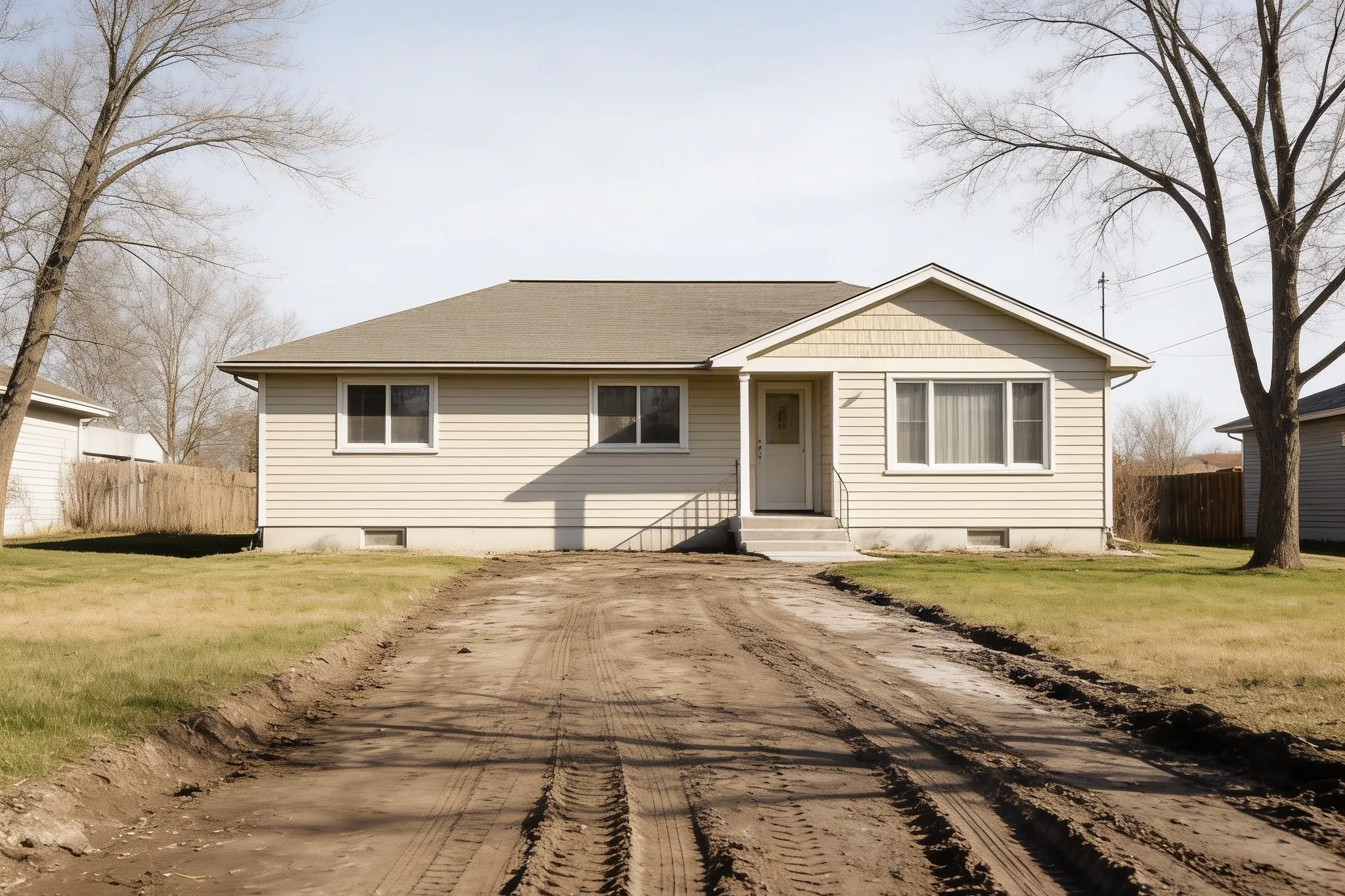
Many Dunnville driveways are post-war slabs at the end of their life. Replacing one starts with tear-out and hauling away the old concrete, and we list that on the quote as its own line so nothing is found later. Once the old slab is out, we can see the ground under it, and that is often where the reason for the failure shows.
The new driveway is built on the same spec as a new pour. We do not patch over a failed base. If the old slab only has a few surface problems, we will say so on the visit and tell you what a repair can and cannot do.
Older streets
The streets around the dam and the downtown carry Dunnville's oldest concrete, and the post-war streets out from the core are full of driveways at the end of their life.
Cottage and rural lots by the lake
Outside town, the lakeshore from Port Maitland to Lowbanks and Stromness runs to cottage work: a short drive, a parking pad, a pad for a boat trailer. Shore ground sits close to the water table, so these slabs get extra base depth and grading that sheds storm water fast. Where a trailer or truck parks, we pour 125 mm instead of 100 mm.
Lake Erie is shallow and freezes early, and a slab by the water takes more freeze-thaw cycles than the same pour inland. If the cottage is closed for the season, we can quote from a site visit and book the pour for when access is easy.
Salt, ice and the first winter
A Dunnville driveway lives through hard freeze-thaw swings with its feet wet, and gets salted from November to March. That is why we pour 32 MPa air-entrained concrete on every driveway. The tiny air voids give freezing water room to expand, so the surface resists pitting and flaking.
Cure matters as much as the mix. Keep vehicles off for at least 48 hours, and keep heavy trucks and trailers off for seven days. If the pour falls late in the season, go easy on de-icing salt the first winter and use sand for grip instead. Young concrete takes salt less well than concrete that has had a full season to cure.
What a visit looks like
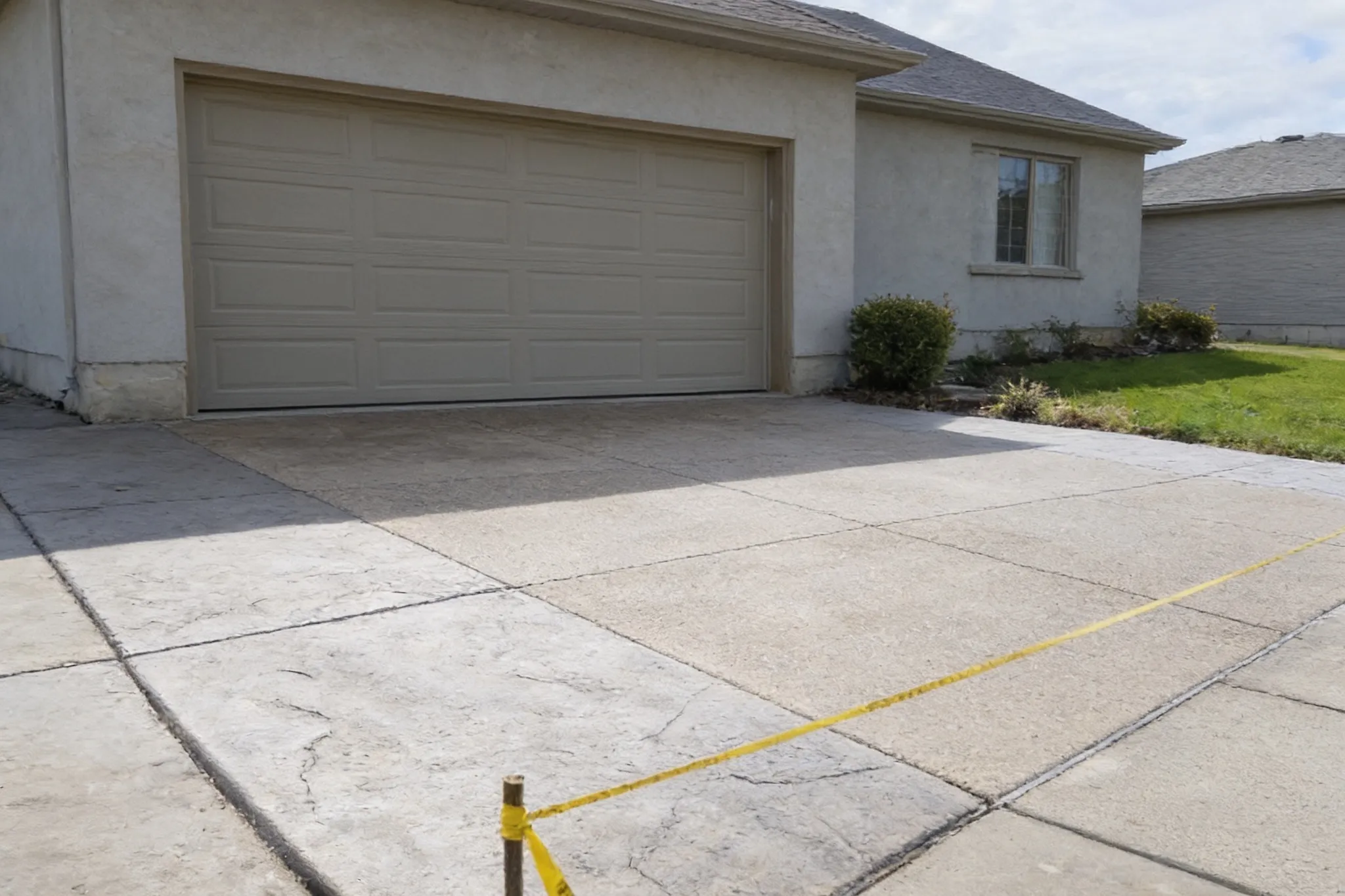
The visit is free. We measure the driveway, look at the grade, the drainage and the access, and talk through the finish: broom for grip and easy repairs, exposed aggregate for texture, or a stamped border. You get a written quote after the visit, and the number on it is the number on the invoice unless you change the job.
Dunnville jobs book onto our scheduled Haldimand route days through the pouring season, so it helps to ask early, especially for a spring or early summer pour. You get a reply within one business day.
Straight answers
Our lot is low and wet near the river. Can it still have a concrete driveway?
Yes, but the base and drainage do the work. We dig to stable ground, build the base up in compacted lifts, and grade the slab so water runs off and away. We also look at downspouts and the grade around the driveway, because water that keeps reaching the base is what lifts a slab.
Can you pour a driveway or trailer pad at a cottage near Port Maitland or Lowbanks?
Yes. The lakeshore cottages are regular stops on our Dunnville route days. Where a trailer or truck parks, we pour 125 mm thick instead of 100 mm, on extra base depth for shore ground. If the cottage is closed, we quote from a site visit and book the pour for an easy time.
How soon can we drive on a new driveway?
Keep vehicles off for 48 hours at least, longer in cold weather, and give it a full week before heavy trucks or trailers. Concrete reaches most of its design strength at 28 days.
How much does a concrete driveway cost in Dunnville?
Size sets the start, then the finish, the base the ground needs, access, and whether an old slab has to come out. Wet ground near the river can need more base and drainage work than a dry lot, and our quote shows it line by line. The visit and the written quote are free, and the number we quote is the number you pay unless you change the job.
How thick should a driveway be in Dunnville?
A standard house driveway is 100 to 125 mm thick. We pour 125 mm where trucks or trailers park, and we build it on 150 to 200 mm of compacted Granular A, deeper on soft clay. On Dunnville's wet ground the base depth matters more than a few extra millimetres of slab.
Do you tear out and haul away the old driveway?
Yes. Removal and hauling of the old slab is its own line on the written quote, so it is never a surprise on pour day. Once the old concrete is out we can see the ground under it and build the new base to suit.
Should I put salt on a new driveway?
Go easy the first winter. Our mix is air-entrained for freeze-thaw and road salt, but young concrete is more fragile than concrete that has cured for a season. Use sand for grip where you can, and keep vehicles off for 48 hours at least and heavy trucks for seven days after the pour.
What finish should I choose for a Dunnville driveway?
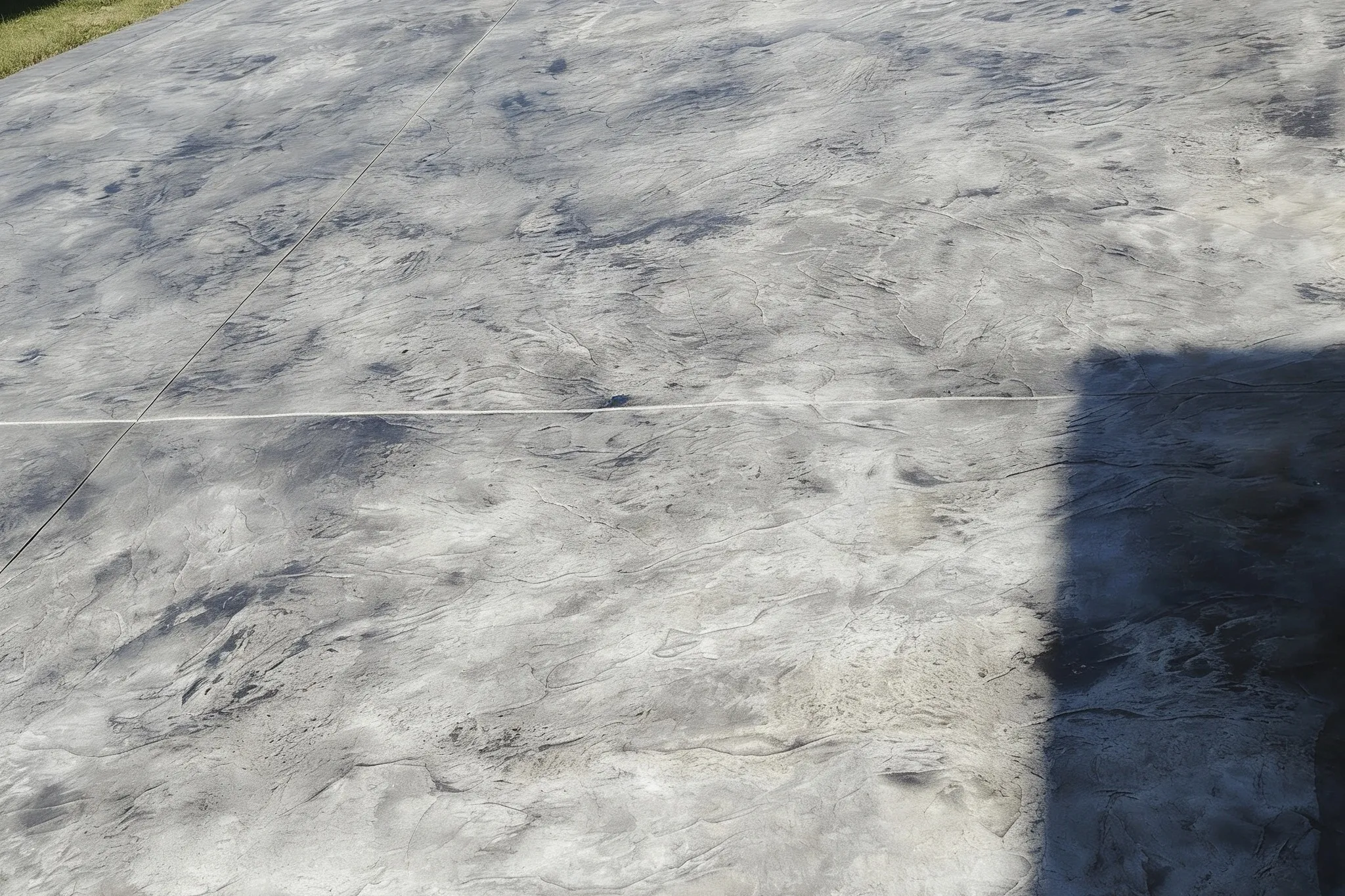
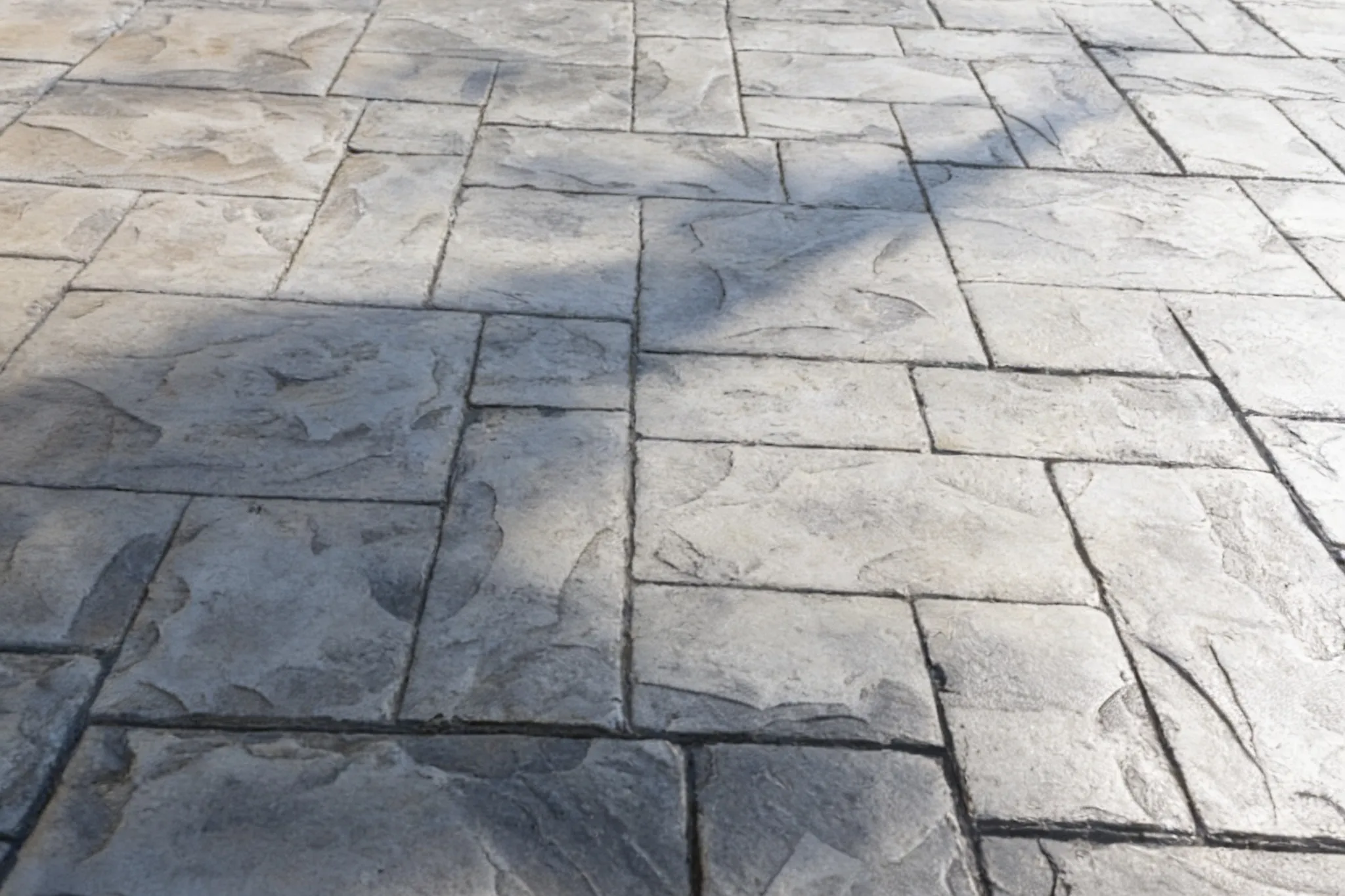
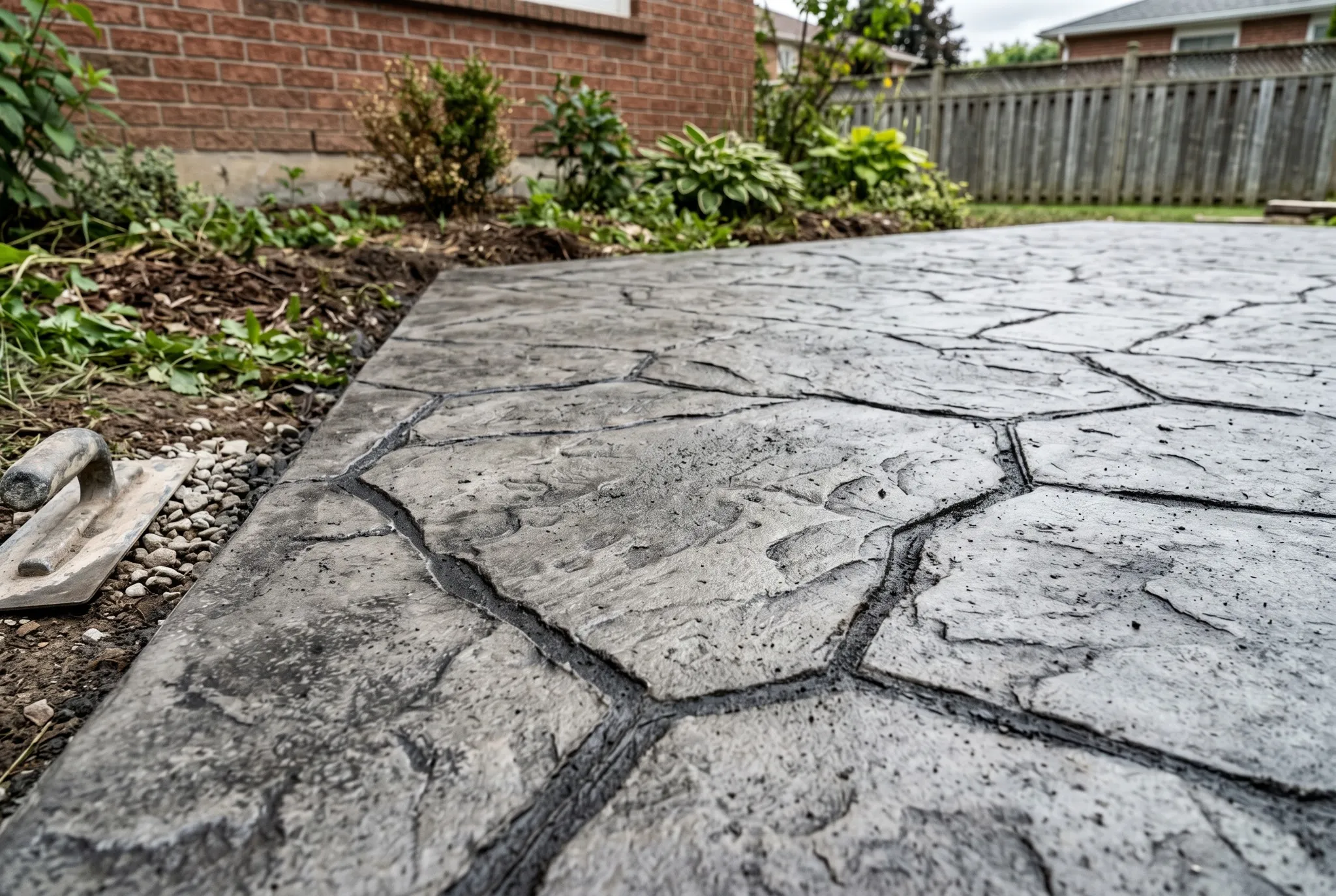
Broom finish is the standard: good grip, easy to repair. Exposed aggregate is the upgrade we suggest most often, because it hides tire marks and grips boots in ice season. Stamped work often earns its keep as a border or apron. We talk it through on the free visit.
Keep reading
- Concrete Driveways across Southern OntarioThe full spec: mix, base depth, joints, finishes and cure times.
- Concrete Contractors in DunnvilleEverything else we pour and repair in Dunnville, from the old streets by the dam to the lakeshore cottages.
- Concrete Removal & DemolitionReplacing an old driveway starts with tear-out and disposal. Here is what that involves.
- Basement Waterproofing in DunnvilleThe same wet ground that lifts a driveway pushes water at foundations. How we keep it out.
- Concrete Patios in DunnvilleA backyard patio on the same wet clay: base, slope away from the house, and lakeshore cottage work.
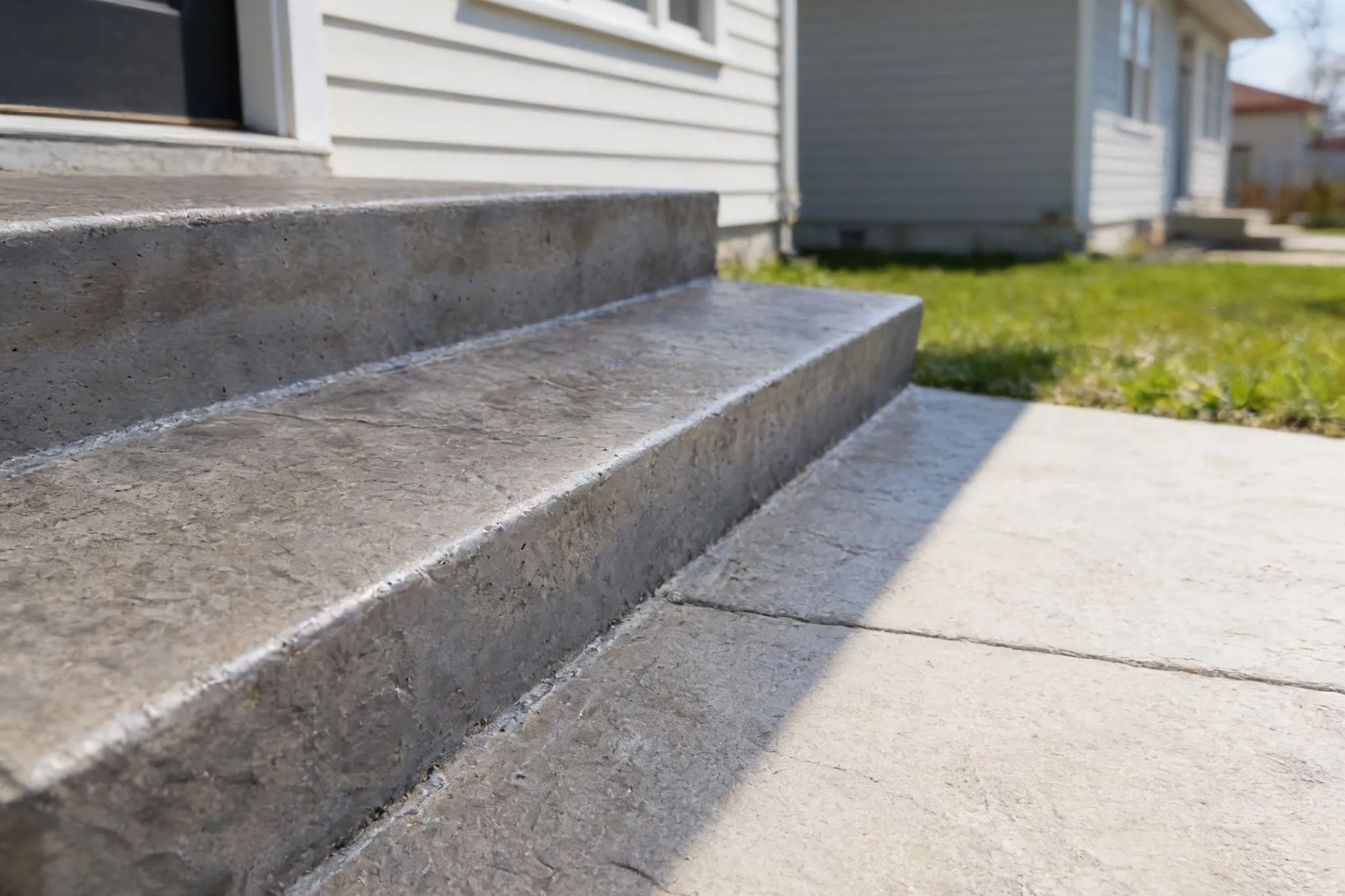
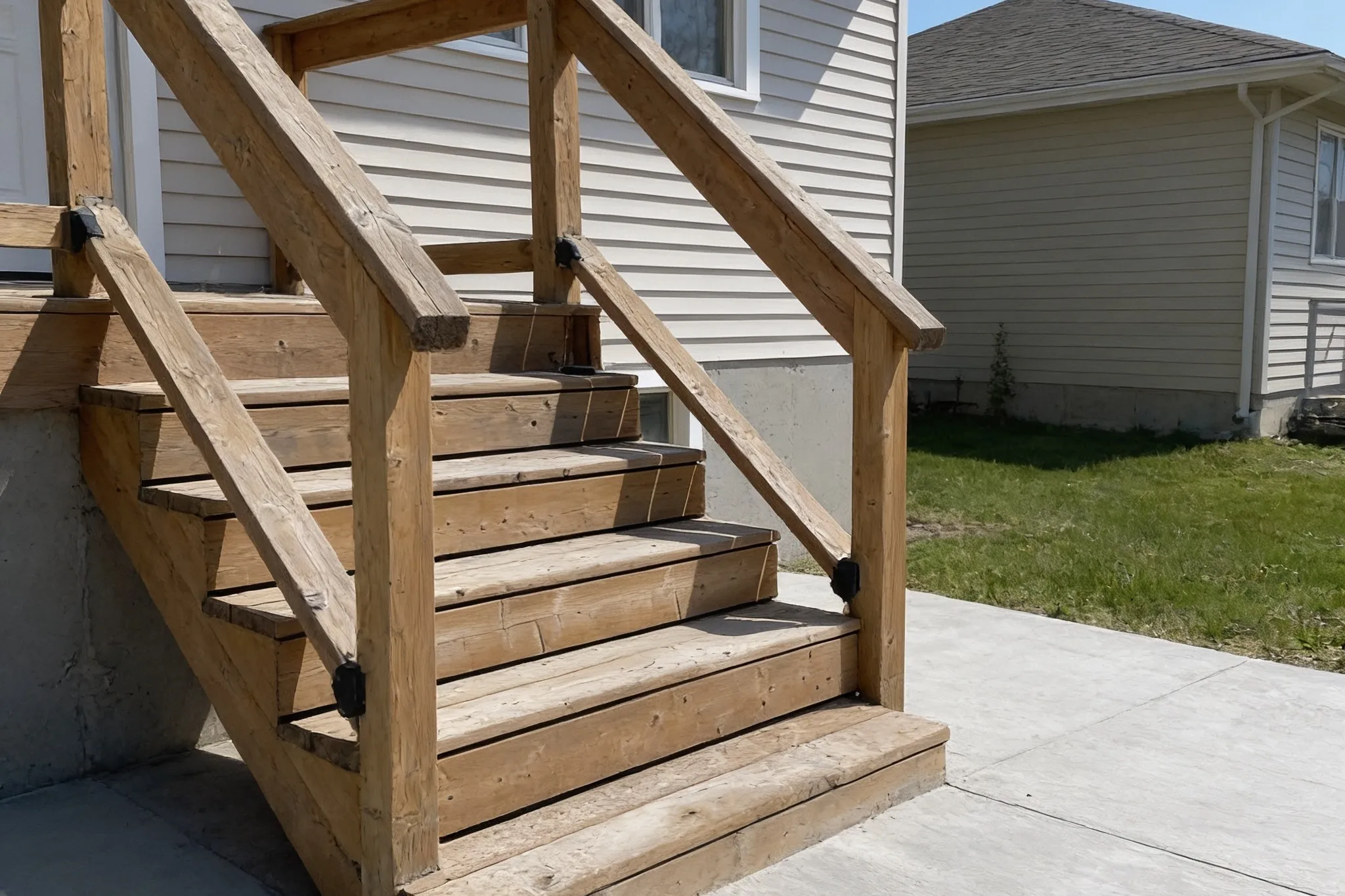
- Concrete Walkways & Steps in DunnvilleSteps and walks beside the same wet foundation walls: base, footings and slope.
Tell us about the job.
Send the details and we'll get back to you within one business day with next steps. If water is coming in right now, check the box and we flag it urgent.
Get a straight quote
Free · no pressure · 1 business day