HomeServicesStamped & Decorative ConcreteHamilton
Stamped & Decorative Concrete in Hamilton
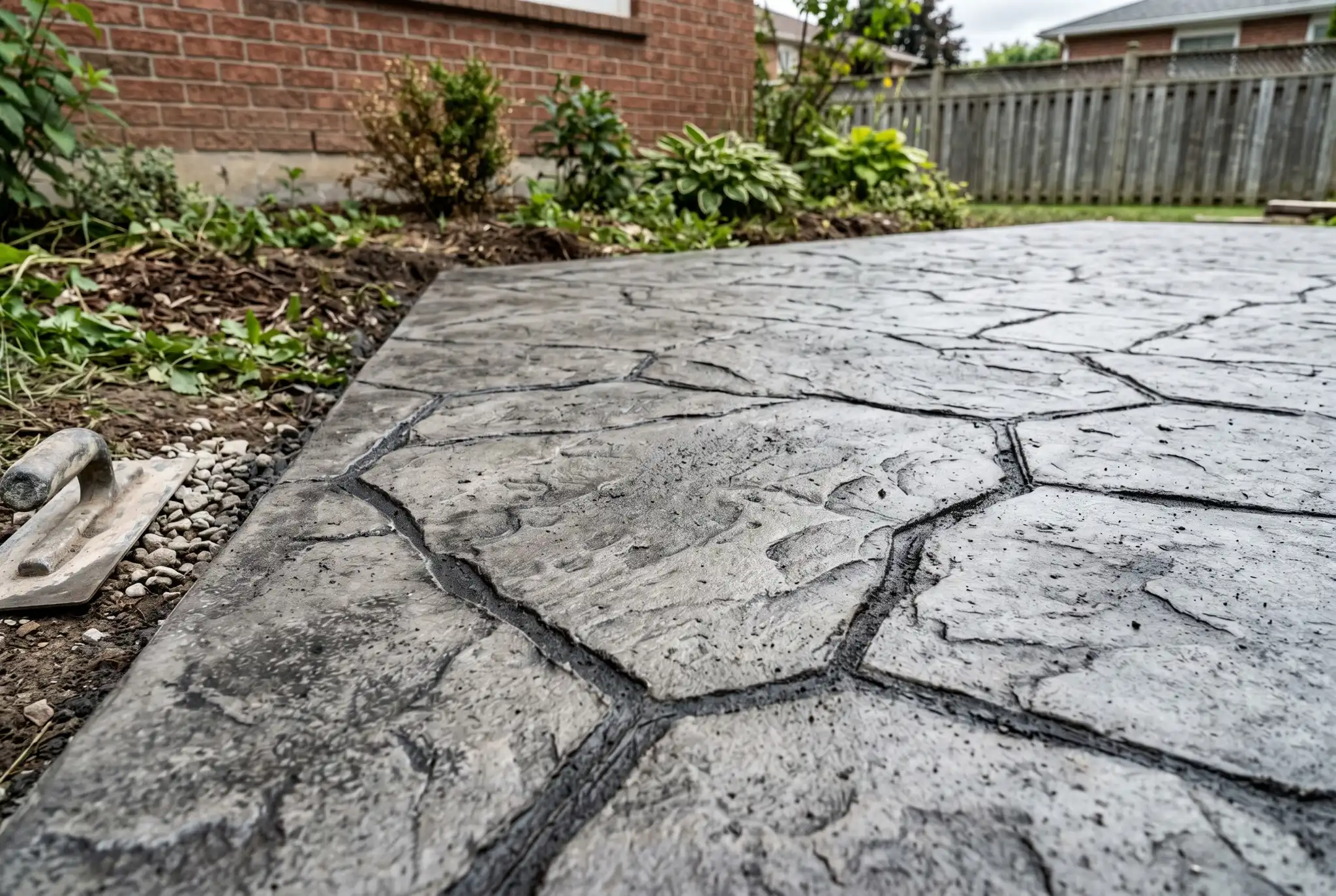
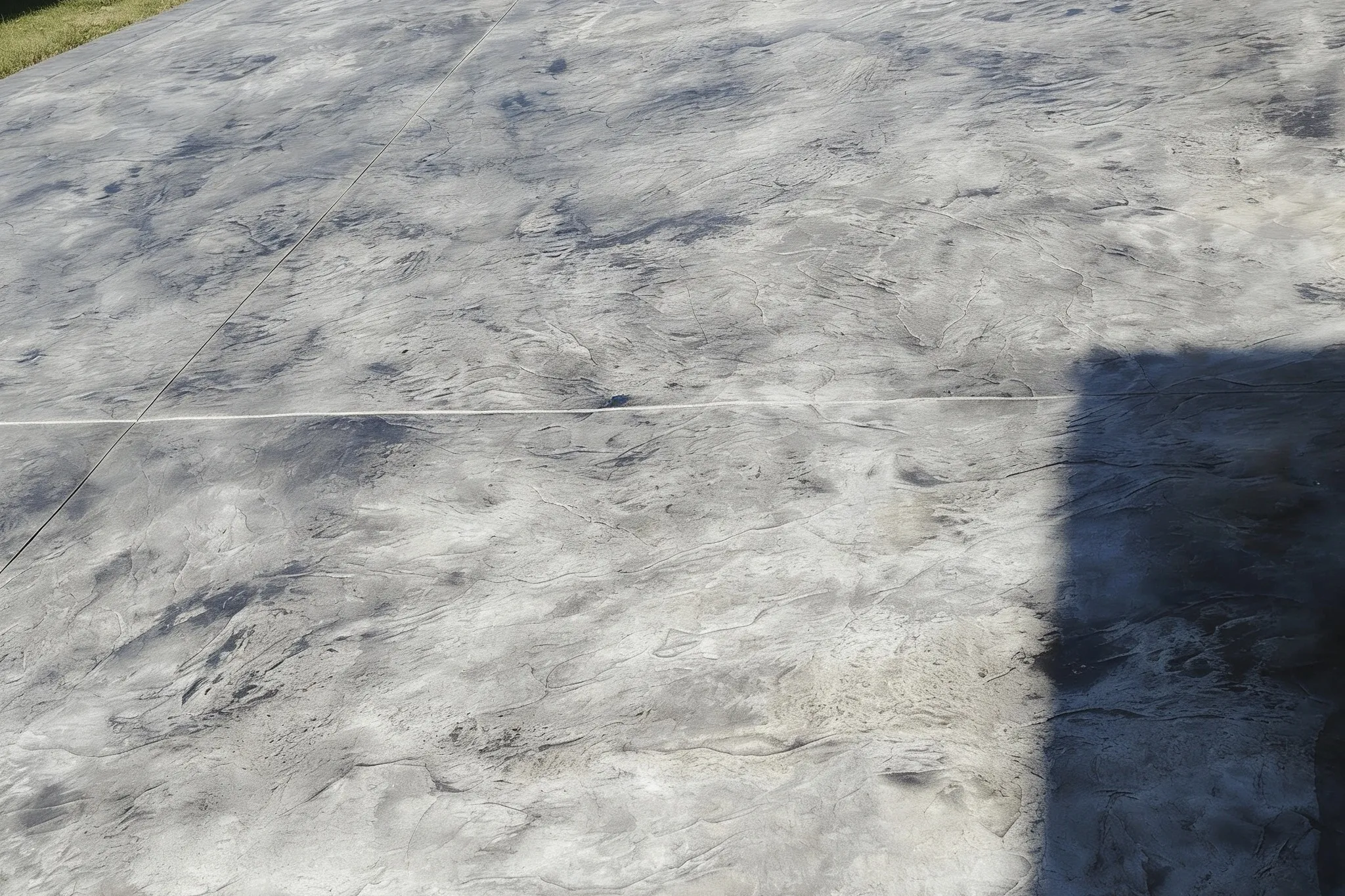
We pour stamped and decorative concrete across Hamilton: patios, walkways and driveway borders in slate, flagstone and cobblestone patterns. Union-certified crews do the colour and stamping, the labour carries a lifetime warranty, and the written quote is free.
Get a straight quote
Free · no pressure · 1 business day
Reviewed June 2026
Every job is priced individually, not off a price list. Tell us about yours and you get an accurate, no-pressure quote in writing.
Hamilton is split by the Niagara Escarpment, the Mountain, and stamped concrete asks for different thinking on each side. Below the escarpment, the lower city holds pre-war brick homes, so the pattern and colour have to belong next to that brick. Up top, the pattern can be chosen more freely.
Stamped concrete needs a sound base, because Hamilton's ground is clay on both sides of the escarpment, and a sealer coat kept up through the winters.
The whole method, the pattern families, the two-layer colour, the mix and where the joints get cut, is on our stamped and decorative concrete page. This page stays on what stamping a Hamilton property asks of the job. The quote is free and written, and the number on it is the number on the invoice unless you change the job.
Where stamped concrete fits in Hamilton
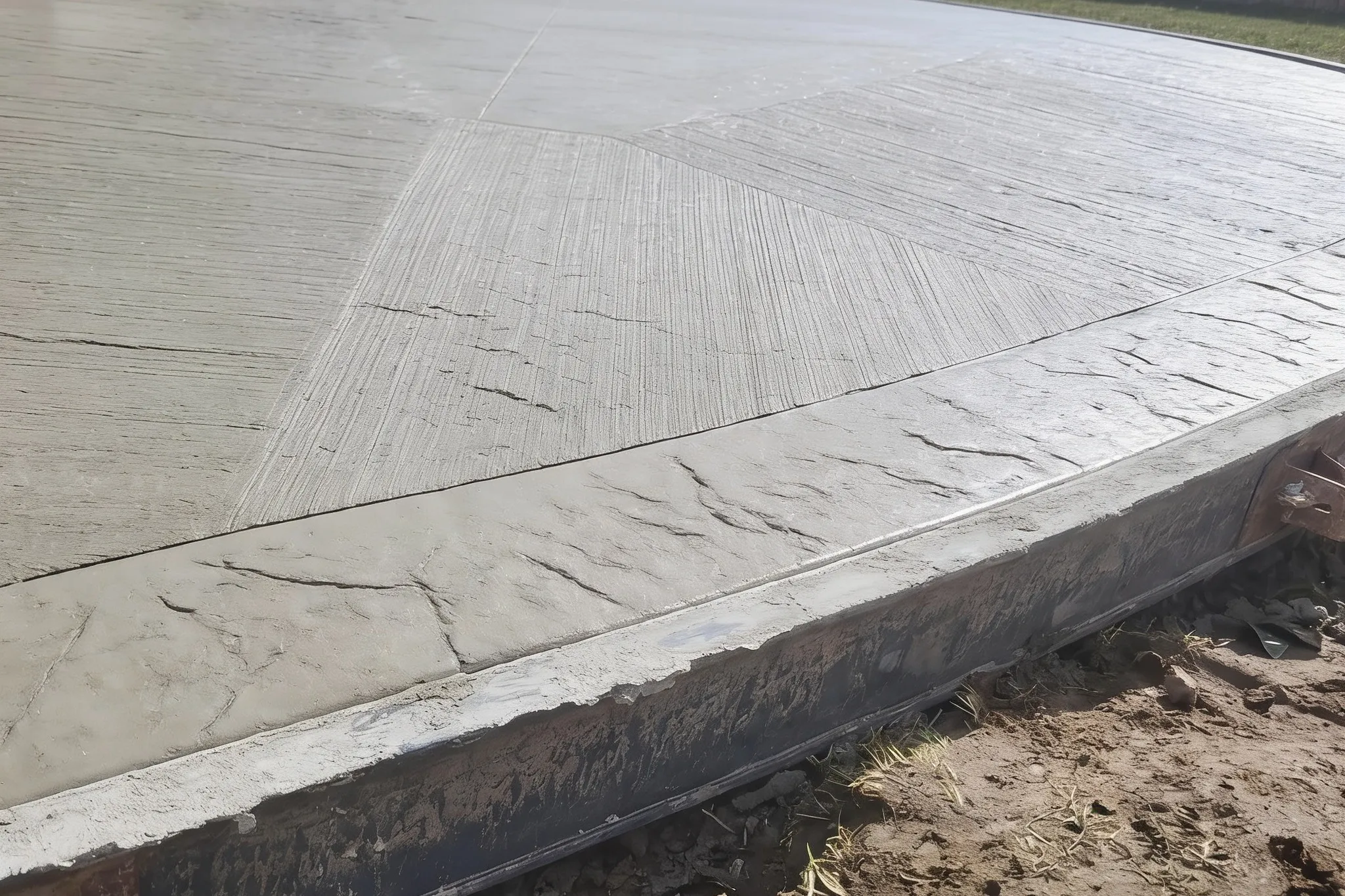
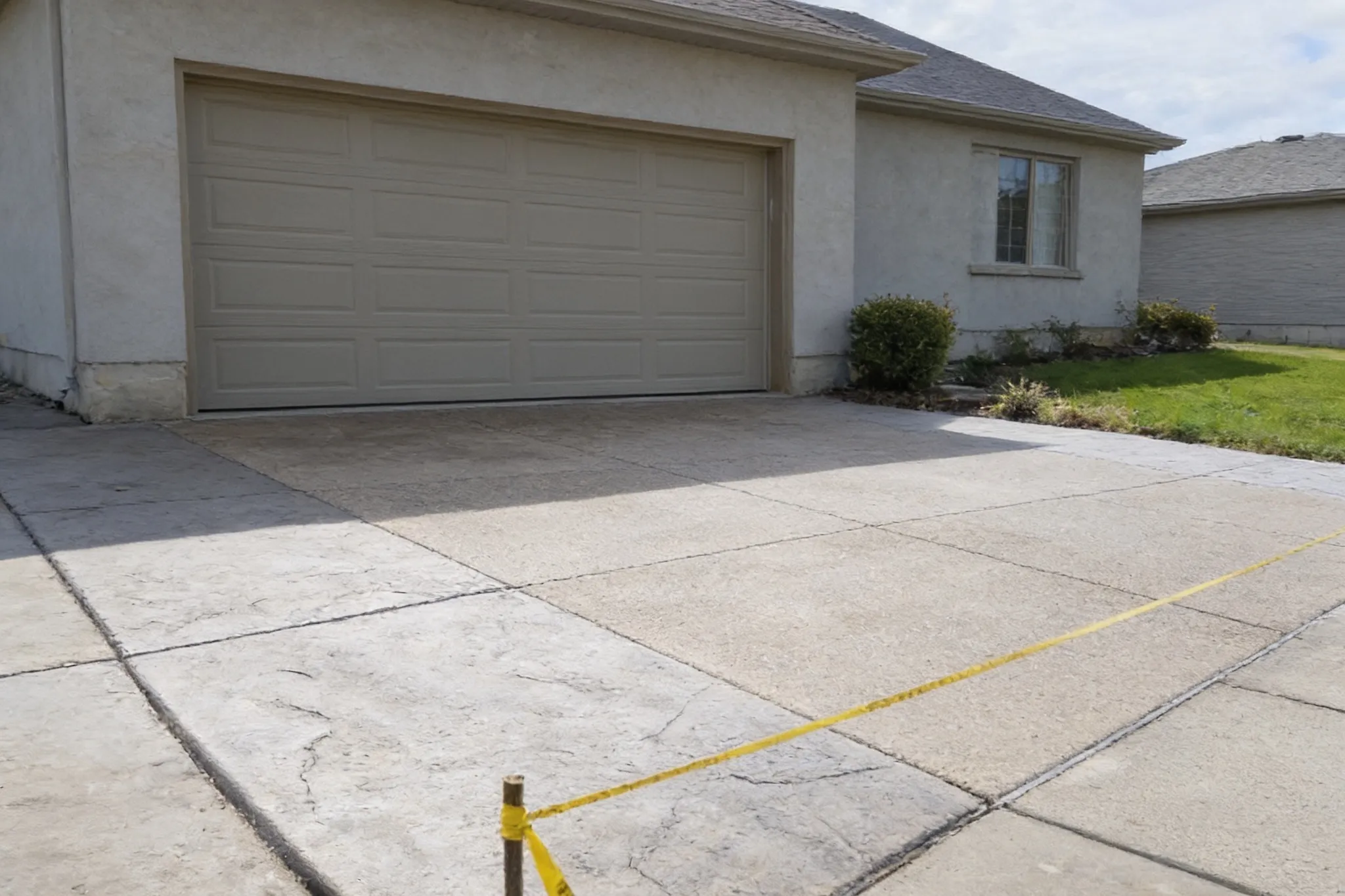
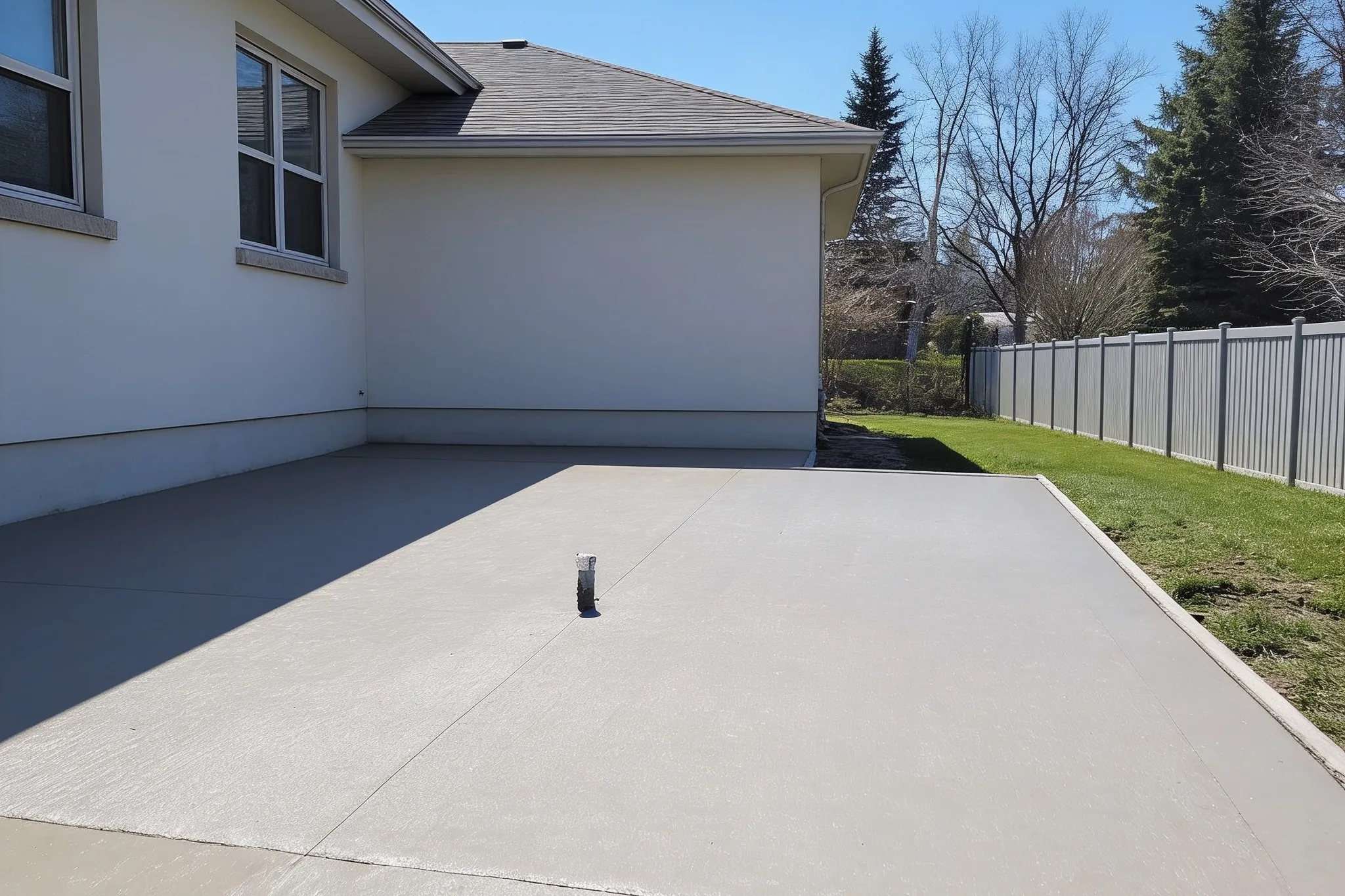
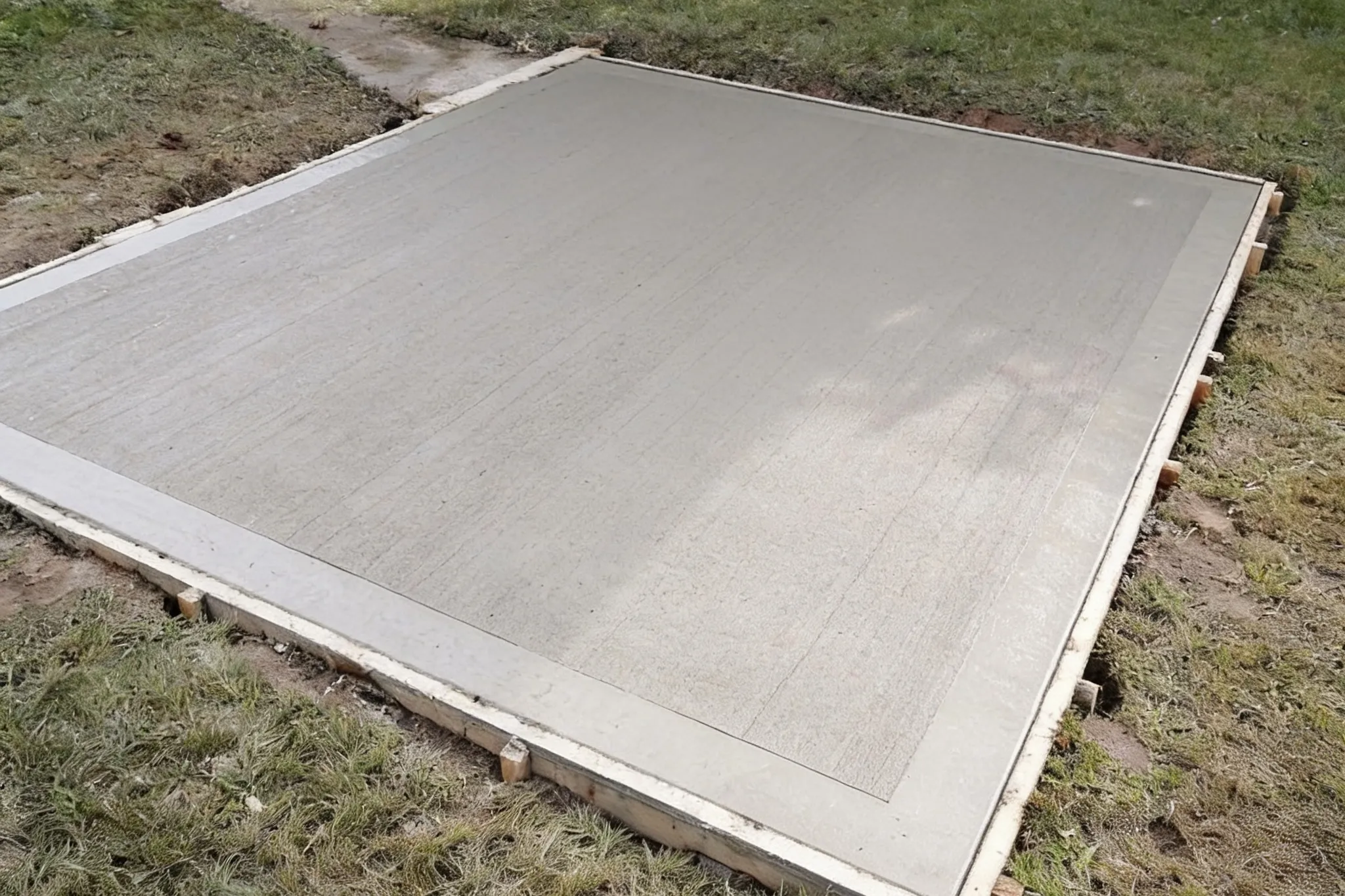
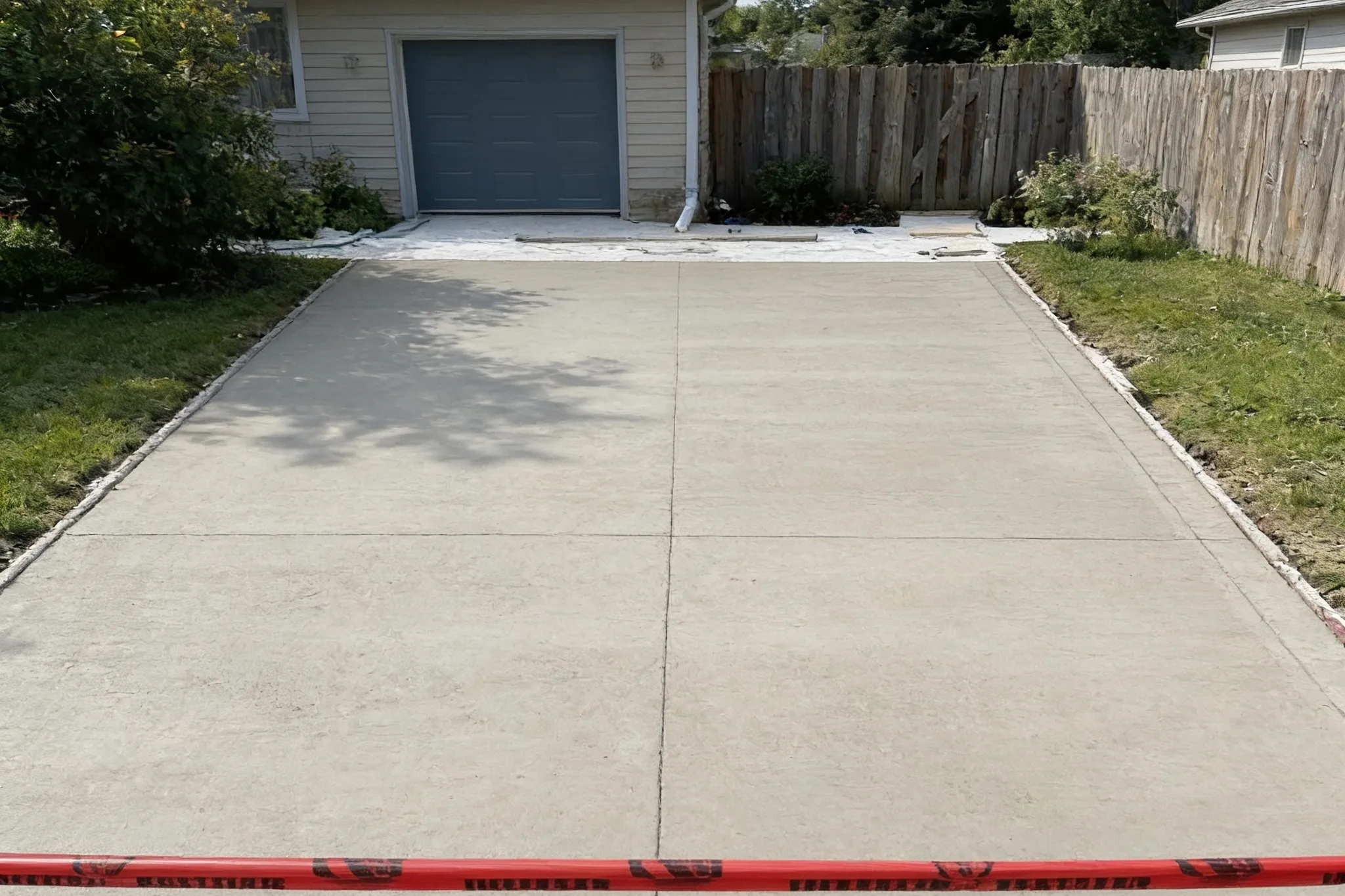
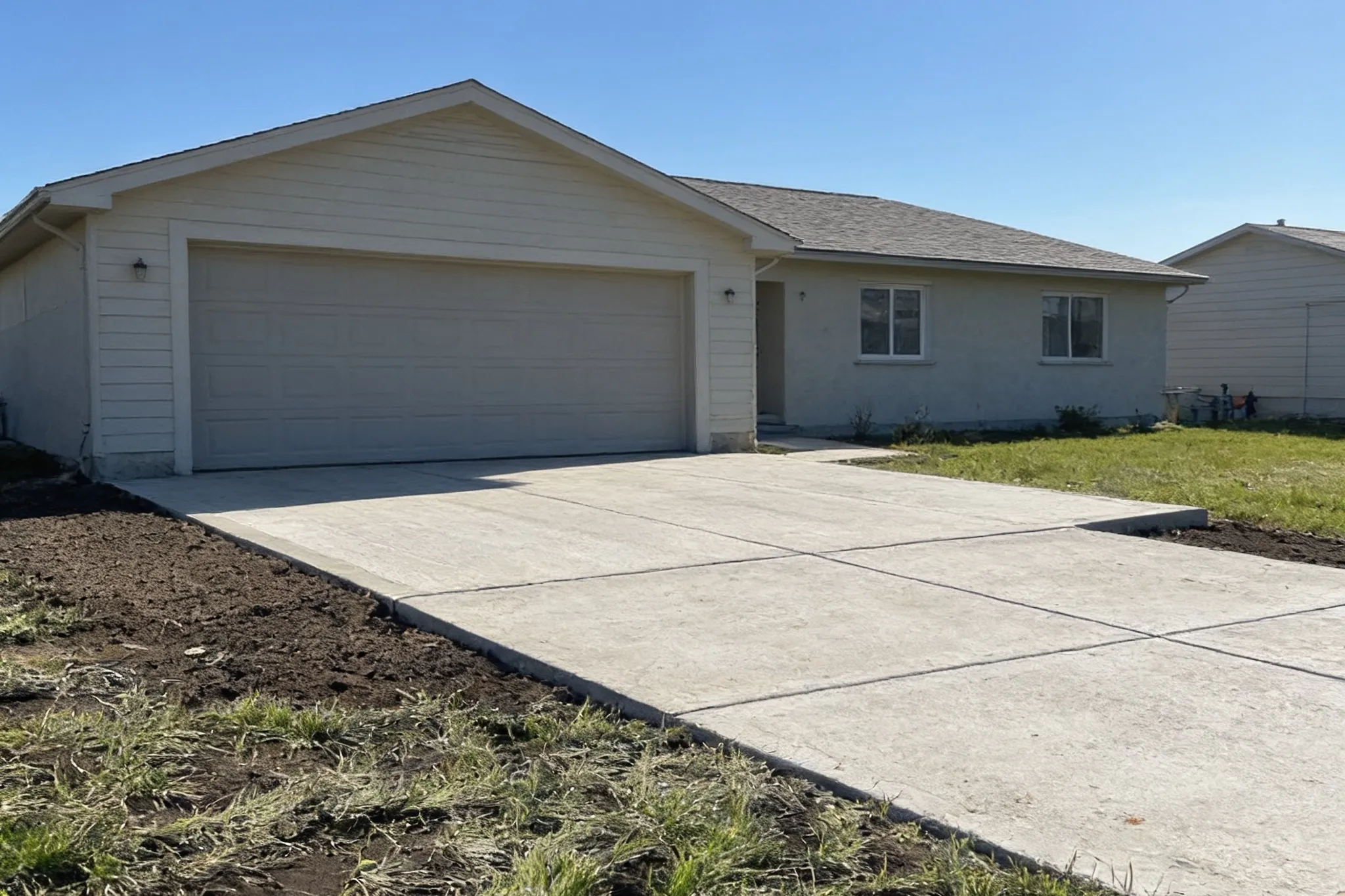
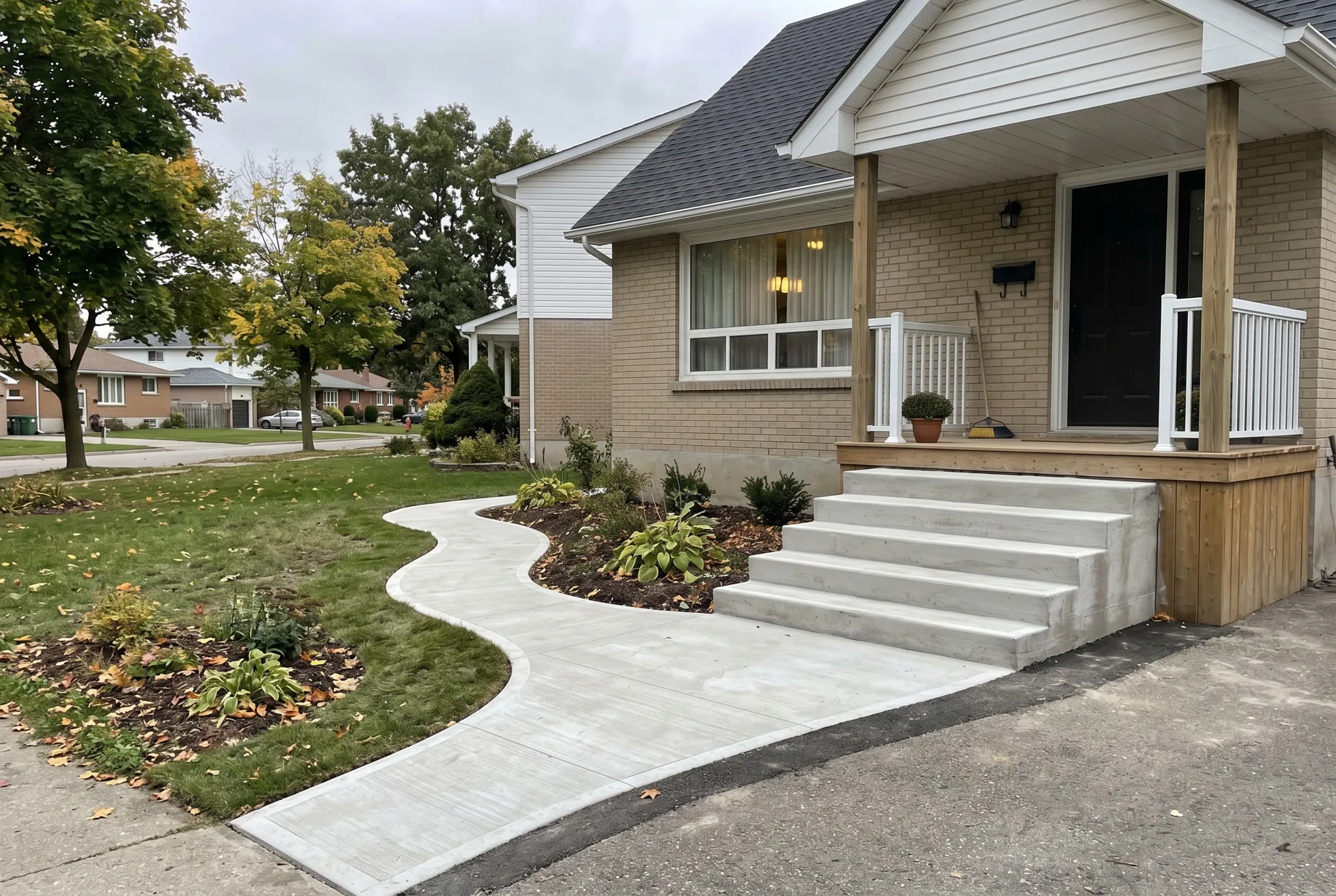
A stamped border around a plain broom-finish field is a good way to get the look without stamping the whole slab.
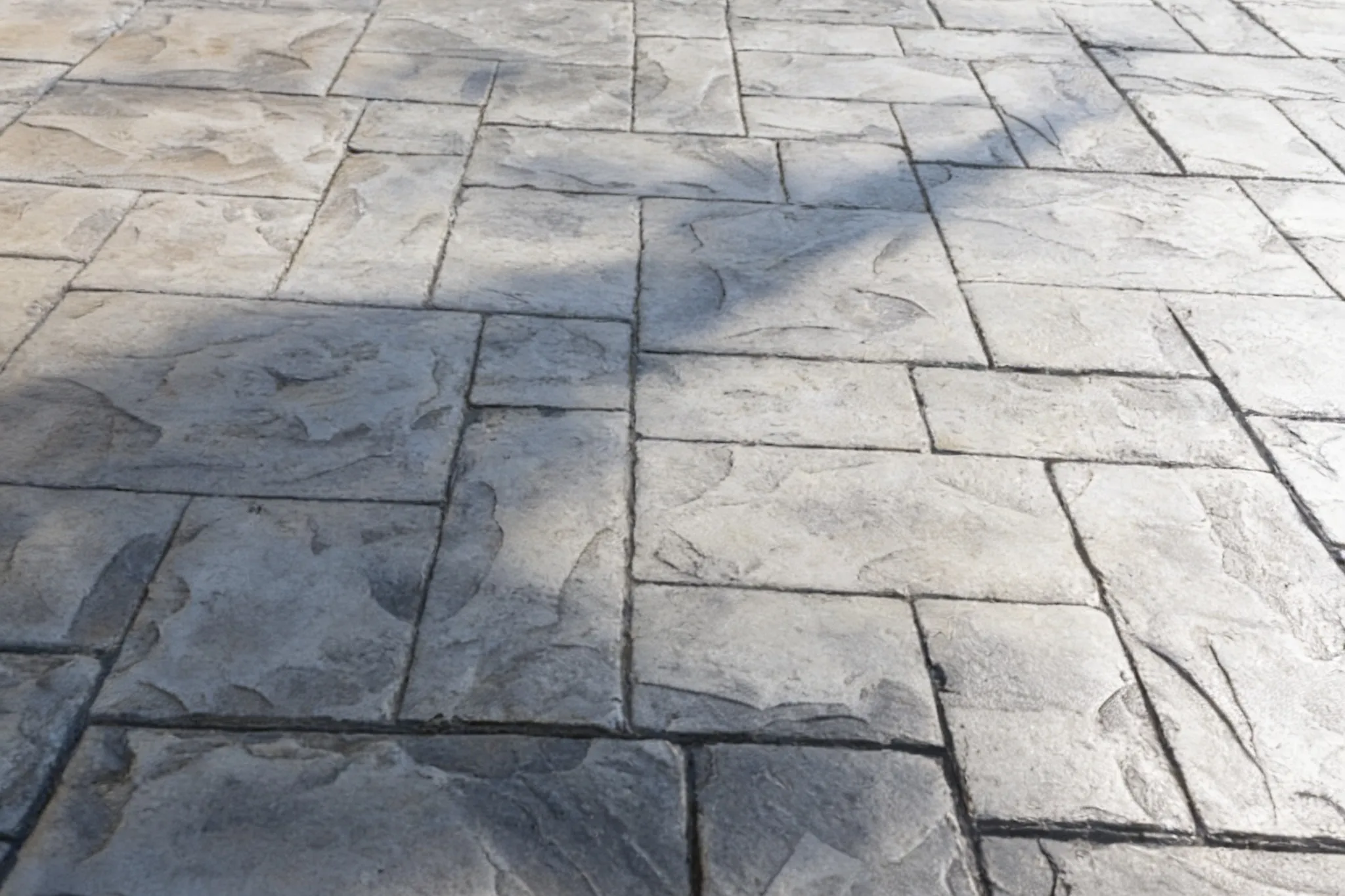
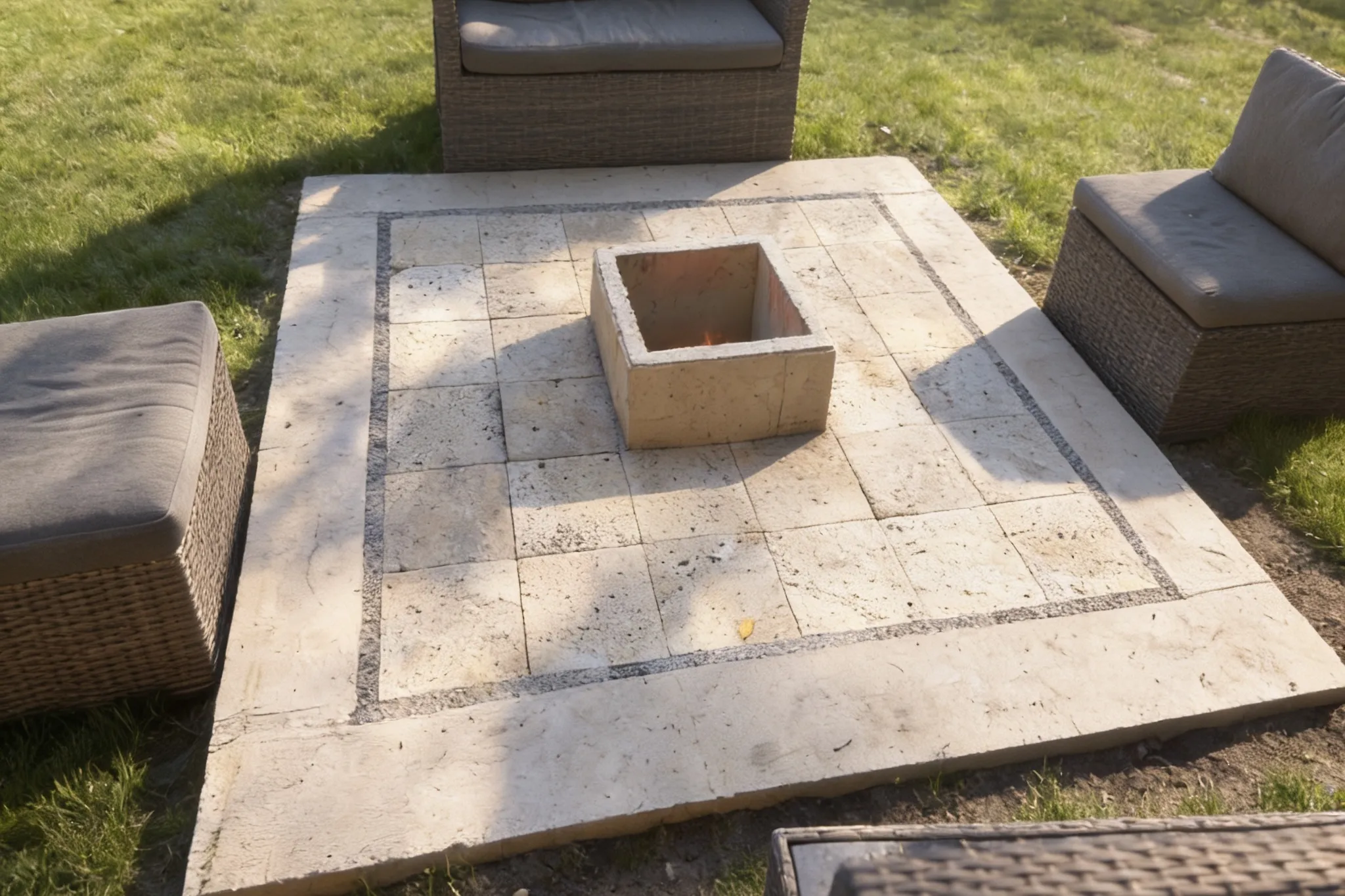
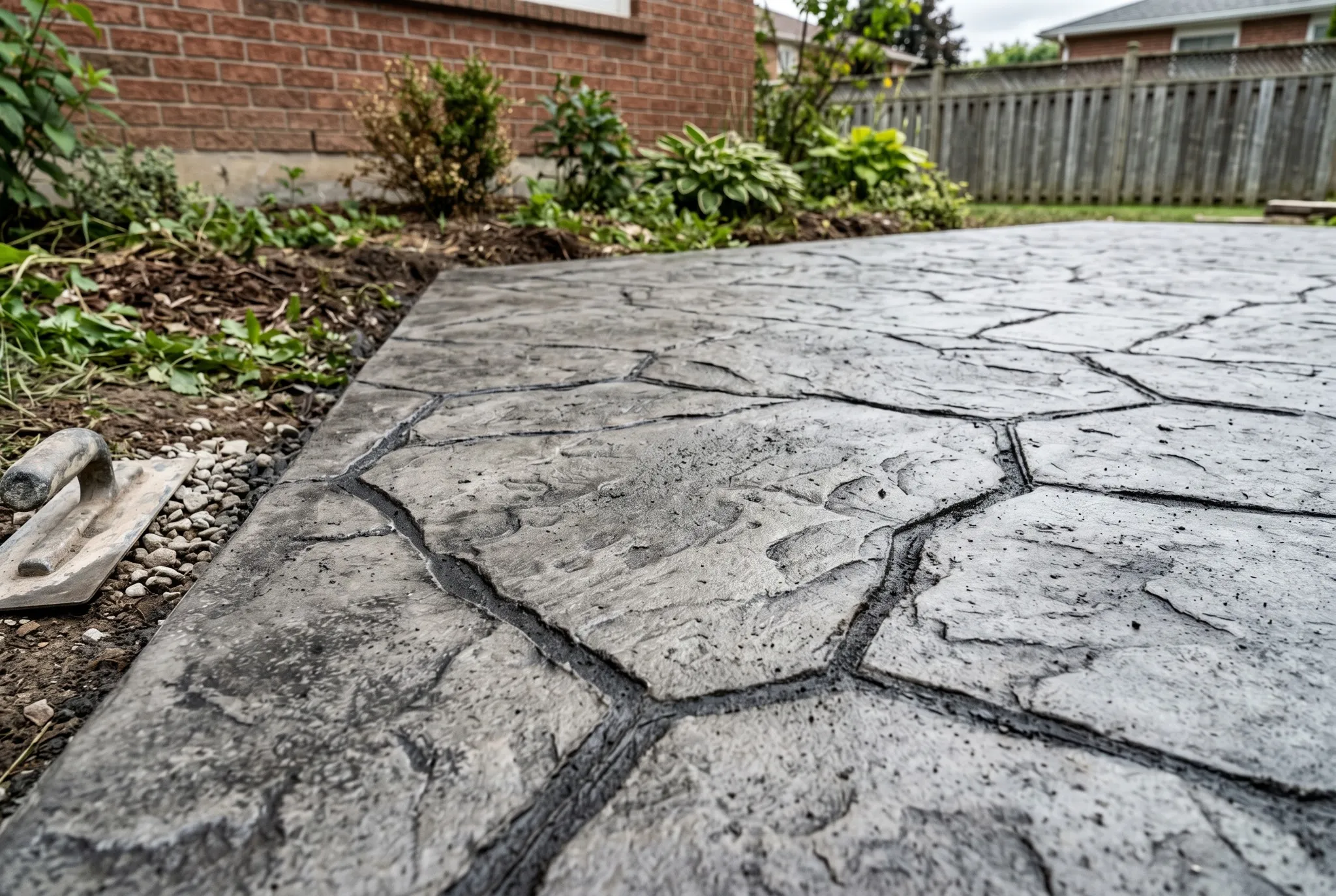
In the lower city, the house sets the rules. Ashlar slate and random flagstone sit quietly next to pre-war brick, while a busy cobblestone is strongest on borders and aprons. We bring manufacturer charts to the site visit and talk you out of a pattern that fights the house.
Old lower-city yards and newer Mountain lots
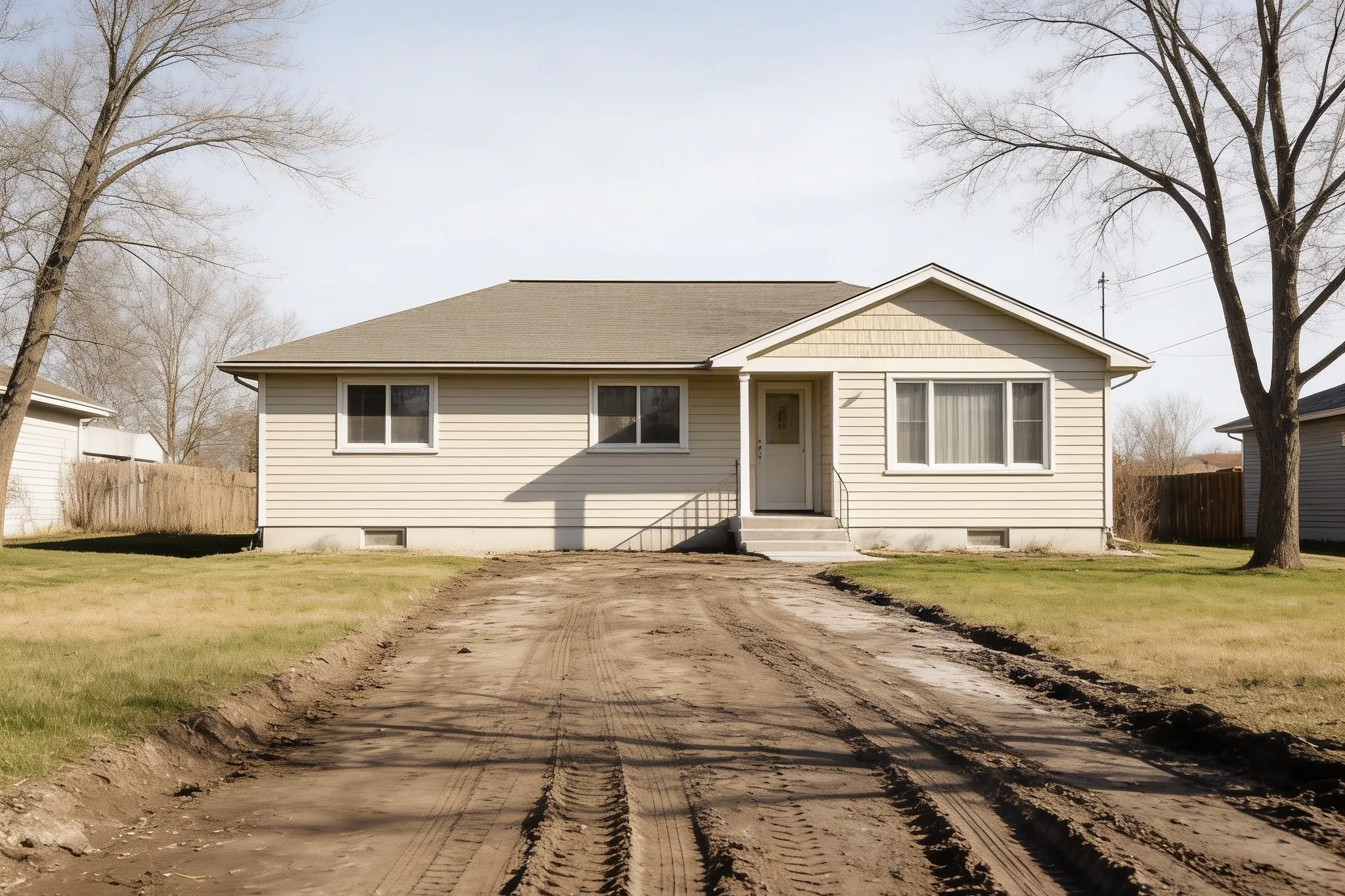
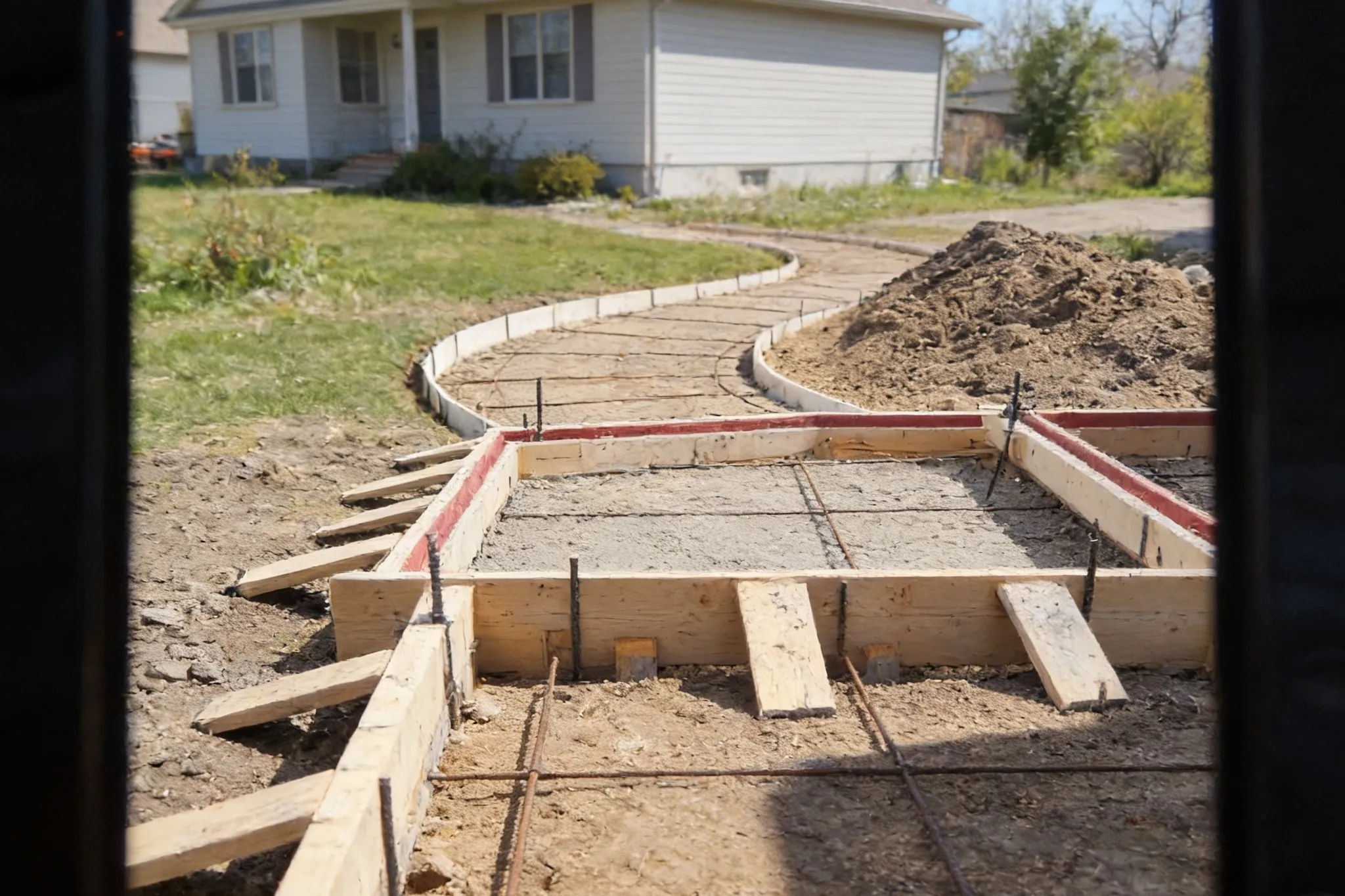
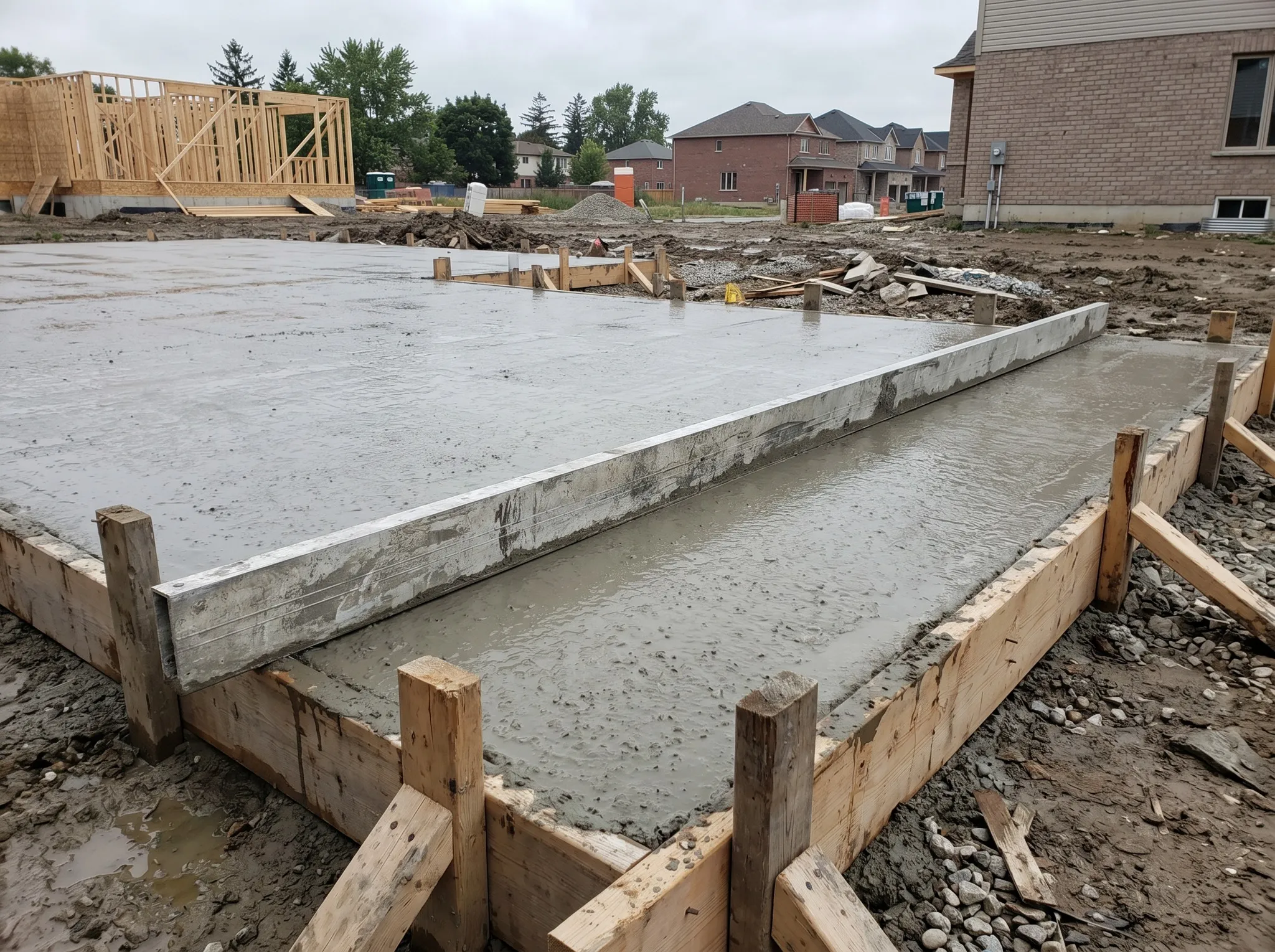
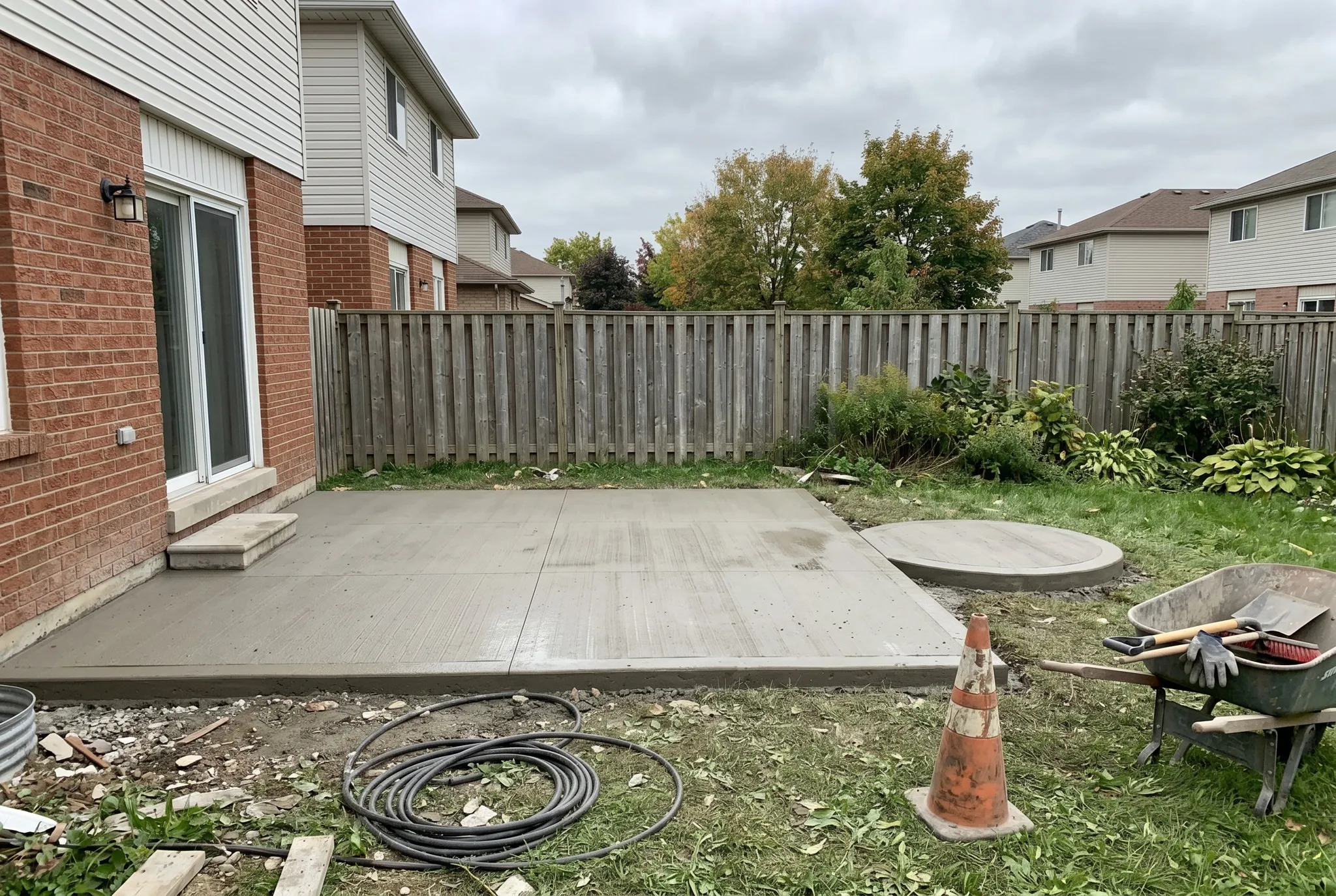
Lower-city yards are older and tighter. A stamped patio there often starts with taking out an old cracked slab, and the concrete truck often cannot reach the backyard, so the crew moves the mix by pump or wheelbarrow. Stamping is a race against the set, so we plan the access route and the crew size at the site visit, protect the lawn, gardens and fence along the route, and put the tear-out and access in the written quote.
On the Mountain and the newer edges of the city, the patio is often the job the builder left for the homeowner. A new lot can keep settling for a while after the build, and a slab poured on ground that is still moving cracks early. We check the ground first, then choose the pattern and the colour.
Mountain clay, lower-city clay and the base under a stamped slab
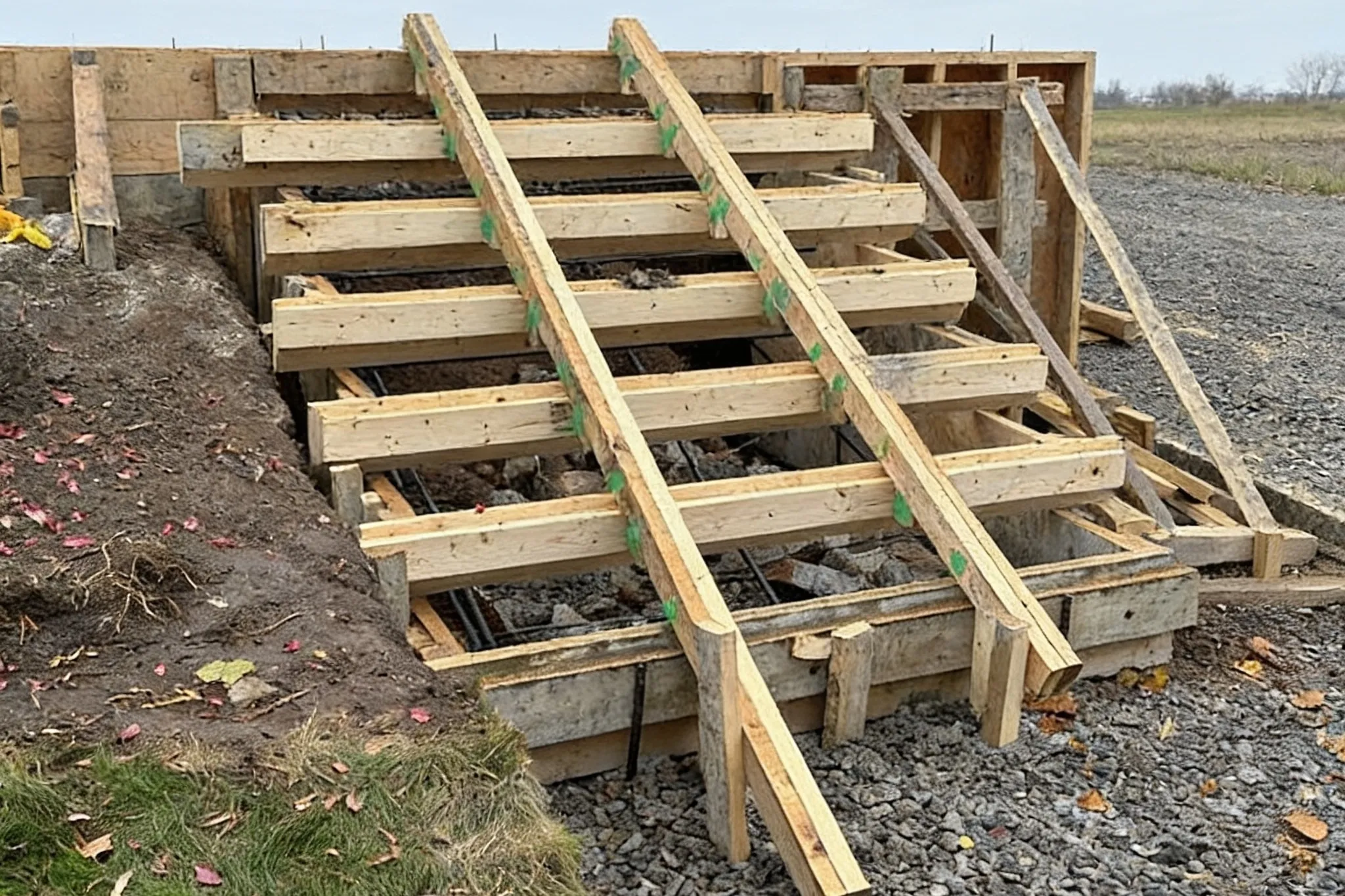
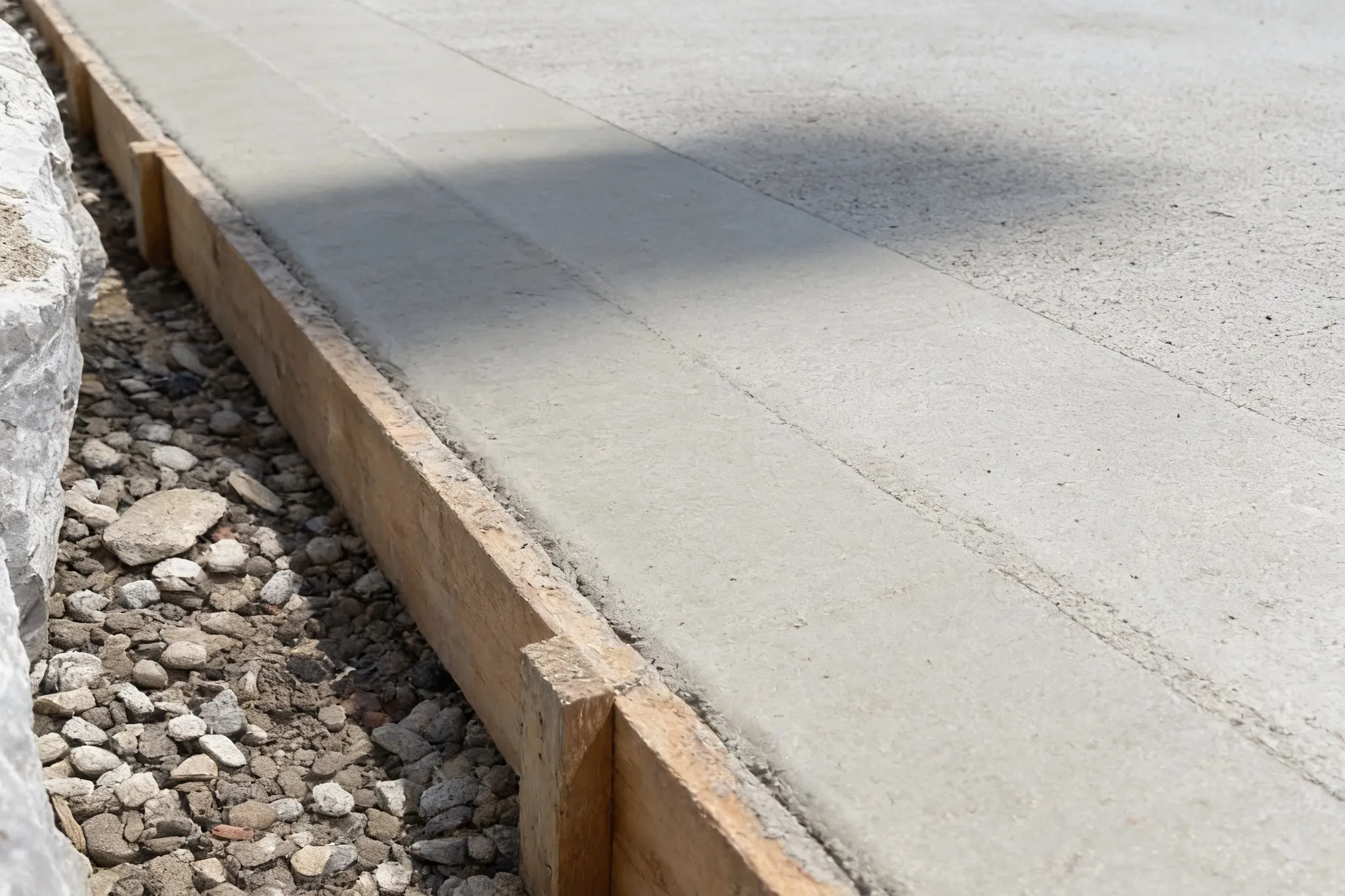
On the Mountain, clay till holds water where frost can reach it under a slab on a thin base, and in places the limestone sits close under the clay. In the lower city, the clay is heavy and the water table runs higher near the bay. So the work that matters most is the work you never see: excavation, a compacted granular base, and 32 MPa air-entrained concrete made to take freeze-thaw and road salt.
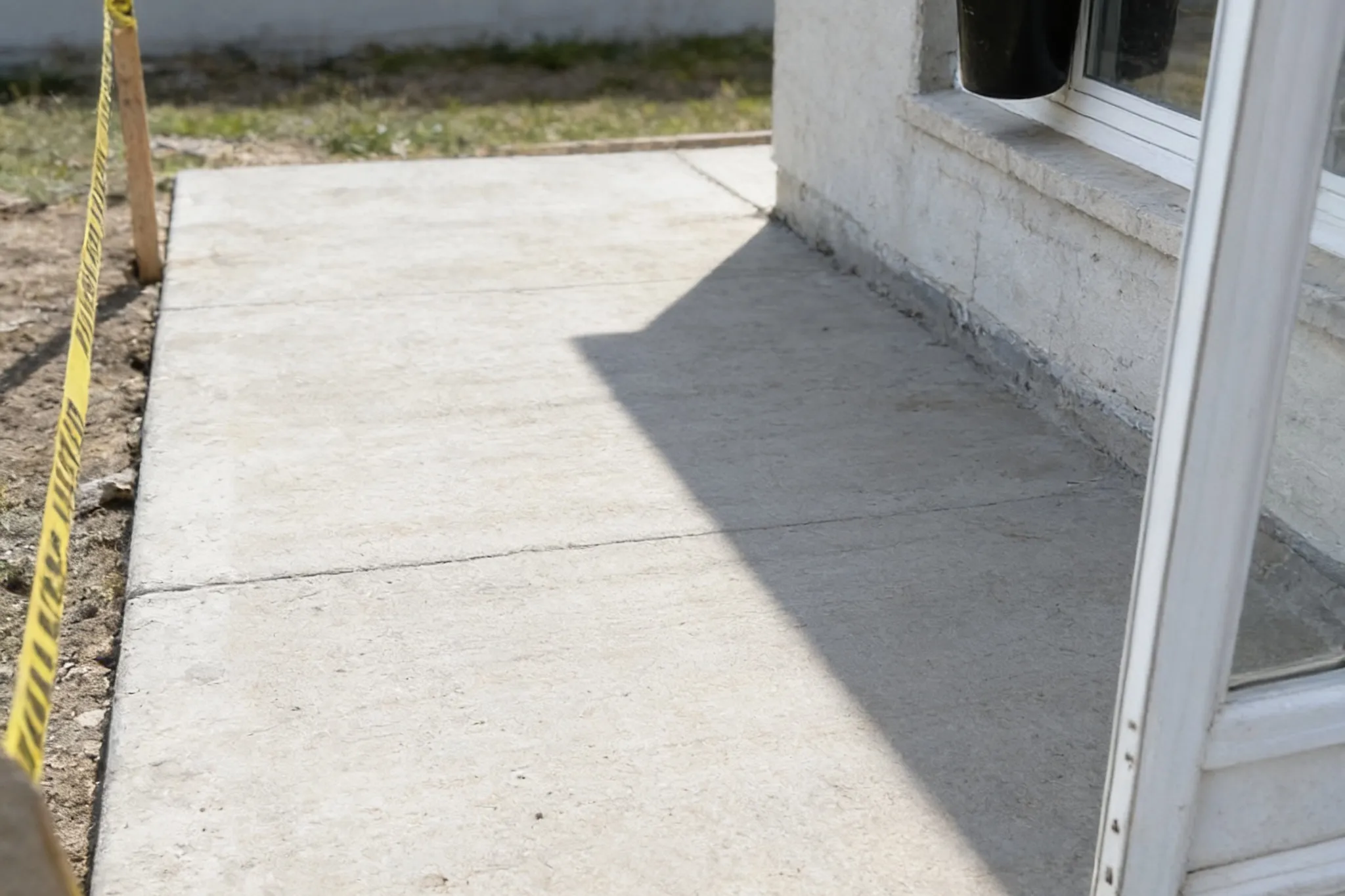
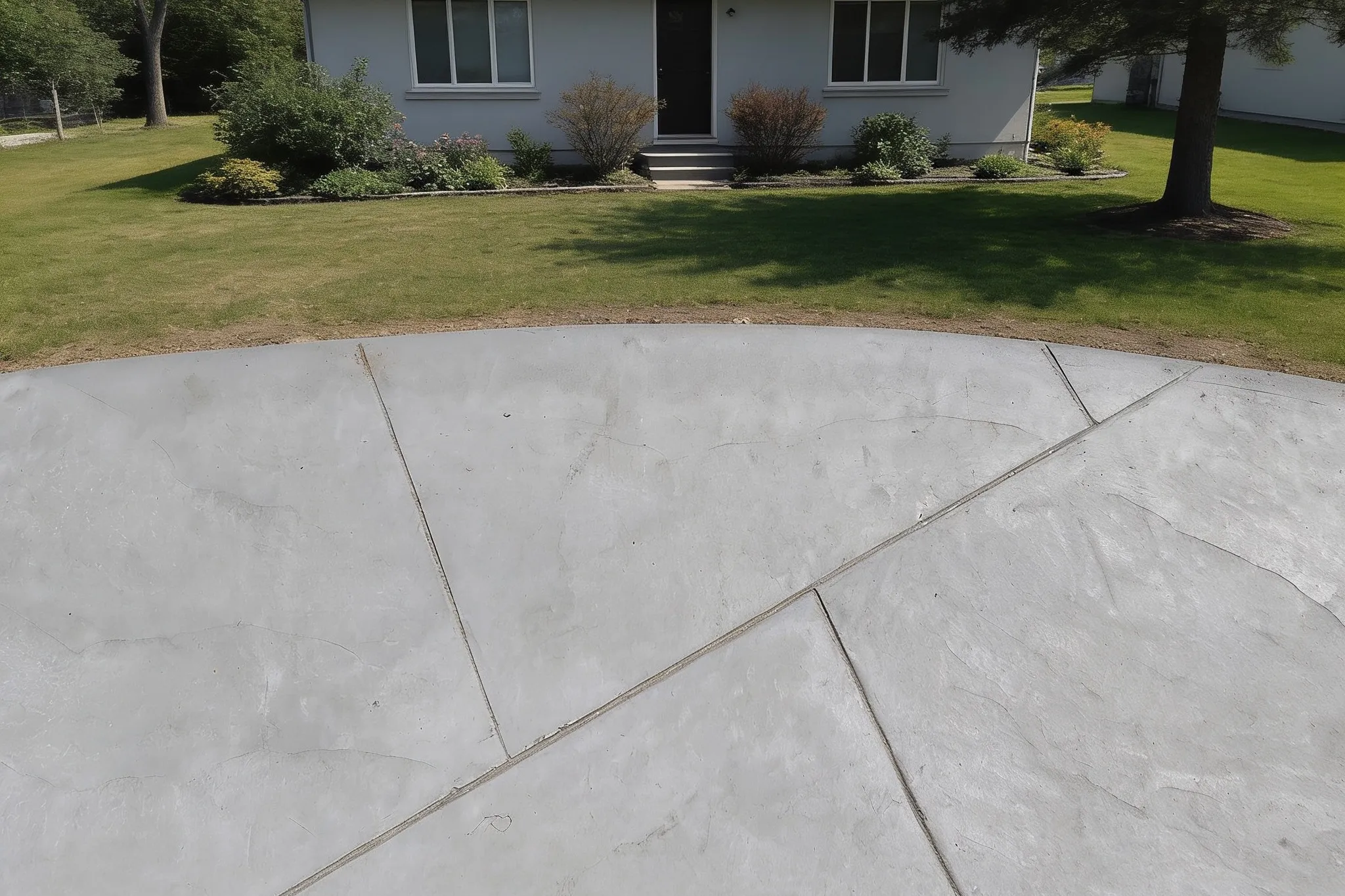
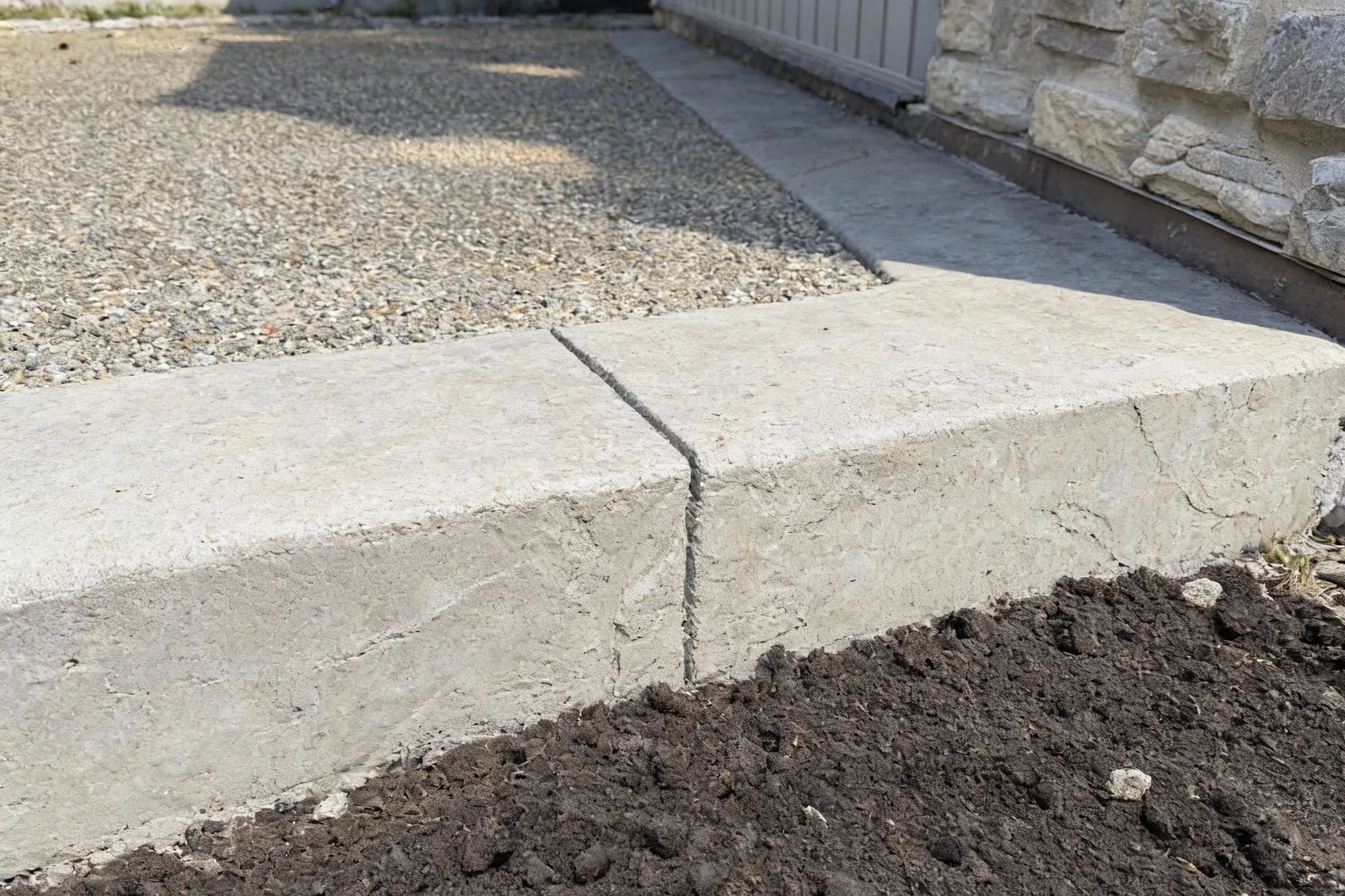
Control joints are cut along the grout lines of the pattern, so any shrinkage opens inside a seam your eye already reads as part of the stone. If a crack traces back to our workmanship, the lifetime warranty on labour brings us back to it. Hairline cosmetic cracks and normal wear are not covered.
Keeping water away from an older foundation
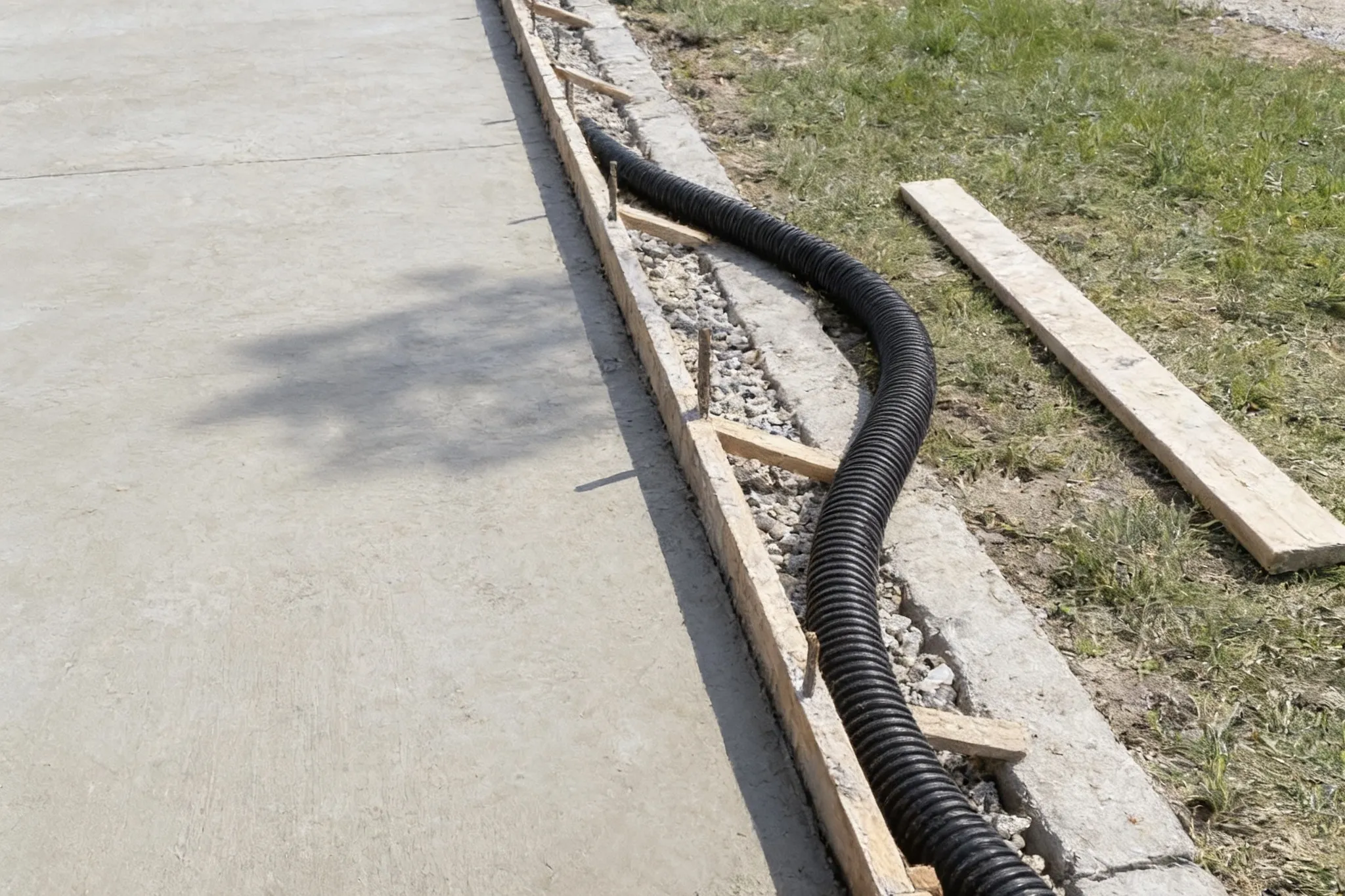
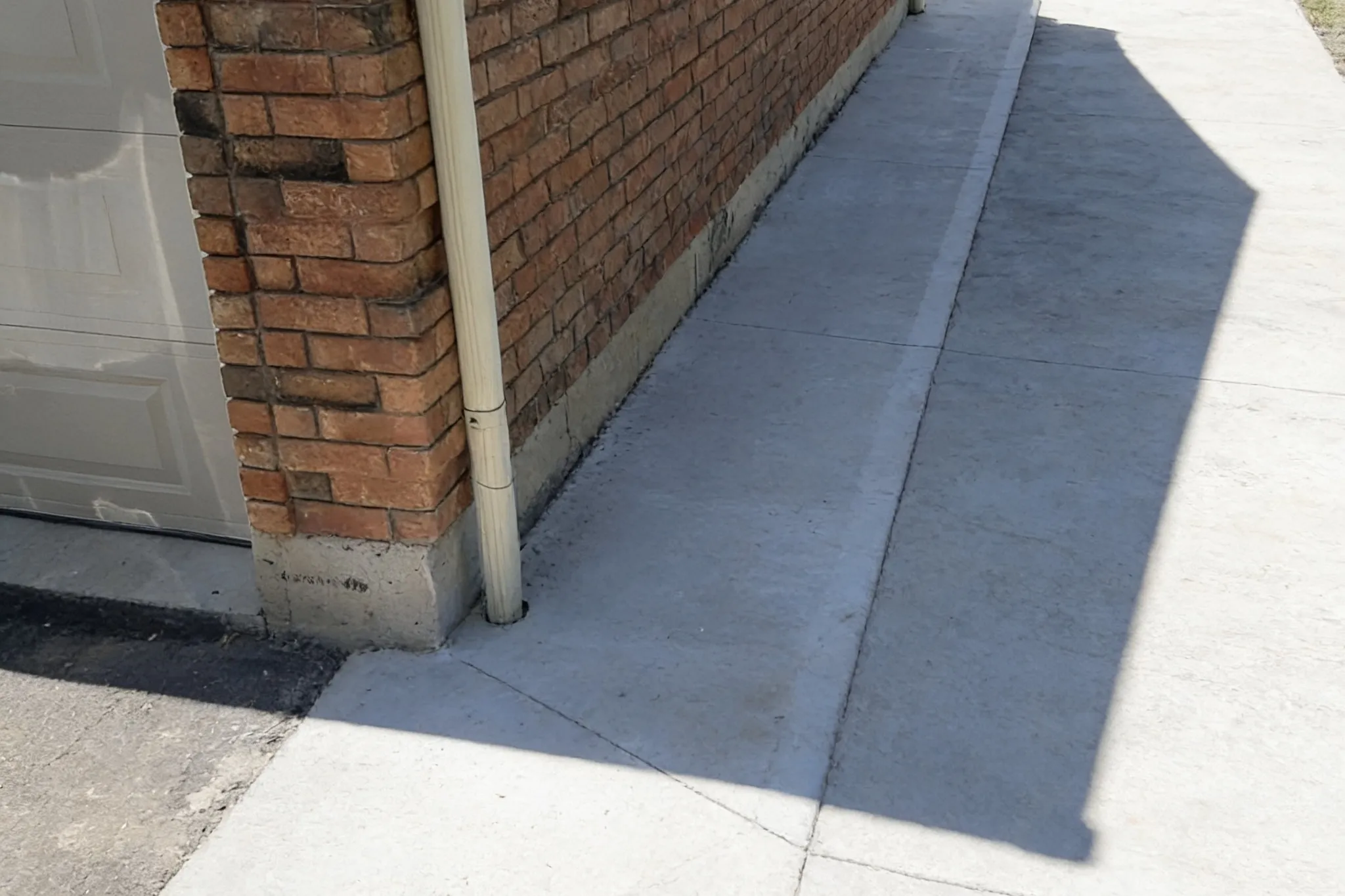
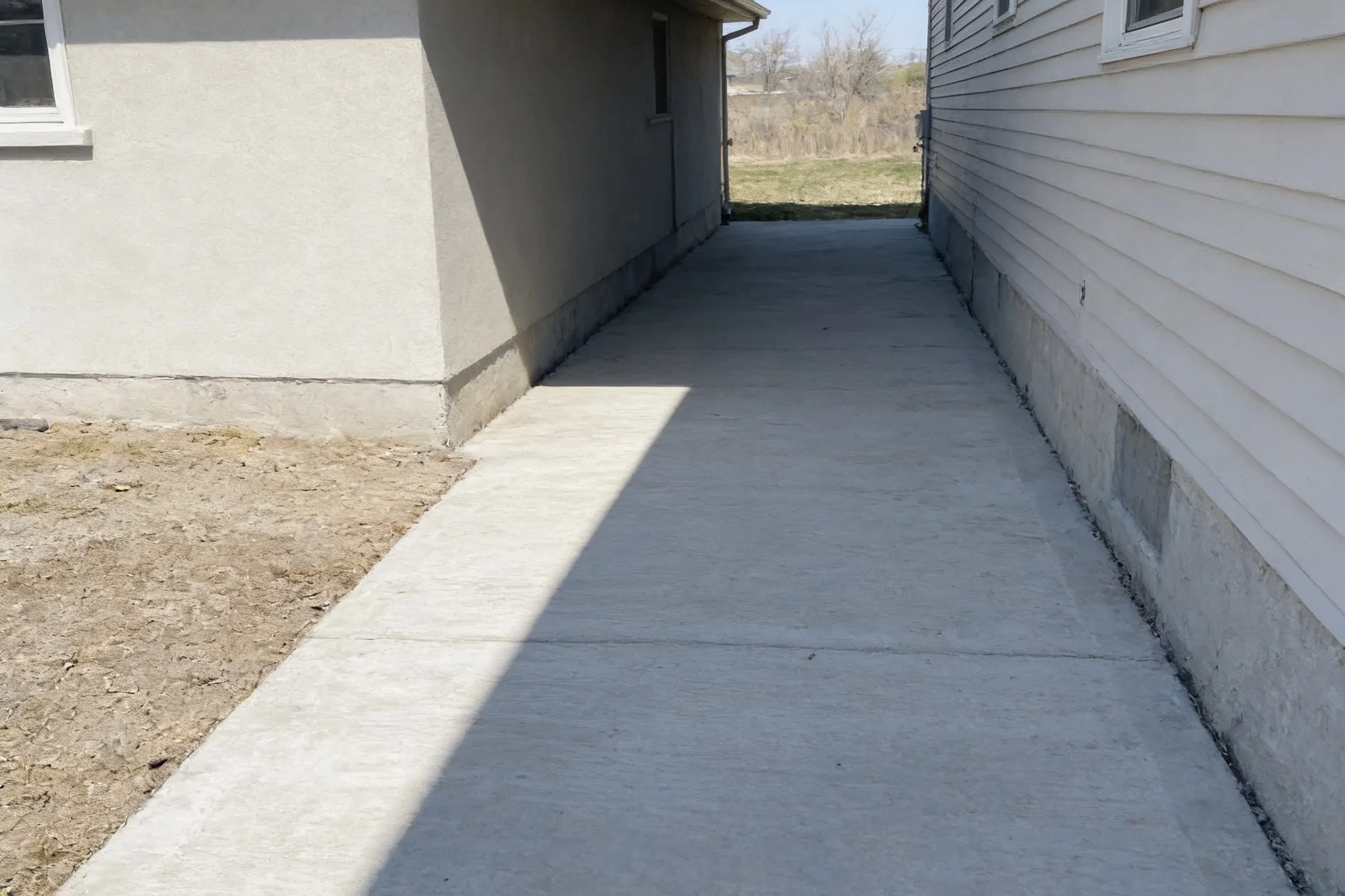
Many lower-city houses stand on old brick, stone or early block foundations. A stamped patio that slopes toward one of those walls makes a wet basement worse, and the sealer does nothing about it. We slope the slab away from the foundation and plan where the downspouts and the runoff go before the forms go in, so the patio helps the wall instead of feeding it.
Because stamped concrete costs more than a plain pour, a stamped border and apron around a plain broom-finish field is an option that keeps most of the look. The plain field gives grip and drains the same way, and the border carries the pattern where the eye lands first.
Sealer, salt and the first winter
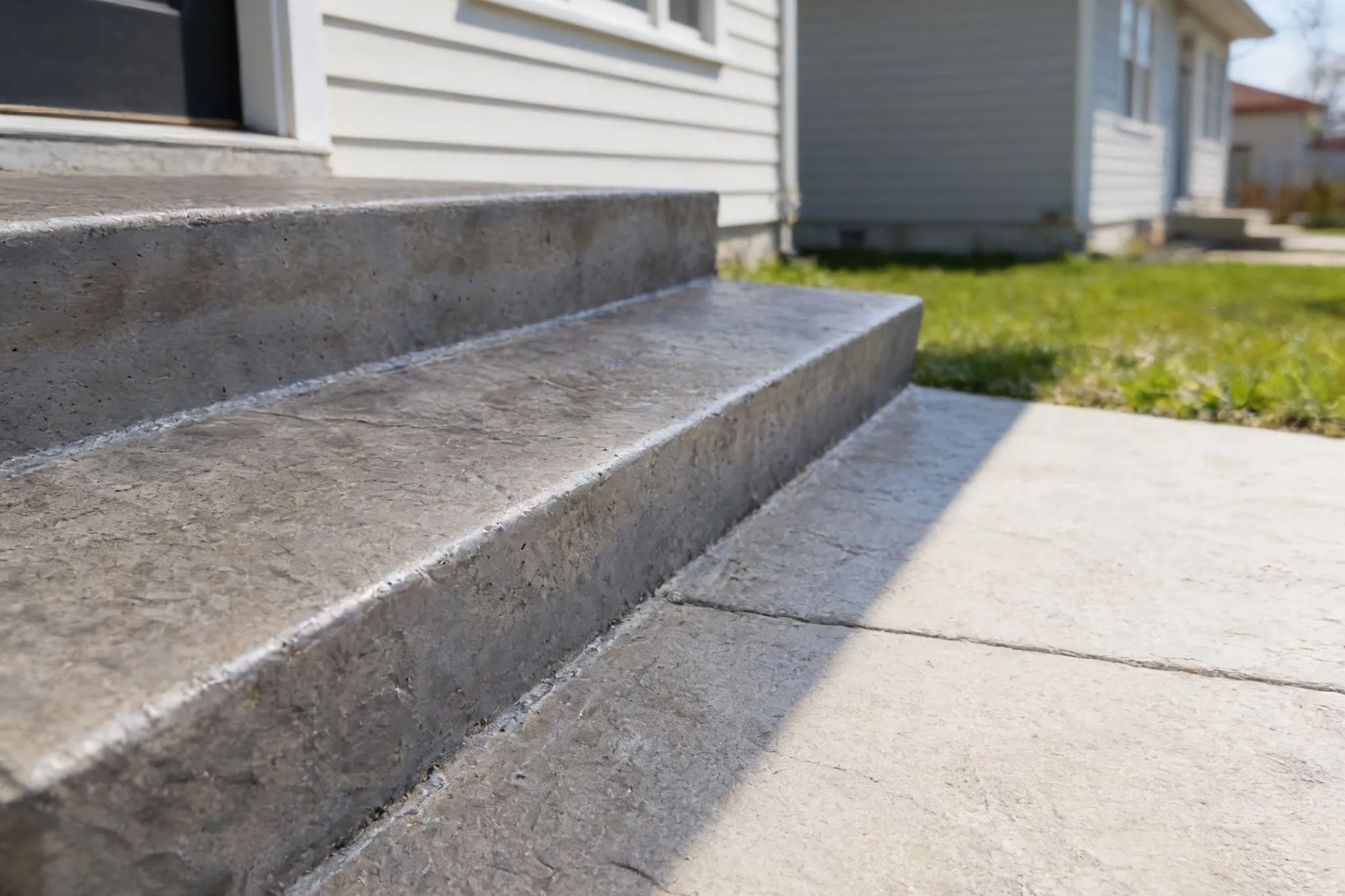
Sealer protects the colour on stamped concrete. Plan on a fresh coat every two to three years. The sealer carries an anti-slip additive, and we put the resealing schedule in writing.
Timing a stamped job in Hamilton
Foot traffic can go on a new slab after 24 to 48 hours, furniture after about 7 days, and we seal it at about 28 days. Hamilton sits at the top of our Highway 6 routes, so stamped jobs book into the regular schedule through the pouring season. Ask for a quote in spring if you want the patio ready for summer.
At the free site visit we measure, look at where the water goes on your lot, and show you manufacturer charts against your brick or trim. The written quote itemizes the slab, the colour, the stamping and the sealing separately, so you can see what each part is.
Straight answers
Can you add a stamped border to a plain driveway in Hamilton?
Yes. A stamped border around a plain broom-finish field is a way to get most of the look for a fraction of the upgrade. We look at the lot at the free site visit, and the plan goes in the written quote.
What stamped pattern suits an older brick home in the lower city?
The quieter cut-stone looks usually sit best. Ashlar slate and random flagstone read as stone beside pre-war brick, while cobblestone is strongest on borders and aprons. We pick the base colour off your brick or trim and often go a shade quieter than the sample card.
Will stamped concrete crack in Hamilton's freeze-thaw?
We cut control joints along the pattern's grout lines and build on a compacted base with a 32 MPa air-entrained mix. Hairline cosmetic cracks are normal and are not covered by the warranty.
How do I keep stamped concrete looking good?
Reseal it every two to three years. The sealer carries an anti-slip additive, and reapplying it keeps the colour deep. We put the resealing schedule in writing with the quote.
Is the ground different on the Mountain than in the lower city for a stamped patio?
Yes. On the Mountain, clay till holds water where frost can reach it, and in places limestone sits close under the clay. In the lower city, the clay is heavy and the water table runs higher near the bay. In both cases the base decides how long the pattern stays flat, so we dig to stable ground and compact the granular base before the pour.
Will a stamped slab near my older foundation make my basement wetter?
It should not. We slope the slab away from the house and plan where the downspouts and runoff go. If the basement already takes water, tell us at the site visit, because that changes the plan.
When can I use a new stamped patio?
Foot traffic can go on it after 24 to 48 hours and furniture after about 7 days. We seal it at about 28 days, then give you the resealing schedule in writing.
Keep reading
- Stamped & Decorative Concrete across Southern OntarioThe full method: patterns, colour systems, the mix, joints cut along the grout lines, and the resealing schedule.
- Concrete Contractors in HamiltonEverything else we pour and repair across the city, from the lower city to the Mountain.
- Concrete Patios in HamiltonHow we build a patio on Hamilton clay.
- Concrete PatiosSizes, drainage and how the build comes together live here.
Tell us about the job.
Send the details and we'll get back to you within one business day with next steps. If water is coming in right now, check the box and we flag it urgent.
Get a straight quote
Free · no pressure · 1 business day