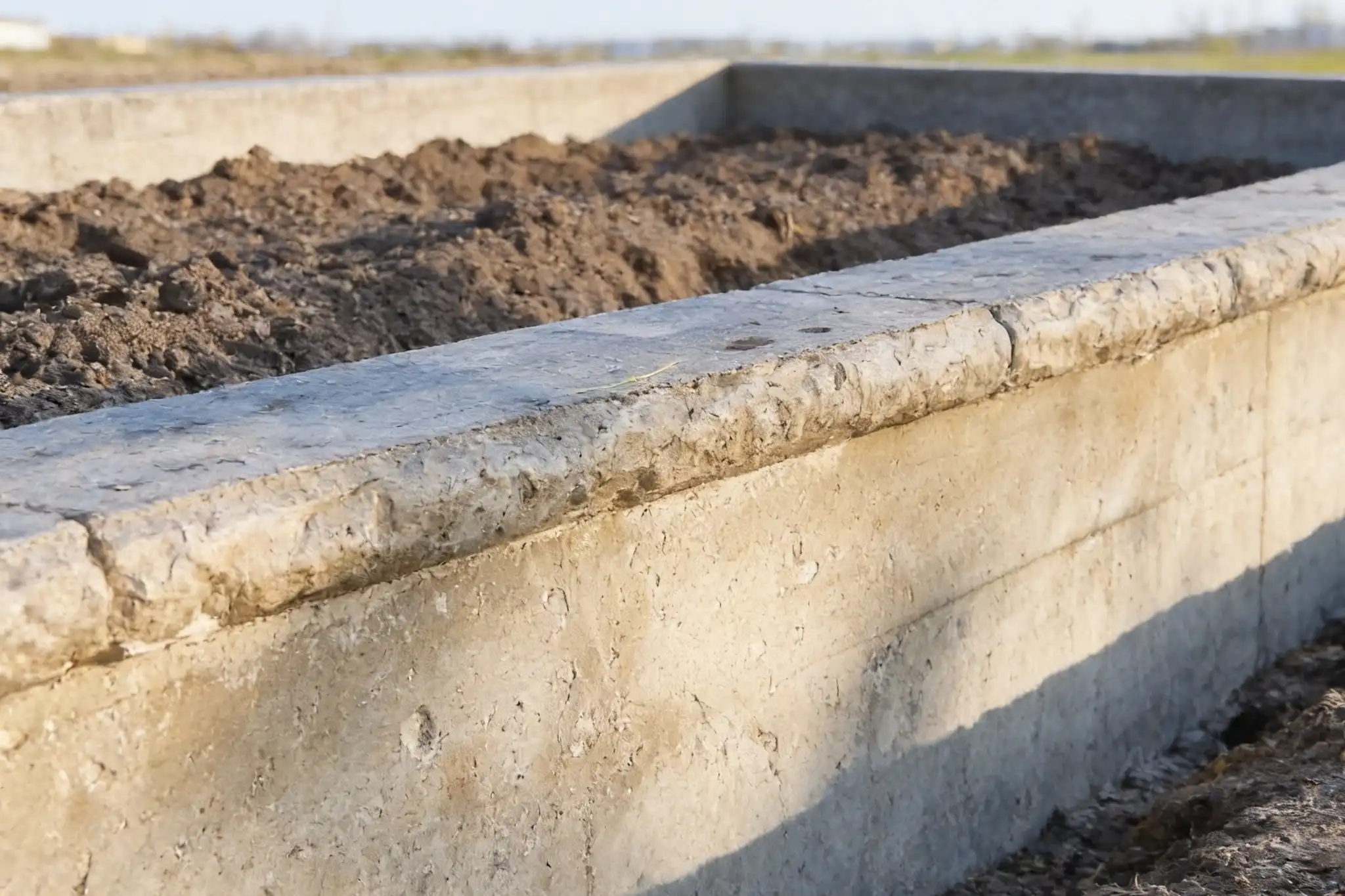
Parging in Kitchener
We re-parge the exposed foundation band on Kitchener homes, from the century brick of the old Berlin core to homes where runoff keeps hitting the same spot. We find where the coat has stopped bonding, cut it back to sound material and lay a new one, and we say so if the wall behind it needs more than parging. Union-certified crews, a free written quote, and a lifetime warranty on labour.
Get a straight quote
Free · no pressure · 1 business day
Reviewed June 2026
Every job is priced individually, not off a price list. Tell us about yours and you get an accurate, no-pressure quote in writing.
Kitchener was Berlin until 1916, and the heritage blocks around King Street still hold the city's oldest housing: century brick on foundations of the same age. On those houses the parged band is the first thing a winter attacks, because it sits exactly where the snow piles up and the salt spray lands.
The city is built on the Sandhills, the sand and gravel of the Waterloo Moraine.
This page covers why parging fails on Kitchener homes and what we do about it. The step-by-step method is on our parging page. The quote is free and written, and the number on it is the number on the invoice unless you change the job.
The old Berlin core: brick above, a worn coat below
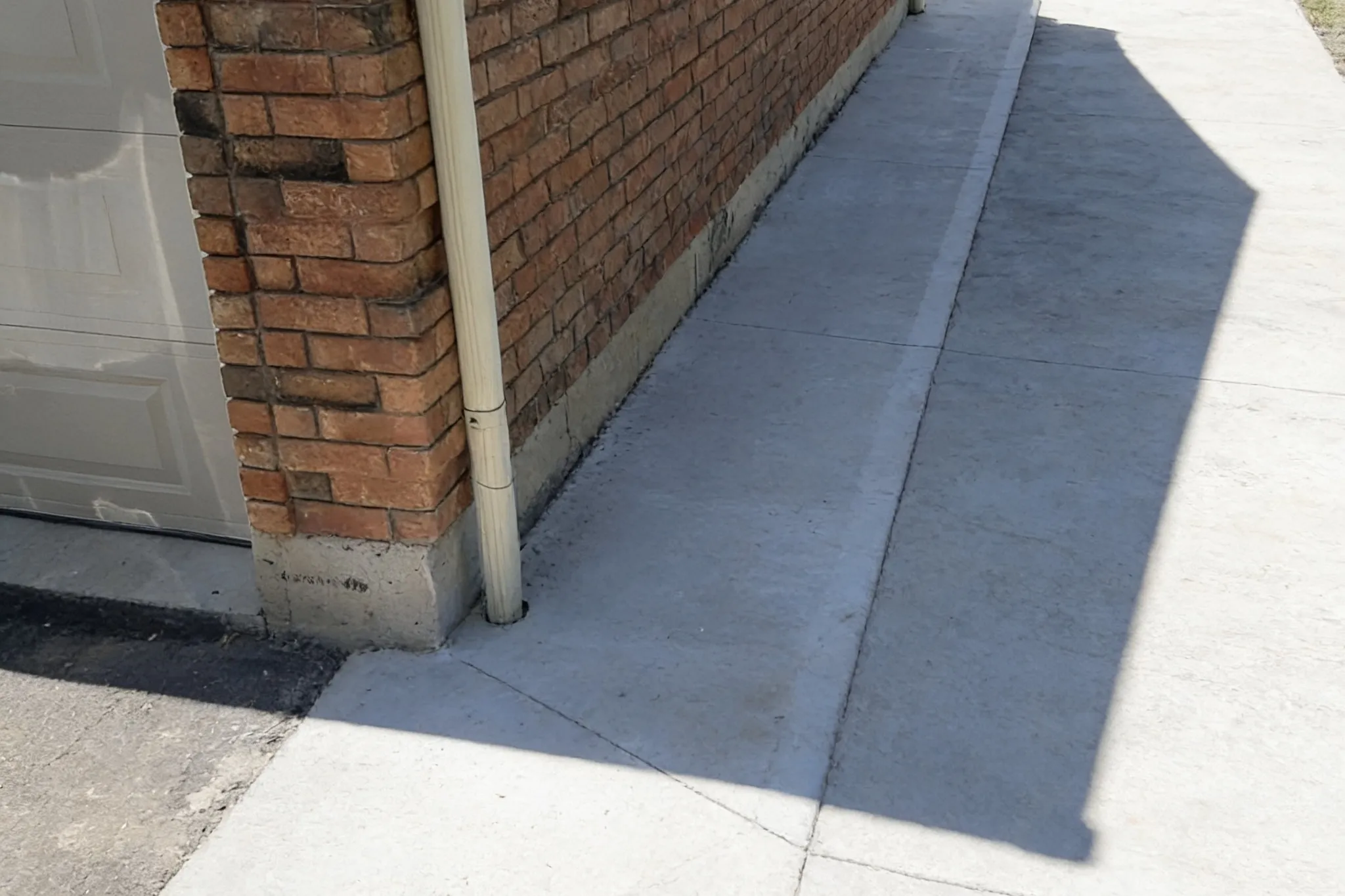
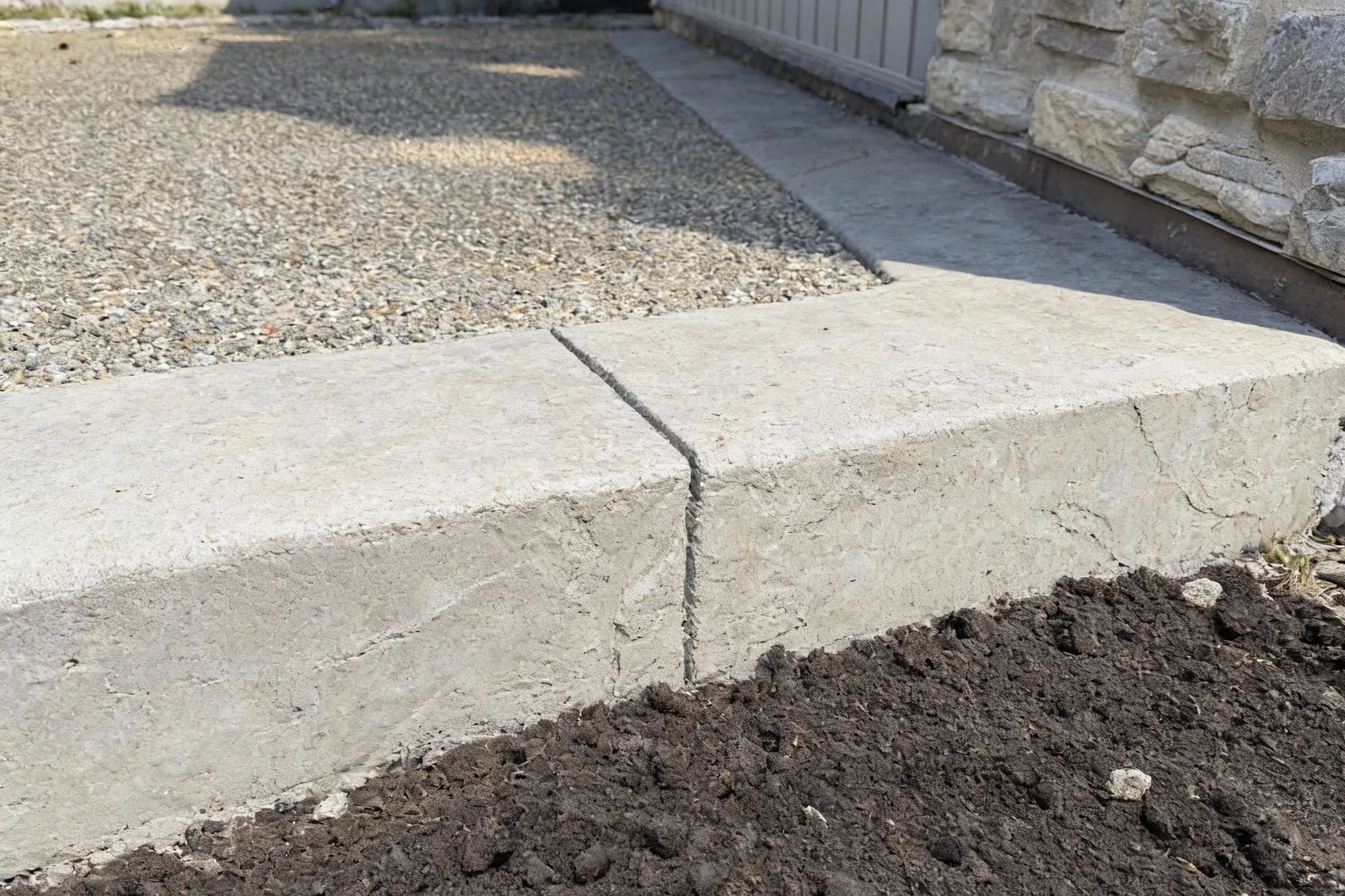
On a century house the foundation face is uneven and full of joints. Water that gets behind the coat freezes there and lifts it off in plates, which is freeze-thaw delamination. A hundred winters of road salt on top of that leaves a band that sounds hollow when you tap it.
Paint on parging holds moisture in the wall, so painted parging has to come off to sound material before anything new goes on.
Sandhills ground: where the wall actually gets wet
Meltwater drains through Kitchener's sand instead of sitting against the foundation. A downspout that has emptied at the same corner for years washes sand out from beside the wall and soaks the coat in that one place. When we see a patch failing while the rest of the band is fine, we check the downspout first.
Near the Grand River and creeks such as Schneider and Strasburg, the water table is higher and basements stay damp where the streets above stay dry. A wall in that low ground sends moisture out through the back of the coat, and a new coat laid over it will not last. We look at where the water goes before we look at the parging.
What a Kitchener re-parge involves
We tap the whole exposed band, cut out every hollow or loose section, and clean the face of dust and old paint so the new mortar can grip. The wall is dampened and a bonding agent goes on. Where the coat crosses a patch or a change of material, fibreglass mesh keeps it from cracking along the seam.
The coat goes on at a quarter to three-eighths of an inch, in two passes on a rough wall, with clean lines at the brick and at grade, and it is kept damp while it cures. Parging needs temperatures above 5°C and a frost-free cure, roughly mid-April to October. A coat that freezes before it cures fails by spring, so a late-season call gets a quote now and a booked safe window.
When it is not a parging job
Parging is a weather skin above grade, not waterproofing. If the basement inside is damp, if moisture pushes out from behind the coat, or if the same crack returns after each recoat, the cause is below the coat.
In that case the drainage or the crack gets dealt with first and the parge goes on last. We do both kinds of work, so we have no reason to sell you the wrong one.
Straight answers
Why is the parging failing in only one spot on my Kitchener house?
Look at the downspout above it. On the sandy ground here, water from one downspout can wash sand out beside the wall and keep that patch of coat soaked while the rest stays dry. We re-parge the patch, and tell you if the water source needs redirecting so the new coat does not meet the same fate.
Is the parging on my old Berlin-core house worth saving, or does it need more?
We sound the whole band at the quote visit. If the wall behind is sound, a full re-parge restores the weather skin. If moisture is coming through the foundation, a coat alone will not hold, and we say so and lay out the repair or waterproofing work first.
Can you still parge this fall?
Parging needs temperatures above 5°C and a frost-free cure, roughly mid-April to October. A coat that freezes before it cures fails by spring, so we do not rush a late job. Send the form now for a free written quote and the work goes into the next safe window.
How much does parging cost in Kitchener?
There is no flat rate, because prep drives the cost. The height of the exposed band, how much old or painted coat must come off, whether the wall needs mesh, and access on your lot all change it. The quote is free and in writing, with the prep spelled out, and we reply within one business day.
Keep reading
- Parging across Southern OntarioThe full method: prep, bonding agent, coat thickness, mesh and the cure window.
- Concrete Contractors in KitchenerEverything else we pour and repair across the city, from the south-end surveys to the old Berlin core.
- Basement Waterproofing in KitchenerWhen water comes through a wall below grade, fix that first, then parge.
- Foundation RepairWhen the same crack opens through every recoat, the wall needs repair before a new coat.
Tell us about the job.
Send the details and we'll get back to you within one business day with next steps. If water is coming in right now, check the box and we flag it urgent.
Get a straight quote
Free · no pressure · 1 business day