HomeServicesConcrete Slabs & Garage PadsToronto
Concrete Slabs & Garage Pads in Toronto
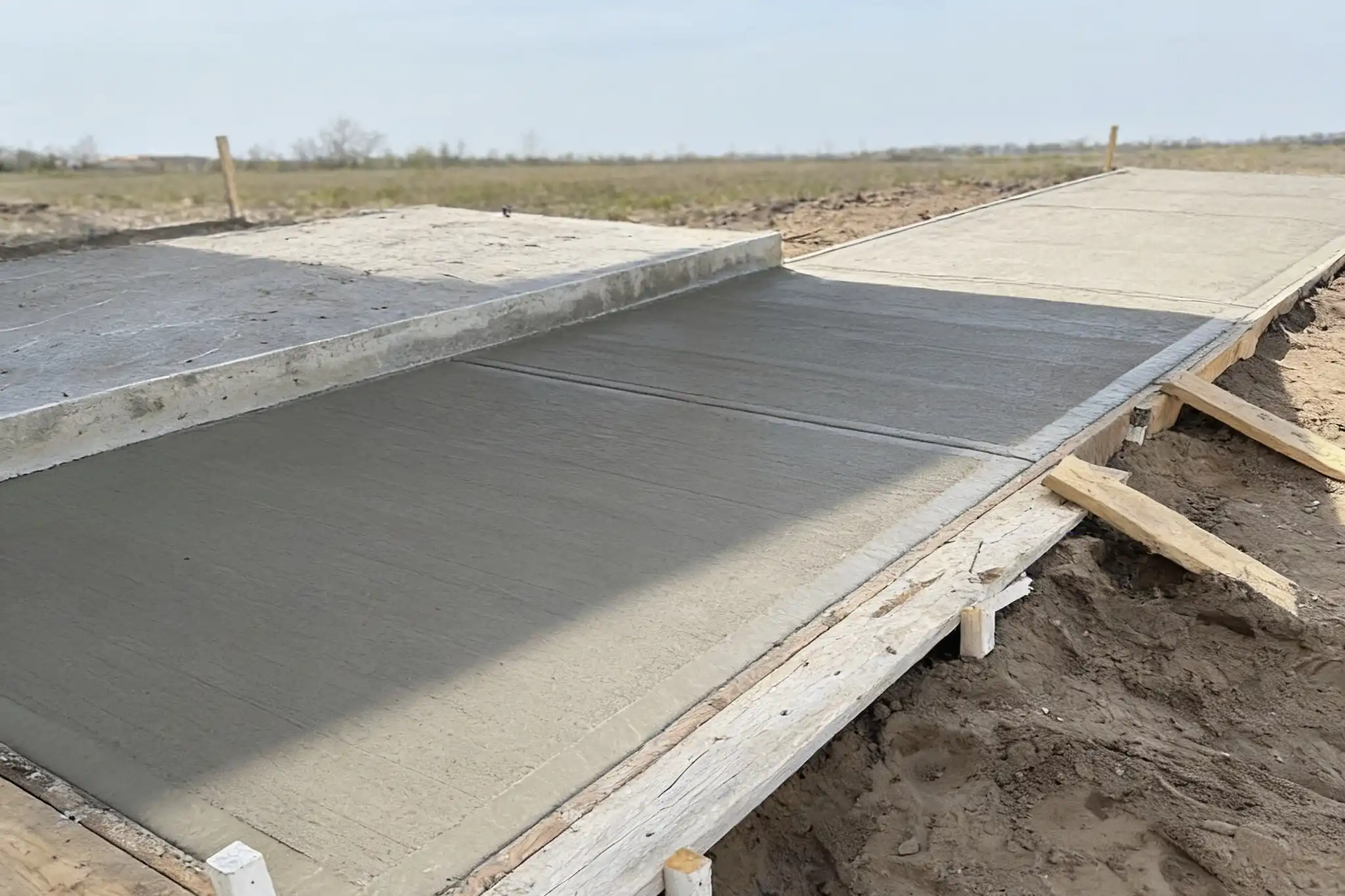
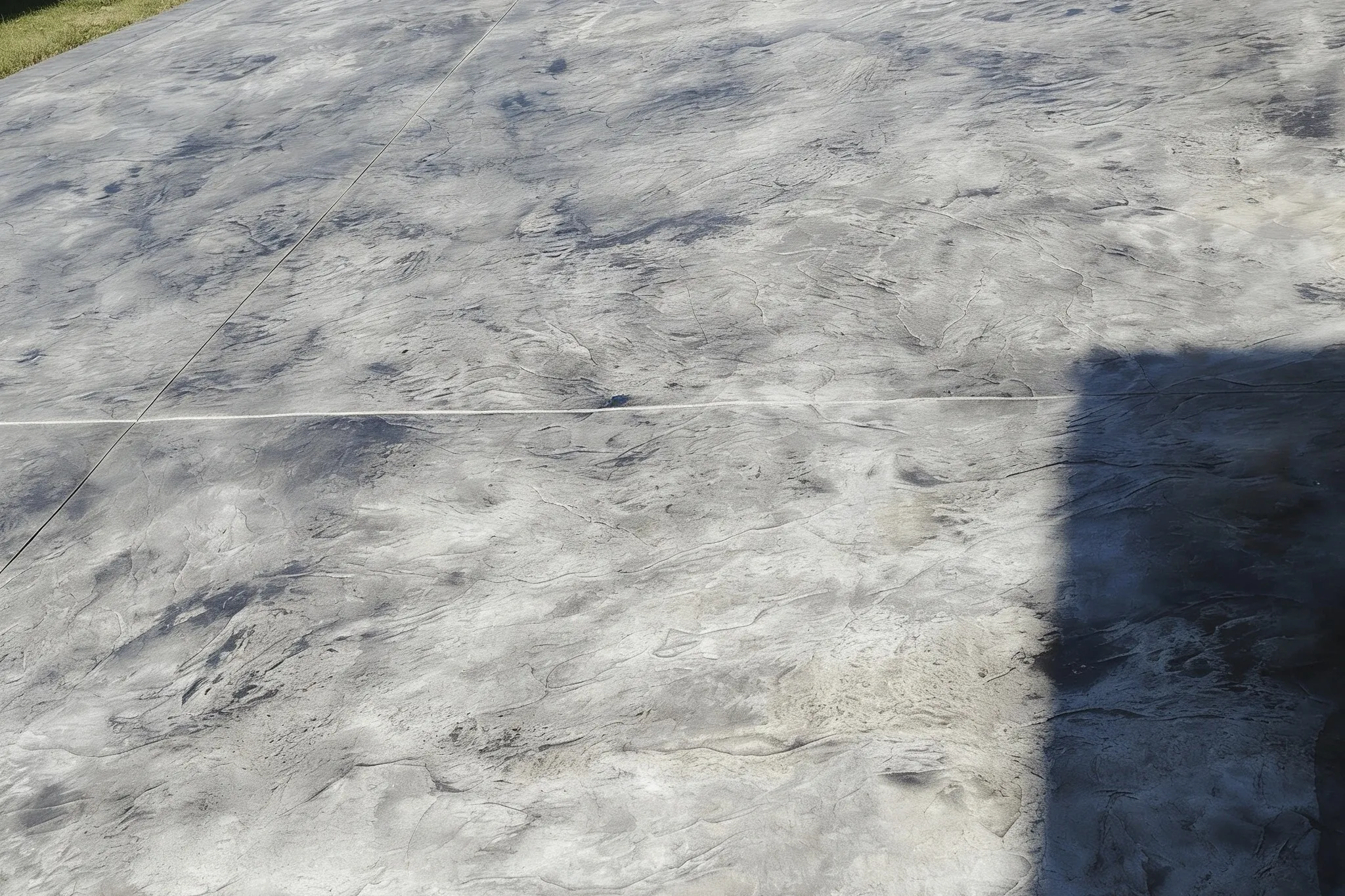
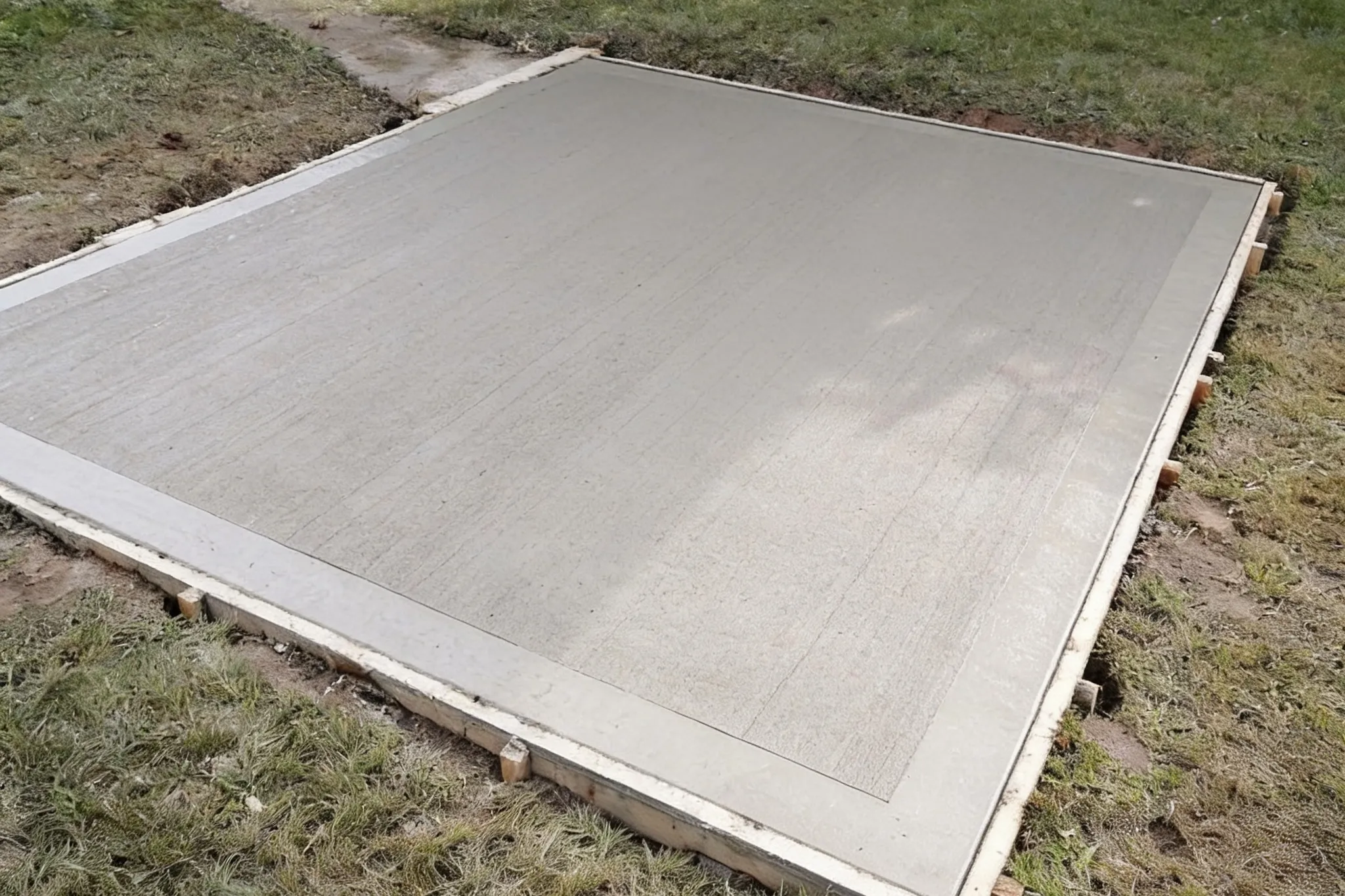
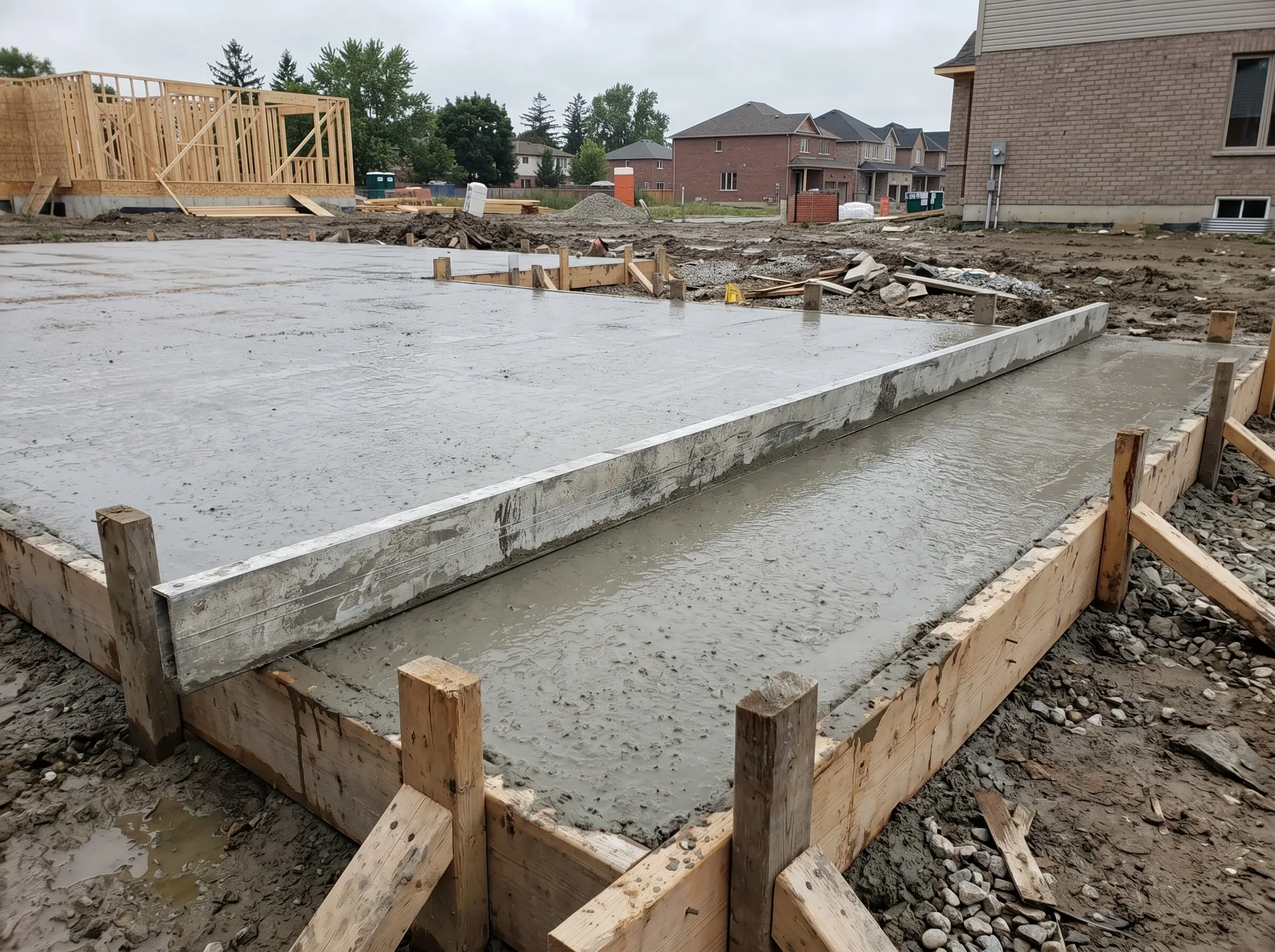
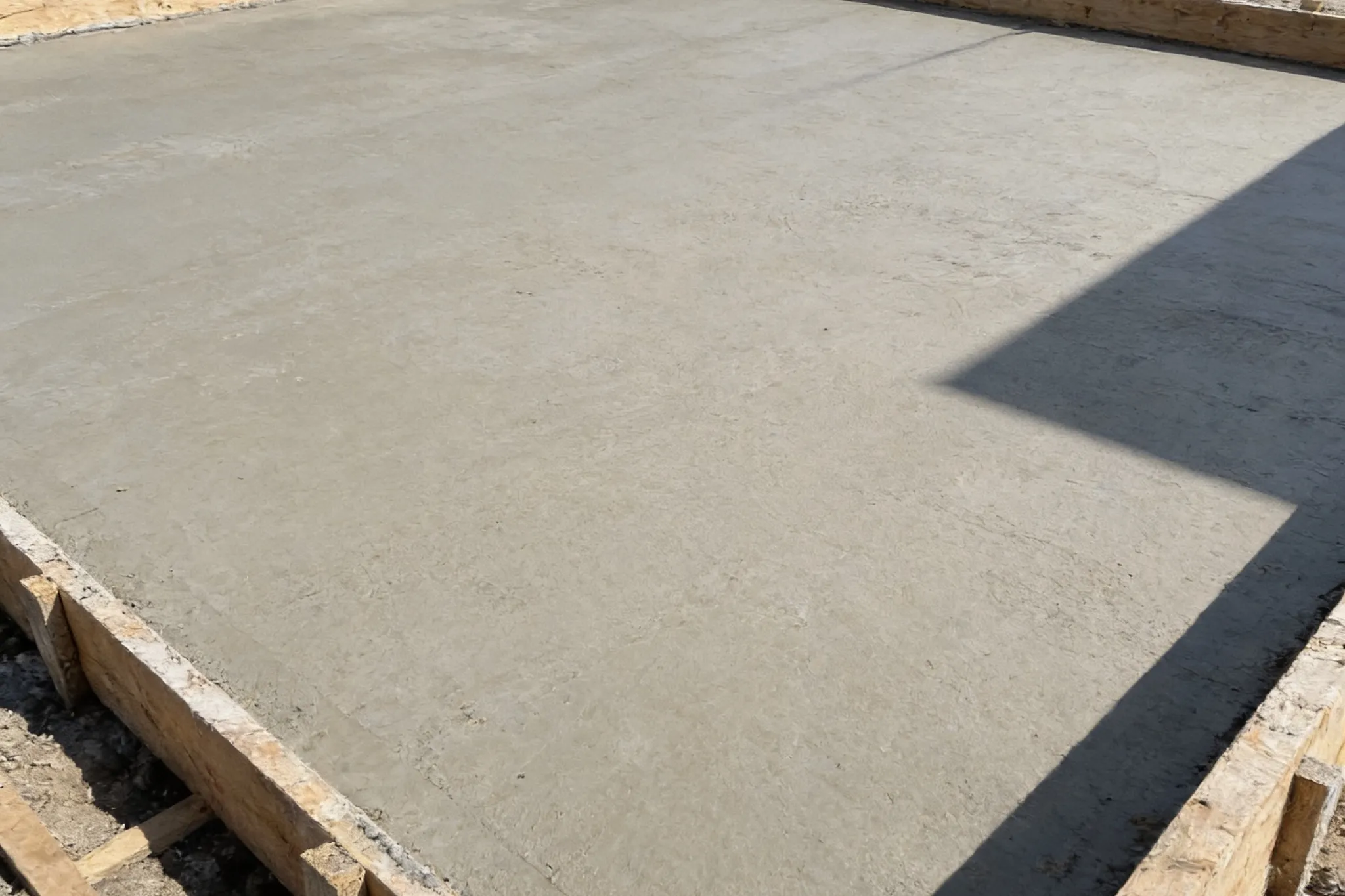
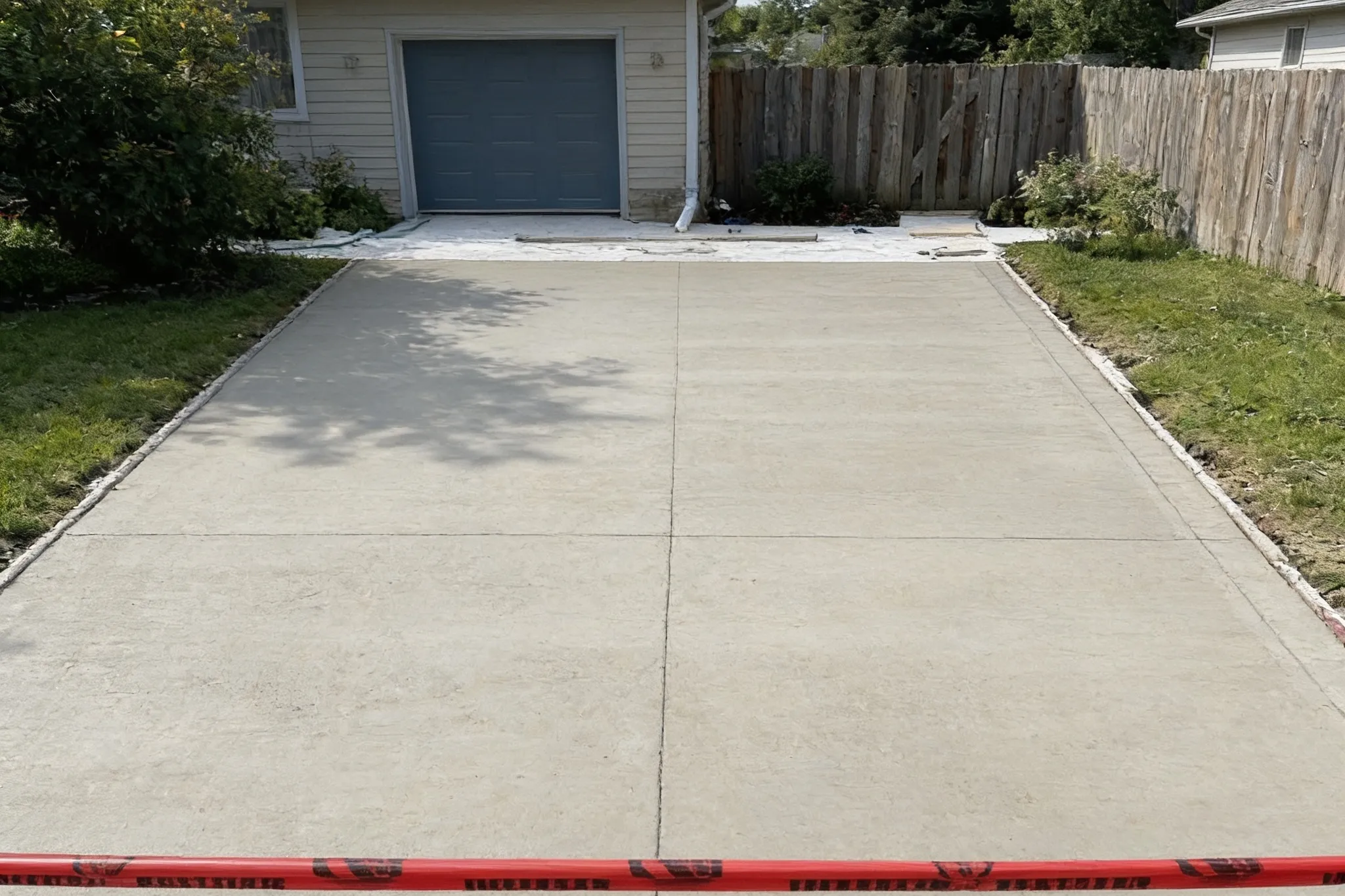
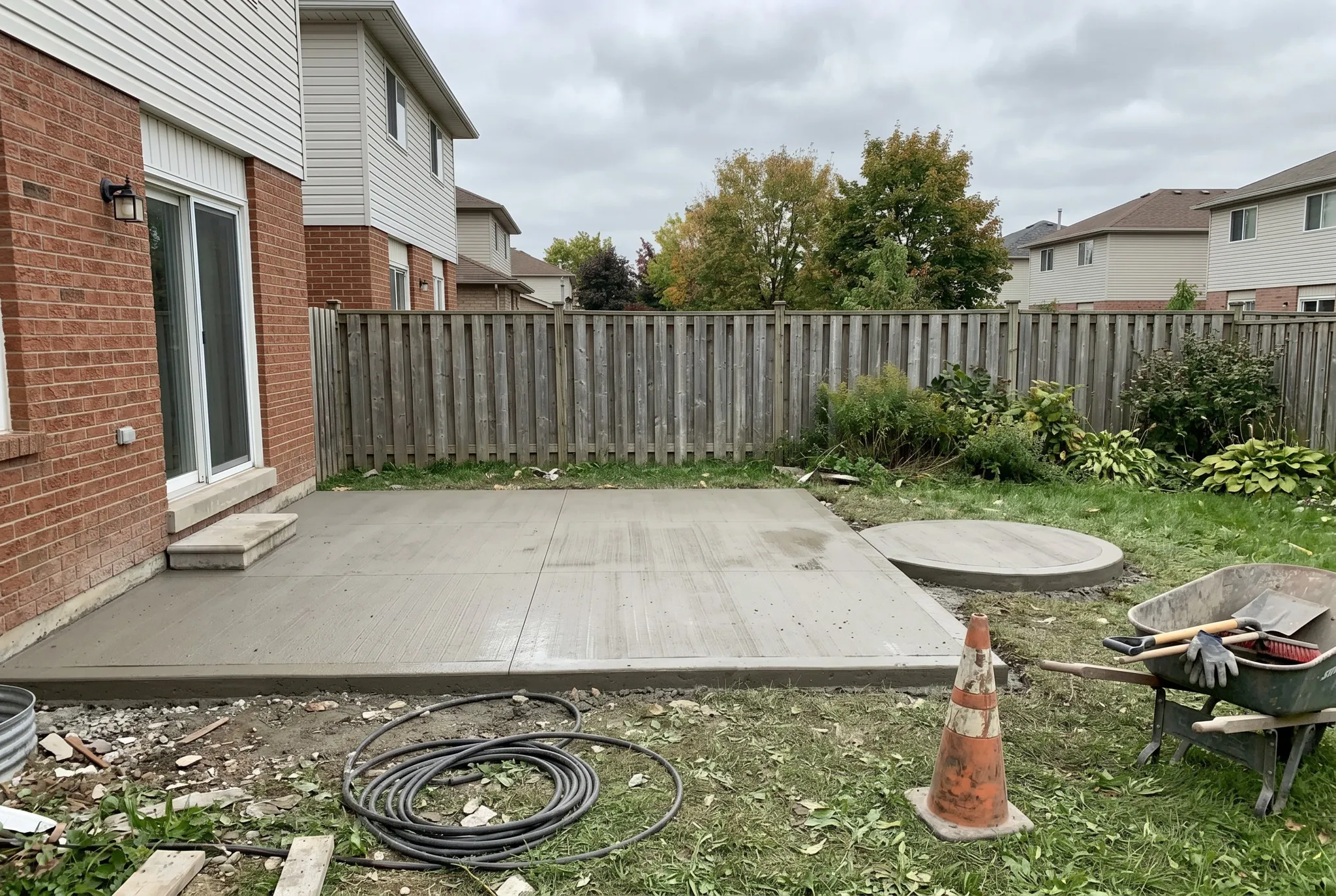
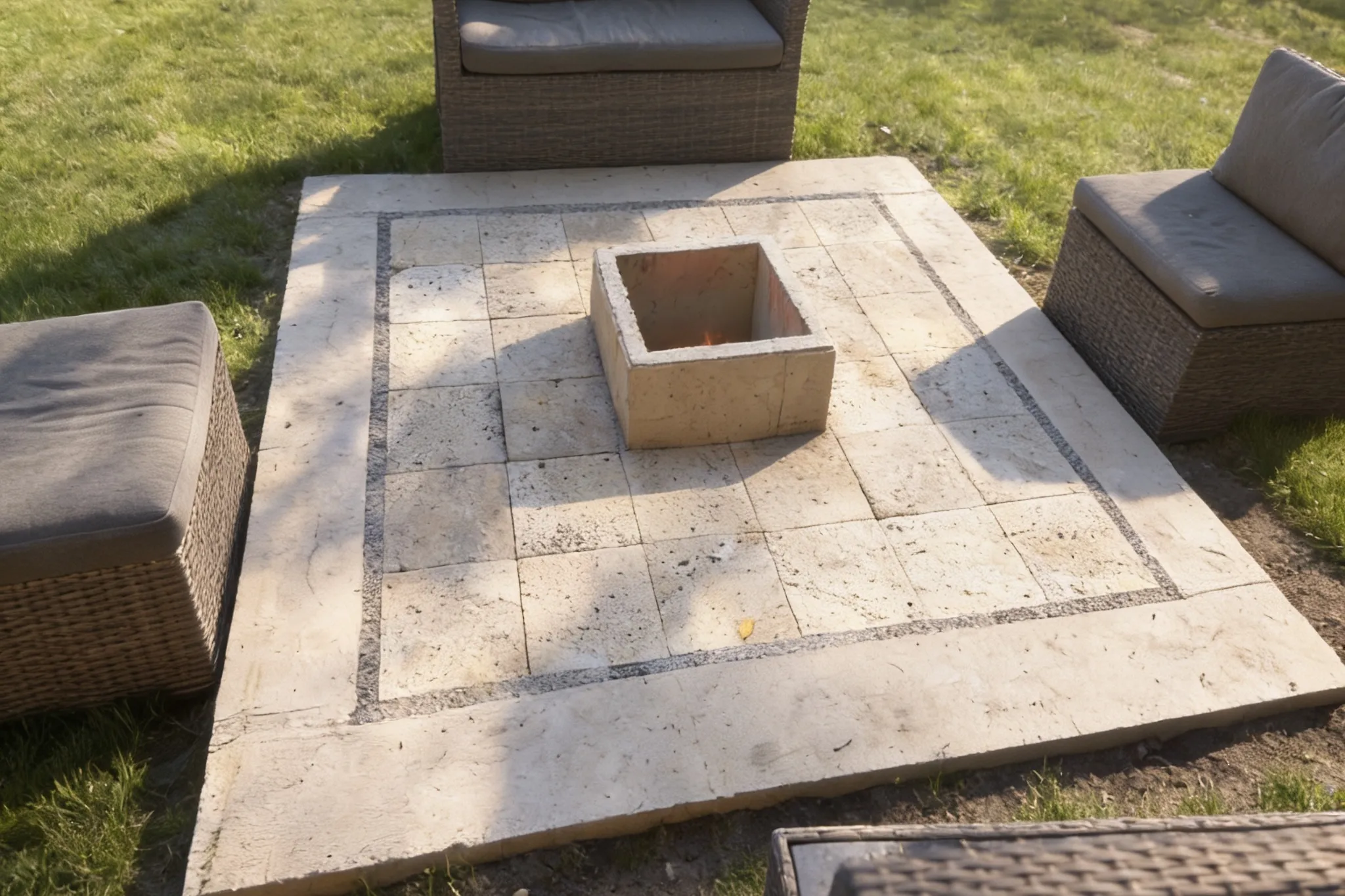
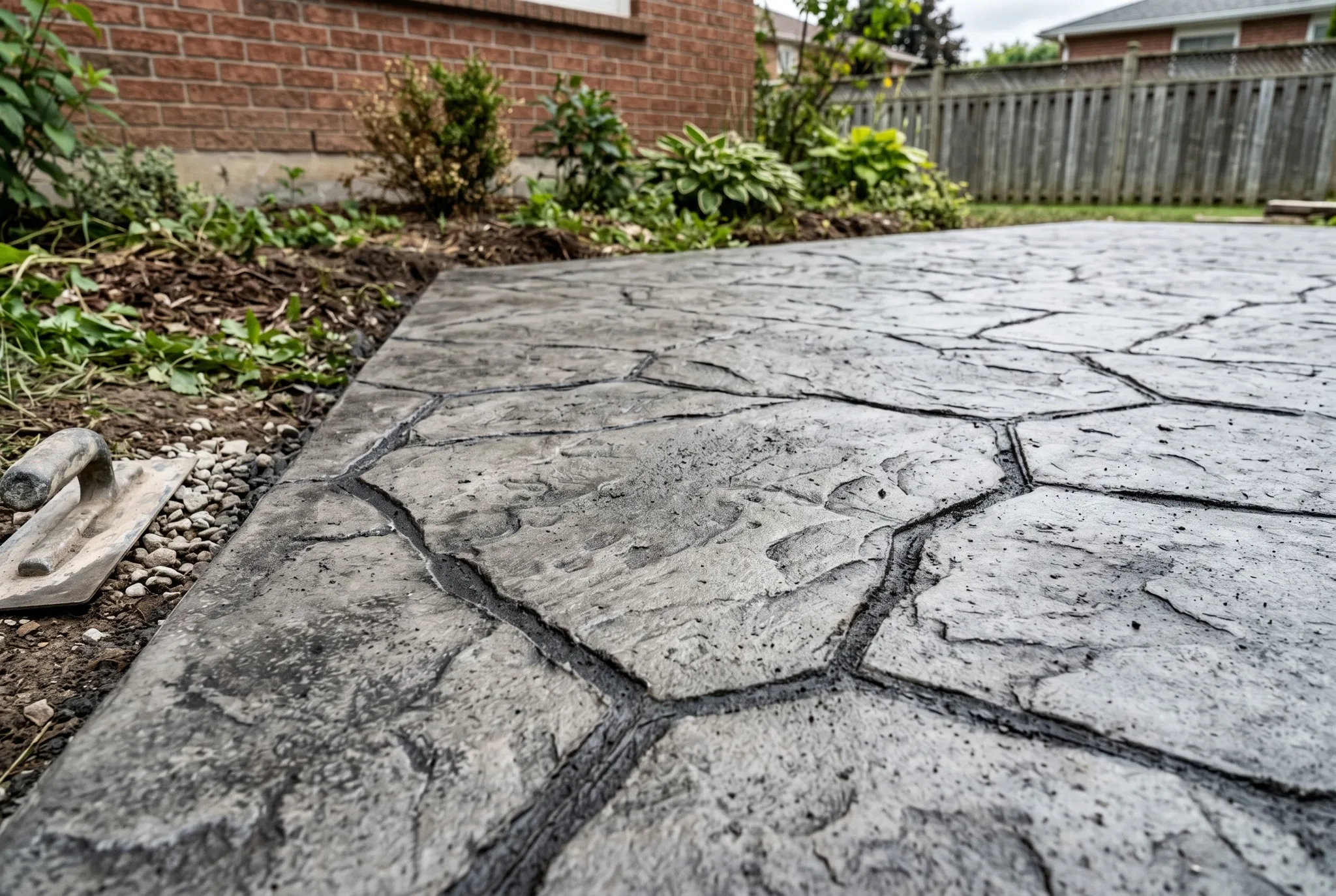
We pour garage pads, shed pads, hot tub pads and detached garage floors across Toronto, including the slabs under laneway and garden suites. The ground near the lake is fine clay and silt, so the base under a pad decides whether it stays level, and tight lots decide how the concrete gets there. Union-certified crews, a free written quote that holds, and a lifetime warranty on labour.
Get a straight quote
Free · no pressure · 1 business day
Reviewed June 2026
Every job is priced individually, not off a price list. Tell us about yours and you get an accurate, no-pressure quote in writing.
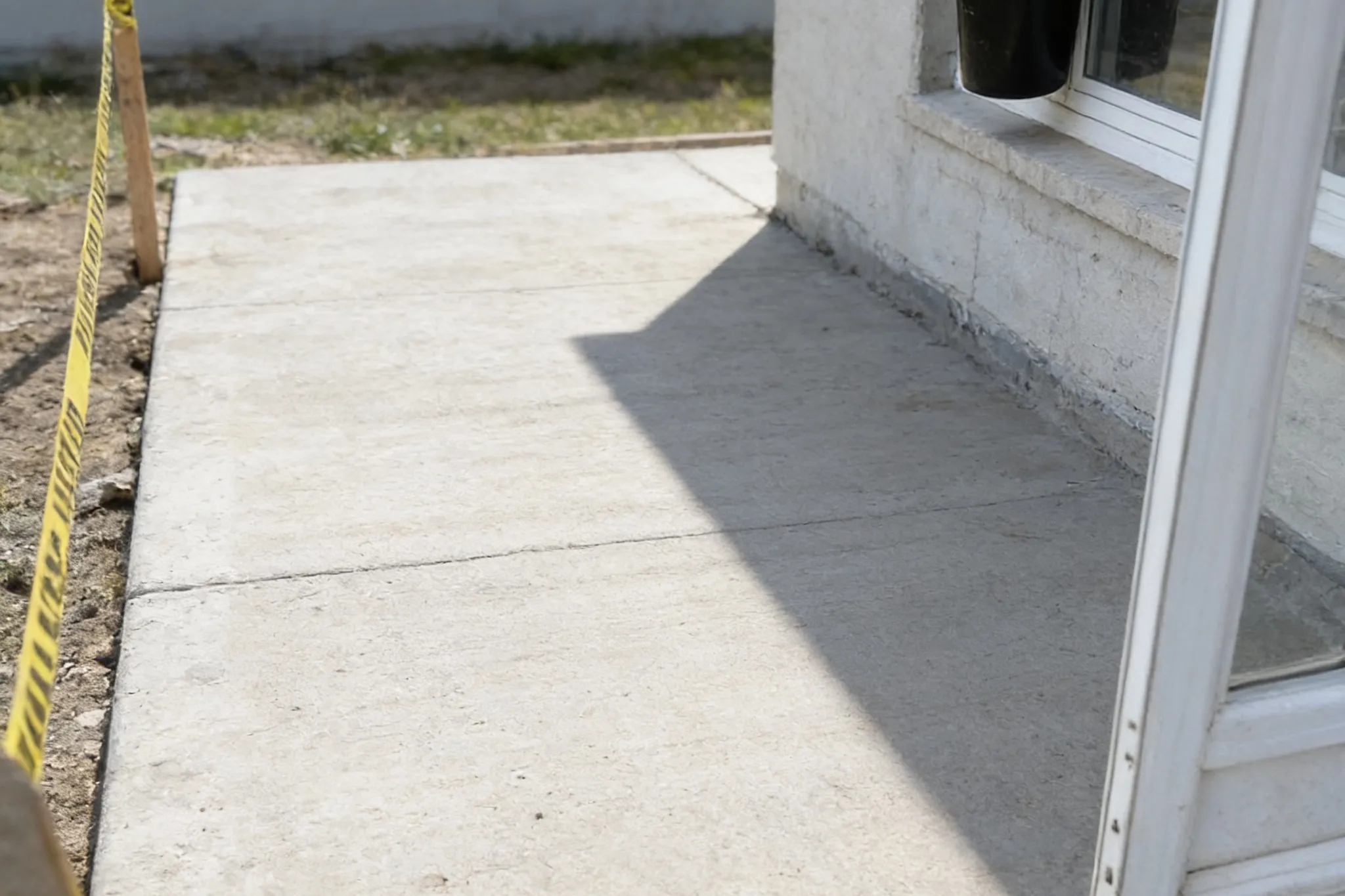
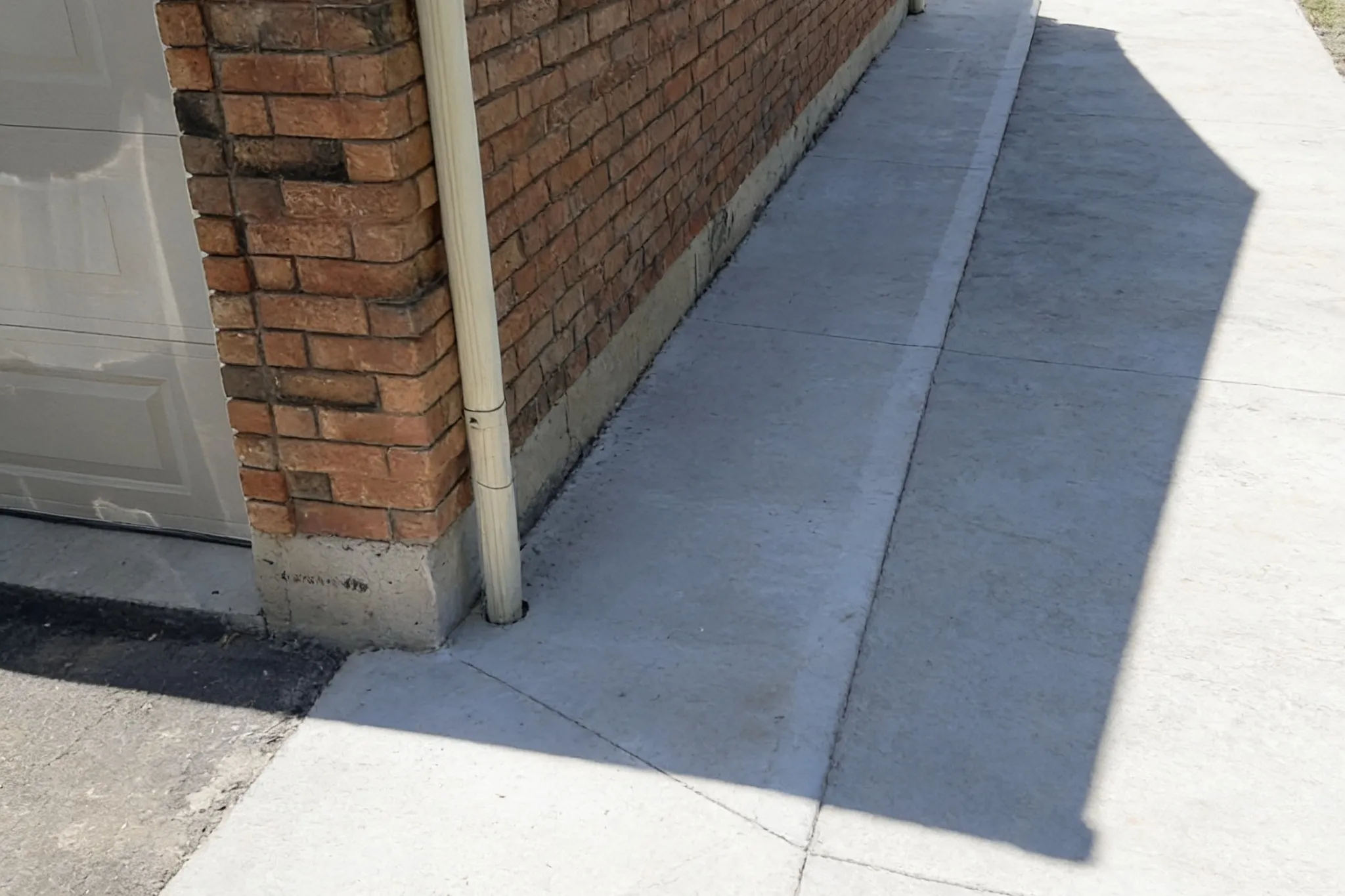
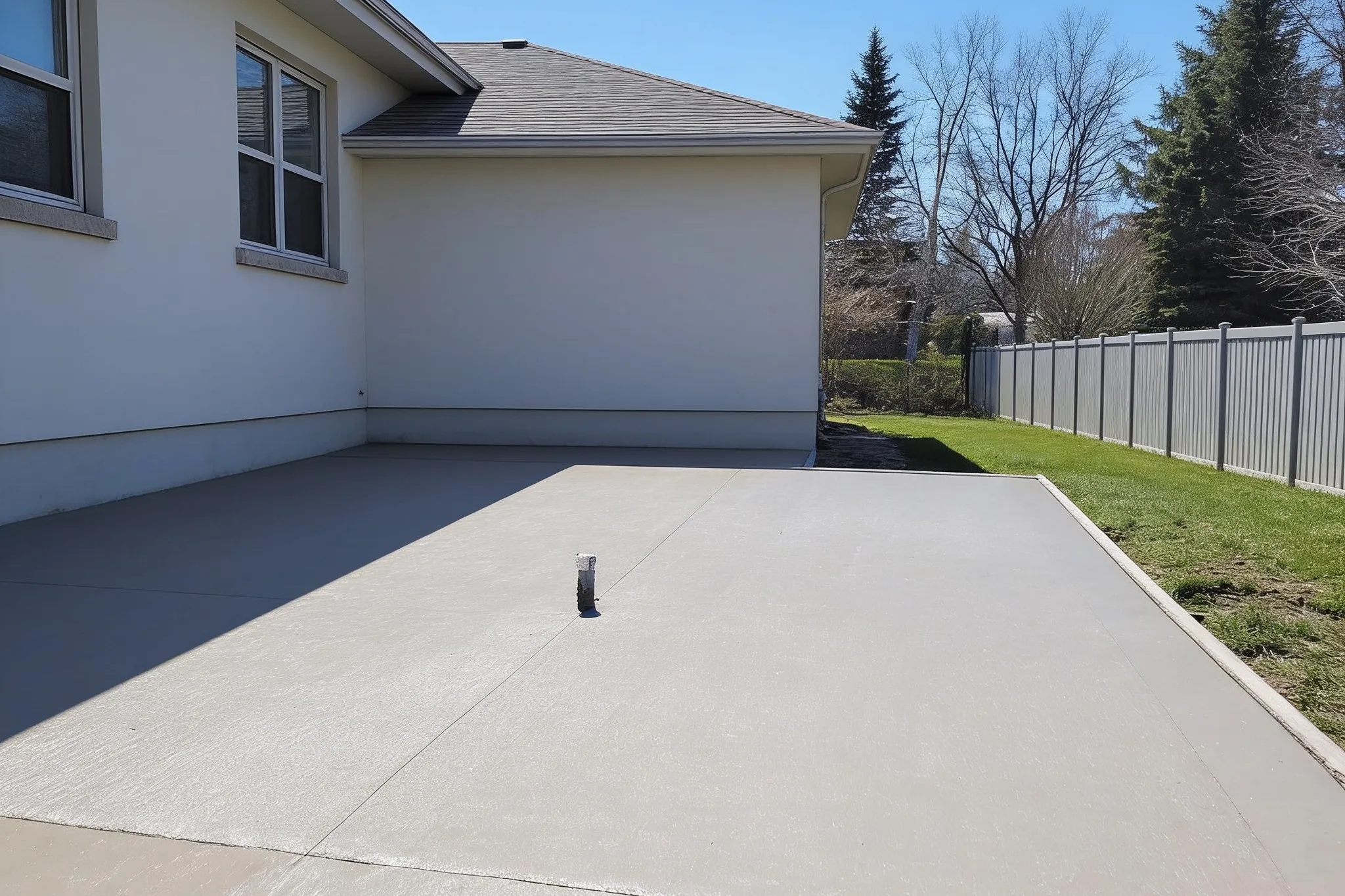
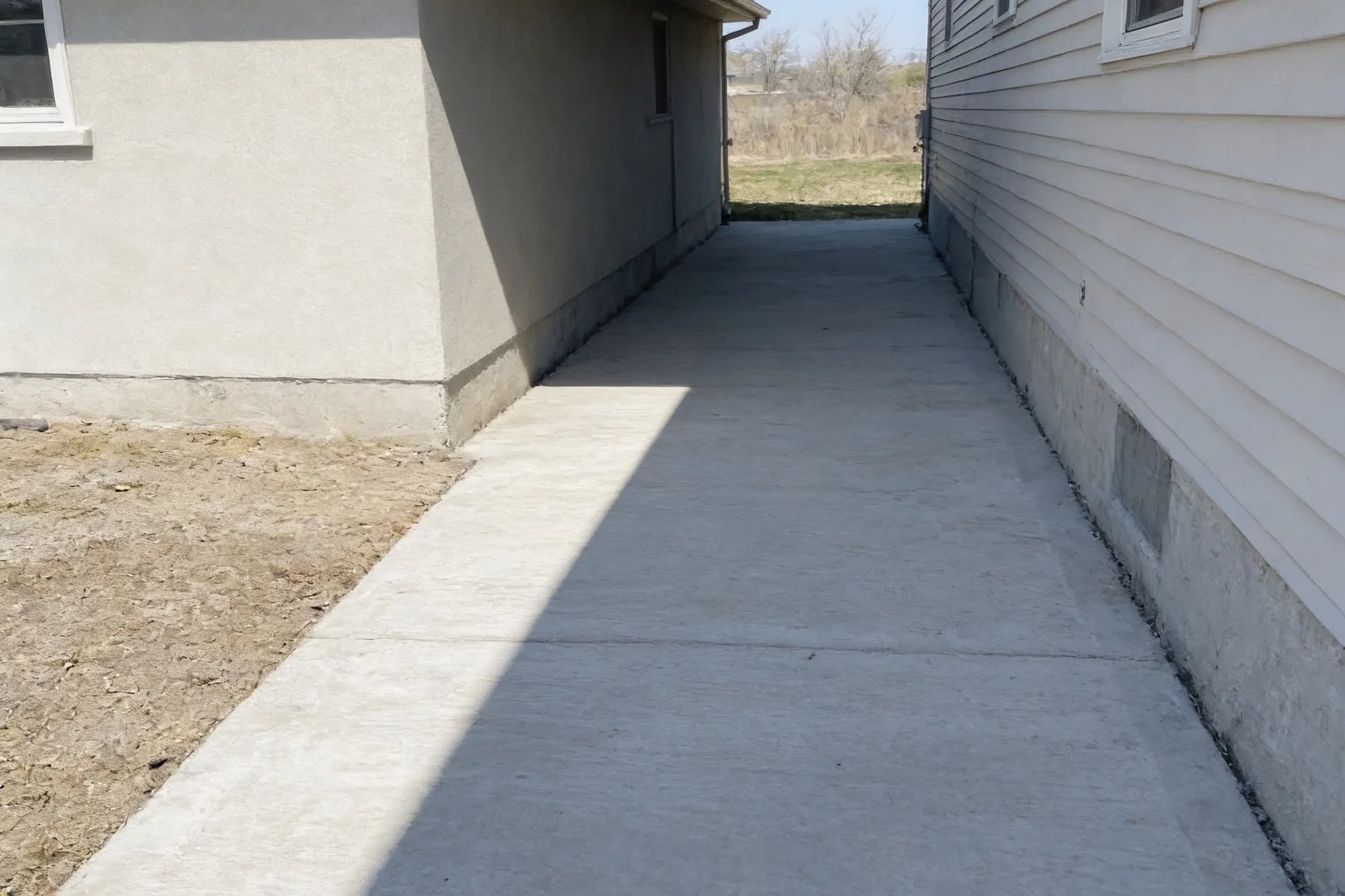
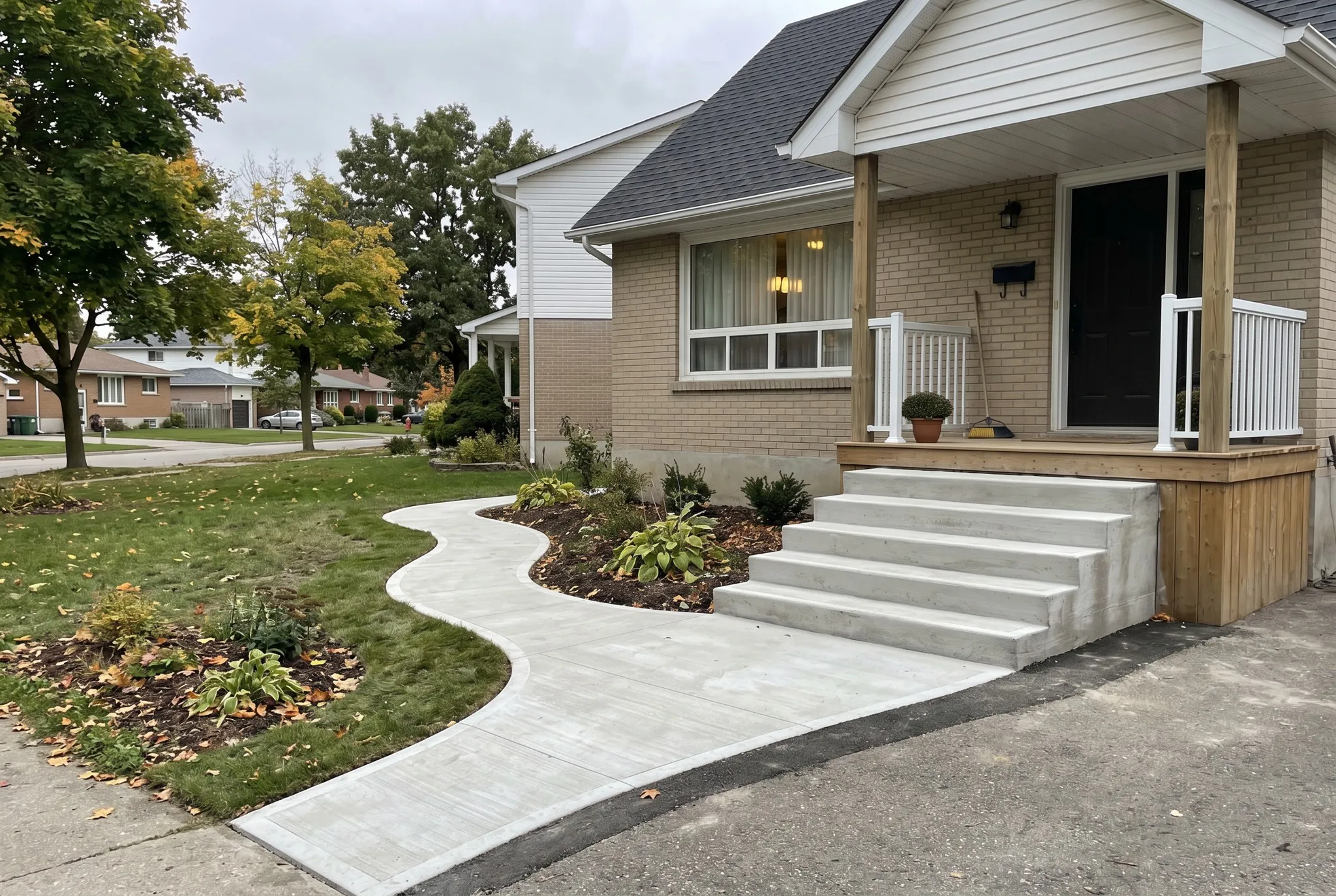
A slab in Toronto is often a pad fitted into a lot that already has a house, a fence and a neighbour close by. It might be a garage pad at the end of a laneway, a shed or hot tub pad in a narrow back yard, or the floor under a new laneway or garden suite. Near the lake the ground is lowland clay, and tight lots and laneways make access part of the job.
The full method, the 32 MPa air-entrained mix, the compacted Granular A base, the reinforcement and the cure times, is on our concrete slabs and garage pads page. This page covers what Toronto ground and Toronto lots change about the job. For everything else we do in the city, see our Toronto page.
Lakeshore clay: a base that drains
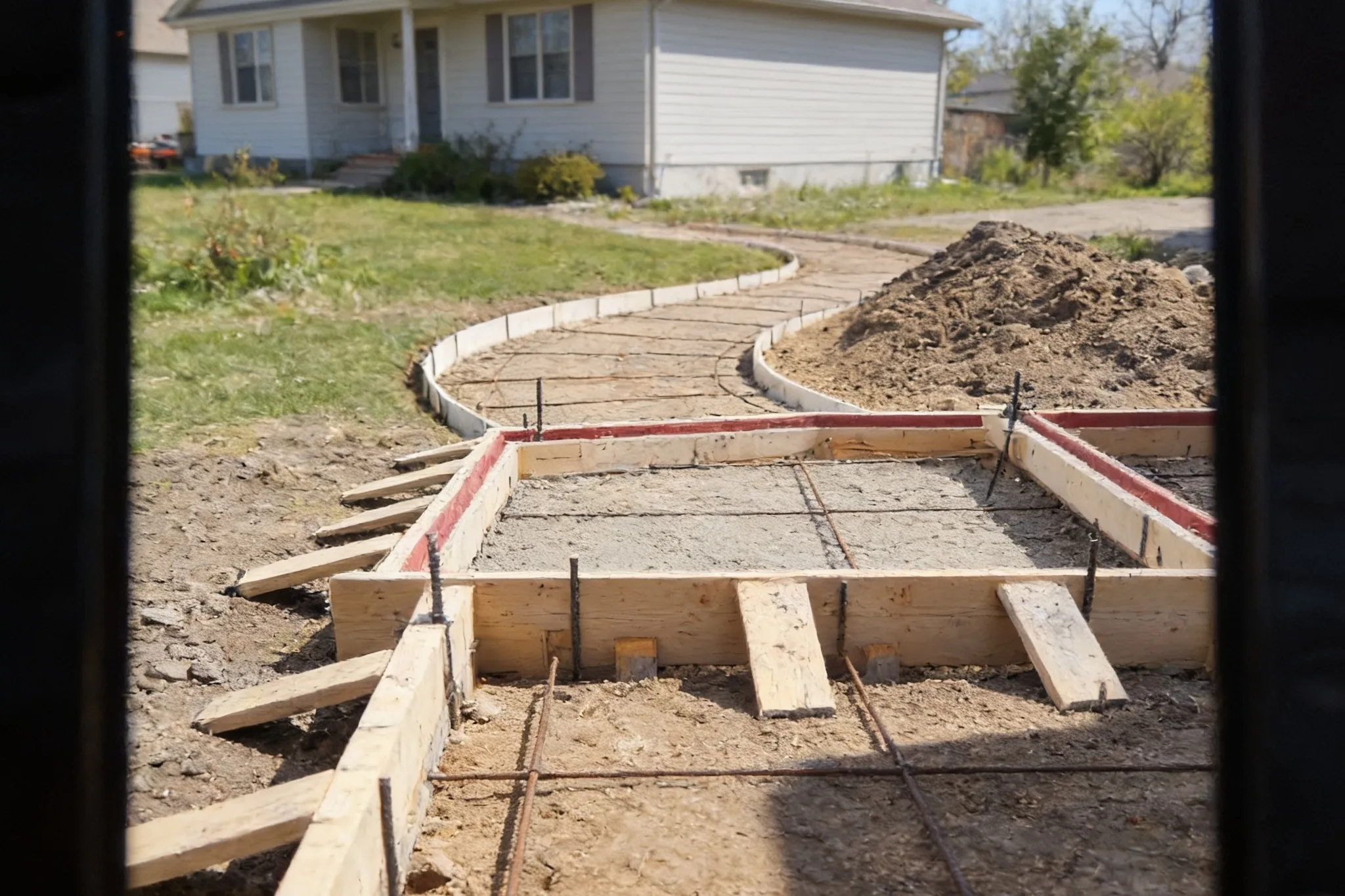
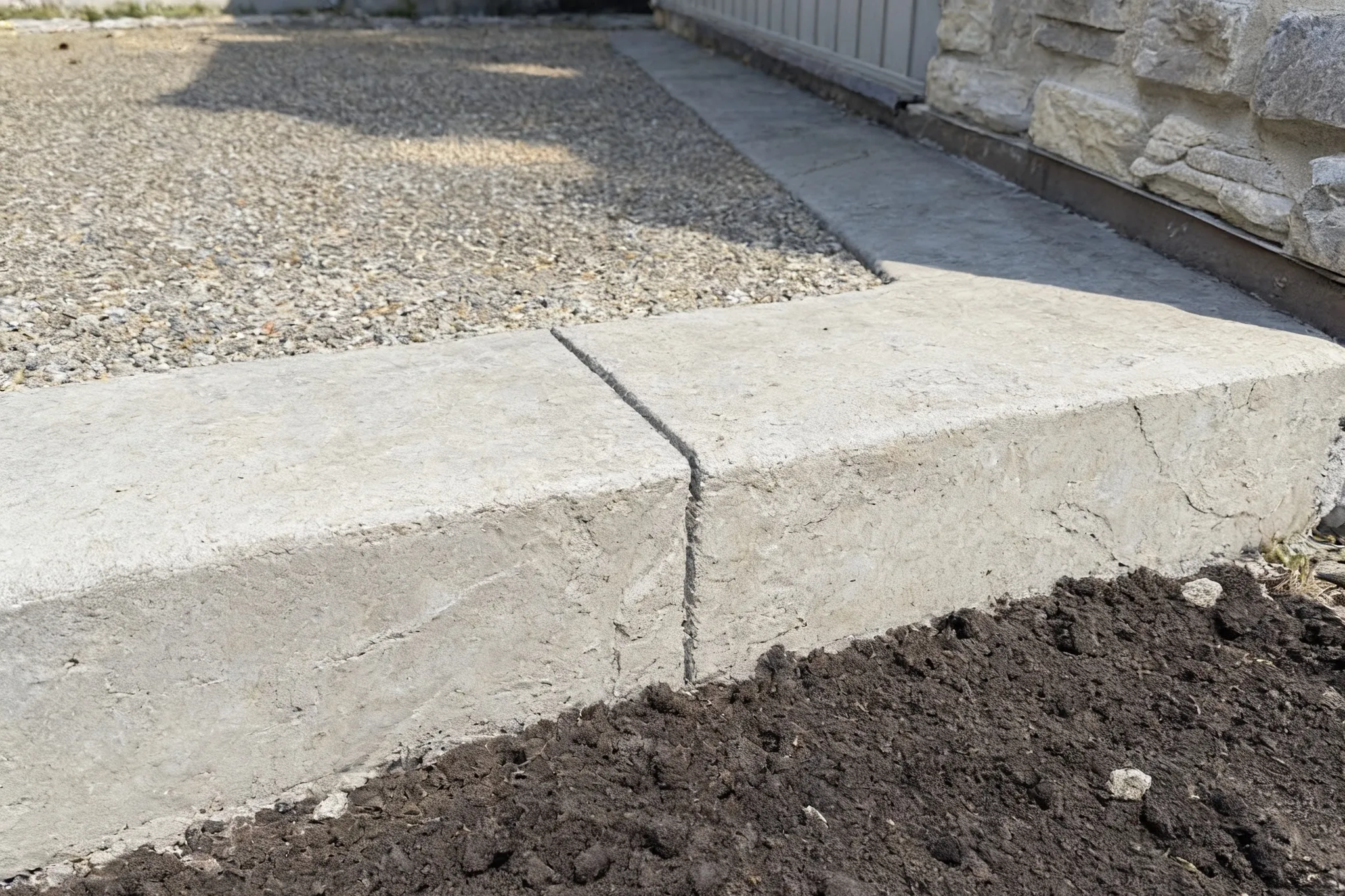
Toronto was built on the flat lowland an ancient lake left along Lake Ontario, and the ground there runs to fine clay and silt. Clay holds spring melt and rain, and when that water freezes it lifts whatever sits on it. A pad poured on scraped topsoil or a thin base tends to tilt or crack within a few winters.
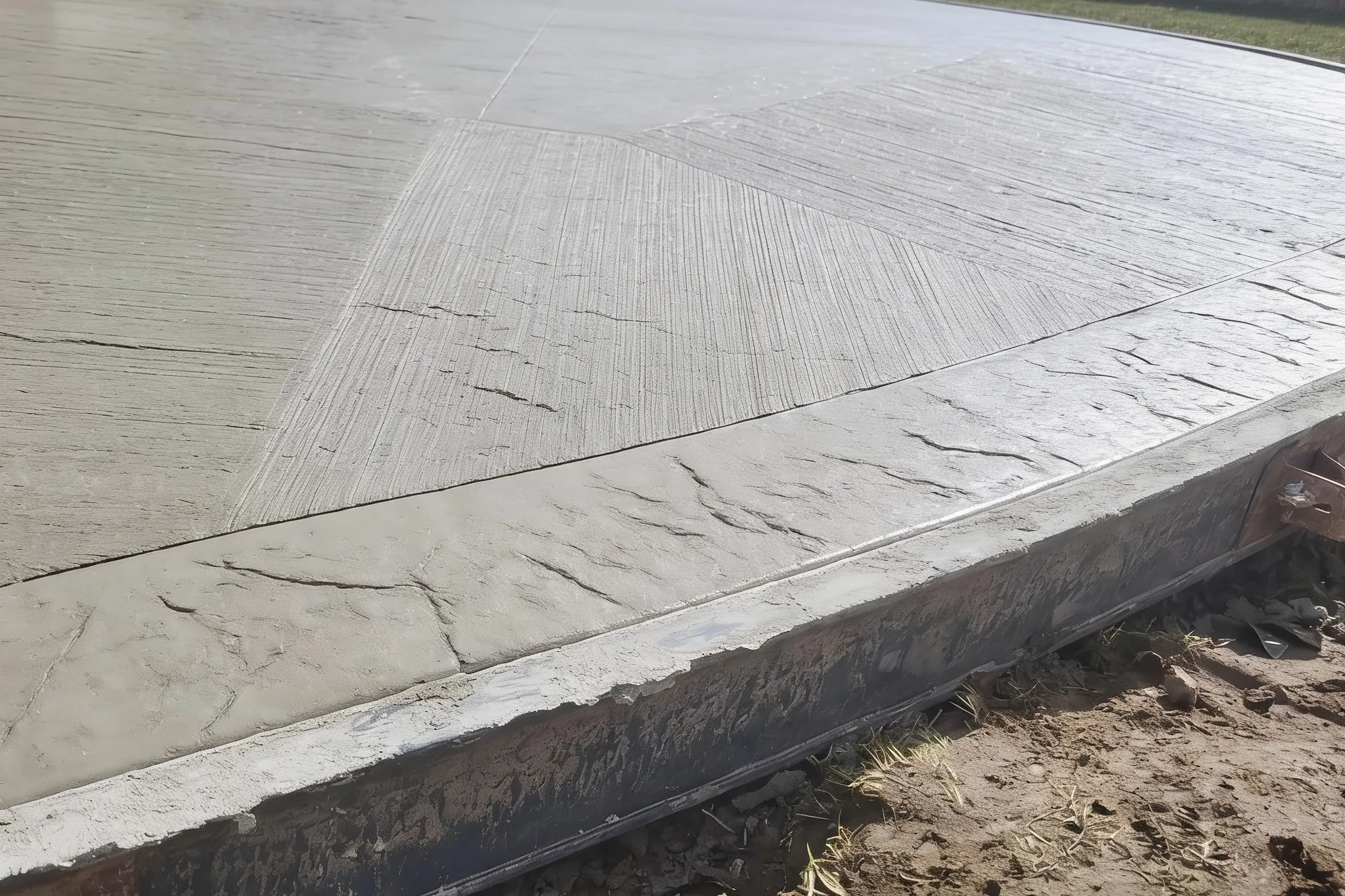
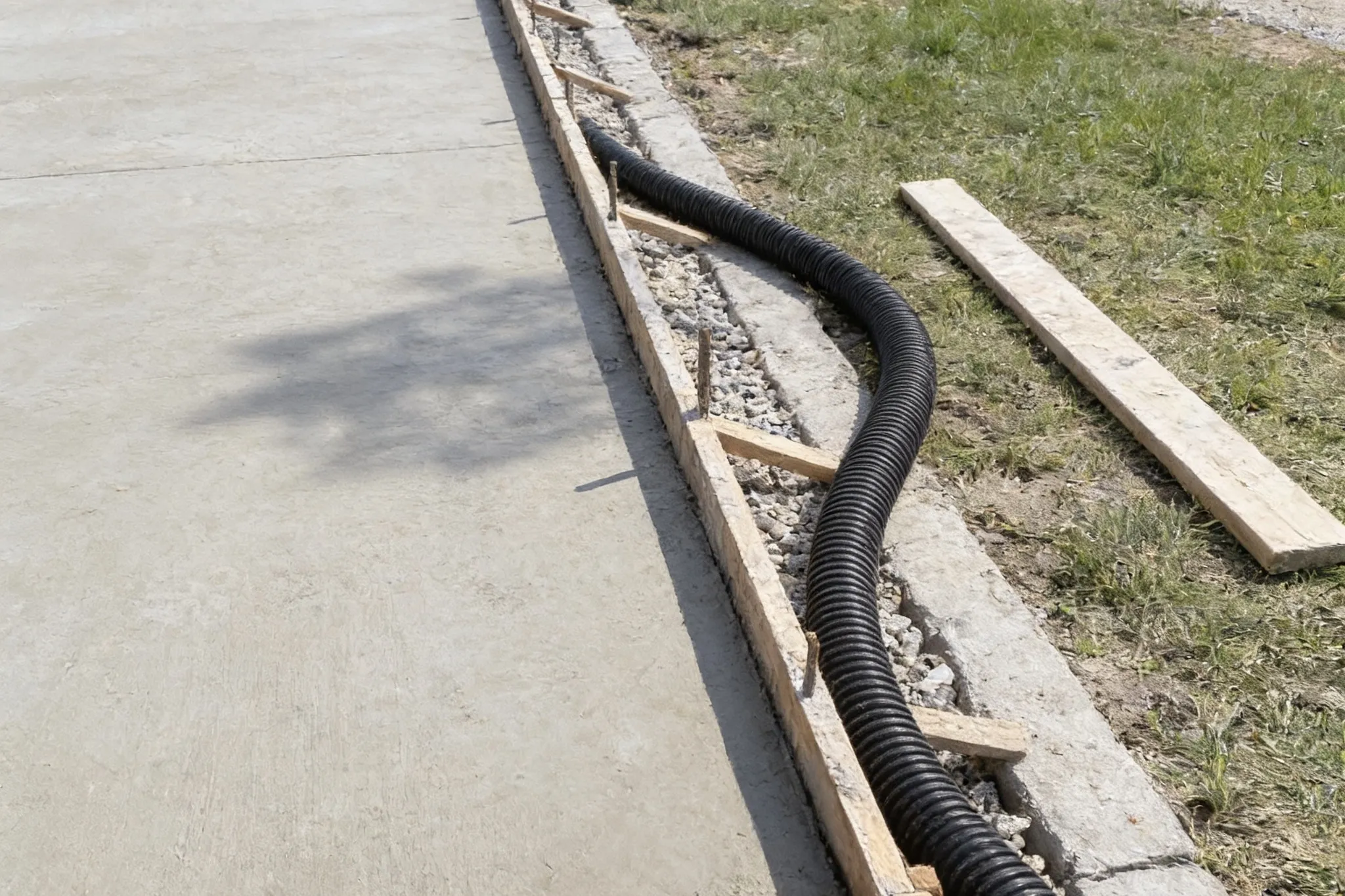
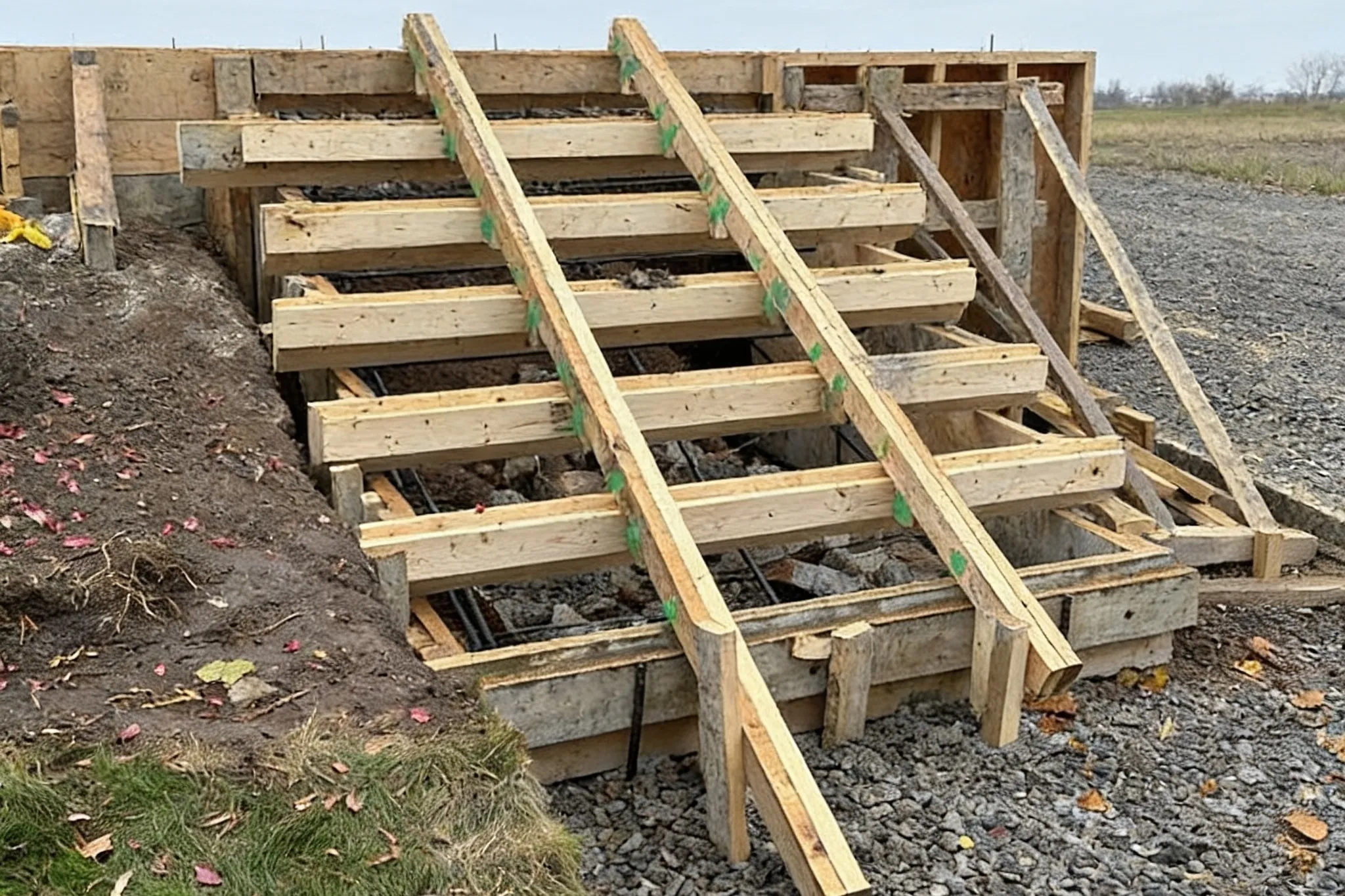
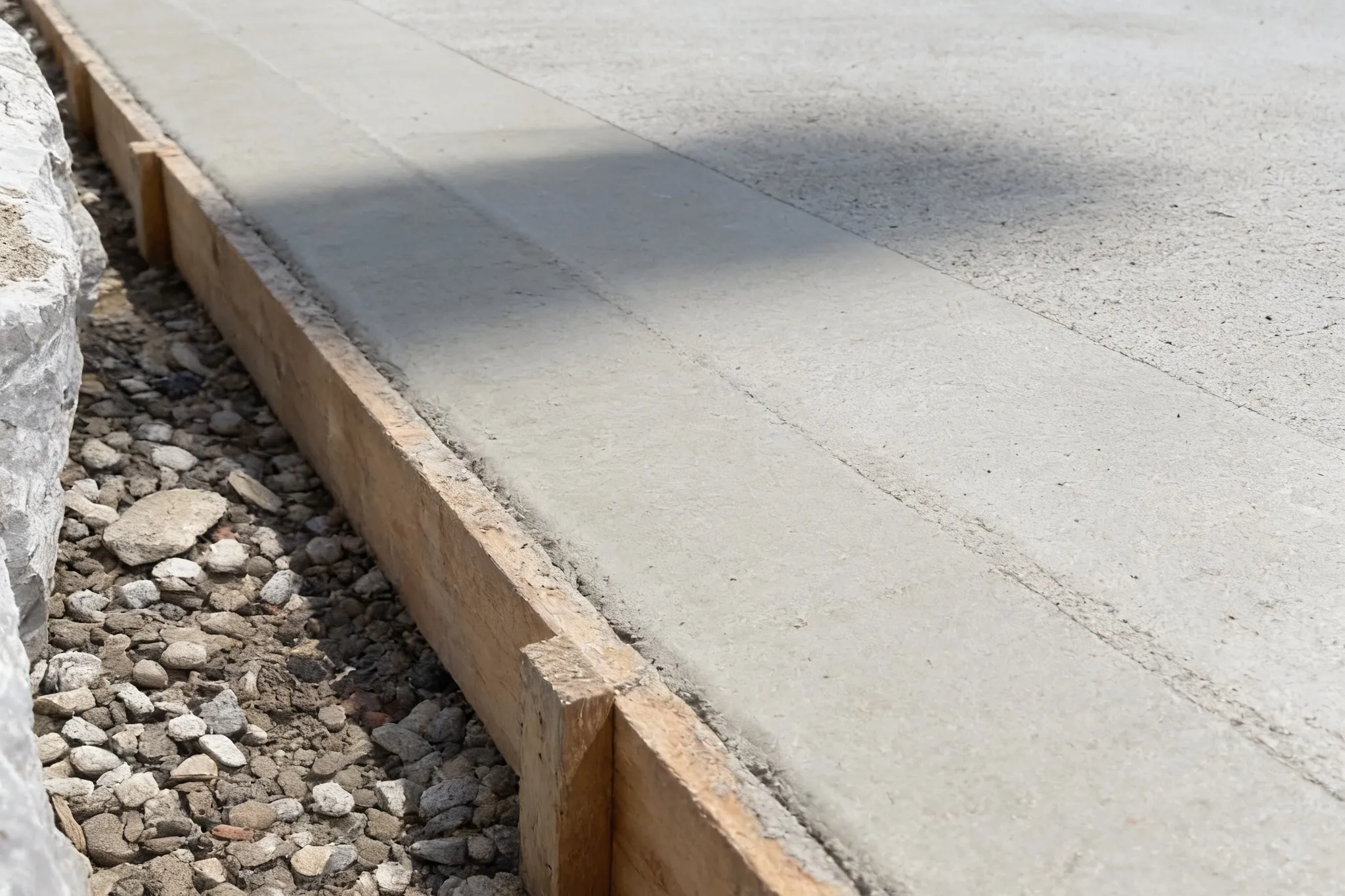
So we dig to stable ground and compact a Granular A base before we pour, deeper where soft or disturbed soil comes out. A detached garage floor gets 125 to 150 mm of 32 MPa air-entrained concrete on a 10M rebar grid at 400 mm, with the edges thickened to about 300 mm. Shed and hot tub pads get welded wire mesh. Near the Don, the Humber and the smaller ravines the ground stays damp well into the season, so we look at where water leaves the pad before we set the grade.
Tight lots and laneways: how the concrete gets there
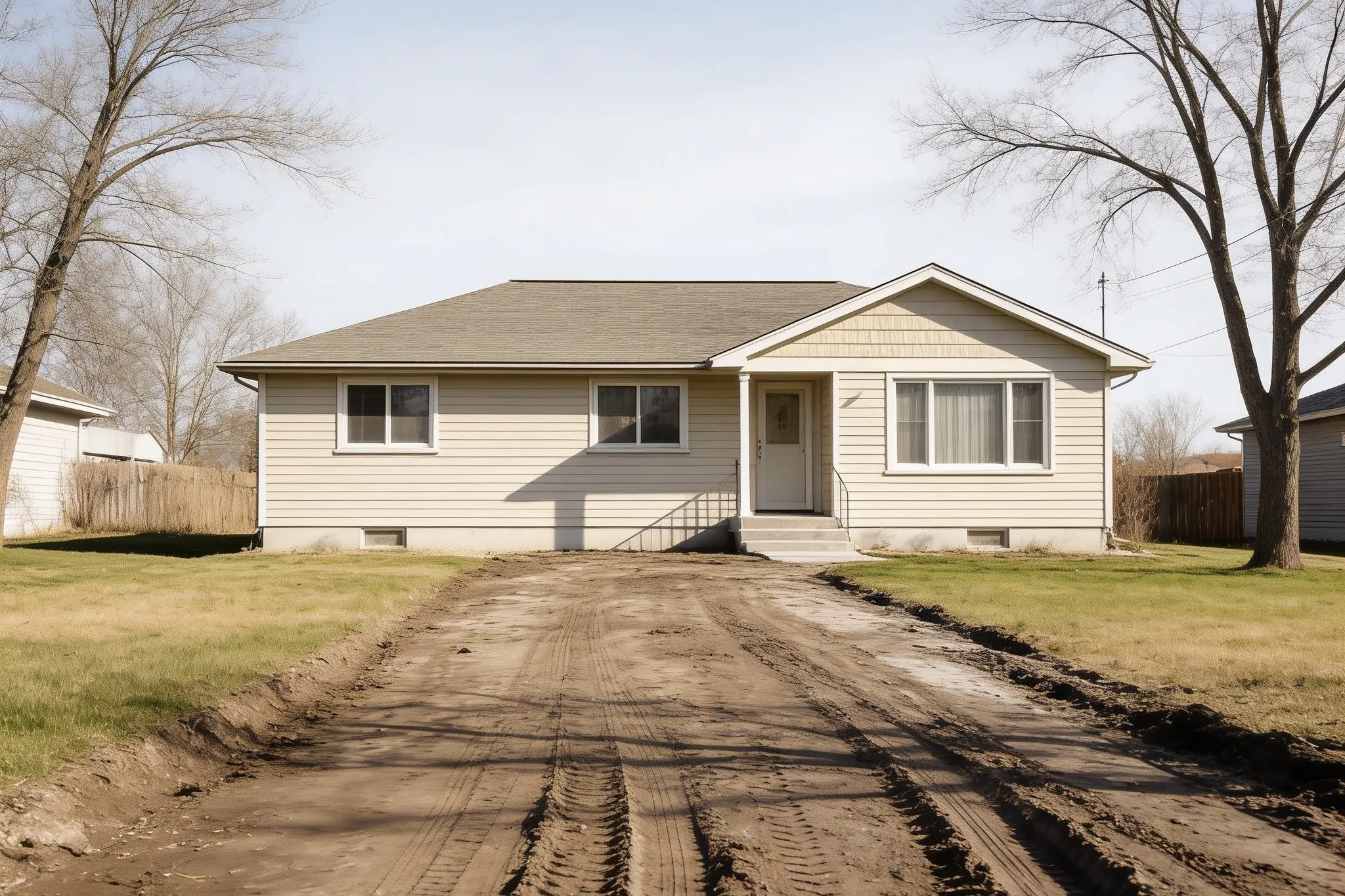
Most Toronto lots were laid out long before anyone planned a ready-mix truck. A garage at the end of a laneway or behind a mutual drive may be reached only through a narrow gap beside the house. We settle access at the site visit, before pour day: a chute from the street, a pump over the house, or wheelbarrows down a side yard.
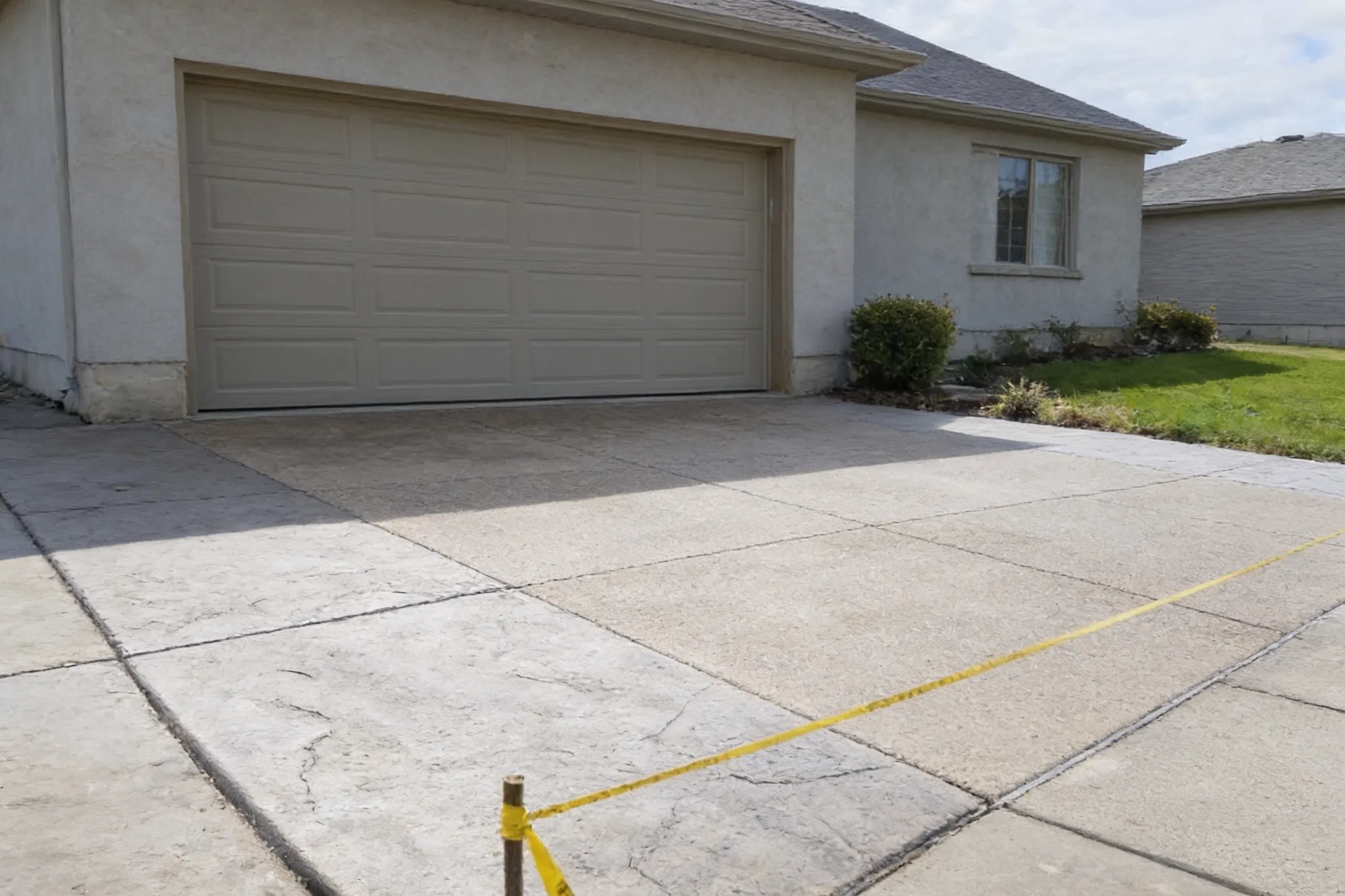
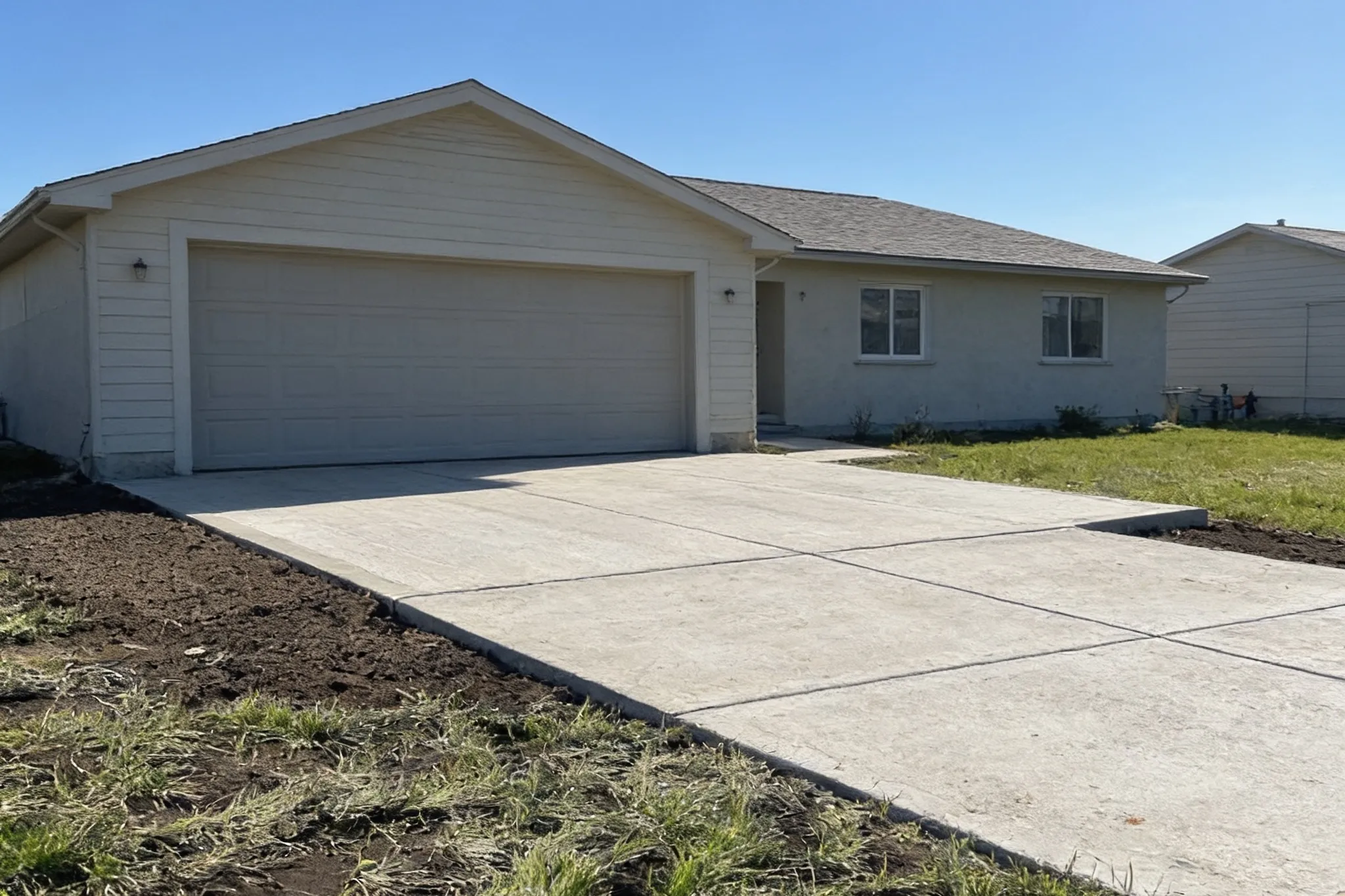
If you are widening a drive at the same time, pouring the pad and the driveway on the same day shares the truck and the crew day. Our Toronto driveway page covers that side, including shared drives. If an old slab sits where the new pad goes, the tear-out comes first, and we cover it in concrete removal in Toronto.
Laneway and garden suites, and the garage floor
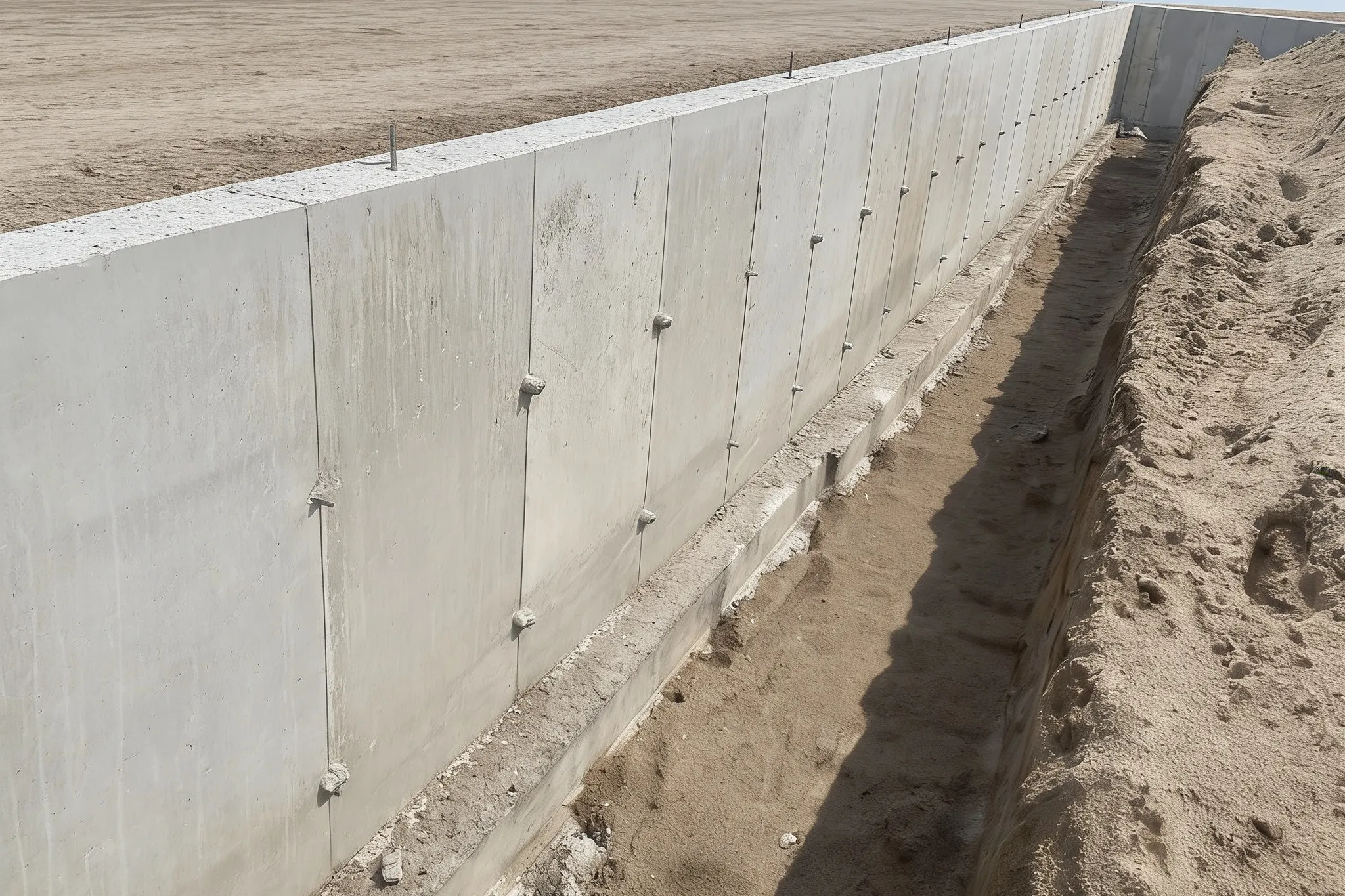
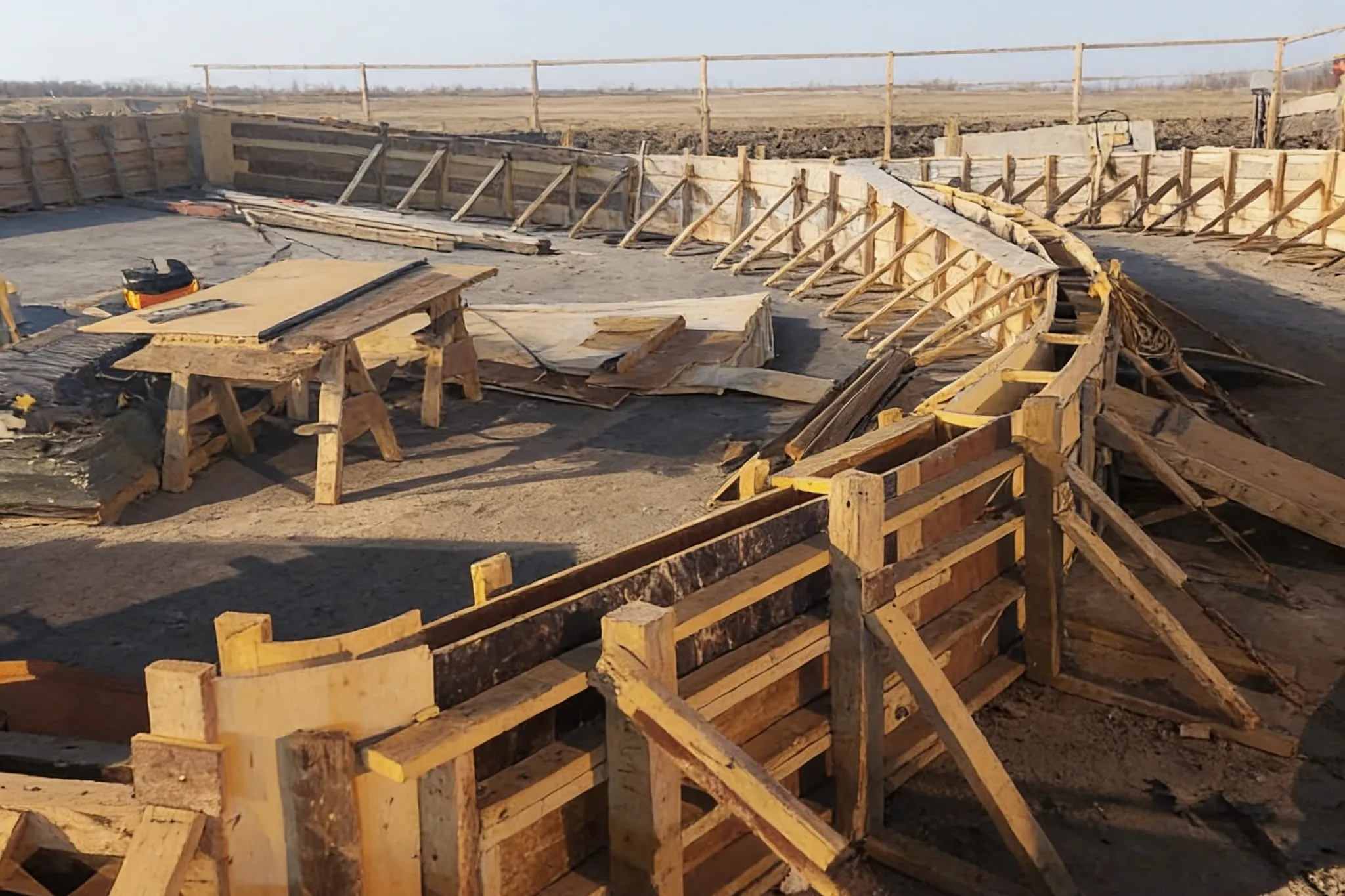
More older Toronto properties are adding laneway and garden suites, and the slab or footing under one has to be done right because access off a lane or through a back garden is tight. We build the base to the ground we find, and footings and slabs follow the engineering on your permit set.
A detached garage floor wants anchor bolts set in the wet concrete and a gentle slope toward the door so melt off the car drains out. Keep vehicles off a new floor for 48 hours at least, and framing waits about 7 days. Toronto sits at the far end of our range, so pads here go onto planned trips with real dates, never a same-day promise.
Straight answers
Can you pour a slab for a laneway or garden suite behind my Toronto house?
Yes. We visit first to see how a truck, a pump or wheelbarrows can reach the back of the lot, then build the base to the ground there. Footings and slabs follow the engineering on your permit set. The access plan goes in the written quote, so it is not a surprise on pour day.
Will a pad on Toronto clay heave in winter?
A floating pad still rides some minor frost movement, but a well-built one moves as one piece instead of tilting or cracking. Lakeshore clay holds water, and frost lifts what sits on it. So we dig to stable ground, compact a granular base deep enough to drain, and slope the pad so water runs away from the house.
Rebar or mesh for a garage pad in Toronto?
Rebar for anything that carries a vehicle: a 10M grid at 400 mm, with thickened edges on a floating garage slab. Mesh is right for light pads like sheds and hot tubs. The written quote names the reinforcement, so you can compare it with any other quote.
How much does a concrete pad cost in Toronto?
Size sets the start, then the load the pad carries, its thickness and reinforcement, the base your ground needs, and how the concrete reaches the spot. On a tight Toronto lot, access often moves the number most. A flat rate posted online would only mislead you. You get a free written quote after a site visit, and the number on the quote is the number you pay unless you change the job.
Keep reading
- Concrete Slabs & Garage Pads across Southern OntarioThe full method: base, thickness, reinforcement, anchors and cure.
- Concrete Contractors in TorontoEverything else we pour and repair in Toronto.
- Concrete Driveways in TorontoWidening or replacing a drive on the same day as the pad, including shared drives.
- Concrete Removal & Demolition in TorontoTear-out of an old slab on a tight lot before the new pad goes in.
- Concrete Slab and Garage Pad Cost FactorsHow load, thickness, reinforcement, base and access shape the quote.
Tell us about the job.
Send the details and we'll get back to you within one business day with next steps. If water is coming in right now, check the box and we flag it urgent.
Get a straight quote
Free · no pressure · 1 business day