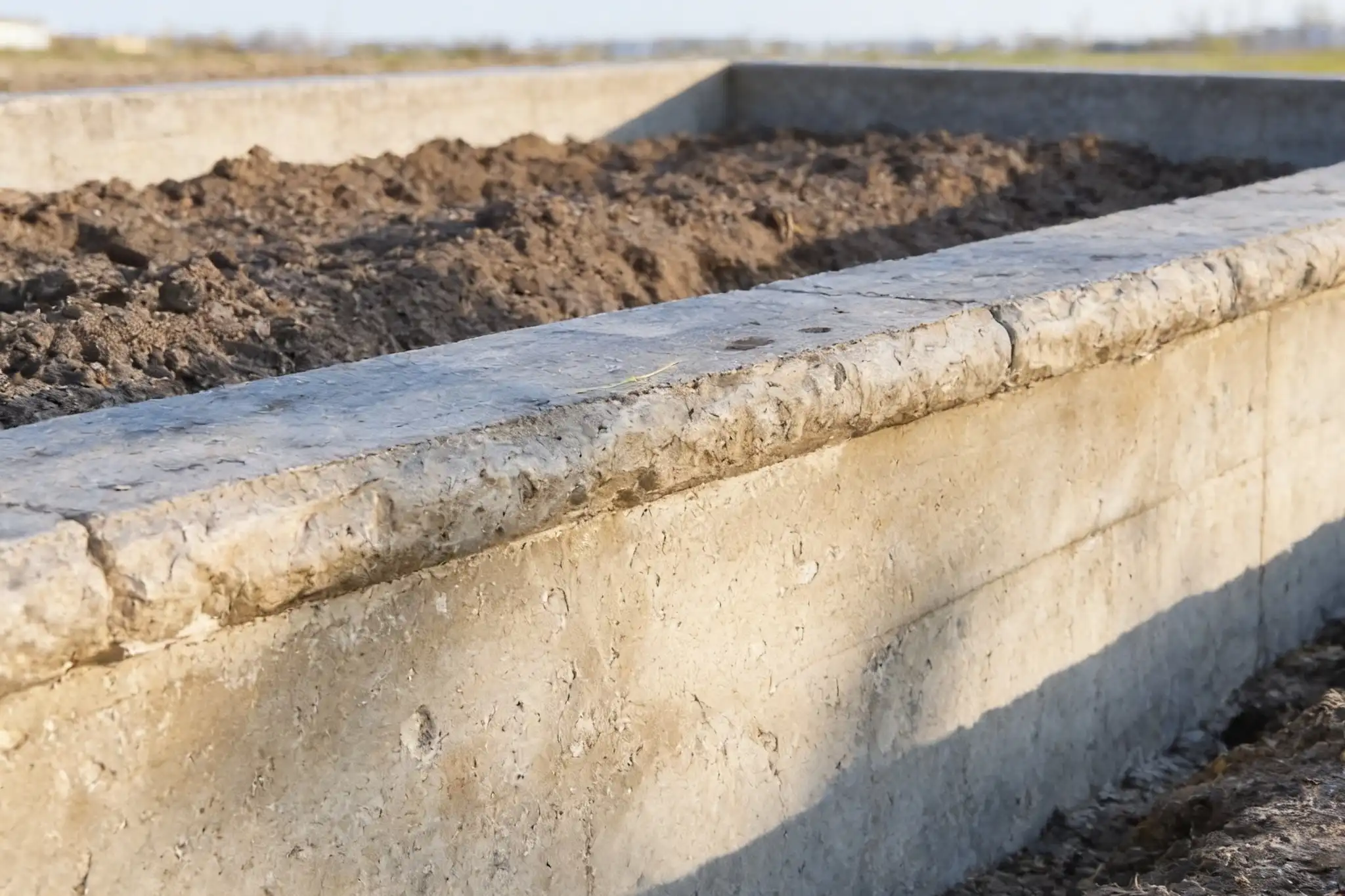
Parging in Burlington
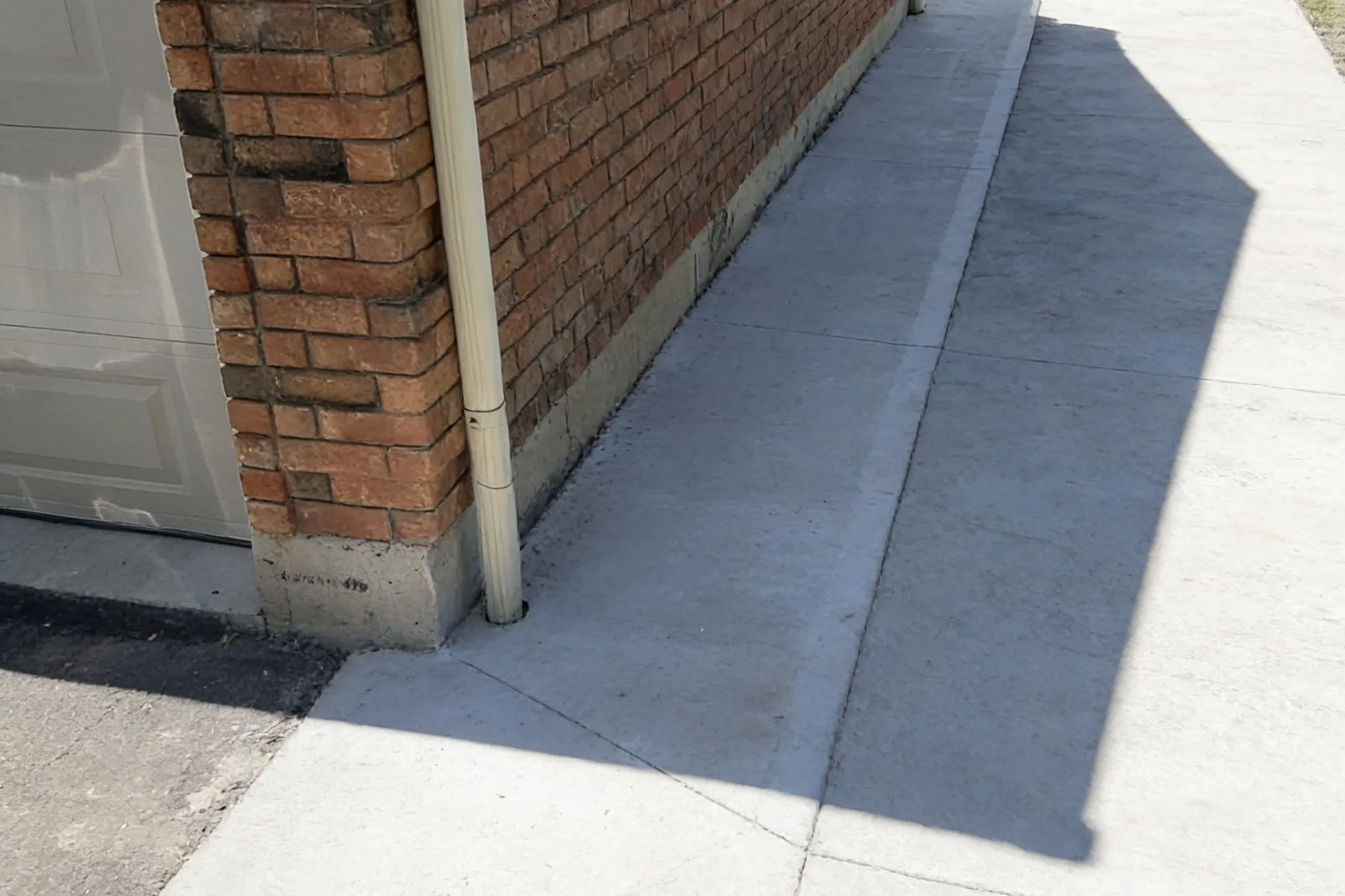
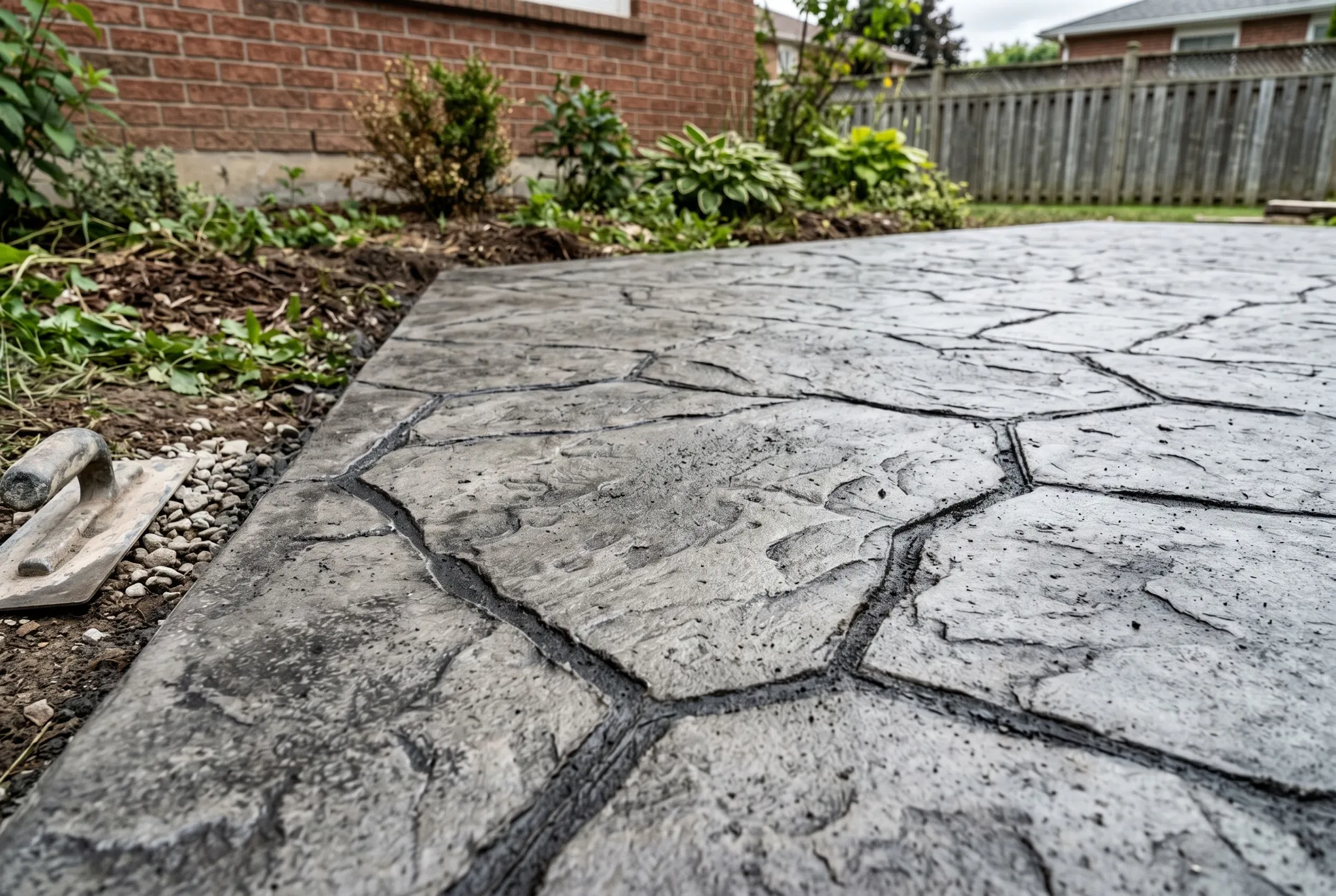
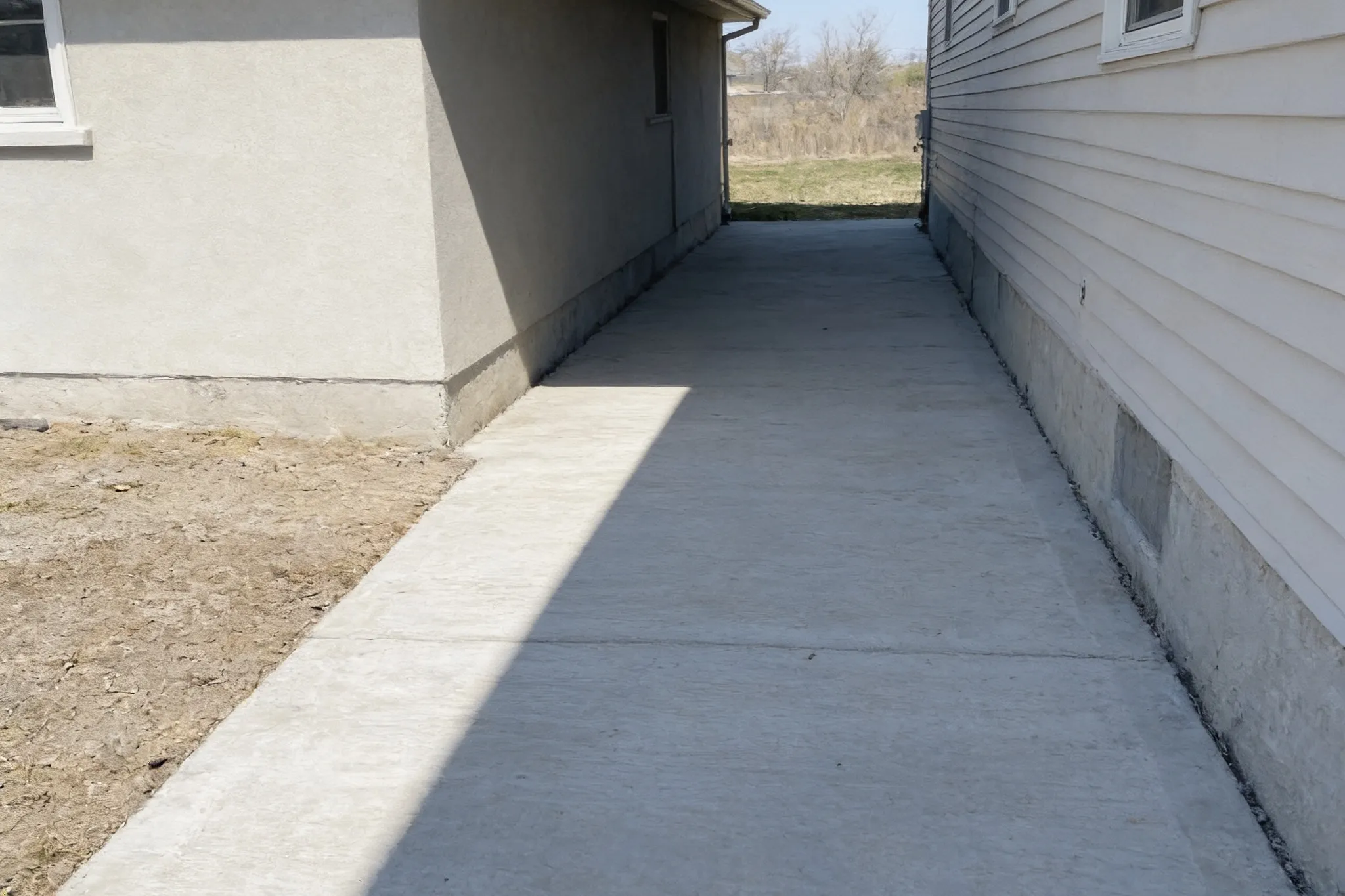
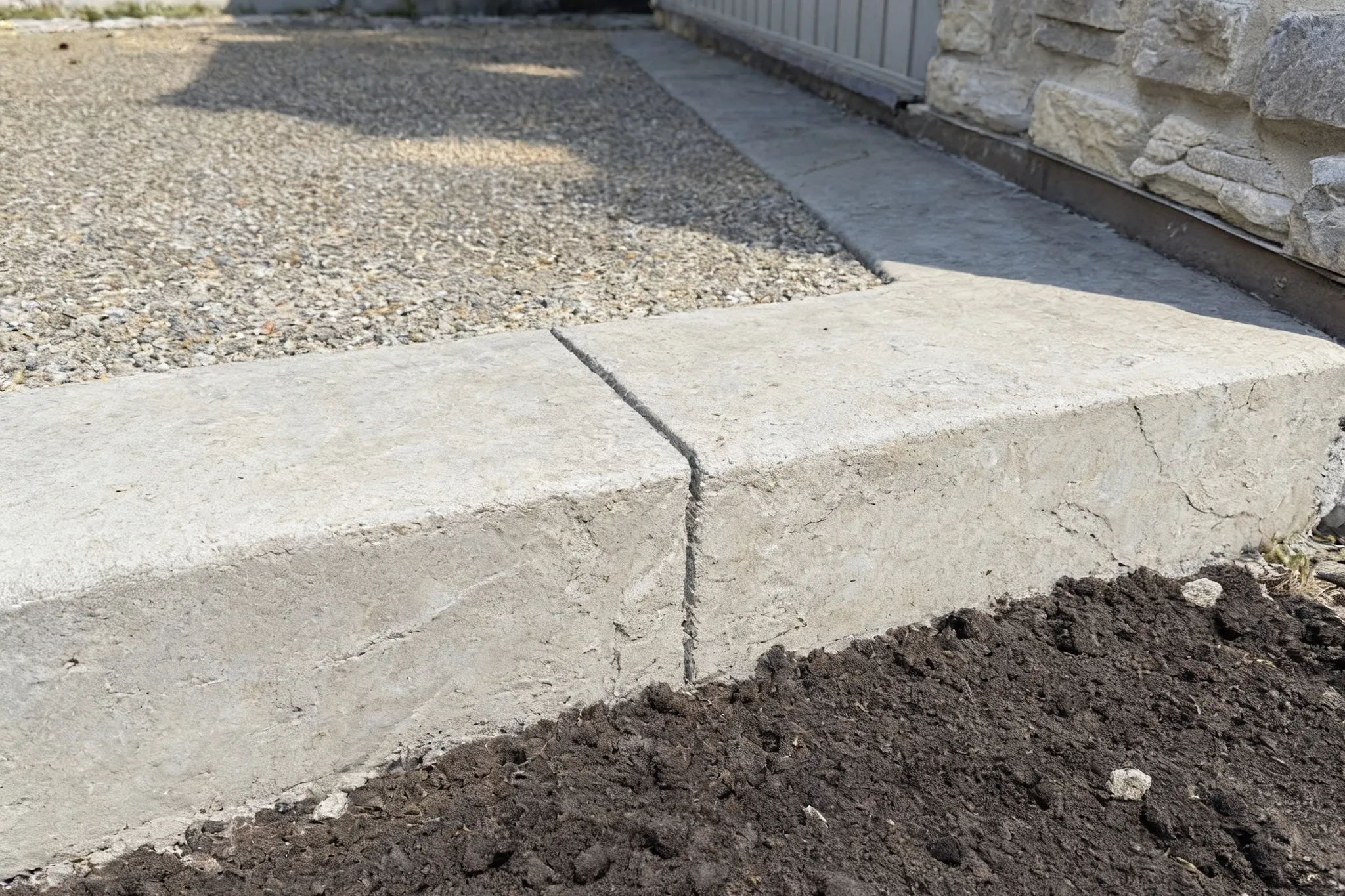
We re-parge the exposed foundation band on Burlington homes: the strip of mortar above grade that cracks, sounds hollow and falls away. Most of that work is in the older streets near the bay, where decades-old walls sit in clay that holds water. We strip back to sound material, bond a fresh coat and tell you if the wall needs more than parging. Union-certified crews, a free written quote, and a lifetime warranty on labour.
Get a straight quote
Free · no pressure · 1 business day
Reviewed June 2026
Every job is priced individually, not off a price list. Tell us about yours and you get an accurate, no-pressure quote in writing.
Burlington grew in waves, and the parging calls follow the waves. The lakeshore streets nearest downtown, Roseland, Shoreacres and Elizabeth Gardens, and the older streets in Aldershot along Plains Road carry postwar homes on foundations that are decades old. Alton Village in the northeast only broke ground in 2006, so its walls are still young.
Parging is a sacrificial skin. The band of mortar between the grade and the siding or brick takes the snow piled against it, the salt spray and the meltwater, so the wall behind it does not have to. When it cracks, sounds hollow when you tap it, or comes away in sheets, the wall behind starts to take the freeze-thaw damage the coat used to take.
The full method, the bonding agent, the two-pass coat on a rough wall and the mesh where the wall calls for it, is on our parging page. This page is about why parging fails on Burlington homes and what we check first. The quote is free and written, and the number on it is the number on the invoice unless you change the job.
Why parging lets go in the older south end
Start with the ground. Glacial Lake Iroquois left a blanket of silt and clay across the lower city, over red Queenston shale. That clay drains slowly and holds water against a foundation well after the snow is gone. Near the bay and the creek lowlands the water table also rides high in a wet spring.
A wall that stays damp at the bottom feeds water to the back of the parge coat. In winter that water freezes and pushes the coat off. Add the freeze-thaw swing off the open lake and road salt from the QEW and the 403, and an old coat on a postwar Aldershot or Roseland house has had many winters of that.
Paint makes it worse. A tired parge coat often gets painted to tidy it up, and the paint holds moisture in. If your parging has been painted, plan on stripping it back to sound material before any new coat goes on.
Newer north-end walls
Alton Village broke ground in 2006, and Headon Forest and Millcroft are newer north-end surveys. Whatever the age of the wall, the job is the same: prep the band, bond and coat it, and cure it right.
Parging or a water problem?
Parging is a weather skin, not waterproofing. It protects the wall above grade. It will not stop water that is coming through the foundation below grade. On the clay lots near the bay, that difference matters. If moisture pushes out from behind the coat, if the same crack opens again through every recoat, or if the basement inside is damp, a fresh coat on its own will not fix it.
Then the crack or the drainage gets handled first, and the parge goes on last. We do both, so we have no reason to sell you the wrong one. We parge above 5°C with a frost-free cure, roughly mid-April to October, so a wall that is shedding parge this fall gets a quote now and work in the next safe window.
Straight answers
The parging on my Aldershot or Roseland house is falling off. Why?
Those streets carry postwar homes with foundations that are decades old, on lake clay that holds water against the wall. Parging is a sacrificial skin that takes the freeze-thaw and salt, and after many winters it cracks, sounds hollow and falls away. We strip it back and check the wall behind it first, because on a damp wall a failing coat can also point to water coming through.
Will new parging fix my damp Burlington basement?
No. Parging is a weather skin above grade, not waterproofing. Near the bay the clay and the high spring water table can push water through a wall below grade, and a new coat will not stop that. The water problem gets fixed first, through our basement waterproofing or foundation repair work, and the parge goes on last.
Can you still parge this fall?
Parging needs temperatures above 5°C and a frost-free cure, roughly mid-April to October. A coat that freezes before it cures fails by spring, so we do not rush a late job. Send the form now for a free written quote, and the work goes into the next safe window.
How much does parging cost in Burlington?
There is no honest flat rate, because the cost is mostly prep. A sound wall that needs a fresh coat is the small end. A wall that sheds old parge in sheets, or has paint that must all come off first, takes more work. The height of the exposed band, mesh and access on your lot change it too. The quote is free and in writing, and we reply within one business day.
Keep reading
- Parging across Southern OntarioThe full method: prep, bonding agent, coat thickness, mesh and the cure window.
- Concrete Contractors in BurlingtonEverything else we pour and repair across the city, from Aldershot to Alton Village.
- Basement Waterproofing in BurlingtonWhen water comes through a wall near the bay below grade, fix that first, then parge.
- Foundation RepairWhen the same crack opens through every recoat, the wall needs repair before a new coat.
Tell us about the job.
Send the details and we'll get back to you within one business day with next steps. If water is coming in right now, check the box and we flag it urgent.
Get a straight quote
Free · no pressure · 1 business day