HomeServicesBasement WaterproofingFergus
Basement Waterproofing in Fergus
In Fergus, a wet basement usually comes from one of two places: an old limestone foundation down near the Grand River, where the water table sits higher, or a newer home up the hill on clay-loam that holds water against the wall. We waterproof from the inside with a weeping-tile system and sump, or from outside with excavation and a membrane, and we pick the one your wall needs after we see where the water gets in. The written quote is free, the labour is warranted for life, and from October to March an active leak can be flagged urgent.
Get a straight quote
Free · no pressure · 1 business day
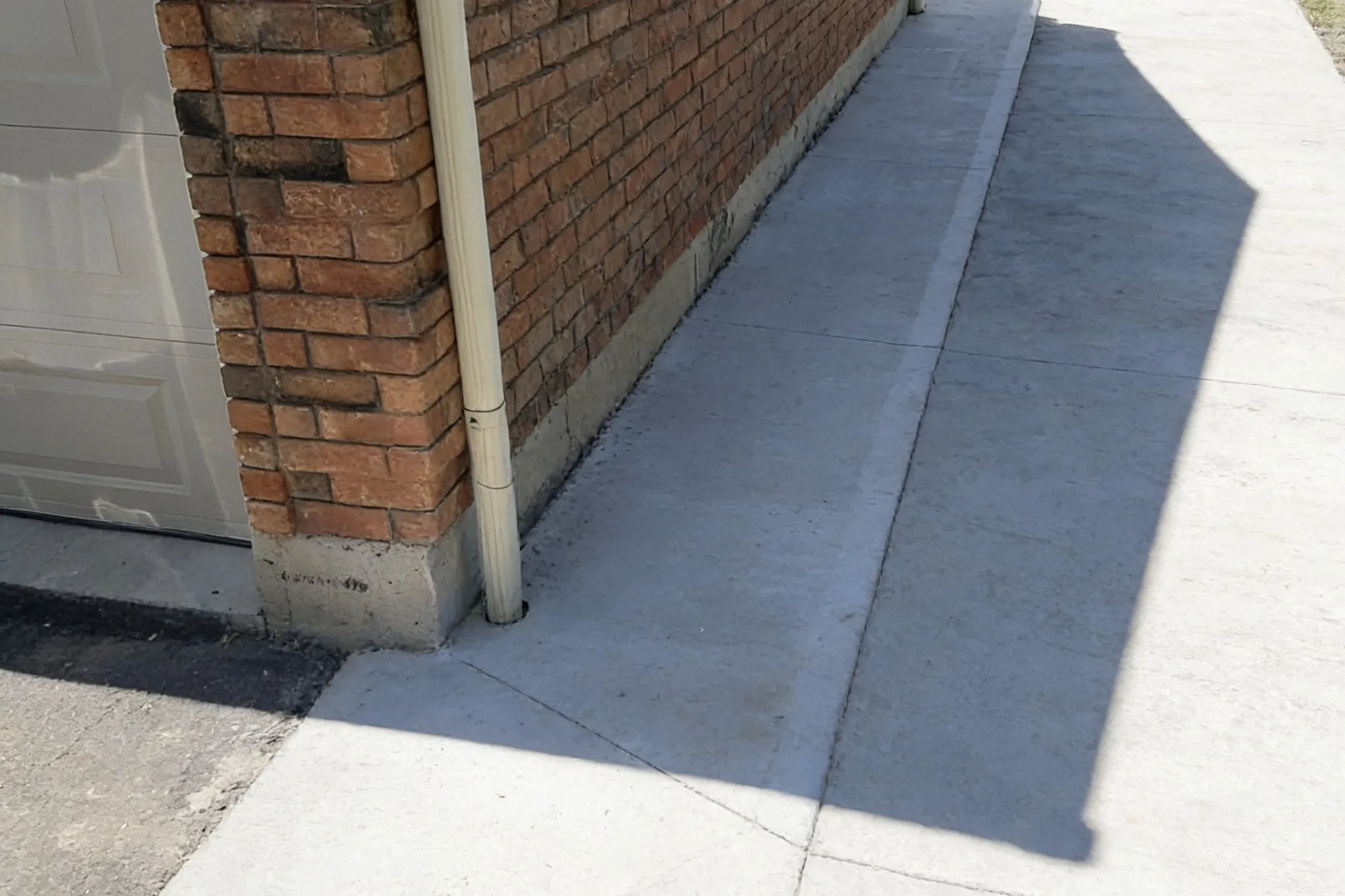
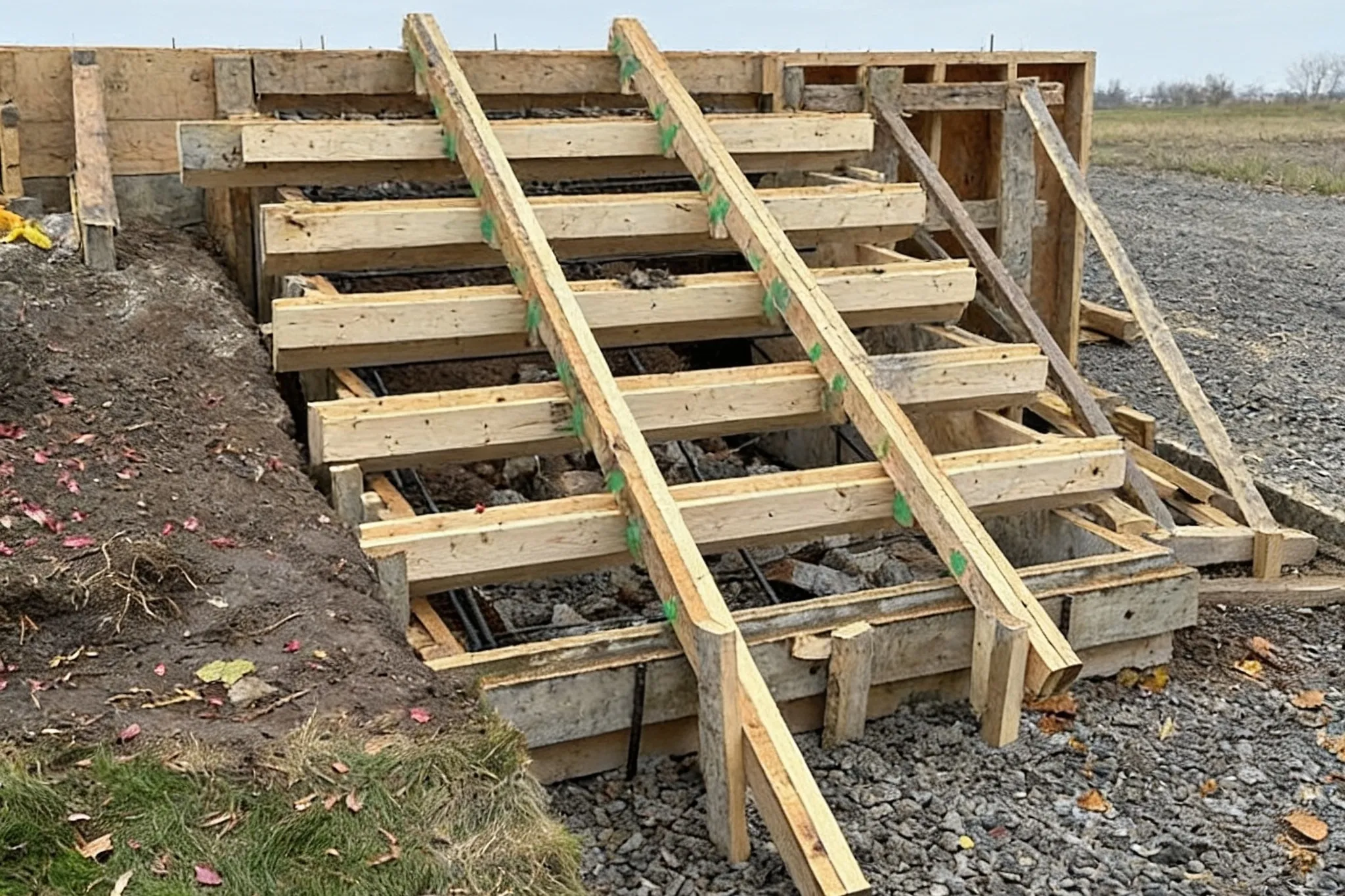
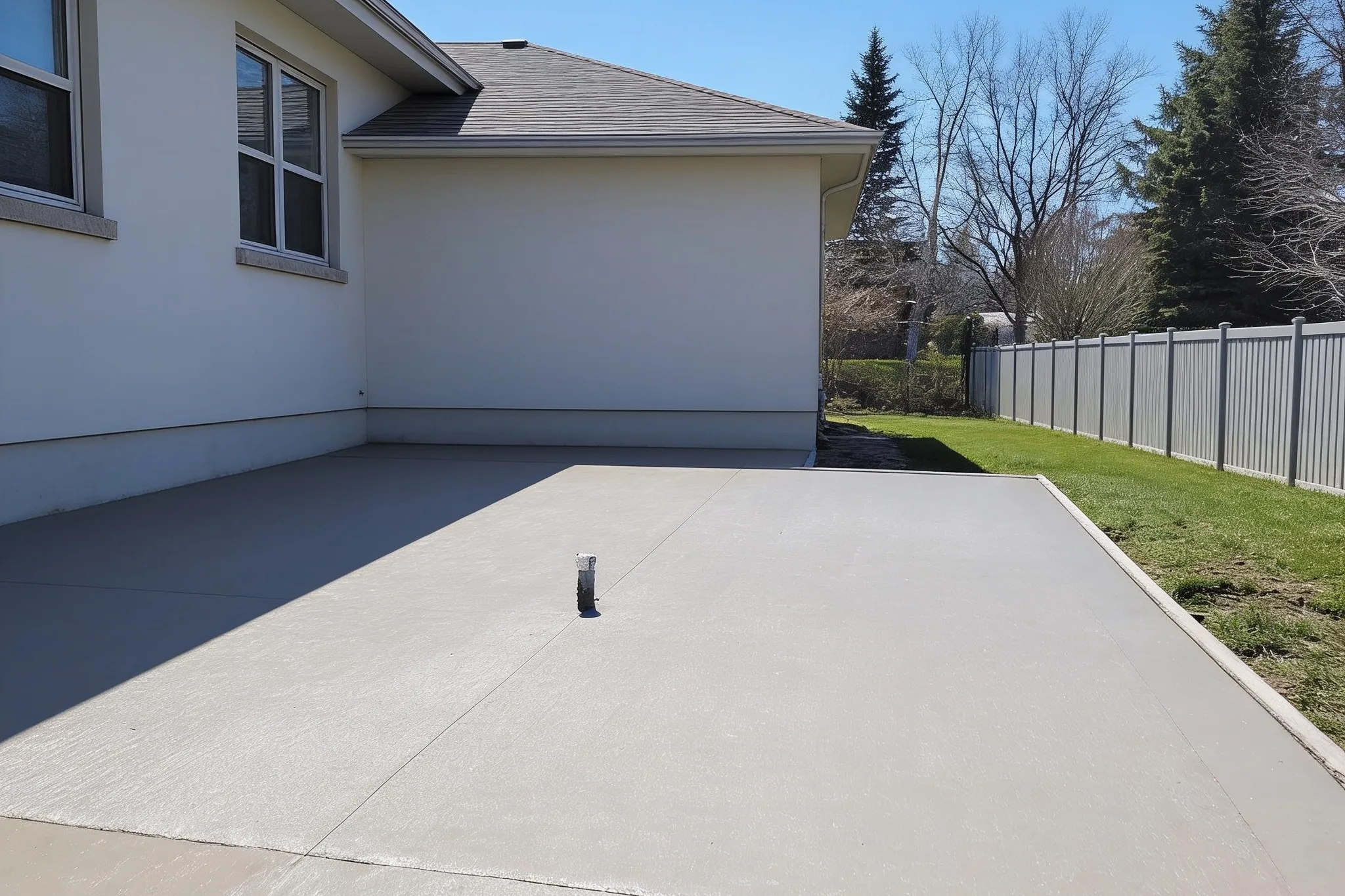
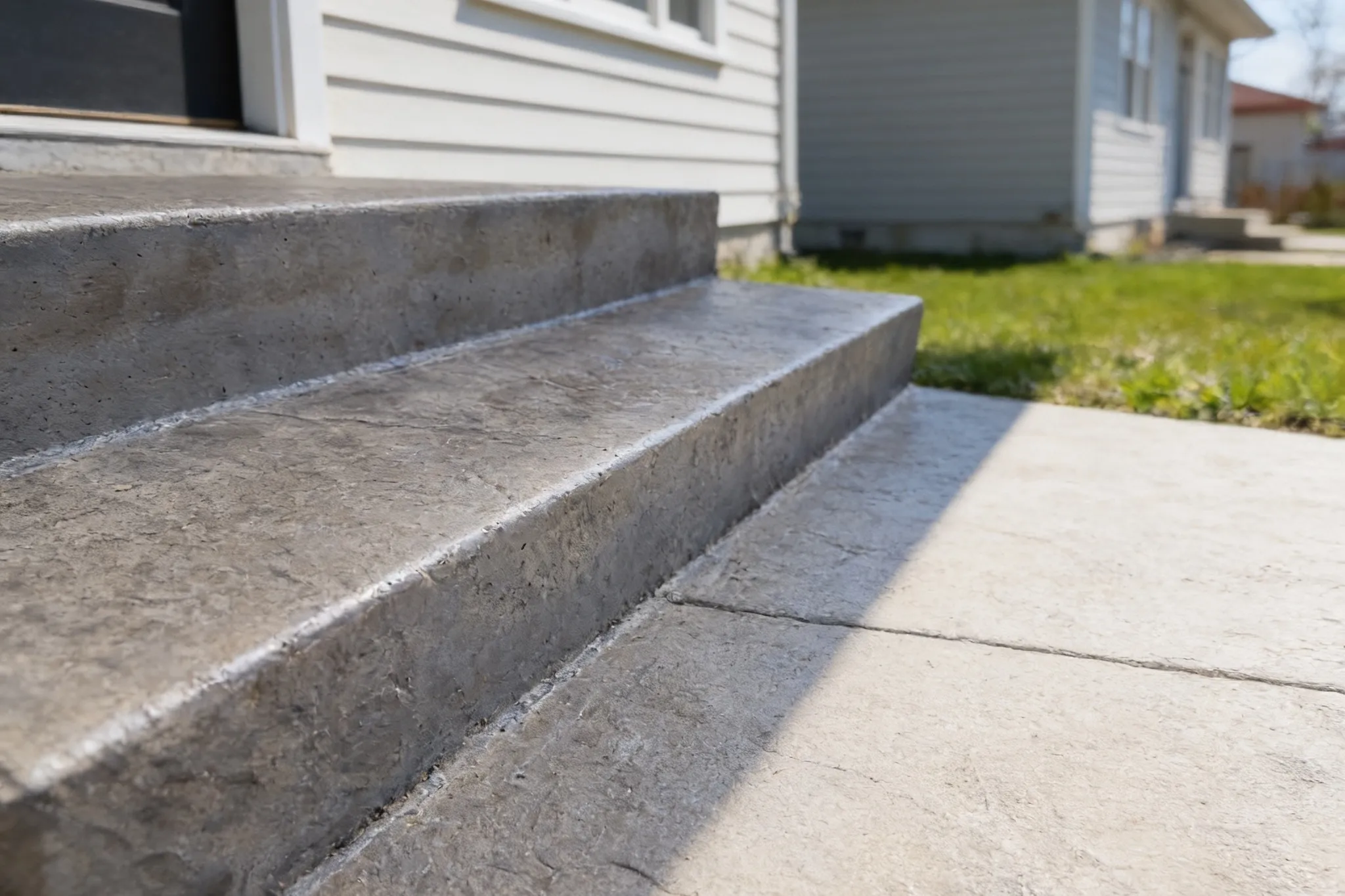
Reviewed June 2026
Every job is priced individually, not off a price list. Tell us about yours and you get an accurate, no-pressure quote in writing.
Fergus is a stone town on a river. The Grand flows right through the downtown heritage centre between limestone banks, and the oldest streets are full of stone buildings put up from the town's founding in 1833 onward. That history is the reason so many Fergus basements take on water: a stone foundation laid long before modern sealing, sitting close to the river, has open joints and a high water table working against it every spring.
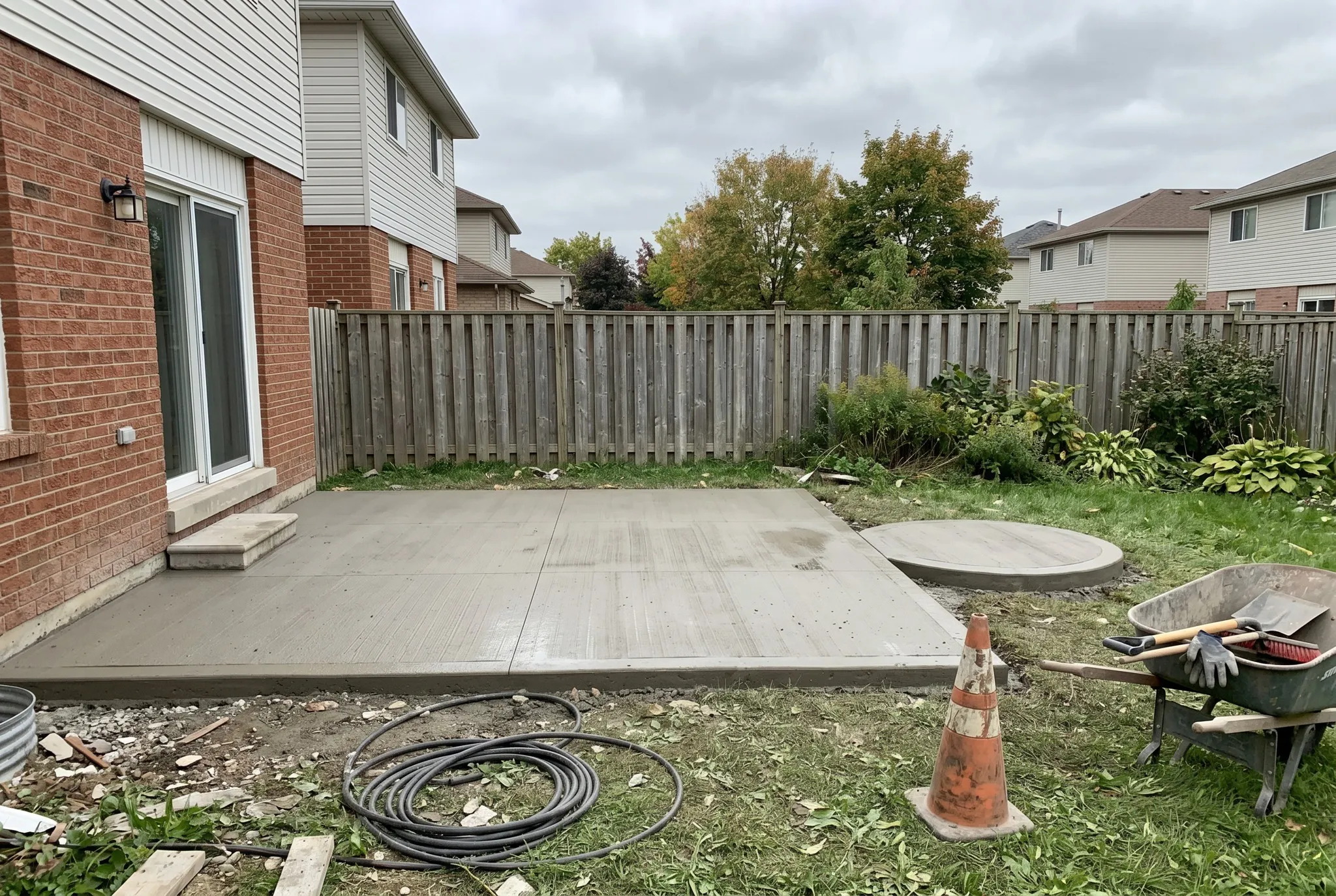
The rest of town is newer. Fergus keeps growing as new homes go in at its edges, and those houses sit up on the drumlin clay-loam that covers this part of Wellington County. Clay-loam drains slowly and stays wet against a foundation long after a storm or a thaw, so a newer poured wall can leak at a crack, a tie hole or the joint where the floor meets the wall, even though the house is only a few years old.
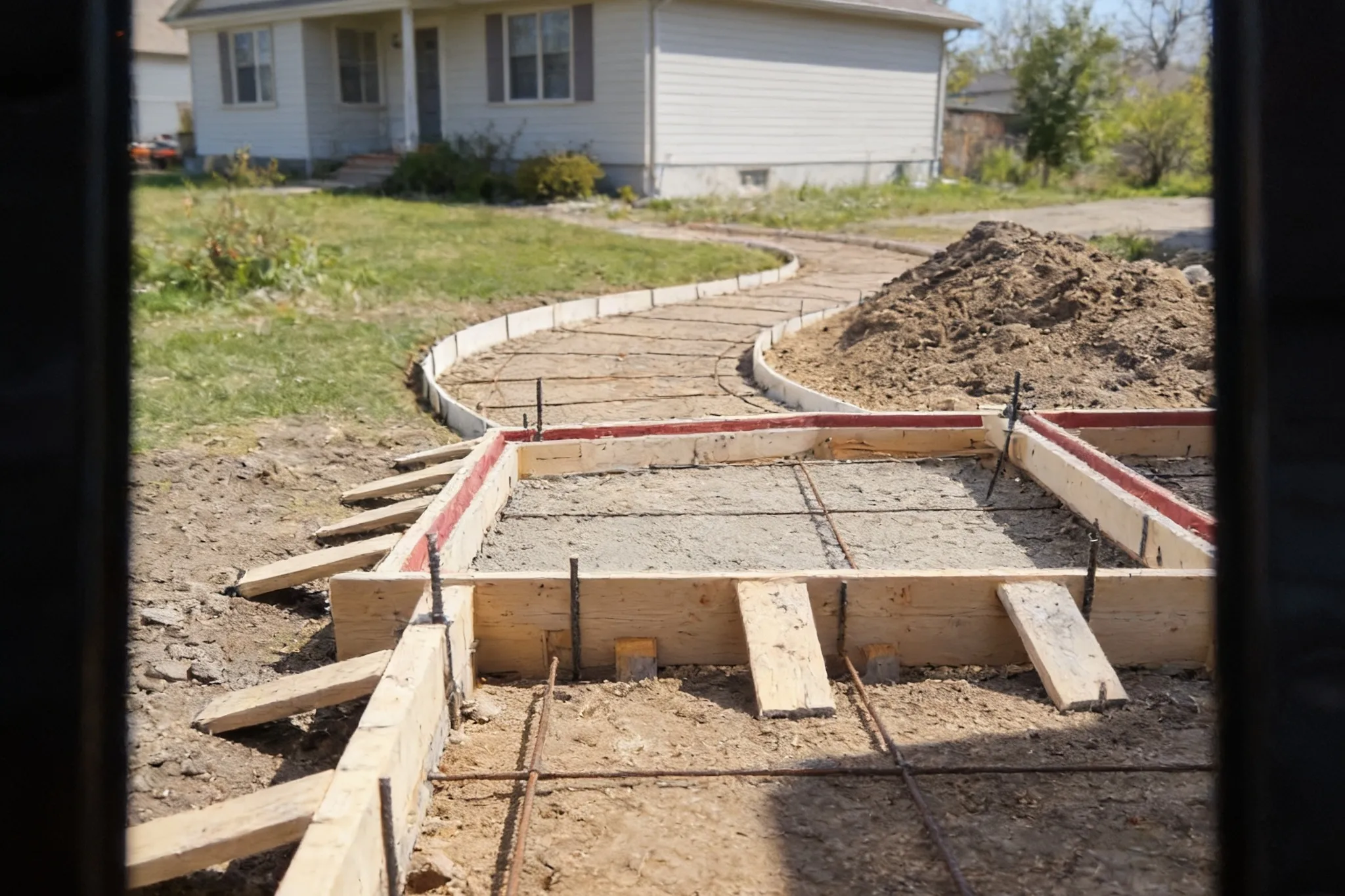
The full method, from weeping tile and sump to exterior membrane, is on our basement waterproofing page. This page is about why Fergus basements get wet and how we handle the two kinds of home here. Send the form for a free written quote.
Stone foundations near the Grand River gorge
The homes around the old core, close to the gorge, stand on limestone foundations. Stone lets water through along its mortar joints, not at one tidy crack, and over the years the mortar washes out and the old parging falls away. These streets also sit lower, nearer the river, where the water table is higher and the spring melt stays in the ground longer than it does up the hill.
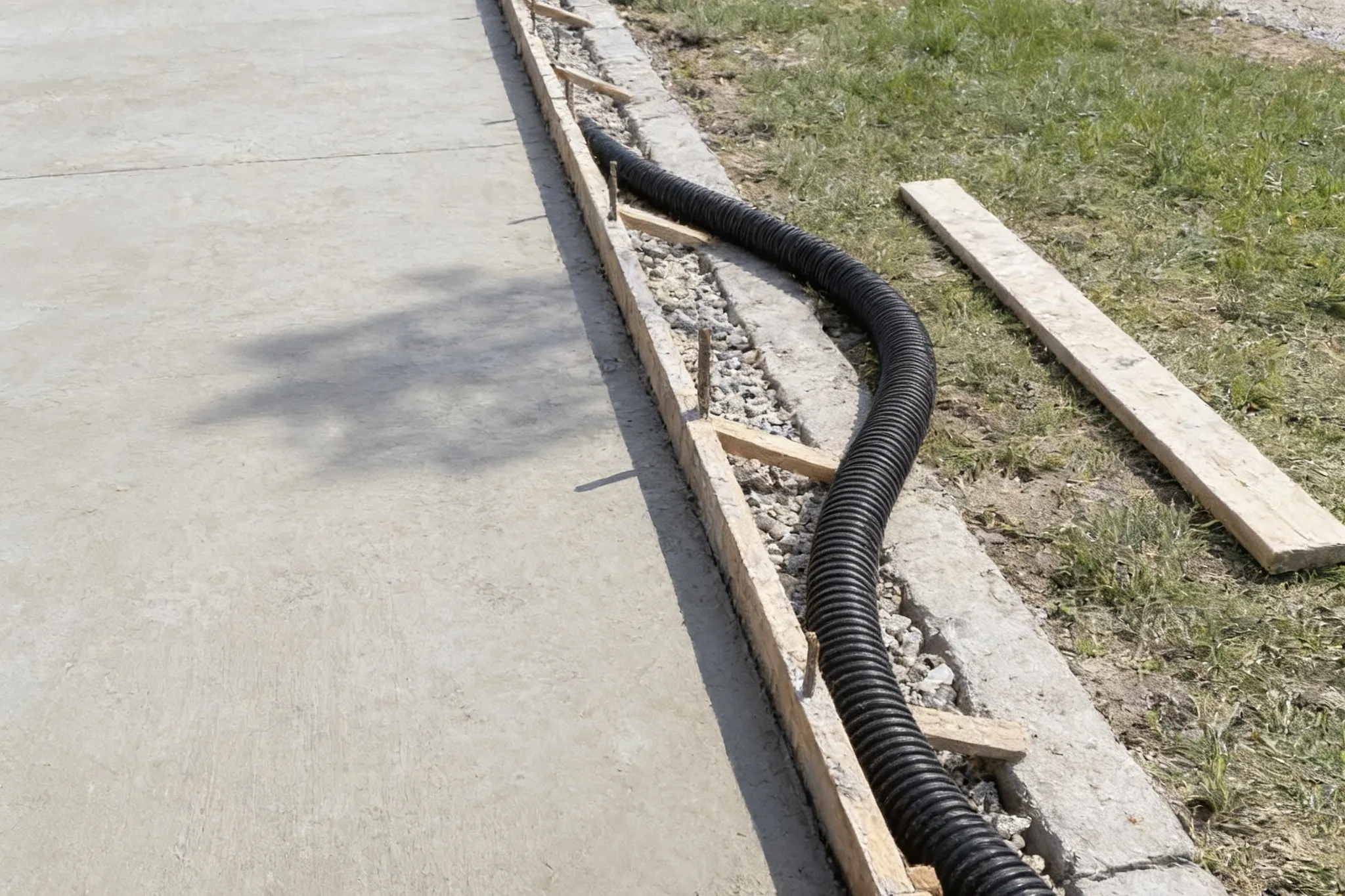
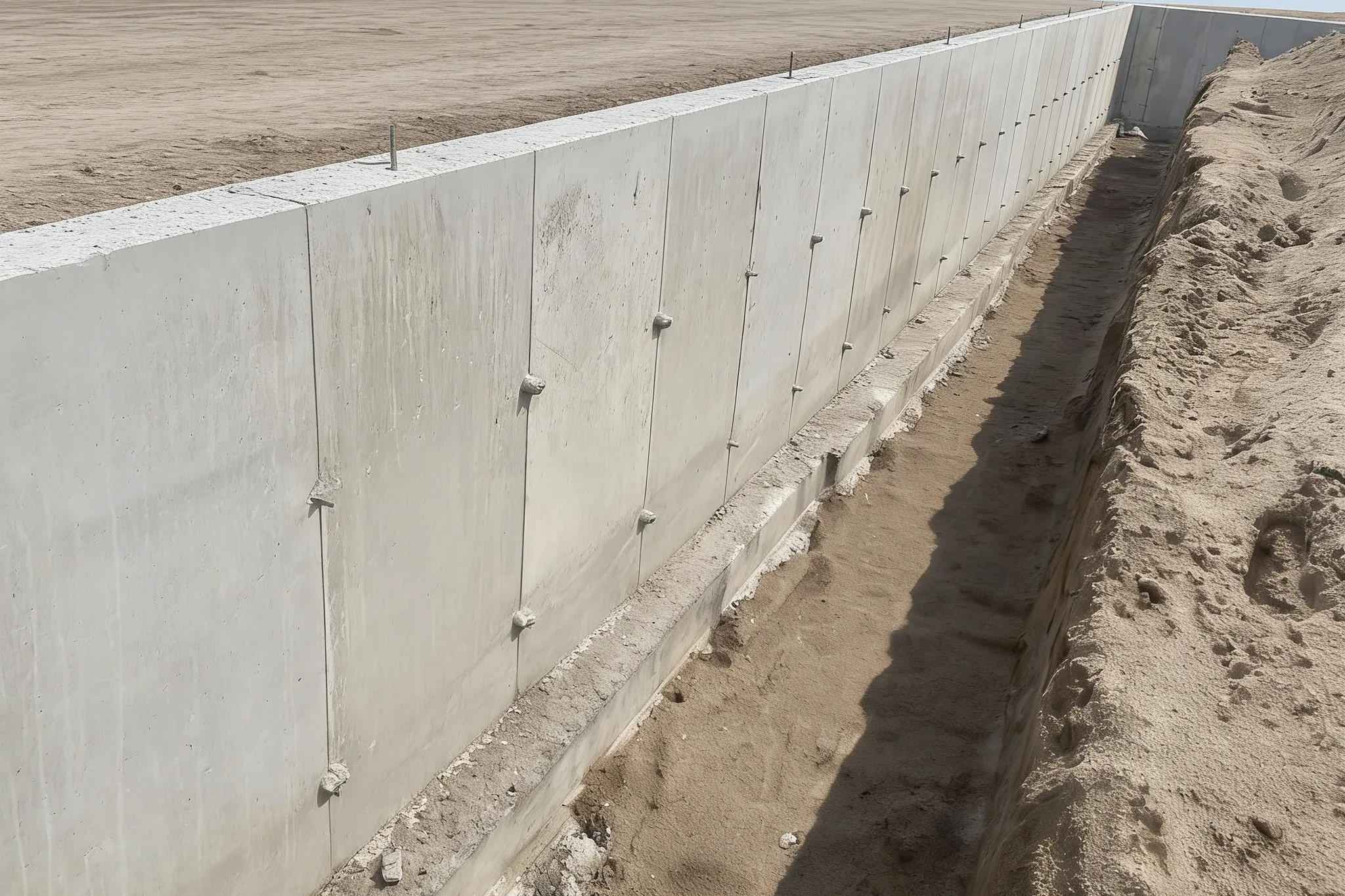
That is why a single crack injection rarely fixes a wet stone wall. Where water seeps in along the whole wall, an interior weeping-tile system that collects it at the footing and sends it to a sump is often the lasting answer, and it goes in without digging up a heritage lot. Where the stone itself is breaking down, an exterior dig, repair and membrane keep the wall dry instead. Often the outside of the wall needs fresh parging at the same time, done so it looks right on a century stone house.
Newer homes on Centre Wellington clay-loam
Up the hill and in the new subdivisions, the ground matters as much as the wall. Clay-loam holds water against the foundation, and new subdivision ground keeps settling for a season or two. The water then finds a crack, a tie hole or the joint where the floor meets the wall.
Depending on what we find, the fix is crack injection, regrading the ground away from the house, or an interior or exterior system. We tell you which your house needs, not the biggest job we could sell. Fergus jobs run on our regular Wellington County routes, and more on the town is on our Fergus page.
Straight answers
Why do old Fergus homes near the river have wet basements?
They sit low, near the Grand River, where the water table is higher and the spring melt stays in the ground longer. Most of them stand on old limestone foundations that let water in along the mortar joints. Put the two together and water seeps in along the wall each spring. We find where it gets in, then quote an interior weeping-tile system or an exterior membrane to suit the wall.
My Fergus house is only a few years old. Why is the basement leaking?
On a newer lot the ground plays a big part. The clay-loam here holds water against the foundation, and new subdivision ground keeps settling for a season or two. Water then finds a crack, a tie hole or the joint where the floor meets the wall. Depending on what we find, the fix can be crack injection, regrading the ground away from the house, or a full system. We check before we quote.
Can you waterproof a limestone heritage foundation without making it look wrong?
Yes. An interior weeping-tile system keeps the outside of the wall as it is. If the outside needs work, we repair and re-parge it to suit the stone house, not skim it with something that looks out of place.
How much does basement waterproofing cost in Fergus?
It depends on the method and the wall. The depth to the footing, the length and state of the wall, access around the house and what the old drainage is like all change it. An interior system and an exterior dig are different jobs. We give you a free written quote after we see where the water comes in, and the number on the quote is the number you pay unless you change the job.
Water is coming in right now. What do I do?
Send the quote form. From October to March you can check the box that says water is actively coming in, and urgent water problems are seen first. We reply within one business day.
Keep reading
- Basement Waterproofing across Southern OntarioHow we choose between an interior weeping-tile system and an exterior membrane, step by step.
- Concrete Contractors in FergusEverything else we pour and repair in Fergus, from the stone core to the new subdivisions.
- Basement Waterproofing in GuelphThe same Wellington limestone and clay-loam, under the old Royal City stone foundations.
Tell us about the job.
Send the details and we'll get back to you within one business day with next steps. If water is coming in right now, check the box and we flag it urgent.
Get a straight quote
Free · no pressure · 1 business day