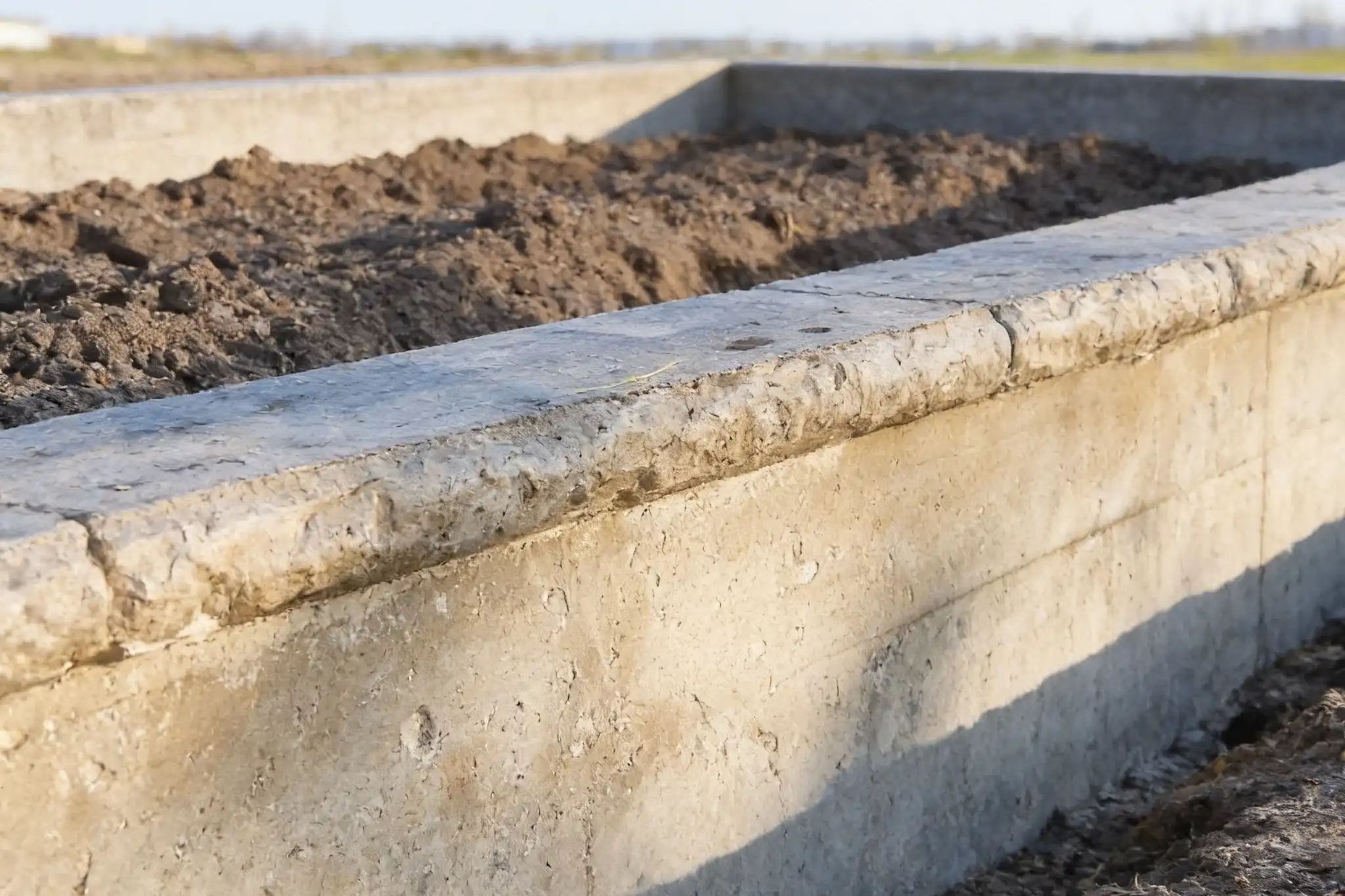
Parging in St. George
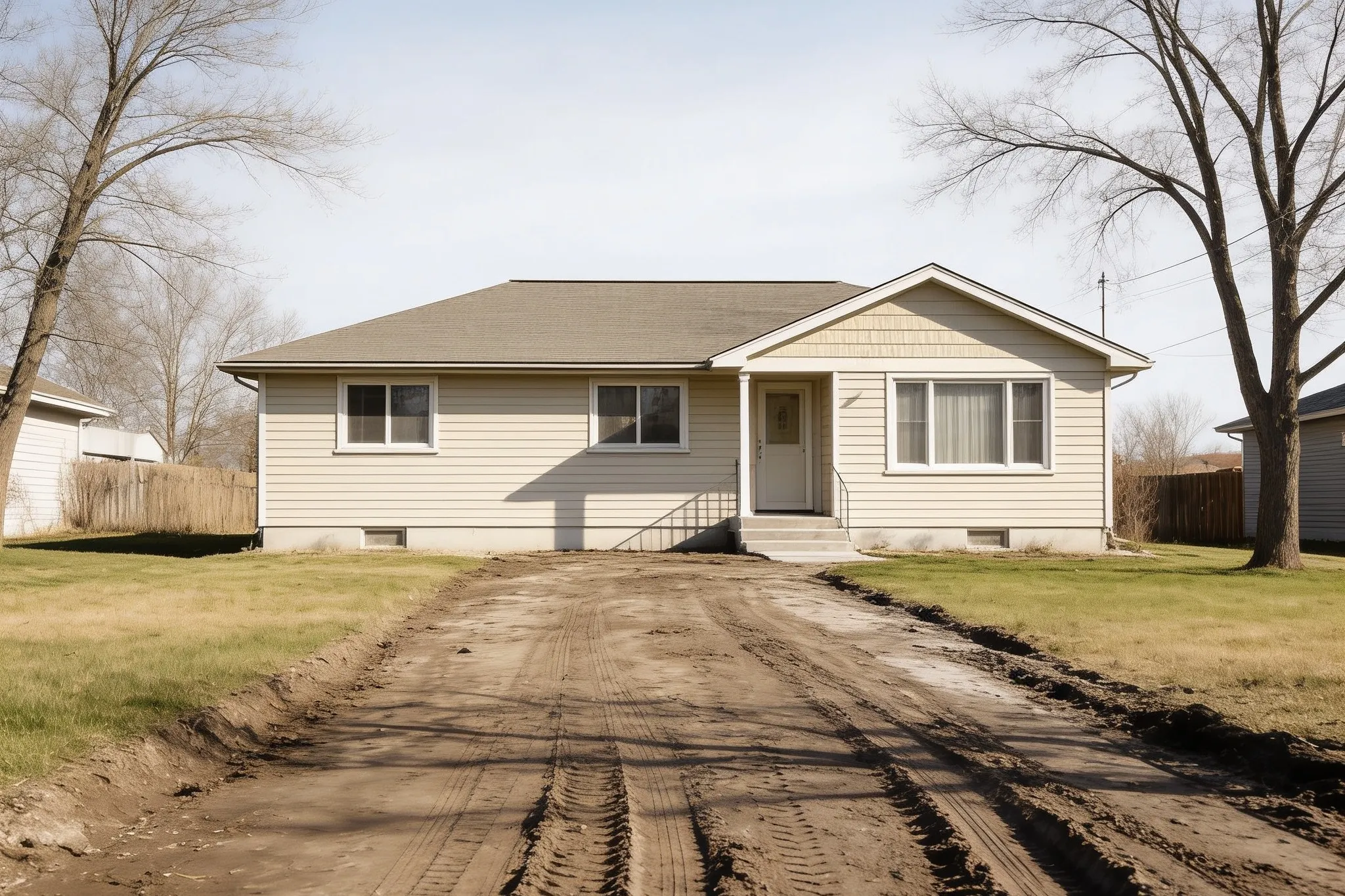
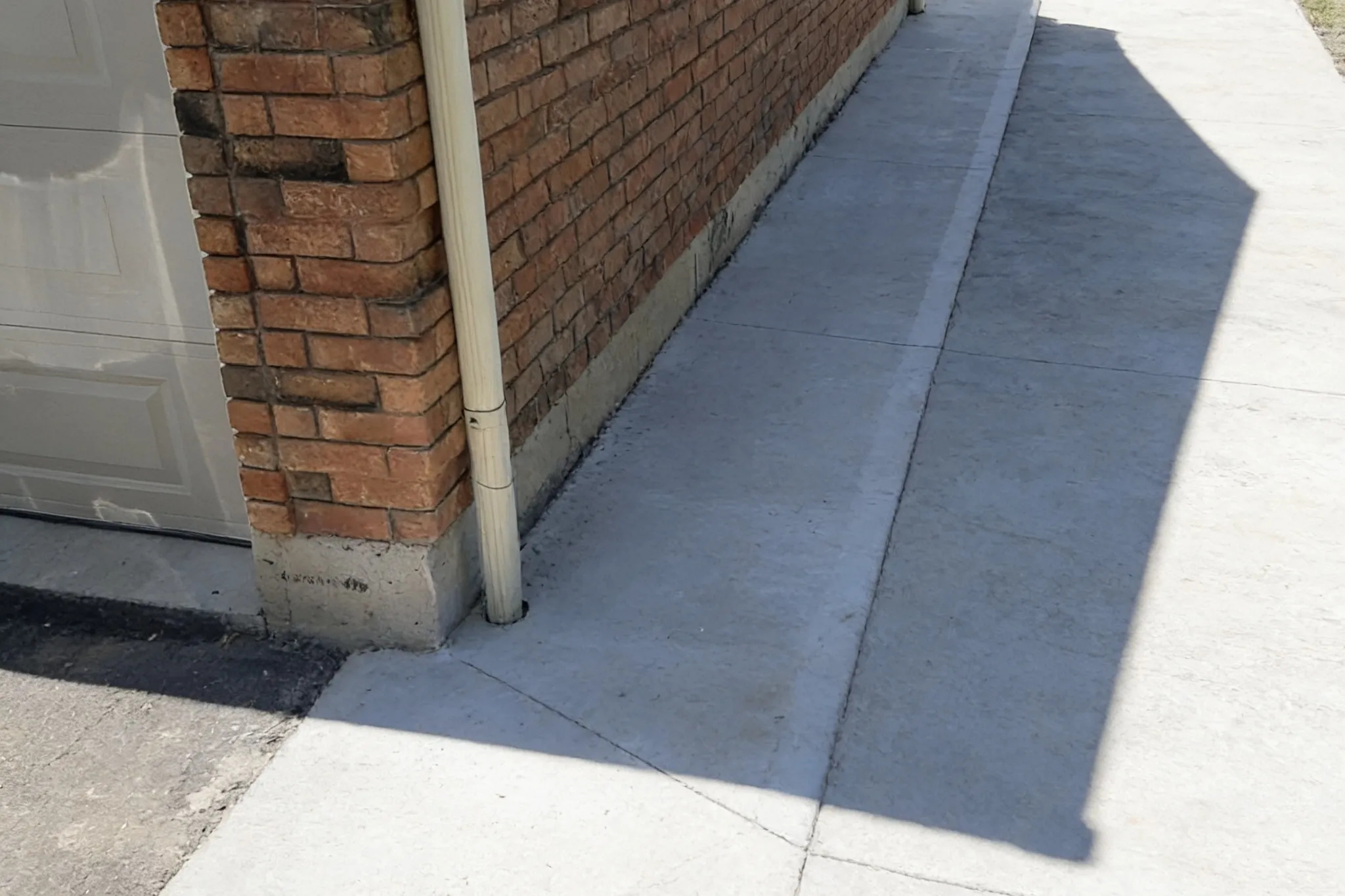
We re-parge the exposed foundation band on St. George homes: the century houses off Main Street, the stone and rubble farmhouse walls along the concession roads, and the block foundations on newer lots. We strip the coat back to solid material, bond a fresh one that sheds water, and tell you plainly when the wall behind it needs more than a parge coat. St. George sits on our weekly Brant County route, the quote is free and written, and the labour carries a lifetime warranty.
Get a straight quote
Free · no pressure · 1 business day
Reviewed June 2026
Every job is priced individually, not off a price list. Tell us about yours and you get an accurate, no-pressure quote in writing.
St. George has older foundations than most people expect from a small Brant County village. The farmhouse on Blue Lake Road where Adelaide Hunter Hoodless was born went up in 1830, and the concession roads around the village still carry stone and rubble foundations from the same era. Inside the village, the blocks off Main Street mix century homes with postwar infill.
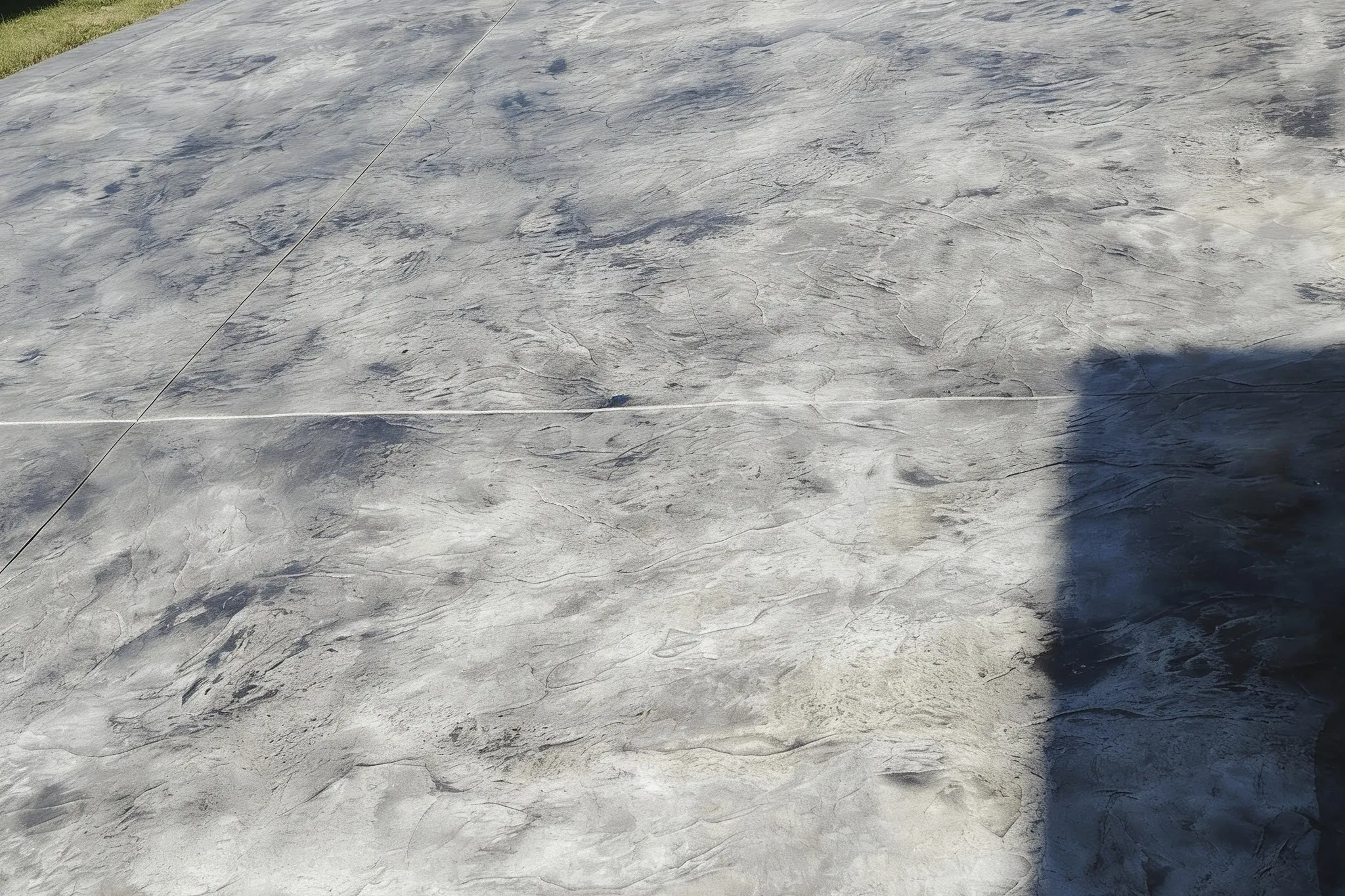
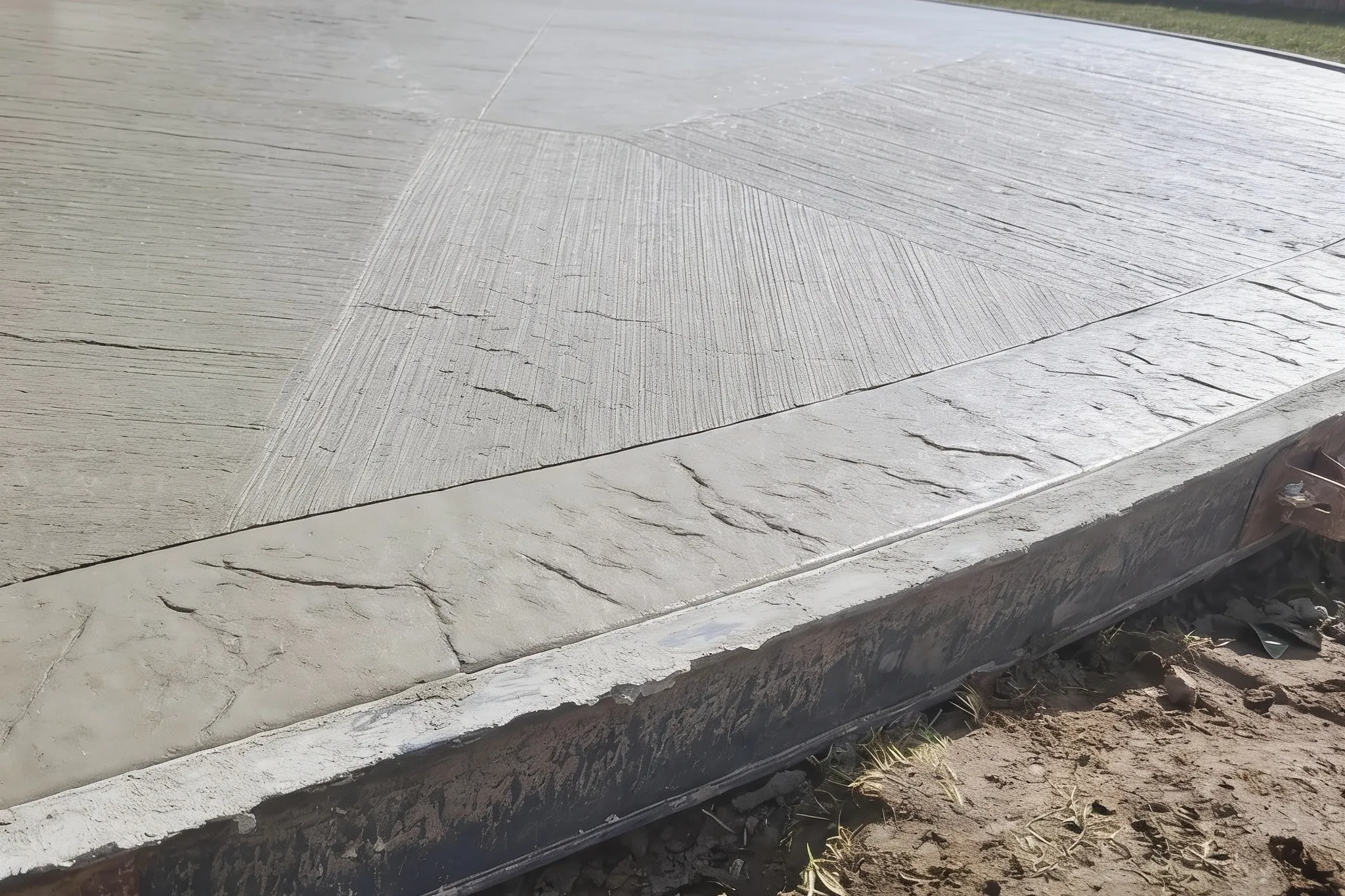
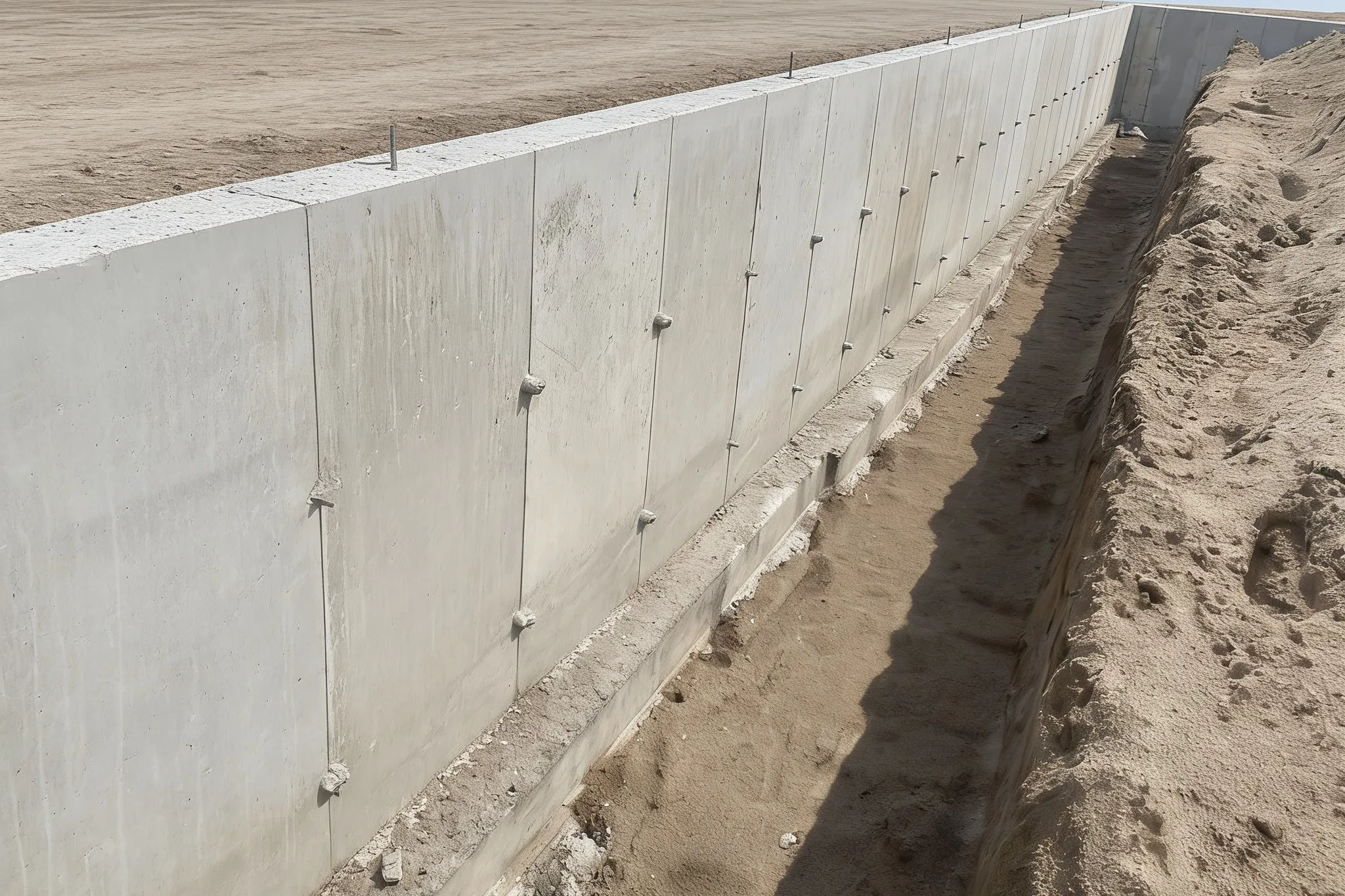
Parging is a sacrificial skin. The band of mortar between grade and the siding or brick takes the snow, the salt and the meltwater so the structural wall behind it does not have to. Once the coat is gone, the wall itself starts to take the freeze-thaw damage.
The full method, with the bonding agent on every recoat, the two-pass coat on a rough wall and mesh where the wall calls for it, is on our parging page. This page is about what St. George's clay and old farmhouse walls change about the job.
What St. George's clay does to a foundation wall
St. George sits up on a clay plain rather than down in a river valley. Snowmelt and spring rain do not drain through clay loam quickly, so the ground beside a foundation can stay soaked for weeks in March and April. Water held against the wall works into every gap in the parge coat, and each frost pushes the coat a little further off the wall.
When we look at a St. George wall, we check the grading and the downspouts as well as the coat. A fresh parge coat over ground that sends water at the wall every spring will not last as long as it should.
Stone and rubble farmhouse walls
A stone or rubble foundation is not a flat block wall, and we do not treat it like one. The crew sounds the whole exposed band, strips back every hollow or loose patch, and cleans off old paint and dust. A rough face gets a bonding agent and a coat built in two passes, with fibreglass mesh where the coat crosses filled voids or a change from stone to block or poured concrete.
We are also honest about the limit. Parging protects the face of the wall; it does not hold a wall together. If the wall is bowing or the mortar has failed deep into the joints, you need a mason or an engineer first, not a parge coat, and we tell you that at the visit.
Parging or a wet-basement problem?
Parging is a weather skin, not waterproofing. If your St. George basement is wet only in March and April, the water is most likely coming through below grade while the clay is saturated, and a new coat above grade will not stop it. The fix depends on where it comes in: grading and downspouts first, crack injection for one leaking seam, interior drainage when the floor joint weeps along its length.
When that is the case, parging is the last step, after the basement waterproofing or foundation repair work. We sort out which job your wall needs at the free visit.
Straight answers
Is a parging job in St. George too small for you to come out?
No. St. George is on our weekly Brant County route in season, alongside Brantford and Paris, so a single foundation wall rides along with other jobs. A small job gets the same free written quote as a large one.
Can you parge an old stone or rubble farmhouse foundation?
Often, yes. We strip the loose material, use a bonding agent and build the coat in two passes on the rough face, with mesh over patches and changes in material. If the wall is bowing or the joints have failed deep inside, we tell you it needs a mason or an engineer before any parge coat goes on.
How much does parging cost in St. George?
There is no honest flat rate, because the cost is mostly preparation. The height and length of the exposed band, how much old coat or paint has to come off, whether a rough stone face needs two passes and mesh, and access around the house all move it. The visit and the written quote are free, and the number on the quote is the number on the invoice unless you change the job.
When is the best time to book parging?
Parging needs temperatures above 5°C and a frost-free cure, which here means roughly mid-April to October. A late-season coat that freezes before it cures usually fails by spring, so we move a job rather than pour into a cold snap.
Keep reading
- Parging across Southern OntarioThe full method: prep, bonding agent, coat thickness, mesh and the cure window.
- Concrete Contractors in St. GeorgeEverything else we pour and repair in the village and on the concession roads around it.
- Foundation RepairWhen the wall behind the parge is cracked or moving, fix the wall first, then parge.
- Basement WaterproofingSpring water coming in below grade needs a waterproofing fix; parging goes on after.
Tell us about the job.
Send the details and we'll get back to you within one business day with next steps. If water is coming in right now, check the box and we flag it urgent.
Get a straight quote
Free · no pressure · 1 business day