HomeServicesBasement WaterproofingNiagara-on-the-Lake
Basement Waterproofing in Niagara-on-the-Lake
In Niagara-on-the-Lake, the oldest foundations are the nineteenth-century homes of the Old Town and Queenston, close to the Niagara River and Lake Ontario. The lakeshore plain is sandy and silty loam over clay. We do two kinds of work, an interior weeping-tile system or an exterior dig and membrane, and the wall decides which one you get. The written quote is free, the labour carries a lifetime warranty, and from October to March a leak that is active now can be flagged urgent.
Get a straight quote
Free · no pressure · 1 business day
Reviewed June 2026
Every job is priced individually, not off a price list. Tell us about yours and you get an accurate, no-pressure quote in writing.
Niagara-on-the-Lake is not one town but several under one name. The Old Town carries the regency and classical-revival housing that was built after the town was burned in 1813, and Queenston keeps an older core of its own. Those are the foundations that have stood the longest, and the Old Town sits close to the river and the lake.
This end of the peninsula is the flat Lake Iroquois plain, sandy and silty loam that drains well and grows the fruit and the vineyards the town is known for. Clay sits under that loam. Across Southern Ontario, clay soil holds melt water and rain against a foundation, and the water finds a crack, a tie hole or the joint where the floor meets the wall.
The full method, the weeping tile, the sump and the exterior membrane, is on our basement waterproofing page. Use the form for a free written quote, and from October to March, check the urgent box if water is coming in now.
Old foundations in the Old Town and Queenston
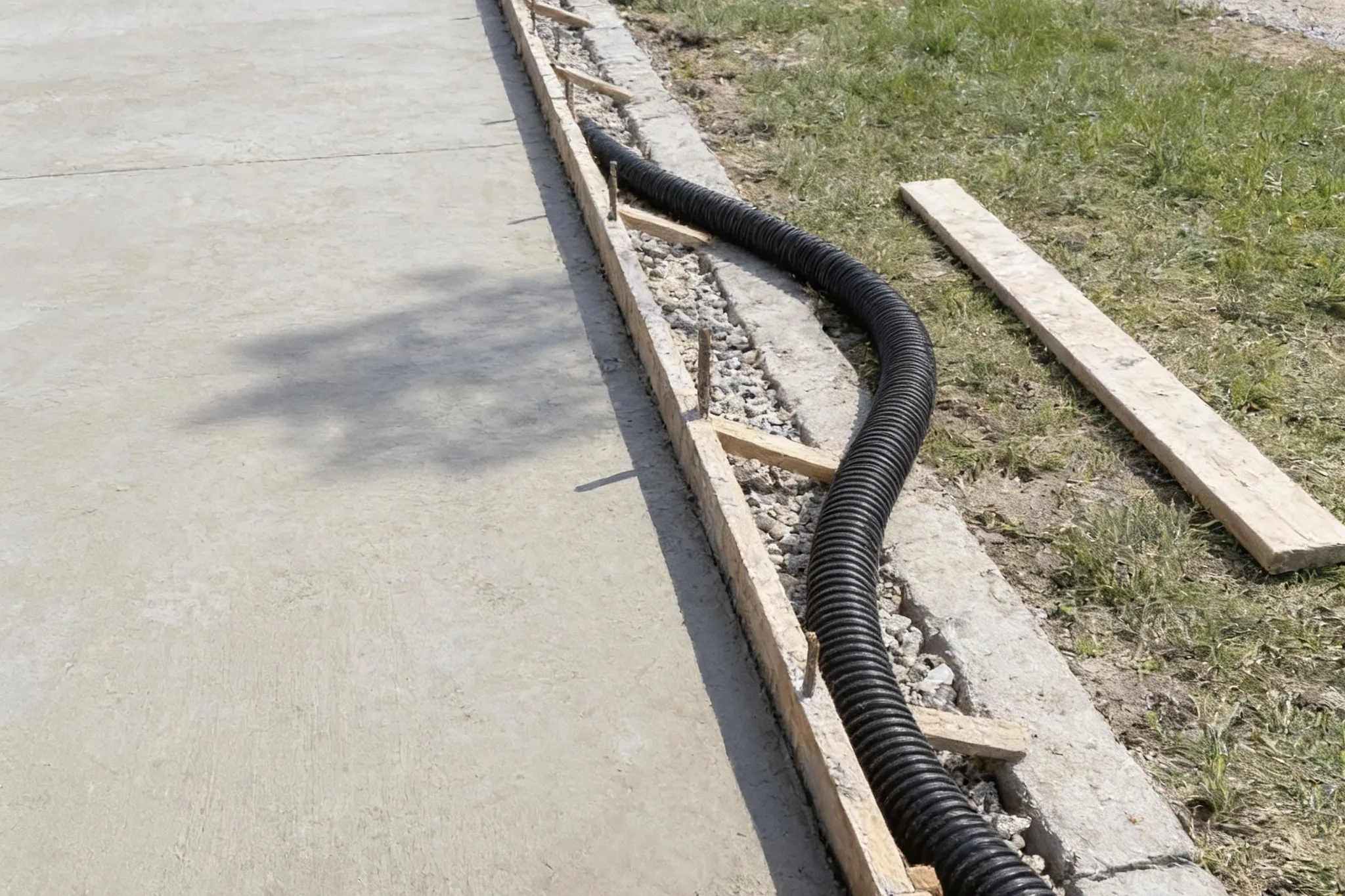
The Old Town is a designated Heritage Conservation District, and its houses are among the oldest in town. In older homes the original clay weeping tiles have often silted up or collapsed, so the water that should drain away at the footing just sits there, looking for a way in. Patching the one crack you can see sends the water to the next one.
Newer housing is in the subdivisions in Glendale near Niagara College and on the serviced lots around St. Davids. Whatever the age of the house, downspouts that dump beside the wall and grading that slopes toward the house feed the problem, so we check them first.
Interior or exterior: what decides it
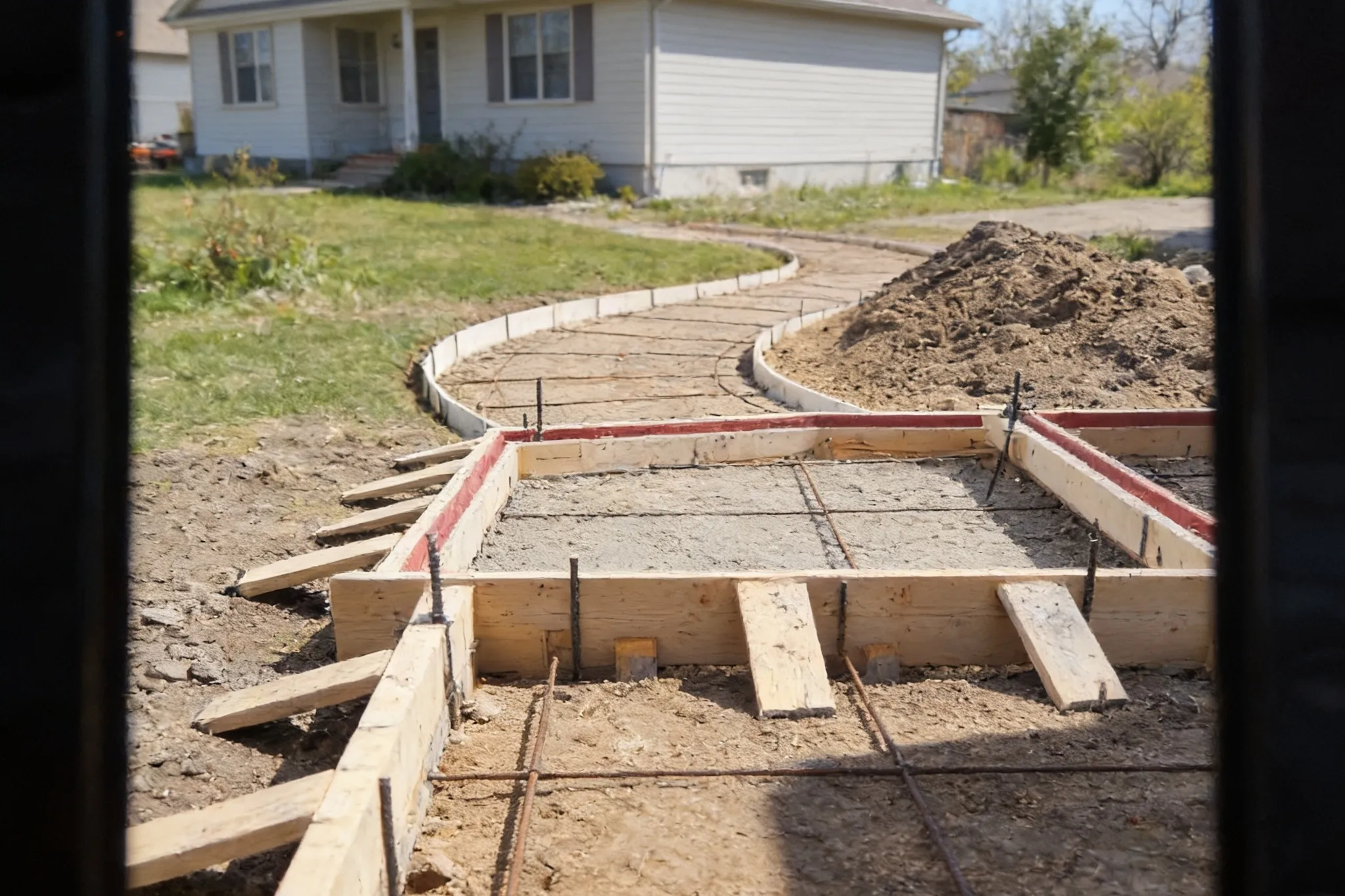
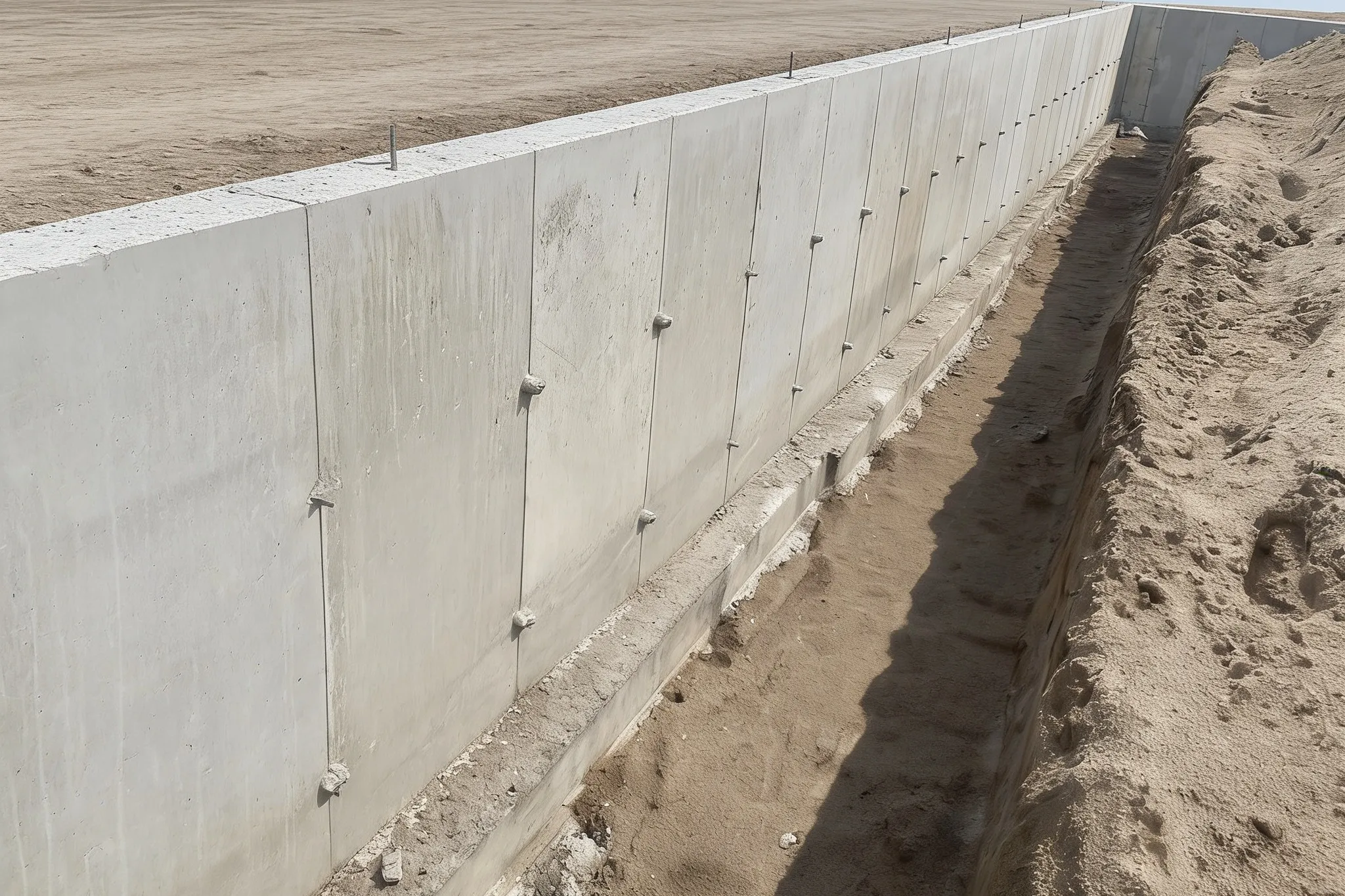
An interior weeping-tile system collects the water at the footing and sends it to a sump, and it goes in from inside without tearing up gardens, decks or driveways. It wins when the wall is structurally sound but leaking. An exterior dig and membrane is the bigger job, and the right one when a block wall is deteriorating from constant saturation or when you want the wall dry instead of drained. We install both, so the quote calls it straight, and when the choice is close we price the two side by side.
Exterior work on a heritage street
An exterior dig changes the ground beside the house, and on a designated street that matters. Before we book exterior work in the Old Town, confirm with the Town what your property needs. Interior work changes nothing you can see from the street.
Exterior digs run from spring to freeze-up, and interior systems go in year-round. Niagara-on-the-Lake is on our regular Niagara run through the season, so a job here books into that route.
Straight answers
Our Old Town house is well over a hundred years old. Why does the basement get wet?
In older homes the original clay weeping tiles have often silted up or collapsed, so water at the footing has nowhere to go. Clay soil holds melt water and rain against the wall until it finds a crack or a joint. A system that gives the water somewhere better to go is what lasts, and the written quote names where the water gets in.
Doesn't the sandy soil here drain well? Why do I have a water problem at all?
The top layer on this plain is well-drained loam, but clay sits under it, and clay holds water against a foundation. Downspouts that dump beside the wall and grading that slopes toward the house add to it.
Interior or exterior waterproofing for a heritage home in Niagara-on-the-Lake?
The wall decides. An interior weeping tile and sump is the more affordable of the two and goes in from inside without tearing up the yard. An exterior dig and membrane is the one that keeps the wall itself dry, for a wall breaking down from constant wet. For exterior work in the Heritage Conservation District, check with the Town what your property needs first. We price both when the choice is close.
How much does basement waterproofing cost in Niagara-on-the-Lake?
It depends on the method and the wall, so we give you a written number after we see where the water comes in. Interior work is the more affordable of the two methods. The quote is free, and the number on it is the number you pay unless you change the job.
There is water in my basement today. What should I do first?
Fill out the quote form. From October to March, check the box that says water is coming in now, and urgent water problems are seen first. We reply to every request within one business day.
Keep reading
- Basement Waterproofing across Southern OntarioHow we choose between an interior weeping tile and an exterior membrane, with the full method.
- Concrete Contractors in Niagara-on-the-LakeEverything else we pour and repair in town, from Old Town steps to estate driveways near Virgil.
Tell us about the job.
Send the details and we'll get back to you within one business day with next steps. If water is coming in right now, check the box and we flag it urgent.
Get a straight quote
Free · no pressure · 1 business day